Latest Articles

Can't Sleep in the Heat? 8 Science-Backed Tricks to Sleep Cooler
Struggling to sleep when the nights are hot? This in-depth guide explains why heat disrupts sleep and gives eight practical, science-informed strategies—bedding, airflow, timing, hydration, and simple DIY hacks—to help you fall and stay asleep comfortably.

Ozempic, Mounjaro and Hair Loss: What Patients Need to Know
Emerging reports link GLP‑1 and dual GIP/GLP‑1 drugs like Ozempic and Mounjaro to hair thinning in some people—often tied to rapid weight loss, nutrient changes, or stress rather than a direct drug effect. This article explains possible mechanisms, what patients should watch for, and practical steps to evaluate and manage hair loss while staying safe on these medications.

Scientists Discover Simple, Drill-Free Way to Stop Cavities
Researchers have identified a noninvasive method that encourages enamel repair and stops early cavities without drilling, potentially changing how dentists treat tooth decay and how patients protect their teeth.

Webb Telescope Finds Hidden Giant Planet in Famous Star System
NASA’s James Webb Space Telescope has revealed a previously unseen giant exoplanet tucked inside a well-known stellar system, altering what astronomers thought they knew about the system’s architecture and planet formation. The discovery, made with Webb’s infrared instruments, offers new evidence about how massive planets form and migrate and opens paths for detailed atmospheric study.

Why Your AI Calorie Tracker Might Be Off by Hundreds
AI-powered calorie counters promise precision but often misestimate intake by hundreds of calories. This article explains why that happens, what it means for health and weight goals, and practical steps users and developers can take to narrow the gap.
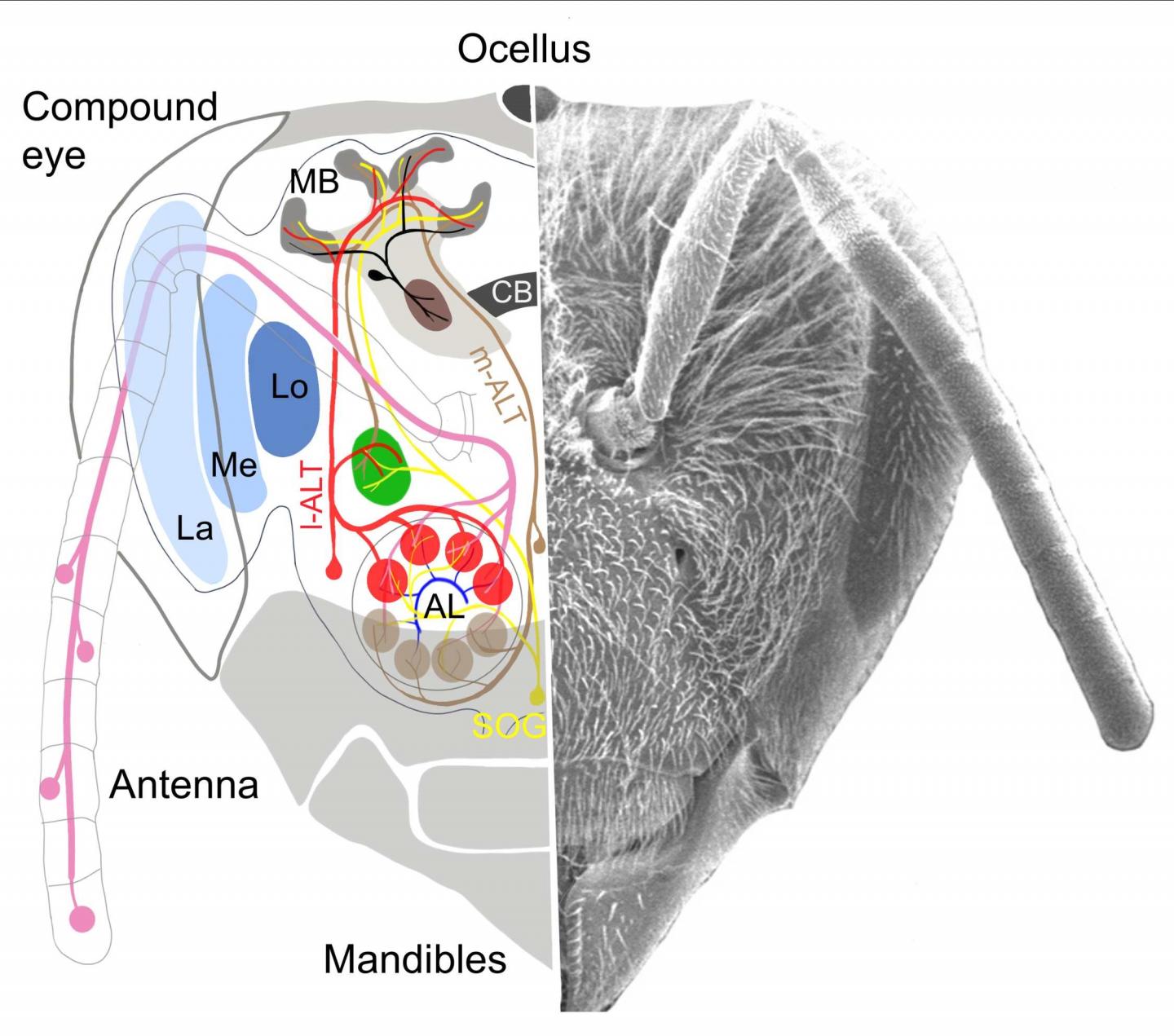
Hidden Brain Switch Assigns Roles in Honeybee Colonies
Researchers have identified a neural mechanism that appears to flip bees between nursing and foraging roles, revealing how a tiny brain coordinates complex social labor. The finding reframes our understanding of insect social organization and opens possibilities for conservation, agriculture, and biomimetic design.