Trending Now
LeafDraft — daily expert insights on technology, finance & world news
540
Articles published
11
Topics covered
90.3K
Articles read
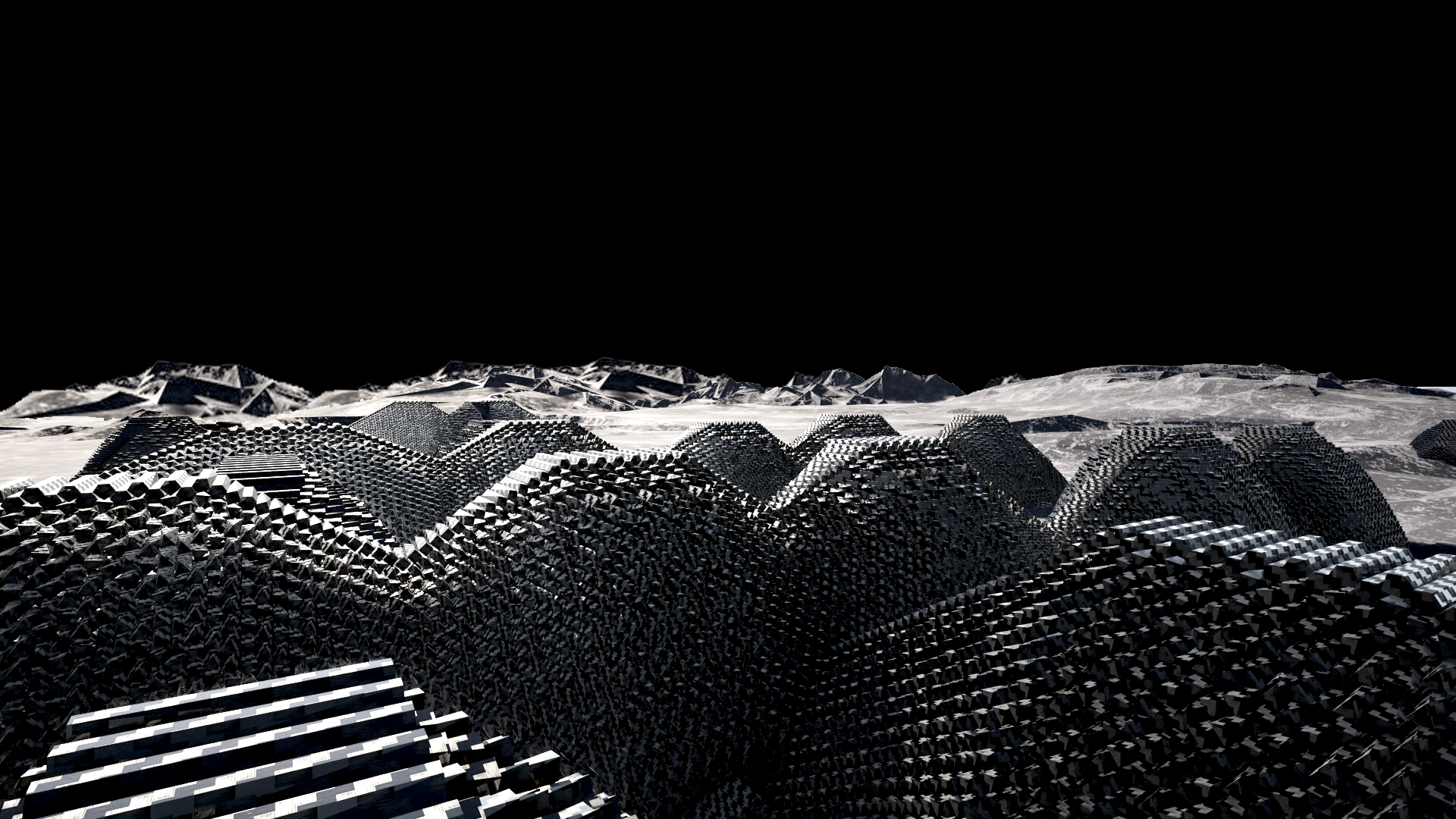
Scientists Turn Moon Dust into LEGO-Like Bricks for Lunar Bases
Researchers have developed methods to convert lunar regolith into interlocking, LEGO-style bricks using sintering, geopolymerization, and modular design—potentially enabling sustainable, low-cost construction of habitats and infrastructure on the Moon.
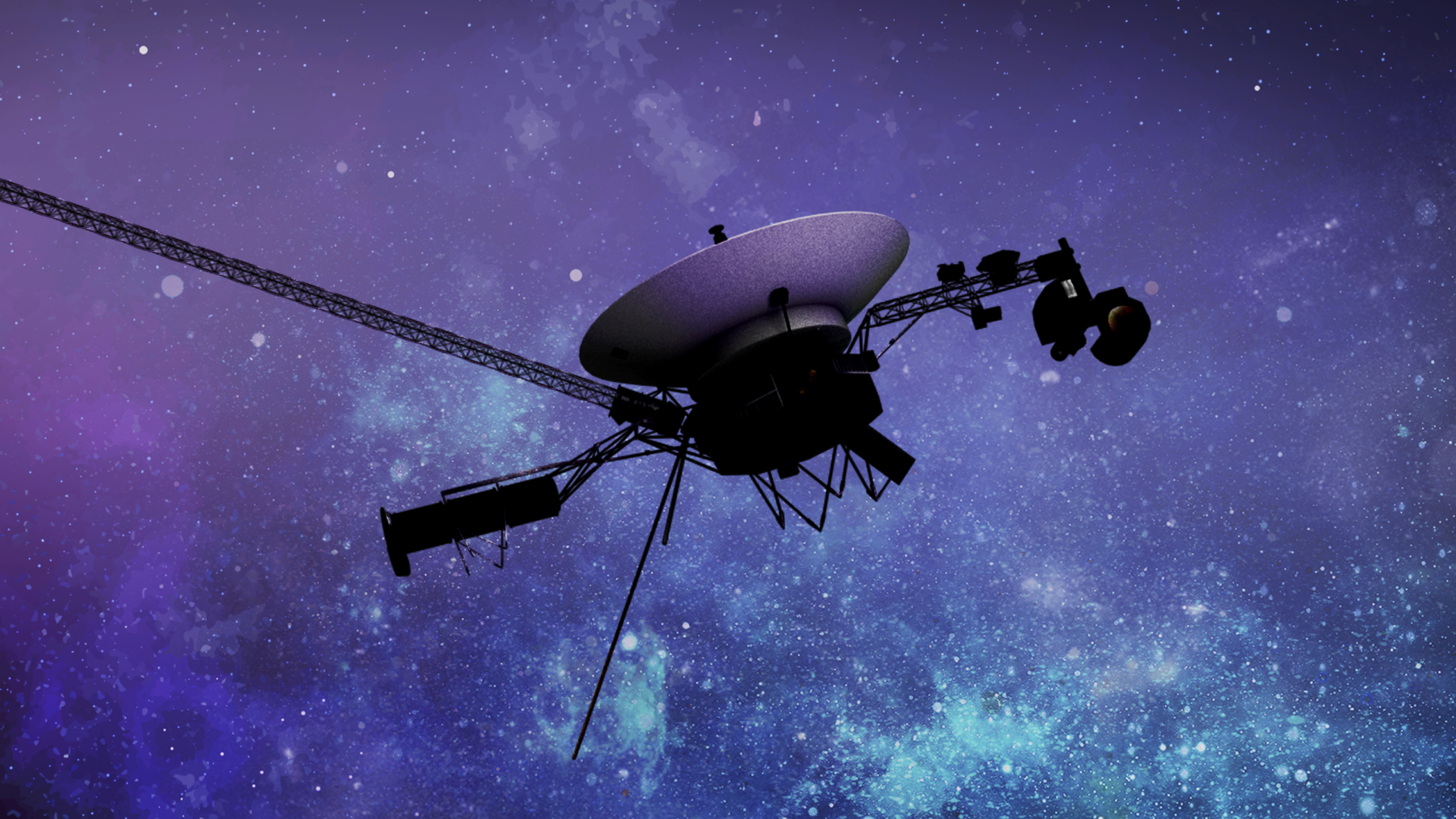
Voyager 1 Now 24 Light-Hours Away — Why the Delay Matters
Voyager 1 has reached a point where light (and radio signals) take roughly 24 hours to travel between Earth and the spacecraft. This article explains what that distance means physically and operationally, why it matters for science and engineering, and how NASA continues to keep the mission running decades after launch.
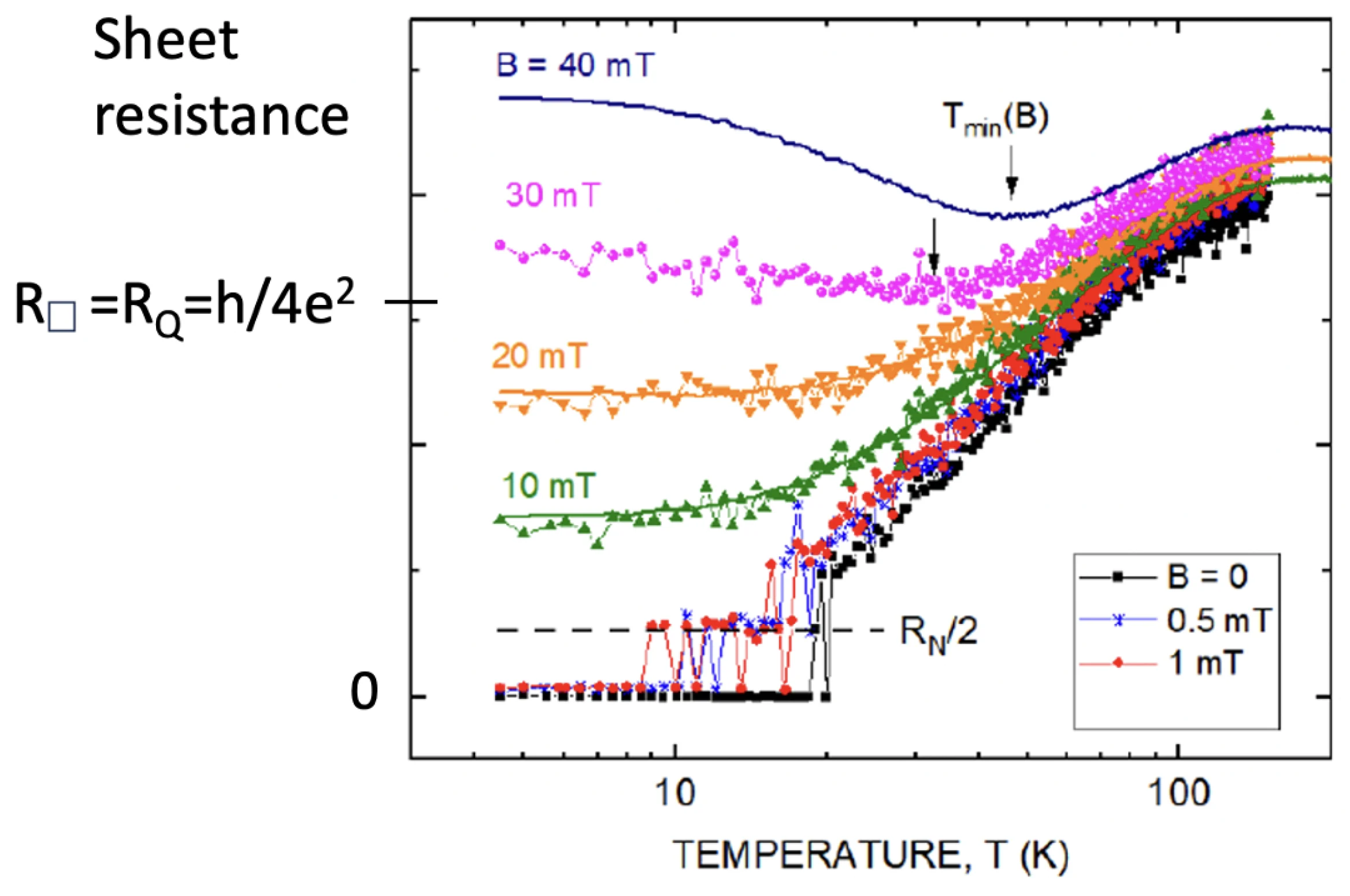
Hidden Barrier to Room-Temperature Superconductors Revealed
A newly identified microscopic mechanism—an interplay of phase fluctuations, disorder, and charge localization—may explain why true room-temperature, ambient-pressure superconductors remain out of reach. This feature unpacks the physics, experimental hints, and what the discovery means for the path forward.
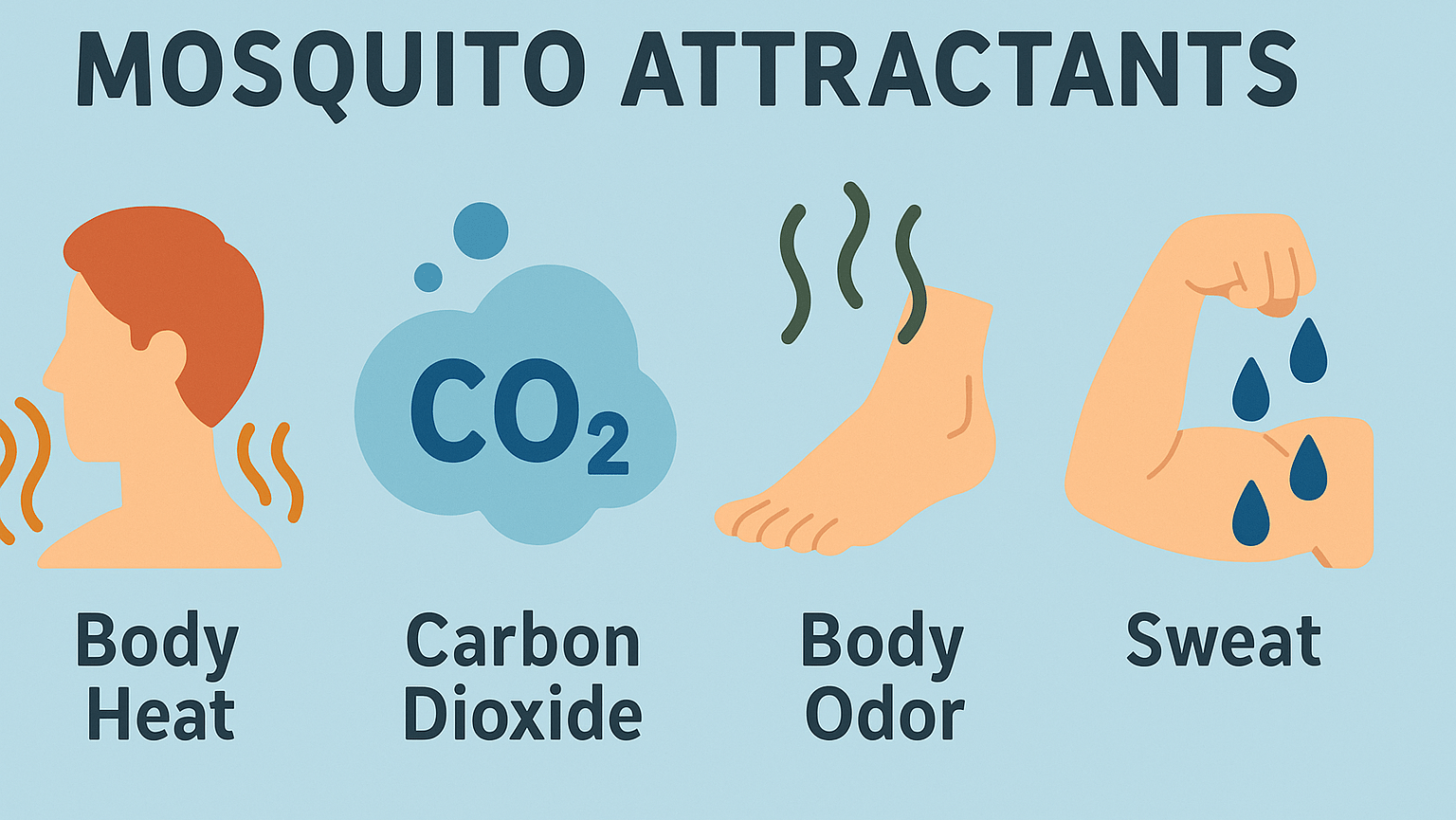
Why Some Mosquitoes Prefer You—and How Science Knows
New research reveals how mosquito attraction is driven by a mix of human scent chemistry, skin microbes, genetics and behavior — and what that means for bite prevention and disease risk. This article explains the mechanisms, practical steps to reduce bites, and where the science is heading.
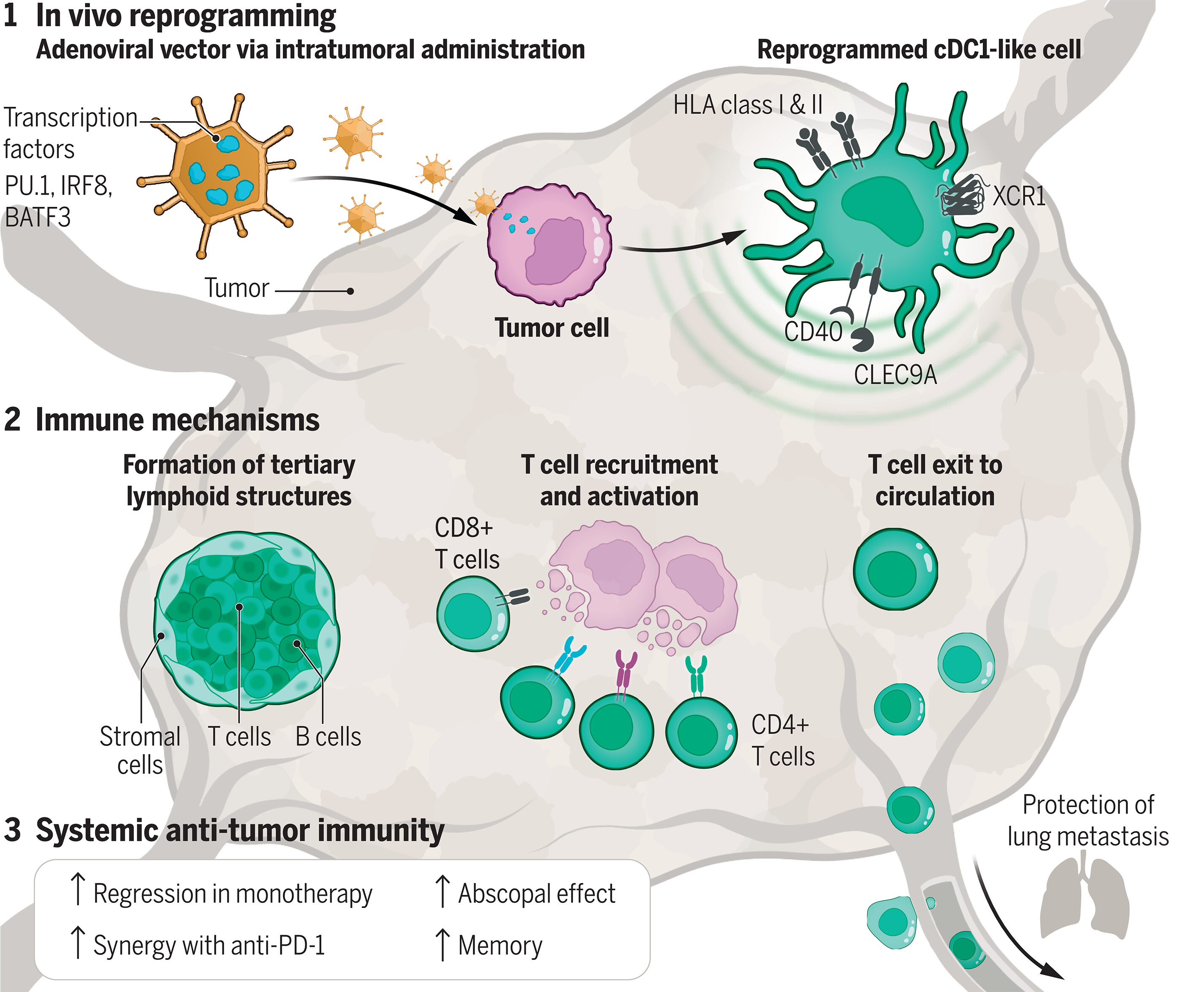
MIT Reprograms Immune Cells Inside the Body to Kill Cancer
Researchers at MIT have developed a method to reprogram patients' own immune cells in vivo, turning them into tumor-seeking cancer killers. The approach promises faster, cheaper, and more accessible immunotherapies but faces safety, delivery, and regulatory hurdles before it can reach widespread clinical use.
Physicists Smash Oxygen Nuclei to Recreate Big Bang Matter
Scientists are colliding oxygen nuclei to recreate the extreme, short-lived state of matter that existed microseconds after the Big Bang — the quark-gluon plasma — allowing new tests of how ordinary matter formed. This feature explains the experiment, why oxygen is used, what detectors reveal, and what the results mean for cosmology and particle physics.