The One Job AI Probably Won’t Replace in 50 Years
The argument that artificial intelligence will end whole professions has become a cultural reflex: headline after headline, algorithmic advances are framed as the next wave of job destruction. But not all work is created equal. Some tasks are routine, data-driven, and therefore highly automatable; others are defined by presence, moral responsibility, improvised physical action, and the kind of nuanced, embodied empathy that resists algorithmic capture. If you asked me to name one job I believe is effectively 100% safe from complete substitution by AI over the next 50 years, it would be: end-of-life hospice caregiver and human death companion. This is not a sentimental claim. It rests on concrete features of the work—physical touch, ethical judgment, cultural ritual, legal accountability, and unpredictable context—that make full automation implausible within a half-century. In this article I’ll explain why, where AI will help, and what caregivers and policy makers should do next.
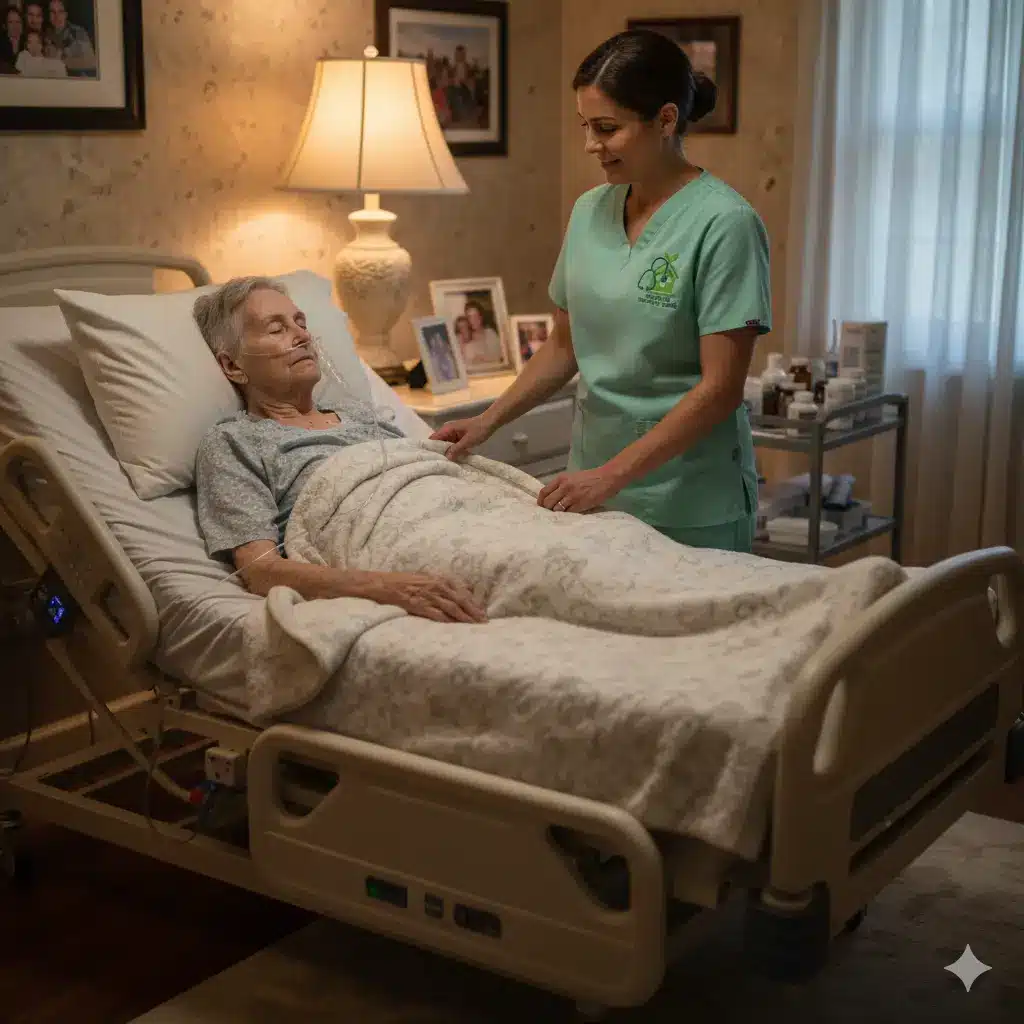
hospice caregiver bedside
Why Pick One Job — and Why This One?
Choosing a single profession forces clarity. Many roles will be partially automated but not eradicated; many will shift from execution to oversight. But hospice caregiving combines three hard-to-replicate dimensions: the need for sustained physical presence and touch, the requirement for real-time moral and ethical decision-making with legal implications, and the cultural and interpersonal tasks of witnessing, ritual, and meaning-making at life’s end. These are not merely emotional; they are technical, legal, and social competencies stacked together in a highly unpredictable environment.
Embodied presence: the limits of remote or simulated care
At its core, hospice work is about presence. Administering medication is a clinical task; explaining prognosis is communicative; cleaning or repositioning a patient is tactile. Some of those elements can be supported by machines: robots can deliver trays, sensors can monitor vitals, and generative models can draft scripts for conversations. But the act of holding a hand, adjusting a pillow by feel, cleaning a wound with delicate judgment, or responding to a sudden, raw emotional release requires a body in the room, sensory discrimination, and a human’s improvisational touch. Haptic feedback and telepresence will improve, but a remote device cannot replicate the weight of a hand, the warmth of skin, or the immediate microadjustments an experienced caregiver makes in response to a subtle groan or a change in skin temperature.
human death companion
Moral and legal responsibility: decisions you can’t outsource
Hospice caregivers routinely make decisions that have legal and ethical consequences: titrating pain medication when the patient is near death, interpreting advance directives during ambiguous moments, or alerting families when a subtle decline signals imminent death. These choices are not algorithmic problems with single correct answers; they depend on values, cultural context, and negotiated consent. Entrusting such judgment to an opaque algorithm raises liability and trust concerns that courts, regulators, and families will be wary to accept. Machines cannot be moral agents in the way human caregivers must be—they can recommend, but responsibility and accountability land on people.
Caregiving at the end of life is less about tasks than about bearing witness; that human act is hard to quantify, and harder to automate.
Cultural and ritual work: meaning beyond mechanics
Death is not a technical event only; it is a cultural process. Different communities have rituals, timing, language, and symbolic acts that accompany dying. A caregiver often helps families navigate these rituals, translating medical realities into culturally resonant steps—fetching a religious object, advising how to involve children, or coordinating with a funeral celebrant. Cultural fluency depends on lived experience and empathy rather than codebooks. Attempts to encode culture into datasets risk flattening nuance and offending families in crisis.

end-of-life ritual cultural
What AI Can — and Will — Do in Hospice Work
Declaring a job safe does not mean it will be untouched by technology. AI will augment hospice care dramatically, making practitioners more effective and families better informed. Understanding the augmentation helps clarify why full replacement remains unlikely.
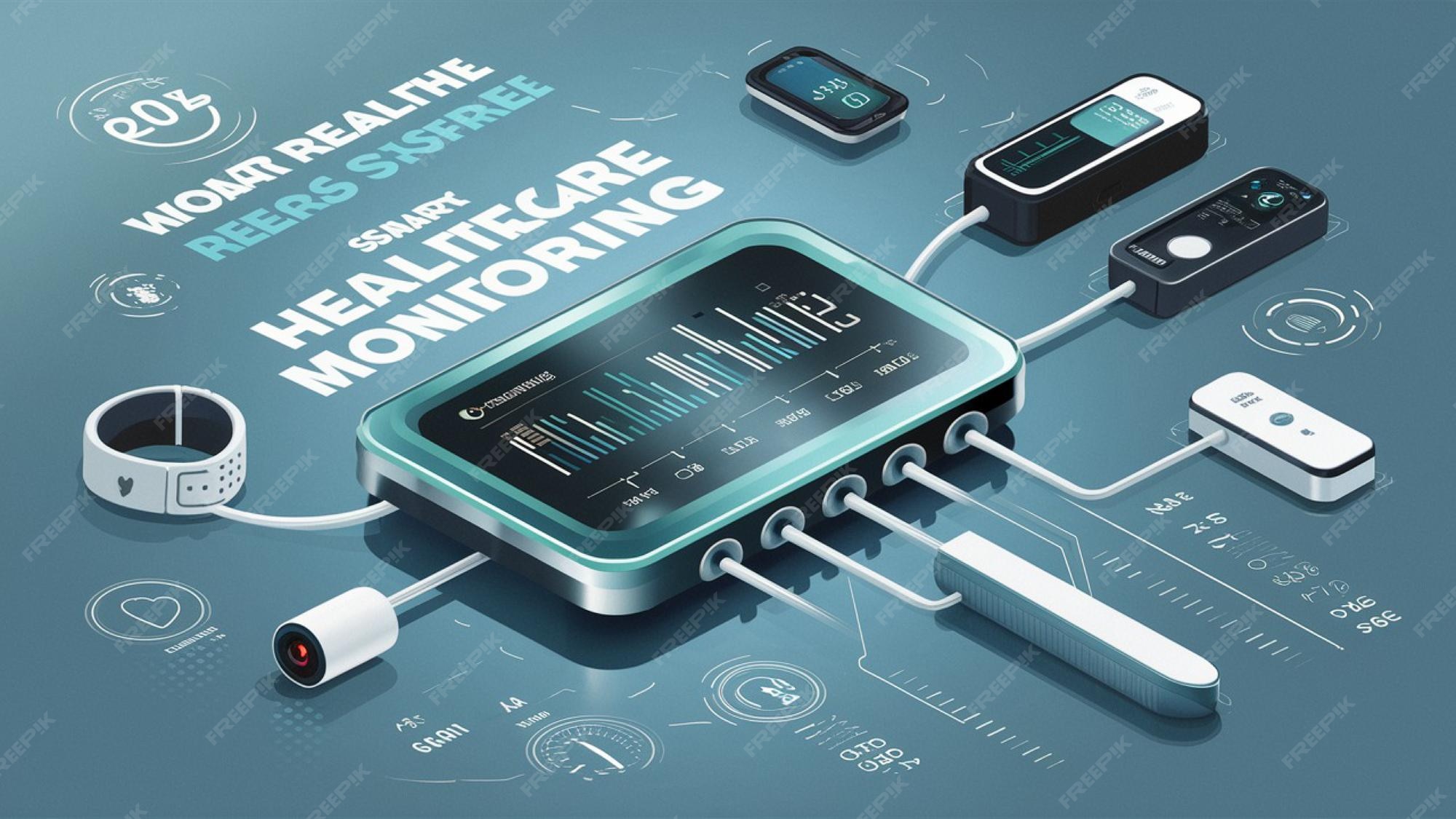
AI healthcare monitoring system
Predictive tools and monitoring
AI excels at pattern recognition. Predictive models can forecast pain crises, suggest optimal analgesic dosing ranges based on past responses, or detect subtle changes in breathing patterns that precede respiratory failure. Wearables and bedside sensors will alert nurses to falls or changes in circulation earlier than human monitoring alone. These tools reduce cognitive load and prevent avoidable suffering—but they do not replace the decisions caregivers must make when those alerts come in.
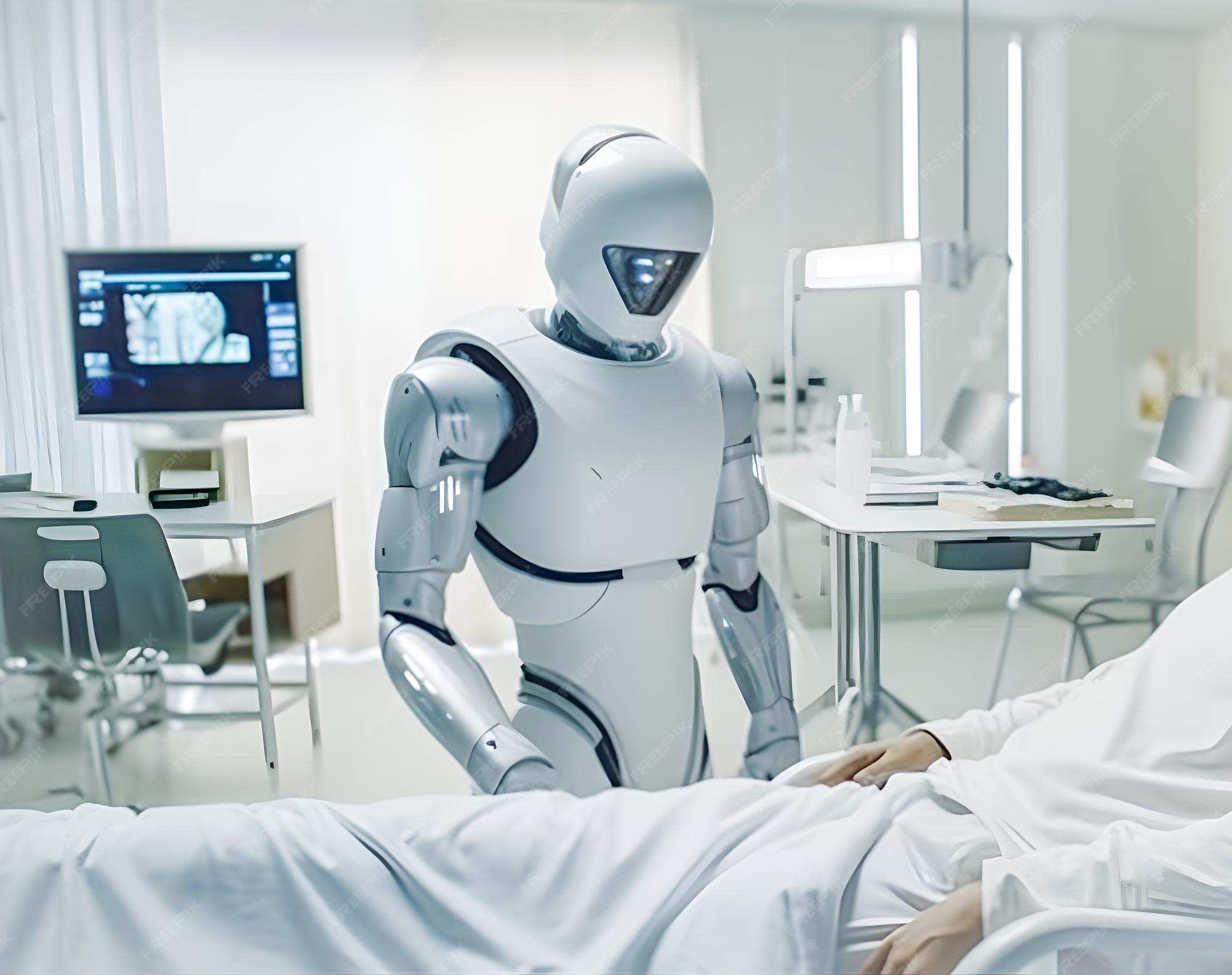
robotic patient assistance
Documentation, communications, and administrative relief
Generative AI can draft clear, compassionate messages to families, summarize complex chart data, and prepare bereavement resources. Automation will shave hours from paperwork, freeing caregivers to spend more time at the bedside. But the final sign-off and the human tone—especially when a family questions a clinical judgment—remain the caregiver’s responsibility.

hospice facility interior
Training and decision support
Immersive simulations and virtual-reality scenarios, enhanced by AI feedback, can accelerate training for clinical skills and difficult conversations. Decision-support systems can present likely outcomes and ethical frameworks in real time. Those systems help novices learn faster and seasoned professionals double-check rare scenarios. Still, on-the-ground judgment in a messy, emotional room is different from simulated competence.
Four Core Reasons Full Automation Is Implausible
To make the case concrete, consider four interlocking reasons hospice caregiving is resistant to full automation.
- Irreducible embodiment: Tasks that require touch, smell, nuanced observation of subtle bodily cues, and immediate motor responses are inherently physical.
- Diffuse moral agency: Caregivers carry responsibility for decisions with legal and ethical consequences; society is unlikely to accept opaque algorithmic responsibility for life-and-death bedside judgments.
- Cultural and interpersonal nuance: Ritual, mourning, and family dynamics are context-dependent and shaped by shared human history, not datasets alone.
- Trust and legitimacy: Families in grief choose people they can look in the eye; trust is built through reciprocal vulnerability, which machines cannot genuinely offer.
Edge cases and failure modes
No job is invulnerable to technological breakthroughs, and society sometimes accepts automation where it once seemed impossible. But the failure modes in this space are high-stakes: a mistimed dose, a misinterpreted advance directive, or an automated message that misreads cultural protocol can produce profound harm. Those high costs will shape conservative regulatory responses and family preferences that favor human caregiving in sensitive cases.
How the Profession Will Change — and How Caregivers Can Adapt
Rather than fearing obsolescence, hospice professionals can plan how to benefit from AI while preserving the human core of their work. The most adaptable caregivers will be those who combine clinical skill with cultural literacy and emotional labor.

palliative care training
Skills that will matter more than ever
Some skills will become even more valuable: advanced communication, cultural competence, manual caregiving techniques, legal literacy around end-of-life directives, and supervisory skills for human-AI collaboration. The ability to translate AI recommendations into human terms—communicating probability and uncertainty—will be a marketable competency.
Career pathways and team design
Hospices and health systems should redesign teams where AI handles monitoring and routine documentation, while humans handle bedside care, complex decisions, and bereavement counseling. Career ladders will reward those who master both patient-facing skills and the governance of AI tools.
- Reduced administrative burden.
- Better early-warning systems for crises.
- Improved training pipelines.
- Risk of de-skilling if humans over-rely on alerts.
- Possible erosion of bedside time if management misallocates savings.
- Ethical tensions around data and consent.
What Policy Makers and Organizations Should Do
Protecting humane end-of-life care is not just a professional concern; it is public policy. Regulations should enshrine human accountability for key decisions, fund caregiver training, and ensure fair reimbursement models that value presence as much as procedures.
Regulatory guardrails
Policymakers should require transparent AI explainability for recommendations that affect dosing and prognostication, mandate human sign-off for certain classes of decisions, and protect data privacy for sensitive end-of-life conversations. Reimbursement structures should reward time spent at the bedside and bereavement care, not merely the use of technology.
Public investment and workforce planning
Funding for workforce development—scholarships, apprenticeships, and continuing education—ensures a pipeline of caregivers skilled in both bedside craft and AI oversight. Community-based programs that honor cultural rituals should be supported so families have options that respect their values.
A Caution: Nothing Is Truly Certain — But Some Jobs Are Safer
Predicting fifty years is risky. Breakthroughs in robotics, synthetic touch, or new legal frameworks could alter this landscape. Yet the convergence of ethical complexity, embodied skill, cultural depth, and legal accountability makes full automation of end-of-life caregiving far less likely than the automation of clerical, transport, or even many clinical diagnostic tasks. The prudent stance is not complacency; it’s preparation—to let AI do what it does well while protecting and amplifying the uniquely human parts of care.
If we measure the worth of a job by its replaceability, we miss what workplaces are for: human connection, trust, and mutual dignity.
Conclusion — What This Means for Workers and Society
AI will be a powerful partner in hospice work: faster triage, cleaner documentation, and better training. But the essence of caregiving at life’s end—the hand that steadies, the voice that stays, the person who interprets legal nuance while honoring cultural ritual—remains anchored to human beings. For workers, the path forward is clear: deepen interpersonal and tactile skills, learn to govern and collaborate with AI, and advocate for policies that value human presence. For society, it is a reminder that technological progress need not erase what matters most; it can free us to focus more time on compassion, if we make the right choices.
- End-of-life hospice caregiving combines physical touch, moral responsibility, and cultural work that make full automation unlikely within 50 years.
- AI will augment—monitoring, documentation, training—but cannot bear moral accountability or authentic presence.
- Policy and reimbursement should value bedside time and mandate human sign-off on critical decisions.
- Caregivers should upskill in communication, cultural competence, and AI oversight to remain indispensable.