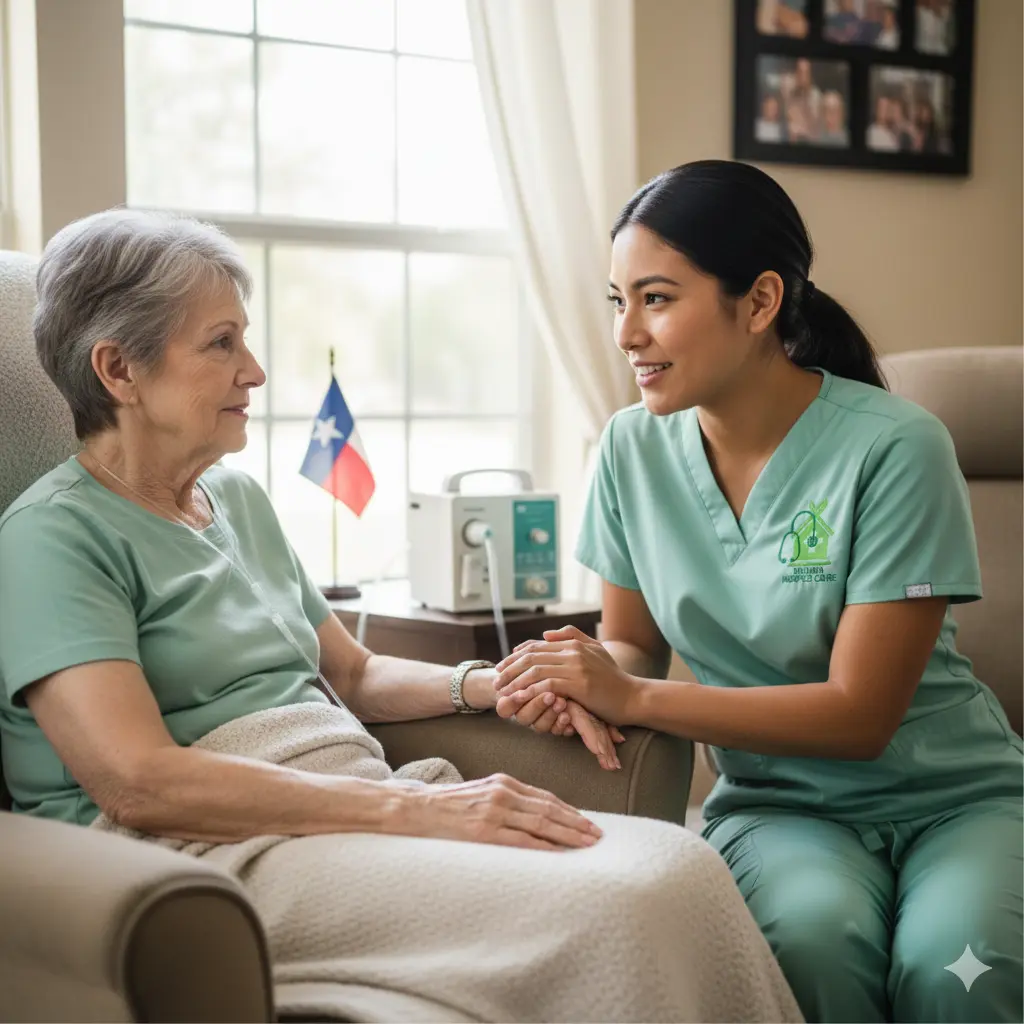
The One Job AI Probably Won’t Replace: Palliative Care Nurse
The race between artificial intelligence and human work often reads like a zero-sum drama: algorithms learn, machines scale, people lose jobs. But not every human skill is a neat package that code can optimize away. In a hospital corridor, at a kitchen table, or in the hush of a hospice room, palliative care nurses perform a hybrid of hands-on clinical work, improvisational problem solving, moral judgment and sustained emotional presence. Those intangibles make this profession an instructive case study for what AI may change, and what it will likely never fully replace in the next 50 years.

hospital palliative care team
Palliative care nursing is less a list of tasks and more a practice of being—one that resists neat translation into algorithms.
WHAT THIS JOB REALLY IS
Defining Palliative Care Nursing
Palliative care nurses specialize in relieving suffering and improving quality of life for people with serious, often life-limiting illnesses. Their work spans symptom control, advanced care planning, family communication, and coordination across teams and settings. Unlike some specialties that focus narrowly on procedures or data interpretation, palliative care blends physiology with psychology, law, and culture. It requires clinical knowledge—how to titrate pain medications, evaluate dyspnea, manage nausea—combined with emotional intelligence: how to help a family interpret prognosis, how to hold a space for grief, how to negotiate values when goals of care conflict.
A Day in the Life (Beyond the Checklist)
On a typical day a palliative nurse may:
- Assess and manage symptoms at the bedside.
- Facilitate a family meeting where decisions rotate around values, not just options.
- Interpret subtle changes in a patient’s affect or nonverbal cues that signal deeper distress.
- Advocate with specialists about the risks and benefits of interventions when life expectancy and quality-of-life concerns collide.
- Arrange home supports, hospice referrals, or practical resources that are as much social work as nursing.
These responsibilities are nested in real-world constraints: limited time, messy medical records, variable family dynamics, and the unpredictable trajectories of serious illness.

hospice bedside nursing care
WHY AI WILL TRANSFORM BUT NOT REPLACE
Clear Strengths—and Clear Limits—of AI
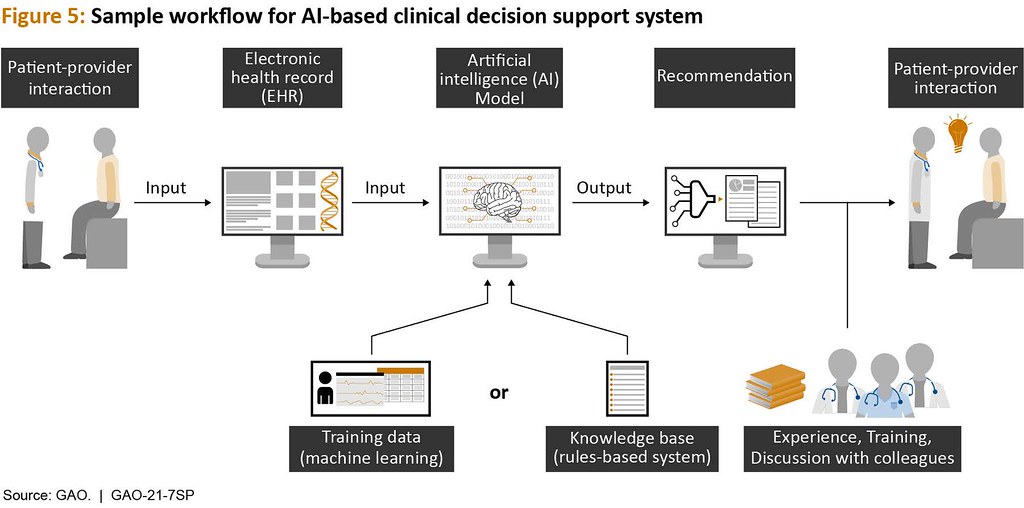
AI excels where pattern recognition and scale matter: reading imaging, predicting risk scores, suggesting medication adjustments based on guidelines. In palliative care those tools will be valuable. AI can flag patients who would benefit from early palliative referral, surface medication interactions, automate routine documentation, and summarize medical histories before a visit.
But palliative nursing lives in the messy margins—ambiguous prognoses, cultural rituals, conflicting family narratives—where data is noisy, incomplete, and value-laden. This is a terrain where the same AI that recommends a protocol may lack the attunement to decide whether to recommend it, or how to present it, to a frightened spouse at 2 a.m.
AI medical decision support
Embodied Presence and the Limits of Simulation
AI can simulate empathy—scripted responses that feel plausible—but simulation is not the same as presence. Palliative nursing depends on small, cumulative acts of care: repositioning a patient to ease breathlessness, reading a spouse’s tremor and pausing the conversation, staying with someone who is afraid. These are sensory, temporal, and tactile. Robots may lift, deliver medication, or video-call families, but the therapeutic power of a human who can touch a hand, modulate tone in response to micro-signals, or sit in silence without trying to fix everything is not only about function; it’s about relational trust built over time.
Moral and Legal Judgment Under Uncertainty
Palliative care frequently involves ethical judgments where there is no single correct answer. Decisions hinge on competing values—autonomy versus protection, prolongation of life versus preventing suffering—and on cultural and spiritual considerations. Nurses are often the translators of those values: they surface preferences, hold space for dissenting family members, and sometimes escalate or resist interventions to align care with a patient’s goals.
AI can offer probabilities and precedent, but it cannot bear moral responsibility. In medicine, responsibility matters. When choices have irreversible consequences, clinicians and families need human stewards who can explain, apologize, negotiate, and be held accountable in ways that machines cannot be.

family medical meeting discussion
THE UNIQUE HUMAN SKILLS THAT MATTER
1. Emotional Calibration
Palliative nurses continuously read and respond to emotional states. Emotional calibration is not just recognizing sadness—it’s modulating a conversation so a family member hears what they need without being overwhelmed, deciding when humor can ease tension, or when silence is the only honest response. Algorithms can detect sentiment, but they cannot yet manage the moral choreography of a family meeting or know when a joke will land like balm or blow up the room.
2. Cultural Competence and Ritual Sensitivity
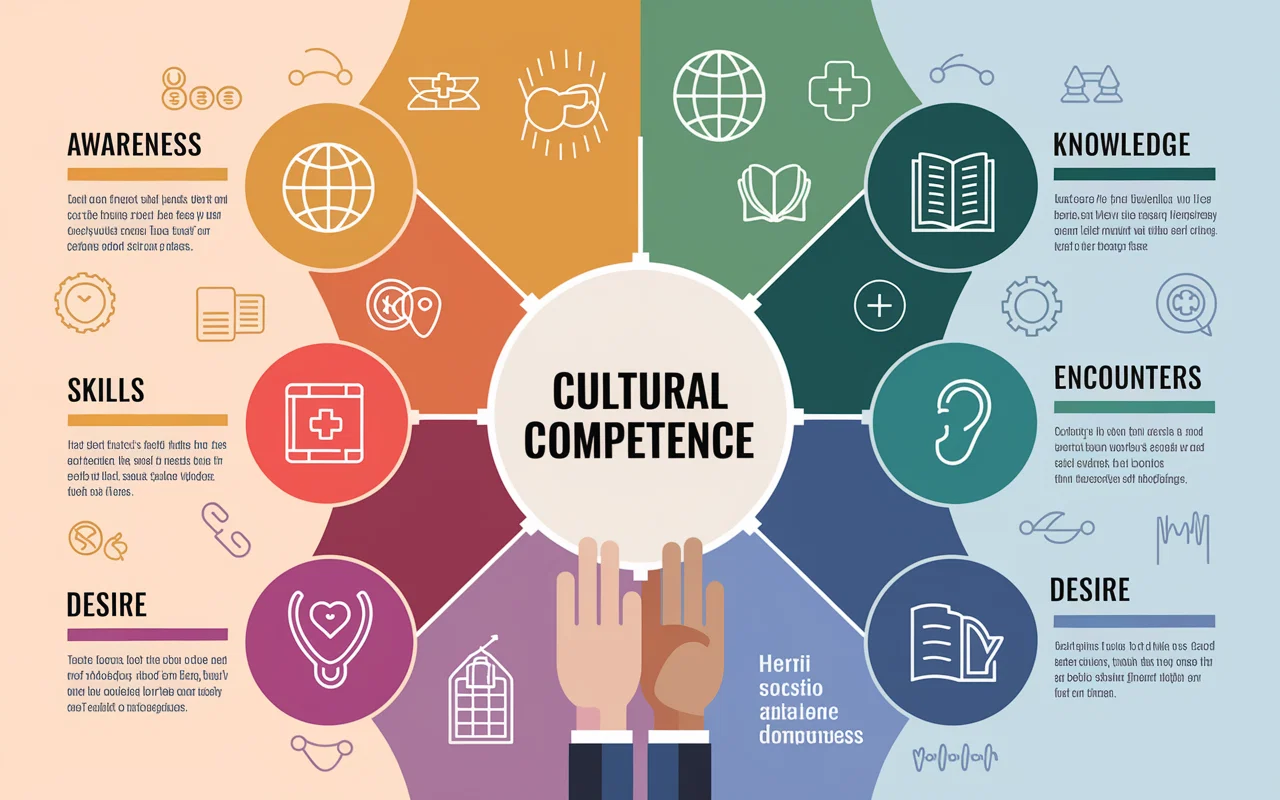
End-of-life practices are suffused with cultural meaning. Whether a family values communal decision-making, certain religious rites, or specific burial practices affects clinical choices. Palliative nurses learn to recognize, respect, and incorporate these rituals—sometimes improvising plans to honor them. Cultural competence is a lived skill that evolves through relationships, mentorship, and immersion. AI trained on data that underrepresents cultural nuance risks making insensitive or dangerous recommendations.
healthcare cultural competence training
3. Improvisation Under Pressure
Medical crises do not always follow protocols. Perhaps a community has no immediate hospice capacity, insurance barriers delay transfers, or a patient’s sudden delirium requires swift bedside improvisation. Nurses do triage, negotiate, and invent solutions within human systems. This flexible problem-solving combines factual knowledge with social leverage and creativity—traits AI can assist but not fully replicate.
HOW AI WILL HELP—AND WHY THAT STRENGTHENS THE ROLE
AI as Amplifier, Not Replacement
Instead of making palliative nurses obsolete, AI is more likely to amplify their impact. Consider a future where AI handles chart summarization, suggests symptom management options, and triages referrals. Those efficiencies free nurses for the human work: nuanced conversations, complex coordination, and bedside presence. The effect is not job elimination so much as job elevation—nurses spending proportionally more time on high-value human tasks.
- Reduced administrative burden frees time for patient care.
- Faster information synthesis helps with clinical decisions.
- Predictive tools identify unmet palliative needs earlier.
- Risk of deskilling if core judgment tasks are offloaded.
- Bias amplification if training data is unrepresentative.
- Overreliance could erode clinician confidence in ambiguous moments.
Practical Examples of Collaboration
Imagine an AI that flags a hospitalized patient with escalating pain and suggests evidence-based titration strategies. The palliative nurse uses the suggestion, but then interviews the patient, learns that the pain flares with nightmares tied to trauma, and adjusts the plan to include counseling and a change in sleep hygiene. AI gave a starting point; the nurse applied holistic reasoning and human resourcefulness.

nurse patient pain management
BARRIERS AND ETHICAL HURDLES
Data Bias and Access Inequality
AI systems reflect their training data. Historically marginalized communities are underrepresented in many datasets; recommendations derived from biased inputs risk perpetuating disparities in pain management, prognosis estimation, and resource allocation. Palliative nurses often act as equity advocates, spotting when a standard recommendation would be clinically appropriate but socially inappropriate for a particular patient.
Accountability and Trust
When a machine suggests a course of action, who is accountable if it fails? In high-stakes, value-laden contexts like end-of-life care, families and clinicians demand clear lines of responsibility. Nurses are trusted by patients precisely because they can interpret, defend, and if necessary, resist technological recommendations in the patient’s interest.
IMPLICATIONS FOR TRAINING, POLICY, AND CARE MODELS
Rethinking Education
Nursing education must evolve. If AI is becoming a routine assistant, curricula should teach how to collaborate with algorithms: understanding limitations, interrogating outputs, and integrating suggestions into human judgment. At the same time, training must intensify the very human skills that resist automation—communication, ethics, cultural humility, and trauma-informed care.
Policy and Workforce Planning
Policymakers and health systems should plan for complementary roles. That means investing in palliative workforce growth, protecting time for human-intensive tasks, and creating regulatory guardrails for clinical AI tools. Payment models should reward time spent on complex conversations and care coordination, not just discrete procedures an algorithm can optimize.
CONCLUSION
A Future of Partnership, Not Replacement
Predicting which jobs AI will replace is less interesting than asking which jobs will remain essential because of uniquely human capacities. Palliative care nursing exemplifies a role that is clinical and relational, procedural and moral. The next 50 years will almost certainly bring tools that augment the work—faster diagnoses, smarter triage, and streamlined documentation—but the core of the job centers on embodiment, trust, and moral stewardship.
Instead of imagining a future where AI eliminates this work, picture a future where AI enables palliative nurses to spend more time doing what only humans can do: holding hands, holding difficult conversations, and holding space for meaning at the end of life. That is not a fading profession; it is a resilient one, likely to remain indispensable for generations.
AI may change how palliative nurses work, but it is unlikely to replace what they do: be present, protect dignity, and guide patients and families through the hardest conversations.
- Palliative care nursing blends technical skill with deep emotional and moral labor that resists automation.
- AI will serve as an amplifier—reducing administrative burden and improving decision support—rather than a replacement.
- Cultural competence, embodied presence, and accountability are core human advantages in end-of-life care.
- Education, policy, and payment systems should prepare clinicians to collaborate with AI while preserving time for human-intensive work.
Final thought: technology should make room for more human care, not less.