Trending Now
LeafDraft — daily expert insights on technology, finance & world news
479
Articles published
11
Topics covered
83.6K
Articles read
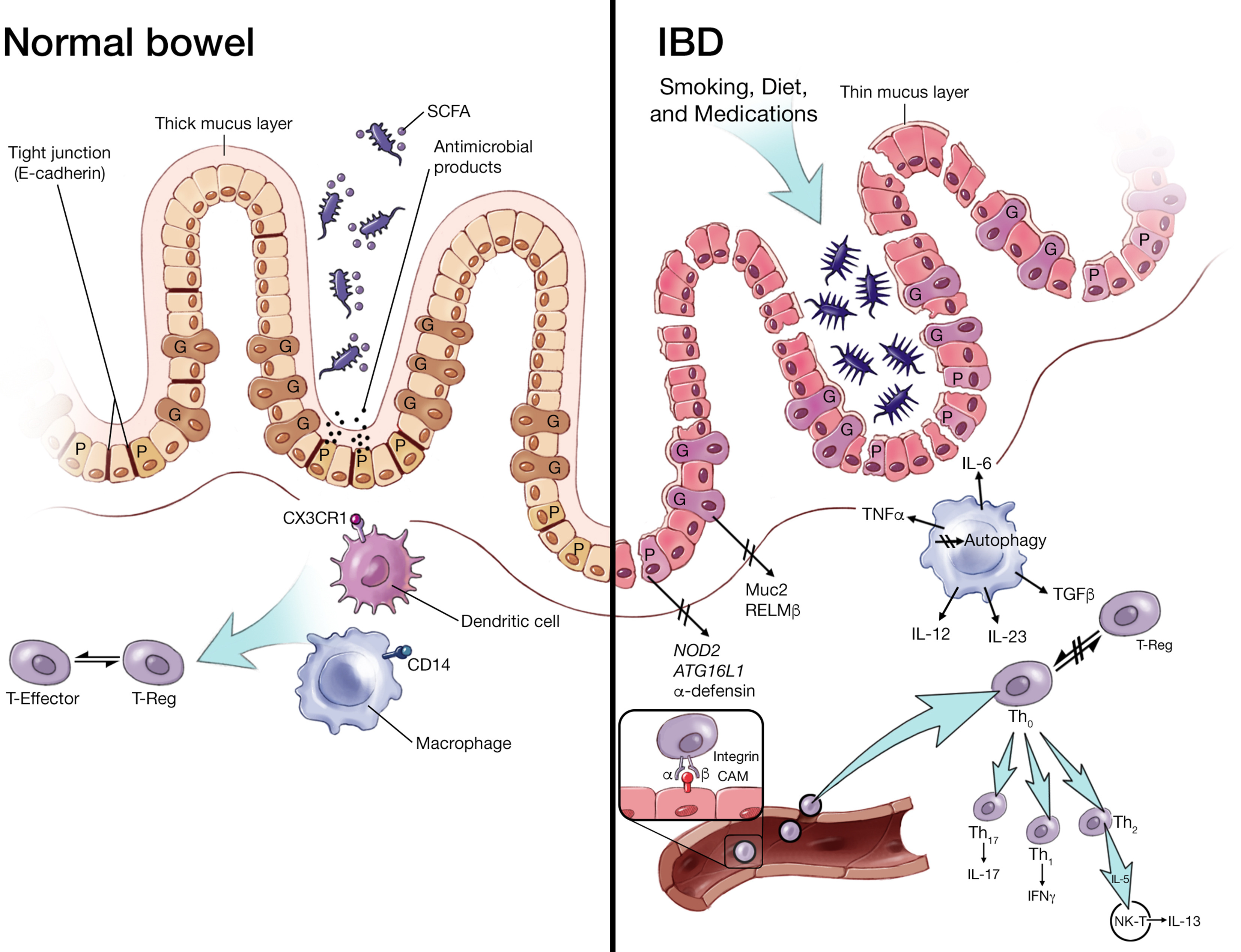
Hidden Gut Defects Behind Recurrent IBD: Why It Keeps Returning
Many cases of recurring inflammatory bowel disease (IBD) stem from subtle structural or mucosal defects—missed fistulas, residual diseased bowel, strictures, biofilm reservoirs, and incomplete healing after surgery. This long-form article explains the anatomy, diagnostics, and treatment approaches that clinicians and patients can use to reduce relapse and improve lasting remission.

AI Reveals Hidden Ozempic Side Effects in 400,000 Reddit Posts
An AI-driven analysis of roughly 400,000 Reddit posts surfaces patterns in user-reported Ozempic (semaglutide) experiences, highlighting both expected adverse effects and lesser-known complaints that may shape clinical awareness and future research.

Study Links Popular Nootropic to Shorter Lifespan in Men
A new observational study reports an association between long-term use of a widely used nootropic and reduced lifespan in men; this article unpacks the findings, potential biological mechanisms, study limitations, and practical guidance for users and clinicians.

Sleep Apnea Pill Cuts Breathing Events 44% — CPAP Alternative
A new oral medication showed a 44% reduction in breathing events in a clinical trial, offering a potential alternative for patients who struggle with CPAP. This article explains the trial results, how the drug may work, who it could help, and what clinicians and patients should consider next.

HEPA Purifiers Boost Brain Function in Just 30 Days
New research and practical experience suggest that running HEPA air purifiers in enclosed spaces can measurably improve cognitive performance within a month by lowering fine particles and indoor pollutants. This article explains how, who benefits most, and how to choose and use a unit effectively.

How ADHD Fuels Creativity: The Surprising Advantage
ADHD often brings cognitive patterns — like divergent thinking, hyperfocus, and sensory curiosity — that can enhance creative work when supported by strategies and structure. This article explores the neuroscience, real-world strengths, common obstacles, and practical ways to harness ADHD's creative potential.