Latest Articles
Epilepsy Drug Shows Promise to Reverse Osteoarthritis Damage
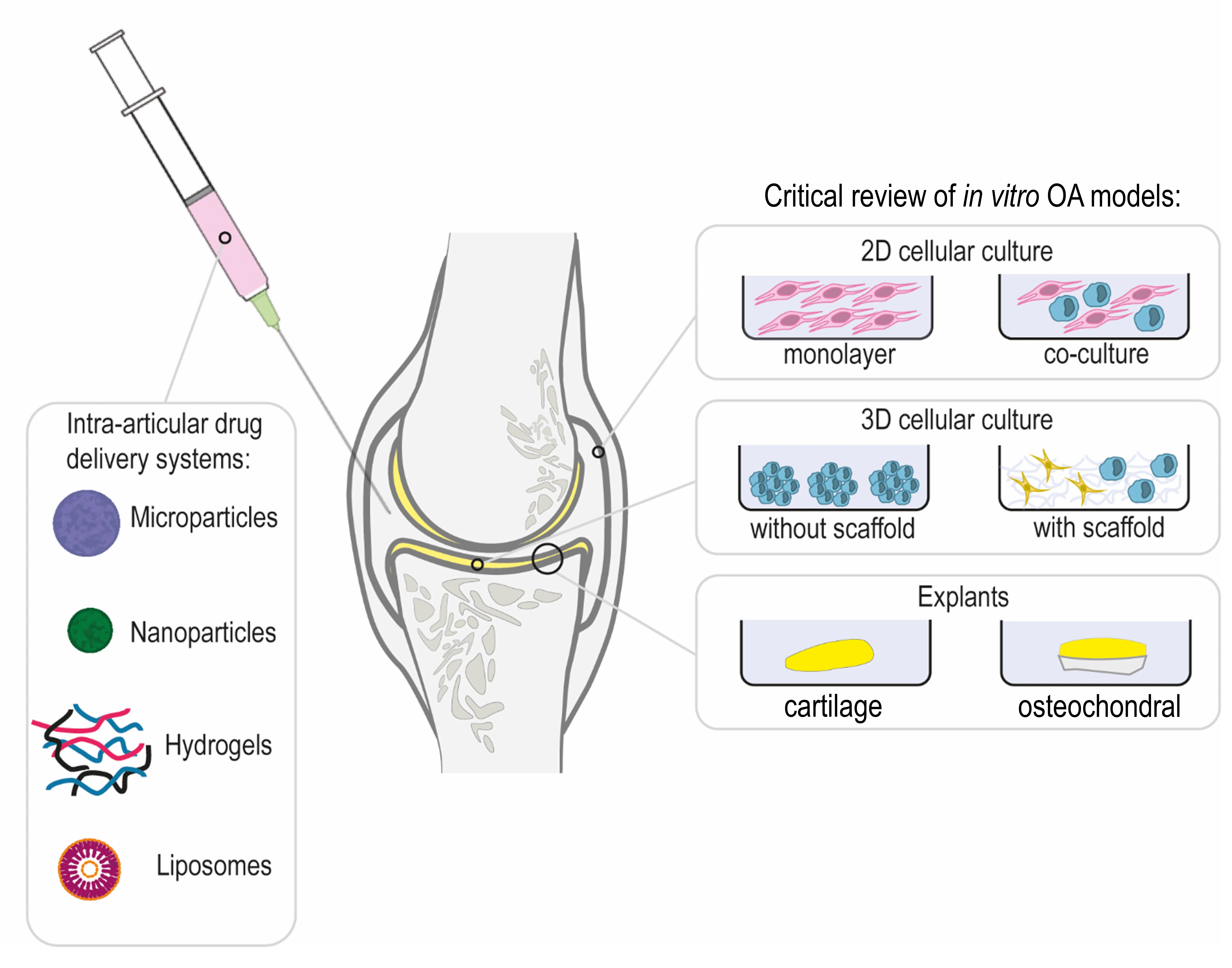
Preclinical research suggests that FDA‑approved anti‑epileptic medications that target specific ion channels can slow, and in some animal models partially reverse, osteoarthritis cartilage damage. Scientists are exploring repurposing these drugs — with cautious optimism — as disease‑modifying therapies while clinical testing is planned or underway.
Dual-Action Therapy Targets Lung Cancer and Muscle Wasting
Scientists describe a promising dual-action approach that suppresses lung tumor growth while preventing cancer-associated muscle wasting (cachexia) in early studies, offering hope for stronger, longer lives for patients if clinical trials confirm the benefits.
Breakthrough Method Makes Hydrogen from Water Faster
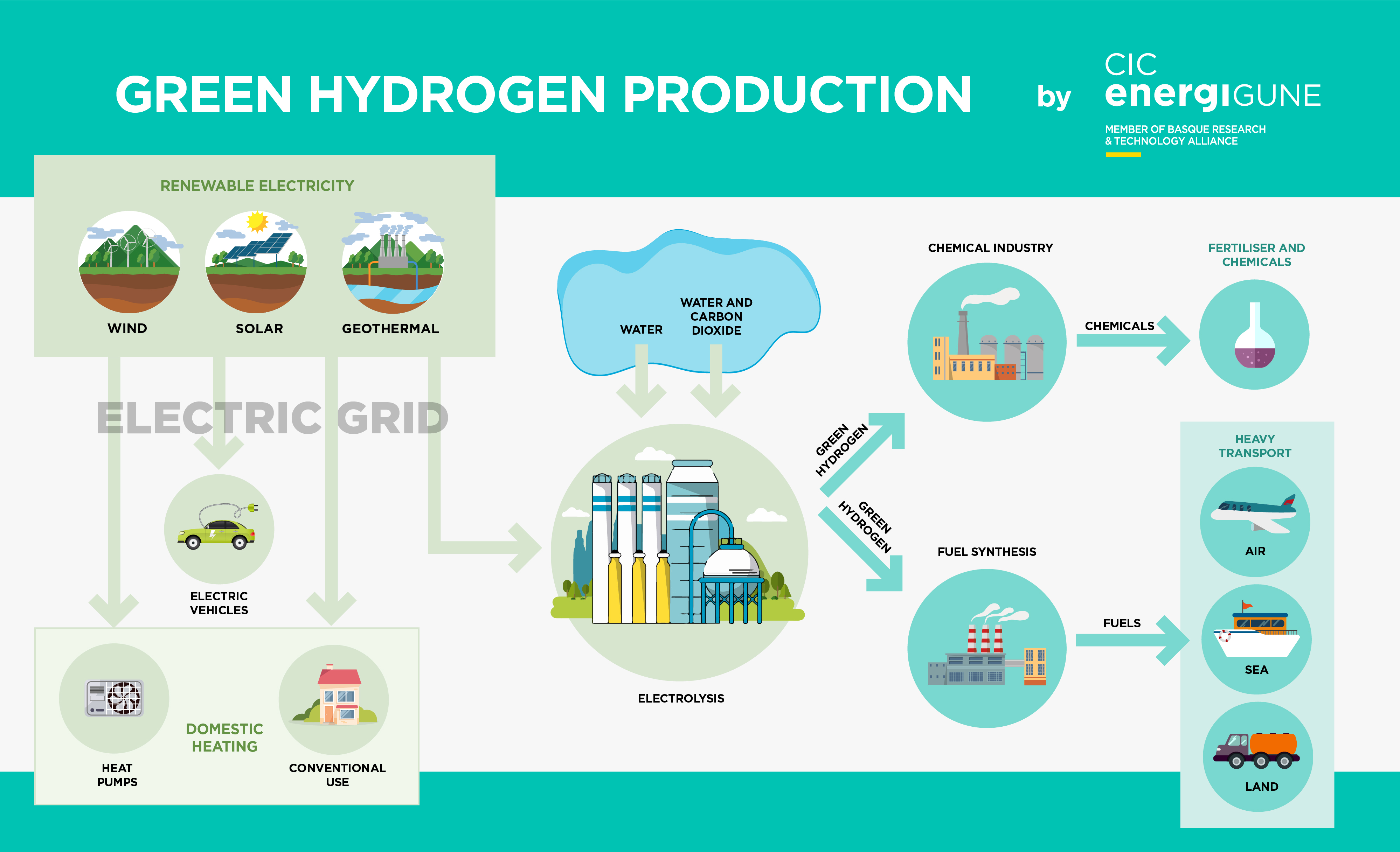
Researchers report a laboratory advance that lowers the energy needed to split water, offering a practical path toward cheaper, greener hydrogen. The development could accelerate decarbonization—if it scales and proves durable outside the lab.
How a Common Vitamin Might Help Fight Deadly Glioblastoma
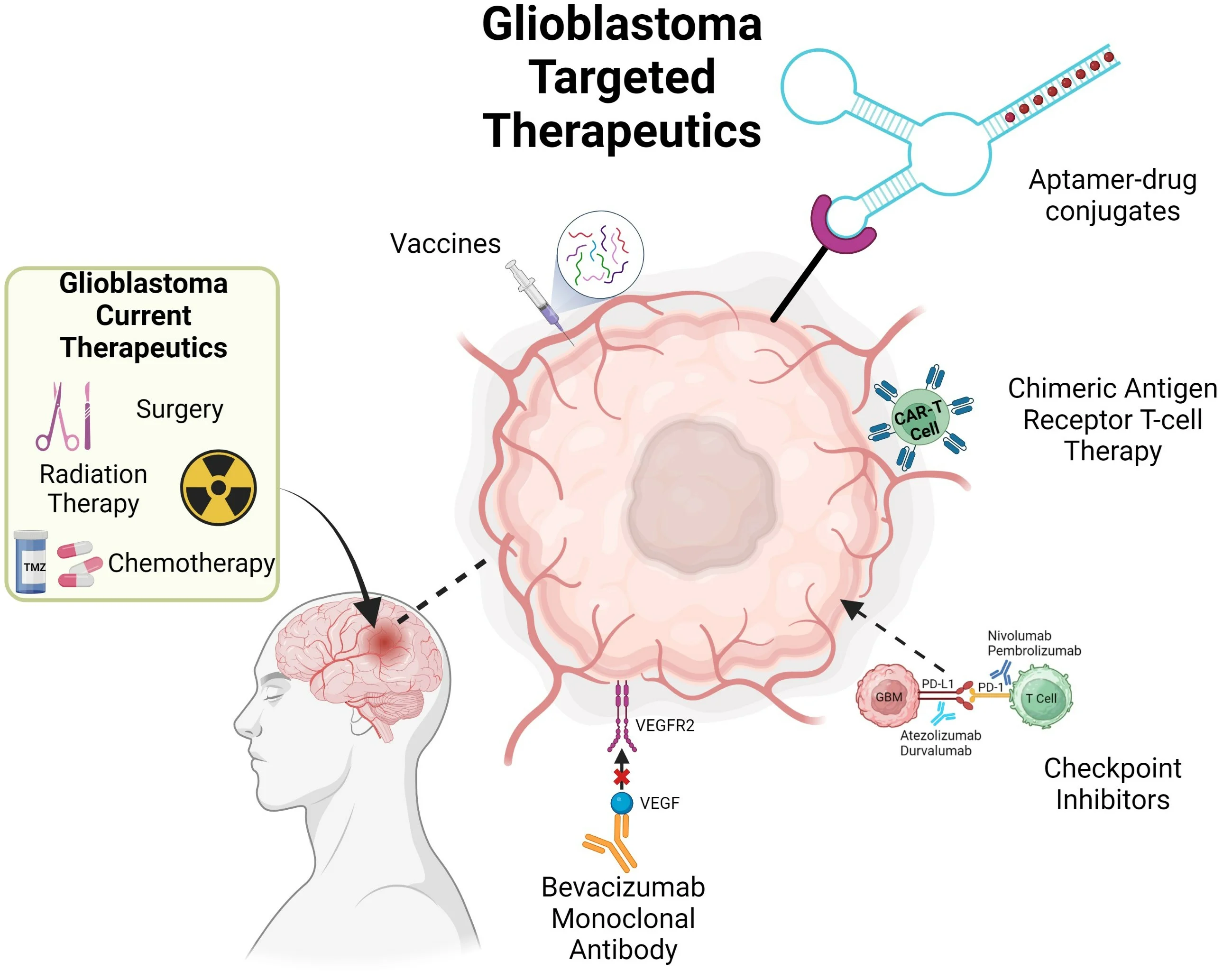
Emerging research suggests that high-dose (intravenous) vitamin C—pharmacologic ascorbate—may sensitize glioblastoma to radiation and chemotherapy and directly damage tumor cells through pro‑oxidant mechanisms; the approach is investigational, with early-phase trials under way and important safety considerations.

How Brazil's 2022 Election Unfolded: A Dramatic Timeline
A narrative deep-dive into Brazil’s tense 2022 presidential contest—its actors, turning points, misinformation dynamics, institutional tests, and the social and political aftermath that reverberated across Brazil and beyond.

Light-Powered AI Detects Deepfakes with 98% Accuracy
A new class of light-powered, photonic AI systems promises near-98% accuracy at spotting deepfakes by combining active optical sensing with on-device neural inference, offering dramatic gains in speed and energy efficiency while reshaping how platforms and investigators verify media.