Latest Articles

Zepbound, Mounjaro and Brown Fat: Can These Drugs Ignite Calorie Burn?
Tirzepatide drugs marketed as Mounjaro and Zepbound appear to do more than suppress appetite—they may engage brown adipose tissue and boost calorie burn. This article explains the biology, the evidence so far, clinical implications, and what remains unknown.
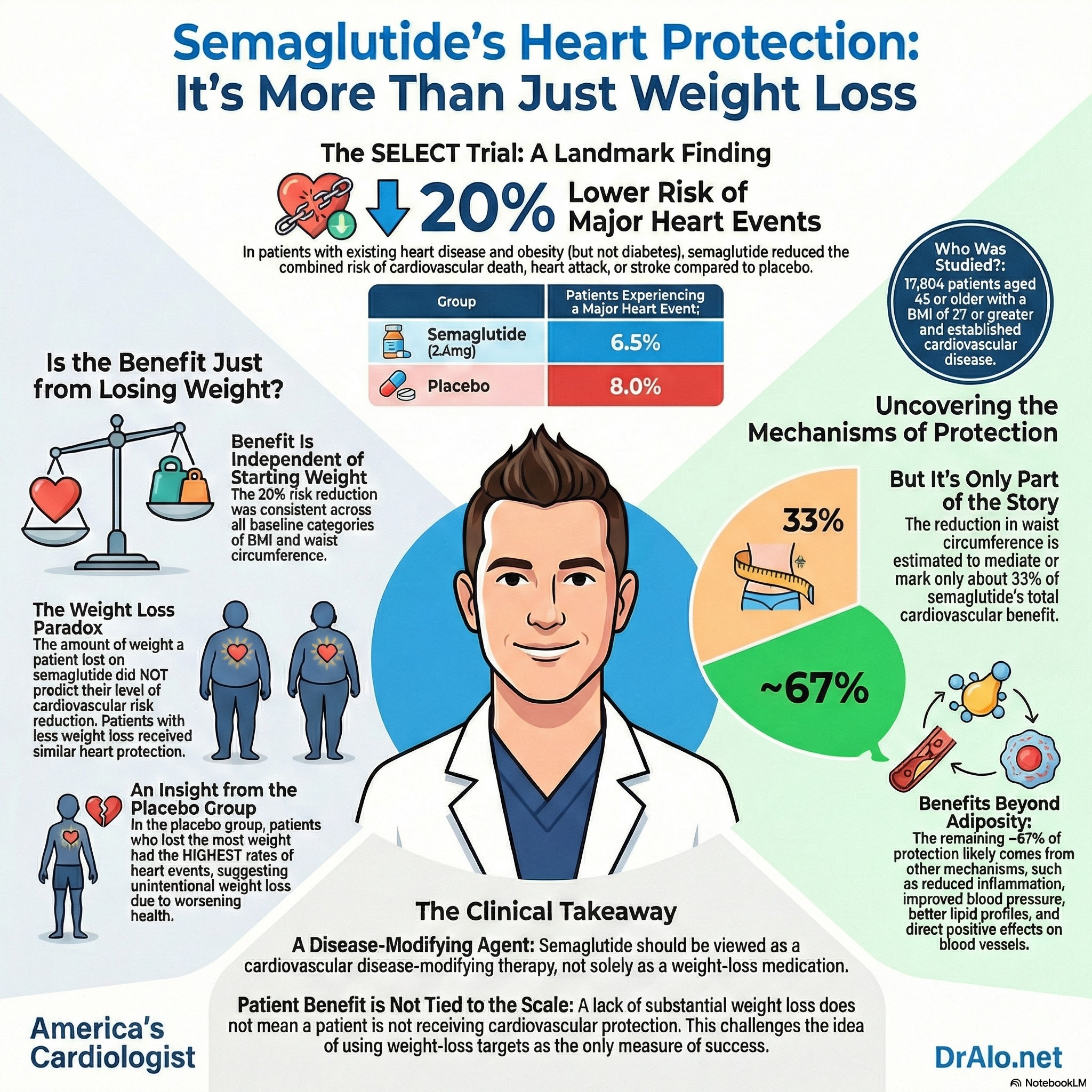
Stopping Ozempic May Raise Heart Attack and Stroke Risk
Emerging evidence suggests that stopping semaglutide (Ozempic/Wegovy) can reverse cardiovascular benefits and — in some patients — raise the risk of heart attack and stroke. This article explains the science, the data, and practical steps patients and clinicians can take to reduce danger during treatment transitions.
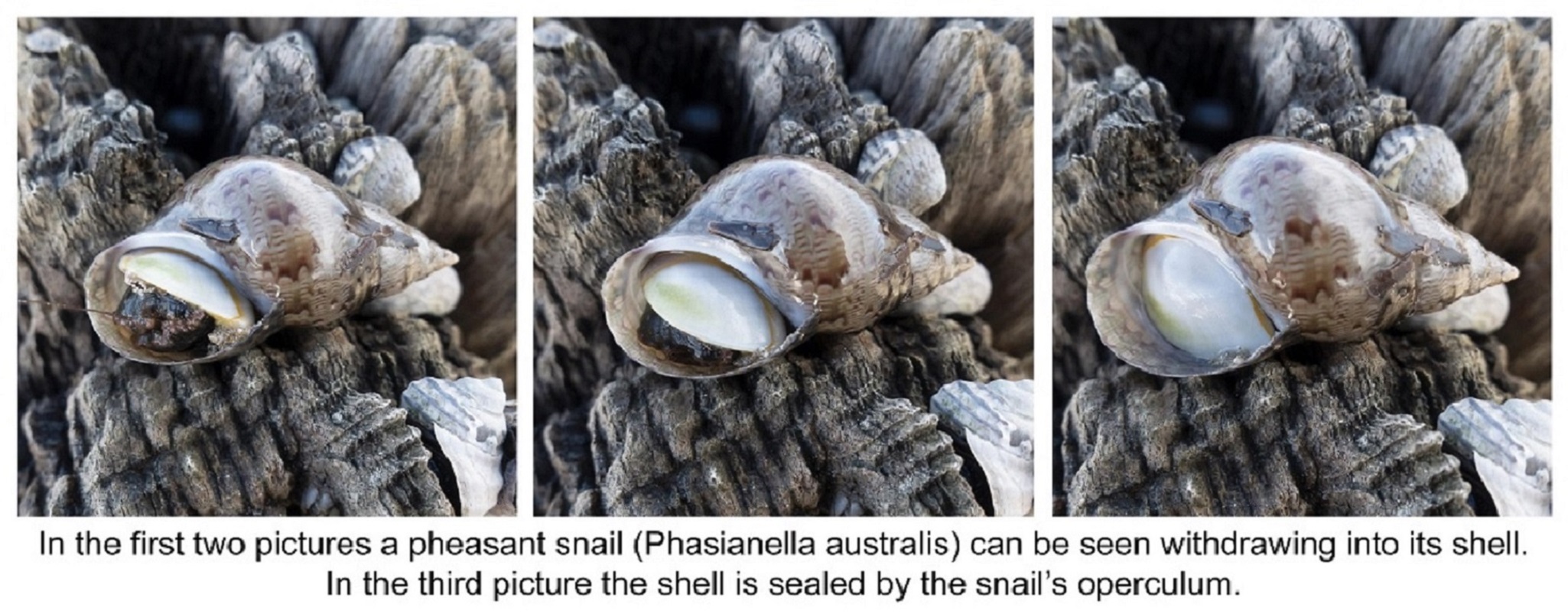
Tiny Door-Snails: Two New Species That Close Their Shells
Researchers have discovered two minute snail species whose shells close with tiny door-like plates called opercula. The find sheds light on evolution, island biodiversity, and the urgent conservation needs of microhabitats.
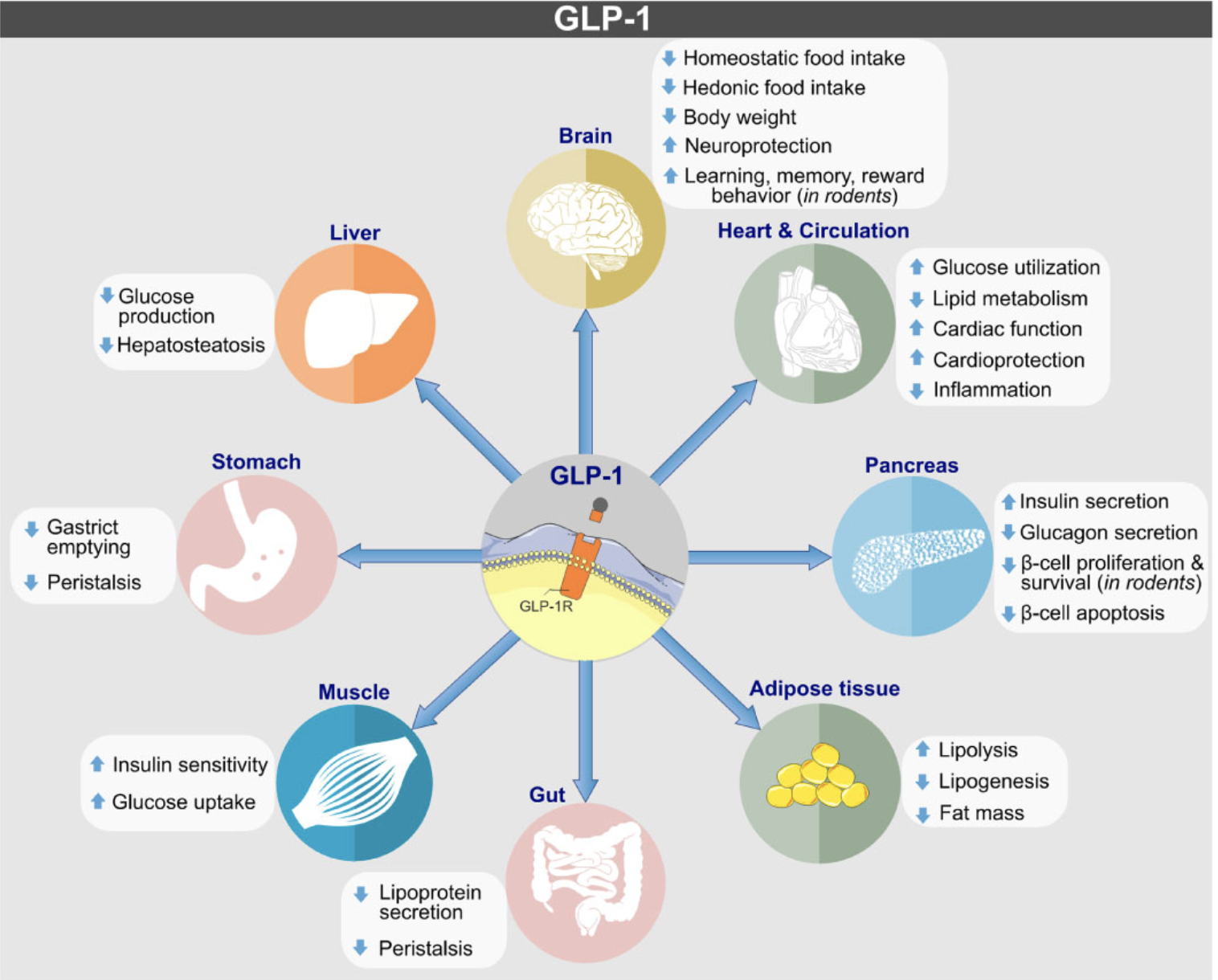
GLP-1 Drugs Tied to Nutrient Deficiencies in 1-in-6 Children
Recent clinical observations link GLP-1 weight-loss and diabetes medications with increased risk of micronutrient deficiencies in children; the trend prompts closer monitoring, nutrition support, and policy discussion.
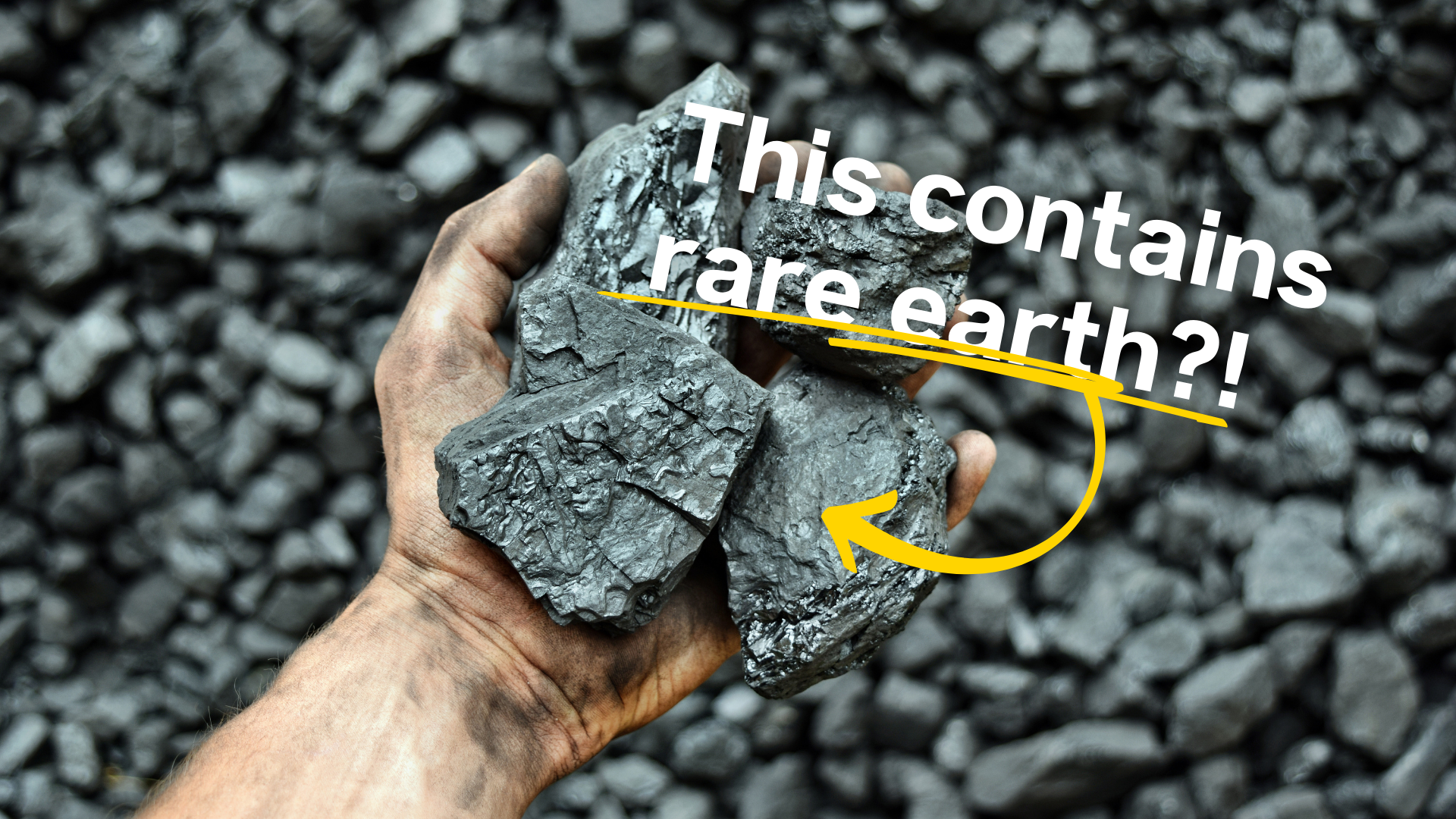
Billions Worth of Rare Earths Hidden in U.S. Coal Ash
A growing body of research and pilot projects suggests that coal ash—the leftover from burning coal—contains significant quantities of rare earth elements, offering a potential domestic source for critical minerals while posing technical, environmental, and policy challenges.
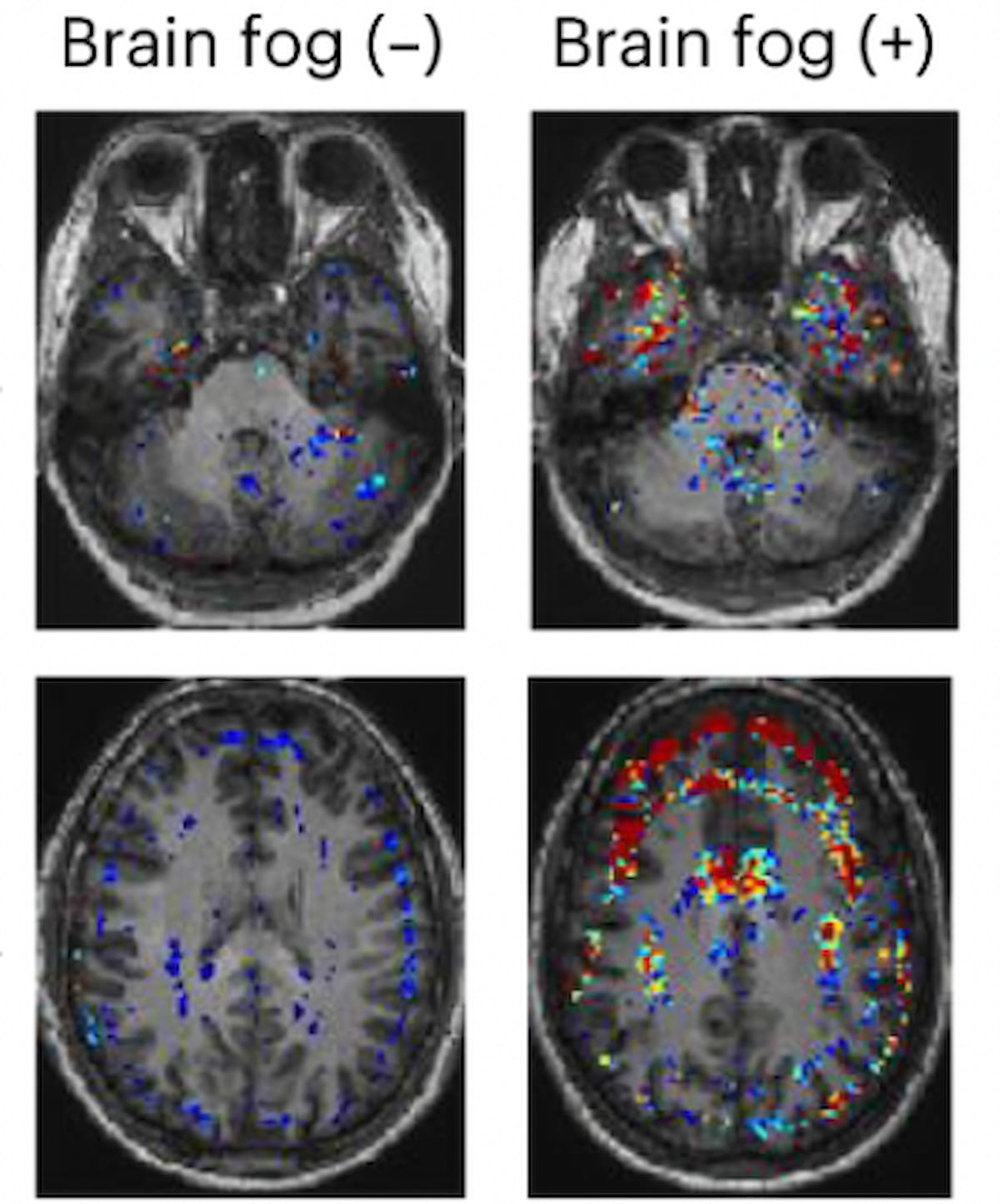
Brain Scans Suggest Vascular Cause for Long COVID Brain Fog
Recent neuroimaging studies reveal consistent patterns of reduced brain metabolism and blood flow in people with long COVID, pointing toward microvascular injury and impaired perfusion as likely contributors to fatigue and cognitive dysfunction.