
How Eating One Food Could Make You a Billionaire
The claim is ridiculous: choose one food, eat it every day, and you will become a billionaire. That sentence is meant to snag attention, but it also hides a useful provocation. What if "eat only one food" is less a literal prescription and more a metaphor for zeroing in on the single highest-leverage choice in your life—then ruthlessly optimizing it? In this feature I'll take you through the literal science and risks of single-food eating, the psychological mechanics of simplification, and the business and habit-engineering strategies that turn singular focus into outsized results. You'll get practical steps, warnings, and a framework that keeps your health and ethics front and center while you pursue uncommon outcomes.
Why the Idea Hooks Us
The notion is irresistible because it compresses complexity. We live in a world of endless options—what to eat, which app to use, which market to enter. Choice can paralyze. The single-food thought experiment offers radical clarity: eliminate variables, conserve willpower, and direct all energy toward one thing. In personal life that might be a simplified diet to reduce decision fatigue; in business it might be a singular product with perfect execution. Both approaches promise speed and scale, but they require different guardrails.
Simplicity is not the absence of complexity; it's the strategic removal of distractions so that the most valuable work can compound.
Section 1: The Literal Case — Can You Survive on One Food?
The biology of monotrophy
Human bodies evolved to thrive on diverse diets. No single food contains every vitamin, mineral, and macronutrient in optimal proportions. Historically, people have lived on narrow dietary staples—rice, potatoes, corn, or milk—for generations, often supplemented with seasonal foods, herbs, or trade items. Those diets worked because cultural practices and food systems implicitly corrected deficiencies over time.

Caption describing the image: single food diet potatoes
Common single-food experiments
There are well-known modern experiments where people ate mostly one food for months—potato-only challenges, rice-based regimens, or carnivore streaks centered on beef. They produce rapid weight shifts and remarkable short-term simplicity. But medically, monotrophic diets carry risks: micronutrient deficiencies, digestive changes, social isolation around food, and possible long-term metabolic consequences. Any experiment should be temporary, monitored, and adjusted.
If you must try: practical mitigations
- Short duration: Restrict experiments to a few weeks, not years.
- Supplementation: A multivitamin or targeted supplements can reduce acute deficiency risk.
- Rotation within sameness: Choose one food category (e.g., potatoes) but vary preparation methods and include skins and parts with higher micronutrient density.
- Medical checks: Monitor bloodwork for B12, iron, vitamin D, and electrolytes.
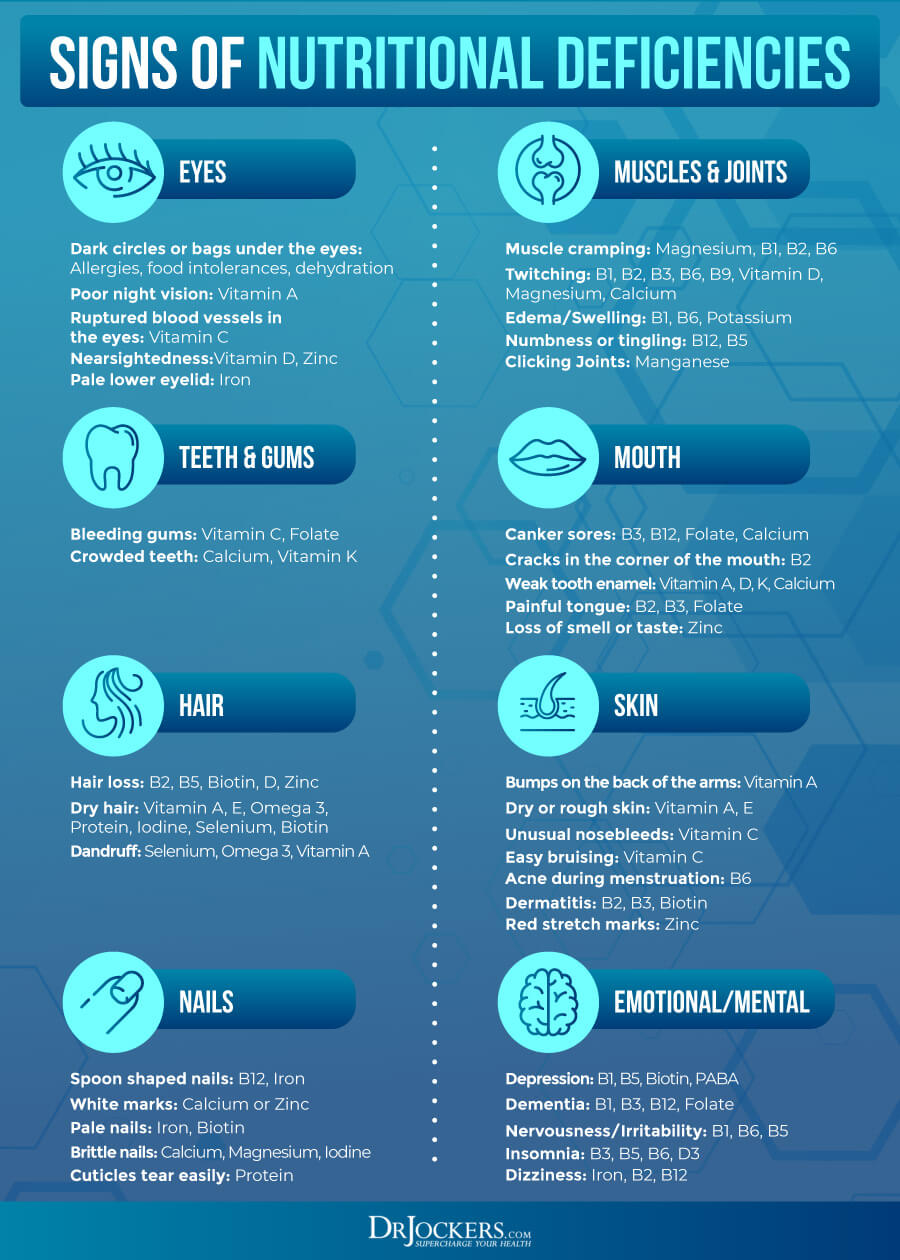
Caption describing the image: nutritional deficiency warning sign
Section 2: The Metaphor — The One Thing in Life and Business
From diet to product: why focus compounds
Replace the literal food with the concept of "the one thing": the single product, habit, or metric that, if optimized, moves everything else. Entrepreneurs win when they identify a narrow, repeatable offering with deep customer love and then scale it. The same principle applies to careers—master one valuable skill rather than being passable at many. True compounding requires time, repetition, and feedback loops; narrowing choices accelerates each of those elements.
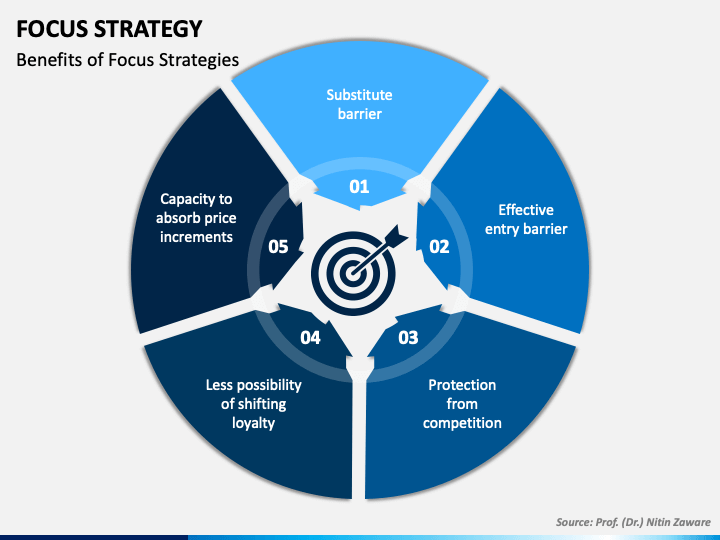
Caption describing the image: business focus strategy chart
How focus scales into large outcomes
Concentration creates a virtuous cycle. By doing one thing exceptionally well you:
- Reduce overhead: Fewer moving parts mean less coordination and faster iteration.
- Increase expertise: Repetition deepens skill faster than divided attention.
- Signal clarity: Customers and partners instantly understand what you do.
- Operational leverage: Systems and supply chains can be optimized around one core.
When those elements combine with market size and business model leverage—recurring revenue, network effects, high margins—the path to extraordinary valuations becomes plausible. But plausibility is not guarantee: execution, timing, and ethics matter as much as focus.
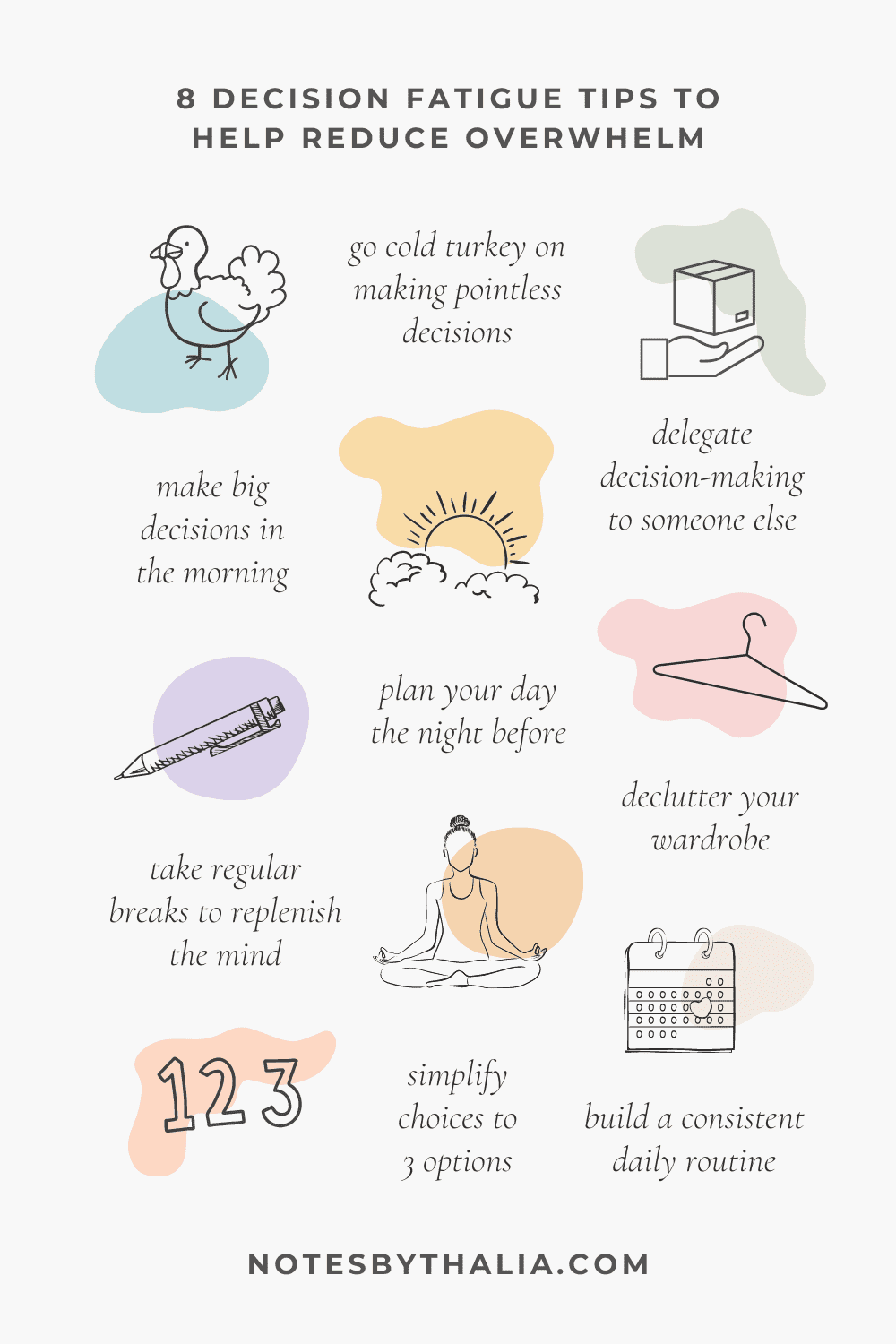
Caption describing the image: decision fatigue reduction
Section 3: Practical Roadmap — Turn Single-Food Simplicity Into Scalable Value
Step 1: Define the one thing
Pick the highest-leverage area where you can sustainably deliver superior value. For individuals: a core morning routine, a signature skill, or one health habit. For founders: a single product or feature that solves a painful problem for a clear customer segment. Ask: will doing less create more impact?
Step 2: Design constraints
Constraints are the engine of creativity. If you decide to "eat one food" in business terms, limit product scope, geographic reach, or customer personas for the early phase. Constraints speed decisions and reduce wasted effort. Document what you won't do as clearly as what you will.
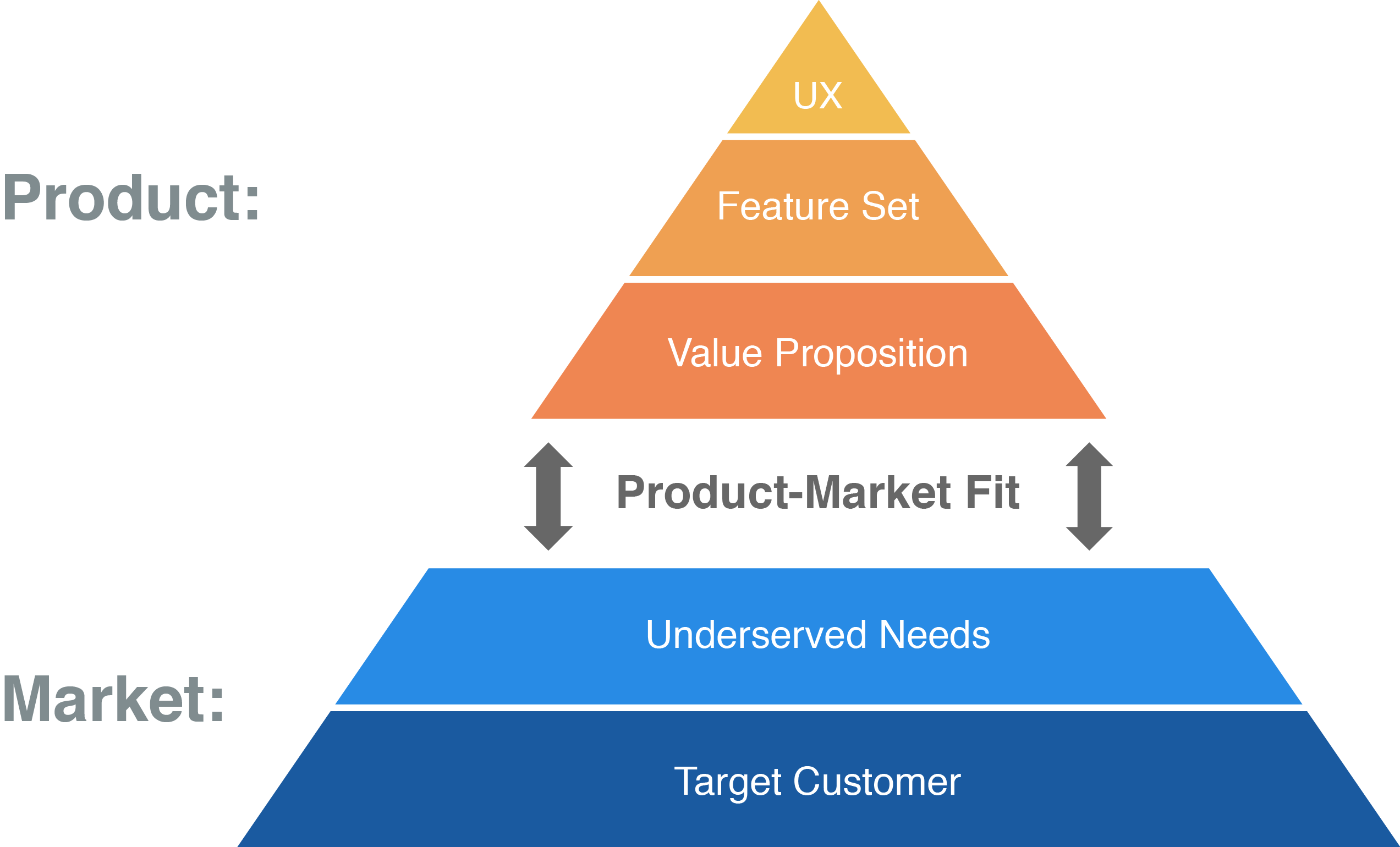
Caption describing the image: startup product market fit
Step 3: Measure the right thing
If you're pursuing a financial goal, measure unit economics and retention, not vanity metrics. For habits, track consistency, energy, and downstream performance. A single, trusted metric gives clarity: a business might focus on monthly active users who pay; a person might focus on daily deep-work hours.
Step 4: Build feedback loops
Rapid feedback is essential. Run small experiments, collect data, and iterate. In a product context, launch a minimal version that proves demand; in a lifestyle context, journal energy levels and cognitive performance. Treat the one-food period as a scientific trial with hypothesis, protocol, and measurement.
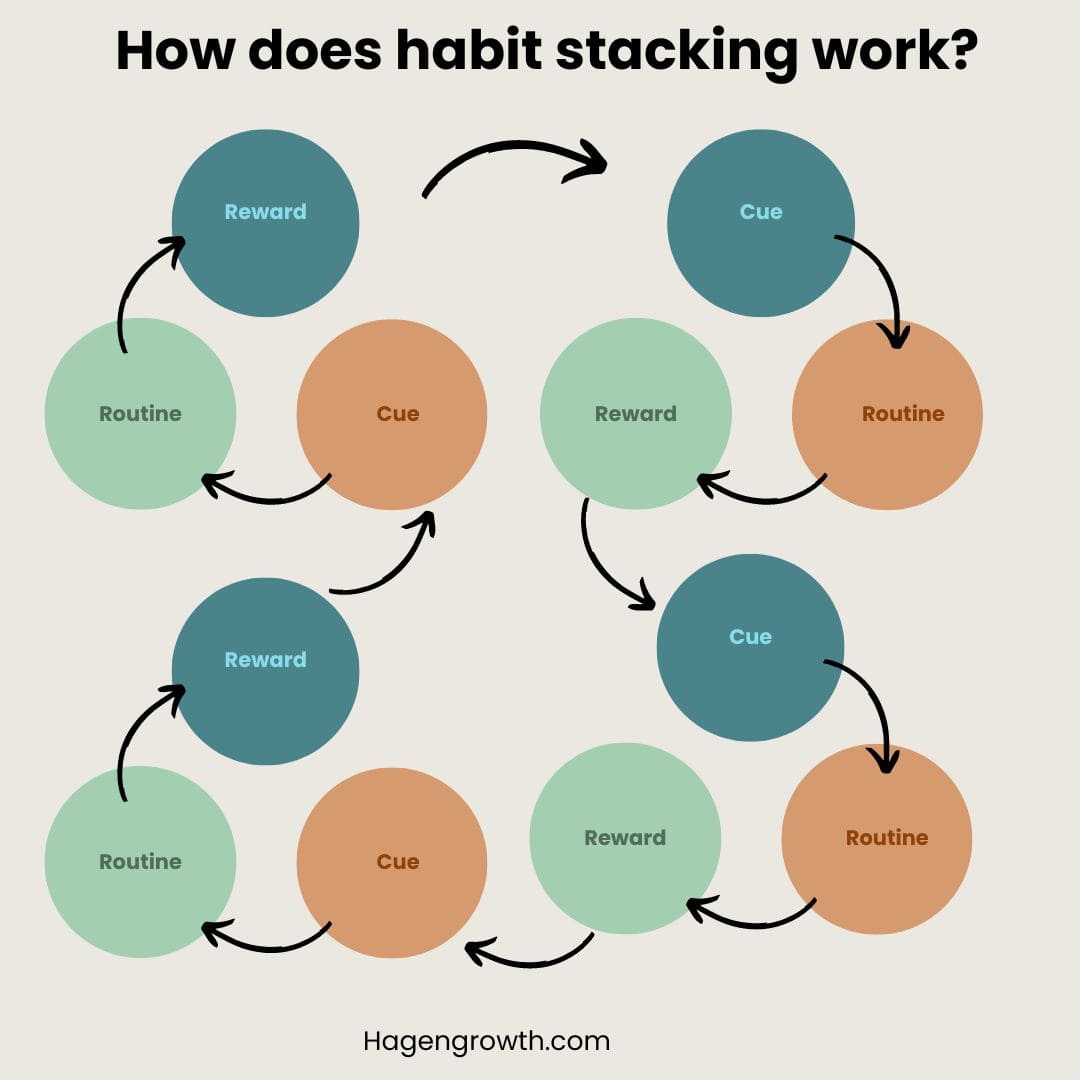
Caption describing the image: habit stacking productivity routine
Section 4: Risks, Ethics, and the Human Costs
Health and safety
When the metaphor becomes literal, the risks intensify. Nutritional deficiencies, social alienation, and psychological strain are real harms. Even as a business strategy, single-product focus can lead to fragile companies vulnerable to market shifts. Diversify intelligently after validation: once your core is strong, develop hedges that preserve optionality.
Ethical considerations
Experimentation that affects others requires informed consent. If you're asking employees, customers, or family members to participate in a radical simplification, be transparent about risks and trade-offs. Financial ambition shouldn't justify coercion or deception.
Caption describing the image: ethical business experimentation
Section 5: Case Studies and Thought Experiments
The literal experiment: a month of one staple
Imagine a 30-day experiment where you eat one whole-grain porridge every morning and nothing else for breakfasts. You gain clarity on appetite cues, save time, and reduce grocery complexity. You track energy, mood, and performance. If you feel worse, you stop; if you gain clarity, you keep the habit while reintroducing variety where needed. The value here is not the single food itself but the reduced cognitive load.
The business experiment: one feature to rule a market
Picture a software startup that ignores everything except one feature that customers love. The team polishes onboarding, removes friction, and trains support to champion that feature. Growth comes from word of mouth because the solution is focused and remarkable. Once the loyal base is established, the company carefully expands product lines while preserving the core promise.
- Speed — Rapid learning and iteration.
- Clarity — Easier to communicate value.
- Fragility — Vulnerable to single-point failure.
- Health risks — Literal single-food diets can backfire.
Section 6: The Playbook — What to Do Tomorrow
For individuals
- Pick one routine to simplify—morning, lunch, or workflow.
- Run a 14-day experiment with clear success metrics (energy, focus, mood).
- Document and iterate; reintroduce variety intentionally after the experiment.
For founders
- Identify the product feature with the highest signal of customer love.
- Limit your scope to that feature and one customer archetype for 3–6 months.
- Measure unit economics and retention; only expand once the core KPI is proven.
Conclusion — A Billion-Dollar Habit Is Rarely Literal
The headline is a hook, but the lesson is practical: choosing a single, high-leverage focus—whether a food, a routine, or a product—can free mental bandwidth, accelerate learning, and create the conditions where compounding returns become possible. Literal single-food diets are risky and usually unnecessary; the real power comes from disciplined constraint, rigorous measurement, and ethical safeguards. Billion-dollar outcomes often start with small simplifications: fewer choices, more practice, and relentless attention to the signal that matters.
Focus without safety is reckless; safety without focus is comfortable failure.
- Simplify deliberately: pick one high-leverage choice and commit to a bounded experiment.
- Protect health and ethics: medical checks and transparent communication matter.
- Measure ruthlessly: one trusted metric makes iteration fast and decisive.
- Scale carefully: once validated, expand in a way that preserves the core advantage.
This article is a thought experiment and practical guide; it is not medical advice. Consult qualified professionals before making extreme dietary or business decisions.