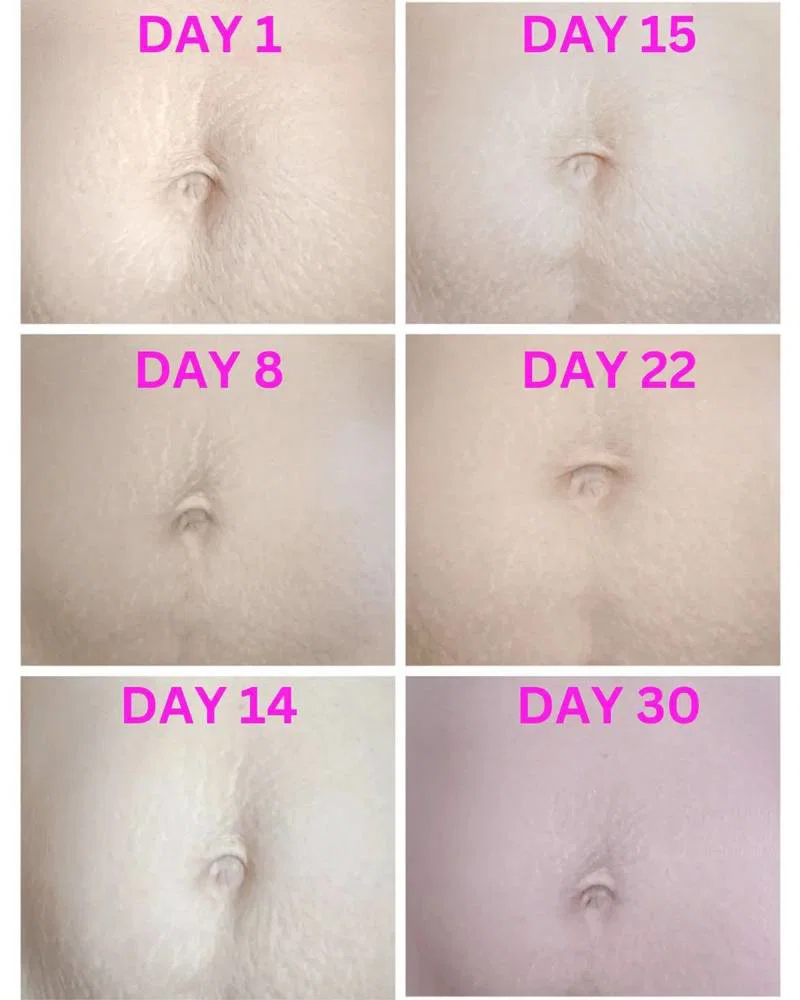
Living with Post-Pregnancy Stretch Marks: My 7-Year Journey
The first time I noticed them I was exhausted and elated in equal measure. I had just given birth and the room smelled like antiseptic and warm milk. The lines were there in the mirror, faint and pink, an atlas of everything my body had done. Seven years later they are still intense—white, textured, often catching the light—and they shape how I see my body more than I ever expected. This is my honest story: the practical steps I tried, the treatments that helped or didn't, and how I've learned to live with skin that tells a story I could not have scripted.

pregnancy stretch marks abdomen
How It Began: Pregnancy, Weight Gain, and the First Marks
I was thirty-one, active, and health-conscious. Pregnancy felt like a joyous project: prenatal vitamins, gentle workouts, careful eating. Even so, at about the sixth month I started to notice thin streaks forming across my lower abdomen and the outer tops of my thighs. At first they were a translucent pink, soft and tender. I thought they'd fade with time—until they didn't. By the end of the first year postpartum they had shifted color, texture, and prominence. They became hollower, paler, and more permanent in appearance.
I thought they were a temporary badge of motherhood. Seven years later I still find myself negotiating their presence every day.
What Stretch Marks Actually Are
Stretch marks, medically called striae distensae, are scars that form in the dermis—the skin layer beneath the surface—when it stretches faster than it can accommodate. Inside the dermis are collagen and elastin fibers that give skin strength and elasticity. Rapid expansion, hormonal changes, and genetic predisposition can damage those fibers. The result: a visible scar that shifts through stages—early red or purple (striae rubra) and later white or silver (striae alba) as blood vessels contract and pigment changes.
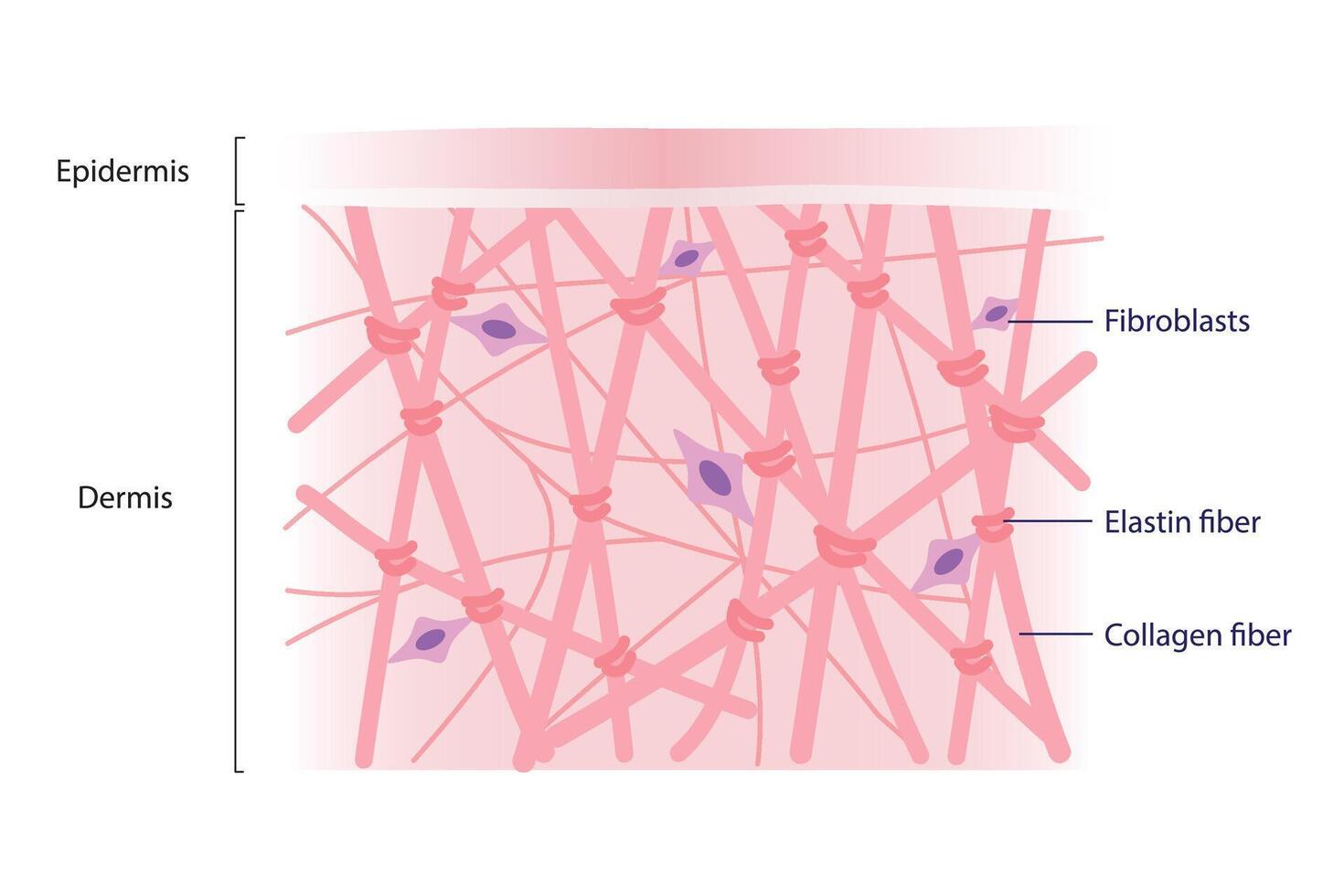
dermis collagen elastin fibers
Why Mine Stayed Intense for Years
There are a few reasons stretch marks can persist and remain prominent:
- Depth of dermal damage: Some marks cut deeper into collagen and are therefore less responsive to creams alone.
- Genetics: Family history plays a large role—my mother had visible stretch marks too.
- Hormones: Pregnancy hormones like relaxin and cortisol influence skin remodeling.
- Time and maturation: As marks move from red to white, they often become more permanent-looking even as they technically ‘mature’.
Seven years gave them time to settle into that white, textured appearance that reflects structural change more than inflammation.
My Treatment Timeline: What I Tried (and Why)
After the first year I began experimenting—some low-cost, some clinical—because I wanted to both reduce appearance and regain a sense of agency over my body. Here’s a chronological look at what I tried and what I learned.
Topical Creams and Oils
I started with over-the-counter creams, cocoa butter, and vitamin E oils—classic staples you see recommended everywhere. They helped my skin feel smoother and less itchy, and the ritual of daily massage was emotionally helpful, but they produced only modest cosmetic improvement. Topicals can improve skin hydration and temporarily plump the surface, but once marks are deep, they rarely erase them entirely.
Prescription Retinoids (Tretinoin)
A few dermatology visits later, I tried prescription retinoids. Tretinoin stimulates collagen production and can improve the appearance of early, red stretch marks. For me, it helped slightly with texture around the edges and small pigment differences, but because many of my marks had matured to the white phase, results were limited and the product caused irritation at first. Retinoids are not safe during pregnancy or breastfeeding, so timing and medical guidance are crucial.
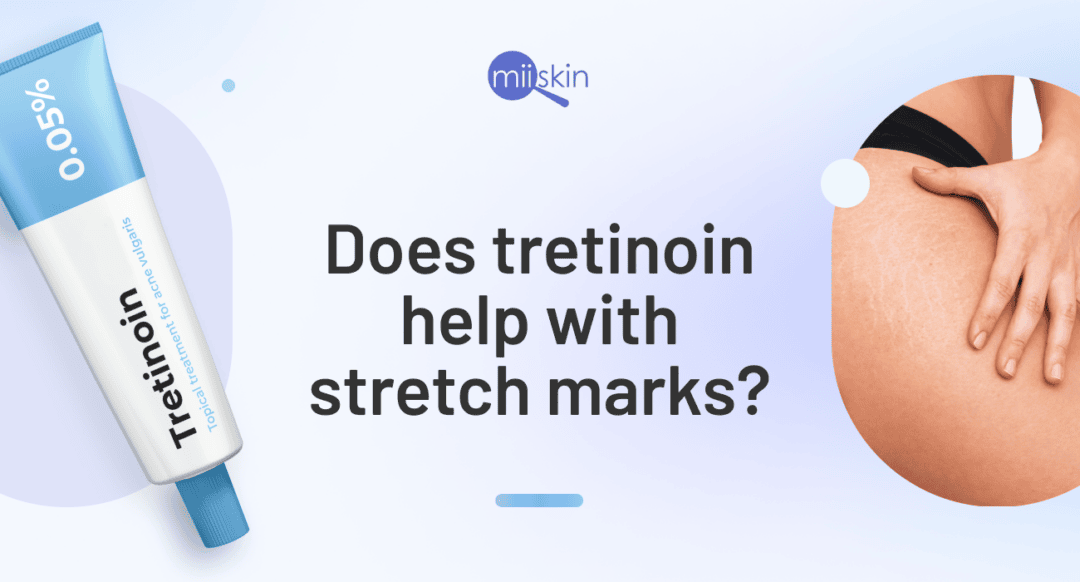
tretinoin cream for stretch marks
Microneedling and Radiofrequency Devices
Microneedling creates tiny controlled injuries that stimulate collagen remodeling; radiofrequency adds heat to drive tightening. In clinic sessions spaced months apart, I noticed the most measurable textural improvement from microneedling combined with radiofrequency. Scars looked less pitted and skin felt thicker. The treatments were not cheap and required downtime and multiple sessions, but they offered realistic gains where creams could not.
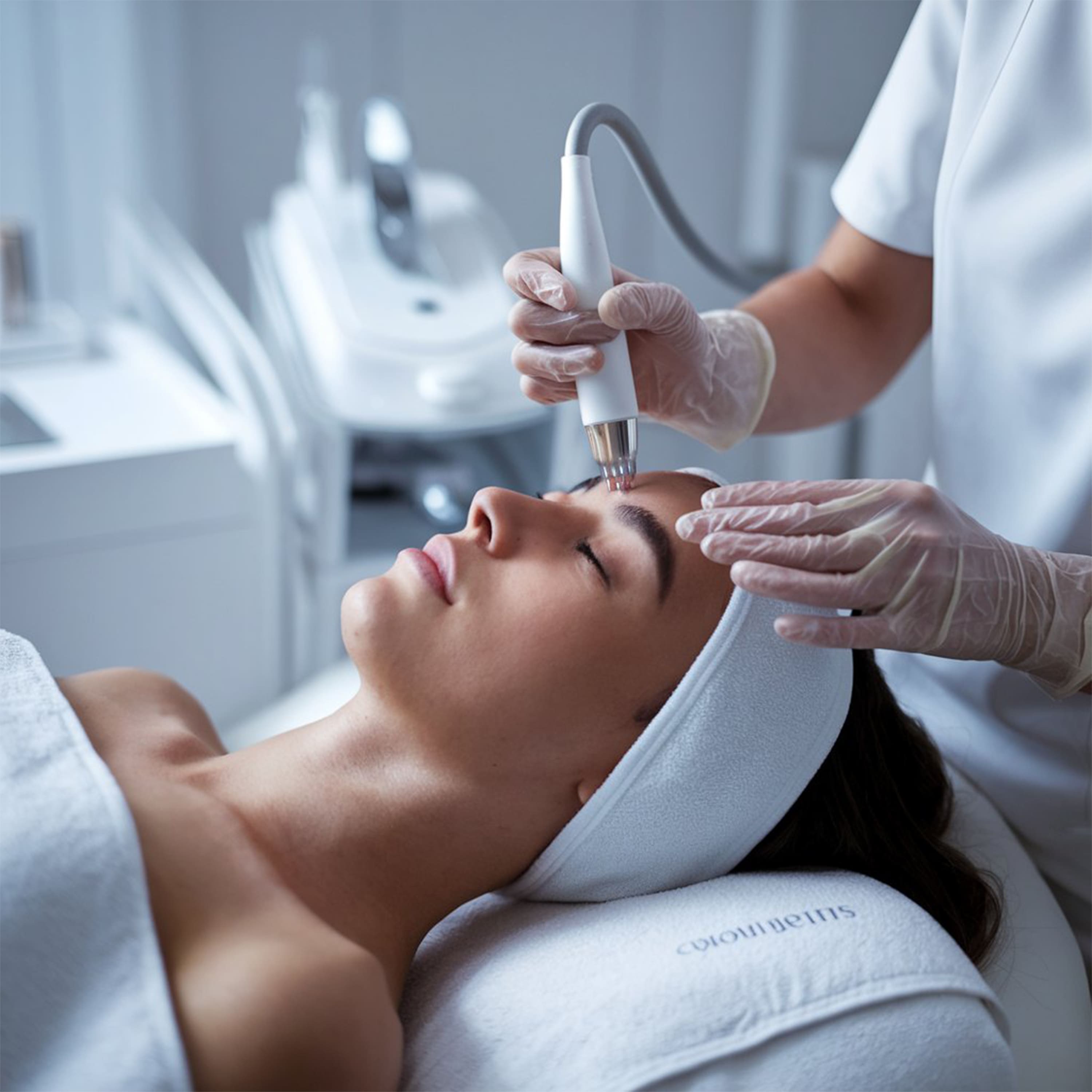
microneedling radiofrequency skin treatment
- Microneedling: stimulates collagen, minimal pigment risk.
- Radiofrequency: tightens skin, complements needling.
- Costly, multiple sessions required.
- Temporary redness and recovery time.
Laser Treatments
I researched fractionated lasers and vascular lasers. Lasers can target pigment and texture differently: vascular lasers may fade redness in newer marks while fractionated lasers remodel dermal tissue for older or white marks. I had a few fractionated sessions and saw moderate lightening and smoothing. The trade-offs: price, anesthesia sometimes required, and the realistic expectation that lasers reduce rather than erase.
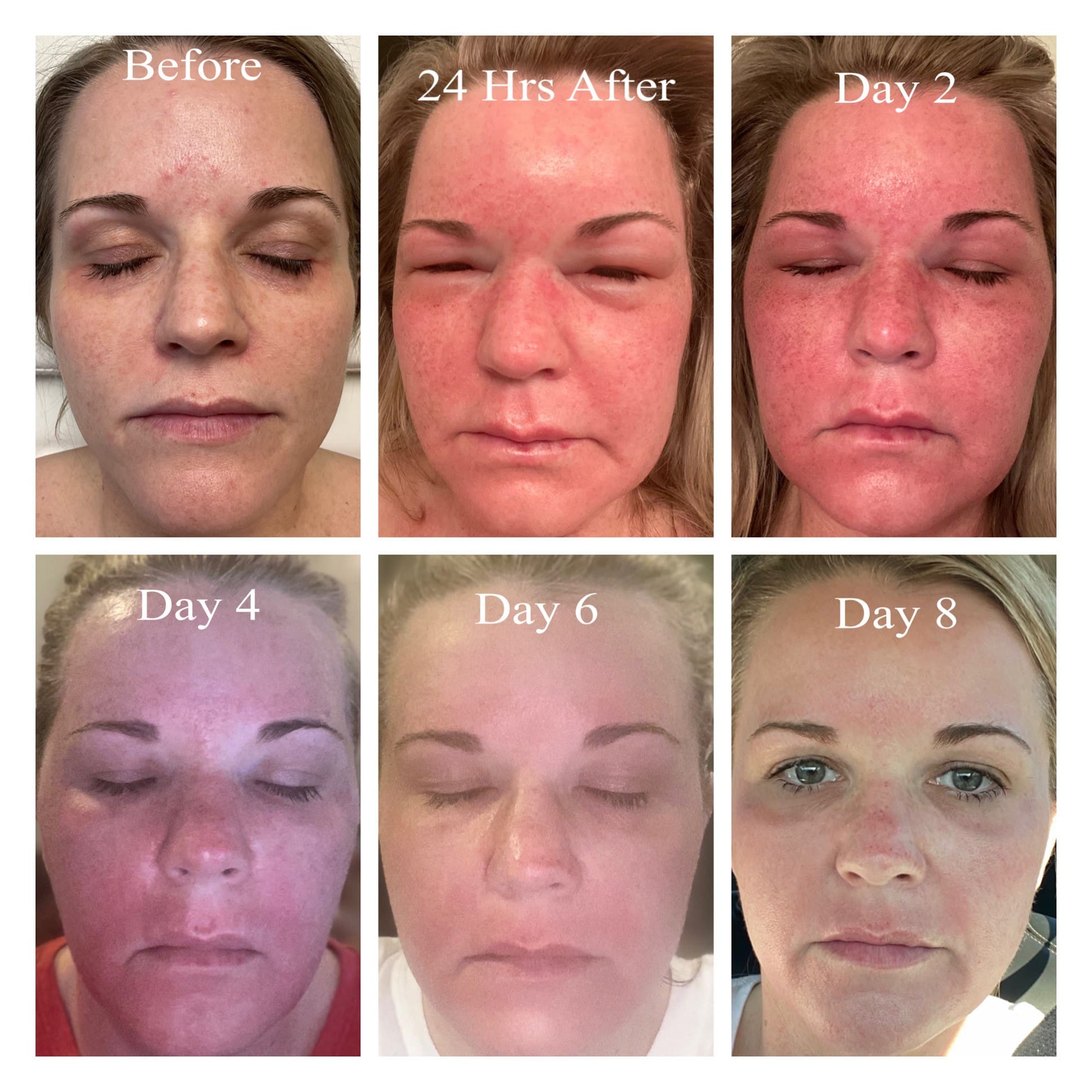
fractionated laser skin therapy
Other Clinical Options
I also explored chemical peels, platelet-rich plasma (PRP) used with microneedling, and intensive topical protocols. Some helped incrementally, particularly when combined; no single treatment produced perfection. The pattern I learned was that combination therapies often deliver the best outcome because they attack different aspects—pigment, texture, and collagen loss—simultaneously.
What Actually Helped Me Most
If I had to summarize what made the biggest visible difference, it would be combination clinic work (microneedling + radiofrequency + occasional fractionated laser), a skincare routine that emphasized hydration and sun protection, and realistic expectations. Those interventions improved texture, subtly brightened my marks, and restored some skin thickness. They did not make the marks disappear, but they made them blend into the surrounding skin enough that I no longer obsessively hide them in every mirror.
Emotional Work: The Invisible Treatment
Treatments change skin; therapy and community changed my relationship to it. I spent years measuring my self-worth against the reflection in the mirror. Joining a postpartum support group, seeing a therapist about body image, and reading other people’s stories helped the most. Acceptance didn’t come overnight—it's a daily practice of choosing what to focus on: my health, my children, my life—rather than the presence of pale lines on my skin.

postpartum support group therapy
Practical, Everyday Strategies That Helped
Beyond clinical treatments, I adopted practical habits that improved comfort and confidence:
- Sun protection: UV exposure can worsen pigmentation differences. I use SPF daily on exposed areas.
- Makeup and body bronzers: For special occasions, body makeup evens tone quickly and painlessly.
- Clothing choices: High-waisted cuts and fabrics with texture make me feel more at ease.
- Regular massage: Improves circulation and feels like self-care.
- Healthy fitness: Strength training improved muscle tone under the skin, which changed how marks sit and look.
How to Talk to Your Dermatologist
If you decide to seek clinical help, start with clear goals. Do you want color reduction, texture improvement, or a thicker dermal appearance? Share your timeline, whether you’re planning future pregnancies, and any history of keloids or pigment issues. Ask about realistic outcomes, number of sessions, downtime, and total costs. A good clinician will lay out a combination plan tailored to your marks’ age and depth.
When to Consider Professional Treatment
Consider clinical options if:
- Your marks are impacting your mental health or daily function.
- You’re looking for measurable texture improvement.
- You understand costs and are prepared for multiple sessions.
If you are primarily seeking emotional relief, therapy and peer support can be as impactful as some medical treatments in improving quality of life.
Costs, Expectations, and Managing Disappointment
One of the hardest lessons: spending money does not guarantee perfection. Expect incremental improvement, not erasure. Clinic protocols can be expensive and may require maintenance. I set a personal budget and a limit on sessions; beyond that I focused on emotional acceptance rather than chasing an unattainable ideal.
What I Wish I’d Known Earlier
I wish I’d prioritized realistic expectations over quick fixes. I also wish someone had told me that emotional work is part of recovery. The ritual of creams and appointments can provide comfort, but therapy, supportive friends, and reframing my body story would have shortened my path to peace.
Final Thoughts: Living with a Visible Story
Seven years in, my body still bears the lines of pregnancy. They are reminders of growth, sleepless nights, and love, and also of limits and loss—of the body I used to know. They don't define me, but they are part of the complicated, human surface I carry. If you're reading this because you are where I once was—angry, hopeful, overwhelmed—know this: there are treatments that can help, habits that can improve texture and comfort, and, most importantly, emotional tools to shift how you relate to your reflection.
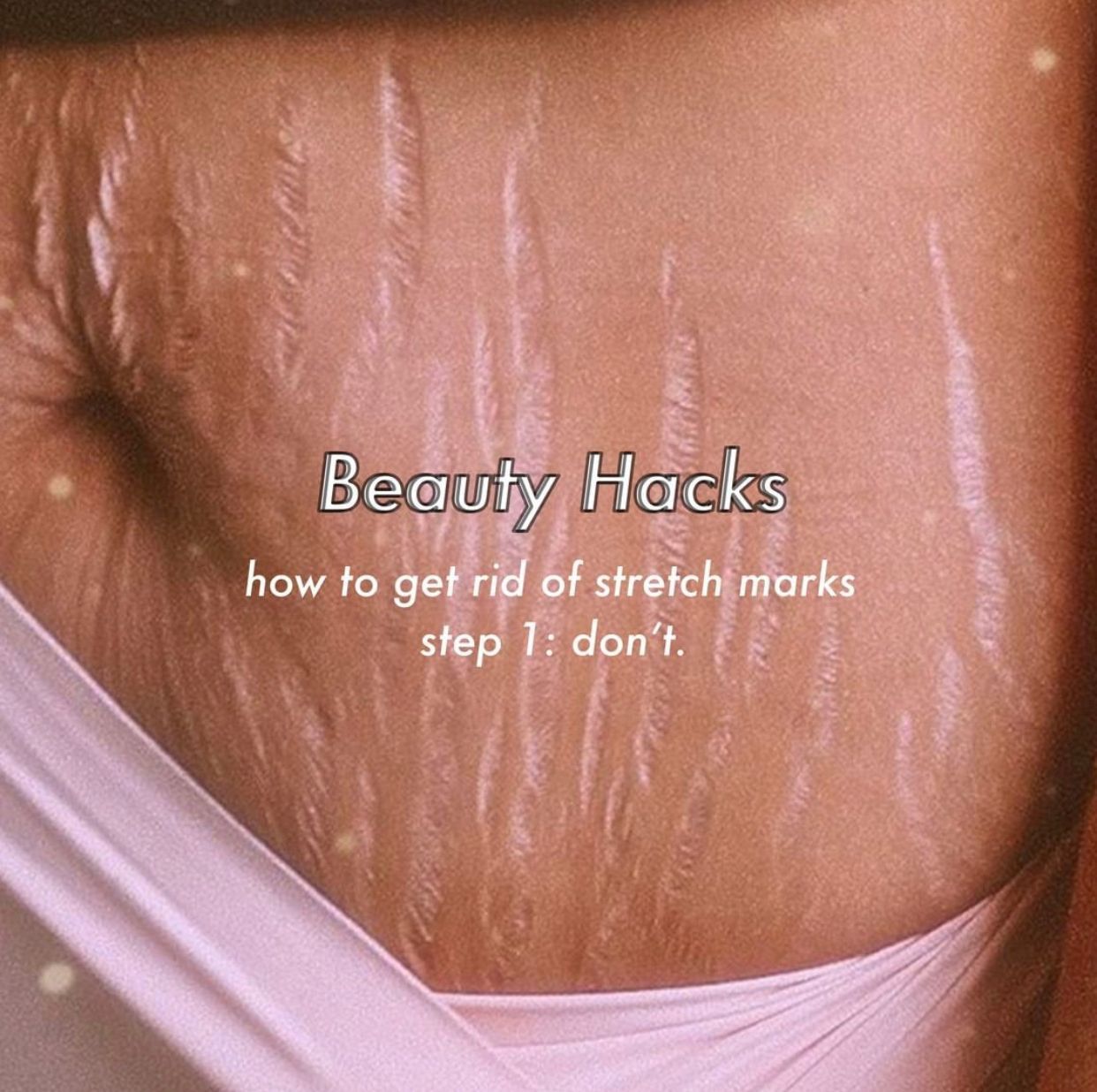
stretch marks body acceptance
- Stretch marks are scars in the dermis; mature marks are often resistant to creams alone.
- Combination clinical treatments (microneedling, radiofrequency, fractionated lasers) offer the most measurable improvement for older marks.
- Topicals and massage improve comfort and hydration but rarely erase deep marks.
- Therapy and community support are vital for healing the emotional impact.
- Set realistic expectations, budgets, and treatment limits before starting clinical protocols.
If You Take One Thing From This
You can take action—medical, cosmetic, or emotional—or choose to accept; both paths are valid. My stretch marks stayed with me for seven years because they were part of a life created, not a mistake. I chose a mix: targeted treatments where they worked, and daily practices to care for my skin and my mind. That combination, more than any single therapy, changed the way I move through the world.
Caption: The marks we carry often map both our bodies and our lives.