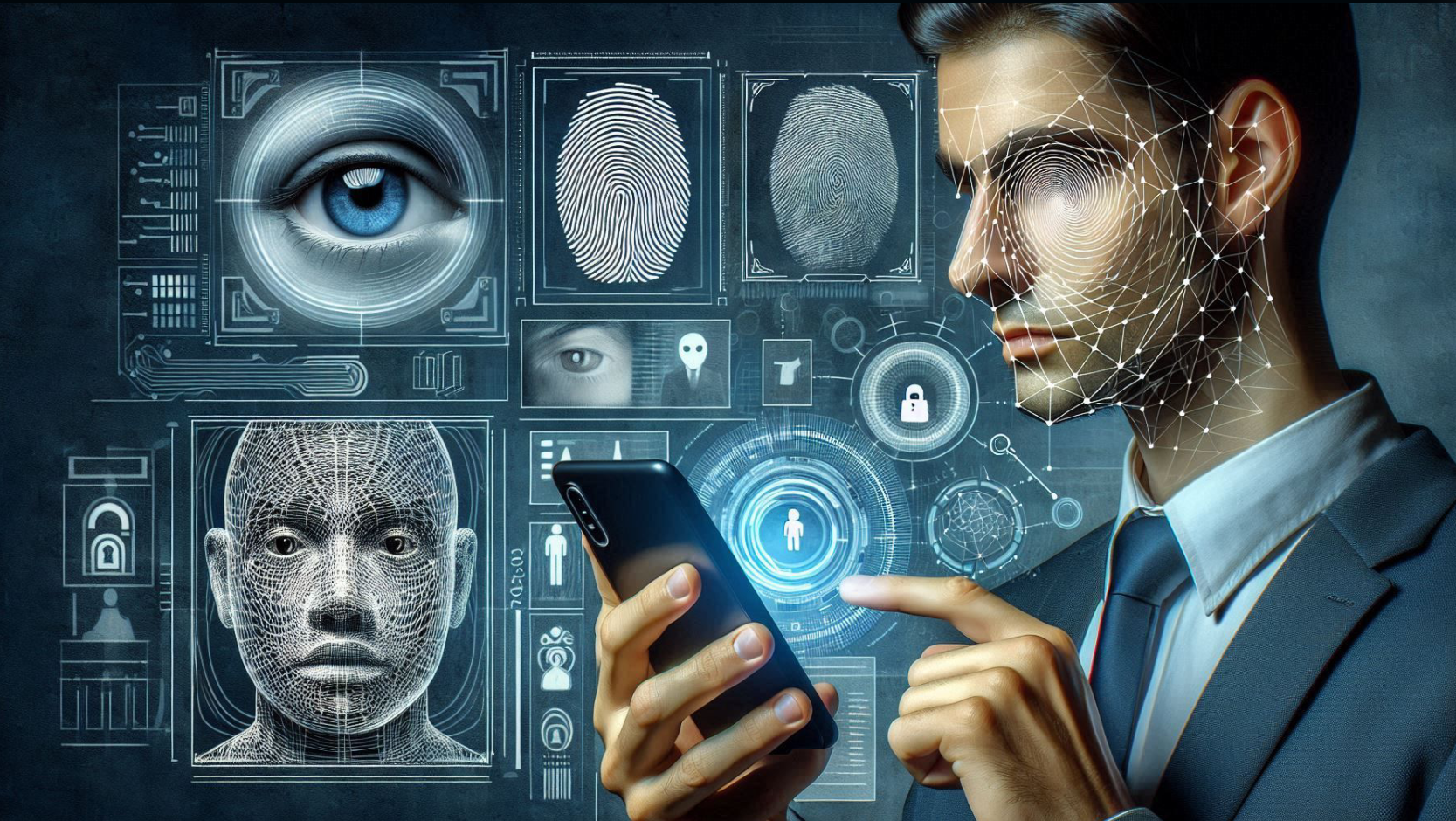
How a Light-Powered AI Spots Deepfakes with Nearly 98% Accuracy
The photographic and video evidence that used to settle disputes in seconds is now one of the primary battlefields of truth. Deepfakes—synthetic images and videos generated by powerful machine learning models—have moved from curiosity to crisis: manipulated political clips, fabricated evidence used in legal disputes, and convincingly falsified celebrity material. In response, researchers have built a new kind of detector that doesn't rely solely on pixels and probability but on a fundamentally different substrate: light. This light-powered AI combines active optical sensing and photonic neural inference to spot forgeries with nearly 98% accuracy in controlled tests, while using a fraction of the energy typical of GPU inference. The result is not just better detection numbers; it is the possibility of verification that is faster, cheaper, and available where it's needed most—on devices, at the edge, and inside cameras themselves.
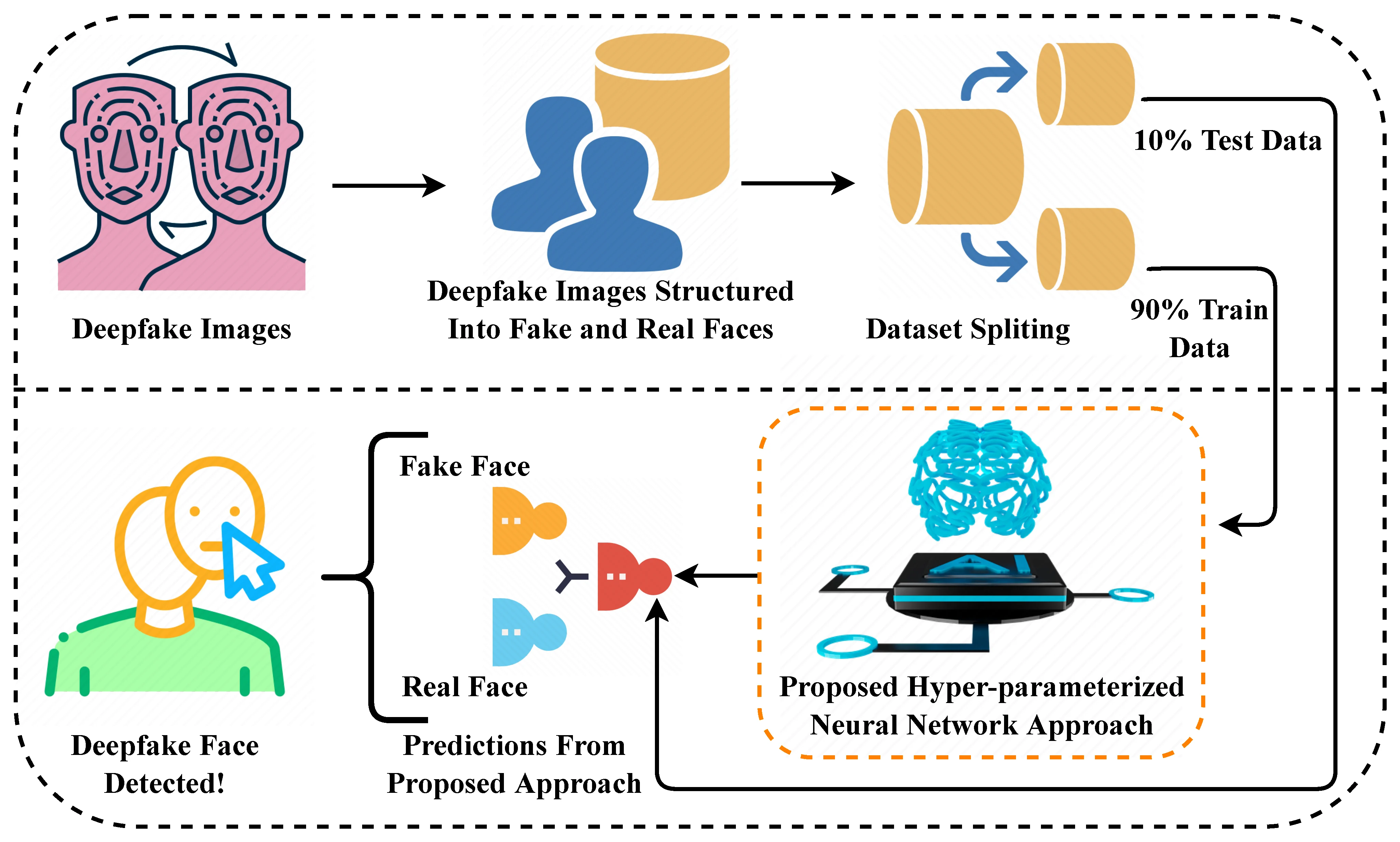
Deepfake detection technology lab
A Short Primer: What Makes Deepfakes Hard to Catch
Deepfakes are hard to detect because generative models have become excellent at mimicking the statistical patterns of real images. They capture texture, color distribution, and even microexpressions. Traditional detectors analyze frames with convolutional neural networks, searching for statistical artifacts, unnatural motion, or physiological inconsistencies like impossible blinking or heartbeat patterns. These approaches work well in controlled datasets but often fail when a manipulated video is compressed, re-encoded, or shot from a new camera type. They also require heavy computation—large models trained and evaluated on GPUs—and running them at scale on platforms or on-device is costly.
SECTION TITLE
What “Light-Powered” Actually Means
“Light-powered” in this context does not mean a solar panel powering a laptop. It refers to systems that use light itself—coherent beams, structured illumination, interferometry and photonic circuits—to perform sensing and computation that would otherwise be done electronically. Two closely related technologies make up this class: active optical sensing and photonic neural networks.
Active Optical Sensing
Instead of passively recording the scene, an active optical sensor projects controlled patterns or pulses of light onto a subject and measures how that illumination is reflected, absorbed, scattered, or modulated. Those responses carry information about surface texture, micro-geometry, subsurface scattering, and even subtle physiological changes like blood flow. When a face has been synthesized or composited, the way light interacts with skin, hair and eyes can betray inconsistencies that are invisible to ordinary cameras.
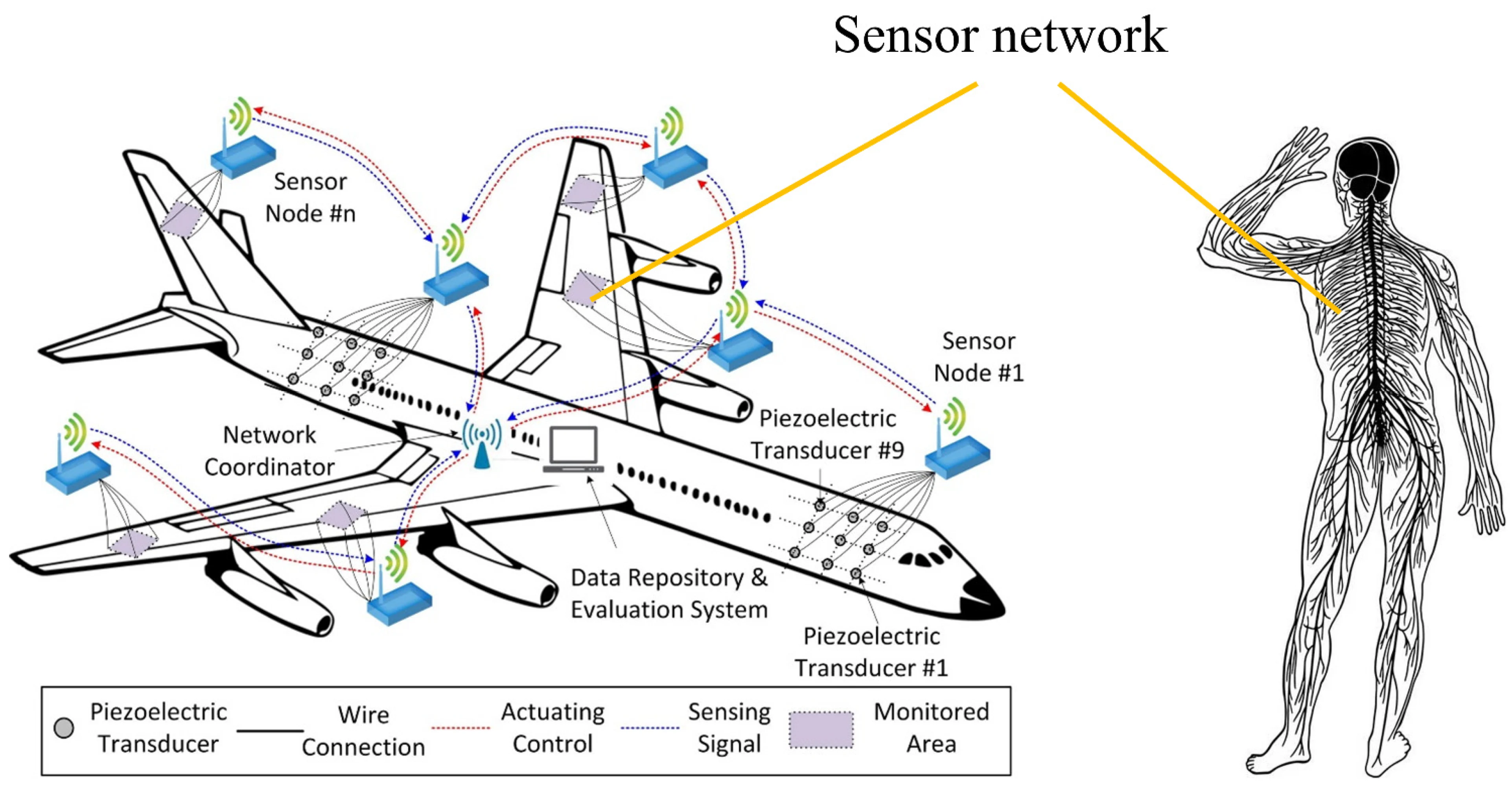
Active optical sensing system
Photonic Neural Networks
Photonic neural networks use light within optical circuits to implement neural operations—matrix multiplications, weighted sums, and nonlinearities—at the speed of light, with much lower energy dissipation than electronic chips. Optical weights can be encoded in interferometers, resonators, or metamaterial structures. The computation and the signal carrying it remain photonic until the final readout, which reduces electronic conversion overhead and enables massively parallel operations in tiny footprints.
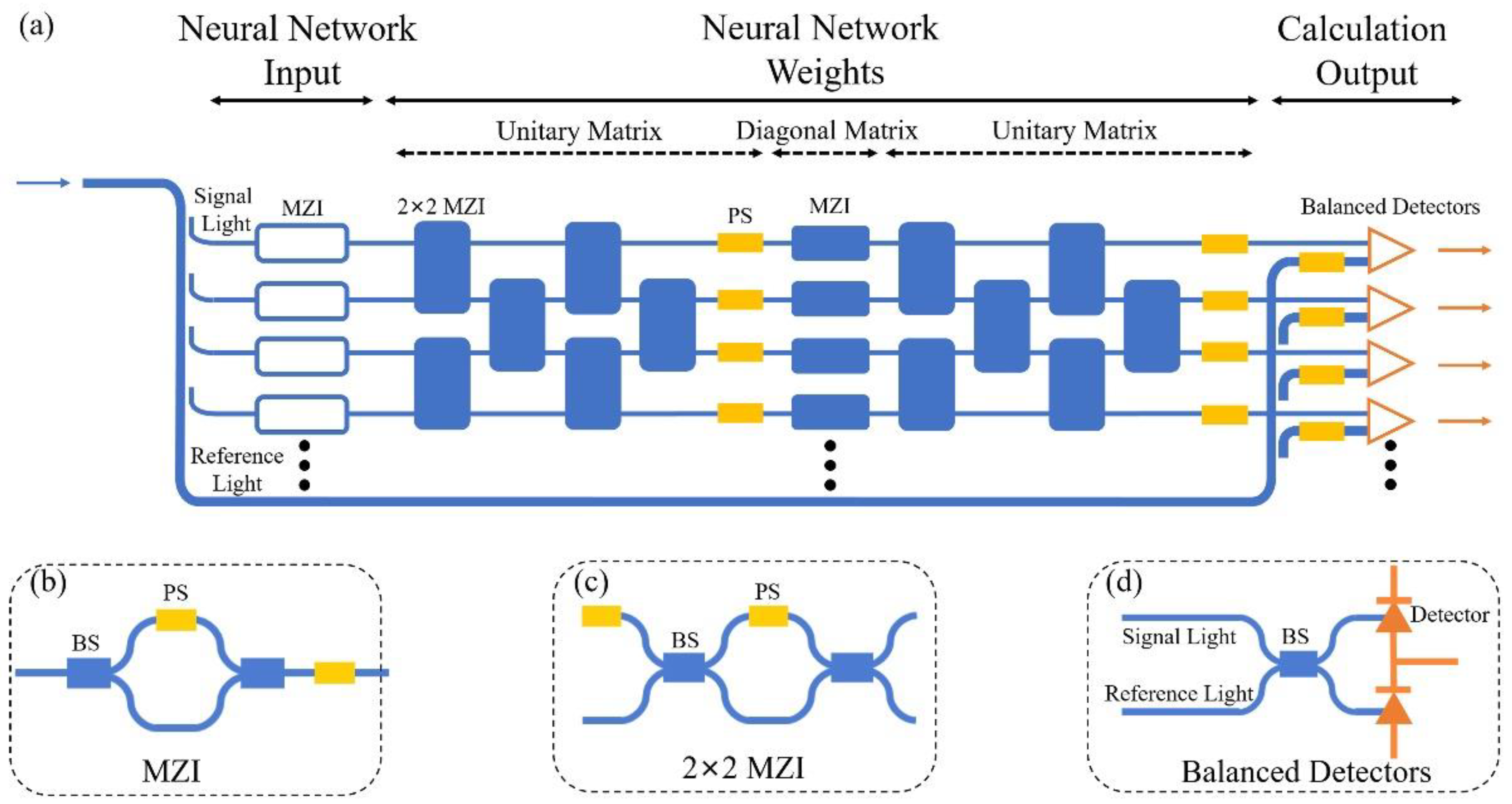
Photonic neural network hardware
A hybrid of active illumination and photonic inference gives detectors a twofold advantage: richer input data and dramatically cheaper, faster processing.
SECTION TITLE
How the System Detects a Fake—Step by Step
At a high level the detector works like this: (1) an active illumination module sends carefully phased light into a scene, (2) a set of photonic sensors captures the scene's optical response across wavelengths and angles, (3) a photonic neural network performs an initial inference in the optical domain, and (4) a small electronic module finalizes the decision and logs verification metadata. Each of these stages contributes to the high accuracy and efficiency.
1. Active illumination reveals the invisible
By varying polarization, angle, and temporal modulation, the sensor reveals cues that remain hidden in ordinary video: tiny differences in skin scattering, the micro-relief of pores, and the phase inconsistencies introduced during compositing. Fake faces often fail to reproduce subsurface scattering—the way light penetrates skin and scatters back—because generative models typically operate in RGB color spaces, not in the full optical domain.
2. Multispectral and phase-sensitive capture
Whereas standard cameras record three color channels, this system samples several narrow bands and phase responses, producing a richer, higher-dimensional representation of the scene. These additional channels can be decisive when a visual forgery has the right RGB appearance but the wrong optical fingerprint.
3. Photonic inference at the edge
Feeding the rich optical signal directly into a photonic neural network bypasses costly analog-to-digital conversion and eliminates much of the data-movement overhead. Optical multiplications and additions happen in picoseconds across many channels in parallel, letting the model process streaming video in real time with minimal power draw. A lightweight electronic classifier then integrates the photonic output with contextual signals—file provenance, timestamp consistency checks, and other sensor data—to produce a final authenticity score.
SECTION TITLE
Why Nearly 98% Accuracy Matters—and What It Really Means
Accuracy numbers are seductive: nearly 98% sounds definitive. But context matters. The reported figure comes from controlled benchmarks where the detector distinguishes between known manipulated samples and authentic footage captured under similar conditions. In such settings, the combination of active optical cues and photonic processing drastically reduces false negatives—the cases where a fake is missed—because the sensor exposes physical inconsistencies that are hard for generative models to fabricate.
Still, real-world deployments introduce new challenges: camera lenses, environmental illumination, compression artifacts from social platforms, and adversarial actors who intentionally record under conditions that obscure optical cues. In other words, 98% in the lab does not automatically equal 98% on the platform.
SECTION TITLE
Performance, Energy, and Privacy Advantages
One of the most compelling benefits of light-powered detectors is efficiency. Photonic circuits can perform thousands of parallel operations per optical path with minimal Joule heating, enabling complex inference without big batteries or datacenter compute. That matters for two reasons:
- On-device verification: Because the detector can run at low power, verification can occur on phones, cameras, or IoT hubs. This reduces the need to upload content to centralized servers, preserving privacy and speeding up moderation.
- Cost and scale: Platforms can deploy on-device or edge verification across millions of devices without multiplying GPU costs, allowing broader, continuous authenticity checks instead of ad-hoc sampling.
On-device verification camera
Energy efficiency also helps in environments with limited power budgets—community cams, body cameras, or remote journalism kits—where traditional detectors are impractical.
SECTION TITLE
Limitations and the Arms Race
No technology is a silver bullet. Photonic detectors face several limitations that temper enthusiasm and point to an ongoing arms race.
Environmental sensitivity
Active illumination can be disturbed by uncontrolled lighting, reflective surfaces, or obstructions. Outdoor, sunlit scenes present very different optical signatures than a studio-lit interview, and the detector must either adapt or gracefully degrade its confidence scores.
Adversarial adaptation
Generative model developers can—and likely will—experiment with matching optical cues. That may involve training generators with physics-informed renderers, adding subsurface scattering approximations, or using real footage captured with similar lighting during training. As detection gets better, forgers will try to close the gap.
Deployment constraints
Building photonic hardware into millions of consumer devices requires mature fabrication, testing, and standardization. Early systems may be niche: law enforcement units, media verification kits, or platform-side hardware appliances. Widespread integration into phones and cameras will take time.
SECTION TITLE
Where This Fits in a Broader Verification Stack
Light-powered detection is not a standalone panacea; it should be one tool among several. Effective media verification combines multiple layers: cryptographic provenance (signed media), behavioral signals (who uploaded the content and why), content analysis (visual and audio models), and now physical-layer verification (optical signatures). Together these layers create a more resilient fingerprint against manipulation.
For example, a platform could prefer content that carries a cryptographic attestation from a certified camera or app that also includes an optical verification stamp produced by an on-device photonic detector. Absent such attestation, the platform could escalate questionable content for additional review, add visibility labels, or limit distribution pending human review.
Media verification workstation
SECTION TITLE
Real-World Use Cases
Practical applications span journalism, law enforcement, elections, and platform moderation.
- Newsrooms: Reporters can verify field footage before publishing, especially in conflict zones where manipulation can have immediate consequences.
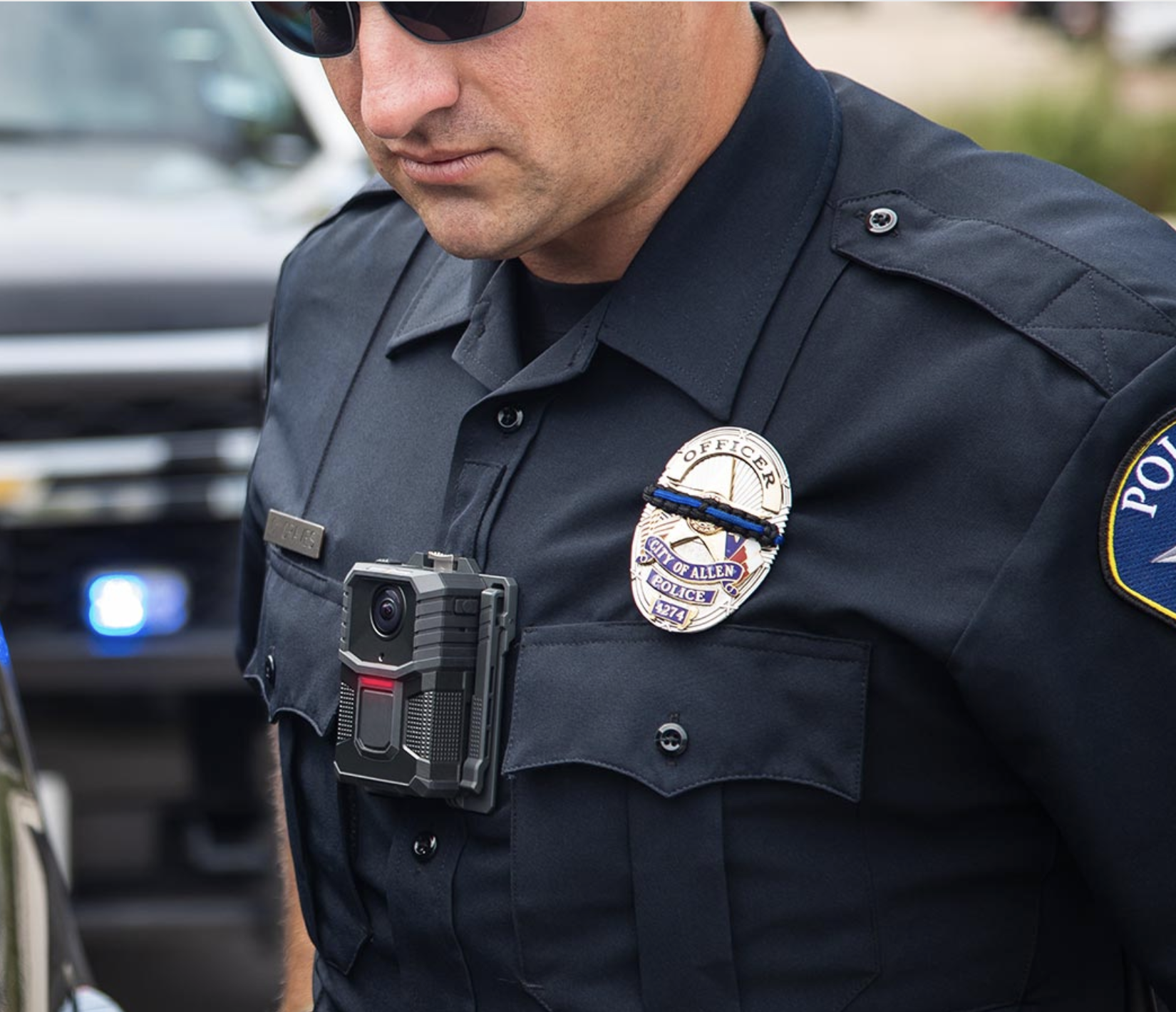
- Law enforcement: Body cameras or evidence collection kits with embedded optical verification can strengthen chain-of-custody and help courts assess authenticity.
- Social platforms: Edge detectors can flag likely fakes before they trend, reducing the spread of harmful misinformation.
- Consumer devices: Camera manufacturers can include verification modes that optionally embed tamper-evident optical metadata when users record sensitive content.
Law enforcement body camera
SECTION TITLE
A Simple Comparison: Photonic Prototype vs. Conventional Detector
The table below summarizes typical differences between a lab prototype photonic detector and a conventional GPU-based deepfake classifier. These numbers are illustrative of the technology gap in controlled conditions and should not be taken as universal.
| Metric | Photonic Prototype (Lab) | Conventional GPU Pipeline |
|---|---|---|
| Reported Accuracy (controlled tests) | ~98% | 85–95% |
| Average Power per Inference | Low (milliwatts to a few watts) | High (tens to hundreds of watts) |
| Processing Latency | Sub-millisecond to real-time | Milliseconds to seconds |
| Data Movement | Minimal (optical) | High (sensor → memory → GPU) |
GPU AI detection comparison
SECTION TITLE
Ethical, Legal and Social Considerations
Deploying verification technology at scale raises ethical questions. What if optical verification becomes a de facto gatekeeping tool that privileges certain cameras, vendors, or geographies? How should false positives be handled when a genuine clip is flagged? Who governs the standards for attestation and who audits the detectors?
Transparency is critical. Vendors and platforms should publish performance bounds, failure modes, and the conditions under which a detector's confidence is valid. Independent audits and interoperability standards will help ensure the technology enhances trust rather than erodes it.
SECTION TITLE
What Comes Next
Expect rapid progress on several fronts. Generative models will grow increasingly physics-aware, prompting detectors to incorporate more sophisticated optical cues. Photonic hardware will move from lab prototypes to more manufacturable designs, and industry standards will emerge for optical metadata and attestation. We may also see hybrid systems that use photonic preprocessing to reduce a stream into a compact signature that conventional digital detectors then evaluate in the cloud or on-device.
At the same time, education and policy must keep pace. Detection technology amplifies the technical capability to identify fakes, but broader resilience requires media literacy, legal frameworks against malicious manipulation, and responsible platform behavior.
SECTION TITLE
Conclusion
Light-powered AI is not a magic wand, but it is an important new tool in the fight against synthetic disinformation. By combining active optical sensing with photonic inference, these systems extract physical signatures that are difficult for current generative models to mimic and do so with dramatically improved energy and latency profiles. The nearly 98% accuracy reported in controlled tests is a promising signal that physics-informed detection can push the bar substantially higher. The road to real-world impact will require careful deployment, standards, and an acceptance that detection is a layered defense: one that pairs new sensors with traditional verification, human review, and policy measures.
- Light-powered detectors combine active illumination and photonic inference to reveal optical inconsistencies that are hard for deepfakes to reproduce.
- In controlled tests these systems have demonstrated near-98% accuracy, with much lower energy use than GPU-based models.
- Real-world deployment demands robust adaptation to environment, transparent reporting of limits, and regulatory and ethical guardrails.
Photonic detection is an emerging, physics-based complement to statistical approaches—promising, but not standalone.