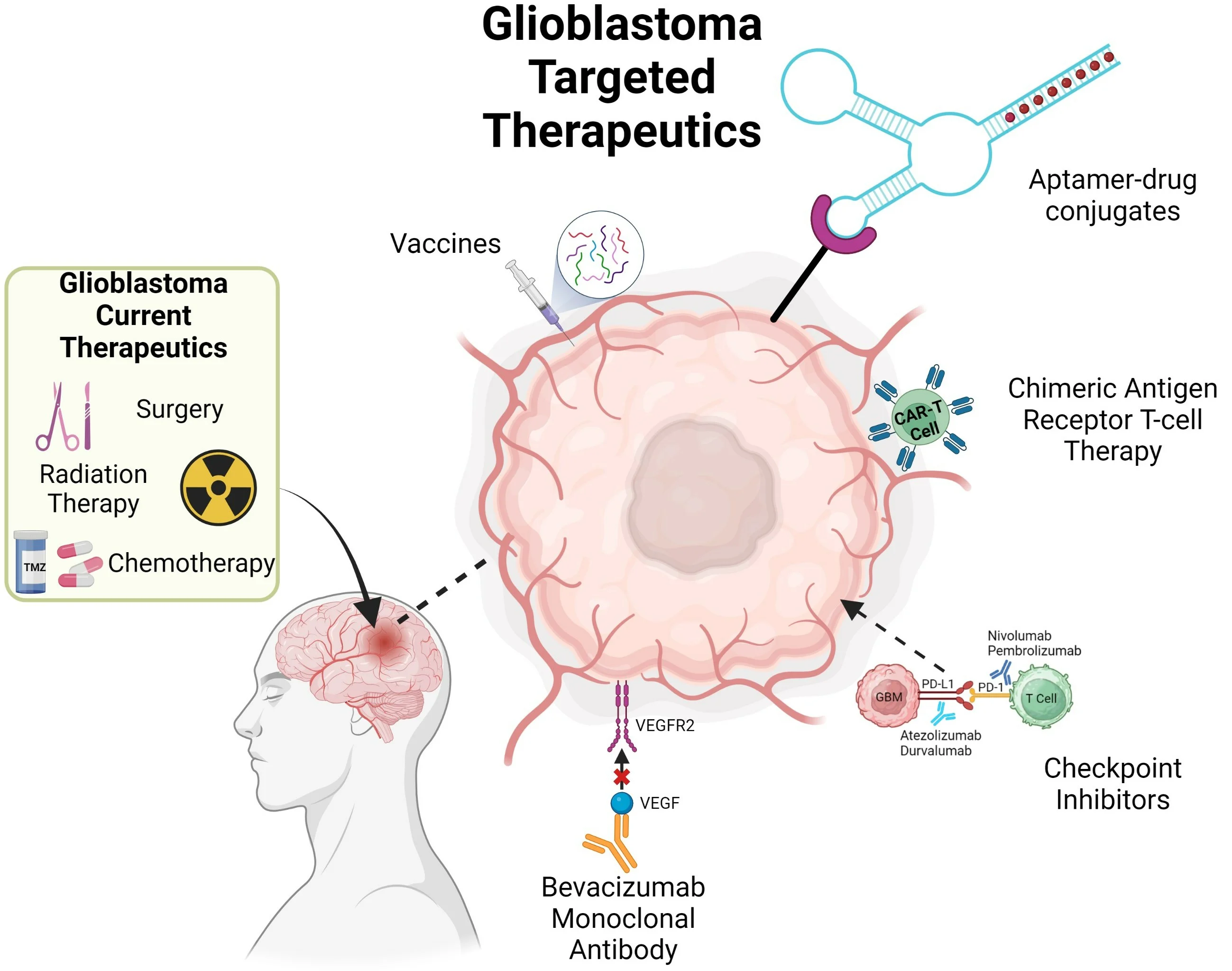
How a Common Vitamin Might Help Fight Deadly Glioblastoma
Glioblastoma multiforme—commonly called glioblastoma or GBM—is one of the most aggressive brain cancers, with a long history of frustratingly small therapeutic advances and a prognosis that remains poor for most patients. In recent years an unlikely candidate has moved from the supplement shelf to the research ward: vitamin C, given in very large intravenous doses, sometimes called pharmacologic ascorbate. Early laboratory work and small human studies suggest that, at the concentrations achievable only by infusion, ascorbate behaves more like a drug than a vitamin—generating reactive oxygen species inside tumors, weakening cancer cells’ defenses, and making them more vulnerable to radiation and temozolomide chemotherapy. The approach remains investigational, but the combination of a low‑cost, widely available molecule and a plausible mechanism has produced a flurry of translational research and clinical trials. citeturn0search3turn0search5
What Is Glioblastoma—and Why It’s So Hard to Treat
To understand why researchers are exploring unconventional ideas, it helps to remember what makes glioblastoma brutal: it grows rapidly; it infiltrates healthy brain tissue instead of forming a neat mass; it adapts quickly to survive stress; and even after maximal safe surgery, standard-of-care radiation plus temozolomide often produces only months of additional survival for many patients. Drug delivery across the blood–brain barrier and a highly hostile tumor microenvironment further limit the potency of systemic therapies. Against this backdrop, investigators are searching both for more powerful targeted drugs and for safe ways to sensitize the tumor to treatments we already use.
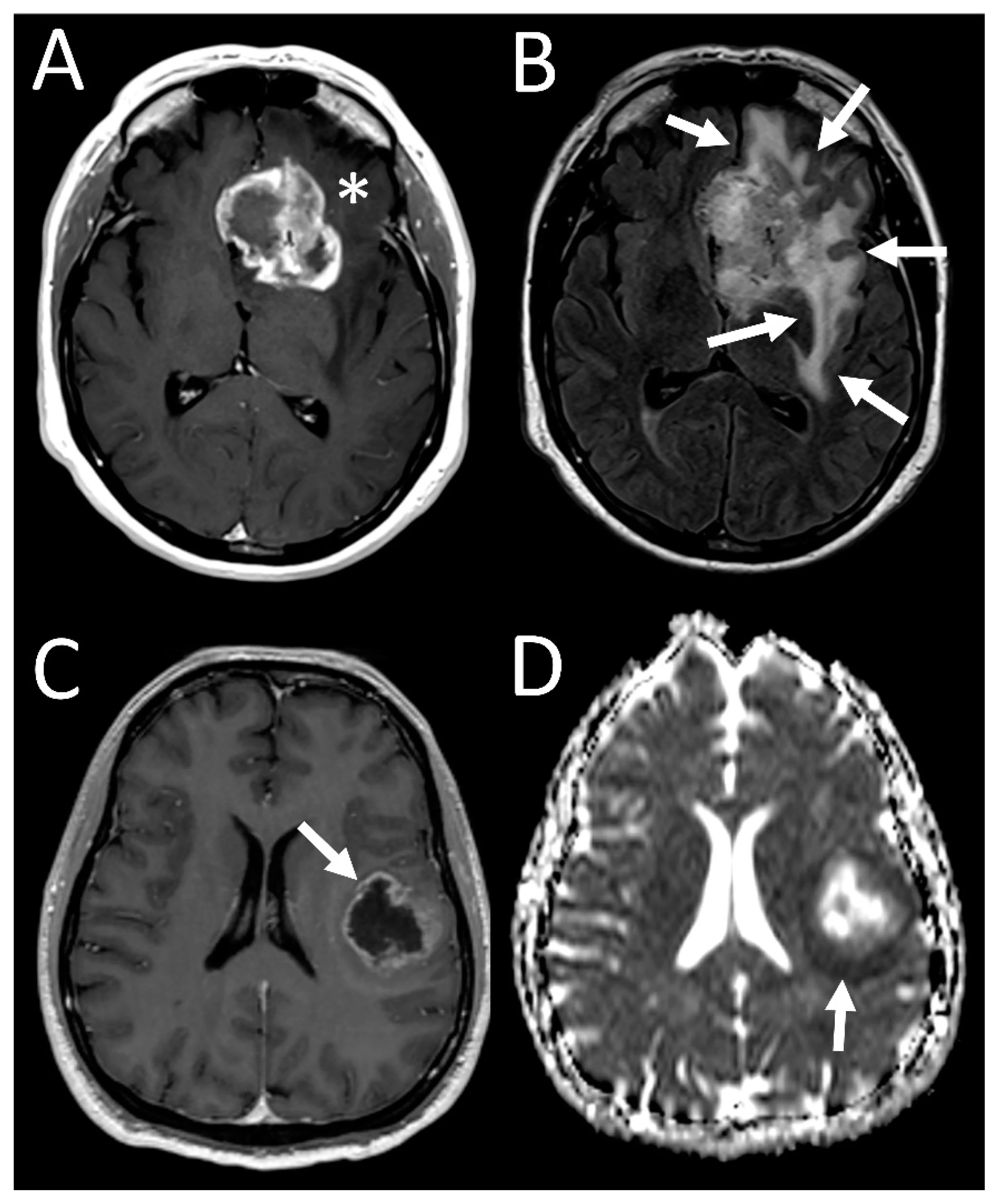
Glioblastoma brain tumor MRI
The Vitamin in Question: Pharmacologic Ascorbate (High‑Dose Vitamin C)
When people say “vitamin C” they usually mean the amounts you get from diet or an oral supplement—a few hundred milligrams a day. But intravenous administration bypasses intestinal absorption limits and can generate plasma concentrations that are tens to hundreds of times higher than what oral dosing produces. Researchers call those concentrations pharmacologic ascorbate because the molecule behaves differently at those levels: it can participate in redox chemistry that forms hydrogen peroxide and other reactive oxygen species in the extracellular space around tumor cells. Those chemical effects are what make high‑dose vitamin C a candidate anti-cancer treatment rather than merely a nutritional intervention. citeturn0search8
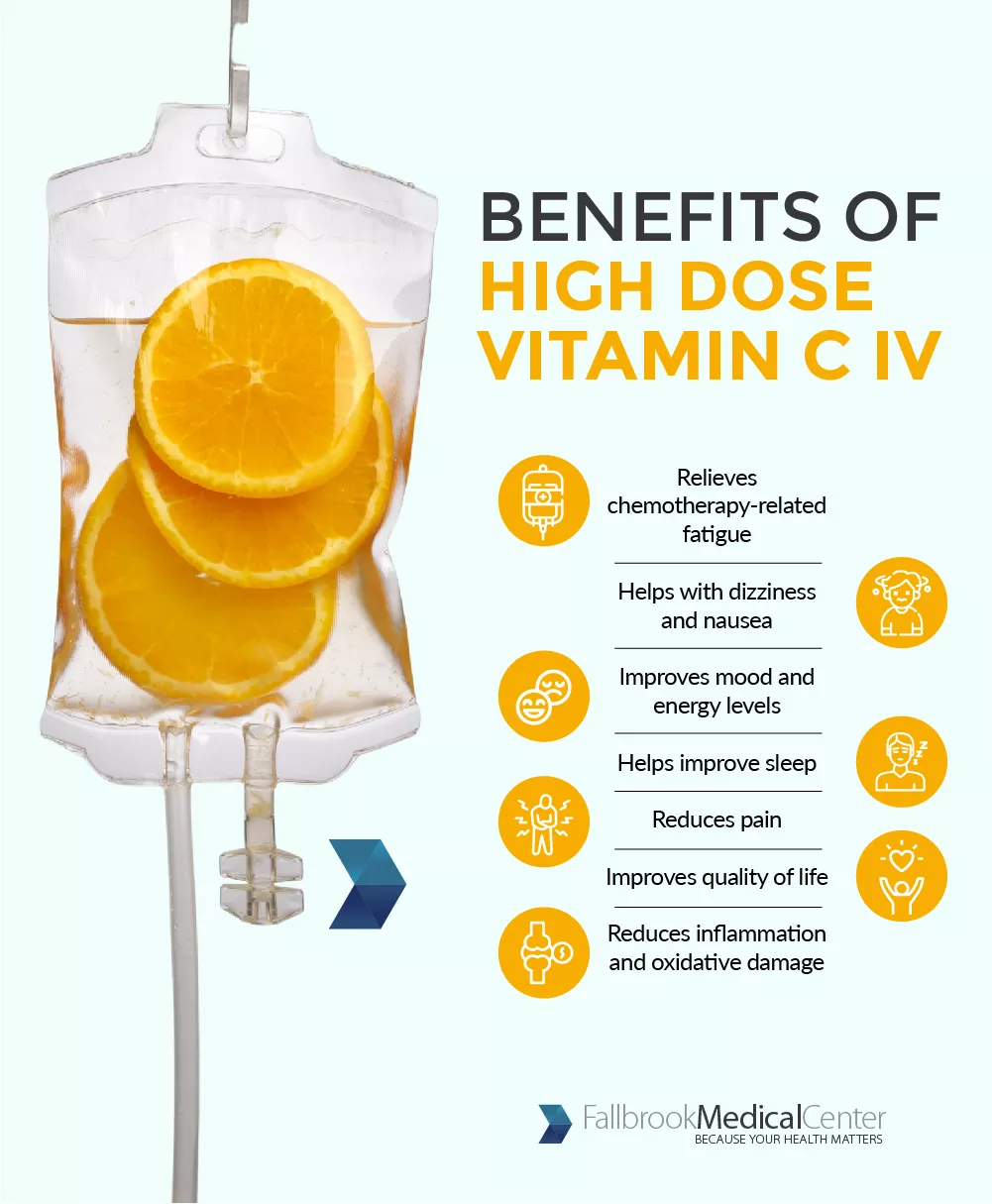
Intravenous vitamin C infusion
How High‑Dose Vitamin C Works Against Cancer Cells
At pharmacologic concentrations, ascorbate can donate an electron to oxygen to yield superoxide and hydrogen peroxide. Tumor cells are often in a state of metabolic and oxidative stress and can have higher labile iron and altered antioxidant defenses, which makes them more susceptible to damage from extracellular hydrogen peroxide than most normal cells. In simple terms, high‑dose ascorbate can create a localized oxidative environment that cancer cells struggle to neutralize—leading to DNA damage, disruption of iron handling, impaired mitochondrial function, and ultimately cell death. Importantly, preclinical data show this effect can be selective for tumor tissue, sparing normal brain cells in many experimental models. citeturn0search3turn0search4
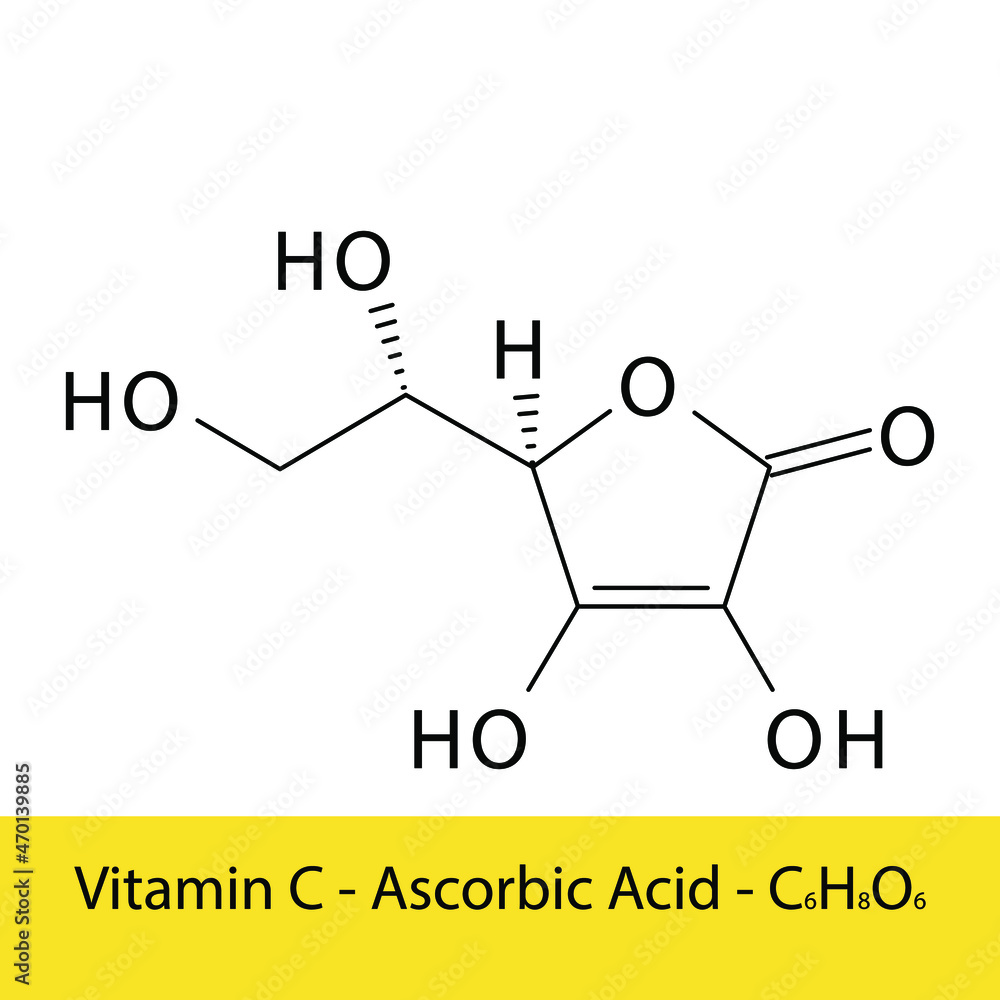
Vitamin C chemical structure
A biochemical view
Several interacting elements explain the selective toxicity observed in lab models: (1) high extracellular ascorbate generates H2O2; (2) cancer cells frequently have higher steady-state reactive oxygen species and labile iron that catalyze damaging Fenton chemistry; (3) antioxidant defenses such as catalase and glutathione systems in tumor cells can be overwhelmed by the transient burst of peroxide; and (4) the combined oxidative insults sensitize tumors to ionizing radiation and some chemotherapies that also act through DNA damage and oxidative stress. This combination biology—direct cytotoxicity plus radiosensitization—is the key hypothesis driving trials in glioblastoma. citeturn0search9
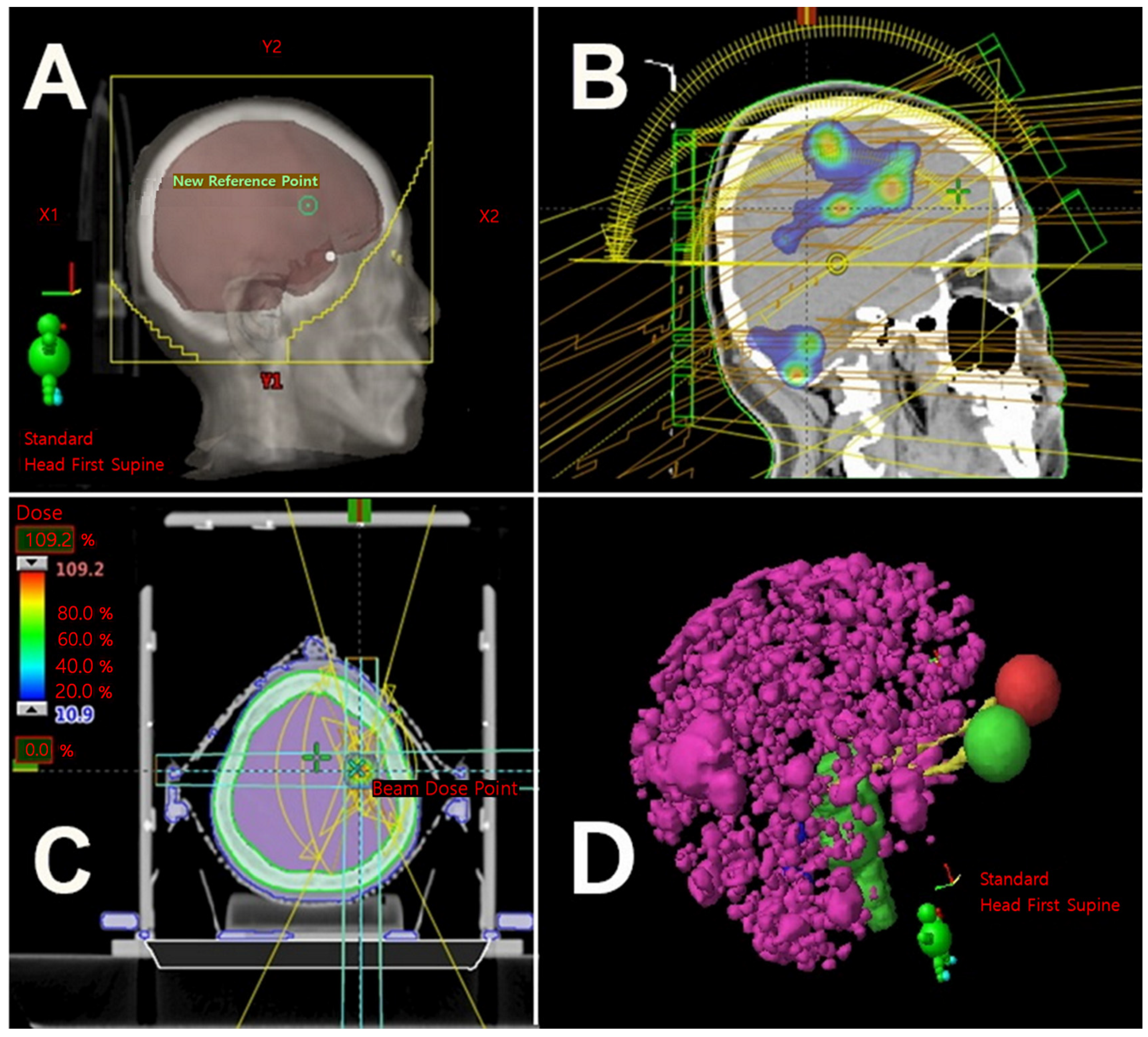
Radiation therapy brain cancer
"At the concentrations achievable only by IV infusion, vitamin C behaves more like an anticancer agent than a simple micronutrient."
Preclinical Evidence and Early Human Studies
Preclinical experiments showed that high‑dose ascorbate slowed growth of glioblastoma xenografts in mice and enhanced the effect of radiation and chemotherapy in multiple tumor types in vivo. Those foundational studies motivated first-in-human and early-phase combination trials exploring safety, tolerability, achievable plasma levels, and preliminary signals of efficacy. In one early phase 1 study, investigators combined pharmacologic ascorbate with radiation and temozolomide for newly diagnosed glioblastoma patients to test feasibility and safety, and reported that plasma targets could be reached and the regimen was generally tolerable. Building on that work, larger phase 2 protocols have been launched to evaluate whether adding high‑dose ascorbate to the standard Stupp regimen improves outcomes. citeturn0search3turn0search5turn0search2
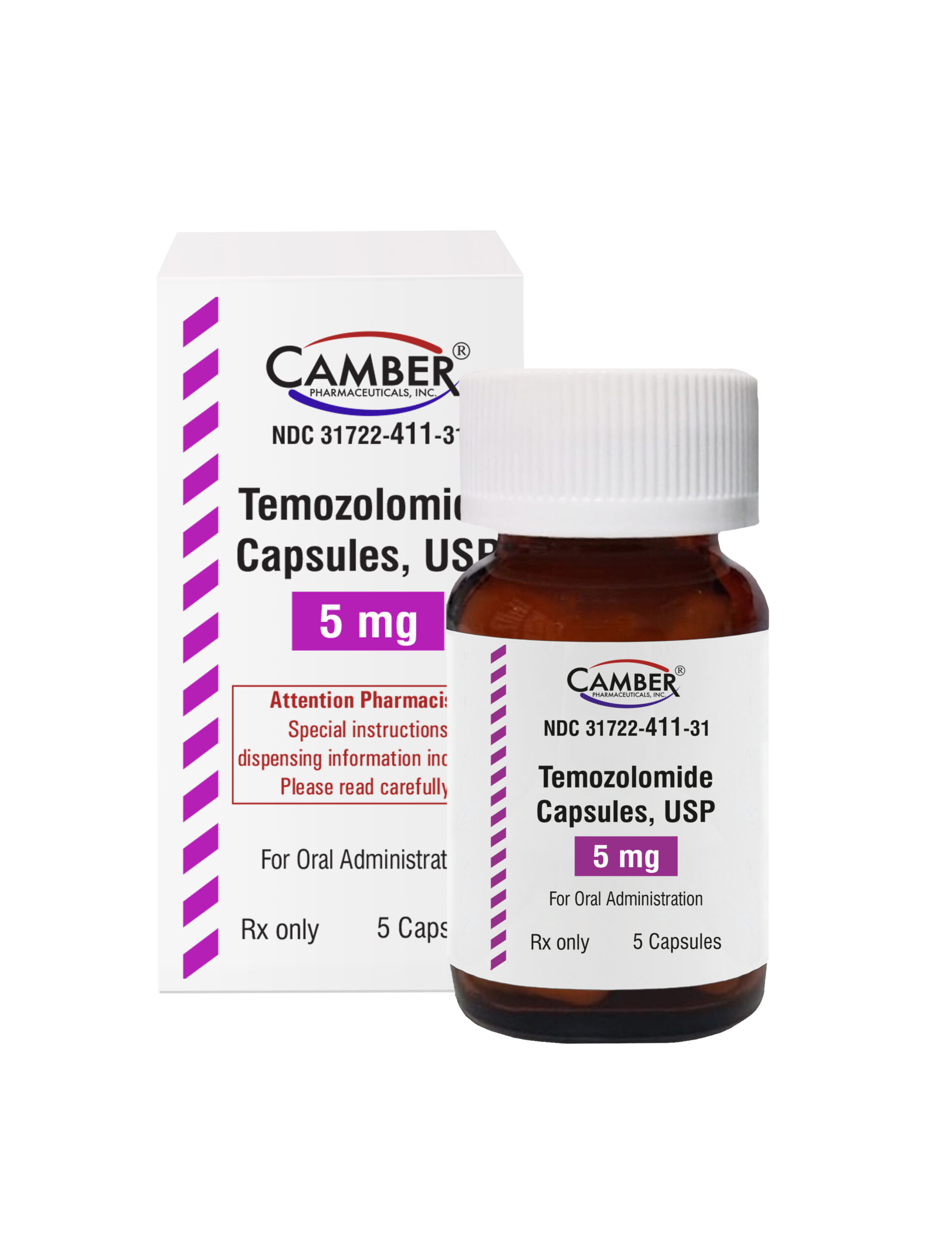
Temozolomide chemotherapy drug
What the animal and lab models actually showed
In mouse models implanted with human glioblastoma cells, daily administration of high‑dose ascorbate produced measurable reductions in tumor growth and extended survival in treated animals compared with controls. These experiments also allowed researchers to sample tumor interstitial fluid and show transient increases in peroxide within tumor tissue following infusion—evidence that the proposed mechanism operates in vivo, not only in a petri dish. While animal models are imperfect predictors of human benefit, they provide the biological plausibility that justifies clinical testing. citeturn0search10turn0search4
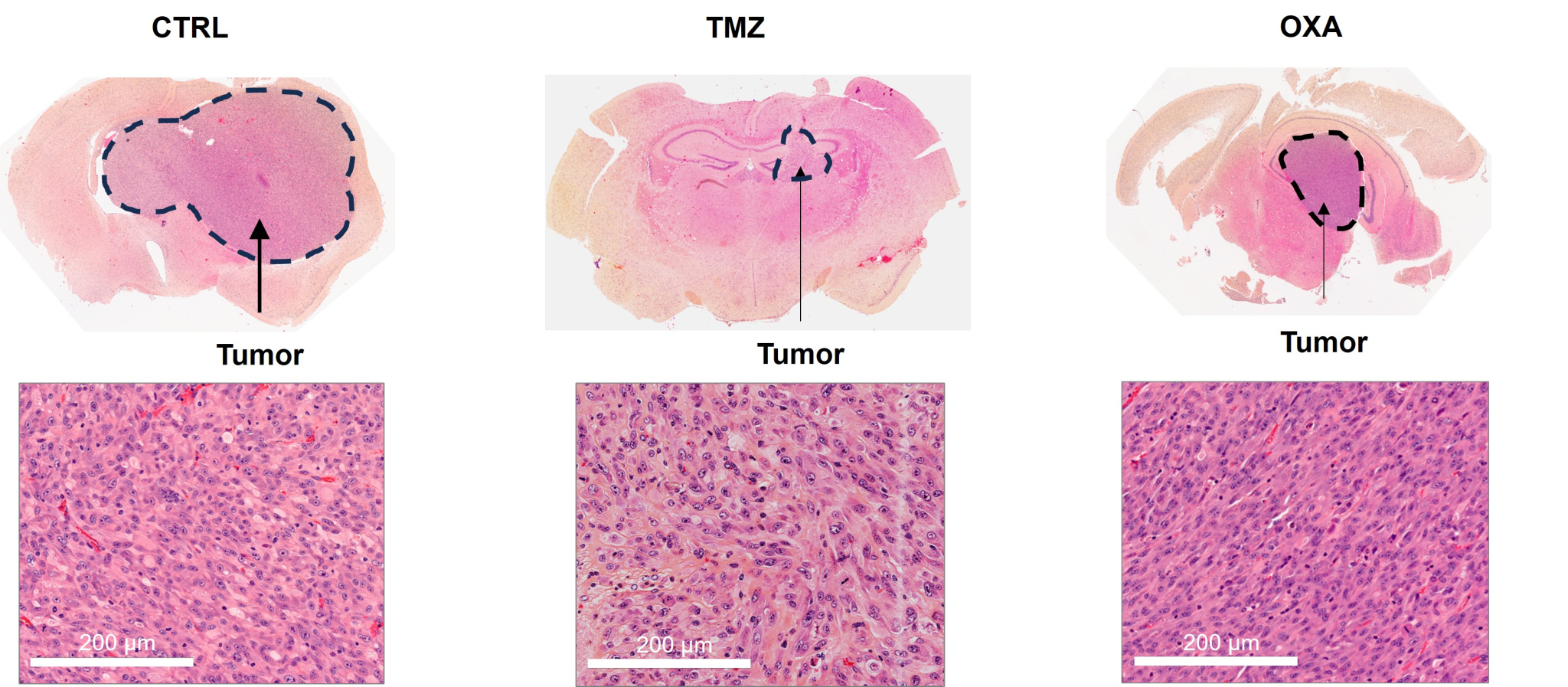
Glioblastoma laboratory research
Safety, Risks, and Important Caveats
Despite the appealing narrative—cheap vitamin, powerful chemistry—the story is far from a green light for widespread clinical use. High‑dose intravenous vitamin C is not free of risk: it can cause false elevations in point‑of‑care glucose measurements, may increase oxalate excretion and in rare cases has been associated with oxalate nephropathy and kidney injury, and can trigger hemolysis in people with glucose‑6‑phosphate dehydrogenase (G6PD) deficiency. Because of these risks, clinical protocols typically screen patients for G6PD deficiency and evaluate renal function before starting infusions. In short: pharmacologic ascorbate needs to be handled like a drug under medical supervision. citeturn0search0turn0search14
Drug interactions and treatment logistics
High‑dose IV ascorbate is typically administered in an infusion center and requires repeated visits—often multiple times per week during the radiation phase and then less frequently during maintenance. It can interact with laboratory assays and potentially with some drugs, so coordination with treating oncologists is necessary. Importantly, the plasma concentrations thought to be therapeutic in preclinical studies are only achievable by IV infusion; large oral doses do not replicate the pharmacologic exposure. citeturn0search1
What This Means for Patients and Clinicians
For patients facing glioblastoma, the key takeaway is guarded hope: high‑dose vitamin C has a rational mechanism, supportive preclinical data, and early-phase human studies that justify more rigorous testing, but it is not yet established as standard therapy. Enrollment in clinical trials is the safest way for patients to access investigational regimens because trials include careful screening, standardized dosing, and monitoring for adverse effects—plus the scientific rigor needed to determine whether the approach truly improves survival or quality of life. If a trial is not available, decisions about off‑label or clinic‑based IV vitamin C should involve an honest conversation about the limits of the evidence, the logistics of treatment, potential risks, and how it might interact with planned chemotherapy or experimental agents. citeturn0search6
Questions Patients Should Ask Their Doctors
- Is there a clinical trial for high‑dose vitamin C I can join?
- Will I be tested for G6PD deficiency and monitored for kidney function?
- How many infusions would be needed, and how will they fit with radiation and temozolomide?
- Could IV vitamin C interfere with bloodwork or other medications?
- What outcomes will we measure—symptoms, quality of life, progression‑free survival?
Perspective: Where Research Goes Next
Researchers are now focused on clarifying which patients are most likely to benefit, the optimal dosing schedule and infusion frequency, and whether ascorbate is best used as a radiosensitizer, a chemosensitizer, or as part of a multi‑agent metabolic strategy. Biomarkers—such as tumor iron handling, antioxidant enzyme expression, and metabolic signatures—may help predict response. Larger, randomized trials will be needed to answer whether the early signals of tolerability and potential benefit translate into a meaningful survival advantage or improvements in quality of life for people with glioblastoma.
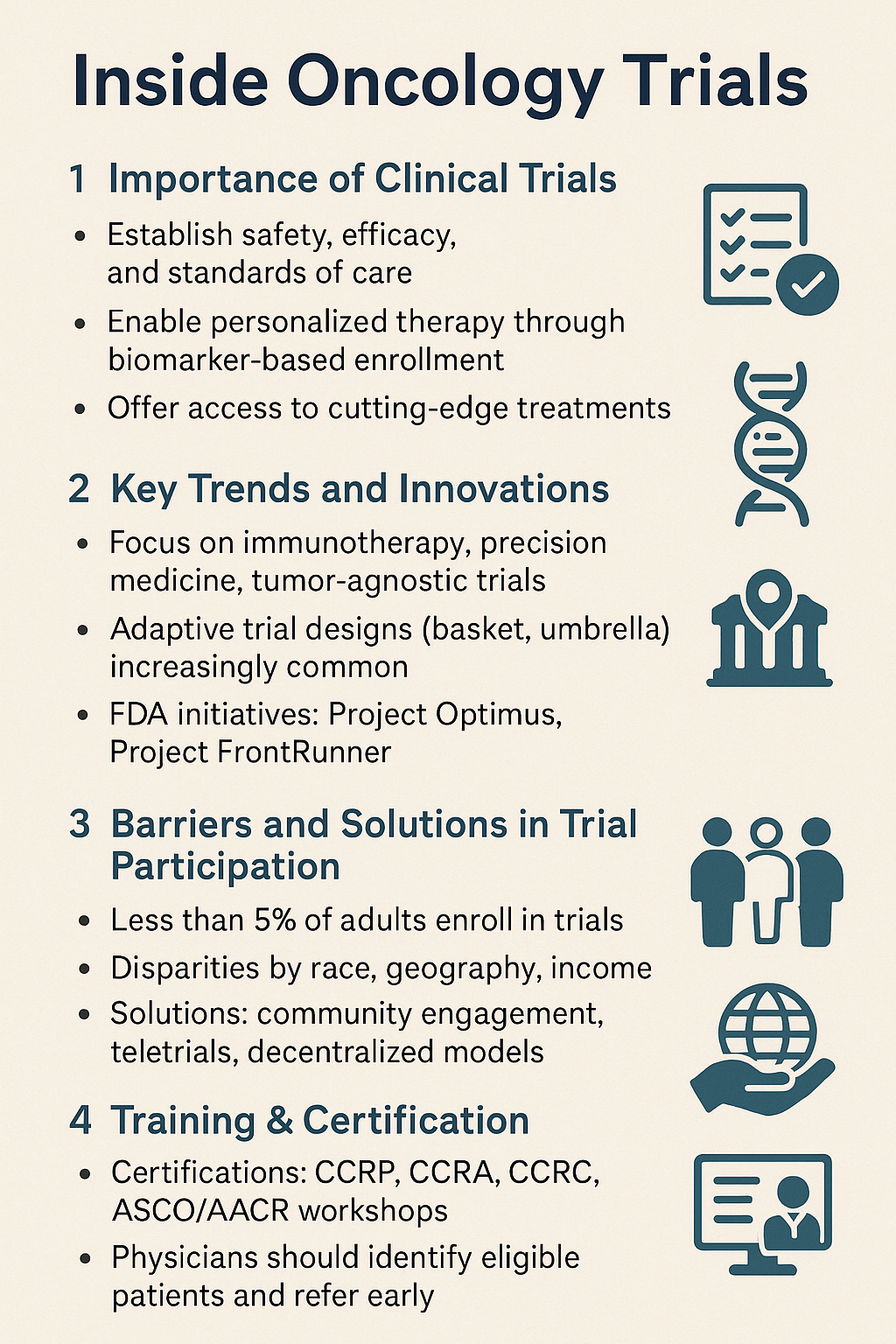
Clinical trial oncology setting
Conclusion and Takeaways
The idea that a common vitamin could help fight one of the deadliest brain cancers is not fantasy; it is the logical next step when a familiar molecule reveals unexpected chemistry at doses we normally don’t consider. Early laboratory and early‑phase clinical work support the hypothesis that pharmacologic ascorbate can selectively stress glioblastoma cells and sensitize them to radiation and temozolomide, but the data are preliminary. Because of real risks—especially for people with certain kidney conditions or G6PD deficiency—this is not a do‑it‑yourself therapy. The most responsible path for patients who want to pursue this option is through a clinical trial or under close supervision in a center experienced with high‑dose IV ascorbate. citeturn0search5turn0search0
- High‑dose IV vitamin C (pharmacologic ascorbate) acts as a pro‑oxidant at plasma concentrations achievable only by infusion and may selectively damage glioblastoma cells. citeturn0search3
- Preclinical models and early human trials show feasibility and a rationale for combining ascorbate with radiation and temozolomide, but definitive benefit is unproven. citeturn0search5turn0search2
- Safety concerns—G6PD deficiency, kidney function, and laboratory interactions—make medical supervision essential. citeturn0search0turn0search14
If you are considering experimental therapies for glioblastoma, the best first step is a discussion with your neuro‑oncology team about clinical trials and individualized risk assessment.