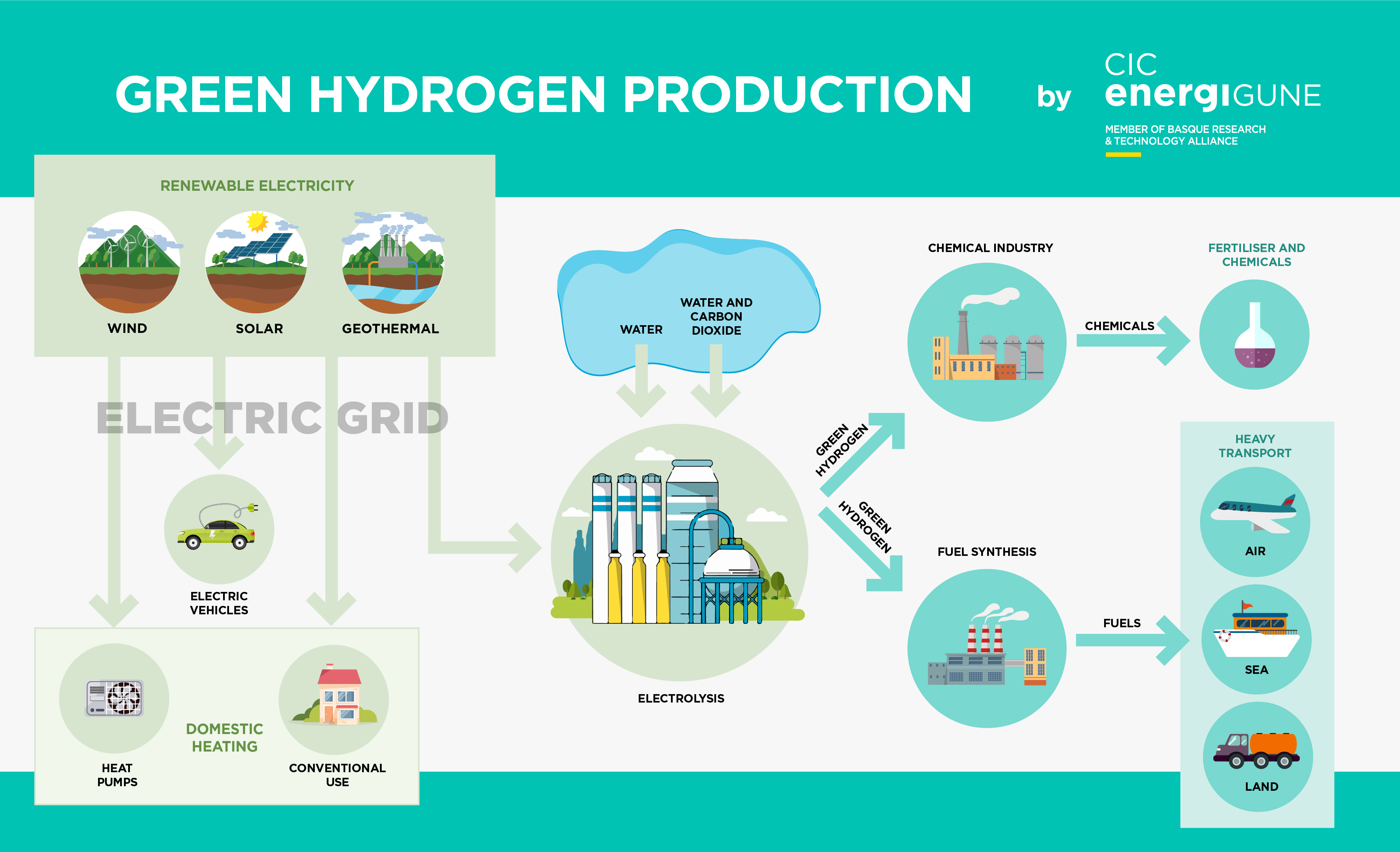
Breakthrough Method Makes Hydrogen from Water Faster
The headline is simple and electrifying: scientists have demonstrated a new laboratory method that produces hydrogen from water with significantly lower energy loss than many conventional approaches. For a world racing to decarbonize heavy industry, shipping and long‑distance transport, any credible step toward cheaper, cleaner hydrogen deserves deep attention. This article walks through what the discovery means, how it works at a high level, why it matters for climate and industry, and the realistic road between an elegant lab result and the sprawling infrastructure needed to power economies with hydrogen.
A lower-energy path to splitting water would shrink costs, reduce emissions and change who can produce hydrogen—if the method scales.
What the discovery is — and why it matters
At its core the breakthrough reduces the energy penalty commonly associated with turning H2O into H2 and O2. Current industrial hydrogen mostly comes from reforming natural gas, which emits CO2; the clean alternative—electrolysis driven by renewable electricity—works but is still expensive because of equipment cost, energy losses and the expensive materials some approaches require. The newly reported method addresses one or more of those barriers by changing the reaction interface: it uses a novel catalyst and reaction environment to lower the voltage and heat required to split water, improving overall efficiency.
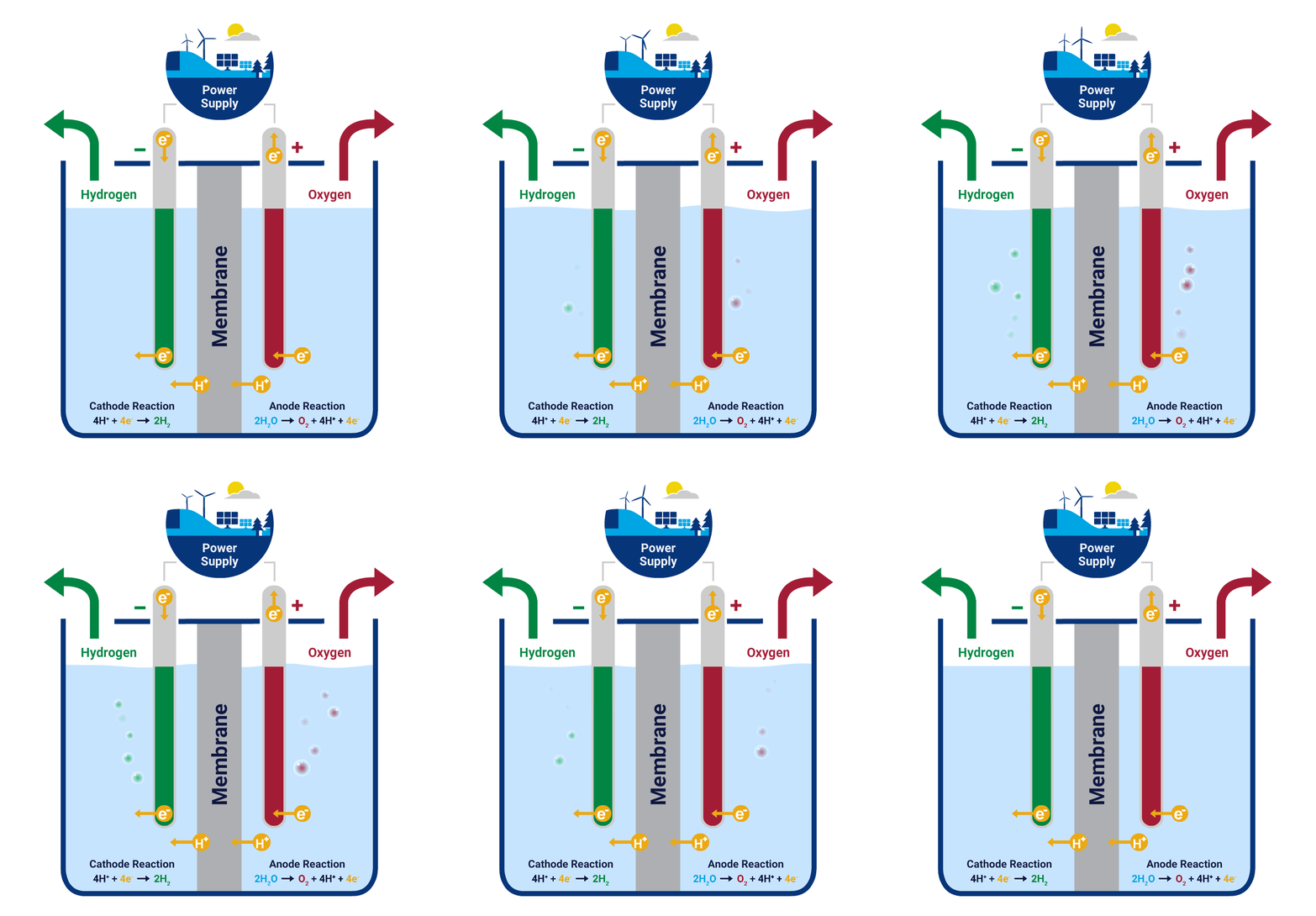
electrolysis water splitting
How this is different from conventional electrolysis
Conventional electrolyzers either run alkaline electrolysis or use polymer electrolyte membrane (PEM) systems. Both require a certain overpotential—the extra voltage beyond the theoretical minimum—to push the water splitting reaction at useful rates. The new method reduces that overpotential through chemical and structural design at the catalyst surface, which means:
- Lower electrical energy per kilogram of hydrogen — translating to lower operating costs when electricity is the main input.
- Reduced reliance on expensive or scarce materials — the team reports using more abundant metals or novel architectures that avoid platinum-group metals.
- Improved selectivity and fewer side reactions — which enhances longevity and reduces maintenance cycles in the long run.
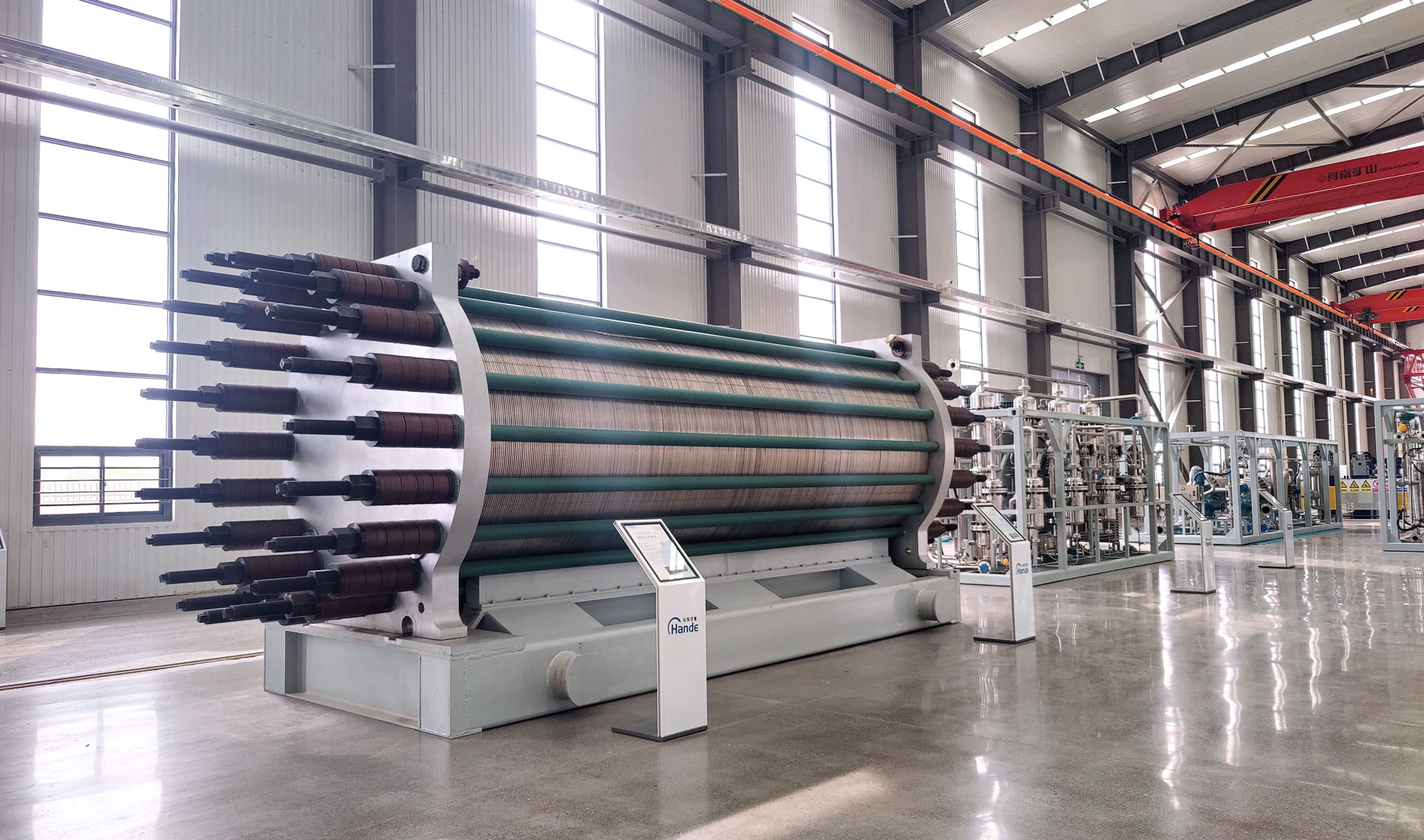
alkaline electrolysis industrial
Why the timing could be consequential
Because renewable electricity capacity has expanded rapidly in many regions, the bottleneck for a hydrogen economy is increasingly the cost and scalability of hydrogen production and distribution. A method that lowers energy use or material cost immediately improves the economics of green hydrogen and broadens where it can be produced—making on-site hydrogen generation at factories, ports or fueling stations more feasible. That could decentralize supply chains and reduce transport emissions linked to long-distance hydrogen movement.
The science, explained for curious professionals
Water splitting is a two-part reaction: the oxygen-evolution reaction (OER) and the hydrogen-evolution reaction (HER). Each half-reaction has kinetics that can be sluggish without the right catalyst. The new approach improves one or both half-reactions by engineering the catalyst’s electronic structure and the immediate reaction environment. That engineering can take several forms—atomic-level placement of active sites, nano-patterned surfaces that concentrate reactants, or combined photoelectrochemical steps that use photons as part of the energy input.
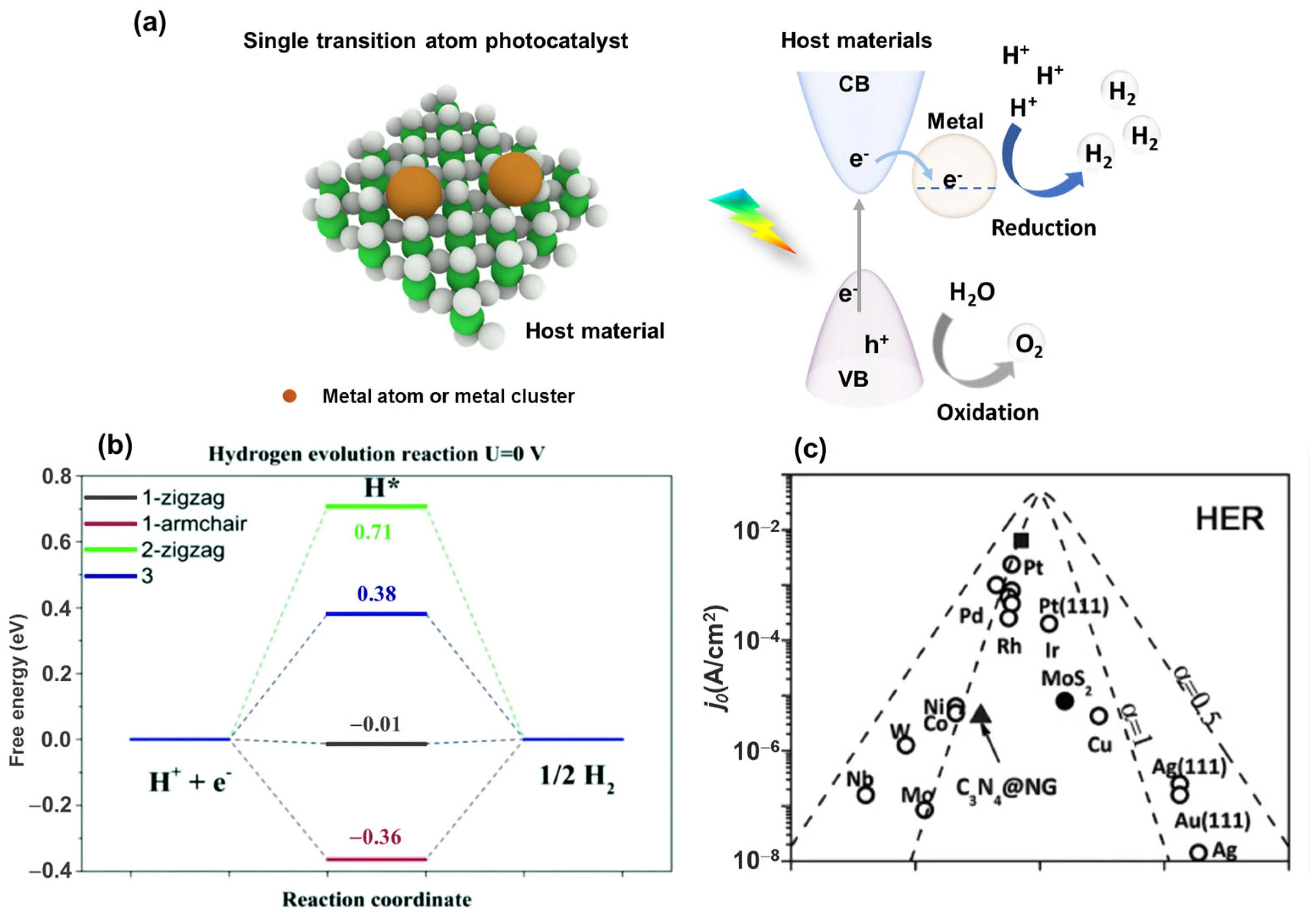
hydrogen evolution reaction catalyst
A few plausible mechanisms at work
- Single-atom or low-loading catalysts — placing individual metal atoms into a support matrix to maximize the active surface area while minimizing the amount of scarce metal used.
- Heterostructured interfaces — stacking or integrating two different materials so that charge transfer across the interface accelerates the reaction steps.
- Proton-conducting reaction layers — creating thin membranes or interlayers that shuttle protons more efficiently, lowering loss and improving current density at lower voltages.
- Photo-assisted catalysis — combining light absorption and catalytic action so part of the required energy comes from photons, not just electricity.
Those broad strategies reduce the energy barrier by changing how electrons and protons meet at the catalyst surface and by making intermediate reaction states more favorable. The result is the same chemistry—H2 and O2 from H2O—but with less wasted input and often with cheaper material requirements.
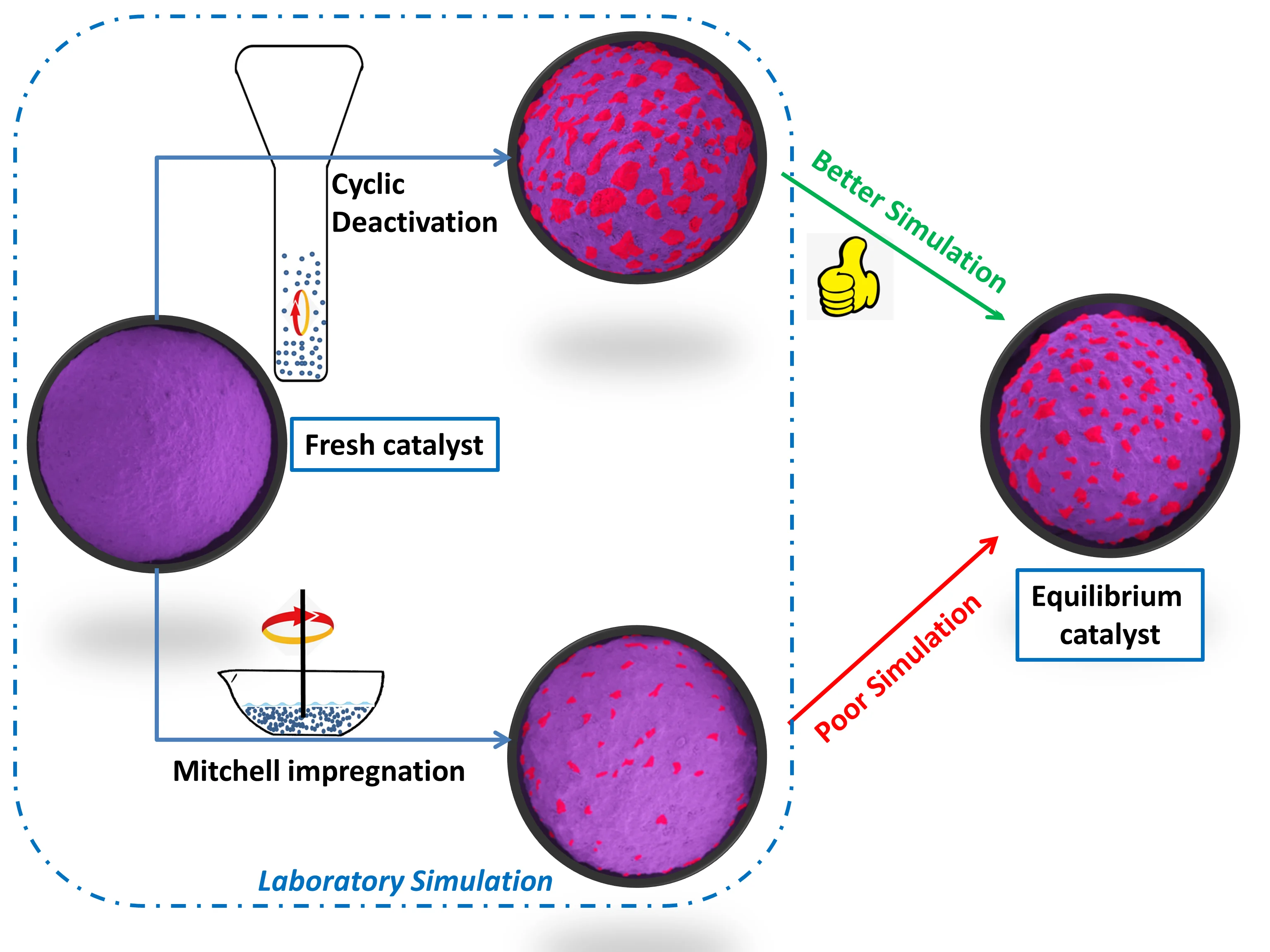
laboratory catalyst research
Comparing the new method to existing hydrogen pathways
The conversation about new hydrogen production methods is always comparative: how does this stack up against steam methane reforming (SMR) with carbon capture, alkaline electrolyzers, PEM electrolyzers, or emerging thermochemical cycles? A compact table helps frame the tradeoffs:
| Method | Typical strengths | Typical weaknesses |
|---|---|---|
| Steam Methane Reforming (SMR) | Low current cost, established industry | High CO2 emissions without capture, reliant on natural gas |
| Alkaline Electrolysis | Relatively cheap materials, mature | Slower response to variable renewables, lower power density |
| PEM Electrolysis | Fast response, compact, high power density | Expensive catalysts and membranes |
| New Low-Energy Catalytic Method | Lower overpotential, reduced material cost (lab scale) | Early-stage: scale-up, durability and system integration unknown |
This comparison shows the promise—efficiency and materials advantages—while making clear the familiar caveats: lab success is one step; industrial viability depends on durability, manufacturability, and whole-system costs.
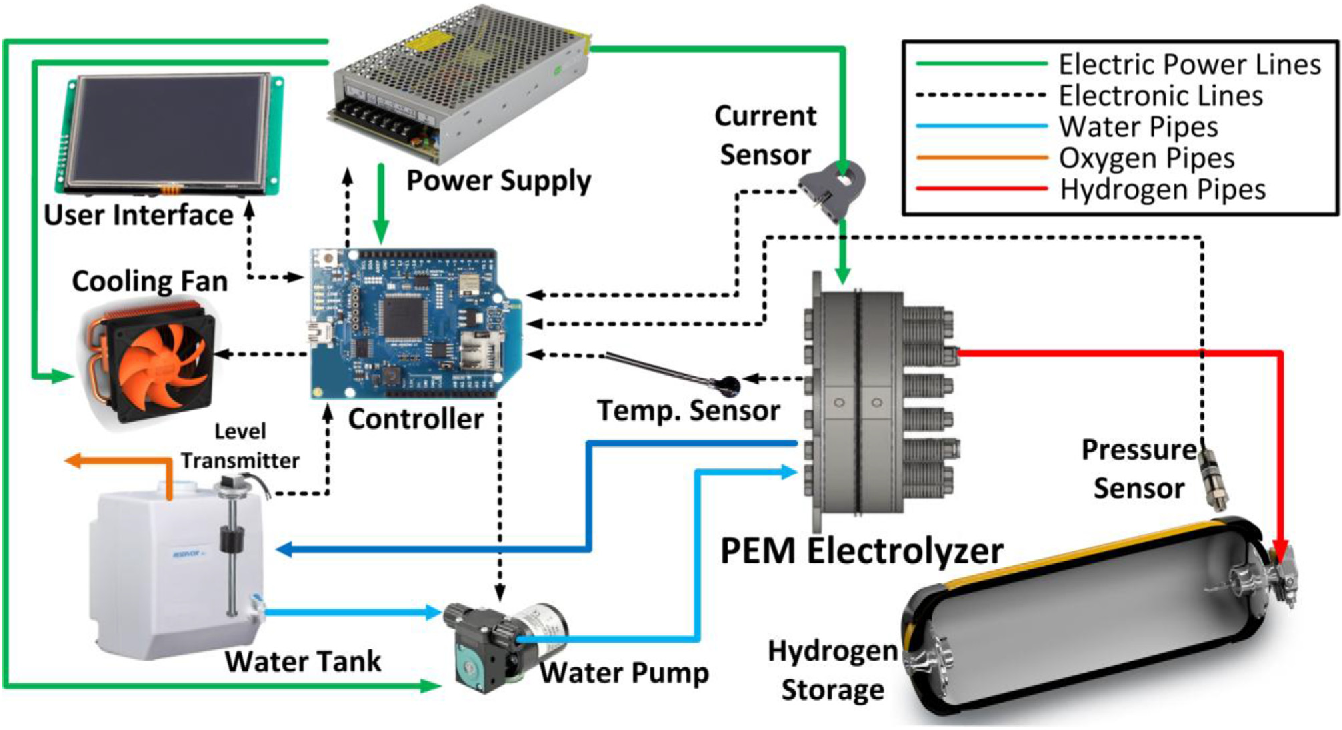
PEM electrolyzer system
Real-world implications: industry, climate and energy systems
If the method sustains its advantages beyond the controlled setting of a research lab, the potential effects are wide-ranging. Manufacturers could produce hydrogen on-site from excess renewable power, cutting supply-chain complexity. Ports and shipping hubs might adopt localized hydrogen refueling to decarbonize logistics. Power systems could use cheap electrolytic hydrogen as long-duration storage, soaking up surplus renewables and releasing energy when the grid is tight.
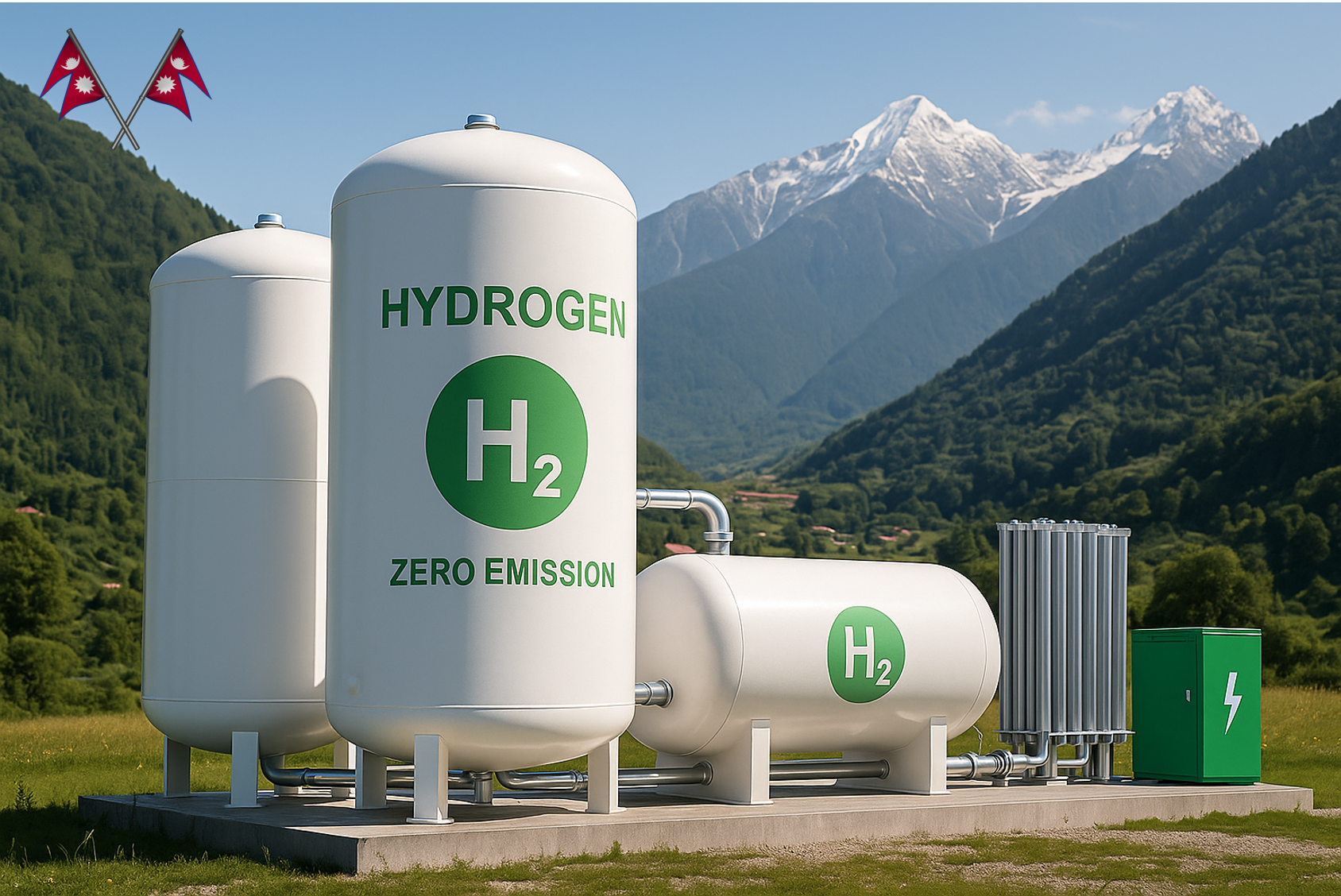
hydrogen fuel storage tanks
Economic ripple effects
Lower production energy directly reduces operating costs per kilogram of hydrogen. Indirectly, cheaper green hydrogen can accelerate the electrification of processes currently powered by fossil fuels—like ammonia production, steelmaking via direct reduced iron with hydrogen, and heavy transport. If hydrogen becomes more affordable, it also opens markets that currently favor fossil-derived hydrogen because of price.
Barriers between the lab and the pump
No matter how promising a lab result is, several barriers must be addressed before this becomes a deployable solution:
- Scale-up: Synthesis routes for catalysts and membranes must be manufacturable at ton scales, not just milligrams.
- Durability: Catalysts can degrade over thousands of hours; the method must tolerate impurities in real water sources and fluctuating operating conditions.
- System integration: The method must be packaged into reliable stacks and systems, with balance-of-plant components that do not negate efficiency gains.
- Water and lifecycle impacts: Sourcing, treating and recycling water and accounting for full life-cycle emissions are crucial for genuinely low-carbon hydrogen.
- Cost of capital and policy: Infrastructure investments, financing, and supportive regulation will determine how quickly an early-stage technology can get to market.
Technical novelty is necessary but not sufficient; robust engineering, economics and policy must follow.
Environmental and sustainability considerations
Producing hydrogen from water can be low-carbon only if the energy input is low-carbon. A method that reduces the electricity required per kilogram of hydrogen makes it easier to supply that energy from renewables and keeps life-cycle emissions lower. But sustainability also depends on materials: catalysts that require rare or environmentally problematic elements can shift the environmental burden elsewhere. The best outcomes blend energy efficiency, abundant materials, and circular manufacturing practices.
What to watch next
New research typically follows a trajectory: initial proof-of-concept papers, replication and validation by other labs, incremental performance improvements, prototype device demonstrations, and then pilot plants. For this method the critical milestones will be:
- Independent replication of efficiency and material claims.
- Demonstrations of continuous operation for thousands of hours.
- Scale-up of catalyst synthesis and manufacturing of full electrolyzer stacks.
- Pilot projects coupling the method to renewable generators and real industrial loads.
Questions investors and policymakers should ask
Decision-makers should look for transparent data on lifetime performance, a clear supply strategy for key materials, and realistic cost models that include capital and operating expenses. Policies that support demonstration projects, de-risk capital investment and price carbon can speed deployment if the method proves robust.
A balanced view — excitement without hype
Breakthroughs on the bench are vital and deserve celebration, but the most prudent response is cautious optimism. Many promising lab technologies stall when confronted with the messy realities of scale, variable inputs, and economics. The right questions are pragmatic: Can this be made at industrial scales? Will it last? How does it behave with impure water or fluctuating power? What are the true costs per kilogram of delivered hydrogen?
- Lower energy per kg of H2 at lab scale.
- Potential to reduce rare metal usage.
- Enables more distributed production models.
- Unproven long-term durability.
- Manufacturing scale-up risk.
- System-level integration still required.
Conclusion
The reported development represents an important step toward making hydrogen from water more efficient and potentially cheaper. If reproduced and scaled, it could accelerate the shift to green hydrogen and unlock new decarbonization pathways across industry and transport. That said, the path from laboratory novelty to industrial mainstay is long and demands sustained effort across materials science, engineering, finance and policy. The discovery is cause for guarded optimism: a technological opening that the clean-energy community must now test, stress and engineer toward real-world impact.
- Researchers demonstrated a low-energy laboratory method to generate hydrogen from water by lowering overpotential and optimizing catalyst interfaces.
- The method could reduce production costs and broaden where green hydrogen is viable if it proves durable and scalable.
- Important next steps include independent replication, long-duration testing and pilot-scale integration with renewable energy.
This article explains the significance and context of a laboratory advance in water-splitting methods and outlines the steps required to move from discovery to deployment.