Dual-Action Therapy Targets Lung Cancer and Muscle Wasting
It is one of medicine’s cruellest paradoxes: treatments that prolong life can be rendered less effective by the body’s own collapse. For people with advanced lung cancer, the most common and deadly form of the disease, that collapse often takes the form of cachexia — an involuntary, progressive loss of muscle that saps strength, undermines treatment tolerance and shortens survival. Now, an emerging line of research promises a new way to fight both the tumor and the wasting syndrome it spawns, with a single strategy aimed at two devastating targets.
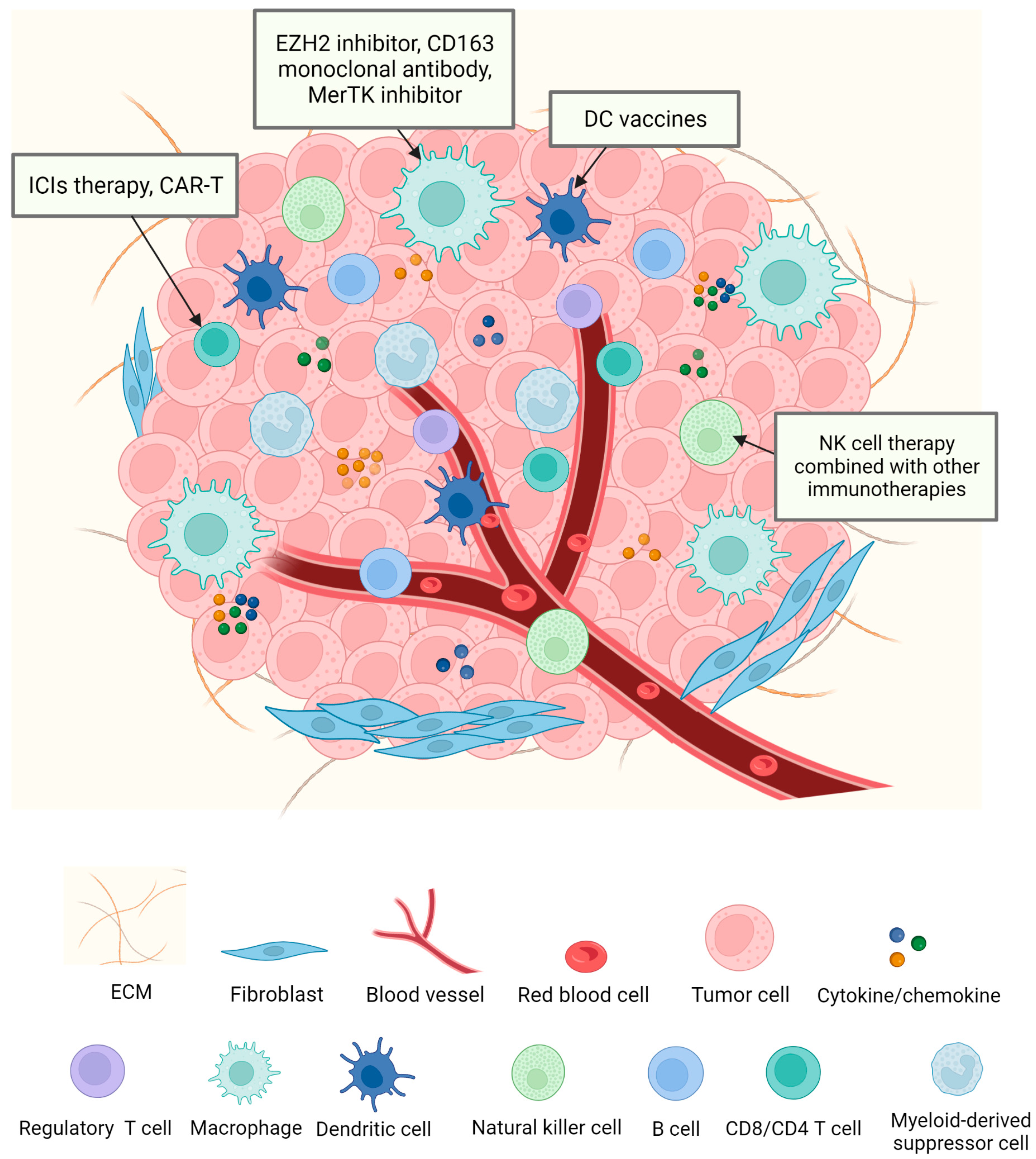
lung cancer tumor microenvironment
WHY THIS MATTERS
In oncology the gap between controlling a tumor and restoring meaningful quality of life can be wide. A therapy that attacks cancer cells but leaves the patient too weak to complete treatment or to live well is only a partial victory. The idea of a 'dual-action' therapy — one that slows tumor growth while protecting or rebuilding muscle — reframes treatment goals. It asks not only how long a person might live, but how well.
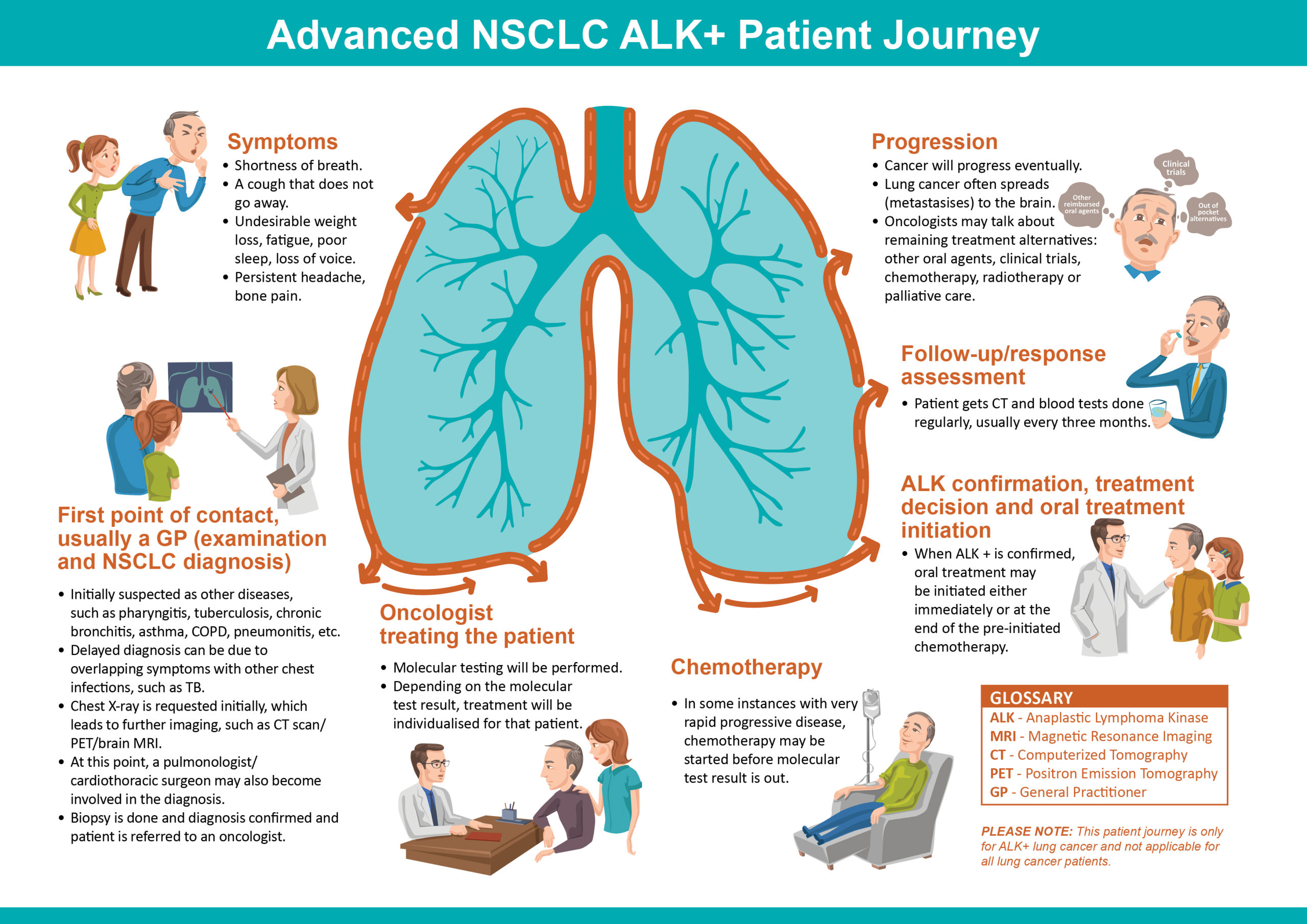
lung cancer chemotherapy patient
THE BIOLOGICAL LINK BETWEEN LUNG CANCER AND MUSCLE WASTING
Cancer cachexia: a systemic syndrome
Cachexia is not simple starvation. It is a complex, systemic syndrome driven by a combination of reduced food intake, altered metabolism and an inflammatory cascade triggered by the tumor and the host immune response. Instead of reversible weight loss, cachexia is characterized by preferential loss of skeletal muscle, often accompanied by fat loss and metabolic disturbances. Estimates vary, but cachexia affects a majority of people with advanced lung cancer and contributes directly to worse survival and poorer tolerance of chemotherapy, targeted agents and immunotherapy.
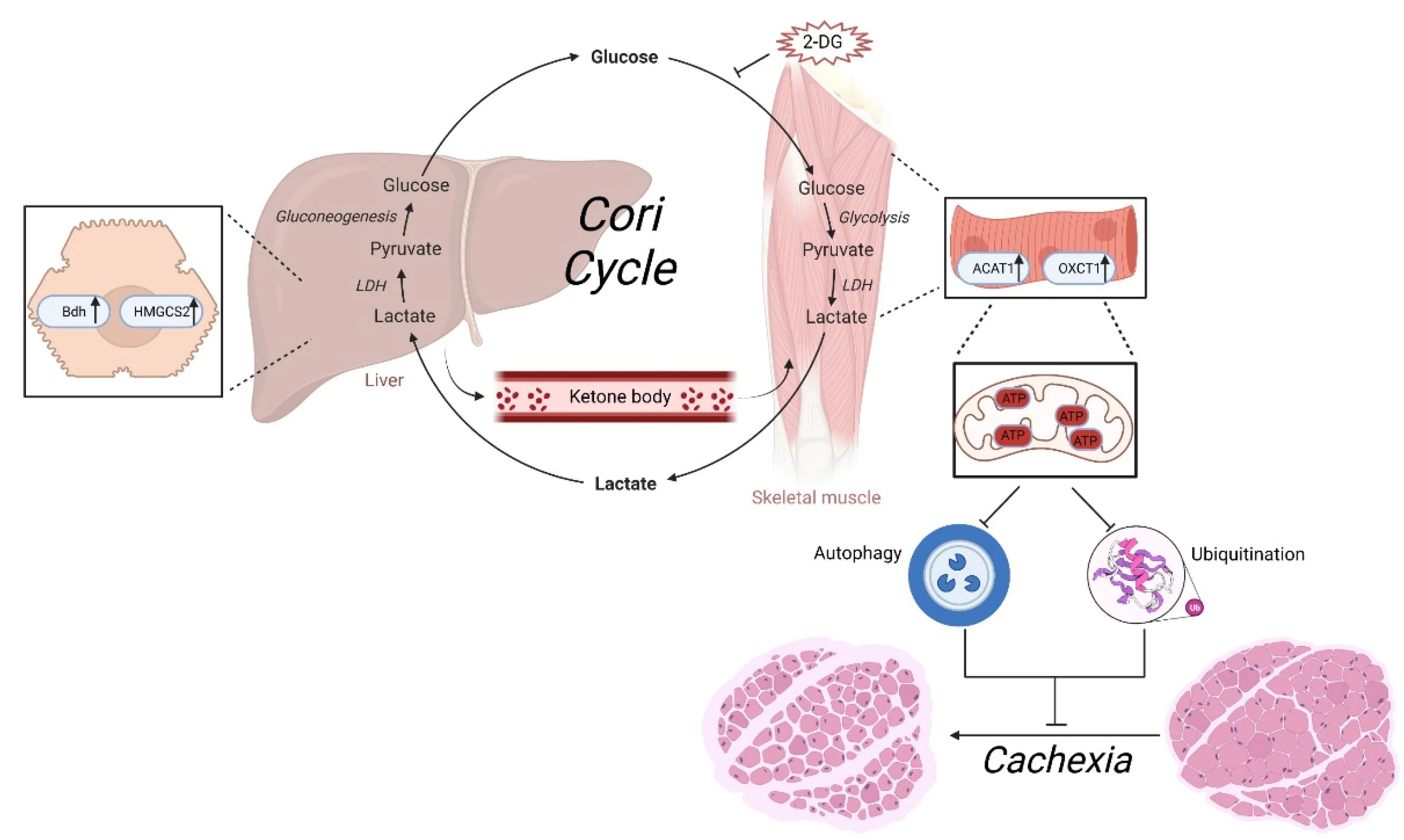
cancer cachexia muscle wasting
How tumors hijack metabolism
Tumors secrete factors — proteins and small molecules — that reprogram distant tissues. Cytokines like IL-6, interferons and tumor-derived factors such as GDF15 and activin A can shift muscle cells toward catabolism, activating proteolytic pathways including the ubiquitin–proteasome and autophagy systems. At the same time, systemic inflammation increases resting energy expenditure and blunts the anabolic signals that normally build and maintain muscle. In short, many tumors create a biochemical environment that favors waste over maintenance.
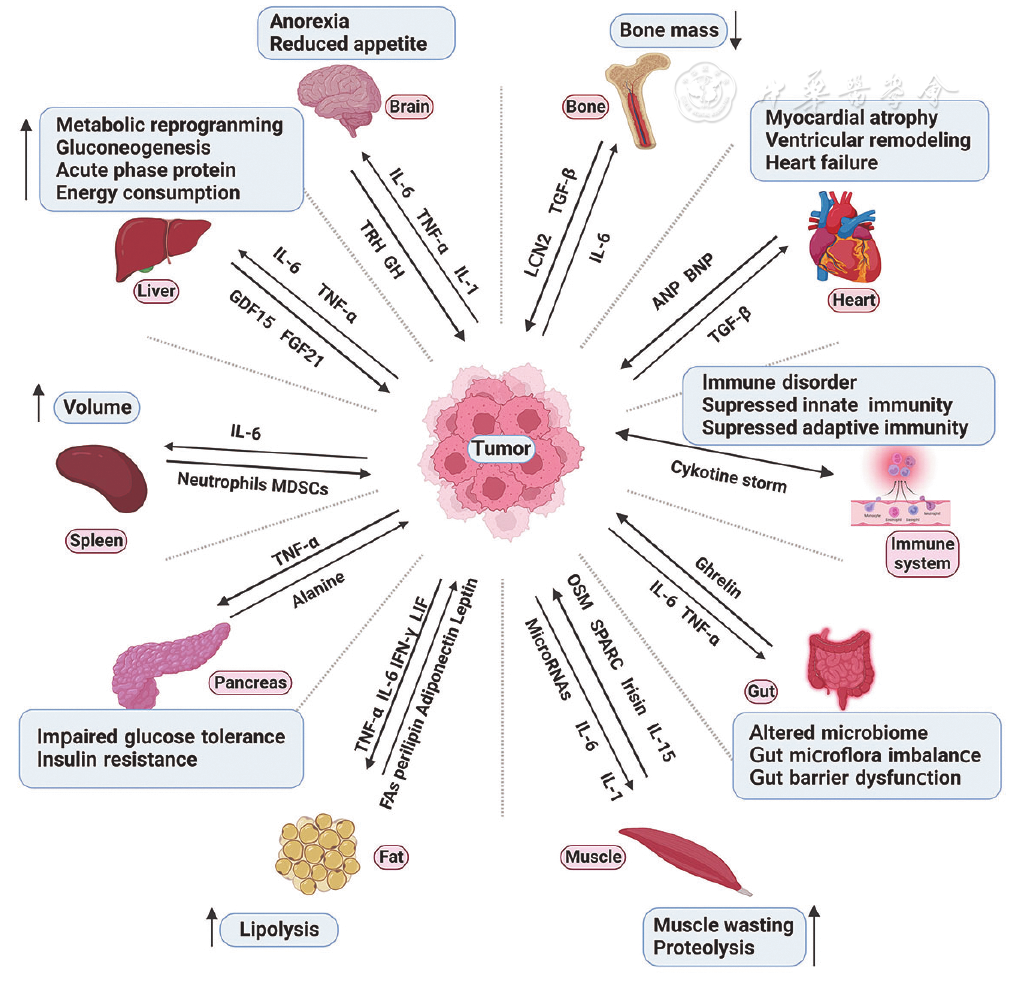
tumor secreted cachexia factors
“Treat the tumor and the body loses the battle — unless we target both.”
WHAT IS A DUAL-ACTION THERAPY?
Concept and rationale
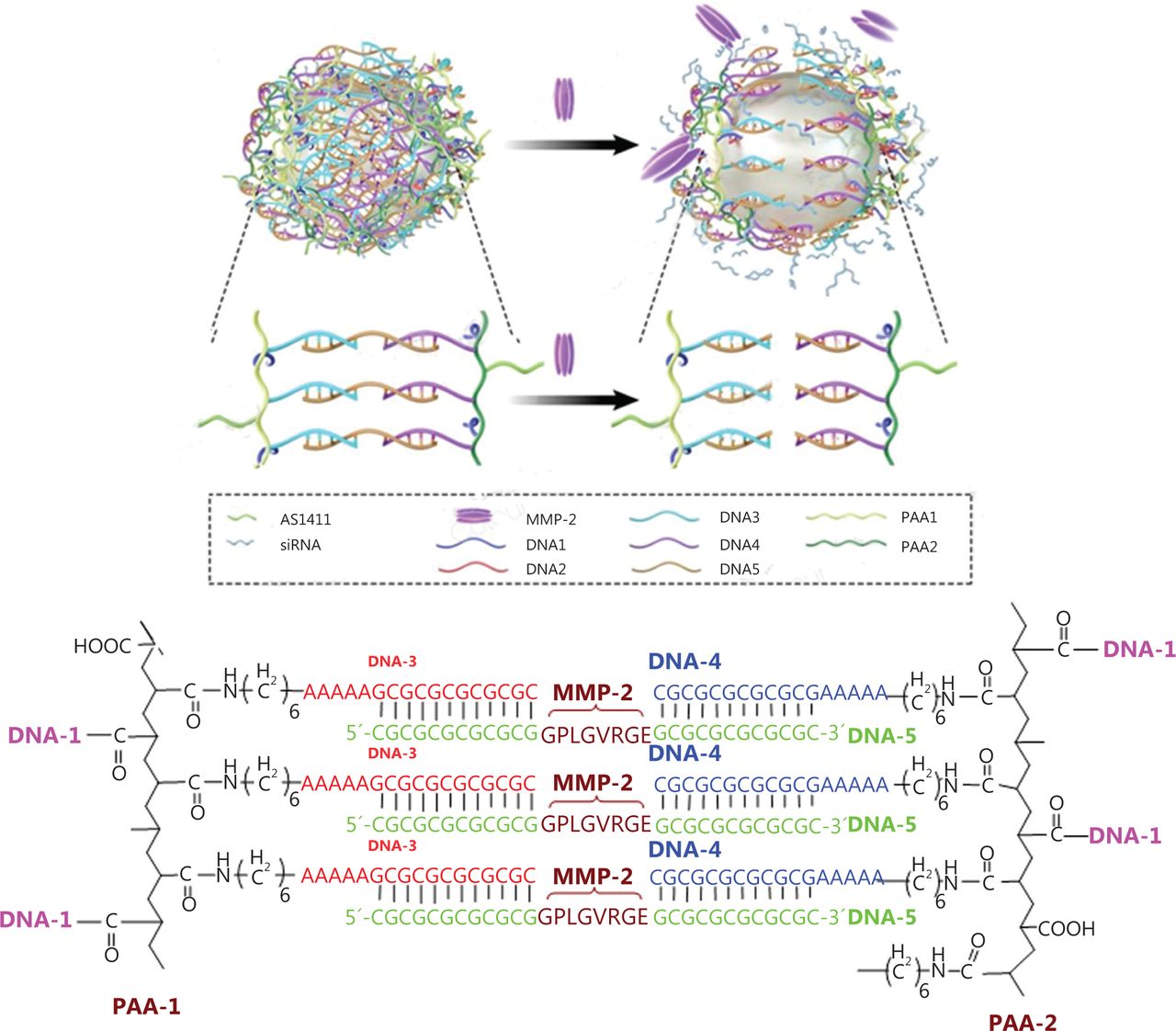
Dual-action therapies are designed to affect two related but distinct processes simultaneously. In this context, the approach pairs direct anti-cancer activity — killing tumor cells or blocking their growth signals — with anti-cachexia activity that prevents muscle breakdown or promotes muscle rebuilding. The rationale is straightforward: by blocking the tumor’s growth and its systemic signaling that causes wasting, patients preserve strength, withstand treatments more effectively and may achieve better overall outcomes.
Mechanisms researchers are pursuing
There are several biologically plausible routes to dual action:
- Blocking tumor-secreted cachexia factors — Neutralizing proteins like activin A or GDF15 that drive muscle catabolism while simultaneously targeting the tumor with an antiproliferative agent.
- Targeting shared signaling nodes — Intervening in pathways that support both tumor survival and muscle breakdown, such as inflammatory or metabolic regulators.
- Combination molecules — Designing bifunctional proteins or drug conjugates that deliver a muscle-sparing payload directly to the tumor microenvironment.
- Immune modulation — Using immunotherapies that both unleash anti-tumor immunity and reprogram systemic inflammation to a less catabolic state.
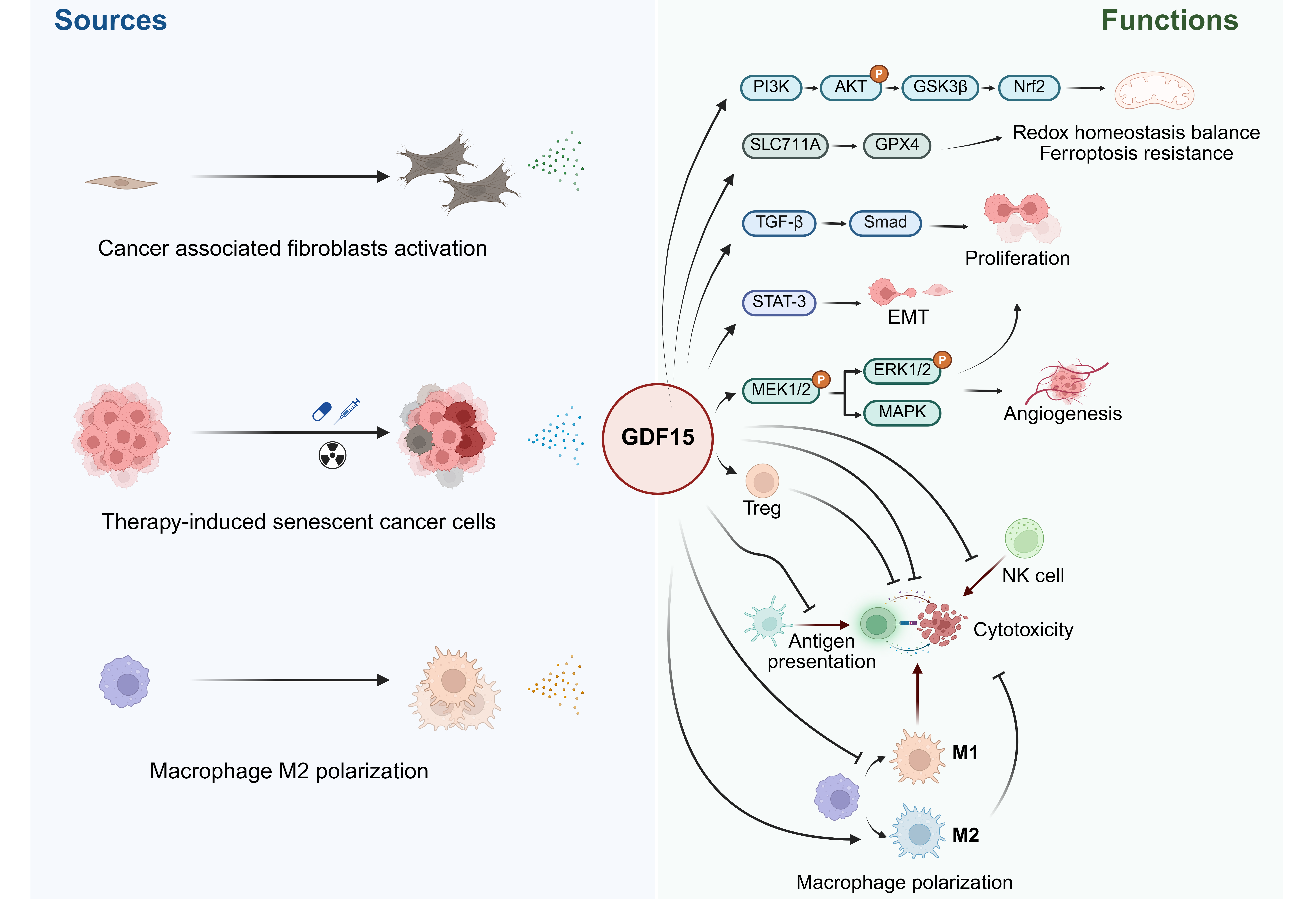
activin GDF15 cytokines
WHAT THE EARLY DATA SHOW
Preclinical evidence
In animal models, several strategies have shown encouraging signals. Blocking activin and related ligands with receptor decoys or antibodies preserves muscle mass and improves strength in cachectic mice, and when combined with tumor-directed treatments these benefits can lead to better tolerance and longer survival in the models. Likewise, antagonists of myostatin — a negative regulator of muscle growth — and interventions that reduce systemic GDF15 activity have reversed muscle atrophy without clearly promoting tumor growth in controlled experiments. The best results come when tumor control and muscle protection are achieved together, rather than sequentially.
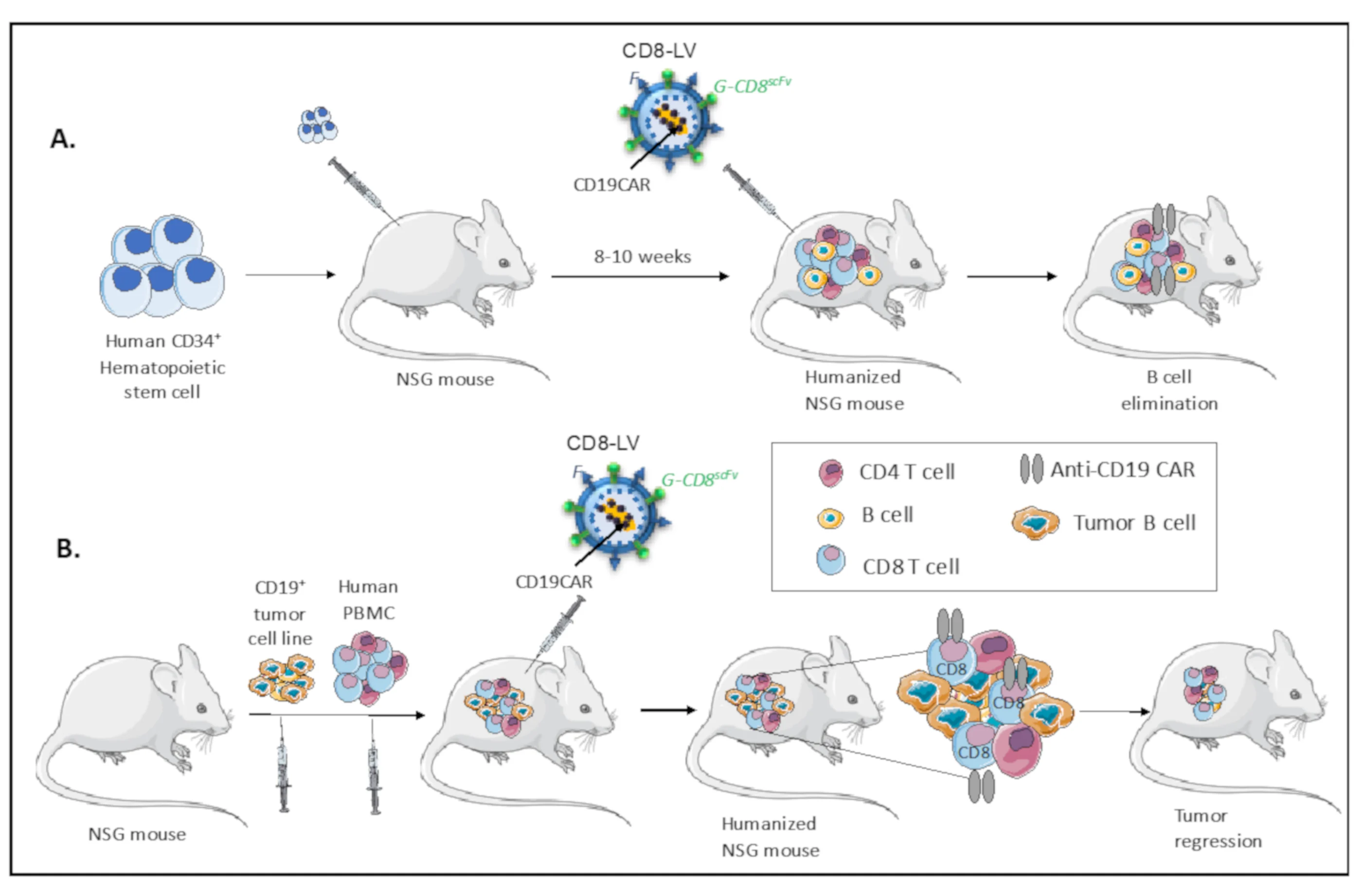
preclinical cancer mouse models
Early human studies and caveats
Translation to people is still at an early stage. Small clinical trials of agents aimed at cachexia pathways have produced mixed results: some show improved lean mass or functional scores without clear survival benefit, others show safety concerns or insufficient efficacy. Importantly, single-agent anti-cachexia drugs that simply increase appetite or water weight have not solved the problem. The promise of dual-action strategies is that by combining tumor control with muscle protection you can change the clinical trajectory in a meaningful way — but robust clinical trials are required to prove that hypothesis.
WHY LUNG CANCER IS AN IMPORTANT TARGET
A heavy burden of cachexia
Lung cancer carries a disproportionate burden of cachexia compared with many other cancers. Reasons include the tumor’s biology, frequent late-stage diagnosis, and comorbidities like smoking-related lung disease that worsen systemic inflammation. Because muscle loss is so common and so prognostically important in lung cancer, a dual therapy that benefits both tumor control and muscle could have outsized clinical impact in this population.
Implications for treatment sequencing
If effective, dual-action therapies could change how oncologists think about sequencing treatments. Instead of aggressive cytotoxic regimens that patients with advanced cachexia may not tolerate, clinicians might favor integrated approaches that stabilize physiology first while exerting antitumor pressure — or use combination agents from the outset to avoid losing ground.
POTENTIAL RISKS AND CHALLENGES
Unintended tumor effects
One major concern is the theoretical risk that stimulating anabolic pathways to preserve muscle could also support tumor growth. Tumor and muscle cells share some metabolic machinery, and systemic anabolic signals could, in principle, be co-opted by cancer cells. Careful preclinical safety testing and close monitoring in trials are crucial to rule out such risks.
Measuring meaningful benefit
Changing a surrogate marker like lean mass is not the same as improving how patients feel, function or survive. Trials must include robust, patient-centered endpoints — performance status, ability to complete planned cancer therapy, quality of life, and ultimately overall survival — to demonstrate true value.
HOW THIS COULD CHANGE PATIENT CARE
Integrated oncology and supportive care
Dual-action therapies could accelerate a move toward integrated care models where oncologists, rehabilitation specialists, dietitians and palliative care teams collaborate from diagnosis onward. Preserving muscle may allow higher-quality chemotherapy delivery, greater tolerance for immunotherapy, and faster recovery after surgery or radiation.
Personalized approaches
Not every patient needs the same approach. Biomarkers that predict who will develop aggressive cachexia, or who will respond to a given anti-cachexia mechanism, will be key. The future is likely to bring a precision-medicine lens to supportive oncology — matching therapies for the tumor and the host biology simultaneously.
- Preserves strength and function
- May improve tolerance of cancer therapies
- Could enhance quality of life
- Potential risk of stimulating tumor growth
- Complex trial design required
- Requires new biomarkers and monitoring
THE PATIENT PERSPECTIVE
Beyond survival statistics
For patients, the promise of a therapy that keeps them strong enough to walk, cook, play with grandchildren and tolerate treatment matters in a way raw survival numbers sometimes fail to capture. Preserving independence and reducing the need for hospitalization are tangible gains that patients and families often rank as highly as extended survival.
Real-world implementation
Even if a dual-action drug proves effective, implementation will require clinician education, reimbursement strategies and systems to measure muscle outcomes in routine practice. Integrating simple tools — gait speed, grip strength and bioimpedance or CT-based muscle metrics — into oncology clinics could become standard if therapies that modify muscle biology are approved.
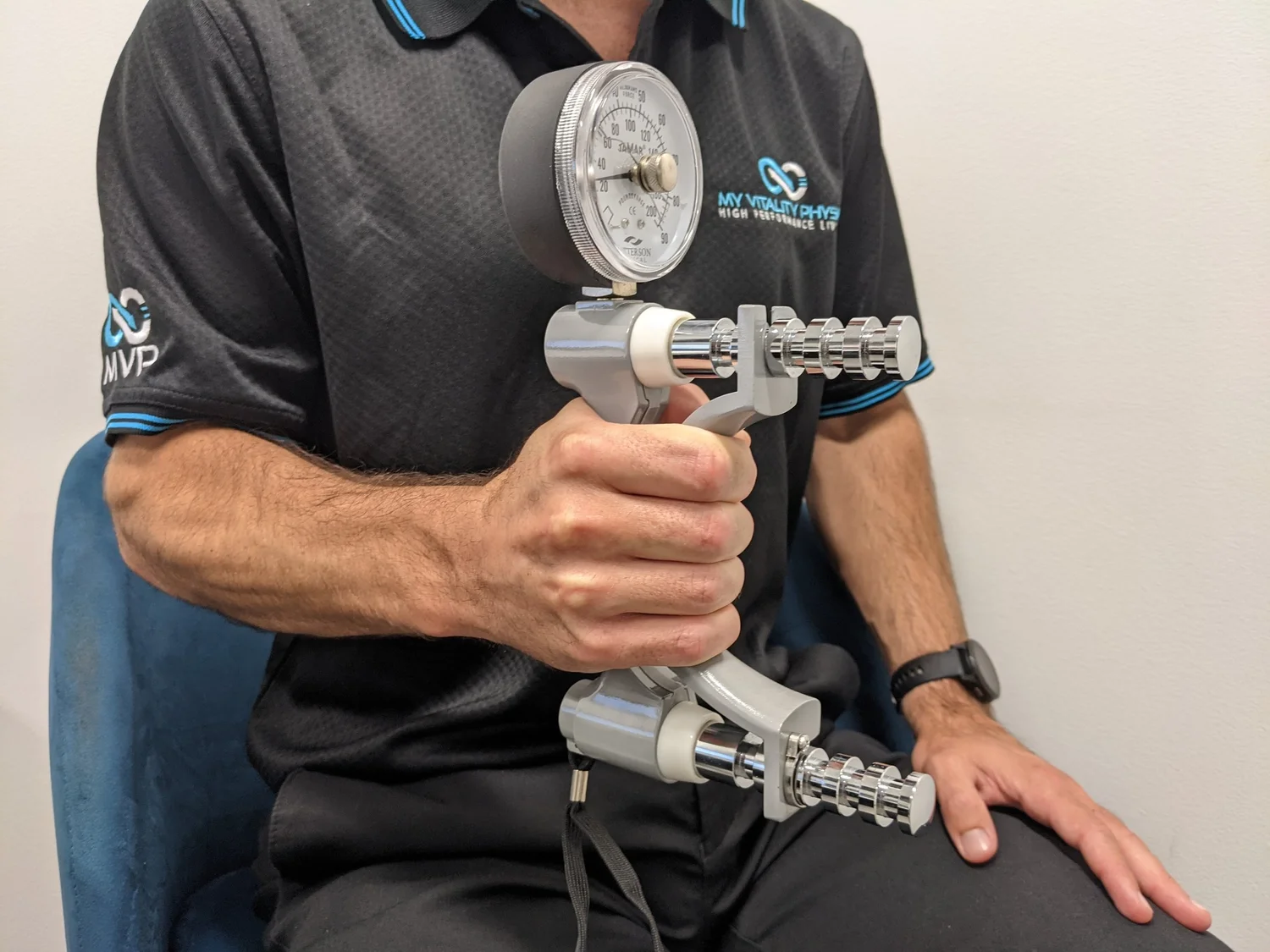
grip strength muscle measurement
NEXT STEPS: FROM BENCH TO BEDSIDE
Clinical trials and endpoints
The crucial next step is testing dual-action strategies in rigorous clinical trials. Important design elements include stratifying patients by baseline muscle mass, including functional endpoints like the six-minute walk test and ensuring that trials are powered to detect differences in both quality-of-life measures and survival. Combination trials that pair an anti-cachexia agent with a standard-of-care lung cancer therapy will be especially informative.
Regulatory and commercial considerations
Approval pathways for dual-purpose drugs may be more complex because regulators will want evidence that the muscle-sparing effects do not compromise anti-tumor efficacy. Payers will also ask for proof that preserving muscle translates to reduced downstream costs — fewer hospitalizations, fewer dose reductions and better long-term outcomes.
CONCLUSION
The concept of a therapy that simultaneously shrinks lung tumors and shields the body from the ravages of cachexia is more than an elegant scientific idea: it is a patient-first reframing of what cancer care should accomplish. Early findings are promising, but cautious optimism is warranted. The road from laboratory models to approved treatments is long, and the challenges — biological, clinical and regulatory — are real. If the promise holds, however, dual-action therapies could rewrite the script for people with lung cancer, turning interventions that simply extend life into interventions that also preserve the strength to live it.
Preserving muscle may be the missing link between tumor control and real patient recovery.
- Cachexia is a common, harmful condition in advanced lung cancer that shortens survival and reduces treatment tolerance.
- Dual-action therapies aim to attack the tumor and prevent muscle wasting at the same time.
- Preclinical results are encouraging; human trials must demonstrate meaningful benefits in function, quality of life and survival.
- Risks include potential unintended tumor support and the need for robust, patient-centered endpoints.
- Successful adoption would require multidisciplinary care models and new clinical metrics to measure muscle health.
FURTHER READING
For patients and clinicians eager to follow developments, the evolution of dual-action strategies will be traced through early-phase clinical trials, translational research updates and consensus guidelines that integrate muscle-preserving approaches into routine oncology care.
This article summarizes current scientific thinking and does not replace medical advice. Patients should discuss treatment options with their oncology team.