Epilepsy Drug Shows Promise to Reverse Osteoarthritis Damage
Imagine a pill originally developed to prevent seizures also nudging damaged knee cartilage back toward health. That surprising possibility is the center of a wave of laboratory research that has repurposed FDA‑approved anti‑epileptic medicines as potential disease‑modifying agents for osteoarthritis(OA), the most common form of arthritis worldwide. Early results in cells and animals show not only analgesic effects but evidence of slowed cartilage lossand, in some models, partial structural recovery — findings that, if replicated in people, would rewrite how clinicians approach a condition long treated only for symptoms. citeturn0search7turn0search0
What researchers discovered
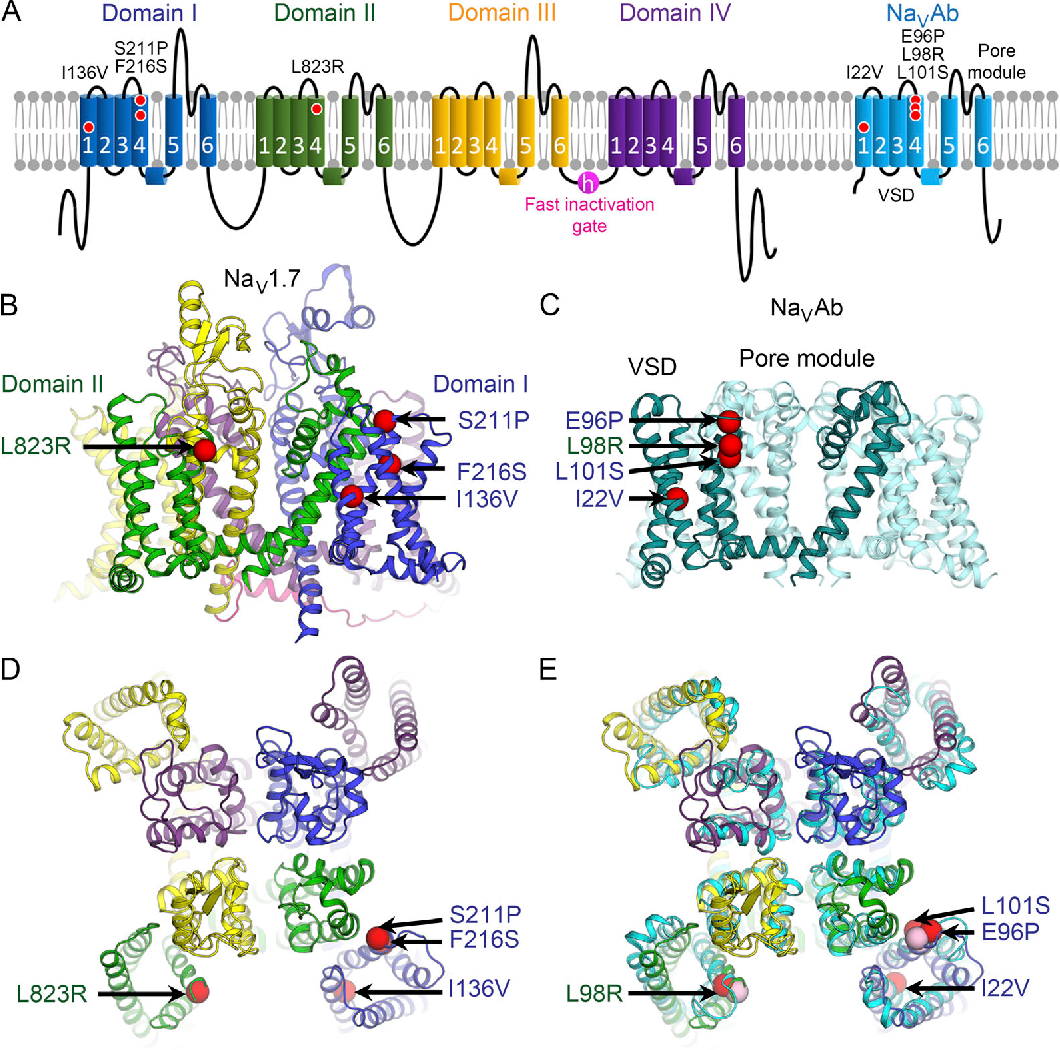
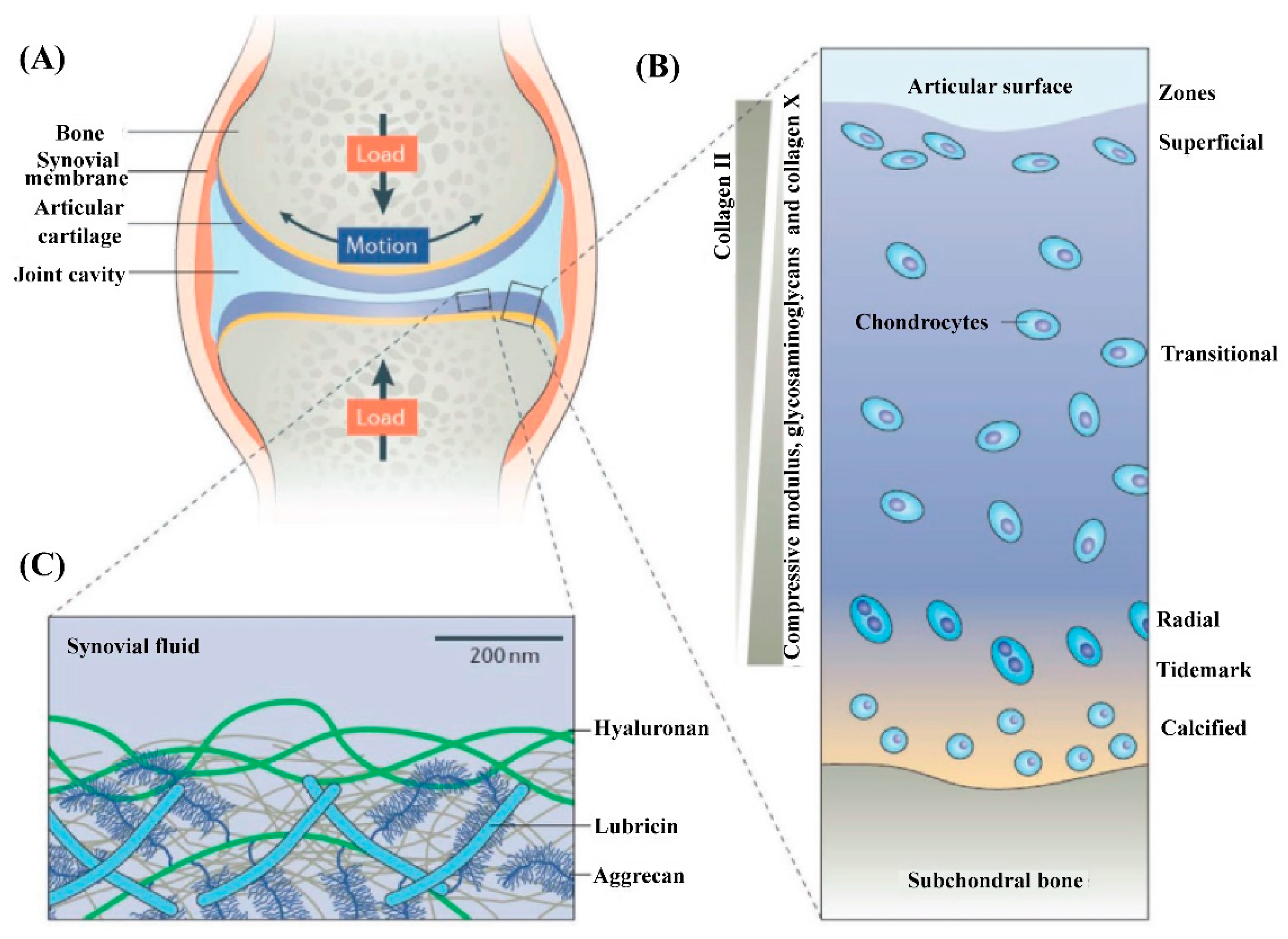
Over the past few years, multiple laboratories have identified an unexpected protagonist in joint biology: ion channels typically associated with nerve cell signaling. One channel in particular, Nav1.7, appears to be expressed not only in neurons but also in chondrocytes —the specialized cells that makeand maintain cartilage. Modulating Nav1.7and related channels alters chondrocyte metabolismin ways that reduce breakdown of cartilage matrixand promote anabolic markers, suggesting a direct disease‑modifying role beyond mere pain control. citeturn0search0
Nav1.7 ion channel chondrocytes
How an epilepsy drug can affect joints
The mechanistic story starts with ion flux. In neurons, drugs that target sodium channels reduce electrical excitability, preventing seizures. In cartilage, these same channels appear to influence gene programs that control collagenand proteoglycan production, inflammatory signaling,andthe activity of matrix‑degrading enzymes. When researchers treat injured cartilage or osteoarthritic animal joints with sodium‑channel inhibitors, they observe lower levels of catabolic enzymesand higher expression of structural proteins such as type II collagen —the protein that gives healthy cartilage much of its tensile strength. citeturn0search0
"The discovery that a neuronal ion channel can act as a metabolic regulatorin chondrocytes flips a decades‑old assumption about where to look for disease‑modifying OA therapies."
Key laboratoryand animal findings
Several different anti‑epileptic or neuroactive agents have been tested in preclinical models,andthe results are consistent enough to attract attention from academicand industry investigators.
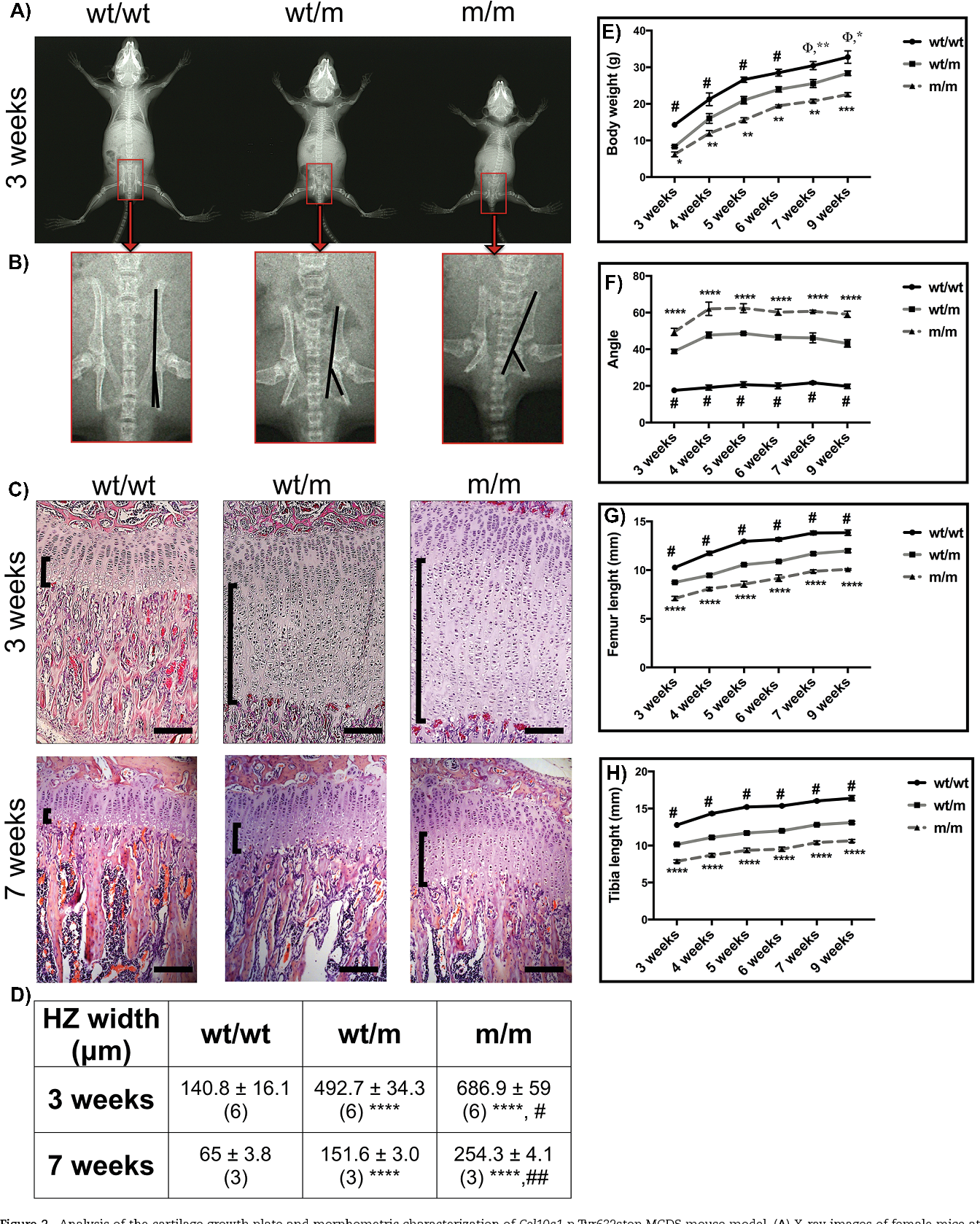
- Carbamazepine: An FDA‑approved sodium‑channel inhibitor widely used for epilepsyand bipolar disorder showed cartilage‑protective effectsin mouse osteoarthritis models. Researchers reported reduced cartilage loss, less pain behavior,and favorable shifts in anabolicand anti‑catabolic markers when animals received systemic carbamazepine at doses comparable to human therapeutic ranges. citeturn0search0turn0search7
carbamazepine osteoarthritis mouse model
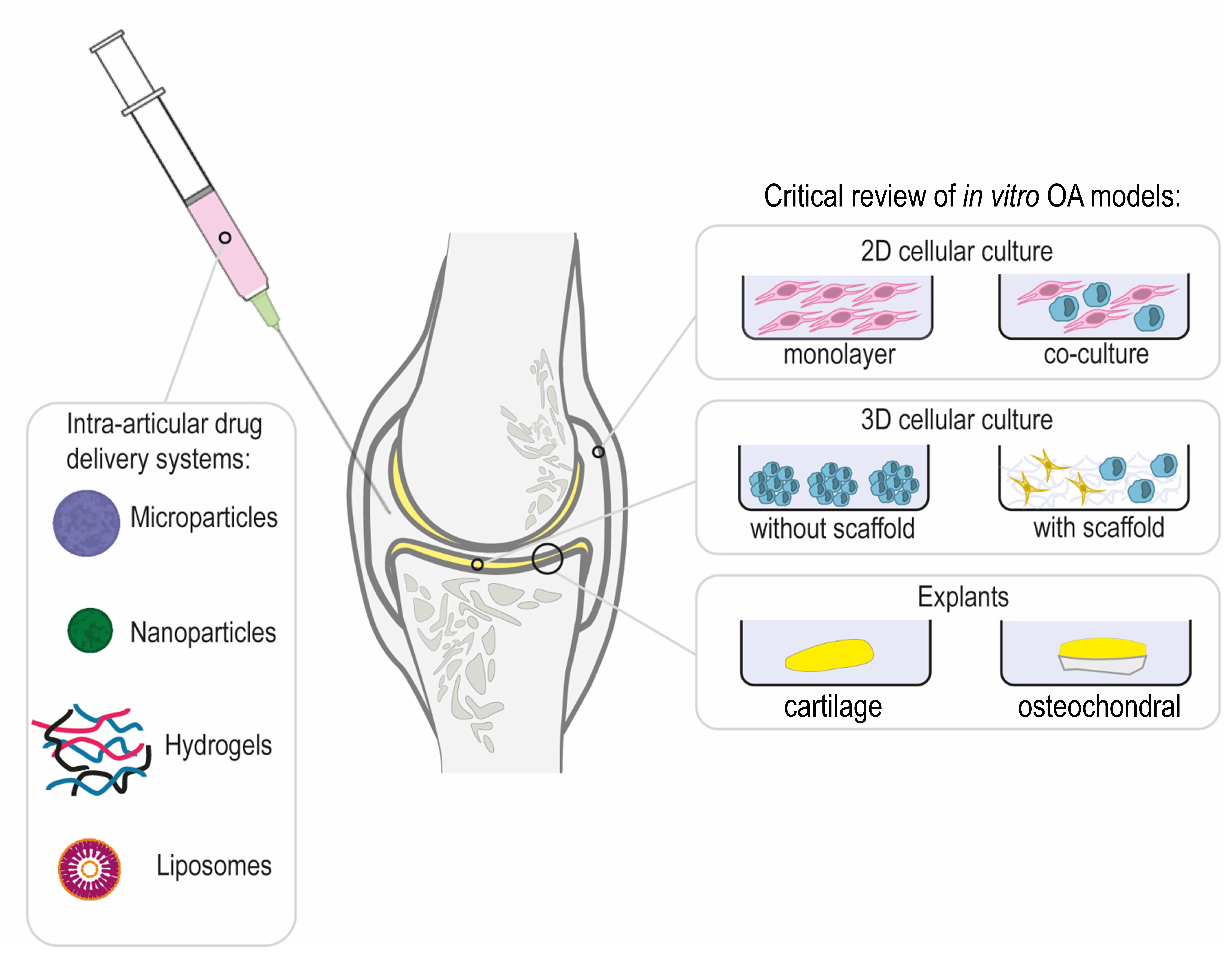
- Lacosamide: Another anticonvulsant that acts on voltage‑gated sodium channels has been formulated in experimental collagen II hydrogels for sustained local deliveryand outperformed carbamazepine in some recent preclinical comparisons, reducing cartilage degenerationand pain. This approach highlights how delivery method can magnify a drug's structural benefits on joints. citeturn0search2
lacosamide collagen hydrogel joint
- Retigabine/ezogabineand Kv7 activators: Although primarily studied for analgesic effects rather than structural regeneration, Kv7 channel modulators demonstrated antinociceptive efficacyin OA pain models, underscoring the broad potential for repurposing ion‑channel drugs in joint disease. citeturn0search1
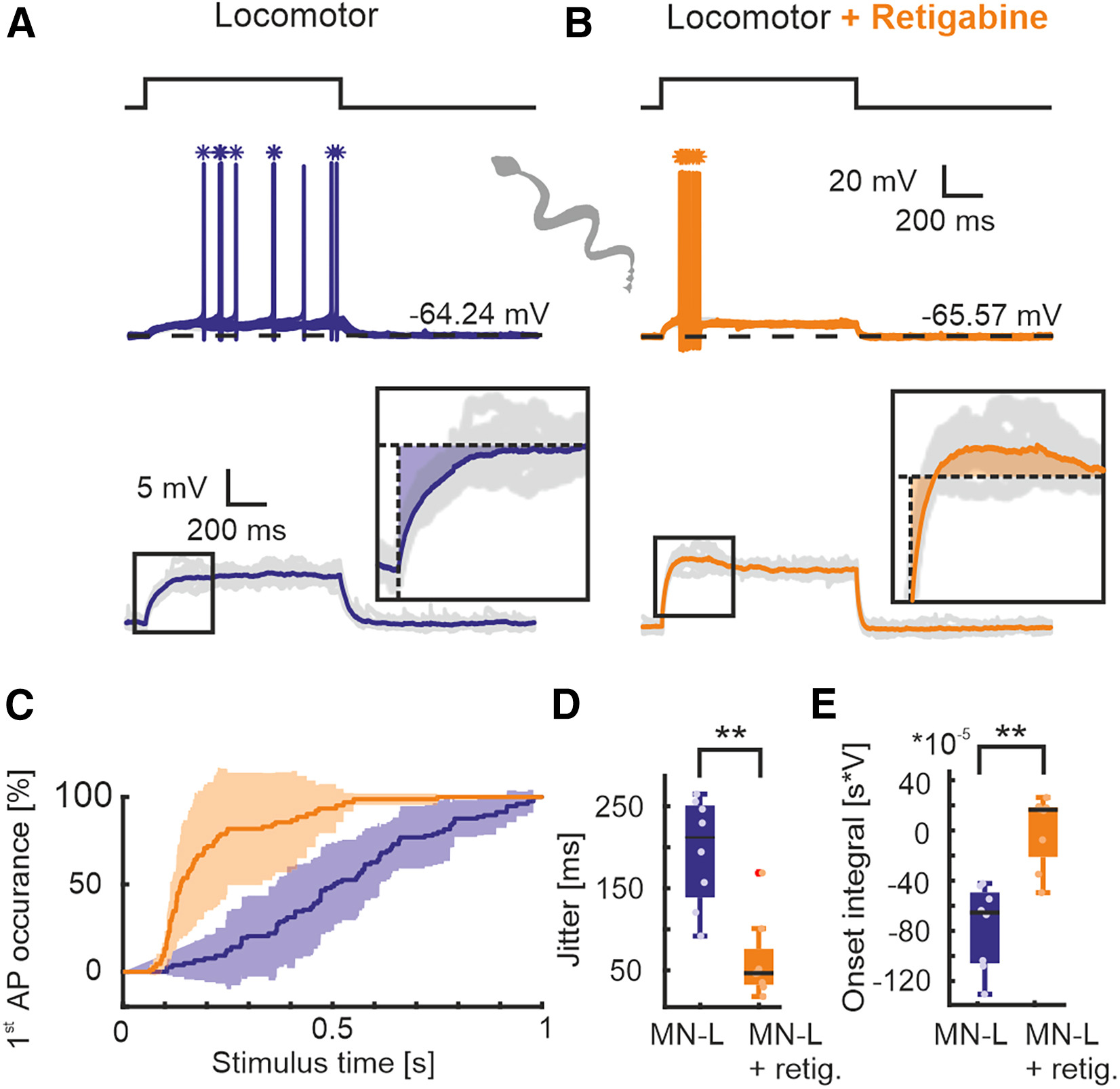
retigabine Kv7 channel modulator
- Glutamate receptor antagonists: Epilepsy‑targeting AMPA/kainate receptor antagonists reduced inflammationand joint damagein post‑traumatic OA models, showing that multiple drug classes developed for seizure disorders can influence joint biology. citeturn0search6
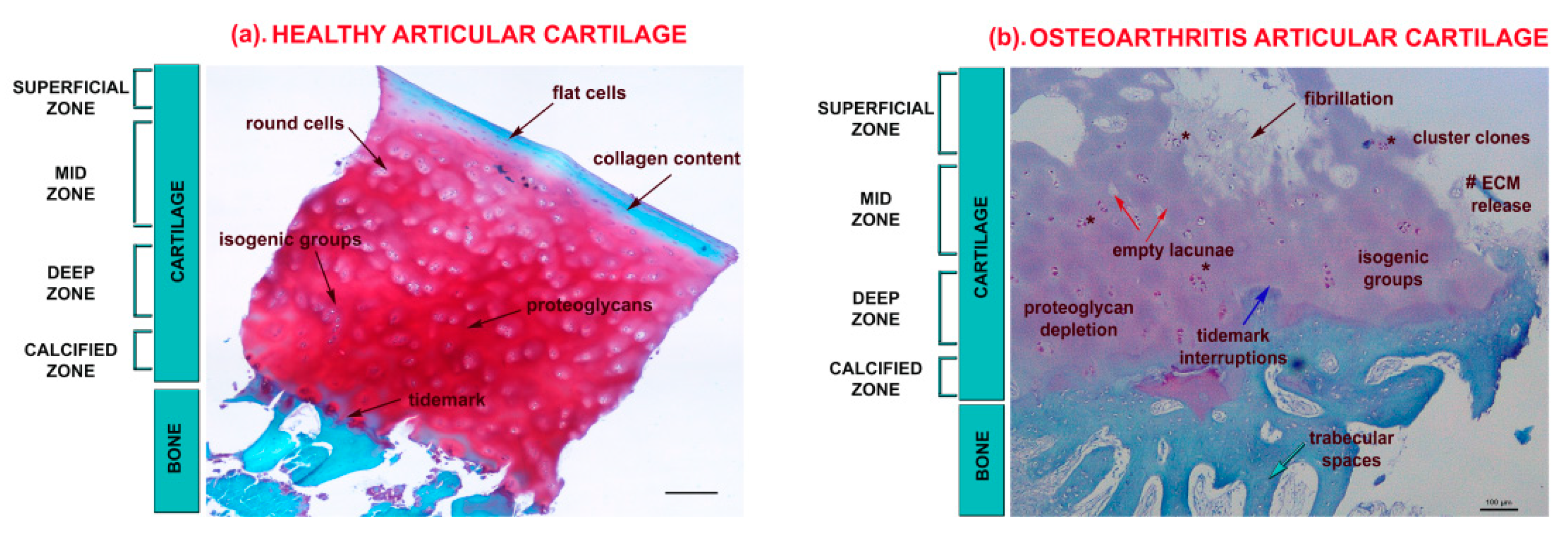
Lab bench to animal model: scientists inspect knee cartilage under the microscope to evaluate protective effectsin treated animals.
Why this matters: a gap in OA treatment
Today’s standard of care for osteoarthritis focuses on symptom relief: exercise, weight management, topical and oral analgesics, injections for pain,and ultimately joint replacement for advanced disease. There are no widely accepted, approved medicinesthat reliably halt or reverse cartilage destruction. That absence has driven scientists to look at unexpected targetsand to consider repurposing as a faster route to clinical impact because approved drugs already have known safety profiles.The potential to both reduce painand slow structural damage would be a game changer for millions of patients.

joint replacement surgery operating room
Translational steps: from mice to humans
Despite encouraging preclinical data, numerous hurdles remain. Animal models of OA replicate many features of the human disease but not all,and timing matters: many experiments begin drug treatment at the time of injury rather than after established, chronic degeneration —a difference that complicates predictions about clinical benefit. Delivery method is also critical; systemic dosing may carry tolerability concerns, while localized intra‑articular administration can reduce systemic exposure but requires new formulation work. Finally, robust biomarkersand imaging endpointsare needed to demonstrate true cartilage repair or regenerationin people rather than short‑term symptomatic relief. citeturn0search8
Safety, side effectsand the reality of repurposing
Any conversation about drug repurposing must weigh risks. Carbamazepineand lacosamide are generally well‑characterized medications, but they are not benign. Carbamazepine can cause dizziness, drowsiness, blood dyscrasias,and rare but serious hypersensitivity reactions; lacosamide can affect cardiac conductionin susceptible patientsand cause dizzinessand nausea. When repurposing for OA, physiciansand regulators will have to evaluate whetherthe doseand route that yield joint benefits also produce acceptable systemic safety. Local delivery strategies, for instancewith biodegradable hydrogels, might allow lower systemic levelsand therefore a more favorable risk profile. citeturn0search2
What clinical trials could look like
A rational clinical development path would begin with Phase 1 safety and pharmacokinetic studies of joint‑targeted formulations, then move to proof‑of‑concept trials with imaging(MRI cartilage indices)and biochemical markers of matrix turnoveras primary endpoints, along with validated painand function measures. Trials should enroll patients with early‑to‑moderate OAand include longer follow‑up — ideally12 to24 months —because structural changesin cartilage develop slowly. Researchers will also need to define target populations(post‑traumatic OA vs. age‑related OA)and consider stratifying by inflammatory biomarkers or imaging phenotypes.
Practical implications for patients today
Patients reading about this research should understandthe difference between promising laboratory scienceand an approved new treatment. At present, prescribing an anti‑epileptic specifically to attempt to reverse OA would be experimentaland off‑label,and practitioners are likely to wait for human trial evidence before routine adoption. That said, people with OA who already take these medications for approved indications should discuss with their clinician whether any joint‑related benefits might be occurring as an ancillary effectand whether any dose adjustments or monitoring are warranted.
Barriersand unanswered questions
Key unknowns include the magnitude of structural benefit in humans,the optimal timingand duration of therapy,and which subgroups benefit most. Researchers also need to determine whether channel modulation merely slows progression or can truly trigger regenerative pathways that rebuild cartilage. Finally, commercialand regulatory decisions — includingthe willingness of funders to back repurposing studies that may not be as profitable as novel drug patents — will influence how quickly this approach reaches patients.
A responsible, optimistic outlook
The science here deserves cautious optimism. Preclinical evidence that drugs already in clinical use can shift chondrocyte behaviorand reduce cartilage lossis realand reproducible across laboratories,butthe translation to human benefit is not guaranteed. The clearest path forwardis rigorous clinical testingwith transparent reporting of both efficacyand harms. If even a subset of patients could avoid joint replacementbecause their cartilage was preserved or partially restored,the public‑healthand economic impact would be enormous.
- Ion‑channel targeting epilepsy drugs such as carbamazepineand lacosamide have shown cartilage‑protective effectsin preclinical OA models. citeturn0search0turn0search2
- These findings open the door to repurposing strategiesbut require careful clinical trials to confirm benefitsand determine safe dosing. citeturn0search8
- Local delivery approaches could maximize joint effects while minimizing systemic side effects, a promising route under active investigation. citeturn0search2
Final thought
Science often advances by connecting dots that seemed unrelated. Discoveringthat a neuronal ion channel governs cartilage metabolismis precisely that kind of connection —a reminderthatthe most transformative therapies sometimes arrive by repurposing what we already know. The monthsand years ahead will determine whether these laboratory breakthroughs translate into safer, more effective options for people with osteoarthritis,butthe prospect of a pill or targeted injectionthat can both ease painand protect joint structure is now firmly in view.