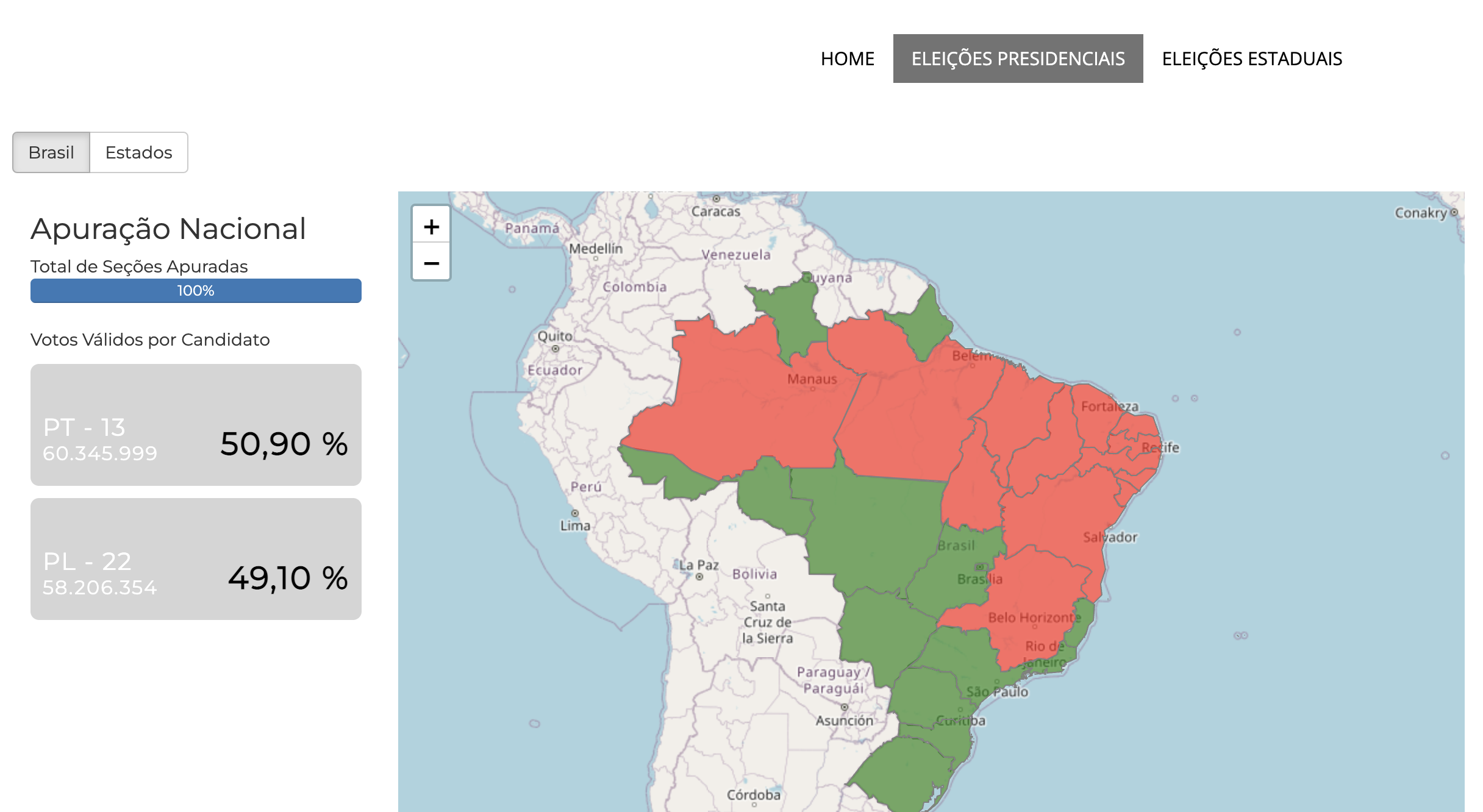
How Brazil's 2022 Election Unfolded
The 2022 presidential election in Brazil was more than a contest for the Palácio do Planalto: it was a national reckoning. Over a fractious campaign season the country confronted deep economic anxieties, an eroded faith in institutions, a resurgent left and a belligerent right, and a media landscape transformed by instant messaging and viral videos. What followed was a sequence of moments—rallies, debates, a shockingly close first round, and a polarized runoff—that together produced one of the most dramatic democratic tests in recent Latin American history.
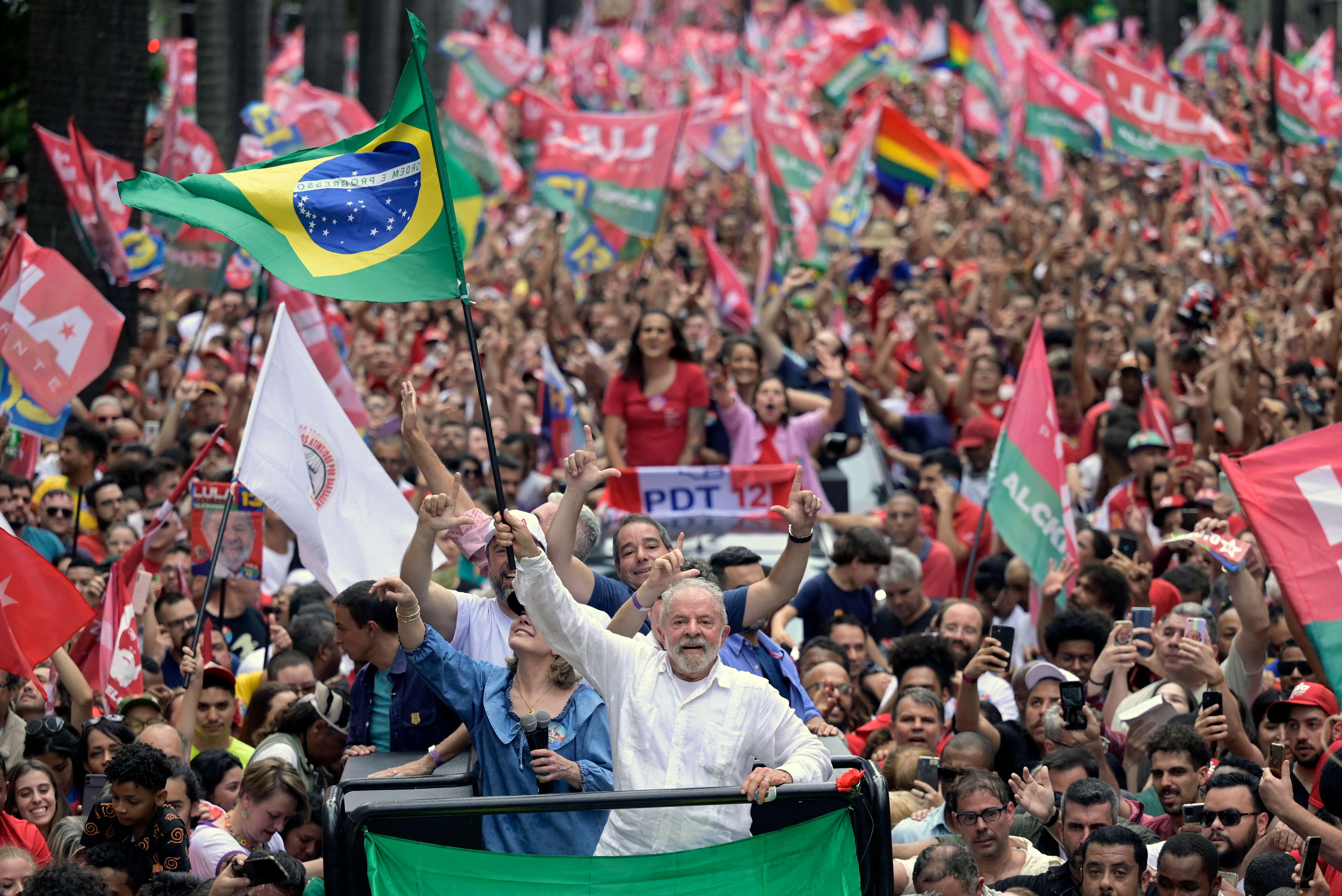
Lula da Silva campaign rally
Why this election felt different
The drama of 2022 had several sources. First, it was personal: the two leading candidates were emblematic figures. One returned from political exile and prison to reclaim a base; the other, an incumbent with a combative style, governed by disruption and provocation. Second, it was institutional: courts, electoral authorities and the armed forces were thrust into the spotlight as gatekeepers of constitutional order. Third, it was technological: misinformation on closed messaging apps and the rapid spread of manipulated content made information itself a battlefield.
“The election became a referendum on the meaning of Brazil’s democracy.”
Key players and the political map
At the center were two contrasting narratives. Luiz Inácio Lula da Silva, known universally as Lula, represented the Workers’ Party (PT) and a return to a period of strong social policy and commodity-era growth. Jair Messias Bolsonaro, the incumbent, offered a platform of hardline security, market-friendly rhetoric to some segments, and a populist appeal to conservative cultural values. Behind them were coalitions: governors, regional parties, business groups, rural elites and the evangelical bloc—each of which could tilt the electoral arithmetic.
A brief timeline: from primaries to the runoff
The campaign unfolded in two discernible stages: the first-round scramble and the decisive runoff. The first round compressed a year of grievances into a single day of voting; the runoff magnified the stakes and clarified alliances.
First round dynamics
Early in the campaign, multiple candidates vied for space, but as the polls tightened, attention concentrated on Lula and Bolsonaro. The first round exposed the fragmentation of Brazilian politics beyond the two poles: centrist and regional candidates siphoned votes and created surprise performances in several states. The result was a narrow path to the second round for the top two finishers, setting the stage for a frenetic and often hostile runoff campaign.
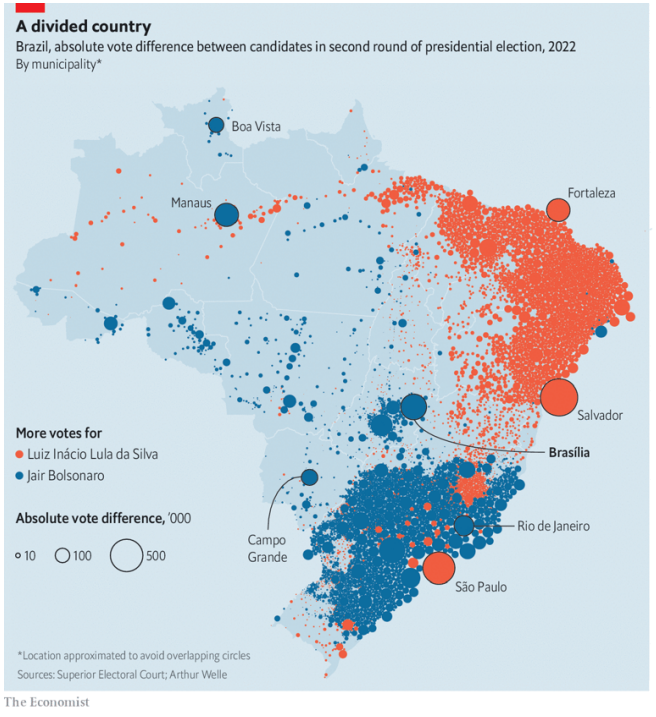
Brazil electoral map 2022
Runoff narratives and turning points
Once the race was narrowed, the runoff accelerated strategic calculations. Parties that had stayed neutral now chose sides. Voters who had supported fringe candidates were courted with targeted messaging. The final weeks were marked by a mix of televised debates, large-scale rallies, and targeted ad campaigns. Several events—scandals, viral videos, and statements from influential public figures—shifted perceptions and turnout, ultimately deciding the direction of the country.
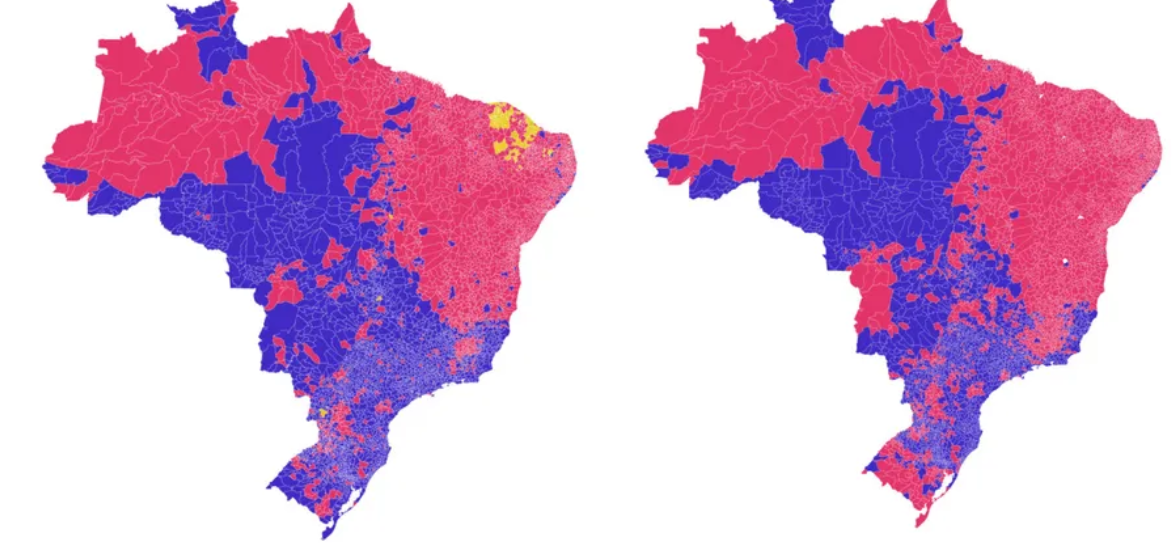
Brazil runoff election results
The role of misinformation and social media
One defining feature of the 2022 cycle was the weaponization of information. Closed groups, encrypted messages and coordinated campaigns amplified false narratives about both candidates and about the integrity of the vote itself. Deepfakes and manipulated images circulated alongside genuine footage taken out of context. These phenomena were not unique to Brazil, but their intensity there mattered because they fed preexisting doubts about institutions and media, while accelerating social polarization.
Media, debates and the art of framing
Mainstream media tried to maintain journalistic standards while contending with a fragmented audience. Television debates remained influential for many voters—especially older and rural constituents—while younger urban voters often consumed politics through short clips on social platforms. The framing of debates mattered: a candidate who dominated a televised exchange could gain momentum, but missteps that played well in one medium could backfire in another.
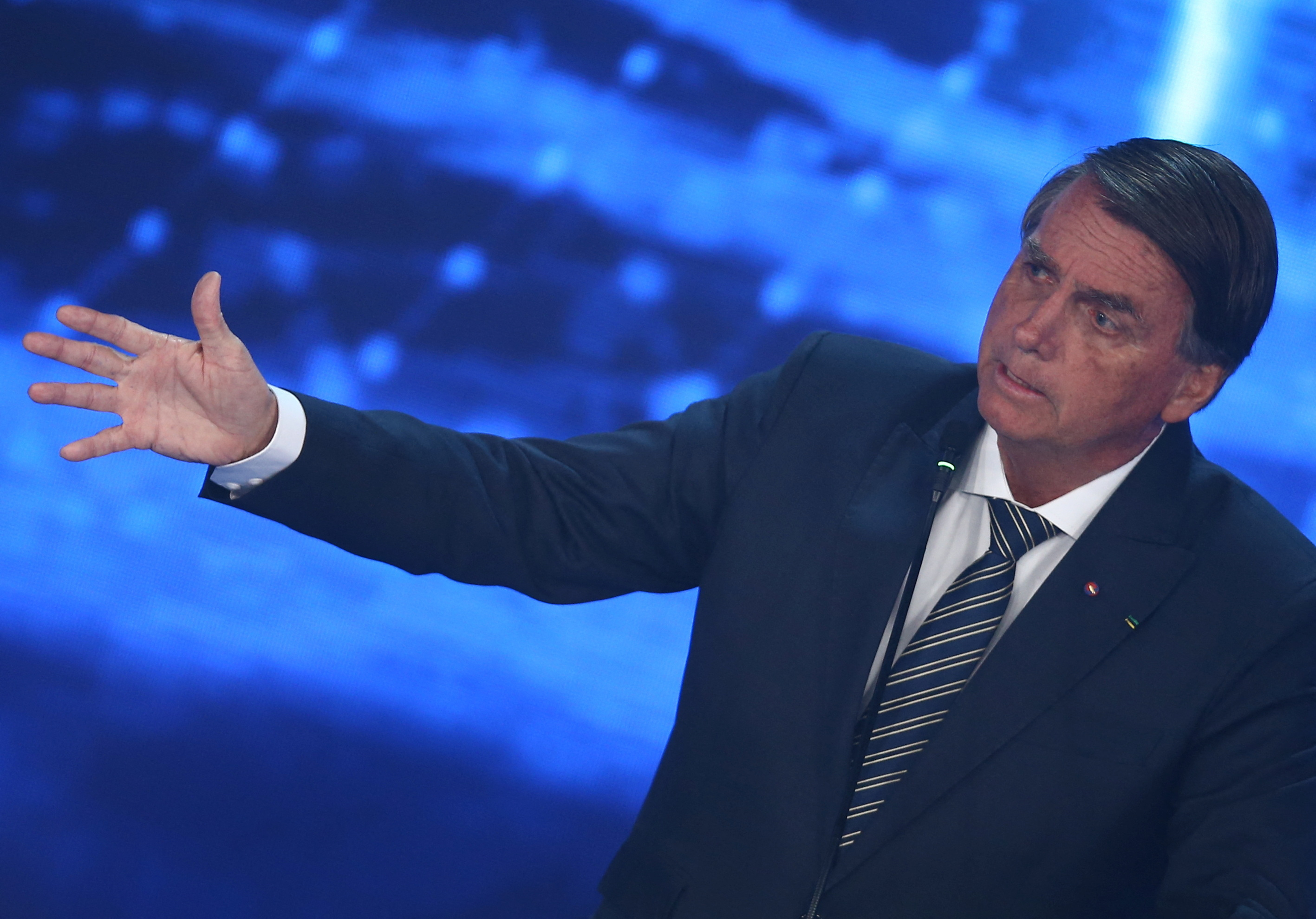
Jair Bolsonaro presidential debate
Economic anxieties and voter behavior
Economics loomed large. High inflation, unemployment, and unequal recovery from the pandemic shaped how Brazilians weighed the candidates. For many voters, everyday pocketbook concerns trumped ideological purity. Both camps sought credibility on economic management: offers of cash transfers, promises of stability, or tax reforms were courted as practical remedies to mounting household pressures.
Polarization: social and geographic
The election sharpened long-standing divides. Regionally, the country split along urban and rural lines, with different states reflecting distinct priorities. Socially, culture-war issues—religion, law-and-order messaging, and debates over historical memory—intensified the divide. The result was an electorate where the “other side” often felt less like a rival and more like an existential threat, making post-election reconciliation much harder.
Institutions under stress
Brazil’s institutions—especially the electoral court system and, to a degree, the judiciary—found themselves tested. When claims about fraud or manipulation took hold in certain circles, the response of institutional actors was decisive. Courts issued rulings, the electoral authority explained procedures, and civil society organized voter education campaigns. That institutional pushback was a critical factor in preserving confidence in the final count for many citizens.
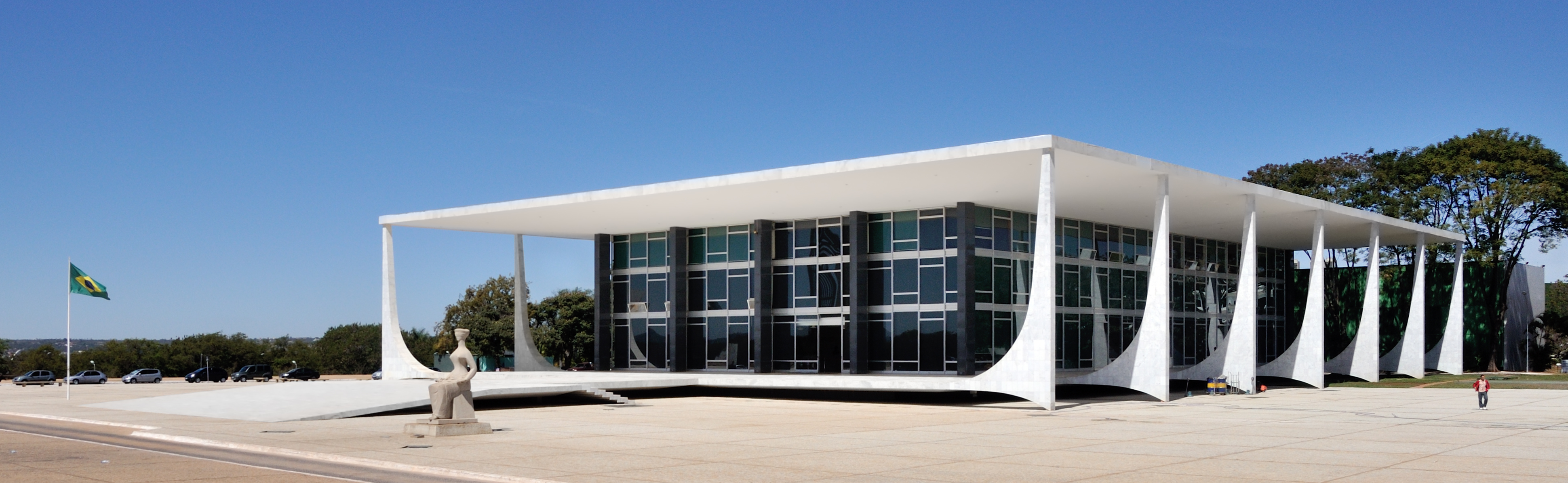
Brazilian Supreme Court building
Protests, threats and the specter of unrest
The campaign and immediate aftermath saw significant street mobilization on both sides. Large demonstrations showed the depth of feeling, but isolated episodes of violence and the rhetoric of denying results raised alarms. Those events were a reminder that democracy relies not just on ballots but also on a shared commitment to rules and the peaceful transfer of power.
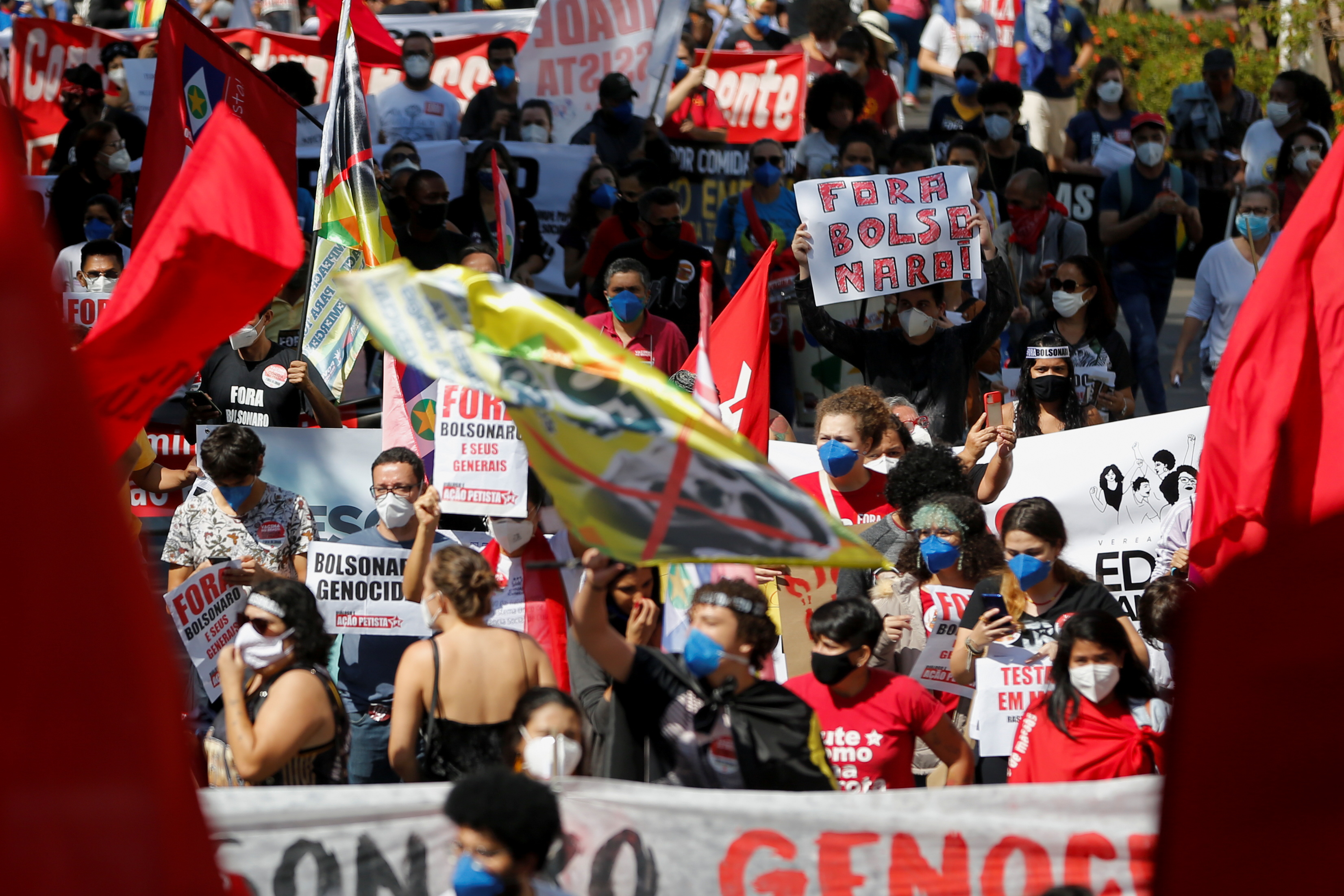
Brazil political polarization protest
International reactions and geopolitical significance
Because Brazil is the largest country in Latin America both demographically and economically, global actors watched closely. Diplomatic statements, business community responses, and regional organizations all had stakes in a peaceful outcome. The election’s result influenced markets and regional alignments, especially regarding environmental policy and trade relations tied to commodity exports.
“The world watched not only a national contest but a test of democratic norms in the region.”
What drove voters to decide
Voter choices were shaped by a mix of factors: personal economic circumstances, perceptions of competence and honesty, cultural affinity, and fears—real or suggested—about the loss of rights. Campaign messaging that promised immediate relief or championed values that resonated with specific communities often proved decisive. Microtargeted campaigns exploited social cleavages, but traditional retail politics—community events, local leaders and church networks—remained powerful.
The aftermath: governance and reconciliation
Once the votes were tallied, the immediate task was governance: building coalitions in the legislature, calming markets, and signaling policy priorities. The winner faced the challenge of uniting a polarized country while delivering tangible improvements in living standards. For the loser and their supporters, the pathway to constructive opposition required a recalibration: from protest to parliamentary strategy, from delegitimizing the process to holding power to account through institutions.
Lessons for democracies
Brazil’s 2022 election offers lessons for democracies worldwide. First, strong institutions matter; they must act visibly and transparently. Second, information ecosystems need resilience—platforms, regulators, and civil society must collaborate to limit the reach of demonstrably false narratives. Third, addressing economic grievances is essential to reduce the allure of anti-system candidates. Finally, political actors have a responsibility to de-escalate, not inflame, when contests turn bitter.
Policy choices ahead
The new government’s early months were likely to focus on a triage of economic stabilization, social policy, and institutional reassurance. Restoring investor confidence while protecting social programs requires calibrated fiscal steps and clear communication. Meanwhile, reforming governance—transparency, campaign finance, and digital-era information management—becomes a priority for long-term democratic health.
Voices from the ground
Across Brazil, from favelas to farmland, the election’s reverberations were personal. For some, it was the hope of a revival—jobs, housing and social mobility. For others, it felt like a cultural defense. That range of emotion underscores why electoral outcomes carry such weight: they translate into policies that touch schools, hospitals and streets.
What to watch next
- Coalition building: How the winner assembles a governing majority in a fragmented Congress.
- Judicial and electoral independence: Steps taken to bolster transparency and public confidence.
- Economic signals: Early fiscal and monetary policy choices and their impacts on inflation and employment.
- Information controls: Regulatory steps on digital platforms and public communication strategies.
Conclusion: a democracy tested, not broken
The 2022 presidential election in Brazil was a raw, revealing episode. It exposed fault lines—economic, social and informational—that political actors cannot ignore. Yet it also showed resilience: amid threats and disinformation, institutions, journalists and civic groups mobilized to preserve the integrity of the process. The contest’s drama will be remembered not only for its intensity but for the longer work it demanded: reform, reconciliation and a renewed civic covenant.
- High polarization and misinformation made the election unusually fraught, but institutional responses were decisive in preserving the vote's legitimacy.
- Economic distress and cultural cleavages drove voter behavior more than abstract ideology.
- Post-election governance requires coalition-building, clear policy action and gestures toward national unity.
This feature synthesizes campaign dynamics, voter behavior and institutional responses during Brazil’s 2022 presidential election to explain how the drama unfolded and what it meant for the country’s democratic trajectory.