Latest Articles
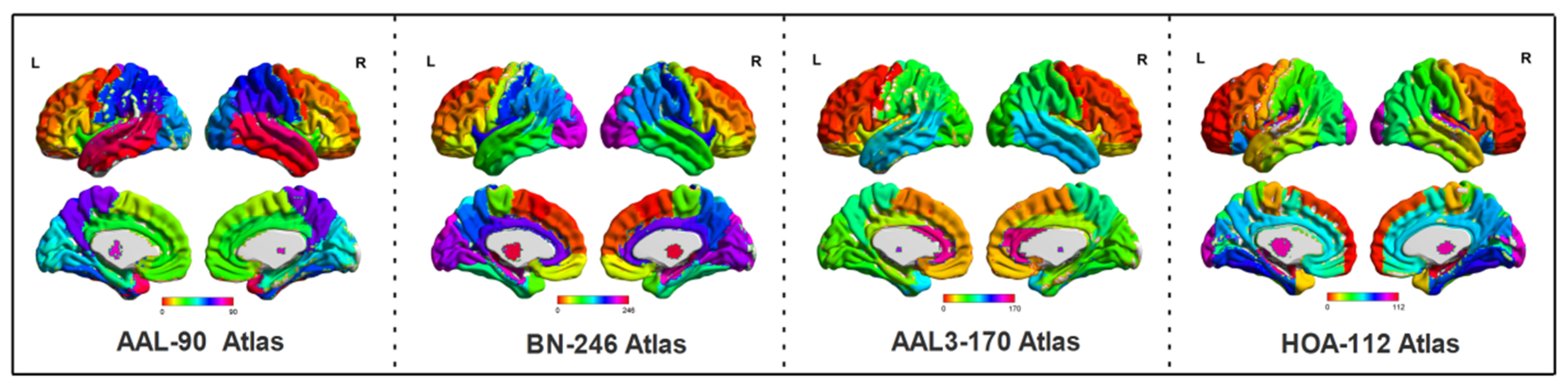
Scientists Map 539 Distinct Brain Regions — New Atlas
A new multimodal brain atlas identifies 539 distinct regions, reshaping our understanding of brain organization and offering sharper tools for neuroscience, neurosurgery, and psychiatric research.

Non-Surgical Knee Arthritis Treatment Offers Lasting Pain Relief
A growing set of non-surgical therapies — from targeted nerve ablation to advanced regenerative injections — can offer significant, lasting relief for knee arthritis. This article explains how the newest approaches work, who benefits, what to expect, and how to choose the right option.
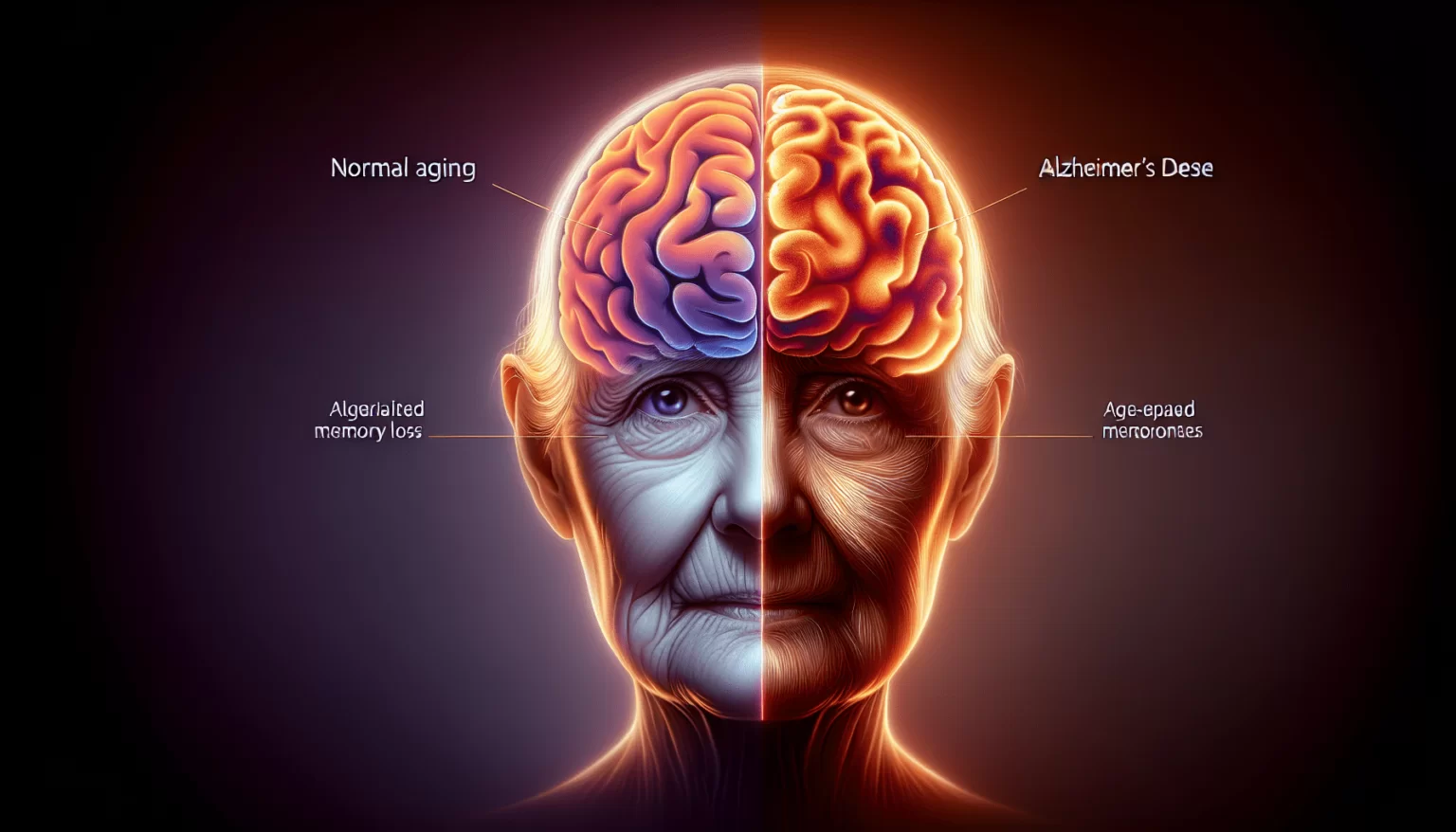
Hidden Aging Driver Discovered — Amino Acid Reverses Memory Loss in Mice
Researchers report a previously underappreciated cellular mechanism that drives aging and show that simple dietary glycine restored memory and synaptic health in aged mice. The finding opens new research pathways but requires cautious interpretation before human use.
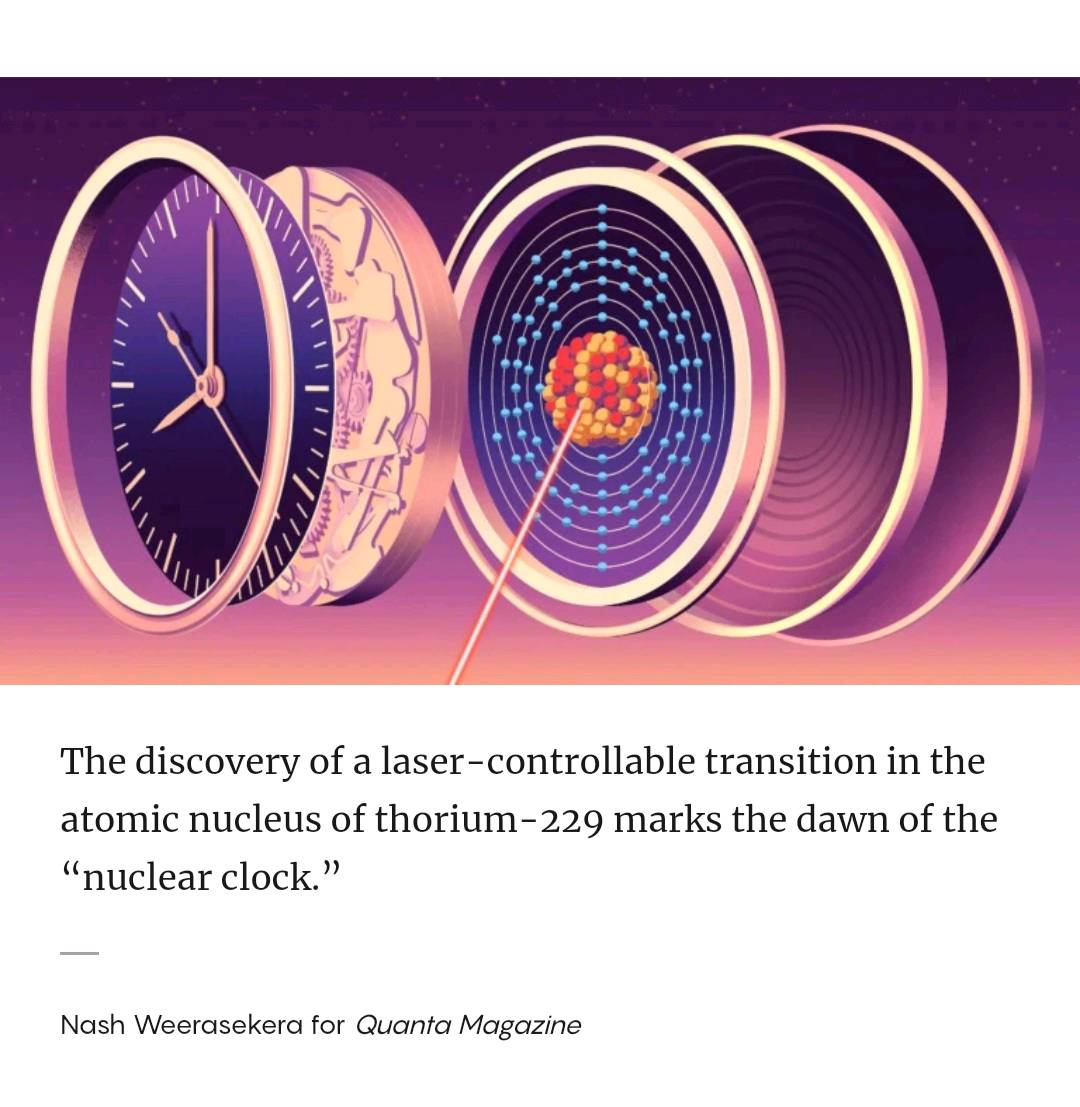
Nuclear Clocks Poised to Eclipse Atomic Timekeeping
Researchers are developing nuclear clocks—timekeepers based on nuclear energy levels rather than electronic transitions—that promise orders-of-magnitude improvements in stability and new tests of fundamental physics. This feature explains how they work, why they could replace atomic clocks, the technical hurdles ahead, and what practical uses might follow.

Shortcut to Fusion Energy: What a New Breakthrough Could Mean
Scientists report a potential shortcut to achieving practical fusion energy — an advance that, if validated and scaled, could accelerate the arrival of abundant, low-carbon power. This article explains the science, the promise, the technical hurdles, and what such a development would mean for energy, industry, and policy.

The One Workout Older Adults Need to Lose Fat and Preserve Muscle
A concise guide explaining why a specific full‑body resistance workout outperforms other approaches for older adults who want to lose fat while keeping — or even rebuilding — muscle, with practical programming, safety tips, and a 12‑week plan.