Latest Articles

AI Blood Test Detects Heart Disease Risk 15 Years Early
A new AI-driven blood test claims to identify individuals at elevated risk of heart disease up to 15 years before symptoms appear. This feature explains how the technology works, evidence behind it, clinical implications, limitations, and what patients and clinicians should know now.

AI Flags 250,000+ Suspicious Cancer Studies — What It Means
An AI-driven screen has identified more than 250,000 cancer-related papers with telltale anomalies, raising urgent questions about research integrity, patient safety, and how journals and institutions should respond. This feature explains the detection methods, the types of problems found, the limits of automated flags, and concrete next steps for the scientific community.
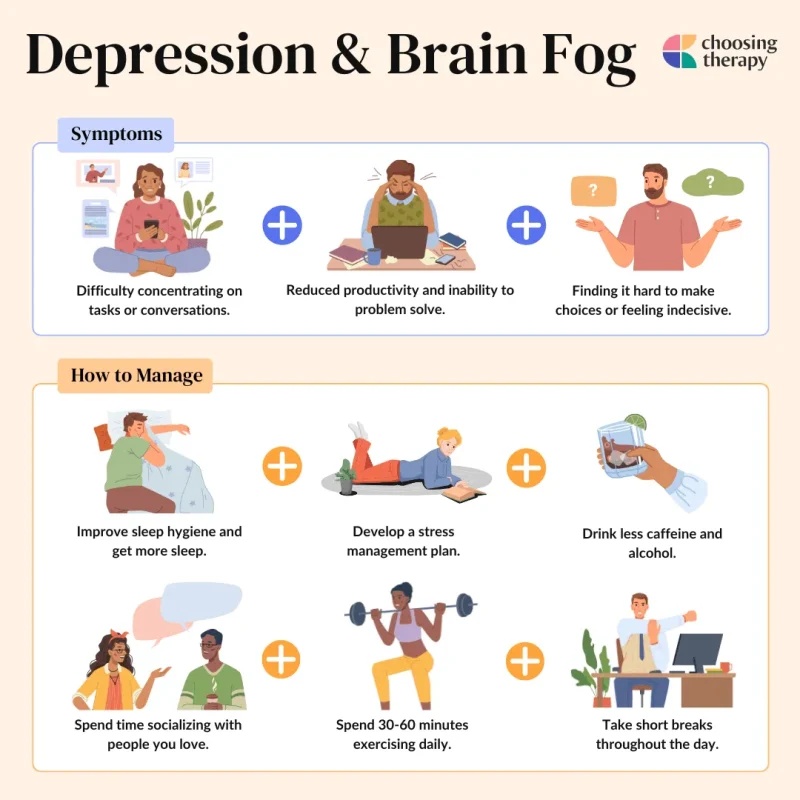
Constipation Drug Prucalopride May Clear Depression Brain Fog
Emerging research suggests the constipation medication prucalopride — a 5-HT4 receptor agonist — could improve cognitive symptoms often described as 'brain fog' in people with depression. Early studies point to effects on hippocampal function, neuroplasticity and the gut–brain axis, but larger clinical trials and careful safety evaluation are needed before routine use.

No Sunrise, No Sunset: Could a Tidally Locked World Support Life?
Some exoplanets never experience sunrise or sunset because they are tidally locked to their star. New models and discoveries suggest life could persist there—especially along the temperate 'terminator'—if atmosphere, oceans, and geology cooperate to redistribute heat and shield against stellar hazards.

Why Some Frogs Survive the Deadly Chytrid Fungus
Researchers have unraveled why some frog species survive the chytrid fungus—discoveries implicate skin microbes, immune peptides, genetics and behavior—and these findings are reshaping amphibian conservation strategies.

Oral Weight-Loss Pill Outperforms Ozempic in Major Trial
A new once-daily oral GLP-1 pill has shown superior weight-loss results in a large clinical program compared with current oral GLP-1 products, challenging the dominance of injectable drugs like Ozempic and reshaping the obesity-treatment landscape.