
AI Reveals Hidden Ozempic Side Effects in 400,000 Reddit Posts
The attention around Ozempic—brand name for the GLP-1 receptor agonist semaglutide—has long centered on its clinical role in diabetes and its off-label visibility as a weight-loss aid. But when an artificial intelligence platform sifted through roughly 400,000 Reddit posts, a different kind of data emerged: layered, messy, human accounts of what people actually experience when using the drug over weeks and months. This feature unpacks how AI can surface patterns from the noise, what those patterns reveal about both common and underreported side effects, and why clinicians, patients, and regulators should pay attention to social-media-derived signals while keeping clear eyes about limitations and safeguards.

Ozempic semaglutide medication
How researchers used AI to read Reddit at scale
Parsing 400,000 posts is beyond manual review. The project used natural language processing (NLP) models to convert free-text posts into structured observations. Algorithms were trained to identify mentions of Ozempic and semaglutide, extract symptom descriptions, normalize synonyms (for example, mapping “tummy issues” to gastrointestinal distress), and cluster related complaints into meaningful categories. Topic modeling and sentiment analysis helped separate acute adverse events from lifestyle commentary and anecdotal praise.

Natural language processing AI
The AI's strength is pattern recognition: it can surface statistically significant co-occurrences—symptoms that appear together more often than chance would predict—and temporal signals, such as how a symptom tends to evolve with dose changes or discontinuation. Importantly, the system prioritized user-reported chronology (day 1, week 4, month 3) and medication context (dose increases, concomitant drugs, or prior bariatric procedures) where available in the posts.
What the AI found: expected and unexpected clusters
Unsurprisingly, the largest clusters consisted of well-known gastrointestinal side effects: nausea, vomiting, diarrhea, constipation, and abdominal discomfort. Those are consistent with clinical trial data and prescribing information. But the AI also highlighted several clusters that were less prominent in early trials or that appear in patients' lived experience in variable ways.
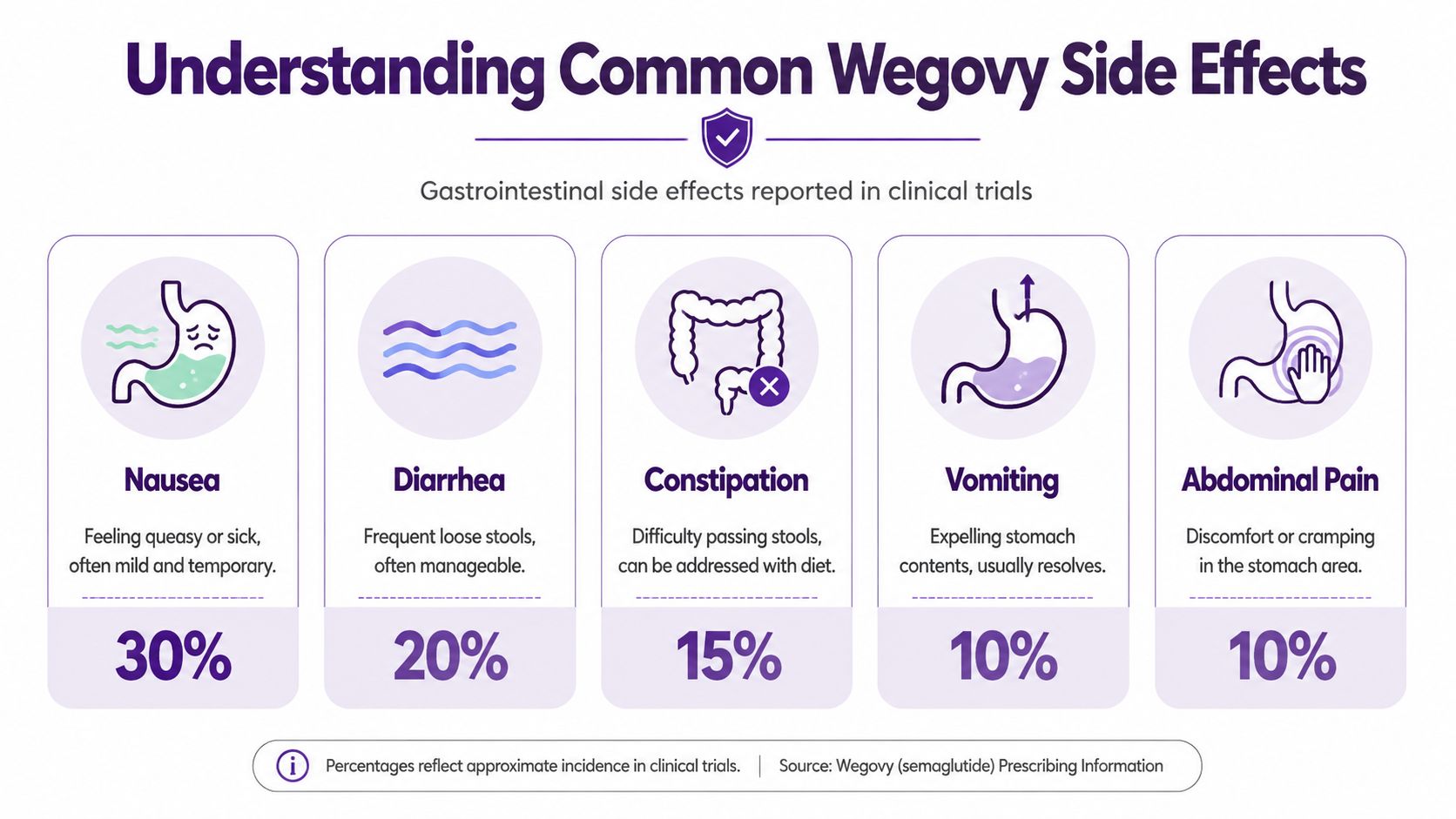
Gastrointestinal side effects nausea
Among the noteworthy clusters were:
- Mood and emotional changes: Reports ranged from transient irritability and low mood to more alarming descriptions of depressive episodes and emotional numbness. Many users described mood shifts temporally related to rapid weight changes or appetite suppression.
- Hair and skin complaints: Several posters reported hair thinning or increased shedding after months on therapy. Skin changes included dry skin and, more rarely, acne flare-ups during the course of treatment.
- Menstrual and sexual function changes: Users described altered menstrual cycles, missed periods, or heavier bleeding; some reported changes in libido.
- Gallbladder and biliary symptoms: While gallstones and cholecystitis are known risks with rapid weight loss, cluster analysis showed frequent first-person accounts of biliary colic-like pain and jaundice-like descriptions that followed weeks or months of treatment.
- Cognitive fog and concentration issues: A subset of users described periods of reduced mental sharpness, difficulty concentrating, or short-term memory lapses, often transient but distressing.
- Injection site and allergic reactions: Beyond minor irritation, some users reported persistent nodules or hypersensitivity that required medical evaluation.
Many of these signals would not show up at scale in short clinical trials but can surface in large real-world data pools.
Why Reddit is an unconventional but valuable data source
Reddit is a public, text-rich environment where people often describe health experiences in candid detail. Subcommunities form around medications, weight loss, and chronic conditions. That candidness produces raw data: first-person timelines, dose adjustments, side-by-side comparisons of drugs, and descriptions of how symptoms affect daily life. When responsibly analyzed, this user-generated data becomes complementary to formal pharmacovigilance systems.
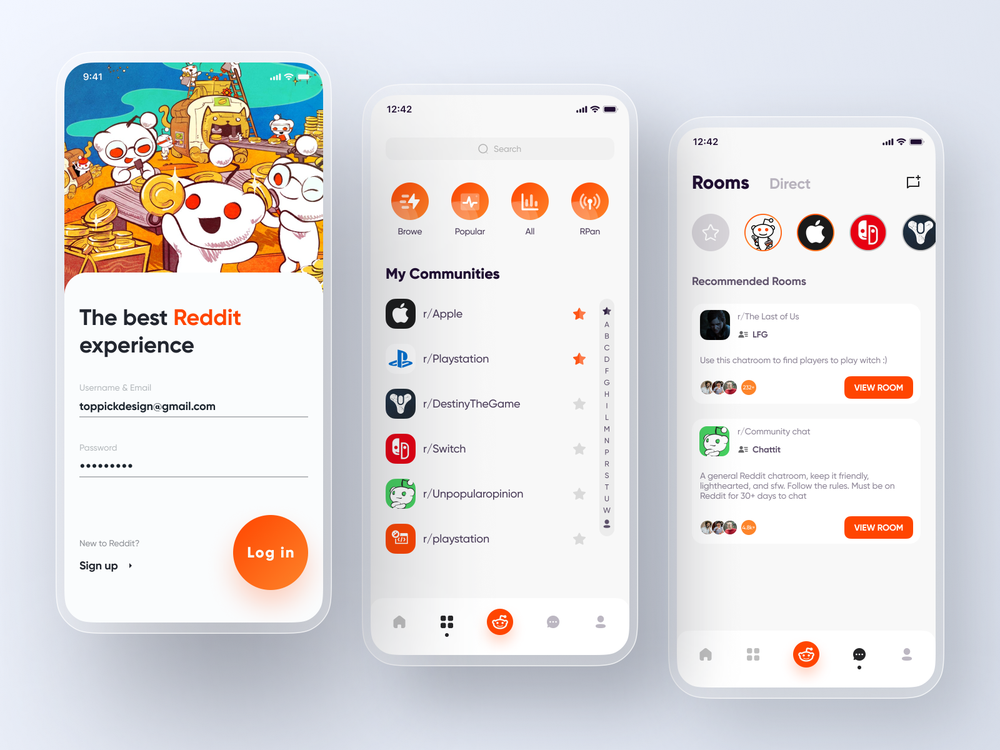
Reddit platform interface
There are several strengths to using Reddit:
- Volume and variety: Hundreds of thousands of posts contain a breadth of experiences across demographics and use-cases.
- Temporal narratives: Users often chronicle changes across weeks and months, which helps map the evolution of symptoms.
- Real-world settings: Posts capture behavior outside controlled trials—off-label use, polypharmacy, and lifestyle factors.
But Reddit is not a replacement for clinical data. Posts are self-reported and unverified, subject to selection bias (people post when something notable happens), and skewed by the platform’s demographics. These limitations mean signals should be interpreted as hypotheses—starting points for clinical investigation—rather than definitive evidence of causation.
"Social media can flag signals, but it can't prove a drug caused a specific symptom—only rigorous clinical follow-up can do that."
Interpreting signals responsibly: correlation ≠ causation
AI can highlight associations—symptom clusters that co-occur with mentions of Ozempic—but several confounders complicate interpretation. Rapid weight loss itself can produce hair shedding, gallstones, or menstrual changes. Concurrent dietary changes, new exercise programs, or other medications may contribute. Psychological factors (expectation, anxiety about body changes) can also manifest as mood shifts. The posts rarely provide lab tests, imaging, or formal diagnoses that would allow a clinician to confirm causality.
To translate a social-media signal into clinical guidance, researchers need follow-up steps: formal observational studies with verified medical records, clinician adjudication of events, and prospective trials designed to measure suspected outcomes. Until then, signals should be framed as prompts for vigilance and inquiry rather than alarmist conclusions.
Common side effects recapped (as reported by users)
Based on the aggregated Reddit data, the most commonly reported effects mirror clinical experience:
- Gastrointestinal upset: Nausea, vomiting, diarrhea, constipation, bloating.
- Appetite and taste changes: Dramatic appetite suppression and altered taste that influence eating patterns.
- Weight-related effects: Rapid weight loss and associated issues, including loose skin concerns and metabolic adaptation.
These effects are often dose-dependent and tend to be most intense during initiation or after dose escalation. Many users described improvement after several weeks or with supportive measures like smaller meals, hydration, and slow dose titration.
Less common but visible complaints
What made the Reddit analysis notable was the signal strength around complaints clinicians should notice:
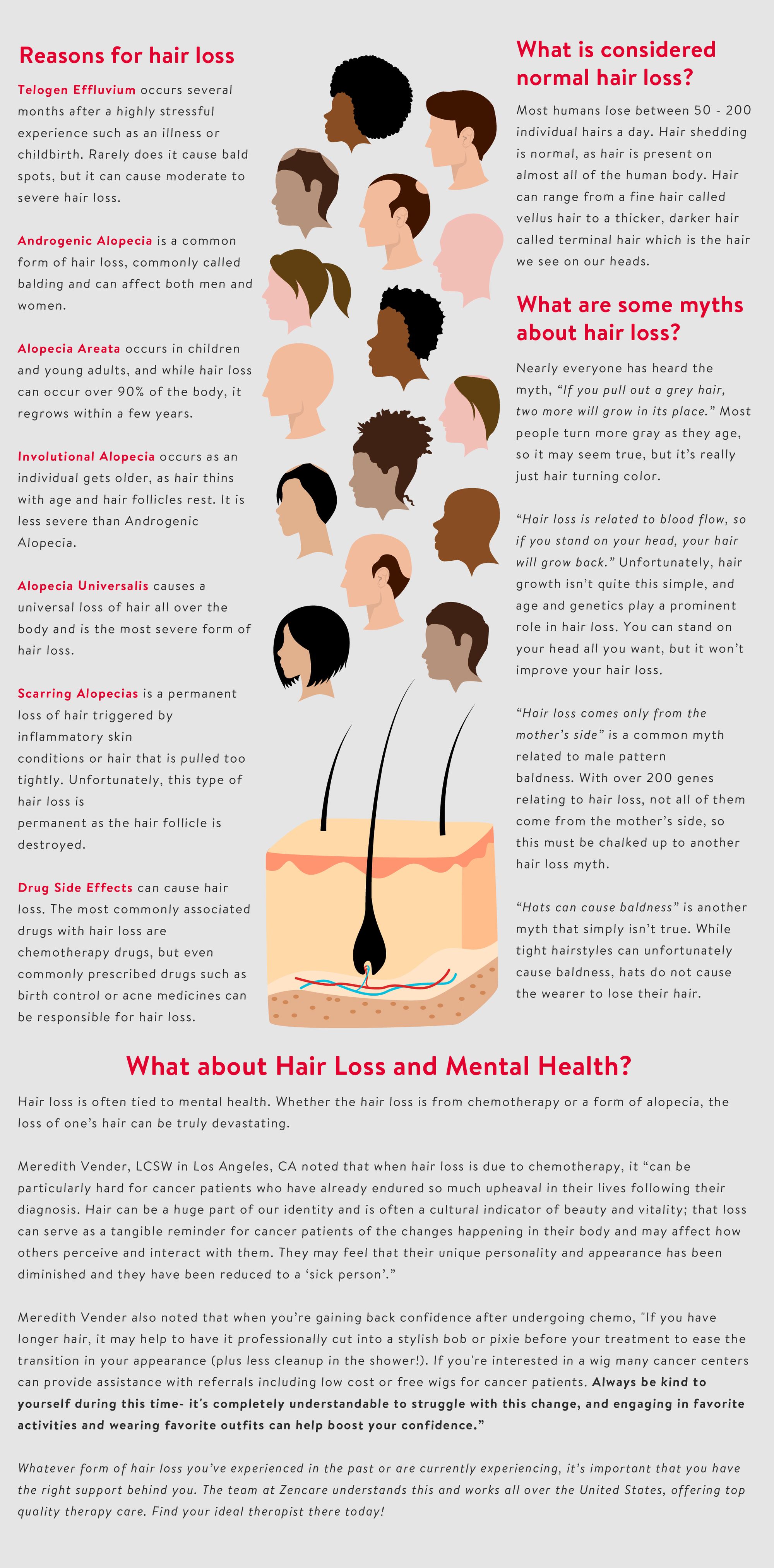
Hair loss side effects
- Hair shedding: Users commonly used terms like “hair falling out” a few months into therapy, typically coinciding with significant weight loss. In most accounts, the shedding was temporary, but in a minority it continued and caused distress.
- Mood and mental health: Several posts described new or worsened depression, anxiety spikes, or emotional flattening. Posters with prior psychiatric histories sometimes linked relapse to medication changes.
- Menstrual irregularities: Disruptions in cycle length and flow were frequently mentioned, usually in the context of substantial weight loss or changing caloric intake.
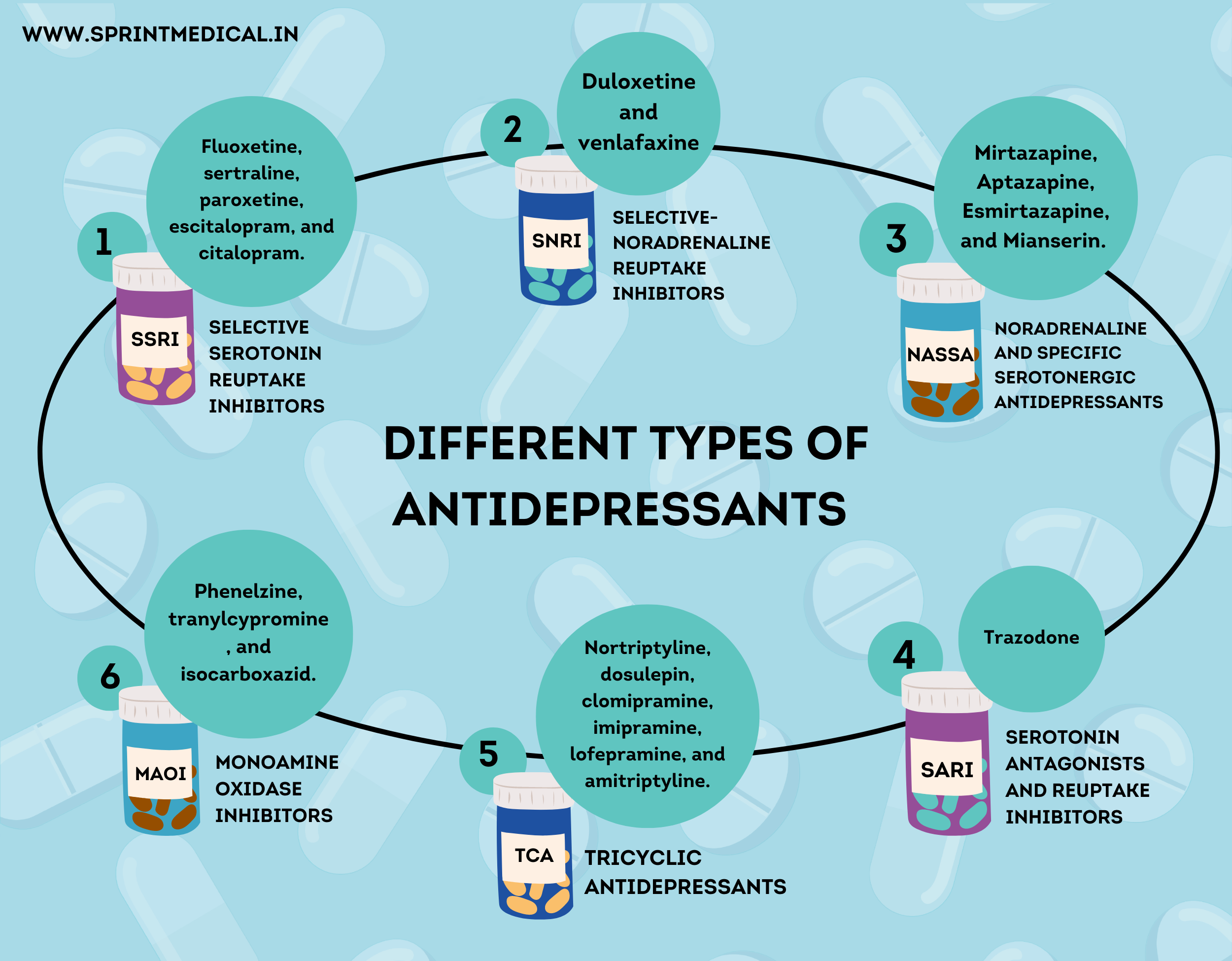
Mood changes depression medication
Clinical implications and advice for patients
For clinicians, these social-media signals suggest practical steps:
- Ask proactively: When prescribing semaglutide, ask about mood history, hair loss concerns, menstrual irregularities, and gallbladder disease history.
- Monitor over time: Schedule follow-ups that extend beyond the typical titration window to capture delayed effects.
- Coordinate care: If patients report psychiatric changes or severe physical symptoms, involve mental health specialists, dermatologists, or gastroenterologists as appropriate.
For patients, honest communication matters. Document symptom timelines, medication doses, and any coincident life changes (diet, supplements, other medications) before appointments. If you notice new depressive symptoms, suicidal thoughts, severe abdominal pain, or signs of allergic reaction, seek medical attention promptly.
Ethical and methodological notes on mining social media
Using Reddit data raises ethical and methodological questions. Even though many posts are public, researchers must protect privacy, avoid deanonymization, and consider the potential harm of amplifying unverified anecdotes. Analytically, balancing sensitivity (finding as many relevant posts as possible) with precision (avoiding false positives) is critical. Misclassification can inflate or obscure signals.
Good practice includes transparent methods, human review of algorithm-flagged posts, and collaboration with clinicians for symptom adjudication. Importantly, researchers should present findings with clear caveats to avoid misinterpretation by the public or the press.
Policy and research implications
The analysis illustrates a larger shift: AI-enabled monitoring of user-generated content is becoming a practical supplement to traditional post-marketing surveillance. Regulators and pharmaceutical companies can use this signal stream to prioritize follow-up investigations or adjust educational materials for prescribers and patients.

Pharmacovigilance drug monitoring
But policy must set boundaries: data protection standards, reproducible algorithms, and pathways for translating social signals into actionable research protocols. Without standardized approaches, one-off analyses risk inconsistent messaging and public confusion.
Limitations and what we didn’t learn
The Reddit analysis is a hypothesis generator, not a verdict. Key limitations include unverifiable self-reporting, selection bias (those with strong experiences are more likely to post), demographic skewing of platform users, and the lack of clinical validation. The data also cannot reliably measure incidence rates or compare risks across different therapies without denominator information and clinical confirmation.
What the AI analysis did not deliver was proof of causation or population-level prevalence. It did, however, make visible threads of lived experience that can direct clinicians and researchers to questions that formal studies should answer.
Conclusion
Mining roughly 400,000 Reddit posts with AI produced a textured map of patient-reported experiences with Ozempic. The most common complaints reaffirmed known gastrointestinal effects; the most consequential contribution was the prominence of less-discussed issues—mood changes, hair shedding, menstrual shifts, cognitive fog—that merit further clinical attention. Social media cannot replace clinical trials, but it can function as an early-warning system, amplifying the patient voice and pointing investigators toward signals that deserve rigorous follow-up.
- AI can surface consistent, repeatable symptom clusters from large volumes of patient-reported data.
- Most Reddit reports matched known gastrointestinal side effects, but notable signals included mood changes, hair shedding, and menstrual irregularities.
- Social-media signals are hypothesis-generating; they require clinical validation before influencing treatment guidelines.
- Clinicians should ask about a broader range of symptoms when prescribing semaglutide and plan longer-term follow-up.
- Ethical and methodological safeguards are essential when mining user-generated health data.
If you are using semaglutide and have concerns, discuss them with your healthcare provider. This article summarizes observational findings and does not replace professional medical advice.