Latest Articles
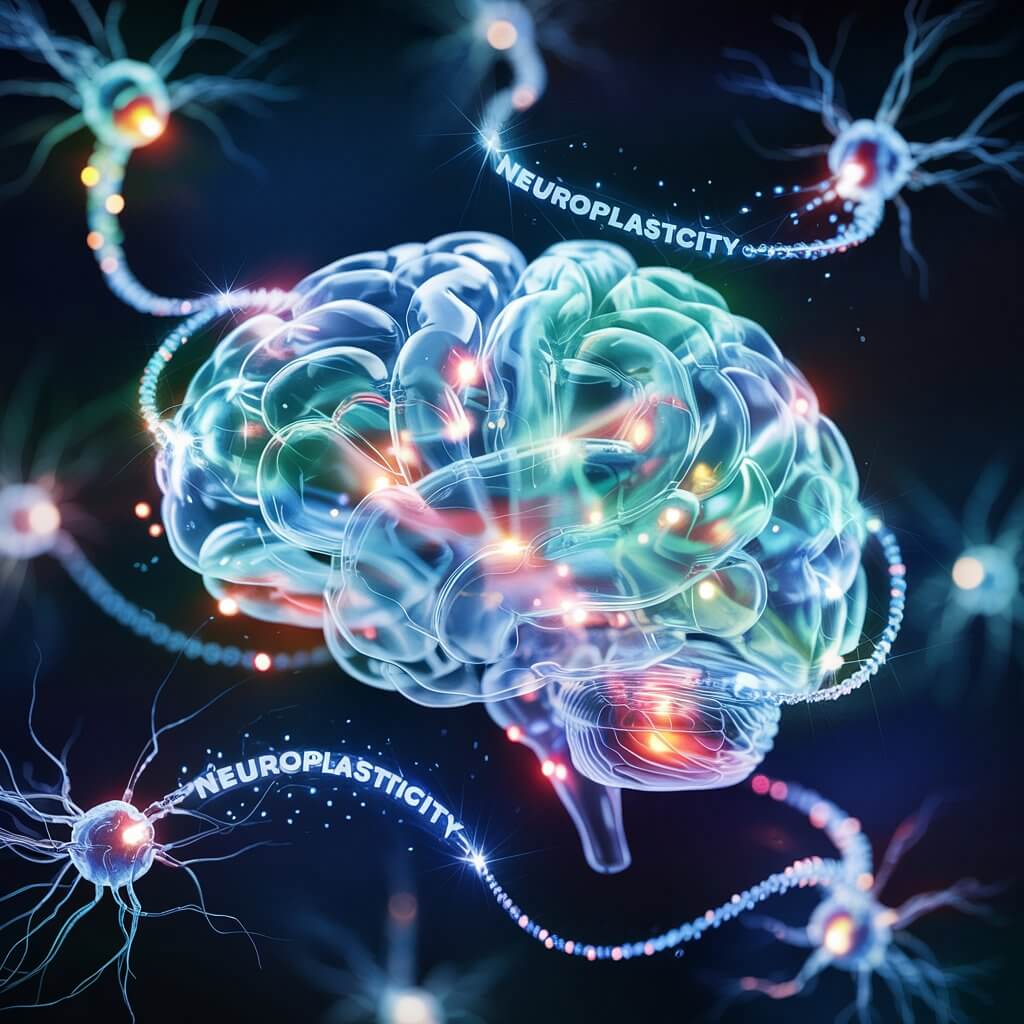
How the Brain Rewires Itself to Truly Multitask
Recent neuroscience reveals that ‘true’ multitasking emerges from dynamic rewiring of brain networks — a flexible choreography of synapses, oscillations, and pathways that allows parallel processing without catastrophic interference. This article explains the mechanisms, evidence, practical implications, and limits of human multitasking.
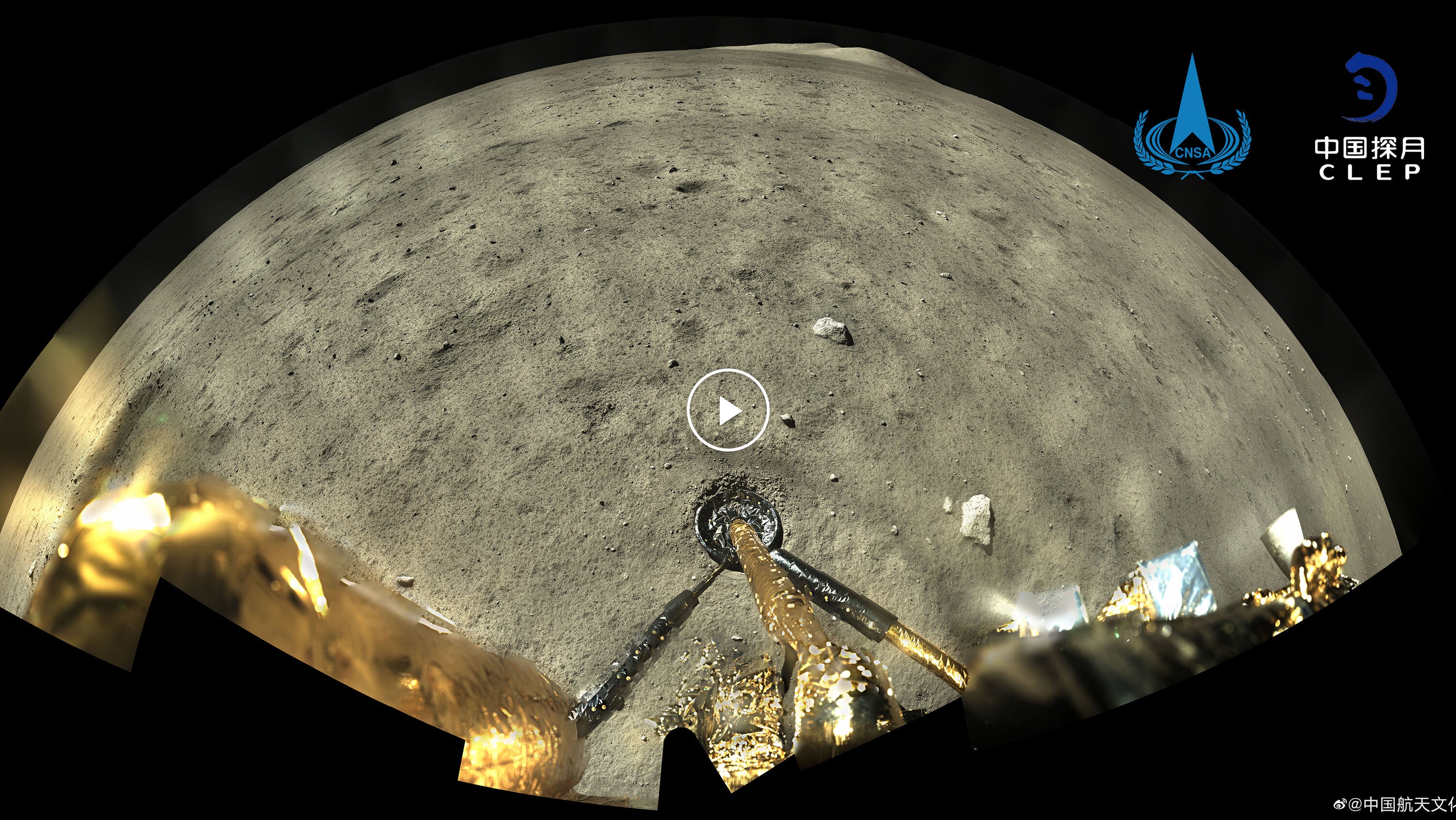
Moon Landings Could Erase Clues to Earth's Origins
Returning humans to the Moon threatens to disturb and contaminate lunar deposits that may hold chemical records of Earth's earliest environment. Protecting those pristine archives will require policy, engineering and international cooperation before boots touch the regolith again.

New Oral Weight-Loss Pill Outperforms Ozempic in Major Trial
A new oral weight loss medication showed superior results to an oral formulation of semaglutide (commonly associated with Ozempic) in a large randomized trial, offering a potentially important alternative to injectable GLP-1 therapies and reshaping conversations about obesity treatment and adherence.
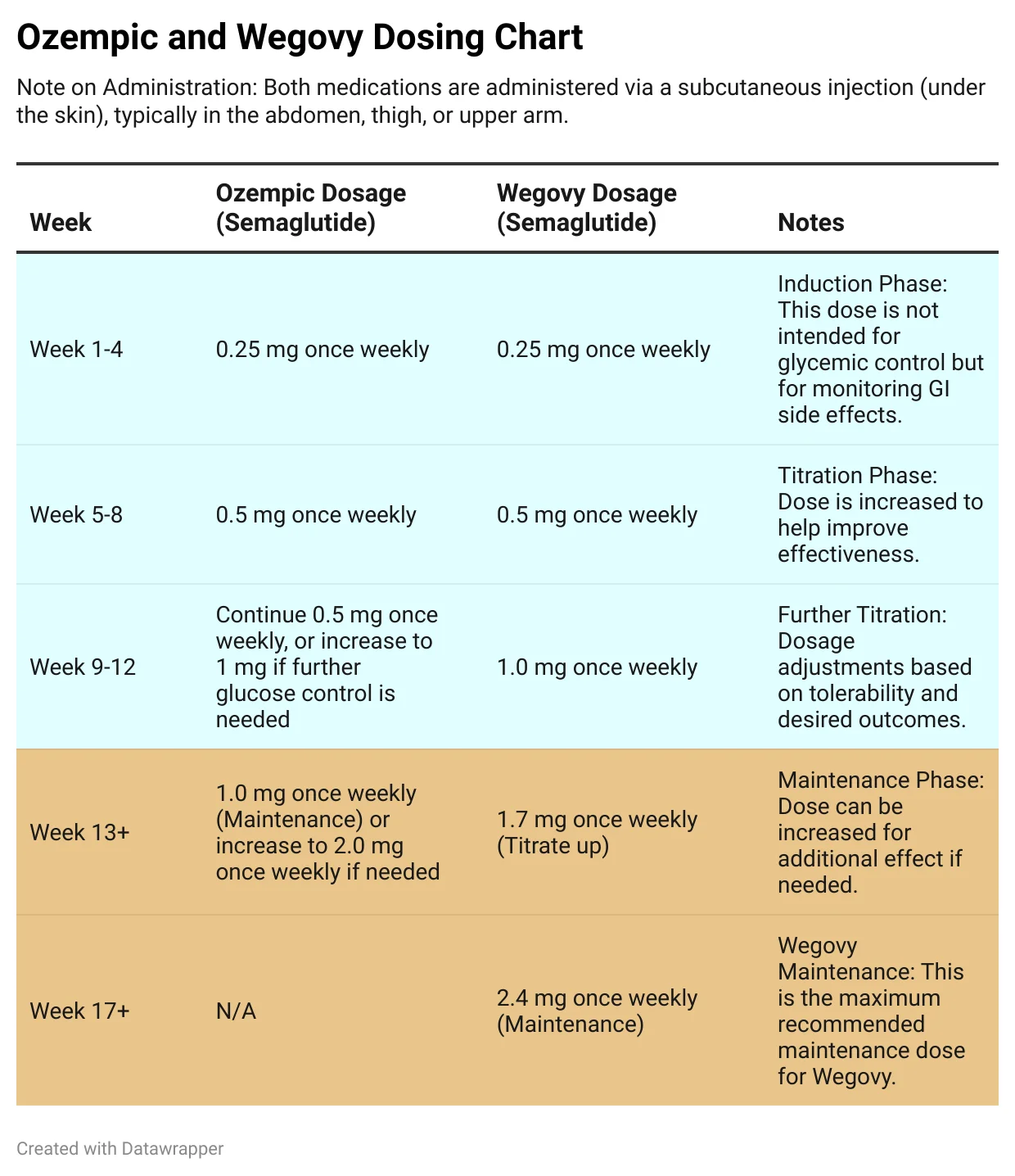
How Ozempic and Wegovy Mistakes Sent Thousands to Poison Control
A rapid rise in semaglutide use for diabetes and weight loss—paired with confusing packaging, social sharing, and off-label use—has led to a wave of accidental exposures and calls to poison control. This feature explains how the error chain forms, what clinicians see, and concrete steps patients, prescribers, pharmacies, and regulators can take to prevent harm.

Scientists Solve 150-Year Gallium Mystery
After more than a century of puzzlement, researchers have uncovered why gallium behaves so strangely—its unusual bonding and liquid structure explain its low melting point and surprising properties, with broad implications for electronics, soft robotics, and materials design.
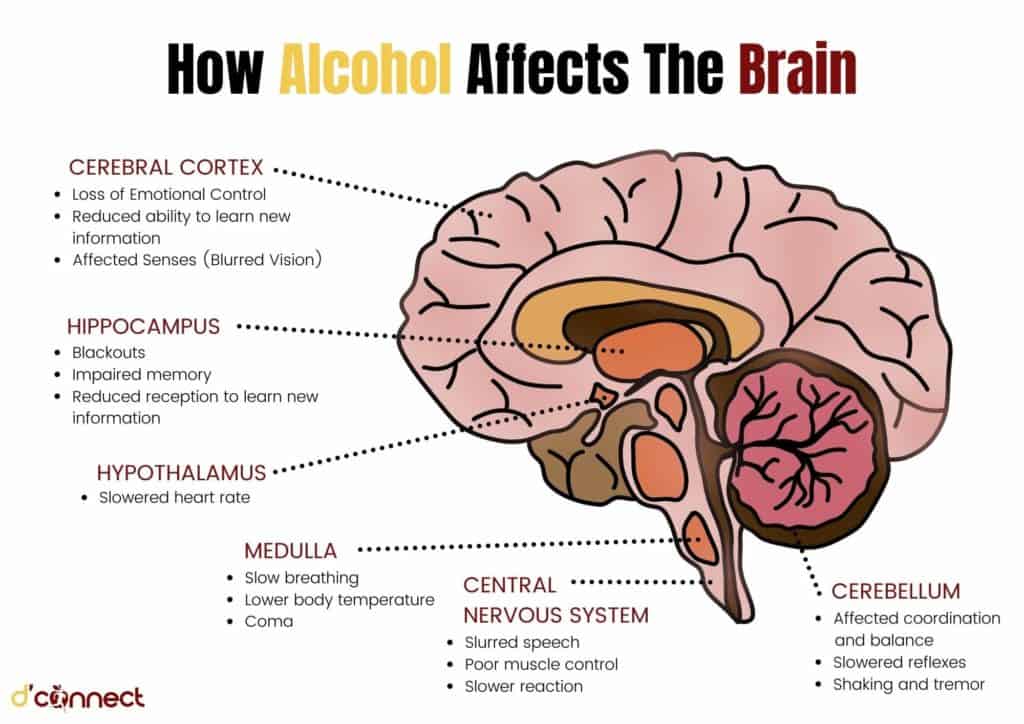
How Drinking to Cope Rewires Your Brain — Risks and Recovery
Using alcohol to manage stress changes brain chemistry and circuitry in ways that can persist long after drinking stops, but recovery is possible with a combination of medical care, psychotherapy, and lifestyle changes.