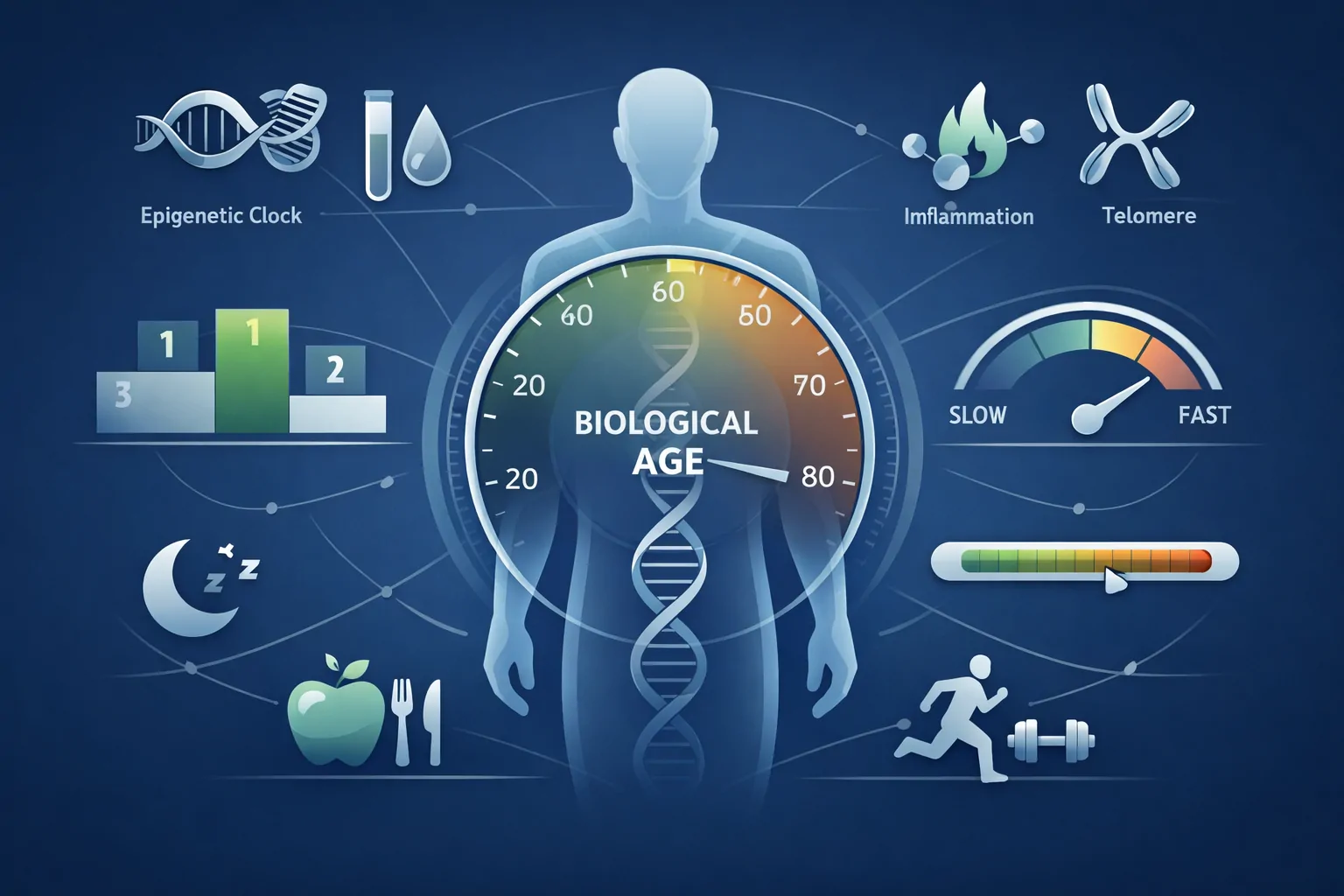
Scientists Reverse Biological Age in Older Adults in 4 Weeks
The headline is irresistible: in just four weeks, researchers say they were able to turn back the biological clock in older adults. For a public hungry for answers to aging, such claims feel like the closest thing to time travel. But beneath the excitement lies a thicket of scientific nuance. What does it actually mean to "reverse biological age"? How are those changes measured, how durable might they be, and what are the realistic implications for health and longevity? This feature untangles the claim, explains the likely mechanisms that could produce fast changes in biomarkers, and offers a clear-eyed guide to what consumers and clinicians should watch for next.
WHAT DOES "BIOLOGICAL AGE" MEAN?
Biological versus chronological age
Chronological age is the number of years since you were born. Biological age is an estimate of how "old" your tissues and systems behave relative to your chronological peers. Two 70-year-olds can have very different biological ages — one may function like a robust 55-year-old, another like a frail 85-year-old. Biological age attempts to quantify that difference using measurable markers.
Common biomarkers researchers use
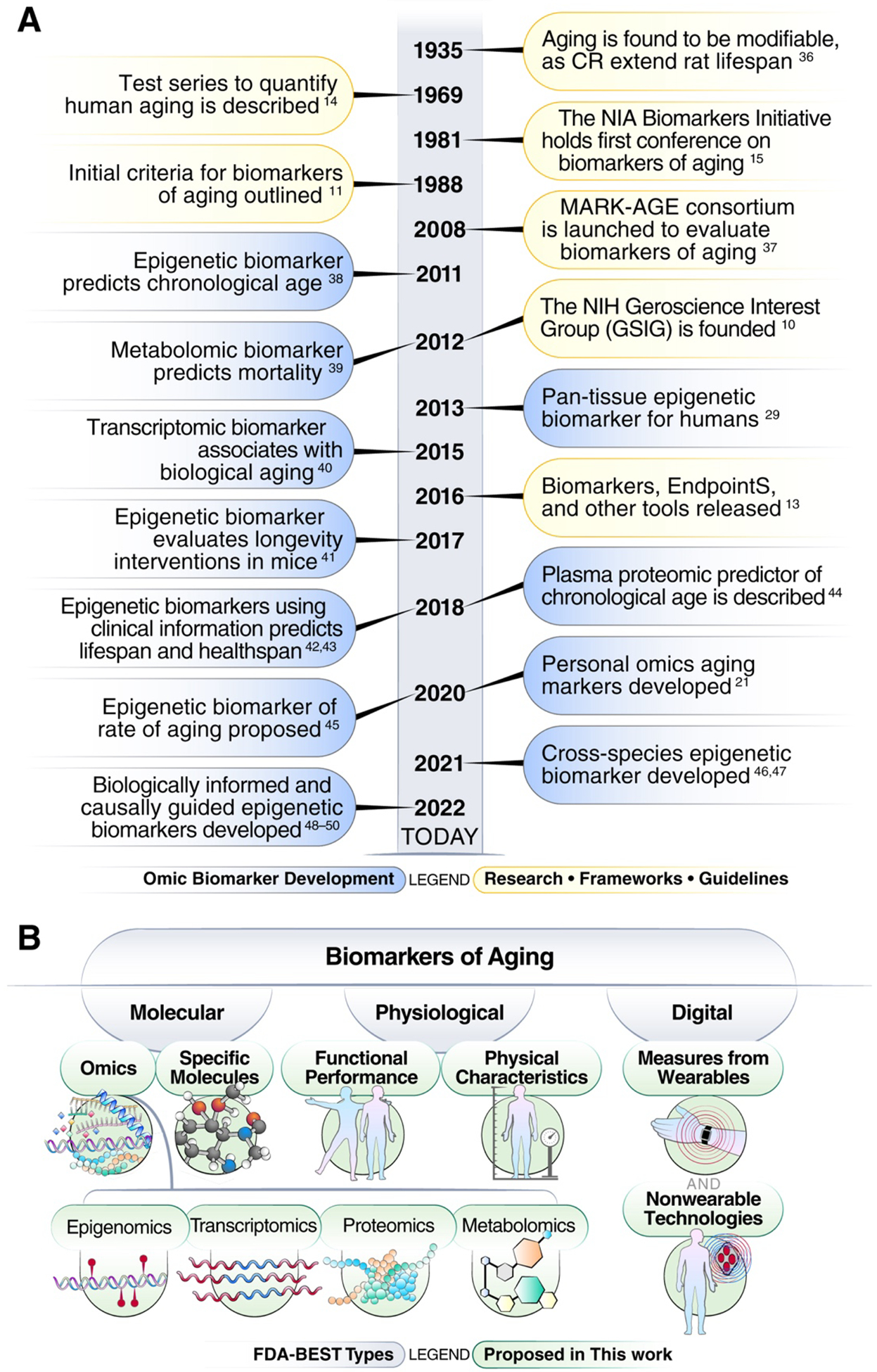
Scientists do not rely on a single test. Common approaches include:
- Epigenetic clocks — patterns of DNA methylation at specific sites across the genome that correlate with age-related outcomes.
- Transcriptomic and proteomic signatures — changes in gene expression or circulating proteins associated with aging.
- Physiological measures — grip strength, gait speed, blood pressure variability, and organ-specific tests.
- Cellular and molecular markers — telomere length, senescent cell burden, mitochondrial function, and inflammatory cytokine profiles.
Different clocks emphasize different biology; a change on one clock can sometimes occur without matching shifts on others. That distinction matters when evaluating rapid interventions.
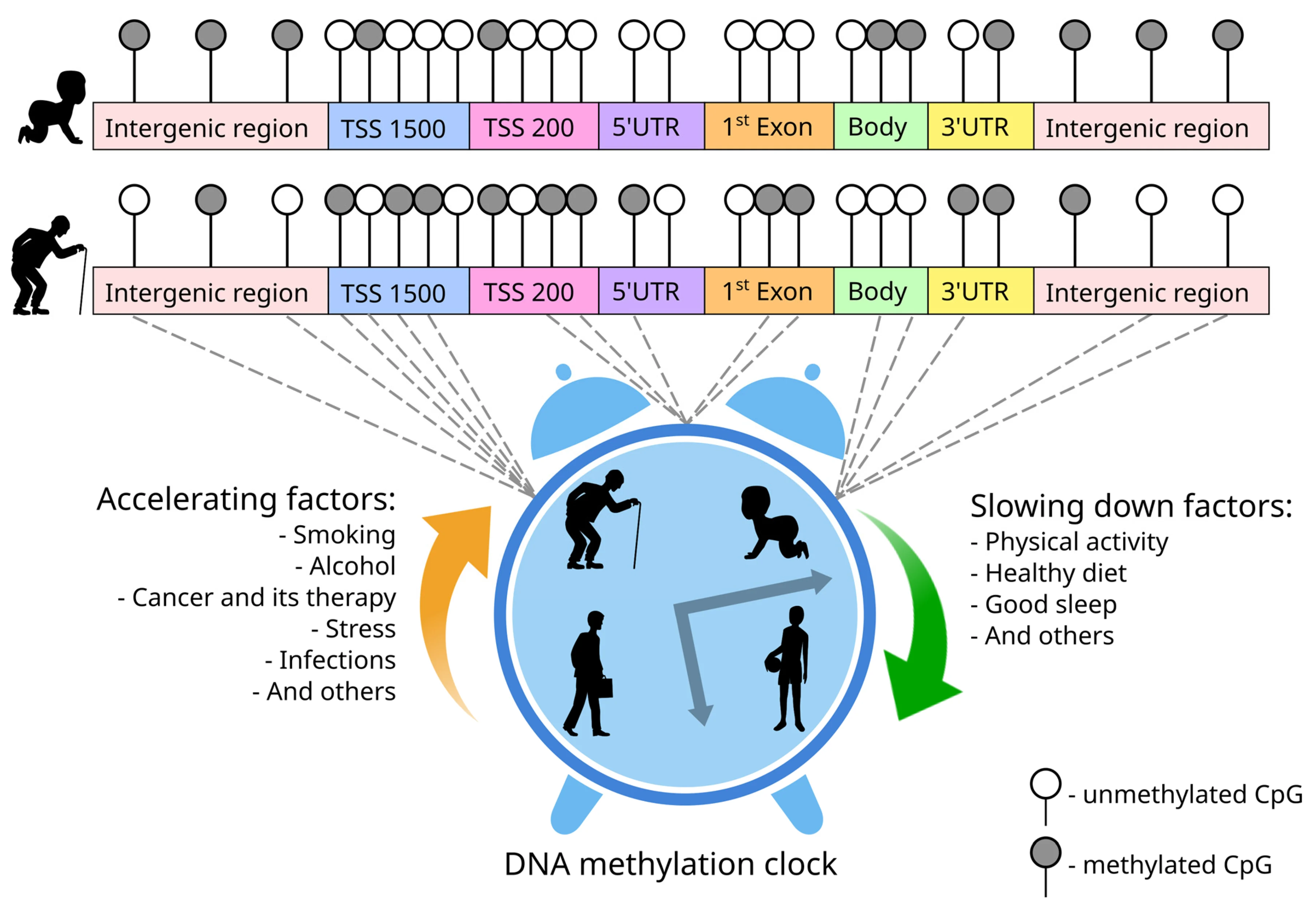
epigenetic clock DNA methylation
A short-lived shift in a biomarker is not the same as durable rejuvenation — but it can be meaningful if it reflects improved resilience.
HOW A FOUR‑WEEK CHANGE MIGHT HAPPEN
Quick wins vs. deep remodeling
Biology operates at multiple timescales. Some systems respond quickly to interventions: inflammation drops within days of improved sleep or starting an anti-inflammatory drug; blood glucose levels fall within hours of dietary change. Other processes, like rebuilding a tissue or reversing cellular senescence, take months or longer. A four-week trial could produce measurable changes in fast-response biomarkers while leaving slower processes largely unaltered.
Mechanisms that can shift biomarkers fast
Here are plausible mechanisms that could produce an observable reduction in biological‑age estimates over four weeks:
- Reduced systemic inflammation: Anti-inflammatory interventions — from medications to targeted diets — can lower circulating inflammatory markers quickly, improving some age-related composite scores.
- Metabolic recalibration: Shifts in glucose regulation, insulin sensitivity, and lipid profiles from fasting-mimicking diets, low-carbohydrate regimens, or drugs like metformin analogues can register rapidly on metabolic age indicators.
- Immune modulation: Therapies that transiently change immune cell composition (for example, via cytokine modulators or short courses of immune-targeting agents) alter immunosenescence markers on short timelines.
- Epigenetic responsiveness: DNA methylation patterns are dynamic. Intensive lifestyle changes (exercise, sleep, caloric changes) and some pharmacologic agents can produce measurable shifts in epigenetic clocks within weeks, although the magnitude and persistence vary.
- Cellular turnover and clearance: Senolytic agents that selectively target senescent cells could reduce markers tied to senescence within weeks if they mobilize clearance mechanisms effectively.
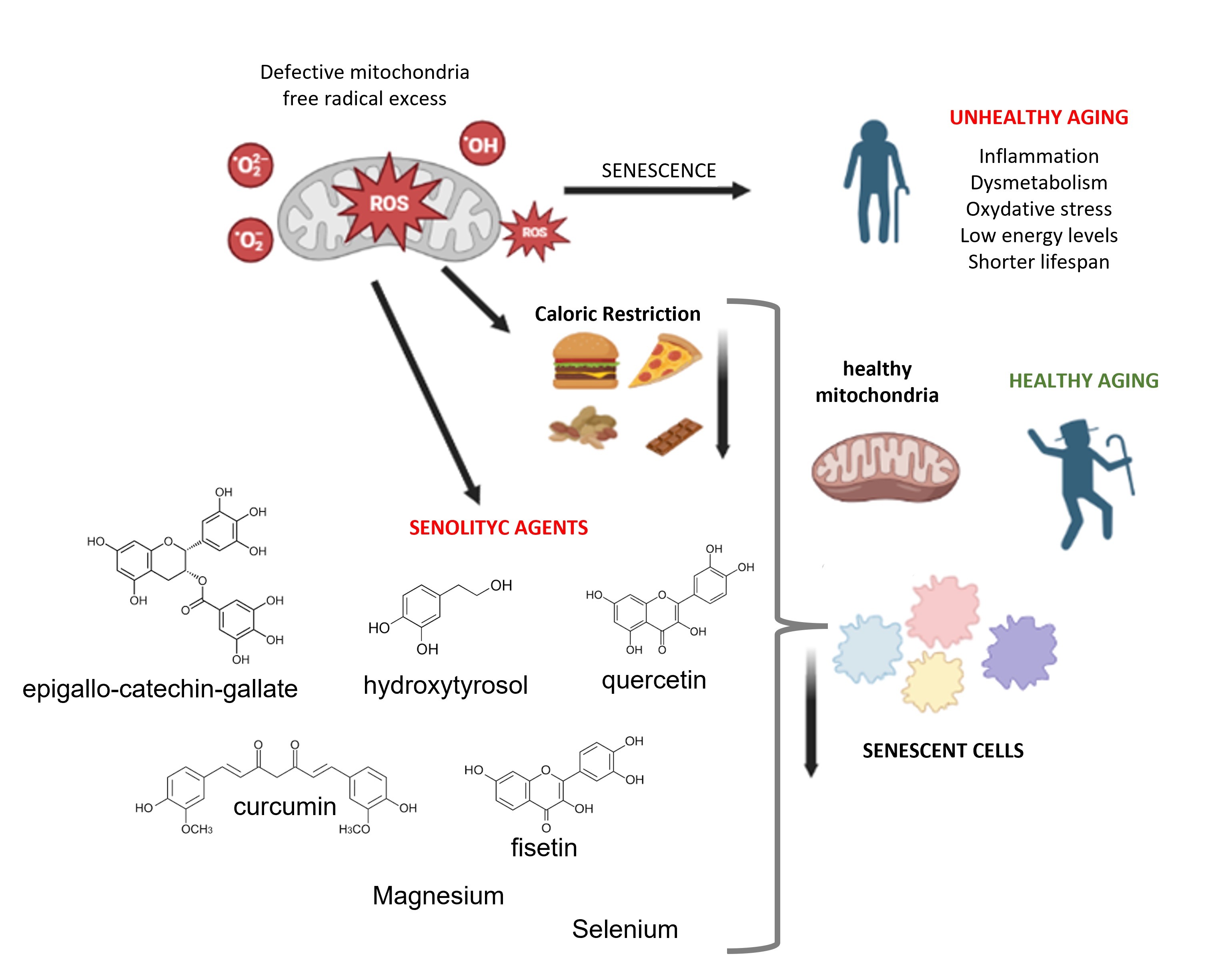
senolytic therapy aging
WHAT A FOUR‑WEEK STUDY CAN — AND CAN'T — PROVE
Possible and persuasive
Short trials can compellingly demonstrate pharmacodynamic activity (that a drug hits its intended biological target) and show early changes in surrogate biomarkers. If a carefully designed study reports consistent reductions across several independently validated aging clocks, that strengthens the case that the intervention has a meaningful biological effect.

clinical trial older adults
Limits and common pitfalls
However, there are significant reasons to be cautious:
- Sample size and selection bias: Early-stage trials are often small and may enroll participants who are not representative of the general population.
- Short-term fluctuation: Many biomarkers swing naturally or respond non-specifically to acute changes in diet, medication, hydration, or stress.
- Regression to the mean: Participants with unusually high biological-age scores at baseline often show improvement on repeat testing absent any treatment effect.
- Measurement variability: Different epigenetic clocks and assays can disagree. Laboratory batch effects and assay sensitivity influence results.
- Clinical relevance: A statistically significant change in a biomarker does not automatically translate into fewer diseases or longer life.
THE LIKELY INTERVENTIONS BEHIND RAPID GAINS
Combination therapies are common
When dramatic headlines claim rapid age reversal, the underlying protocol is often multimodal: drugs, dietary programs, supplements, and lifestyle coaching combined to maximize short-term impact. A combination approach increases the chance of measurable change, but it also makes it harder to parse which component did the heavy lifting.
Examples of interventions that could drive early improvements
Without naming specific trials, here are classes of interventions that researchers commonly test for quick biomarker shifts:
- Senolytics and senomorphics: Agents that remove or alter senescent cells may reduce inflammatory signatures and improve tissue function markers.
- Metabolic regulators: Drugs that improve insulin sensitivity and glucose control can rapidly shift metabolic age indices.
- NAD+ boosters and mitochondrial support: Compounds aiming to restore cellular energy can influence physiological resilience metrics.
- Hormone modulators and regenerative cues: Short courses of endocrine therapies or growth-factor modulation can change organ function signals, though they carry risks.
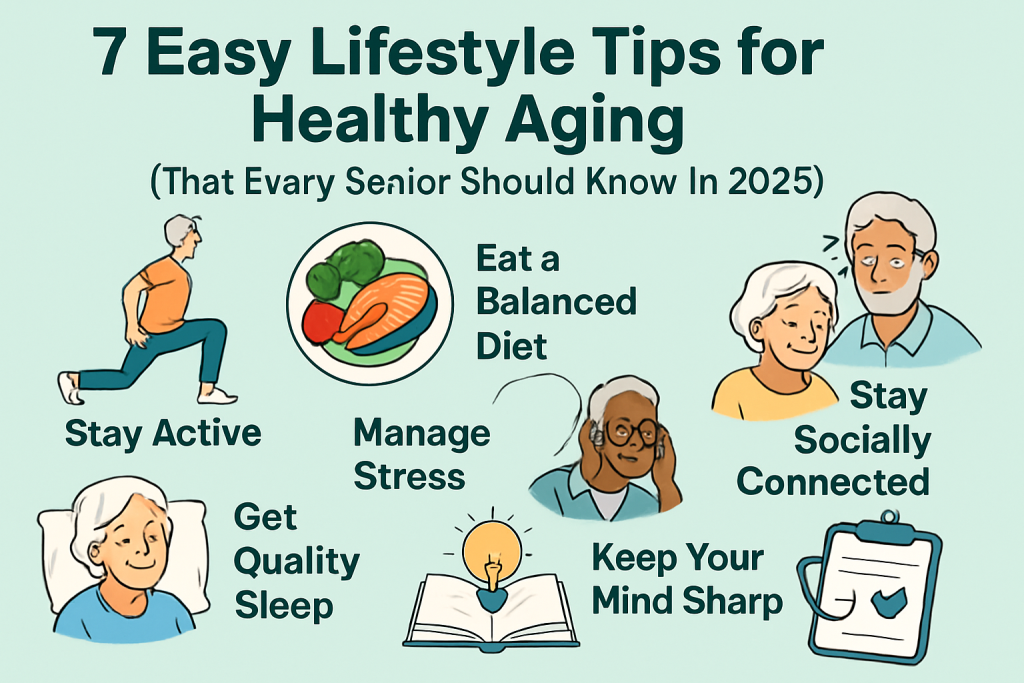
- Intensive lifestyle packages: Structured exercise, sleep optimization, stress reduction, and controlled nutrition programs produce surprisingly fast improvements in many aging biomarkers.
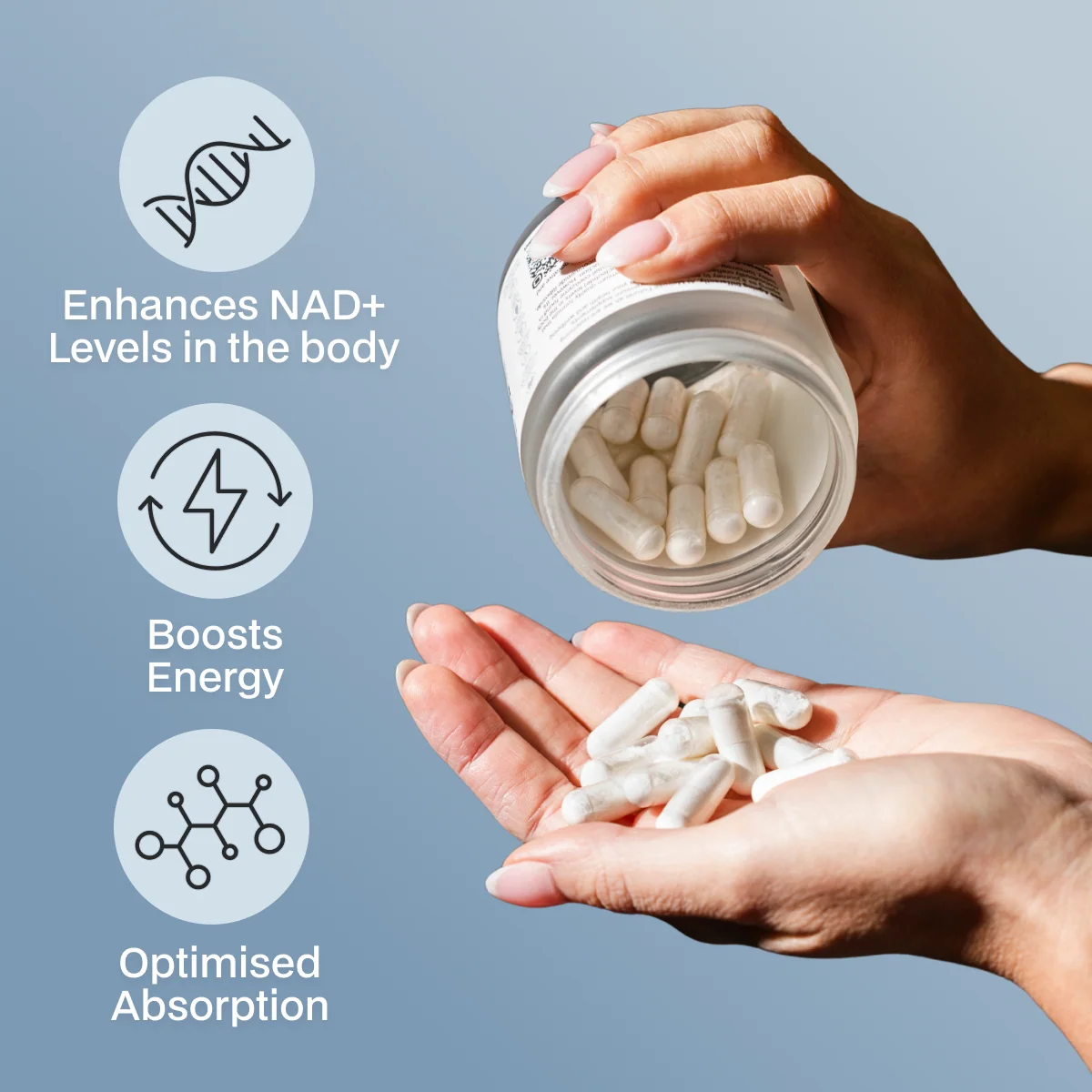
NAD+ booster supplements
INTERPRETING THE DATA: WHAT TO ASK
Key questions that separate robust findings from hype
If you read about a study that claims age reversal in weeks, ask:
- Which biomarkers were used? Did the study rely on multiple independent clocks or a single, less-validated metric?
- How large and diverse was the sample? Larger, randomized trials with varied demographics are more convincing.
- Were results replicated? One study is promising; replication by independent groups solidifies claims.
- How durable were the changes? Were biomarkers measured again at 3, 6, and 12 months to show persistence?
- Were clinical endpoints assessed? Changes in disease incidence, functional ability, or hospitalization rates are the gold standard.
aging biomarkers laboratory
SAFETY, ETHICS AND REGULATORY CONTEXT
Safety first
Interventions that alter fundamental aging biology can carry substantial risks. Manipulating immune responses, hormones, or growth pathways might increase cancer risk, destabilize metabolism, or cause off-target effects. Short-term biomarker gains are not worth clinically meaningful long-term harms. Any credible trial will report adverse events and include long-term follow-up plans.
Ethical and regulatory considerations
There are broader questions about access, equity, and how society should manage technologies that potentially extend healthy years. Regulators will want clear demonstration that interventions reduce disease burden and improve functioning before granting broad approval. Meanwhile, direct-to-consumer offerings that co-opt preliminary science risk premature adoption without proper oversight.
PRACTICAL TAKEAWAYS FOR READERS
If you're intrigued by headlines
Here’s how to interpret claims and what you can do now:
- Be sceptical of silver bullets: Rapid reversal claims merit excitement and caution; look for rigorous, peer-reviewed publications and replication.
- Focus on proven, low-risk steps: Regular exercise, adequate sleep, balanced nutrition, smoking cessation, and blood-pressure control reduce disease risk and often improve aging biomarkers.
- Consider clinical trials: If you want to participate in cutting-edge research, seek trials run by qualified institutions with clear informed consent and safety monitoring.
- Talk to clinicians before experimenting: Combining drugs or supplements without medical guidance can be harmful, especially for older adults with chronic conditions.
lifestyle intervention aging
LOOKING AHEAD: WHAT WOULD CONVINCE THE FIELD?
The evidence bar for true age reversal
To move beyond headlines into accepted medicine, the field needs:
- Large randomized controlled trials showing consistent biomarker improvements and, critically, improvements in clinical outcomes.
- Replication across labs using standardized assays to rule out lab-specific artifacts.
- Durability data demonstrating that benefits persist and translate into reduced morbidity and mortality.
- Safety profiles with long-term follow-up to ensure no late harms like increased cancer risk.
A more meaningful metric: healthspan
Ultimately, slowing or reversing aging matters because it should prolong healthy, functional years — not just change a laboratory number. Healthspan metrics — years lived free of major disease and disability — are the crucial test.
Short-term biomarker improvements are promising signals, but the true test is whether people live healthier, longer lives because of the intervention.
CONCLUSION: BALANCING HOPE AND RIGOR
The notion that a four-week protocol can reverse biological age is thrilling, and plausible mechanisms exist for rapid biomarker shifts. Yet headlines often outrun the mature evidence needed to change clinical practice. Early positive results should fuel cautious optimism: they are reasons to invest in larger trials, standardize measurement, and monitor long-term outcomes. For most people today, the best and safest path remains evidence-based lifestyle measures and consultation with trusted clinicians. The next few years will reveal whether these early, fast-moving signals are the opening act of a genuine revolution in aging medicine — or a promising mirage that requires refinement, replication, and time to prove its worth.
- Biological age is an estimate based on biomarkers; different clocks measure different processes.
- Four-week improvements can occur via rapid changes in inflammation, metabolism, or immune profiles, but durability is uncertain.
- Small, early trials are informative but not definitive; replication and long-term follow-up are essential.
- Safety and ethical oversight must guide adoption of any aging-modifying therapy.
- Proven lifestyle actions remain the most reliable way to improve healthspan today.