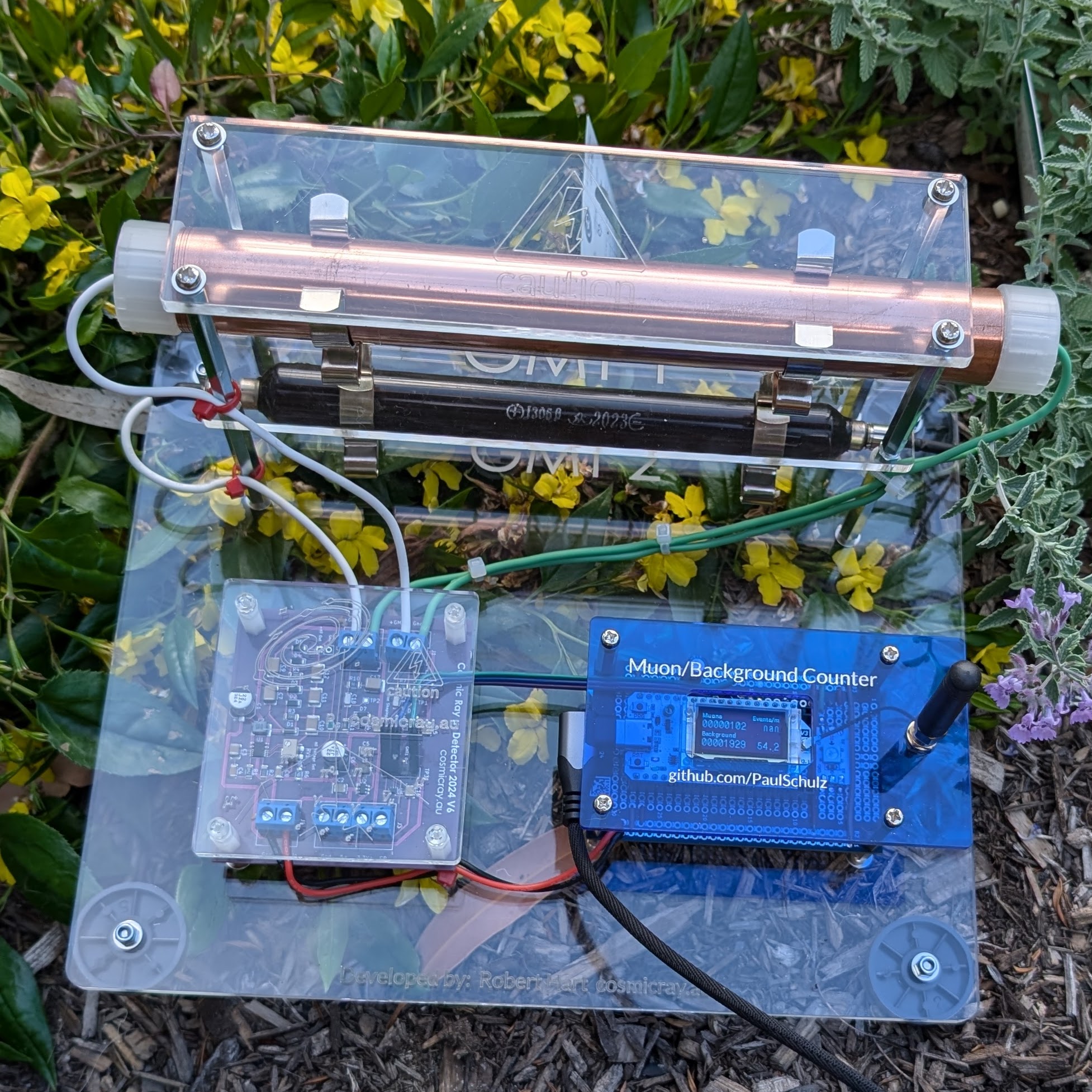
How a $100 Detector Sees Invisible Particles from Space
The idea sounds like science fiction: for about the cost of a modest pair of headphones, you can buy or build a device that quietly clicks when subatomic particles — born in exploding stars and violent corners of the cosmos — pass through your backyard, your classroom, or even your living room. Those clicks are not ghosts or glitches; they are muons and other secondary particles produced when high-energy cosmic rays slam into Earth's atmosphere. This article explains, in plain language and with practical context, how an inexpensive detector works, what it can really measure, and why these little instruments are suddenly useful for education, citizen science and even low-cost research.
THE COSMIC RAIN
What are cosmic rays and muons?
Cosmic rays are high-energy particles — mostly protons and atomic nuclei — that travel through space and occasionally strike Earth's atmosphere. When one of those primary particles hits a molecule in the upper atmosphere it creates a cascade of secondary particles in a process called an air shower. Among the most abundant of those secondary particles at Earth's surface are muons: charged particles similar to electrons but roughly 200 times heavier. They are produced high in the atmosphere and, thanks to relativistic effects, survive the trip to ground level in numbers large enough that hundreds pass through your body every minute.
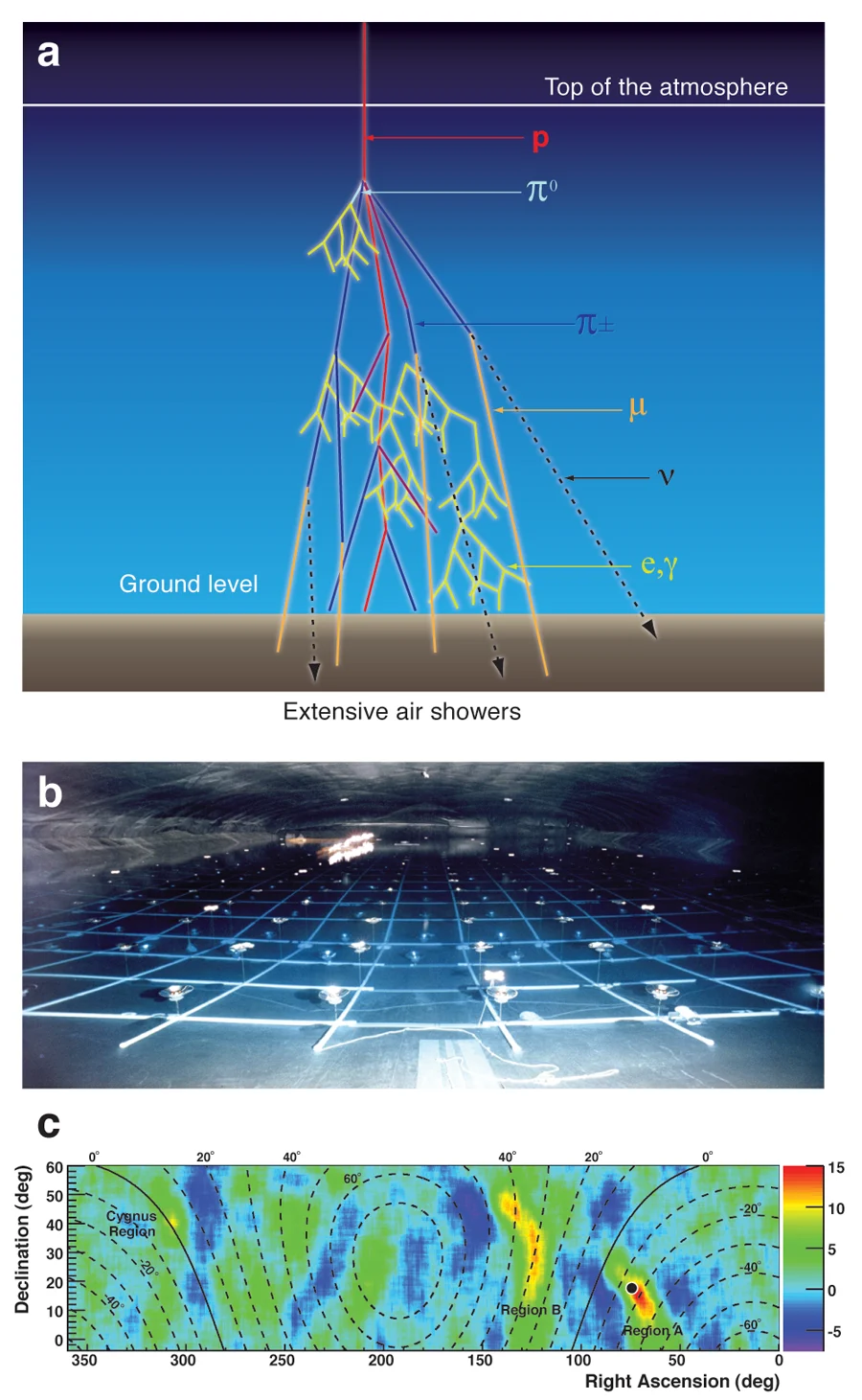
air shower cosmic rays
Why muons matter
Muons are useful because they are penetrating, relatively easy to detect with the right sensors, and numerous. Scientists exploit muons for applications as diverse as imaging volcano interiors, checking the integrity of nuclear waste containers, and probing archaeological sites. For hobbyists and educators, muons are the perfect target: they make a compelling, measurable link between the cosmic environment and local experiments.
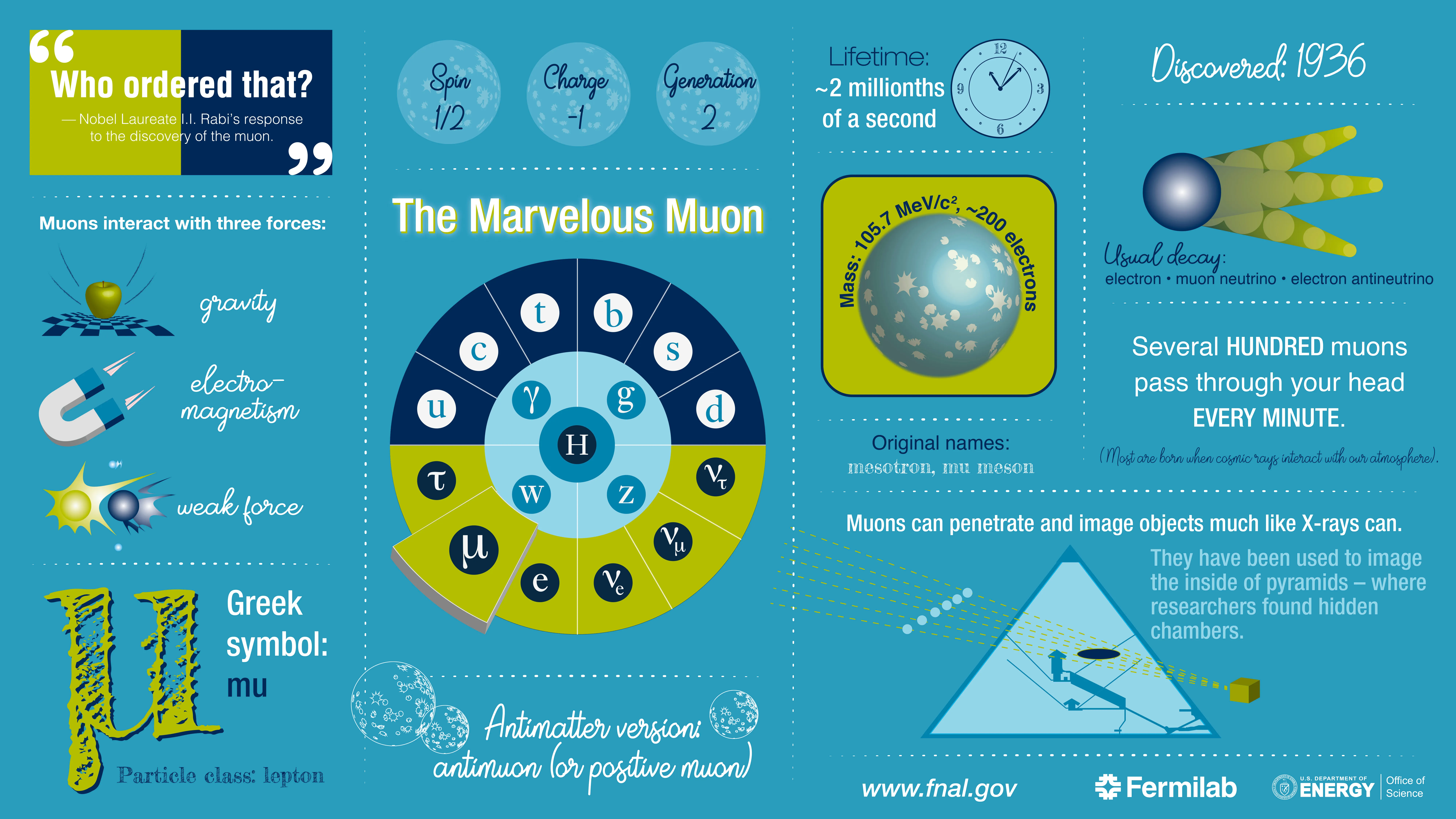
muon particle physics
HOW A $100 DETECTOR WORKS
The basic components
At its heart, a low-cost cosmic-ray detector has three functions: (1) convert the invisible passage of a charged particle into a tiny flash or electrical signal, (2) amplify and discriminate that signal from background noise, and (3) count and sometimes timestamp events for logging and analysis. The typical $100 device achieves this with a small slab of plastic scintillator, a light sensor such as a silicon photomultiplier (SiPM), a compact electronics board for amplification and pulse detection, and a microcontroller for counting and output.
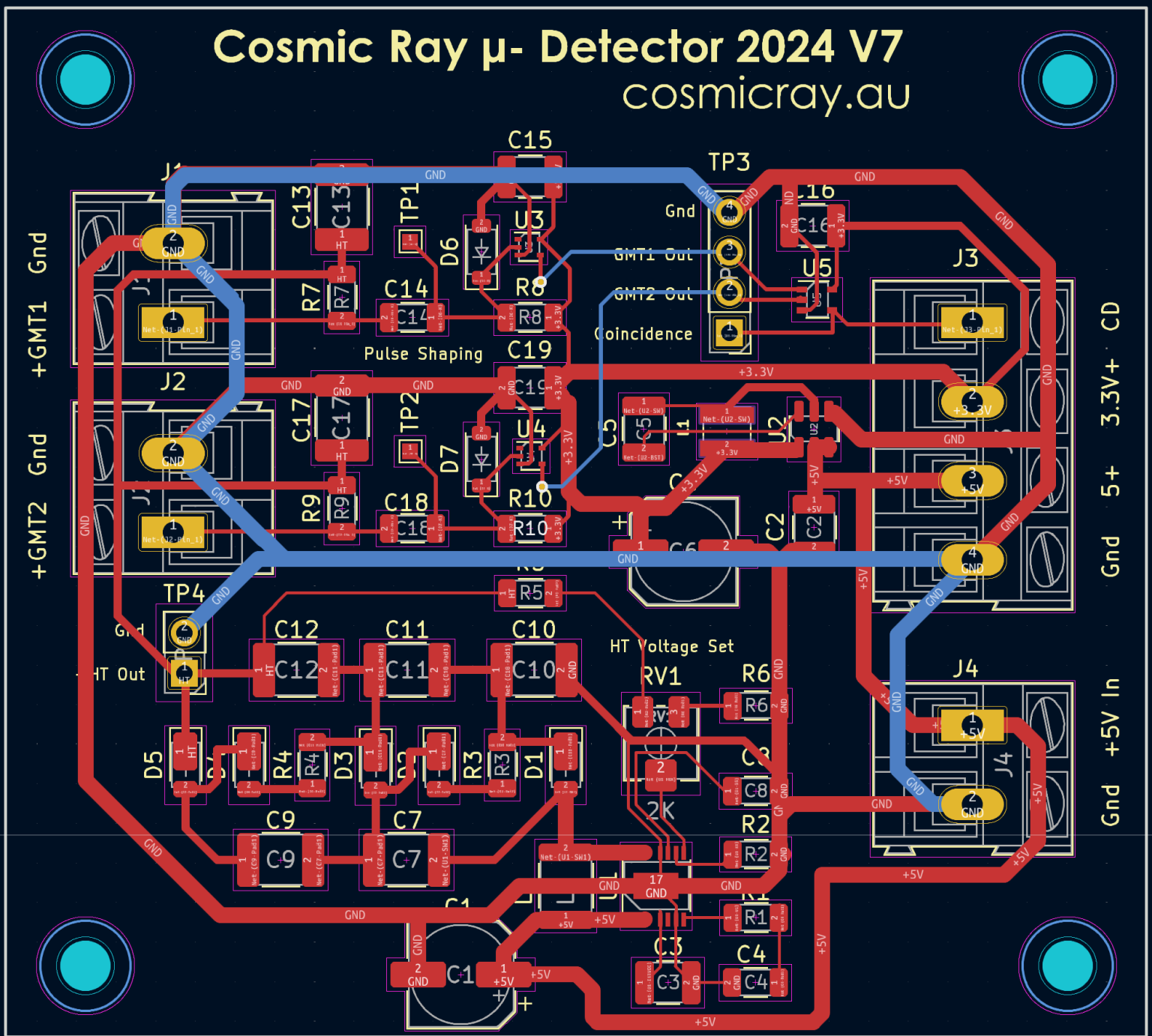
cosmic ray detector kit
Plastic scintillator and light sensors
Plastic scintillator is a translucent solid that emits brief flashes of light when charged particles pass through. That light is faint, so it must be captured by a photodetector. Traditional professional detectors use vacuum photomultiplier tubes (PMTs), but modern low-cost kits substitute SiPMs: tiny, solid-state sensors that are rugged, run on low voltage, and are much cheaper. Paired with a bit of light-guiding plastic or reflective wrapping, a small scintillator tile and SiPM can detect single muons reliably.
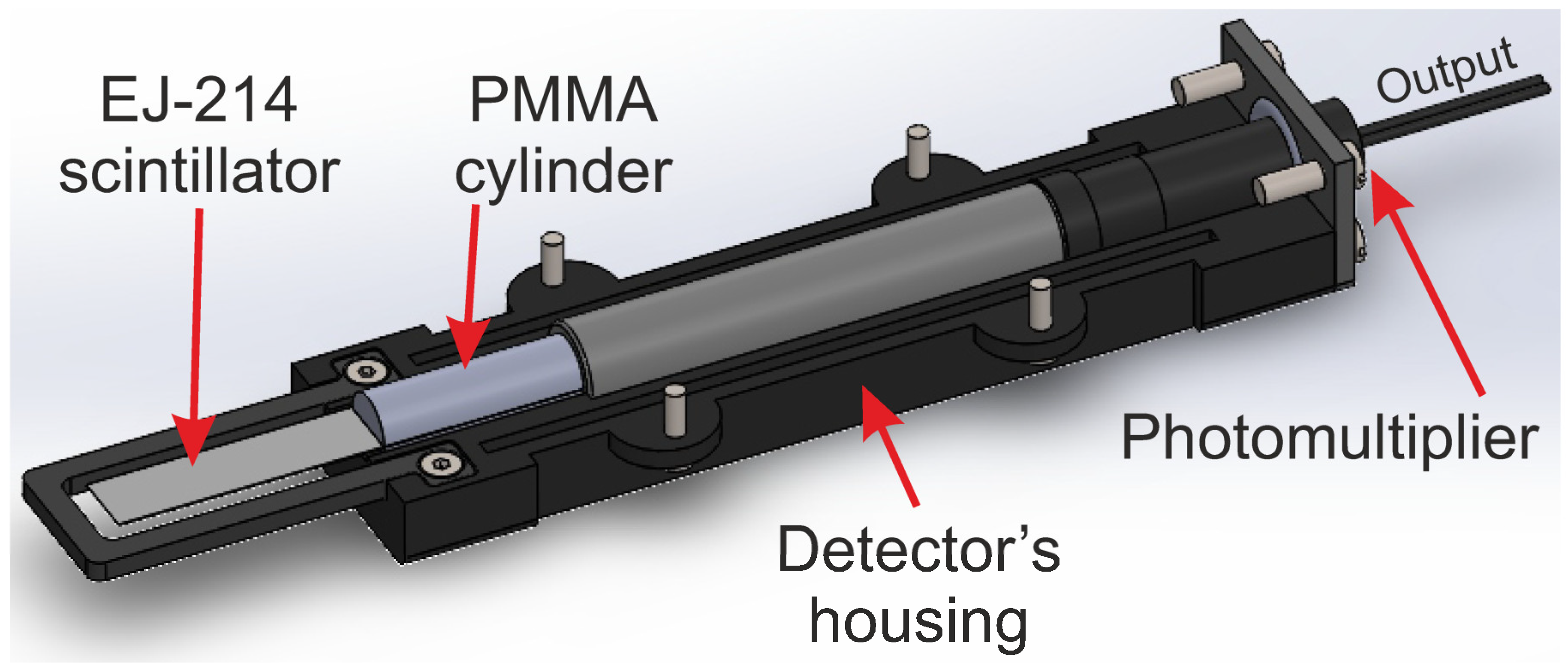
plastic scintillator detector
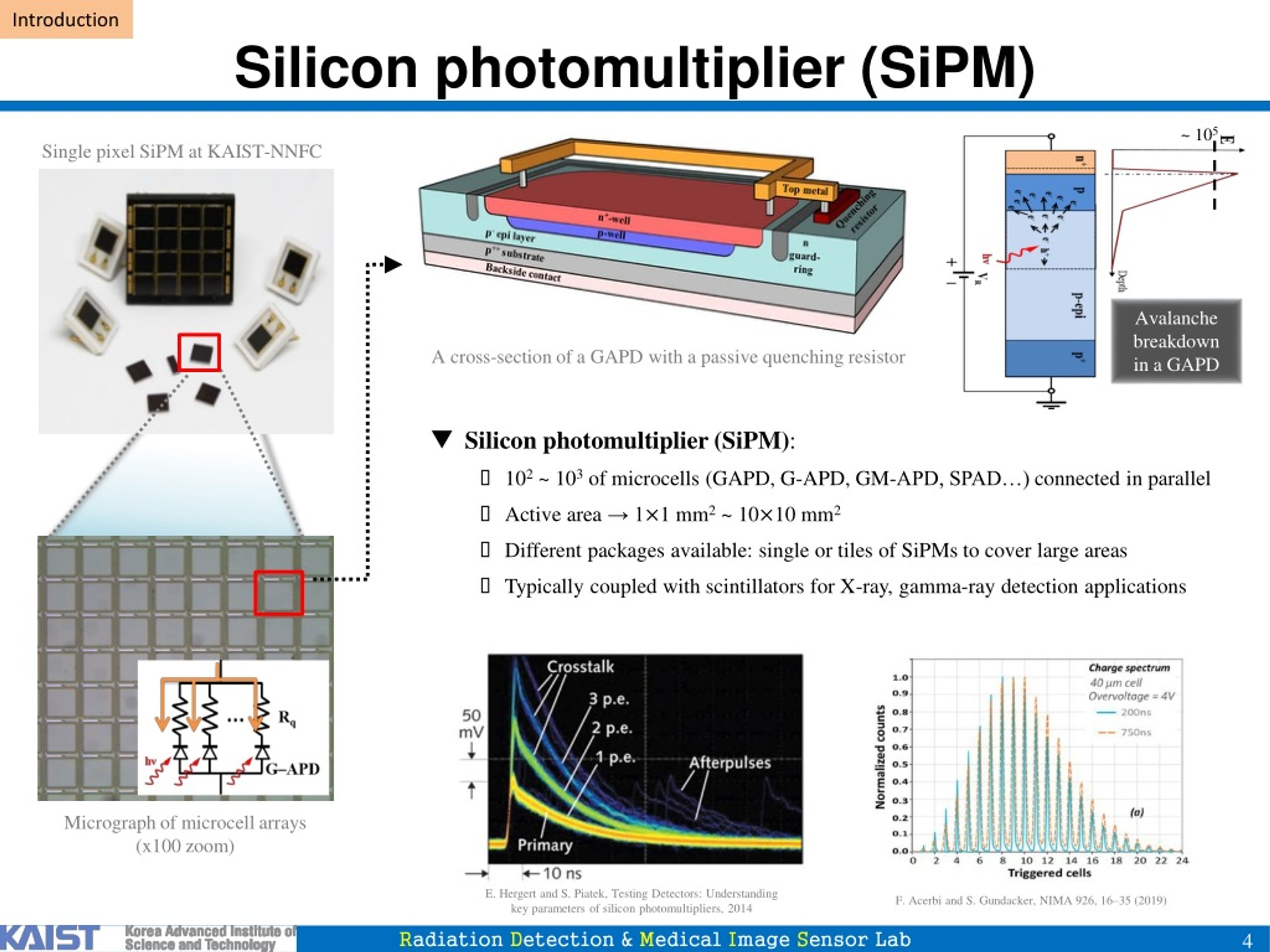
silicon photomultiplier SiPM
Electronics and pulse discrimination
When the SiPM detects a flash, it produces a short electrical pulse. The electronics amplify that pulse and apply a threshold: small pulses from thermal noise or ambient light are rejected, while legitimate muon pulses are counted. More advanced setups use two scintillator tiles stacked a short distance apart and register a
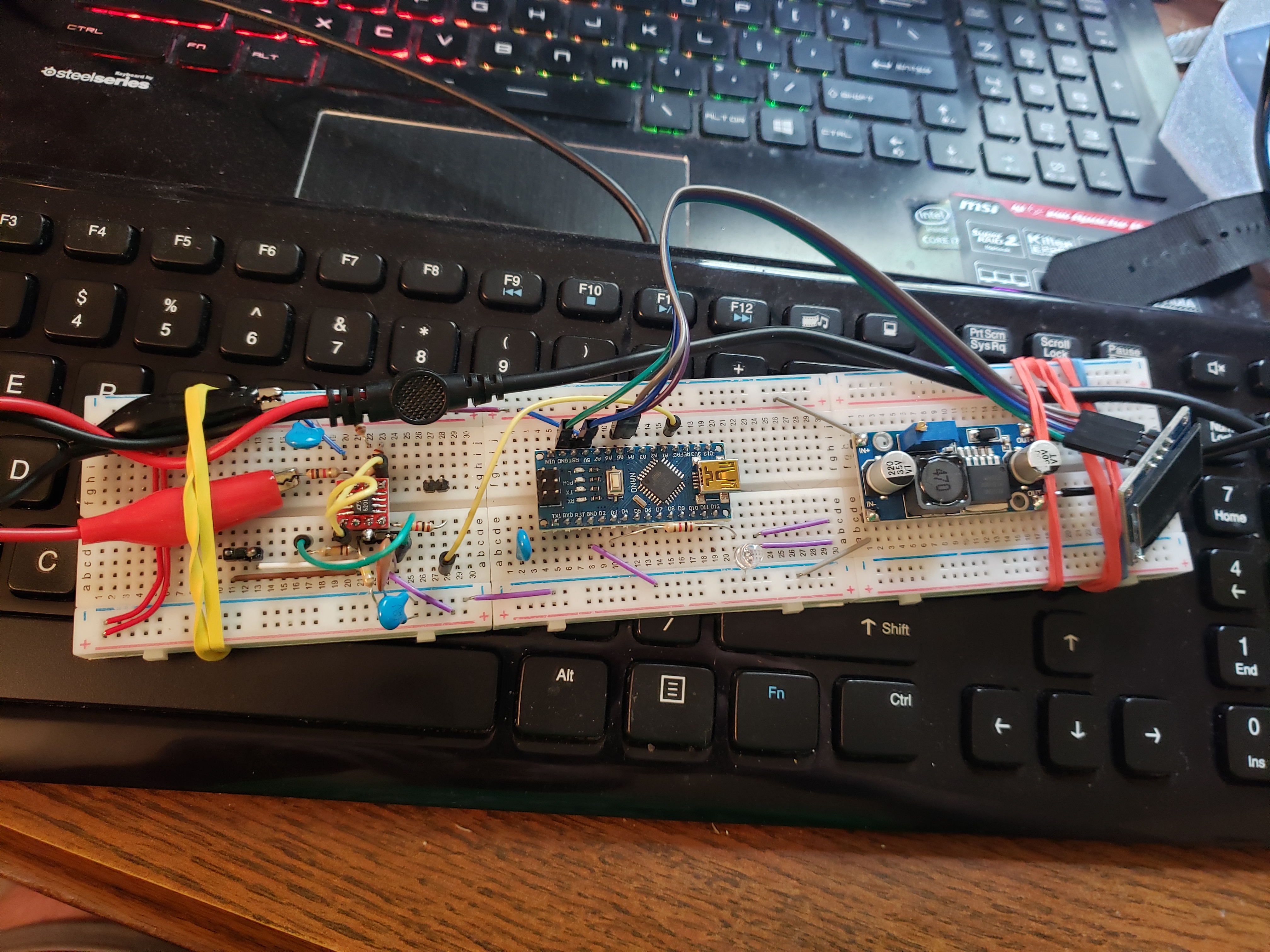
DIY muon detector Arduino