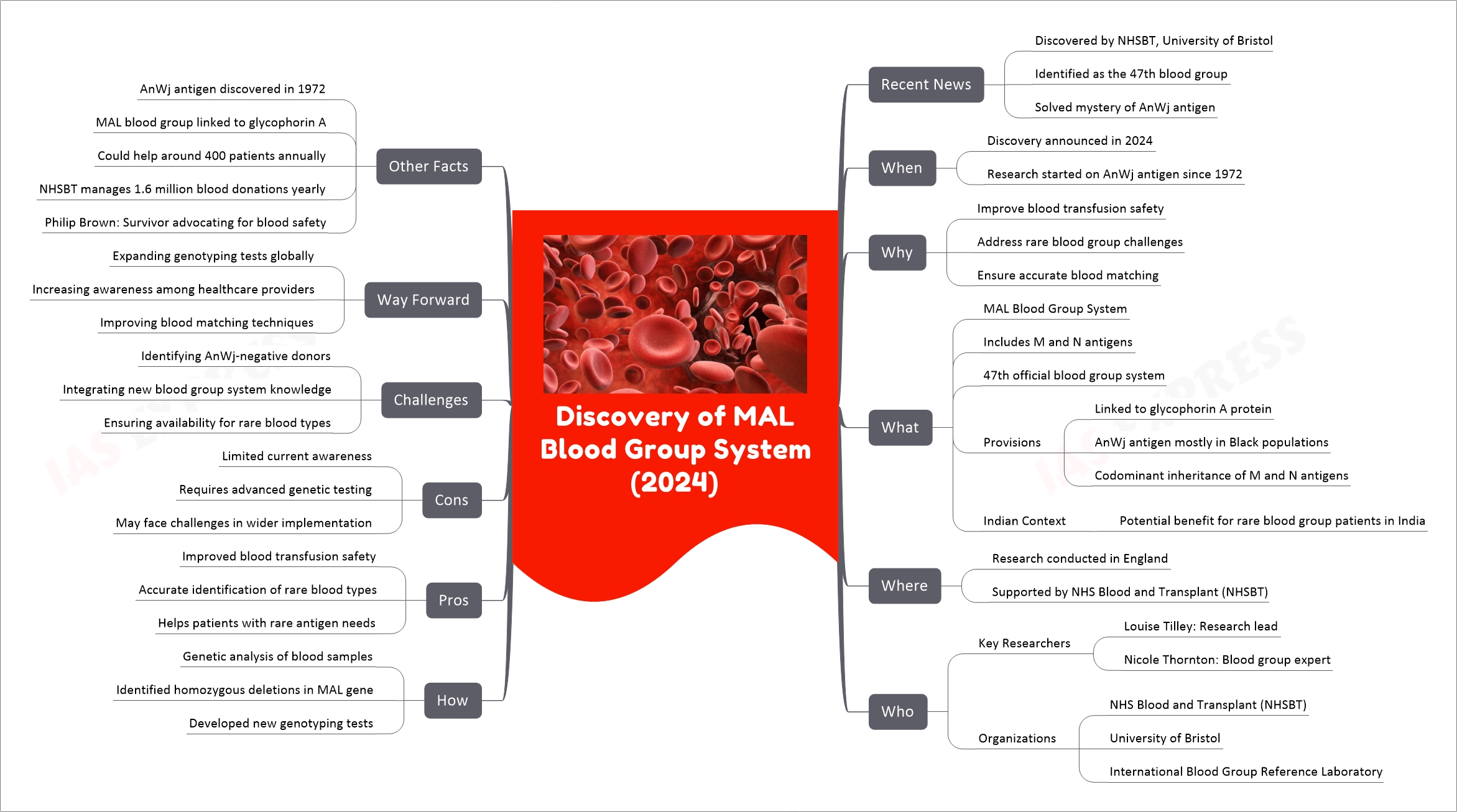
Scientists Solve 50-Year Mystery: New Human Blood Group Discovered
The moment a centuries-old puzzle finally yields can feel like watching the last piece of a jigsaw slide into place. For clinicians, researchers and thousands of patients, that moment has arrived: a team of scientists has pinpointed the biological cause behind a pattern of unexplained immune reactions recorded intermittently over the past fifty years — and in the process they have identified a previously unrecognized human blood group. The discovery is not just an academic triumph; it carries immediate consequences for blood transfusion safety, prenatal care and how we map human genetic diversity.
THE BACKGROUND: WHY A BLOOD GROUP MATTERS
The story of blood groups is one of incremental revelations with outsized consequences. The ABO system, identified in the early 1900s, and the Rh system, elucidated mid-century, transformed medicine. They turned transfusion from a risky experiment into routine care and revealed the causes of severe hemolytic disease in newborns. But over the decades, transfusion services and immunohematology labs continued to record occasional serological oddities: patients with apparently compatible blood who developed immune reactions, or mothers who experienced late and severe hemolytic disease of the fetus and newborn despite conventional screening.
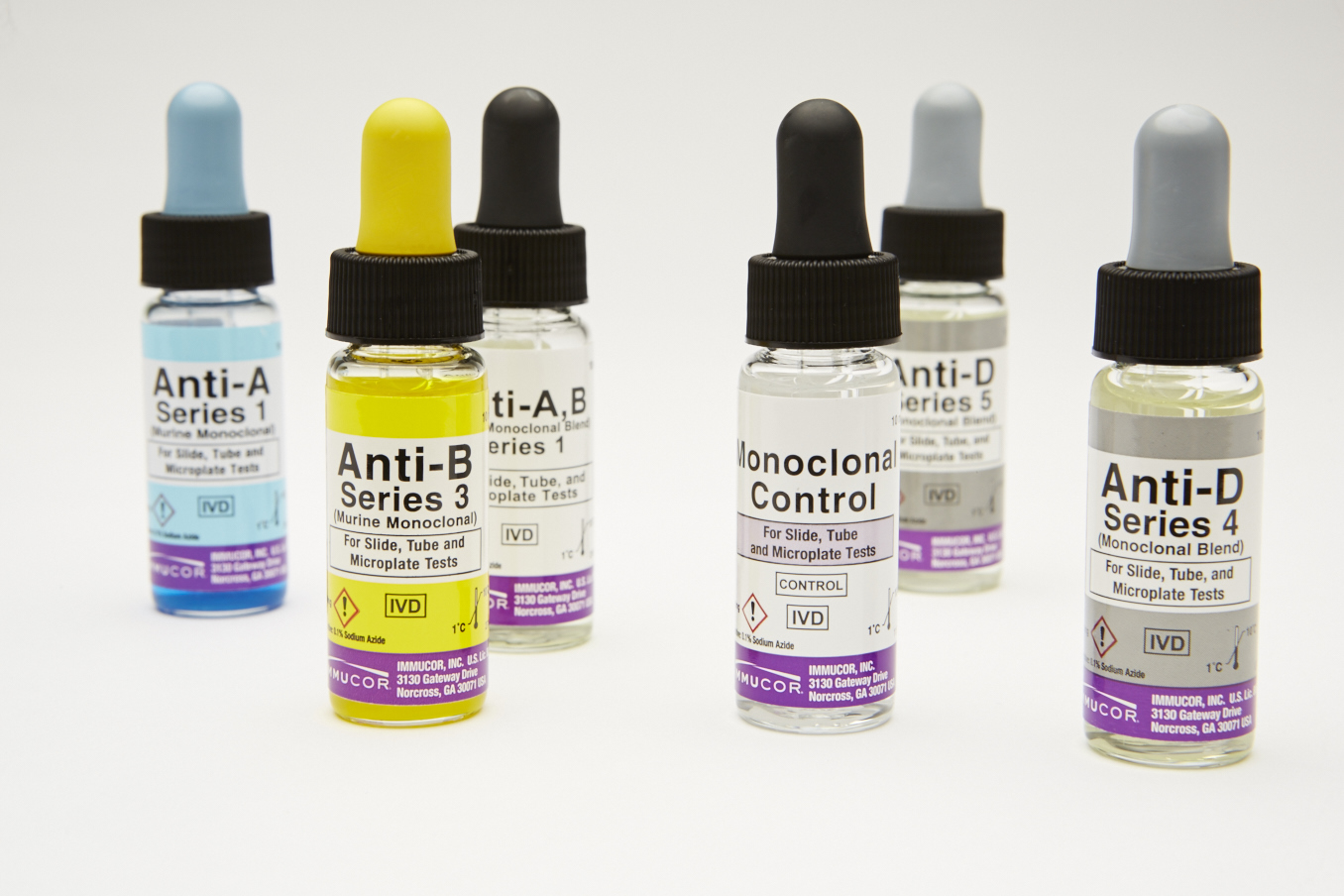
Blood typing reagents laboratory
These events were rare but stubborn. They hinted at antigens — the molecules on the surface of red blood cells that the immune system recognizes — that had escaped classification. Without a clear label or reliable diagnostic tests, clinicians could not integrate the risk into standard screening protocols. That ambiguity left patients exposed to unexplained harm and kept researchers intrigued.
THE DISCOVERY: WHAT WAS FOUND
Working across immunology, molecular genetics and clinical hematology, investigators traced the mystery to a distinct antigen expressed on certain red blood cells. The antigen is produced by a specific variant of a gene involved in cell-surface glycoprotein modification. In practical terms: some people carry a slightly altered protein on their red blood cells that, in a minority of recipients or in some pregnancies, is interpreted by another person's immune system as foreign.
What makes this finding consequential is threefold. First, the antigen is sufficiently immunogenic in some individuals to trigger antibody formation with clinical effects. Second, the antigen evaded detection by routine typing reagents because its expression can be subtle or variable. Third, the genetic variant that encodes it has a geographically patchy distribution — accounting for the sporadic nature of historically reported cases.
This discovery turns a half-century of clinical head-scratchers into a solvable problem — and gives blood services a chance to prevent harm.
HOW THE TEAM SOLVED IT
A patient-led breadcrumb trail
The breakthrough began in clinical labs where unusual antibody screens prompted deeper investigation. In a handful of transfusion reactions and two puzzling neonatal hemolytic cases, standard antibody panels were negative for known specificities. Instead of writing these off as anomalies, clinicians and laboratorians collected linked samples: blood from the affected patient, serum from the reacting individual, and, when available, family members' samples.
Combining serology with modern genetics
Investigators paired precise serologic testing with whole-exome sequencing and targeted assays. On the serology side, they used adsorption-elution techniques and expanded reagent panels to isolate the reactive factor — a laborious process that involves removing known antigens and testing whether the remaining surface properties still provoke the antibody. On the genetic side, they searched for rare variants in genes known to affect red cell surface proteins and glycosylation pathways.
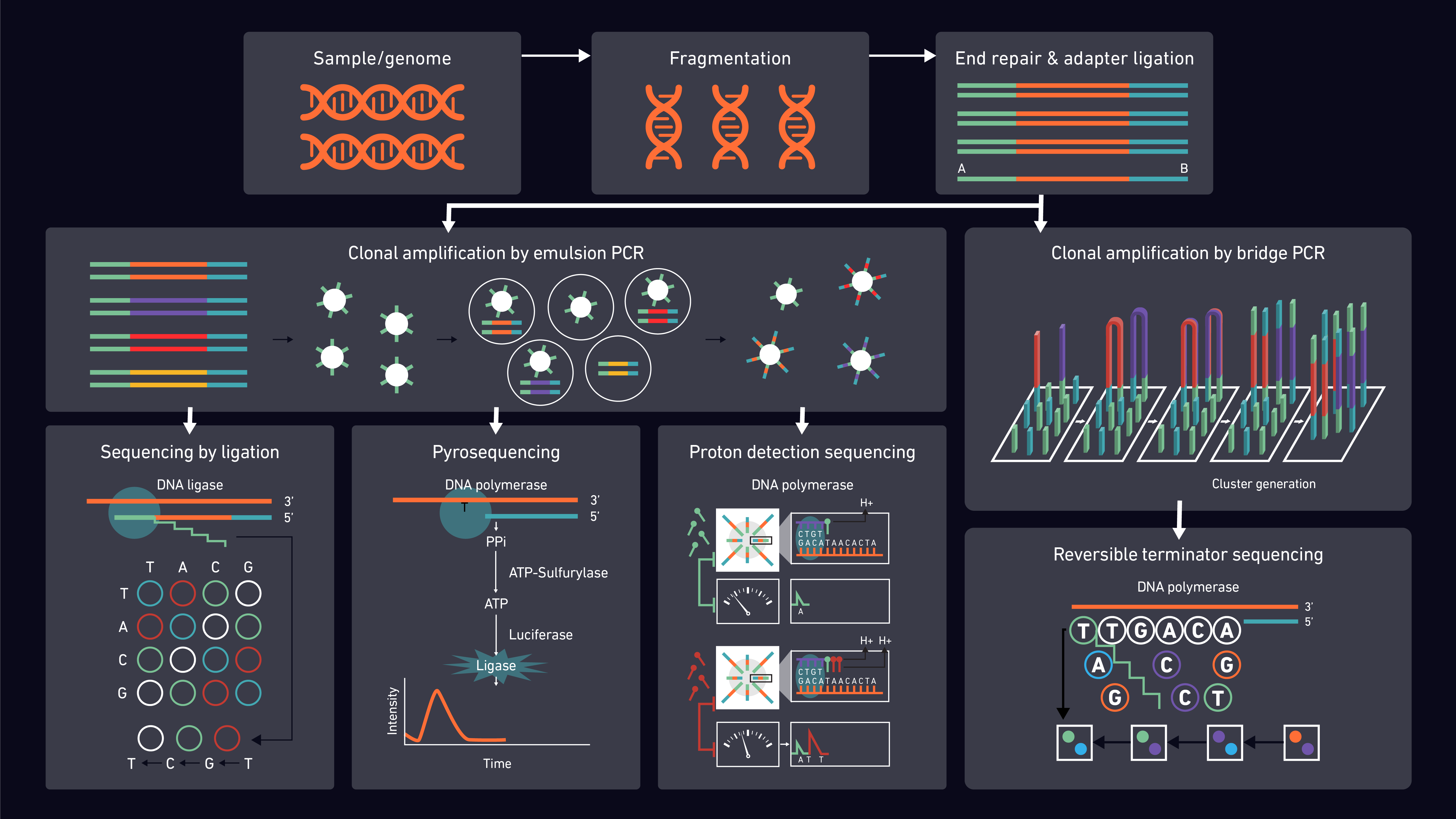
DNA sequencing molecular genetics
The convergence was decisive: a consistent genetic alteration was present in donors and family members whose red cells carried the reactive antigen. Lab reconstitution experiments — introducing the variant into cell lines — produced the same surface antigen and elicited the same antibody reactions in controlled assays. That closed the loop from clinical observation to molecular cause.
WHAT THE NEW BLOOD GROUP MEANS PRACTICALLY
For transfusion medicine
Blood banks screen donors and crossmatch blood to prevent transfusion reactions. The discovery means that, for patients with unexplained antibody reactivity, blood banks will now have a specific test to identify compatible units. That improves safety for patients who carry antibodies to this new antigen and reduces the risk of late-onset hemolytic reactions, which can be life-threatening or lead to extended hospitalization.
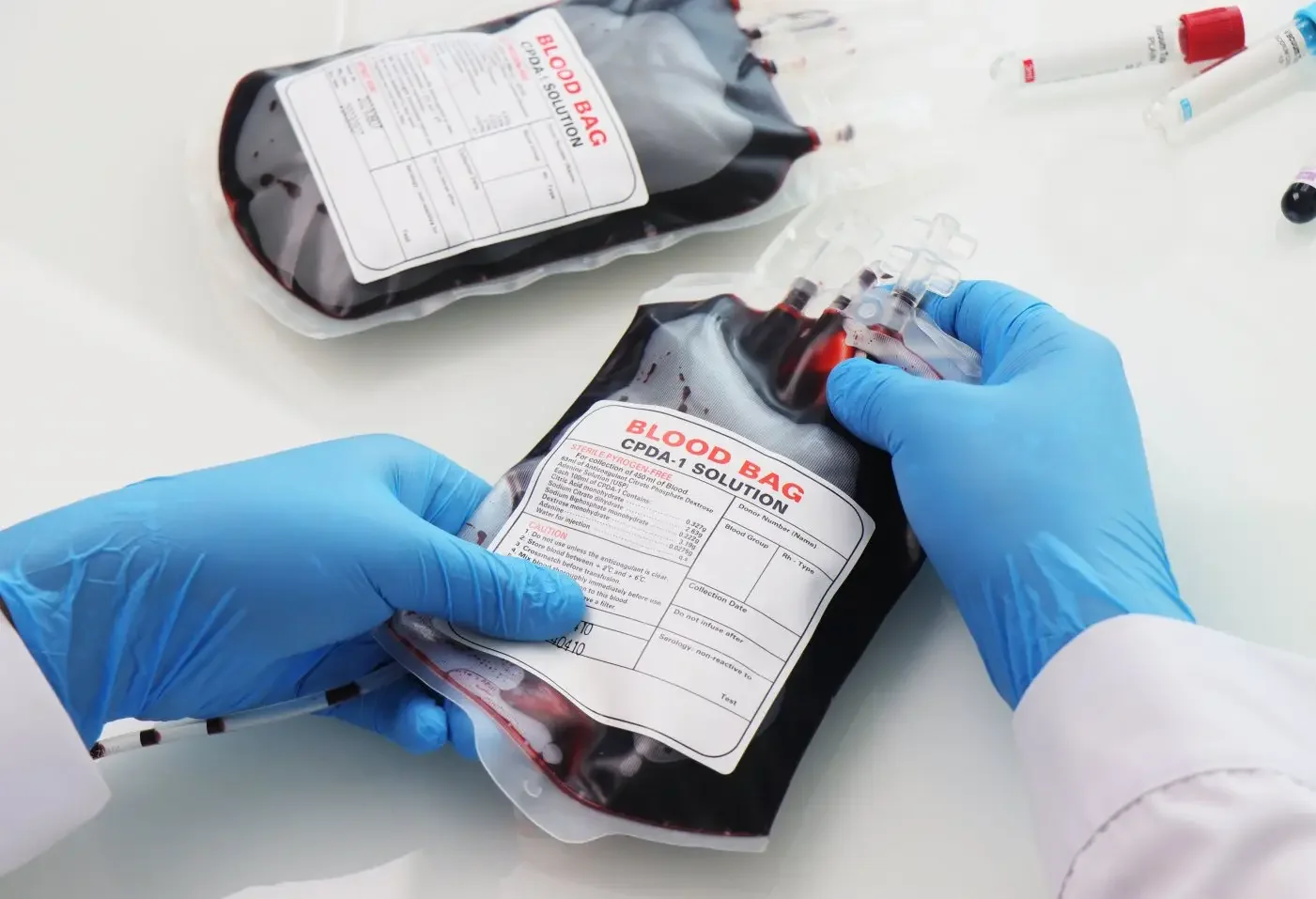
Transfusion medicine blood bags
For prenatal care
Pregnant people who lack a given antigen can form antibodies if the fetus expresses it, potentially causing hemolytic disease of the fetus and newborn in subsequent pregnancies. The new blood group will be folded into prenatal antibody screening algorithms for cases with unexplained fetal anemia or neonatal jaundice. Early identification permits closer fetal monitoring, targeted interventions such as intrauterine transfusion when necessary, and planning for postnatal care.
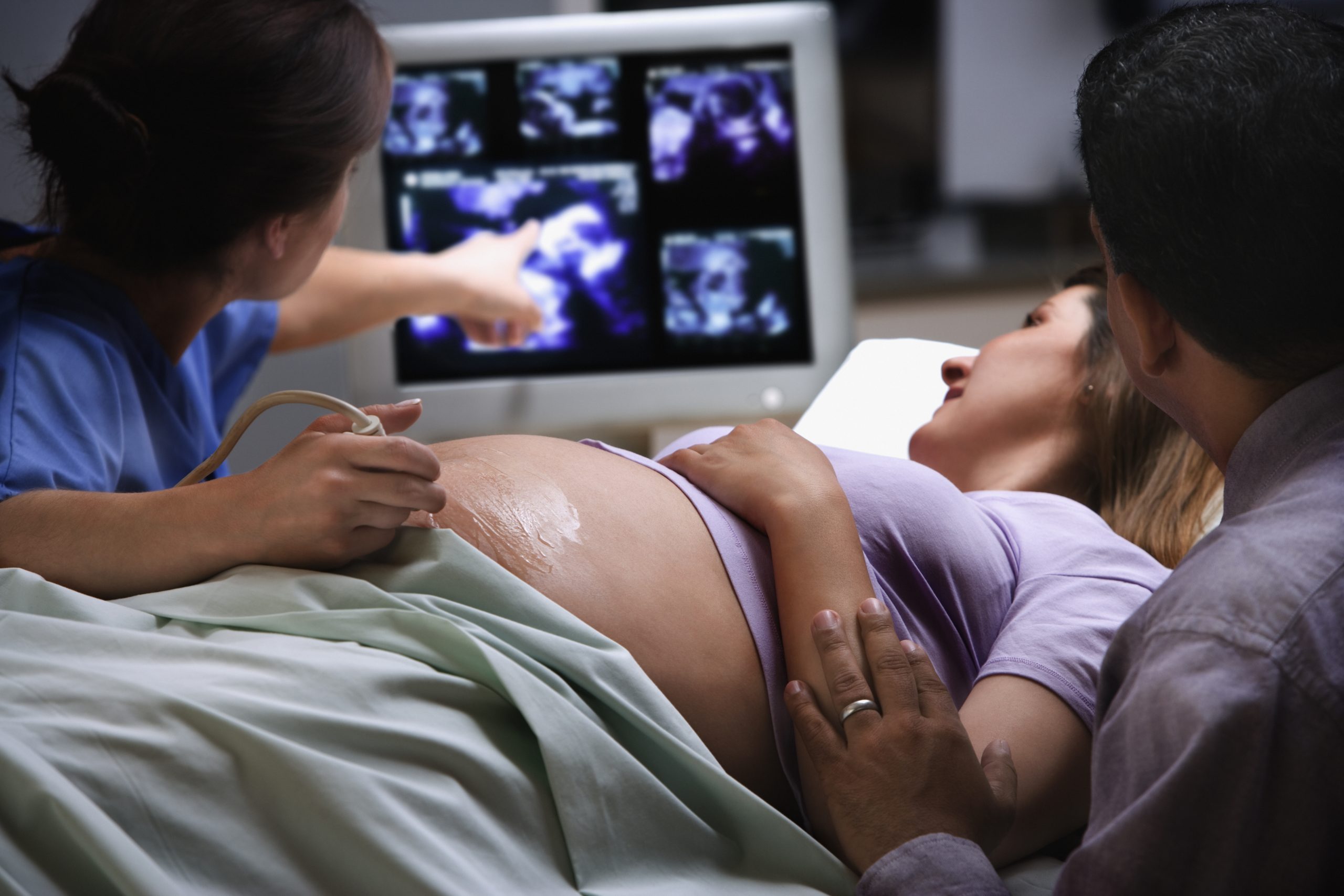
Prenatal ultrasound monitoring
For population health and donor recruitment
The gene variant has a nonuniform distribution. That means certain populations or communities may have higher frequencies of the antigen. Blood services will need to map its prevalence and, where relevant, recruit and type donors from those groups to maintain an inventory of compatible units. This is a familiar process — blood banking adapted to rare antigens after the discovery of other clinically important systems — but it requires resources and coordinated public health planning.
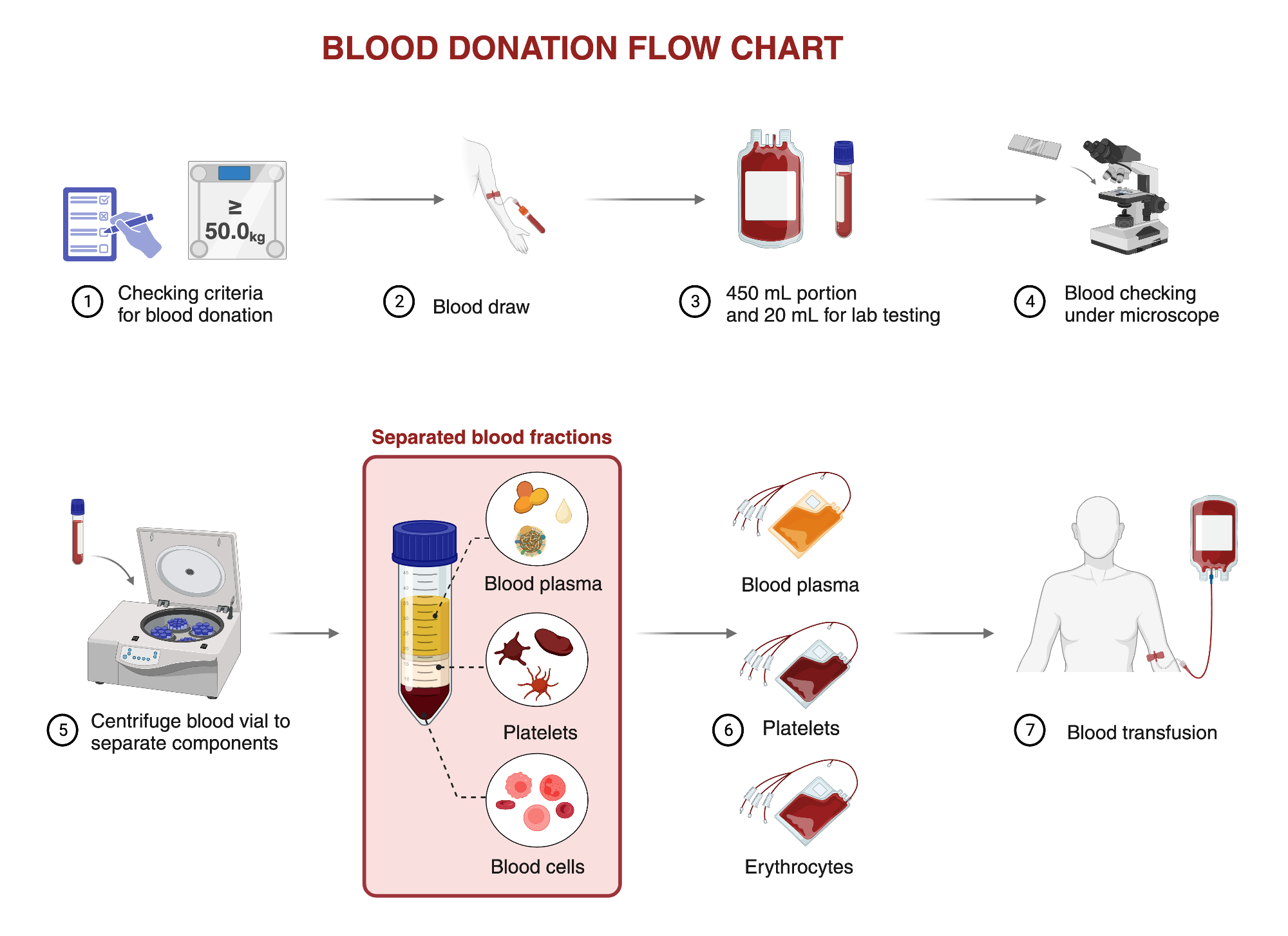
Blood donor screening process
HOW LABS WILL TEST FOR IT
Three complementary approaches will be used: serologic reagents that detect the antigen on red blood cells, molecular tests that identify the underlying genetic variant, and functional assays that determine whether a person's serum contains antibodies against the antigen. Each method has advantages: serology is fast and inexpensive, molecular testing is definitive and useful for donor screening, and functional assays are necessary to confirm clinical significance in reactive cases.
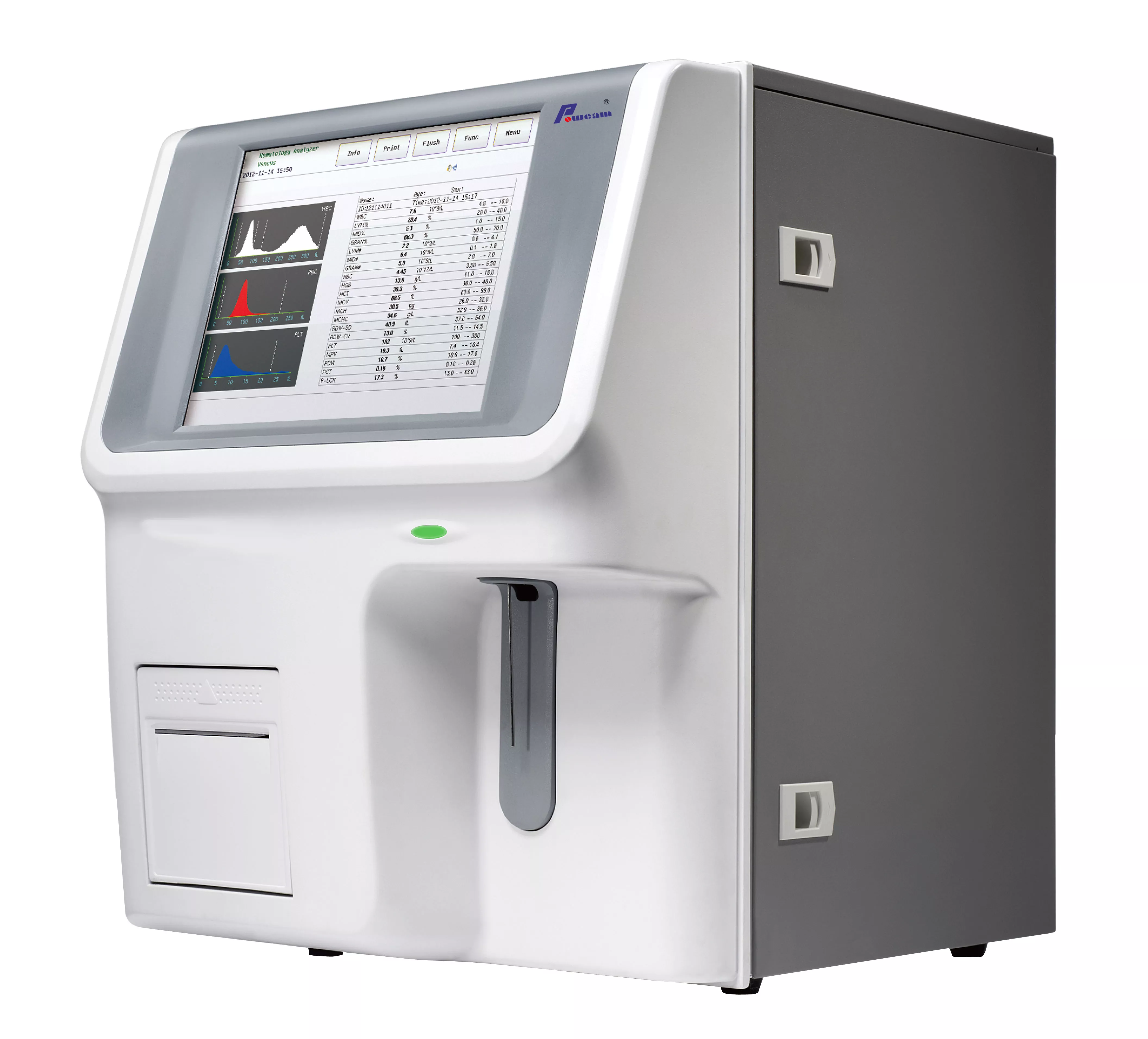
Hematology laboratory equipment
Early rollout will likely focus on reference laboratories and specialized transfusion centers. Over time, as commercial reagents and molecular kits become available, testing will spread to regional blood banks and hospital laboratories.
TECHNICAL NOTE: WHAT THE ANTIGEN IS
The antigen is a structural epitope — a specific molecular shape on a cell-surface glycoprotein altered by a genetic variant. Its visibility to the immune system depends on how that protein is folded and presented on the red cell membrane, which explains why routine reagents sometimes missed it. The underlying biology links to known pathways of post-translational modification: small changes in a single amino acid can alter how sugar molecules attach to the protein surface, revealing or hiding antigenic patterns.
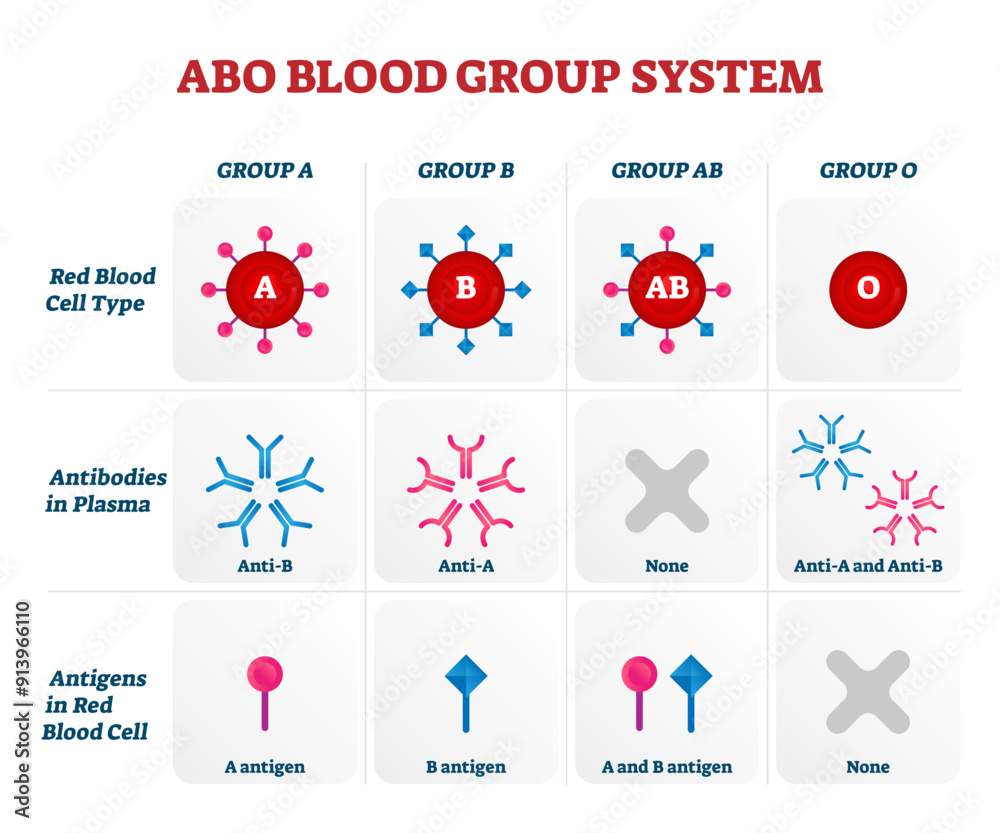
Red blood cells antigens
While the discovery team assigned a provisional antigen designation for use in clinical reports, the longer process of formal naming and classification through international immunohematology authorities will follow. That process ensures consistent nomenclature across labs globally and determines whether the antigen is added to routine typing panels.
POTENTIAL CHALLENGES AND LIMITATIONS
Logistics and equity
Identifying a new blood group is the first step; integrating it into practice is the harder part. Resource-limited regions may lag in adopting tests, leaving some populations vulnerable. There is also a risk of overtesting — screening every donor and recipient indiscriminately — which could strain supplies and budgets. A targeted approach, guided by clear clinical criteria, will be necessary.
Unanswered clinical questions
Key unknowns remain: the true frequency of clinically significant antibody formation, the full geographic and ethnic distribution of the variant, and the long-term outcomes for affected neonates and transfusion recipients. Prospective surveillance and registry studies will be needed to quantify risks and refine guidelines.
ETHICAL AND SOCIAL CONSIDERATIONS
Any time a trait is more common in particular communities, public health responses must be sensitive. Recruitment drives to identify compatible donors should avoid stigma and protect donor privacy. Genetic testing raises questions about incidental findings and counseling: when molecular screening reveals carrier status, what obligations do clinicians have to inform family members? Policies must balance transparency, autonomy and the prevention of discrimination.
WHAT COMES NEXT
In the short term, the priority is translating the discovery into practice: developing reliable serologic reagents, validating molecular assays, and updating transfusion and prenatal screening protocols. Training and guidance for clinicians and laboratorians will be essential to ensure correct interpretation and avoid unnecessary alarm.
In the medium term, researchers will study population distribution, evolutionary history and whether the variant influences other health traits. Sometimes, antigens that pose risks in transfusion contexts also reveal previously unknown roles in immunity or disease susceptibility. Understanding those links could lead to broader insights in human biology.
A new blood group is not just another entry in a textbook; it is a living clinical problem and a chance to make care safer.
CONCLUSION: A PRACTICAL BREAKTHROUGH
The identification of a new human blood group resolves a long-standing clinical mystery and immediately improves the tools clinicians have to protect patients. It is a reminder that even in well-trodden areas of medicine, careful observation and multidisciplinary science can produce discoveries with tangible benefits. As labs adopt new tests and blood services adjust their donor strategies, the discovery will translate into fewer unexplained reactions, better prenatal care and a deeper understanding of human genetic variation.
- Discovery: Researchers identified a previously unrecognized antigen responsible for unexplained transfusion reactions and some cases of neonatal hemolytic disease.
- Impact: The finding allows targeted testing for compatibility, improving transfusion safety and prenatal management.
- Implementation: Labs will use serologic, molecular and functional assays; initial rollout will focus on reference centers.
- Equity: Mapping the antigen's distribution and protecting donor privacy are essential to an ethical response.
For patients and clinicians, the news is straightforward: a mystery that lasted half a century has a solution, and with it comes the means to prevent harm. For scientists, it is a prompt to look again at the familiar and ask what other small, hidden variations in our biology might be waiting to be discovered.