
Scientists Make Quantum Operations 1,000× Faster
The headline — a thousandfold speed-up in certain quantum operations — sounds like the kind of leap that rewrites roadmaps. But in emerging technology, big numbers require careful translation from the lab to the real world. This feature walks through what the improvement actually is, how researchers achieved it, which parts of quantum computing it affects, and the likely near-term and long-term consequences for science, industry, and everyday technology.
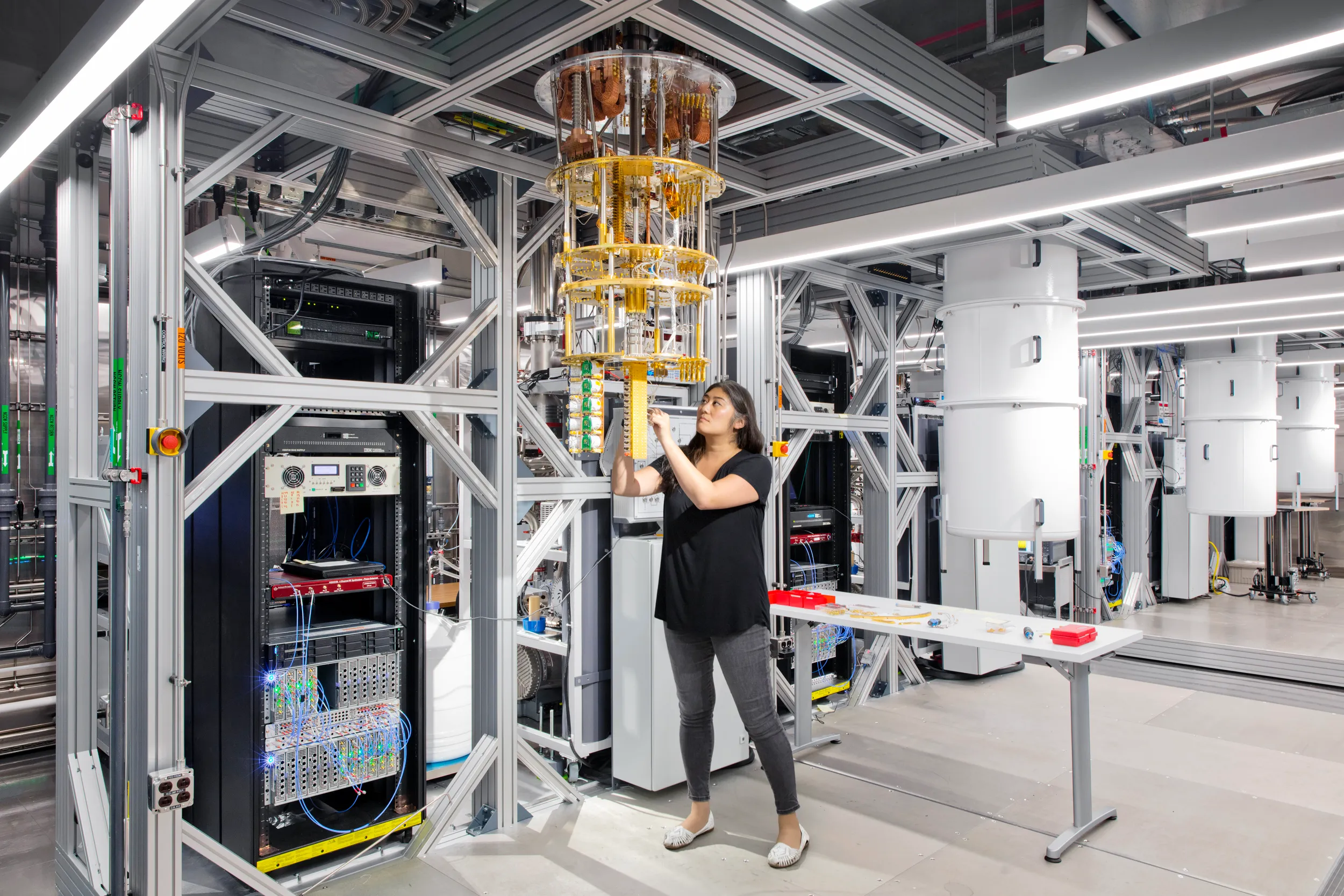
quantum computing research lab
What the Claim Means
Saying quantum operations are "1,000 times faster" can mean several different things depending on context. A quantum operation might be:
- a single physical gate (a pulse or interaction that flips or entangles qubits),
- a compiled logical operation (a combination of many gates that implements a higher-level instruction), or
- a full algorithmic run (a sequence of operations, measurement and classical processing).
In practice, the most meaningful interpretation for engineering and scaling is the speed of the low-level physical gates — the microscopic pulses and couplings that implement qubit rotations and entangling operations. A 1,000× reduction in the time required for those pulses can change how long an algorithm runs, how vulnerable a system is to decoherence, and how many gates can be executed inside a qubit’s coherence window.
How Researchers Achieved the Speed-Up
The path to big improvements in gate speed usually blends three technical moves: smarter control waveforms, improved hardware coupling, and better error mitigation. The breakthrough reported — summarized here as a thousandfold effective speed-up — is best understood as a combination of those advances rather than a single magic trick.
1. Shaping control pulses to exploit dynamics
Quantum systems respond to time-varying control fields in complex ways. Instead of driving a qubit with a simple square or Gaussian pulse, researchers tailor the waveform to steer the quantum state through paths that minimize unwanted excitations and leakage. Advanced pulse shaping techniques use analytic solutions from control theory or numerical optimization to compress the operation time while keeping errors low.
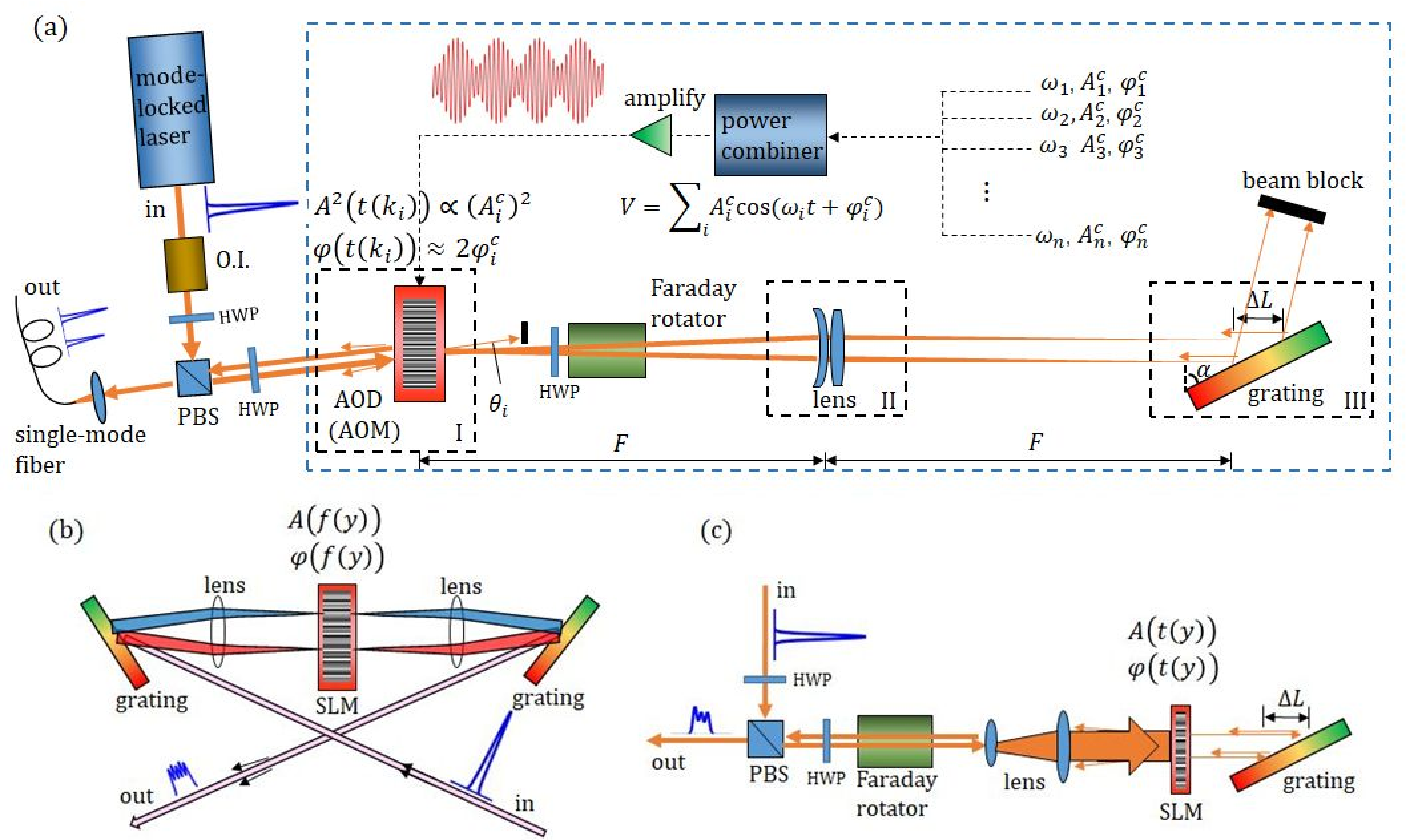
quantum gate pulse shaping
2. Engineering stronger — but cleaner — interactions
Faster operations require stronger coupling between qubits (or qubits and control elements). Engineering a coupling that’s both large and controllable reduces gate time but risks introducing cross-talk and additional noise. The breakthrough combines engineered couplers with dynamic decoupling and filtering so that short, intense interactions occur only when desired.
3. Co-design of hardware and software
When hardware and software are designed together — for example, when electronics, microwave control, and compiler-level scheduling are optimized in tandem — performance improves multiplicatively. Faster control electronics and tighter integration with the quantum instruction scheduler can eliminate idle times and reduce instruction overhead, producing an effective system-level speed-up far larger than the gate-level change alone.

quantum control electronics
A thousandfold improvement is plausible as an effective, system-level gain when multiple improvements compound: shorter pulses, lower overhead, and fewer required error-correction cycles.
What "1,000× Faster" Looks Like Practically
Imagine a two-qubit entangling gate that used to take 100 nanoseconds. A literal 1,000× reduction would move that to 0.1 nanoseconds, a physically unrealistic number for many technologies. More often, the claim means one of these realistic outcomes:
- Gate compression: The same physical gate time drops from 100 ns to a few ns, reducing exposure to decoherence.
- Effective algorithm speedup: Compiler and pulse-level improvements cut many routine overheads, making full algorithm runs hundreds or thousands of times faster than previous implementations on the same hardware.
- Fewer error-correction steps: Higher-fidelity, faster gates reduce the number of error-correction cycles required to achieve a logical operation, giving an effective multiplicative speed advantage.
In short, the headline figure is meaningful when it describes combined, system-level gains rather than a single physical constant being rescaled by 1,000.
Which Platforms Benefit Most
Not every quantum platform will see the same gain. Superconducting qubits, trapped ions, neutral atoms, spin qubits, and photonic systems all have different bottlenecks:
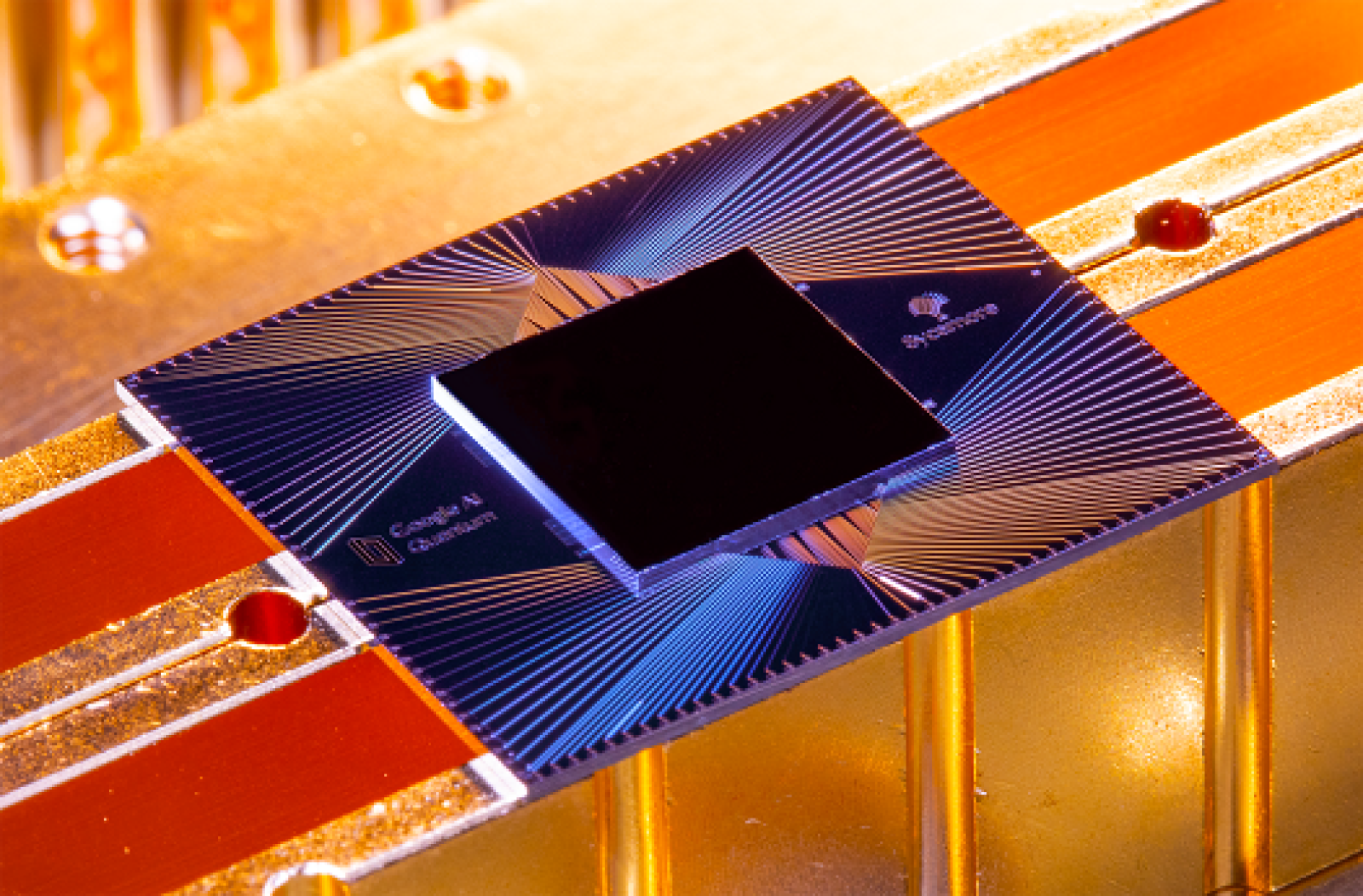
superconducting quantum processor
- Superconducting qubits can benefit greatly from faster microwave control and engineered couplers; pulse optimization maps directly onto these systems.
- Trapped ions are limited by vibrational mode speeds; clever laser pulse shaping and motional-mode engineering can substantially compress gate times but face different technical limits.
- Neutral atoms and Rydberg gates show promise for fast entangling operations via strong, tunable interactions, and pulse techniques can yield large relative speed-ups.
- Spin qubits depend on electrical control and materials engineering; gains here may be more incremental but still important for scale.
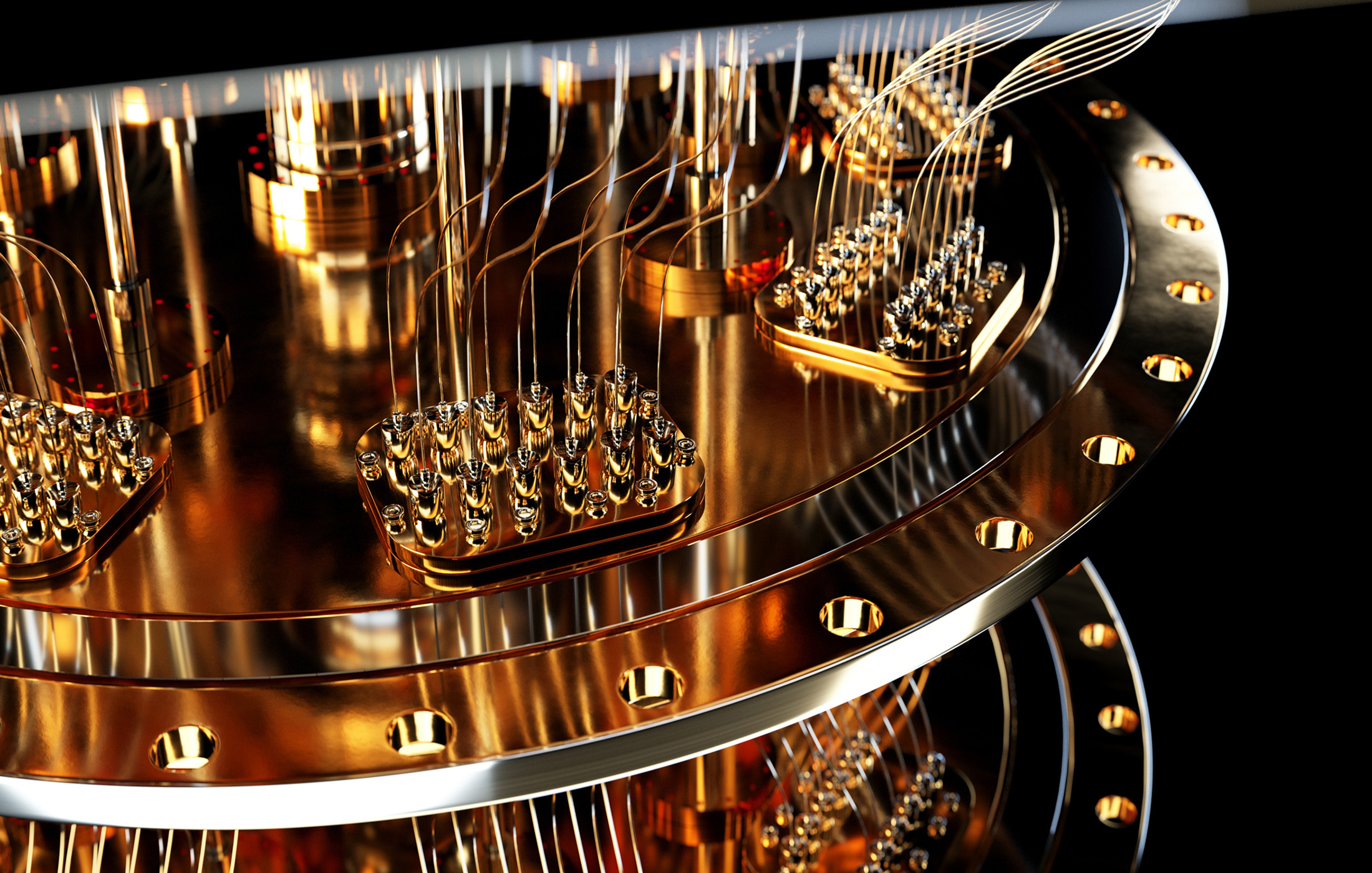
trapped ion quantum computer
So while a 1,000× improvement might be headline-worthy in one platform, the same techniques often inspire cross-platform improvements through shared control and compilation ideas.
Benefits Beyond Raw Speed
Faster operations alter the design trade-offs of quantum systems:
- Better use of coherence: If gates are faster than decoherence times by a comfortable margin, circuits can be deeper without error correction.
- Lower error-correction overhead: Fewer correction cycles reduce the physical-qubit cost of encoding logical qubits, improving effective qubit density.
- New algorithm designs: Some algorithms are latency-sensitive and benefit directly from shorter gate times; others depend mostly on gate count and remain unchanged.
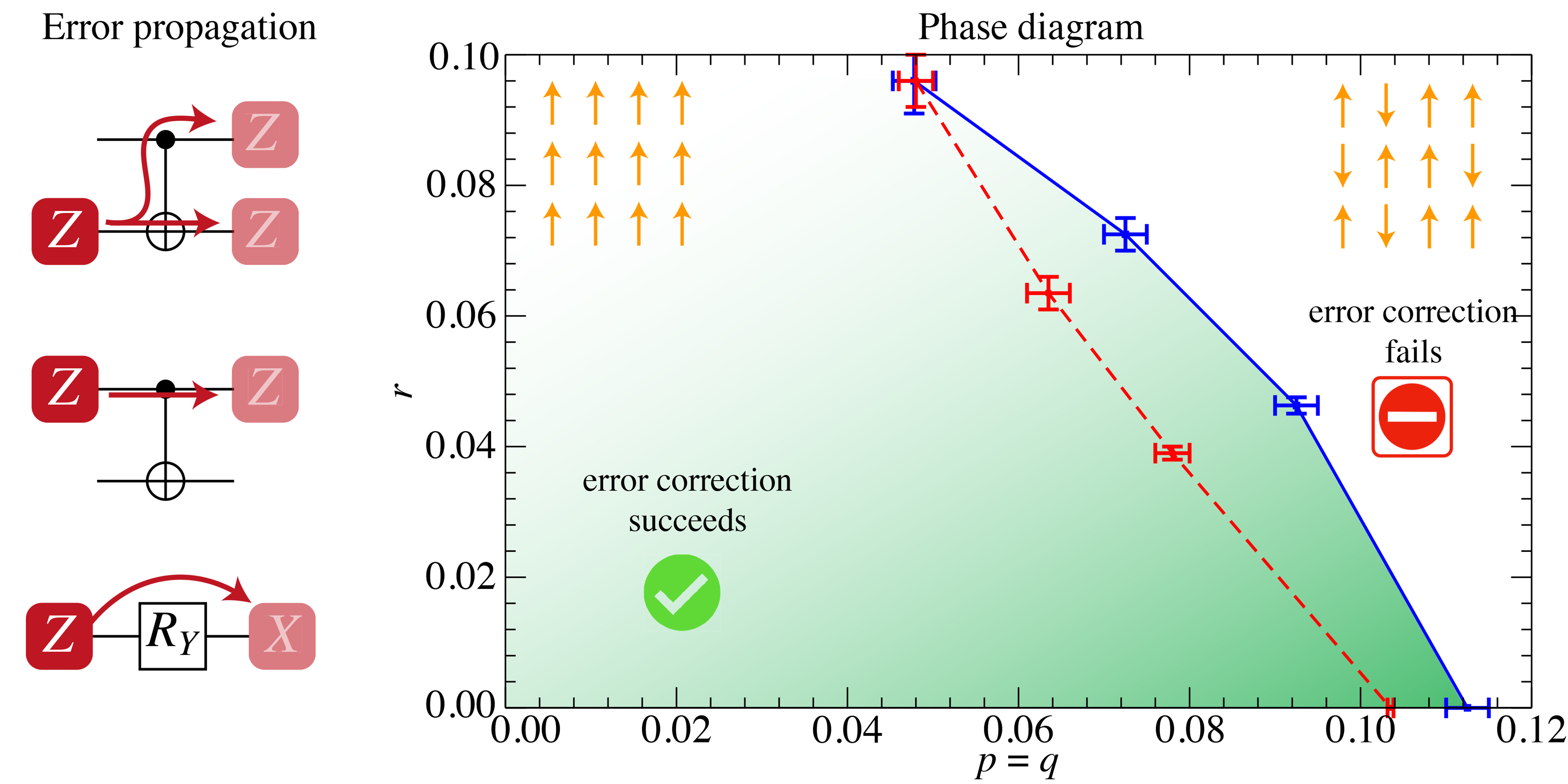
quantum error correction circuits
For organizations building near-term quantum advantage demonstrations, a combined reduction in gate time and overhead often translates to practical speed gains in quantum simulation, optimization heuristics, and quantum-assisted machine learning.
Limitations and Caveats
- Coherence ceiling: Speed cannot exceed physical limits set by the system; there’s a floor below which pulse shaping and stronger coupling start to create more error than they solve.
- Thermal and control noise: Short, intense pulses can heat control lines or excite undesired modes, introducing new error channels.
- Scalability: Techniques that work on a few qubits may be hard to scale across dozens or hundreds because of cross-talk and control-channel density.
- Application scope: Not every quantum algorithm benefits proportionally from faster gates; improvements are algorithm-dependent.
Caution A 1,000× speed-up in lab demonstrations does not automatically mean large-scale, fault-tolerant quantum computers will be 1,000× faster next year. Scaling introduces separate challenges.
Practical Applications That Could Move Faster
Certain classes of quantum workloads are particularly sensitive to gate time and could see meaningful near-term benefit:
- Quantum simulation of chemistry and materials — where circuit depth maps to simulated time evolution and shorter gates allow longer simulations before decoherence ruins fidelity.
- Variational quantum algorithms (VQE, QAOA) — these hybrid routines run many short circuits; reducing the time per circuit accelerates overall runtime and enables wider parameter sweeps.
- Realtime quantum sensing — faster operations can tighten sensing cycles and improve bandwidth for applications like magnetometry.
These examples show where a system-level 1,000× improvement could be transformative rather than merely impressive.
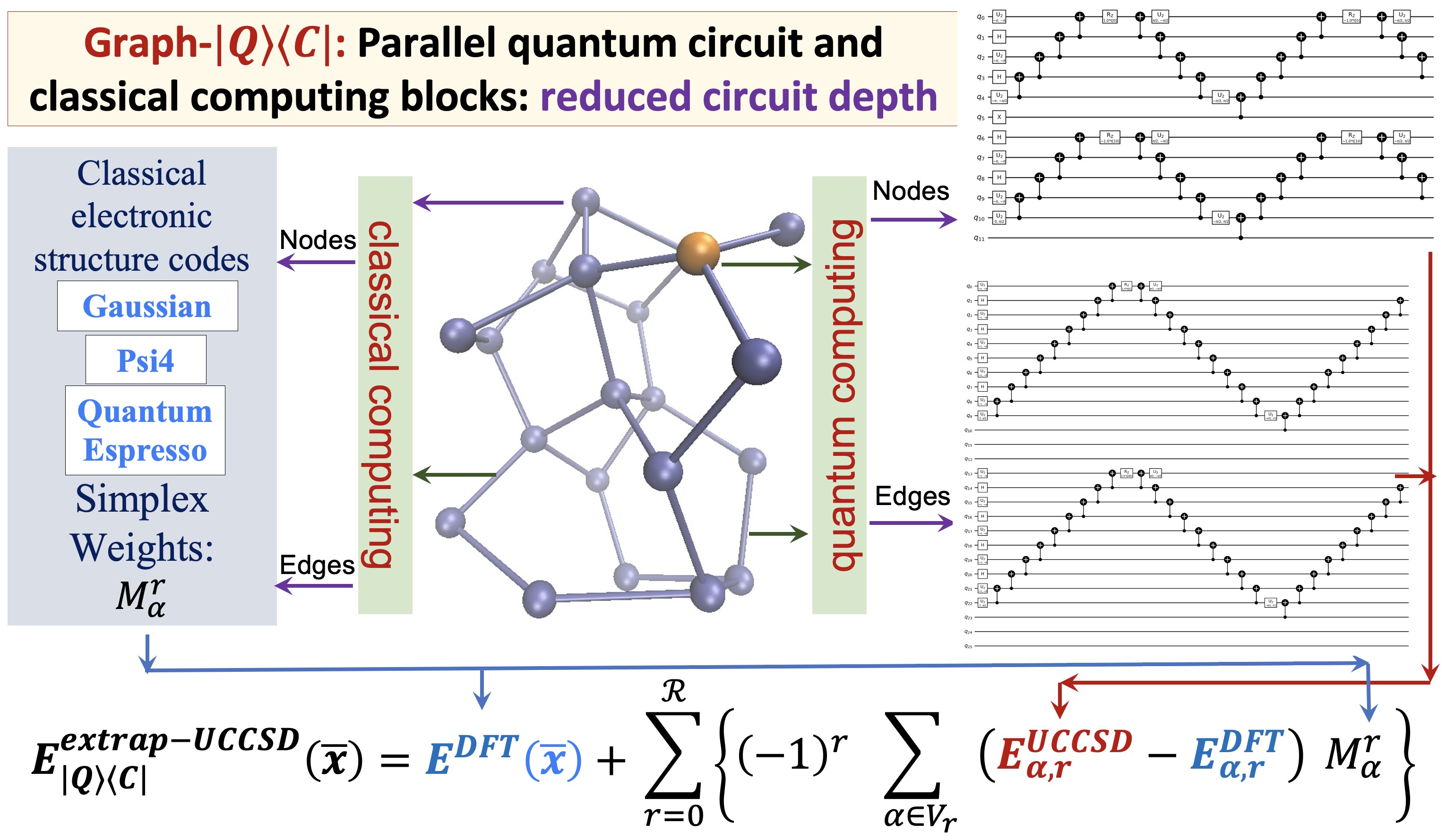
quantum algorithm visualization
What This Means for Industry Roadmaps
Technology roadmaps from companies and national labs balance physics, engineering, and economics. A sustained, reproducible set of techniques that shorten gate times and reduce error-correction overhead shifts three things:
- Cost curves: Fewer physical qubits per logical qubit reduces fabrication and operational costs.
- Time to milestones: Demonstrations of algorithmic advantage could arrive earlier for constrained, application-specific tasks.
- Competitive dynamics: Teams that integrate hardware, control electronics, and compilers will have a significant lead, making co-design a key competitive moat.
But roadmap shifts require reproducibility, independent verification, and the ability to scale control systems — nontrivial barriers that temper short-term predictions.
Research and Commercial Hurdles Remaining
To move from impressive demos to used technology, several engineering problems must be solved at scale:
- Integrated control electronics: Fast pulses need high-bandwidth, low-noise electronics that can be deployed at scale and operate near the cryogenic environment of many qubit systems.
- Cross-talk management: Denser control wiring increases interference — both electrical and thermal — that must be mitigated.
- Standardized benchmarks: The community needs reproducible benchmarks that measure the combined effect of speed, fidelity, and scalability rather than single-number gate times.
Timeline to Practical Impact
Predicting when a lab breakthrough becomes usable technology is tricky. Assuming the new techniques are real, reproducible, and can be engineered at scale, plausible stages are:
- 6–18 months: Replication across multiple academic labs and some industrial groups; refined pulse libraries and initial cross-platform demonstrations.
- 18–36 months: Integration into select industry testbeds; early demonstrations of improved VQE or QAOA runtimes on hundreds of physical qubits (application-specific).
- 3–7 years: Broader deployment in commercial prototypes if scalable control electronics and error mitigation scale with qubit count.
These schedules are speculative but reflect the time required to move from controlled experiments to reliable, manufacturable technology.
Ethics, Security, and Economic Considerations
Faster quantum operations change the threat and opportunity landscape:
- Cryptography timeline: Faster, more capable quantum processors could shift expectations for when quantum-resistant cryptography must be widely deployed. However, many cryptographic risks depend on scale (number of error-corrected logical qubits) as much as speed.
- Workforce and investment: An acceleration in capabilities likely increases demand for quantum engineers, control-electronics expertise, and specialized manufacturing.
- Geopolitics: Nations and firms may accelerate funding and partnerships to capture lead positions, increasing strategic competition.
Conclusion: Balanced Optimism
The announcement of a thousandfold speed-up in quantum operations is exciting and potentially game-changing — but context matters. When pulse shaping, stronger couplers, and system-level co-design combine, the resulting effective speed-up across algorithms can indeed look like three orders of magnitude. That doesn’t mean every quantum workload or every platform will immediately inherit a 1,000× smaller wall-clock time.
What matters most is reproducibility and scalability. If the techniques behind the headline can be adopted across platforms and into engineered control systems, they will change trade-offs in hardware design, reduce error-correction burdens, and open new near-term application windows for quantum simulation and hybrid algorithms.
The breakthrough reframes what’s possible: not an overnight revolution, but a significant acceleration in a technology that already moves quickly.
- "1,000× faster" is typically a system-level, compounded gain, not a literal shrinking of every gate by that factor.
- Pulse shaping, engineered couplers, and hardware–software co-design drive the improvement.
- Practical impacts depend on reproducibility, scalability, and application type (simulation and variational algorithms benefit most).
- Significant engineering work remains before large-scale, fault-tolerant quantum computers realize the full promise.
Final Thought
Breakthroughs like this are the moments that transform long-term optimism into focused engineering programs. For researchers, funders, and engineers, the immediate course of action is clear: replicate, measure against robust benchmarks, and design for scalability so that lab miracles become reliable tools for science and industry.