Palantir CEO Warns AI Will ‘Destroy’ Humanities Jobs — What It Means
The headline landed like a provocation: a high-profile tech CEO said AI will “destroy” humanities jobs. For many the phrase felt like a two-word diagnosis of an existential threat; for others it was a blunt invitation to clarify which jobs, why, and what — if anything — should be done about it. The truth is messier than the sound bite. This article parses the claim, separates the rhetoric from measurable risk, and maps a practical pathway for workers, institutions, and policymakers who are confronting a future in which powerful AI systems are increasingly competent at language, pattern recognition, and creative synthesis.
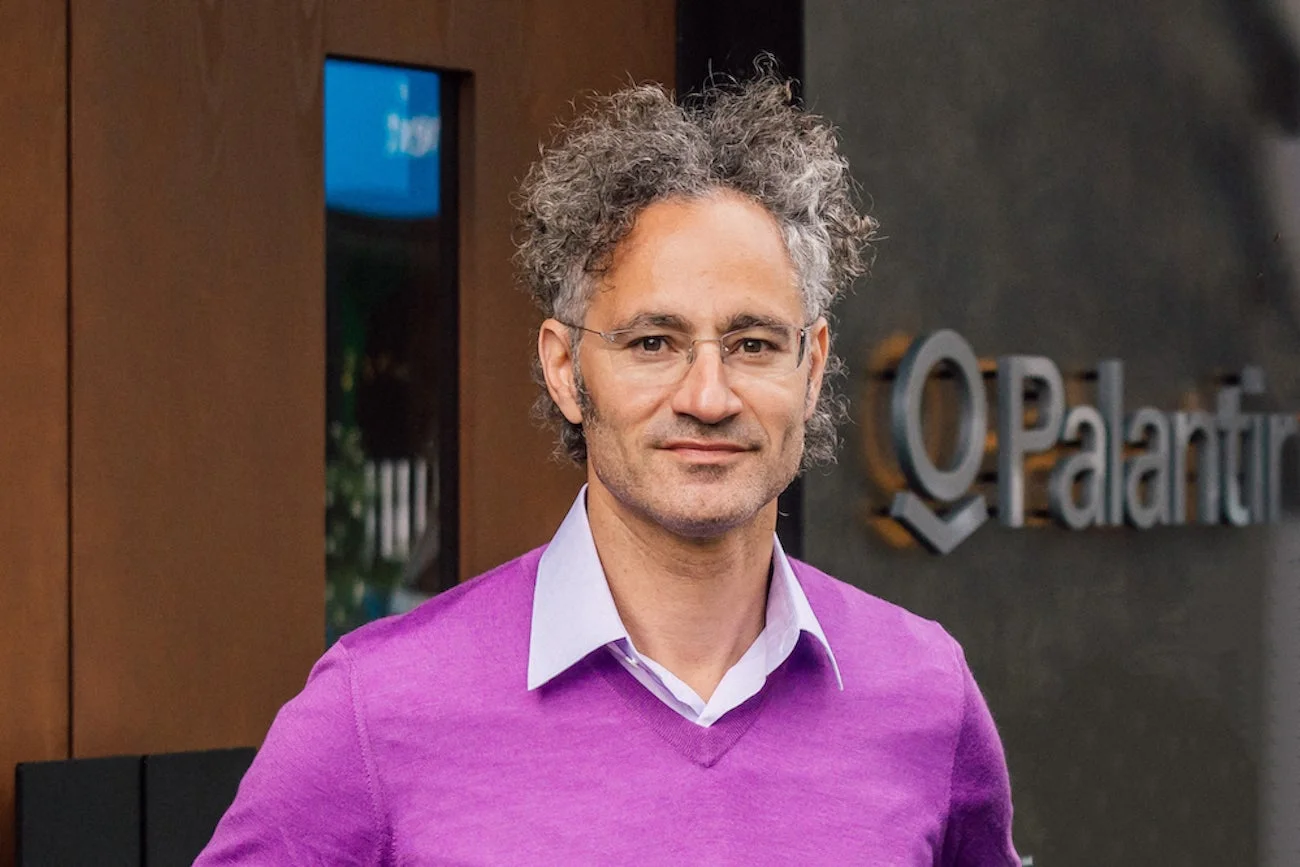
Palantir CEO Alex Karp
What Was Said — Context and Consequences
At stake in the comment is more than semantics. When an influential CEO frames AI as an agent that will “destroy” certain kinds of employment, it shapes investor expectations, hiring decisions, and policy debates. Headlines amplify the fear that trained historians, philosophers, writers, and other humanities practitioners will be replaced by machines that generate text, analyze documents, or create curriculum at scale. That leads employers to rethink hiring mixes, universities to reconsider program size, and students to weigh majors against market signals.
Understanding the Claim: Tasks vs. Jobs
One of the most important clarifications is this: automation targets tasks, not entire occupations in one clean sweep. Humanities roles are composed of many discrete tasks — research, summarization, teaching, editing, translation, argumentation — and some of those tasks are more automatable than others. Historically, automation has compressed the time spent on routine tasks and allowed humans to focus on higher-level judgement, relationship-building, and contextual reasoning. The pressing question is which tasks in humanities roles are susceptible to rapid replacement, and which will continue to demand human intervention.
The future won’t simply be humans or machines; it will be humans designing, supervising, and giving meaning to machine outputs.
Why Humanities Jobs Feel Vulnerable
There are several reasons humanities fields appear particularly exposed to AI advances.
- Language proficiency: Large language models now generate fluent prose, summaries, and translations that were once the exclusive domain of trained writers and translators.
- Pattern and sentiment analysis: Tasks like content moderation, thematic coding of qualitative interviews, or extracting arguments from text can be accelerated by AI tools.
- Scale and cost: Organizations will always explore lower-cost substitutes for expensive human labor, and AI promises scale with marginal cost close to zero.
But vulnerability does not mean inevitability. Each of these areas contains boundaries where human sensitivity, ethical judgment, and domain knowledge resist automation.
Which Humanities Roles Are Most at Risk?
Not all humanities work is equally exposed. Roles with high volumes of routine or repeatable tasks are most vulnerable in the near term. Examples include:
- Translators doing straightforward text conversion: Machine translation has reduced the need for human translators for low-stakes content, though nuance and cultural adaptation still require people.
- Basic copywriting and content repurposing: Templates, product descriptions, and short-form marketing content are increasingly produced by AI.
- Document summarization and indexing: Paralegal tasks like document triage or initial summarization can be sped up by automated tools.
Conversely, humanities roles that center on original interpretation, ethical deliberation, mentorship, and relationship-driven work — university professors who supervise doctoral research, curators building context around artifacts, therapists and counselors drawing on human empathy — are less likely to be fully replaced.
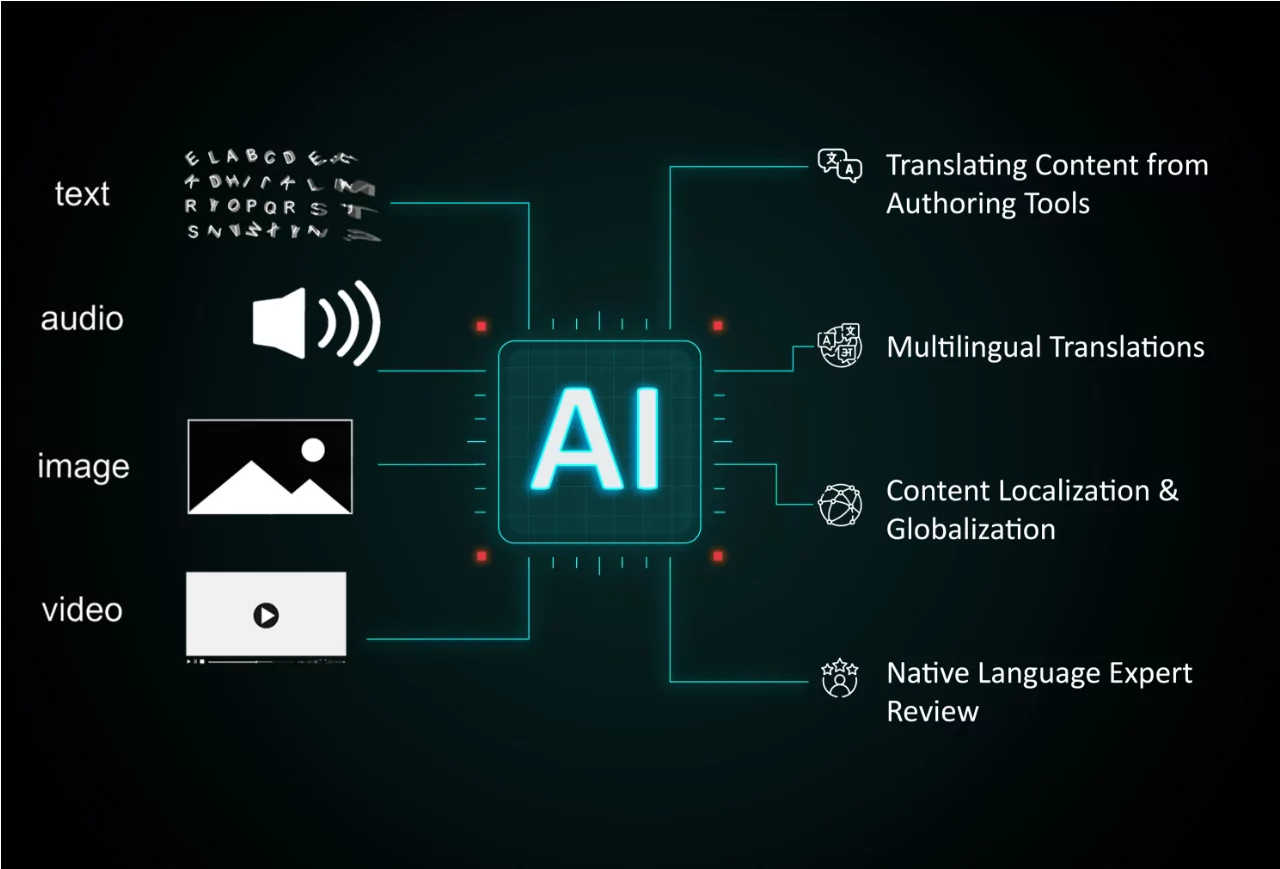
AI translation automation
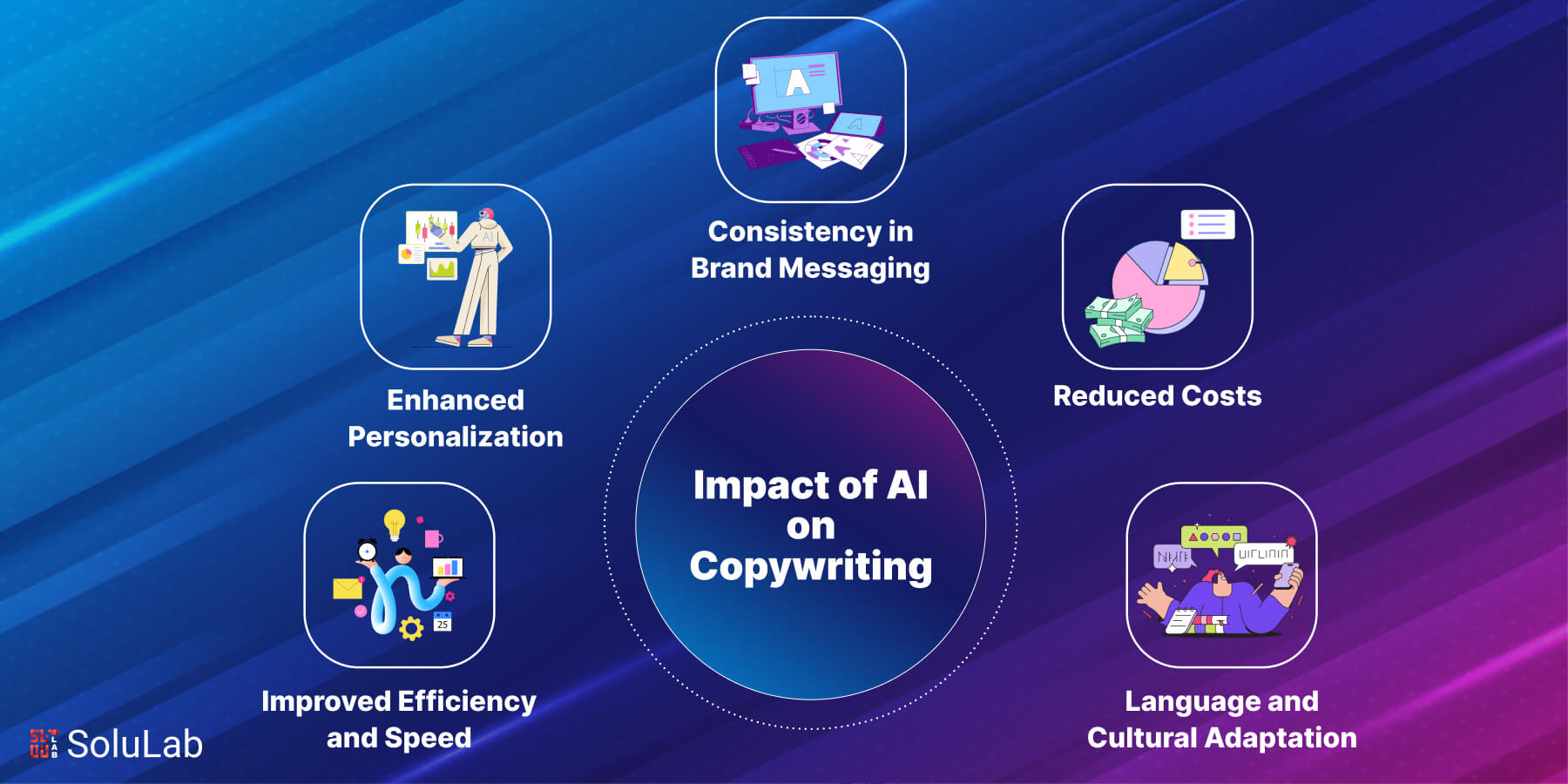
AI copywriting content creation
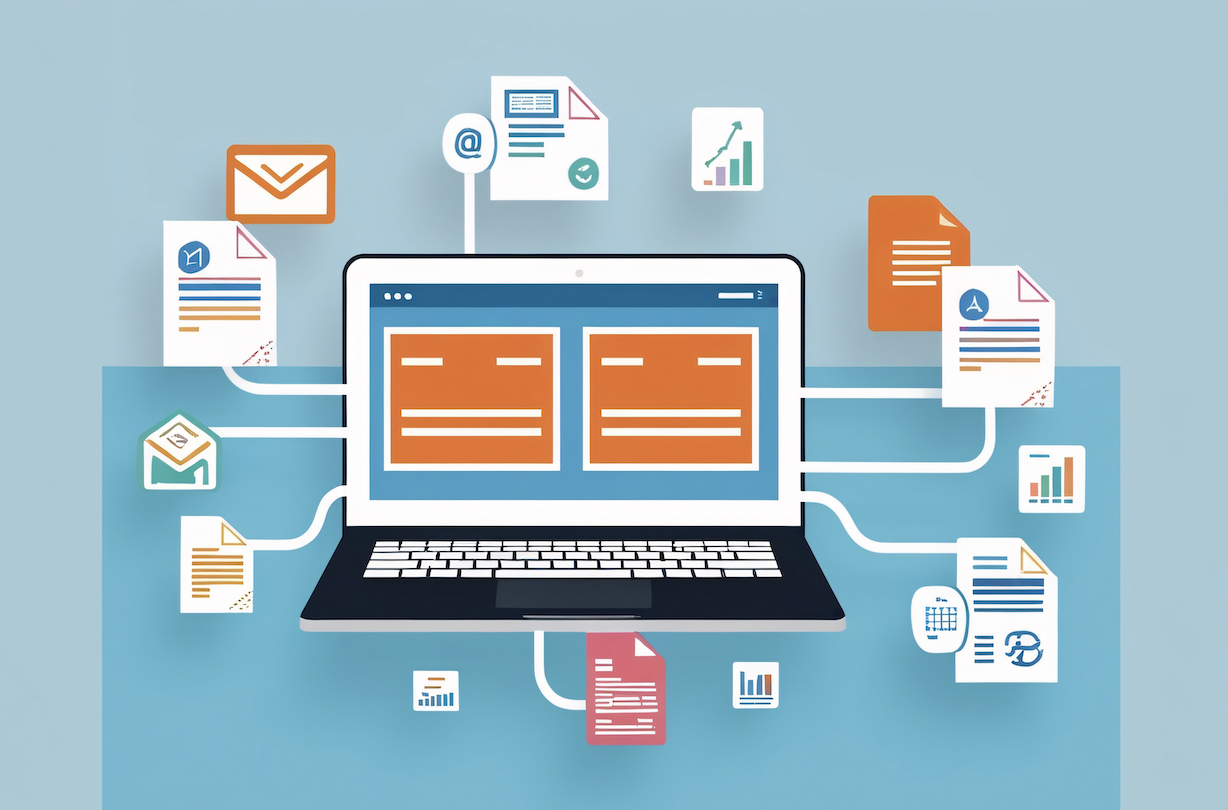
paralegal document automation
Skills That Are Harder to Automate
Even as some task-level work can be automated, there are human capabilities that remain difficult for AI to replicate at a level equal to or better than skilled humans:
- Contextual judgment: Reading between the lines in a complex debate, understanding historical nuance, or adjudicating competing ethical claims.
- Emotional intelligence and trust: Teaching, counseling, and mentorship rely on trust, rapport, and the ability to hold complicated social dynamics.
- Creative synthesis and original thesis formation: Generating truly novel theoretical frameworks or making intellectual leaps rarely reduces to pattern completion.
- Institutional knowledge and tacit expertise: Deeply embedded knowledge from years of practice — how a community actually behaves, unwritten norms — resists straightforward encoding.
The Economics: Productivity vs. Distribution
AI raises the prospect of substantially higher productivity in content creation, research, and instruction. That can be a societal good: cheaper education, faster research cycles, and broader access to interpretation. But history teaches a caution: gains in productivity do not automatically translate to broad-based improvements in livelihoods. The distribution problem — who captures the gains — will determine whether AI is a liberator for humanities workers or a force for job concentration and wage pressure.
Employers may choose to use AI to reduce headcount, or to redeploy workers into higher-value tasks. Policy and corporate choices will largely shape which path society follows.
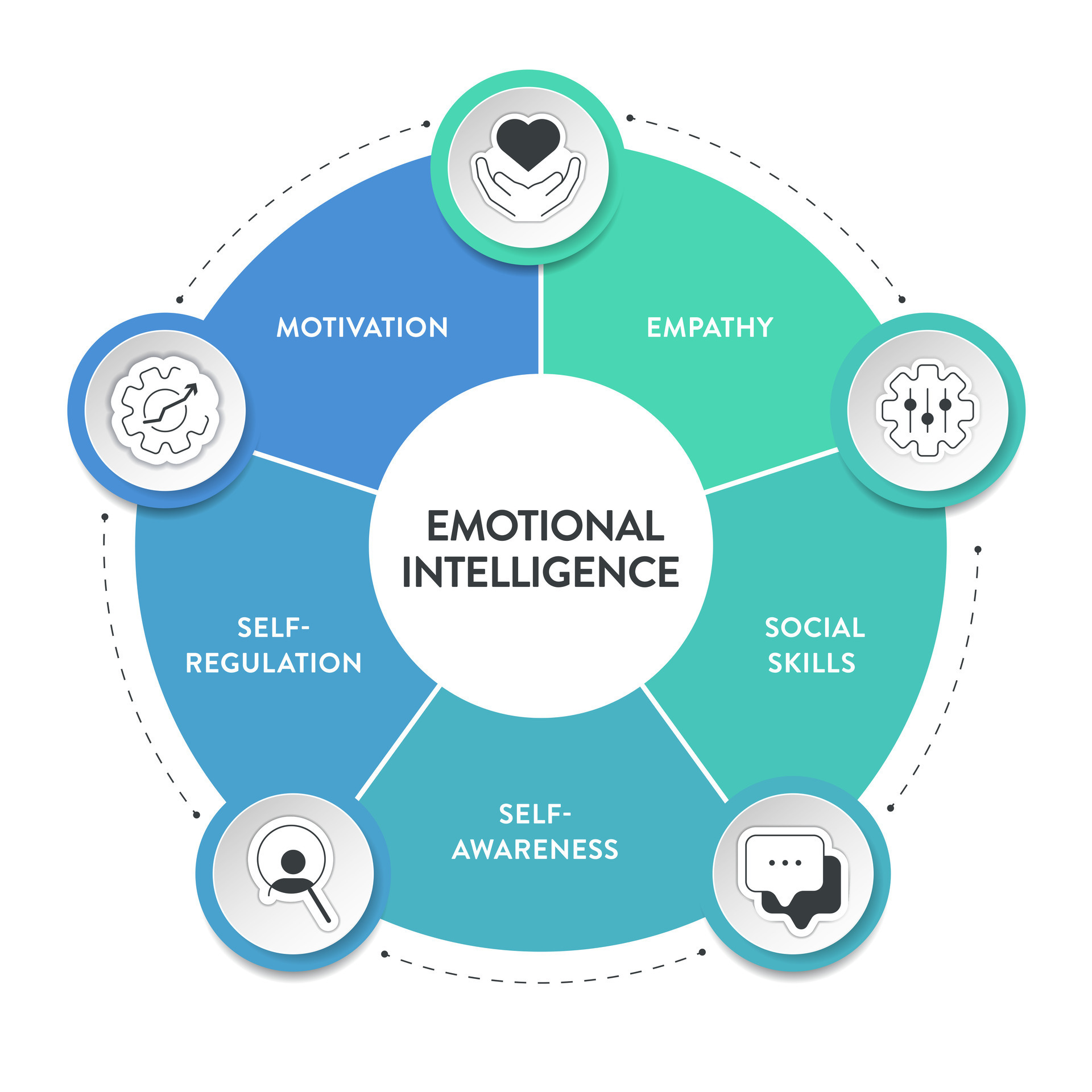
human emotional intelligence skills
Education and Institutions: What Must Change
Universities and cultural institutions face a fork in the road. They can present humanities education as increasingly irrelevant to job markets, or they can pivot, retaining core humanistic values while layering practical skills that increase resilience in an AI-rich economy. That means:
- Embedding technical literacy: Basic familiarity with how AI works, its limitations, and how to collaborate with it.
- Emphasizing applied human skills: Persuasive writing, ethical reasoning, project leadership, and public-facing communication.
- Creating modular credentials: Short, stackable certificates that combine humanities depth with workplace-ready technical skills.
Policy Options: Mitigating Harm and Steering Benefits
Policymakers will matter. Several policy directions can make the transition less traumatic and more equitable:
- Investment in lifelong learning: Public subsidies for retraining programs targeted at workers displaced by automation.
- Income support and transition assistance: Wage insurance, portable benefits, and support during retraining phases.
- Regulatory frameworks: Rules that require impact assessments for AI deployments in labor-intensive sectors, transparency about where AI replaces human workers, and protections for gig and contingent workers.
What Employers Should Do
Companies deploying AI have a pragmatic responsibility if they want a stable workforce and positive public sentiment. Reasonable corporate strategies include:
- Human-in-the-loop design: Use AI to augment, not fully replace, human professionals for tasks requiring judgment or trust.
- Investment in internal reskilling: Paid training, rotation programs, and clear career pathways into new hybrid roles.
- Job redesign: Reallocate time saved by automation to deeper research, client engagement, or creative strategy.
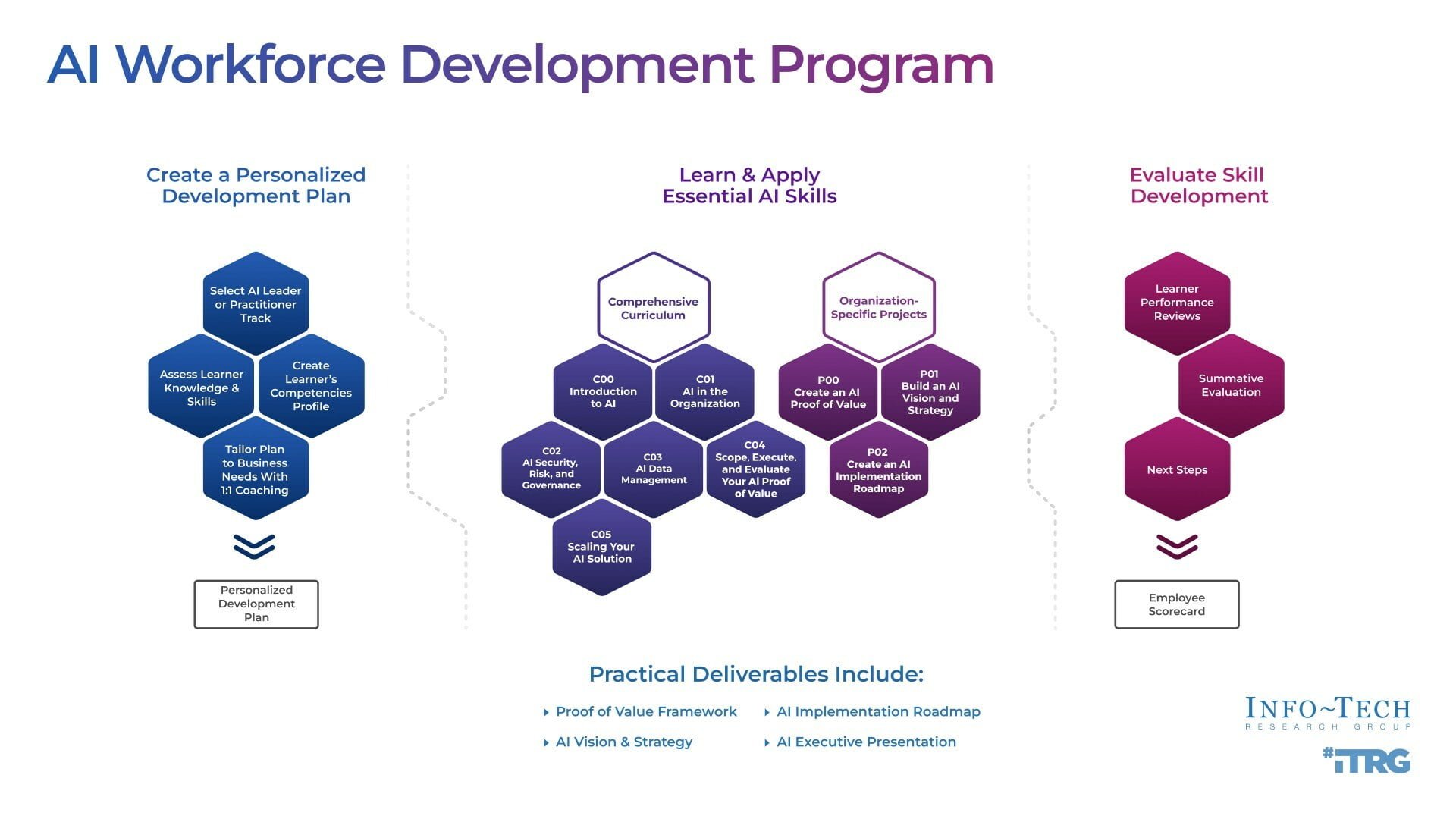
AI policy workforce training
A Practical Roadmap for Individuals
Individuals in humanities fields can take concrete steps to improve resilience and agency over their careers. Here are ten actionable moves:
- Audit your tasks: Break your job into repeatable tasks and identify which are routine.
- Learn the basics of AI: Understand strengths and failure modes of language models and automation tools.
- Build hybrid skills: Combine domain expertise with data literacy, digital publishing, or UX basics.
- Create a portfolio: Show examples of your work that machines can’t easily replicate — deep analyses, curated projects, interdisciplinary syntheses.
- Network strategically: Move into project teams with technologists and product managers to surface new roles.
- Develop facilitation skills: Run workshops, lead seminars, and manage collaborative inquiry that requires human coordination.
- Specialize in areas where nuance matters: Heritage preservation, oral histories, cultural interpretation.
- Consider entrepreneurship: Start niche services combining human insight with AI tooling for clients who value bespoke outcomes.
- Champion ethics and governance: Become the organization’s go-to for ethical review and contextual evaluation of AI outputs.
- Plan financially: Build buffers and map transition timelines aligned to skill investments.
A Balanced Prognosis
Bold language like “destroy” is useful rhetorically but can obscure nuance. The more accurate forecast is that AI will redistribute tasks within humanities professions: amplifying what machines do well and exposing the premium for distinctly human capacities. Some roles will shrink; some will transform; and new roles will emerge at the intersection of technology, culture, and policy.
History suggests that while technology displaces certain roles, it often creates new kinds of skilled work. The critical difference this time is the speed and scale of change. Rapid transitions can cause significant hardship for workers who lack time or resources to reskill, which is why coordinated action from employers, educators, and policymakers is essential.
Real-World Signals and How to Read Them
Watch three indicators to understand how quickly change is happening in any humanities niche:
- Tool adoption in workflows: Are organizations integrating AI into editing, grading, or archival workflows?
- Hiring patterns: Are job listings shrinking for entry-level roles while creating new hybrid positions?
- Compensation shifts: Are wages for high-touch roles rising as demand concentrates, while routine roles see wage pressure?
Ten Institutional Actions — A Checklist for Universities and Employers
Institutions can follow a compact checklist to reduce disruption and preserve value:
- Audit curricula and job roles for automatable tasks.
- Create cross-disciplinary programs pairing humanities with data and AI literacy.
- Offer stackable credentials connected to employer demand.
- Fund fellowships that place graduates in human-centered AI roles.
- Require ethical impact statements for AI deployments affecting labor.
- Invest in faculty and staff training on AI tools.
- Support local retraining hubs and public-private partnerships.
- Encourage job redesign to emphasize human strengths.
- Track labor market outcomes for program graduates annually.
- Engage alumni networks in mentorship for career transitions.
Key Takeaways and Next Steps
- AI will change tasks within humanities jobs more than it will instantly erase whole professions.
- Many humanities workers remain valuable because of judgement, empathy, and context.
- Reskilling, job redesign, and proactive policy can make the transition fairer.
- Individuals who pair humanistic depth with technical literacy will be well positioned.
The debate about AI and humanities work is not a verdict; it is a call to organize education, policy, and industry around shared outcomes.
Conclusion — Choosing the Future
The Palantir CEO’s statement functions as a mirror: it reflects both real anxieties about disruption and a choice about how society responds. Will we treat AI development as a purely technological problem or as a social project that requires training systems, safety nets, and moral imagination? The answer will determine whether humanities practitioners see AI as an existential threat or as a powerful set of tools that, when paired with distinctly human skills, enable richer work and broader impact. Either way, the path forward is active: preparation, organized institutional change, and policy interventions can blunt the worst outcomes and amplify the best.
Prepare, adapt, and insist on human-centered deployment — that is our most durable insurance.
Further Reading and Actions
Practical next steps for readers: perform a task audit of your current role, identify one technical skill to acquire in the next six months, and reach out to a professional network to explore hybrid opportunities.