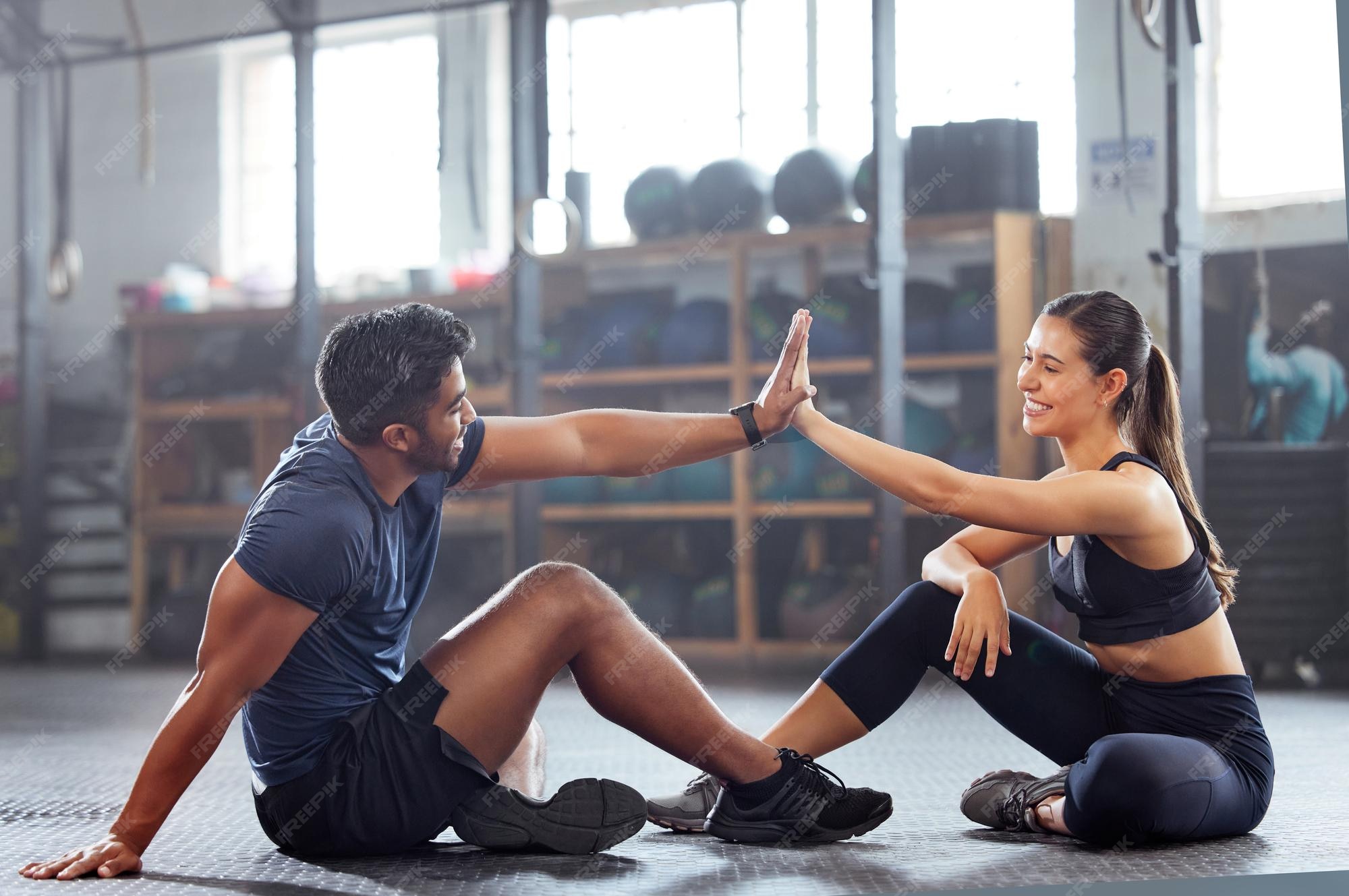
How a Gym High‑Five Backfired: Pavlov'd a Powerlifter
I went into the gym to get a quick bench press session and left having learned more about human reflexes, consent, and the unwritten contracts of shared spaces than I expected. What started as a half-joking attempt to build camaraderie — a Pavlovian high-five to the barbell when my buddy hit a new rep — became a spectacle, a tense minute of near-disaster, and eventually a teachable moment wrapped in embarrassment. This is the story of how a high-five can be more than applause: it's a cue with consequences.
Saturday morning gym setting
SETTING THE SCENE
A Saturday Morning Gym, 6 AM Energy
Gyms have moods. The 6 AM crowd is different from the post-work hammer-and-cream of Tuesday nights. That morning the place hummed with deliberate focus: chalk dust, playlists at conversational volume, and the steady metallic whisper of plates. My friend — a devoted powerlifter named Mark — was on the bench, eyes fixed, jawset, the way 3x5 sets look when a lifter is chasing strength instead of vanity. I was there to spot and celebrate. Or so I thought.
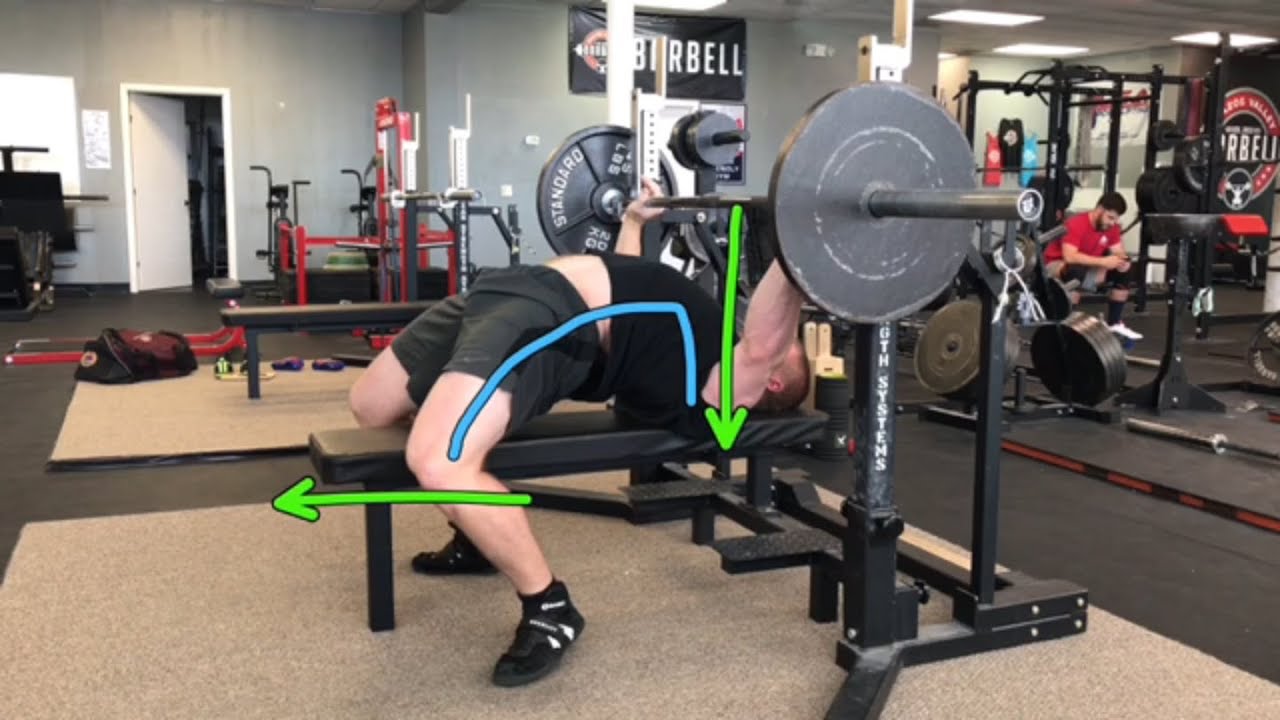
bench press powerlifting setup
The Pavlov Moment
Earlier in the week I'd joked about training Mark like Pavlov trained dogs: ring a bell — get a fist pump. It was a silly riff on ritual. When he was mid-set and locks of breath fogged his face, he hit a rep that looked so good I impulsively slapped the bar — a clapping cue that said, Congratulations — and then extended my hand to him mid-lockout for a high-five. The problem wasn't the intent. It was the timing and the assumption that a celebratory cue was a mutual contract.
I had unconsciously turned my hand into a cue he didn't consent to respond to.
THE MOMENT THAT MISFIRED
Reflex Meets Heavy Iron
Powerlifters live on repetition. Thousands of repetitions teach the body to respond in certain ways to specific stimuli: a call, a breath cue, the lifter's own internal rhythm. In Mark's case, a teammate's palm near the bar often meant a spot — a hands-on readiness in case the bar stalled. When I slapped the bar and reached for a high-five, his body read two conflicting signals: a cue to prepare for assistance and a cue to release toward me. The result? A wild, off-kilter hand-forward motion while he still had the barbell on a heavy lockout. My hand met his — and we both miscalculated weight distribution and timing. The bar rocked slightly. For a moment it felt like time divided into microscopic possibilities: safe, awkward, and catastrophic.
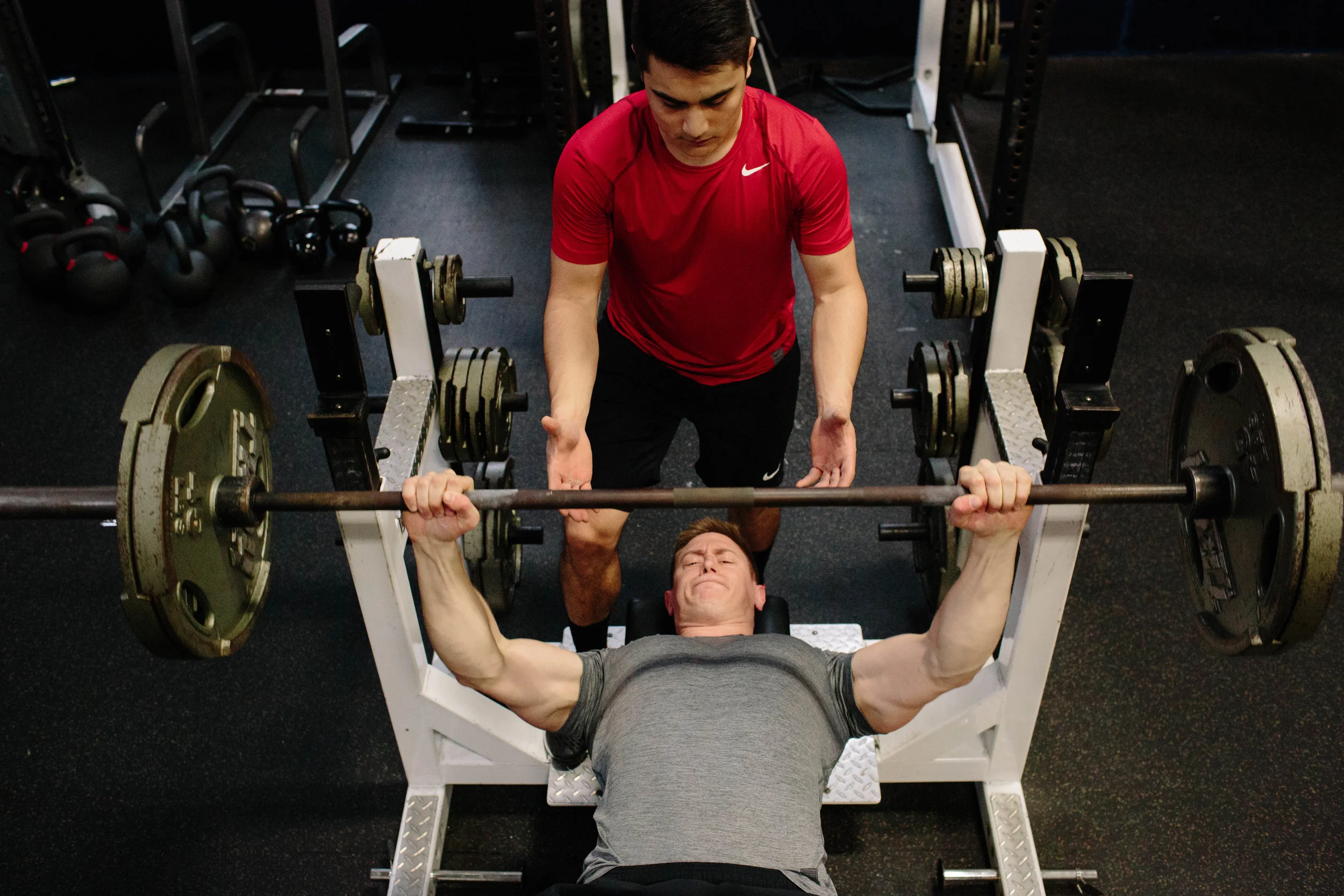
gym spotter safety hand placement
Why It Looked Worse Than It Was
To bystanders it was theater. A few people paused their workouts. In the bar-room silence the mobile app count of PR attempts would have spiked. But what really happened was mundane: a minor redistribution of load and a quick, reflexive stabilizing spot. Mark laughed about it afterwards — a nervous, sheepish laugh — but in raw seconds I felt the adrenaline and helplessness of almost breaching a boundary I didn't understand.
THE SOCIAL SCIENCE BEHIND A HIGH‑FIVE
Pavlov, Conditioning, and Human Ritual
Ivan Pavlov's work taught us that organisms learn to link neutral cues with outcomes. Humans are exquisitely social — we build rituals to coordinate cooperative behavior. In a gym, a clap, a shout, a palm near the bar become shorthand. Over time those shorthands condense into mini-contracts: if you do X, I will do Y. But contracts require consent. Without it, a well-meaning gesture can violate expectations.
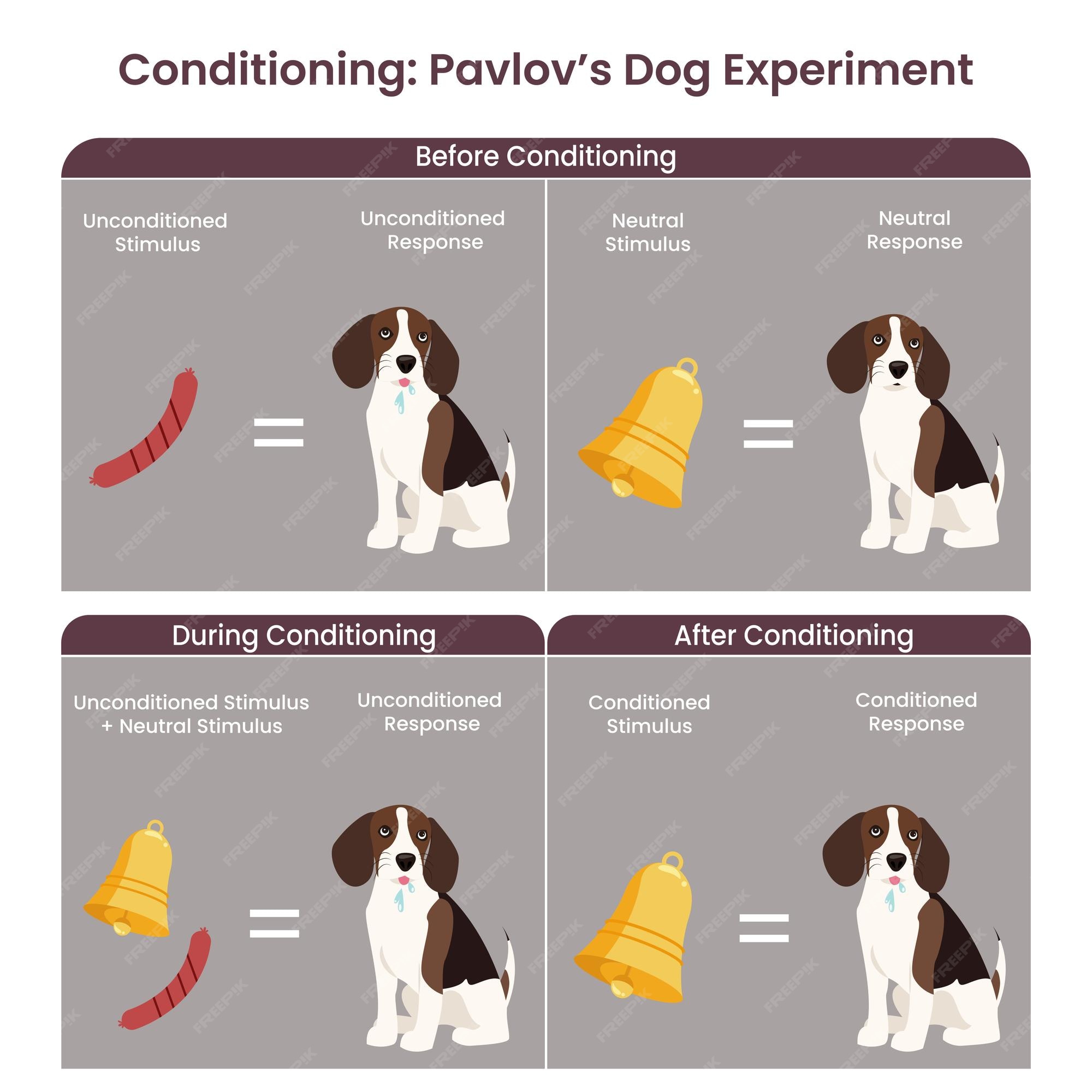
Pavlovian conditioning experiment diagram
Body Language and Tacit Agreements
Every training space develops its own gestures. A head nod at the squat rack might mean 'go,' while a hand hovering near the bar means 'I'm ready to support.' These tacit agreements break down when new people, humor, or intoxicated optimism enter the mix. The funny thing: the same high-five that builds team spirit in one setting invades the lifter's autonomy in another. Understanding which rituals are public and which are private is an underrated social skill in communal spaces.
WHAT I LEARNED ABOUT CONSENT AND ASSUMPTION
Consent Isn't Sexy — It's Practical
After the incident we sat on a bench and debriefed. I apologized for assuming my high-five was welcome. Mark, between breaths, explained how certain cues trigger automatic stabilizing responses. For him, a palm near the bar meant a readiness to take weight. For me, the palm was a celebratory finish. Both were reasonable. The gap lay in lack of explicit agreement. That gap is where most social accidents live.

gym apology conversation bench
Small Rituals, Big Consequences
This accident made me re-evaluate small rituals I take for granted: the casual clap, the slap on the back, the arm that reaches in to help without asking. In gyms — especially crowded ones where people operate on tight internal scripts — even tiny actions can demand an update in the script of consent.
PRACTICAL ETIQUETTE FOR PEOPLE WHO TRAIN AROUND OTHERS
Before You Reach: Speak
Speaking is underrated. If you want to celebrate, ask: 'Ready to celebrate?' If you want to assist, ask: 'Do you want a spot?' Clear, brief verbal cues create shared meaning. You're not being pedantic — you're preventing an unpredictable physics problem.
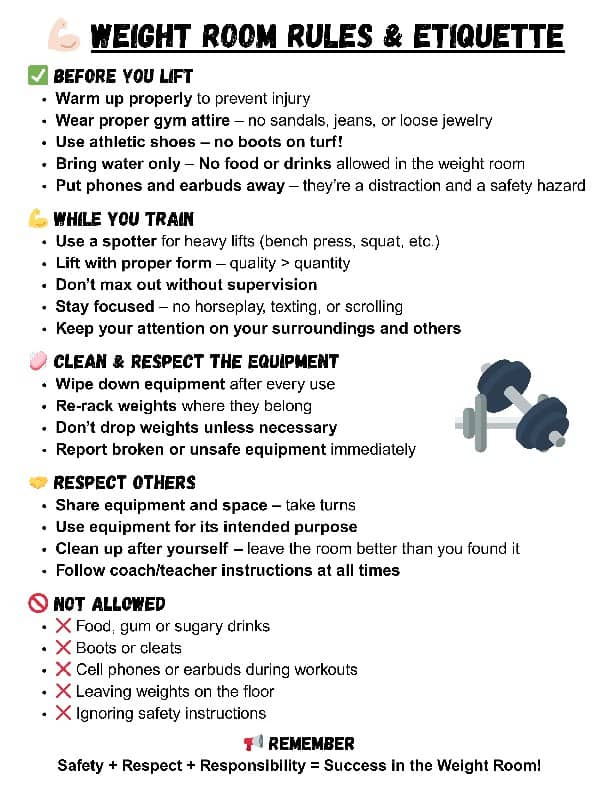
weight room etiquette guidelines
When to Touch, When to Clap
- Touch as intent: Hands on a loaded bar usually mean support. If you haven't explicitly been asked to touch, don't.
- Clap for distance: Clap or shout encouragement from behind the lifter or to the side — not over the bar.
- Eye contact is golden: A quick glance and nod establishes consent when words interrupt rhythm.
APPLYING THE LESSONS: REPAIRING AFTER A MISHAP
How I Apologized (and What Worked)
I kept the apology concise and specific: I said I'm sorry for reaching without asking, acknowledged the problem (I startled him while he had a heavy load), and offered to be more explicit next time. Mark accepted it and we turned it into a new ritual: a quick verbal cue before any celebratory touch. The repair was simple because it was sincere and actionable.
If You're the One Who Got Startled
If you're the lifter who was surprised, name the behavior and your boundary. A clear 'Don't touch the bar unless I ask' or 'If you want to celebrate, wait until I rack it' reduces ambiguity. People tend to respect directness when it's delivered without theatrics.
BROADER TAKEAWAYS ABOUT COMMUNITY AND RITUAL
Rituals Build Trust — When There's Consent
Rituals are social glue. A synchronized warm-up or a group cheer can transform strangers into teammates. But rituals require buy-in. Without that voluntary adoption, the same behavior becomes a hazard. The gym is a place where physical risk and social risk overlap; making agreements explicit reduces both.
Scaling Respect Across a Busy Gym
On busy gym floors, you can't get explicit permission from everyone. Rely on low-risk, high-clarity behaviors: keep hands off loaded equipment unless asked, use audible encouragement rather than touching, and model consent-based rituals. People will follow the cues of seasoned lifters, so lead with clear, safe behavior.
- Improves safety
- Reduces misunderstandings
- Builds inclusive culture
- Requires extra communication
- May feel awkward at first
THE HUMOR (BECAUSE I STILL LAUGH)
Retelling the Tale
We now retell the incident with staged melodrama: I ring a tiny invisible bell whenever Mark hits a rep and he half-raises, half-reaches, and we both flinch as if cueing a slapstick routine. It's become a running joke in our group because it turned a potentially dangerous misunderstanding into a teachable and ultimately bonding experience. Humor allowed shame to diffuse and learning to stick.
Why Stories Stick
Stories like this stick because they are archetypal: the comic error, the near-miss, the reconciled group. They teach the norms quietly. The difference between an anecdote and policy is that anecdotes carry empathy — you remember the flinch, not the lecture.
A single high-five taught us more about consent than any tutorial ever could.
KEY TAKEAWAYS
- Assume nothing: ask if you want to touch or assist a lifter under load.
- Use clear, short verbal cues to coordinate actions around heavy weights.
- Model consent-based rituals in shared spaces to scale safety and inclusion.
- If you make a mistake, apologize specifically, repair quickly, and create a new signal.
CONCLUSION
Public spaces require negotiation, and the weight room is a particularly literal place where small miscommunications can carry physical consequences. My Pavlovian high-five was an experiment in humor that exposed an important truth: rituals are powerful, but only when they're consensual. The next time you want to celebrate a PR, take a breath, ask a single question, and let the high-five be earned — not reflexively triggered. You'll keep the lifts clean, the relationships intact, and the stories funny instead of regretful.
Caption: The barbell doesn't negotiate — people do. Make the human contract explicit.