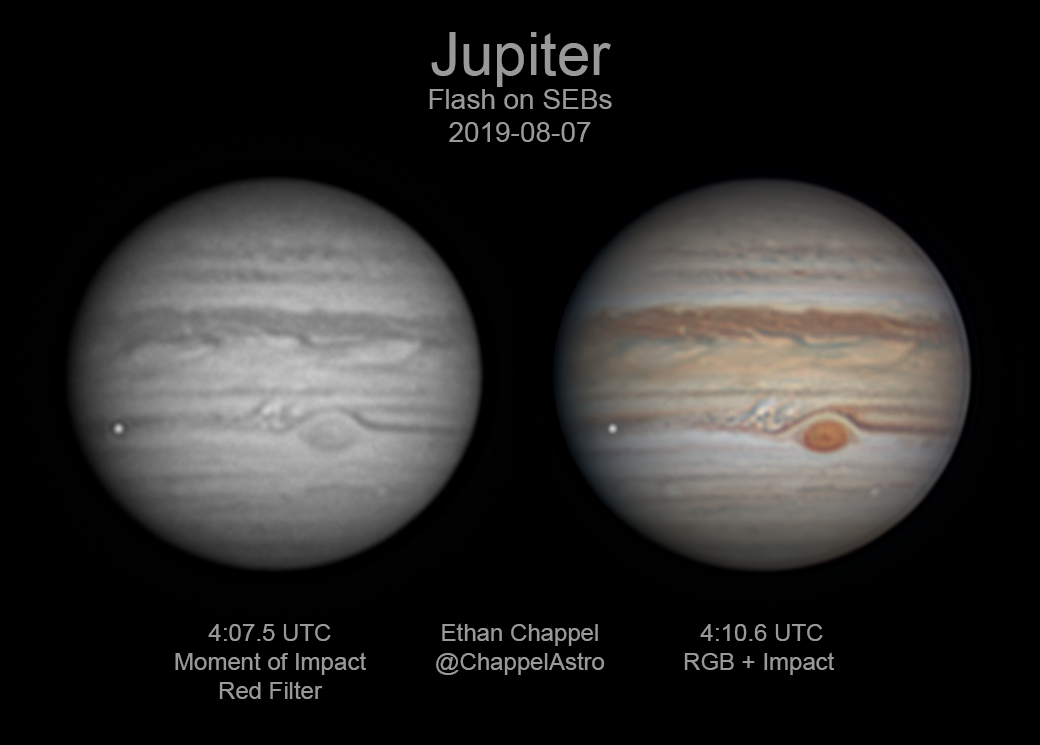
How Jupiter Shields Earth from Asteroids: The Science Explained
The idea that Jupiter acts as Earth's cosmic bodyguard is a vivid, enduring image: a giant planet sweeping up or deflecting dangerous space rocks before they reach our home. The reality is richer and more complex. Jupiter's immense mass and rapid motion carve the architecture of the Solar System, sculpting asteroid orbits, shepherding populations, and stirring comets from distant reservoirs. In some cases Jupiter reduces Earth's impact risk; in others it increases it. This article unpacks the physics, the evidence, the surprises from modern simulations, and what the relationship between Jupiter and impactors means for planetary defense and the search for habitable worlds.
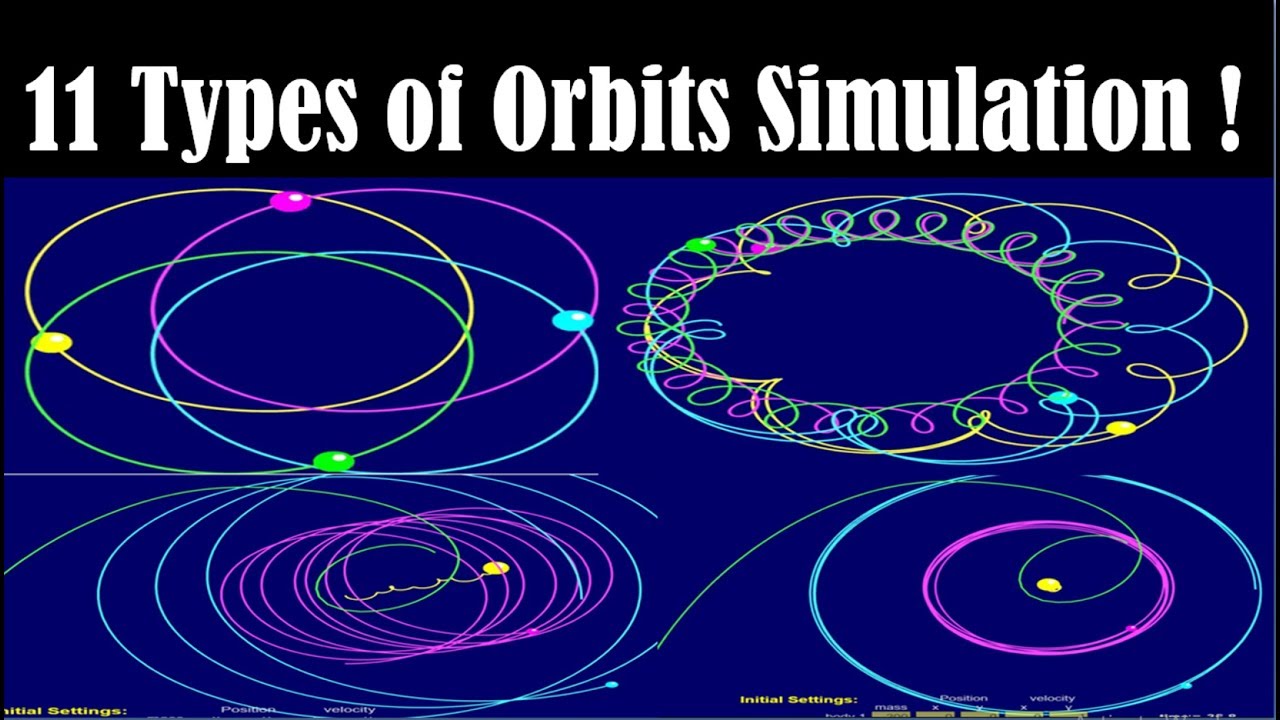
Solar system orbital dynamics simulation
WHY JUPITER MATTERS
Jupiter is the Solar System's heavyweight — more than twice as massive as all other planets combined. That mass creates a deep gravitational well and a large sphere of influence. Objects that pass near Jupiter can have their orbits dramatically altered by gravitational attraction or by repeated perturbations. Because the asteroid belt, Jupiter-family comets, and many other small-body reservoirs lie within or near Jupiter's gravitational domain, the planet plays a primary role in determining whether a particular object remains safely confined, is ejected into interstellar space, or is nudged onto a path that intersects Earth's orbit.
Basic principles of gravitational influence
Gravity depends on mass and distance. Jupiter's pull on a passing asteroid is powerful when the distance is small; even a distant influence over many orbits can change orbital elements (semi-major axis, eccentricity, inclination) through cumulative perturbations. The result is a mixture of outcomes: some objects are accelerated inward, some are flung outward, and others become trapped in stable configurations such as the Trojan clouds that share Jupiter's orbit.
Jupiter doesn’t simply act as a benign shield; it is both a shepherd and a slingshot, alternately protecting and endangering Earth depending on orbital geometry and timing.
HOW JUPITER AFFECTS ASTEROID AND COMET TRAJECTORIES
Gravitational deflection and the slingshot effect
When a small body makes a close pass by a massive planet, its trajectory can be bent and its speed changed in ways that conserve the combined energy and momentum of the system. On a close encounter, Jupiter can act as a gravitational slingshot, either boosting an object inward toward the Sun or ejecting it outward. The specific outcome depends on the geometry: whether the object approaches in front of or behind Jupiter relative to its orbital motion.
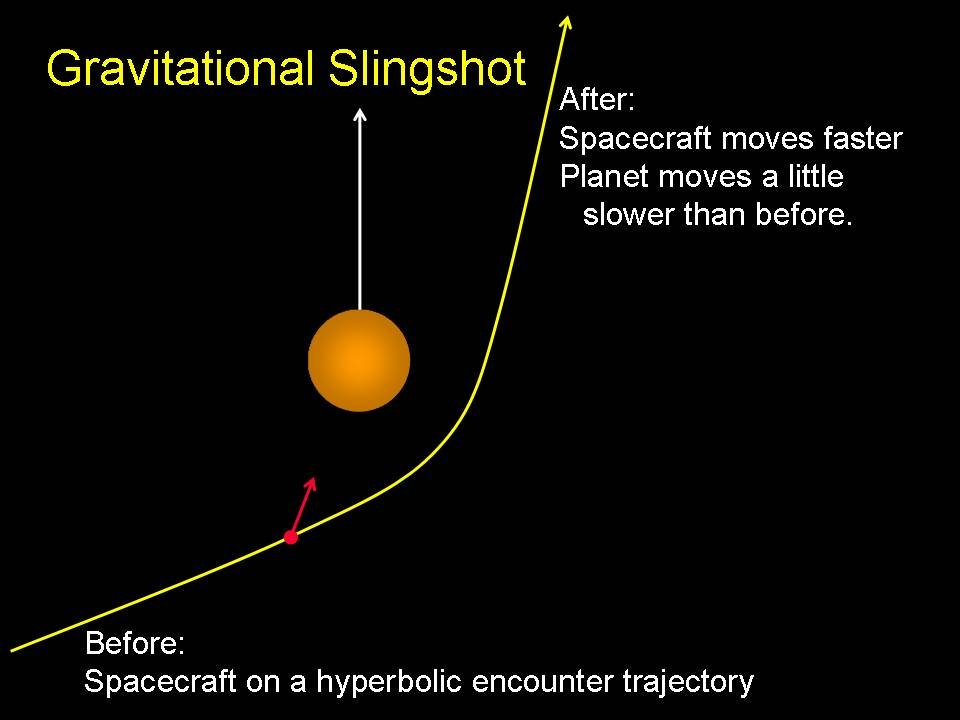
Jupiter gravitational slingshot effect
Resonances: the invisible hands that sculpt orbits
Beyond one-off encounters, Jupiter creates persistent structures through resonances. Mean-motion resonances occur where an asteroid's orbital period is a simple ratio of Jupiter's period. Resonances can pump eccentricity and create unstable corridors — for example, several resonant locations within the asteroid belt act as delivery routes that funnel material into Earth-crossing orbits. The same resonant dynamics also carve gaps and shepherd populations into stable niches, such as the Hilda group and the Trojan swarms.
SHIELD OR SIEVE? WHEN JUPITER REDUCES RISK
Capturing and ejecting dangerous objects
One of Jupiter's key protective roles is gravitational ejection. Many comets and loosely bound asteroids that enter the inner Solar System from the outer reservoirs make close passes with Jupiter. Those interactions often transfer energy to the small bodies, boosting them to escape velocity and sending them out of the Solar System entirely. In this way Jupiter can act as a sink that removes potential impactors.
Direct impact absorption
Jupiter's cross-sectional area is vast. Over Solar System history it has attracted and physically collided with impactors that might otherwise have posed a risk to the inner planets. Famous examples include Shoemaker-Levy 9 in the 1990s, which fragmented and crashed into Jupiter in a dramatic sequence that reminded astronomers how effectively a giant planet can intercept objects.
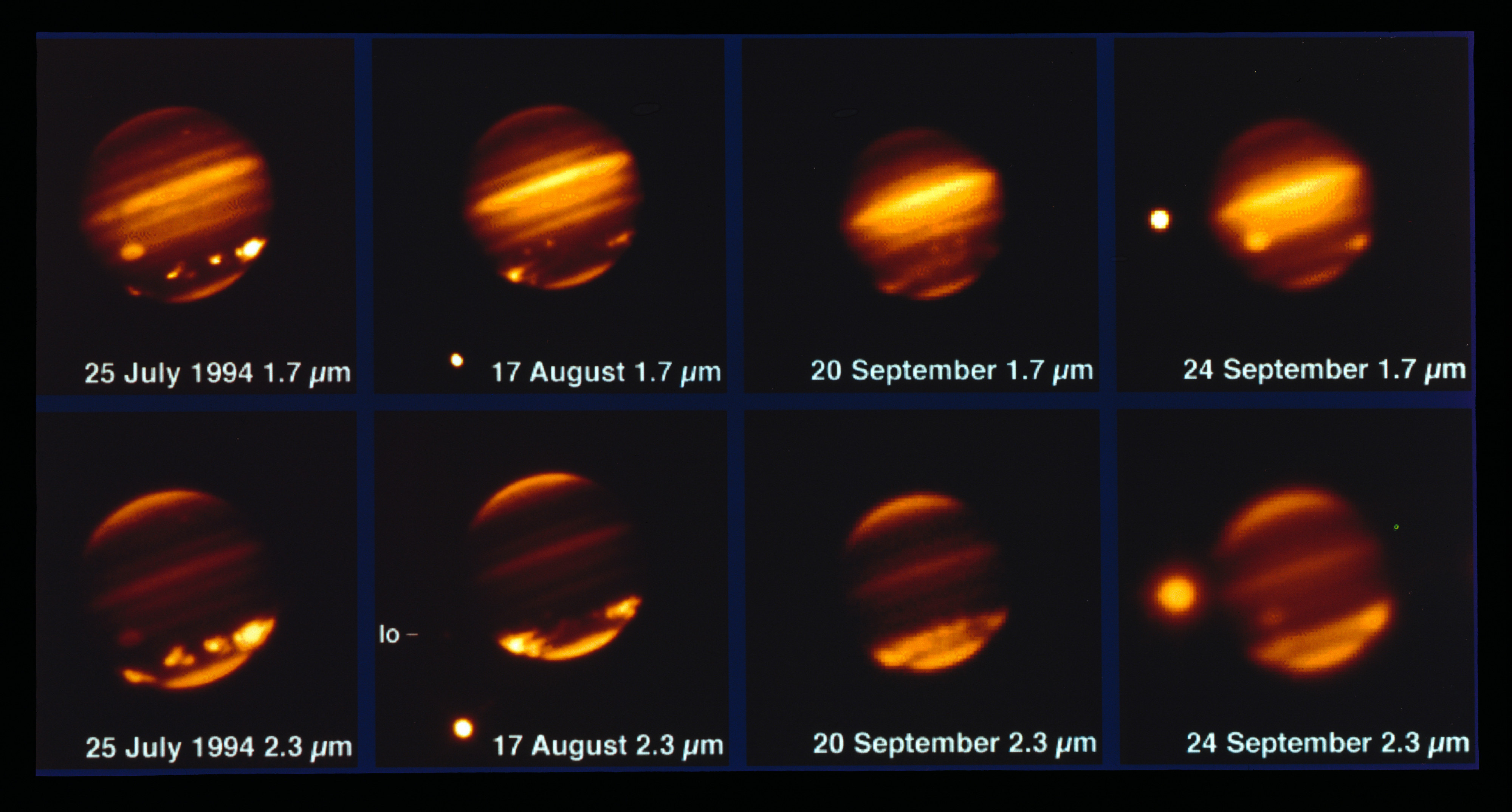
Shoemaker-Levy 9 Jupiter impact
WHEN JUPITER INCREASES EARTH’S RISK
Perturbations that send objects inward
Not every interaction results in ejection. Some close encounters or resonant exchanges lower an object's perihelion (the point of closest approach to the Sun), nudging it onto an Earth-crossing orbit. In certain configurations Jupiter acts more like a cosmic cue ball, redirecting projectiles toward the inner system. Additionally, during epochs of chaotic migration in the early Solar System, Jupiter's movement likely stirred the small-body reservoirs and increased the flux of impactors into the inner planets.
The special case of Jupiter-family comets
Comets that make frequent passes into the inner Solar System, known as Jupiter-family comets, owe their name and orbital character to Jupiter's influence. These objects originate from trans-Neptunian regions and are captured into short-period orbits through repeated interactions with the giant planet. While many are short-lived and eventually ejected, the temporary residence of such comets in Earth-crossing paths increases the short-term impact hazard.
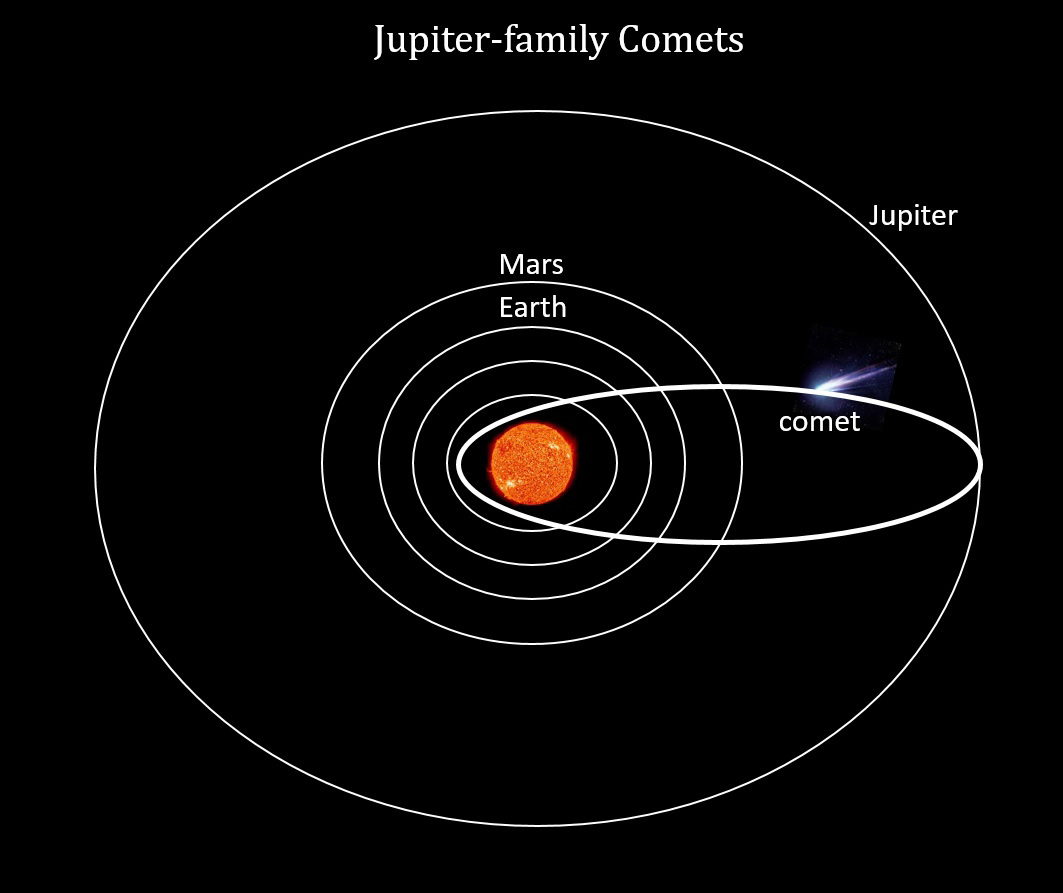
Jupiter family comets orbit
THE ASTEROID BELT, KIRKWOOD GAPS, AND DELIVERY PATHS
How gaps form and why they matter
Within the asteroid belt, Jupiter's resonances create the so-called Kirkwood gaps — regions depleted of objects because resonant perturbations destabilize orbits. Objects that wander into these resonances can experience growing orbital eccentricities until their paths intersect terrestrial planet orbits. These resonant delivery paths are a primary source of near-Earth asteroids.
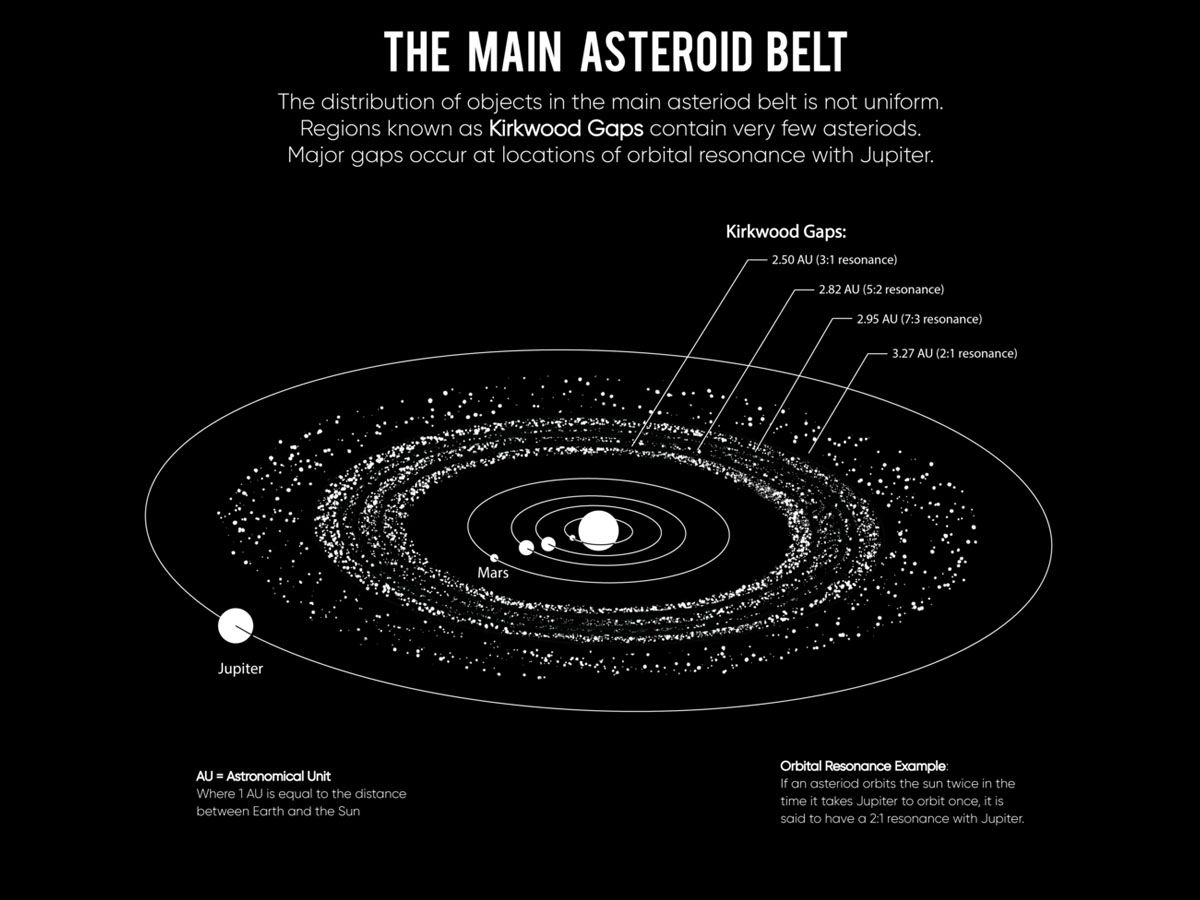
Asteroid belt Kirkwood gaps
- Source regions: Certain sections of the asteroid belt are more efficient at feeding the inner Solar System due to their proximity to strong resonances.
- Timescales: Transport from these regions to Earth-crossing orbits can take tens of thousands to millions of years.
TROJANS, CENTAURS, AND DISTANT RESERVOIRS
Jupiter's gravitational well hosts stable Trojan swarms — two clouds of asteroids leading and trailing Jupiter by 60 degrees — as well as affecting the populations of Centaurs, bodies that cross the orbits of the giant planets and bridge the Kuiper Belt and inner Solar System. Each of these reservoirs serves as a potential source of future impactors depending on dynamical instabilities and perturbations.
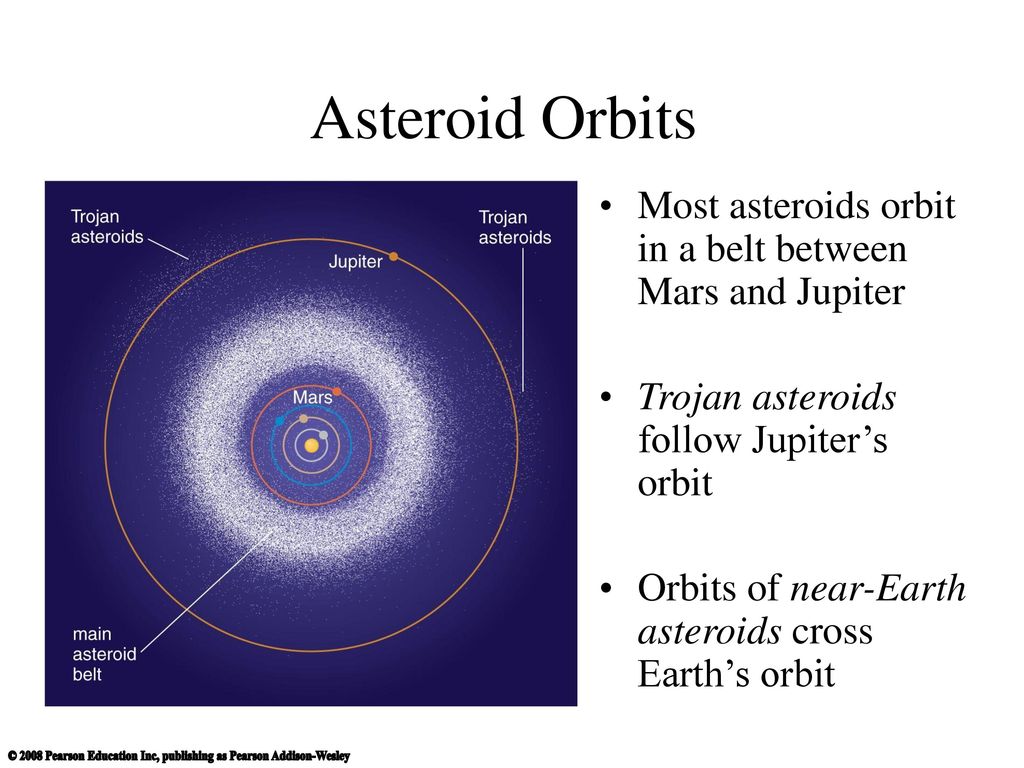
Trojan asteroids Jupiter orbit
EVIDENCE FROM HISTORY AND SIMULATION
The early Solar System and bombardment epochs
Planetary scientists infer from crater records and isotopic dating that the early Solar System experienced phases of elevated bombardment. Models suggest that giant planet migration — particularly the movement of Jupiter and Saturn — reshaped small-body orbits and triggered delivery events that intensified impacts on the inner planets. This historical role is consistent with Jupiter both protecting and destabilizing Earth over time.
Modern numerical simulations
High-fidelity simulations that model millions of small bodies and the full gravitational interactions among planets reveal nuanced behavior. Some simulations show that a Jupiter-like planet reduces long-term impact flux from comets by ejecting them, while others demonstrate that a massive planet at different orbital distances could shepherd more objects toward an inner planet. The net effect often depends on Jupiter’s mass, eccentricity, and orbital history.
IMPLICATIONS FOR PLANETARY DEFENSE AND HABITABILITY
Interpreting risk for humans and missions
Understanding Jupiter's dual role informs practical planetary defense. If Jupiter periodically injects populations of potentially hazardous objects, monitoring efforts must include tracking objects perturbed into Earth-crossing orbits. Conversely, appreciating Jupiter's ejection efficiency highlights why certain types of comets are less likely to threaten Earth over long timescales.
Lessons for exoplanetary systems
When astronomers evaluate the habitability of exoplanets, the presence and properties of giant planets in those systems become important considerations. A massive giant on a highly eccentric orbit might destabilize the inner system and elevate impact rates, while a giant at an appropriate distance and low eccentricity could provide a protective effect. These dynamics add another layer to assessments of long-term habitability.
WHEN JUPITER FAILS TO PROTECT
Jupiter cannot shield Earth from everything. Small objects that are not substantially perturbed by Jupiter may still cross Earth's path. Additionally, very large long-period comets originating beyond Jupiter can come in on trajectories that bypass close encounters until they are already on a collision course. The stochastic nature of orbital dynamics means that even with Jupiter's influence, rare but catastrophic impacts remain possible.
A COMPARISON TABLE: EFFECTS OF JUPITER ON SMALL BODIES
| Effect | Mechanism | Typical Outcome |
|---|---|---|
| Gravitational ejection | Close encounters transfer energy | Object leaves Solar System |
| Orbital capture | Repeated perturbations lower energy | Short-period comet or Trojan |
| Resonant pumping | Mean-motion resonance increases eccentricity | Object moves to Earth-crossing orbit |
PRACTICAL TAKEAWAYS FOR MONITORING AND RESEARCH
- Observe reservoirs: Surveys of the asteroid belt, Trojans, and trans-Neptunian regions help map potential source populations.
- Model interactions: Continued simulations improve predictions of how Jupiter-like planets influence impact fluxes across time.
- Track Near-Earth Objects (NEOs): Early detection remains the most reliable defense regardless of Jupiter’s role.
CONCLUSION: A BALANCED GUARDIAN
Jupiter's influence is a story of nuance. As the Solar System's dominant planet, it has removed innumerable objects that might otherwise have posed a danger, and its presence contributes to the long-term dynamical architecture that supports life on Earth. Yet it also creates pathways for impactors and has, at times in the past, played a role in delivering damaging bodies to the inner system. For scientists and policymakers, the takeaway is pragmatic: treat Jupiter as a major actor in impact risk assessment, but not a substitute for vigilant observation and active planetary defense strategies.
In the delicate choreography of the Solar System, Jupiter leads many dances — sometimes the steps keep us safe, sometimes they change the tune.
- Jupiter modifies small-body orbits through direct encounters and resonances, producing both protective ejections and hazardous deliveries.
- Resonant structures like the Kirkwood gaps are major conduits for asteroids to become Earth-crossing.
- Simulations show that Jupiter’s net effect depends on mass, orbit, and timing — context matters.
- Planetary defense must focus on detection and mitigation; Jupiter’s presence reduces but does not eliminate impact risk.