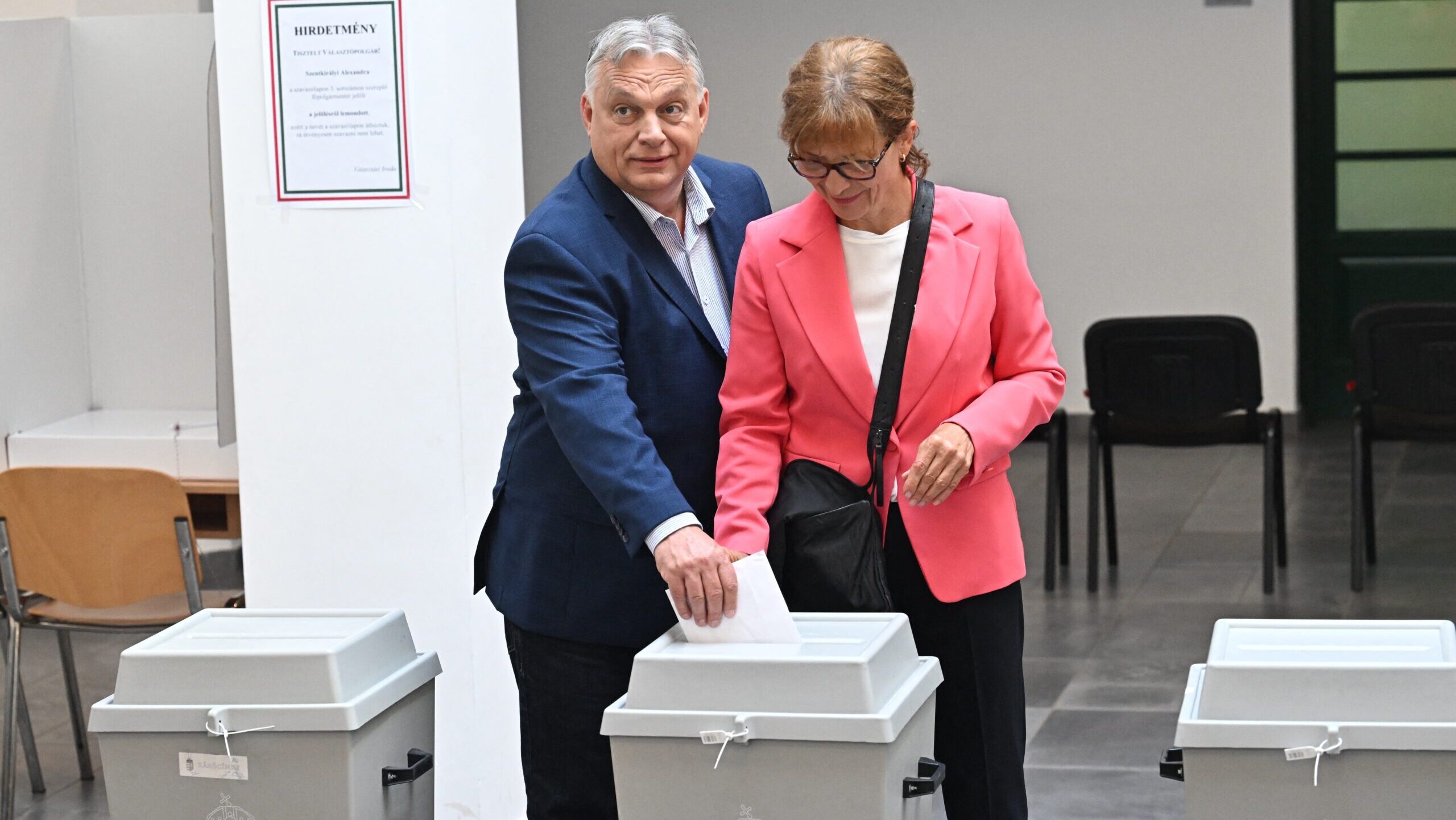
Orbán Ousted After 16 Years: Hungary's Political Earthquake
The evening of April 12, 2026 will be remembered in Budapest and beyond as the moment a political era that had reshaped Hungary and tested the European project finally came to an end. Long-time Prime Minister Viktor Orban conceded defeat to opposition leader Péter Magyar after voters handed the Tisza Party a decisive victory, ending 16 years of Fidesz-dominated government and opening a complex, high-stakes transition.
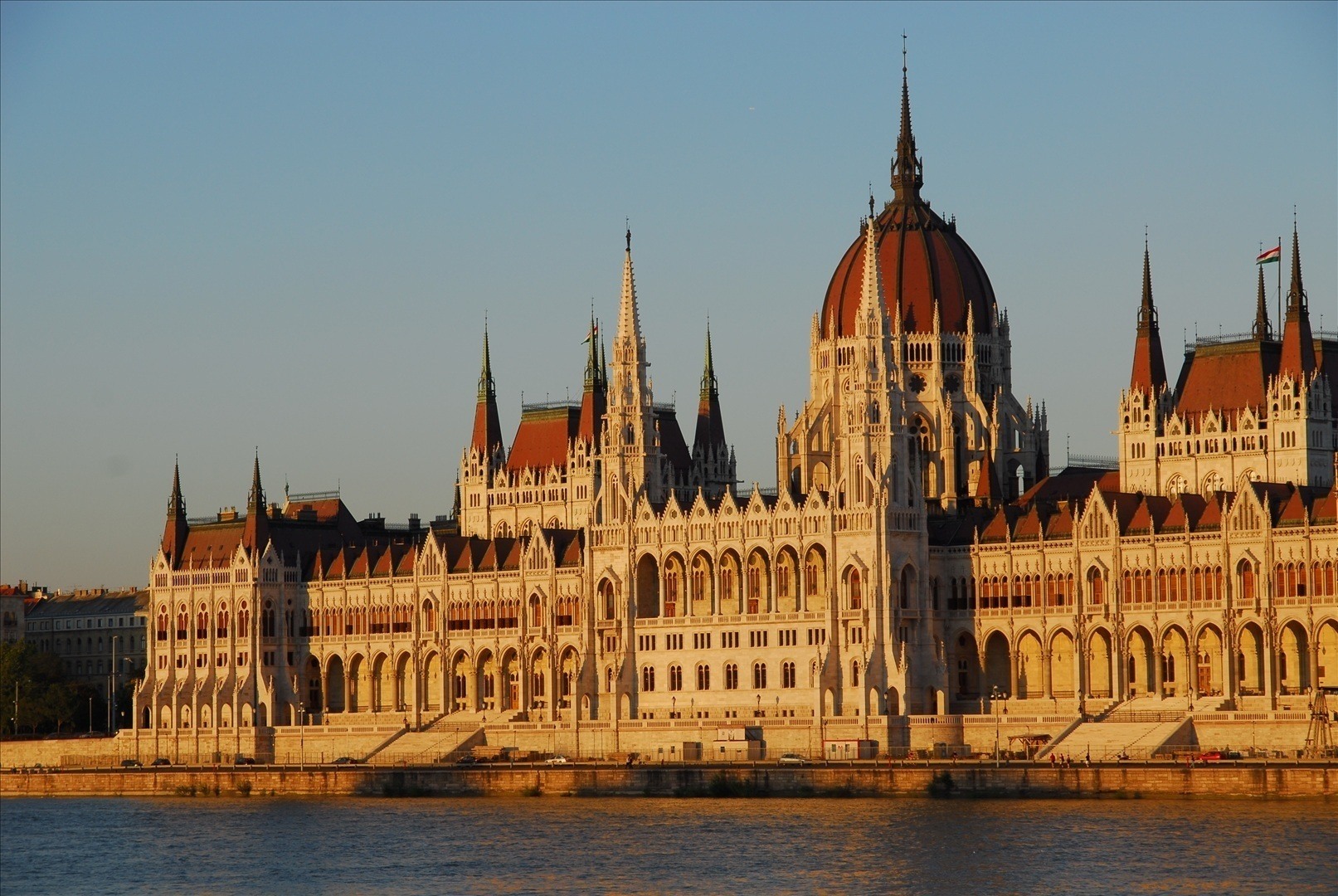
Hungarian Parliament building
A landslide that rewrites decades: Hungarians voted not just for a new government but for a new direction.
What Happened on April 12, 2026
On a day that electoral analysts had framed as potentially pivotal, Hungarian voters turned out in high numbers and produced results that, within hours of polls closing, made clear a transfer of power was under way. Early counting signaled a strong showing for the Tisza Party; by late evening Viktor Orban offered a brief concession, acknowledging the scale of the defeat and congratulating Péter Magyar. International outlets described the outcome as a political earthquake with reverberations across the continent.
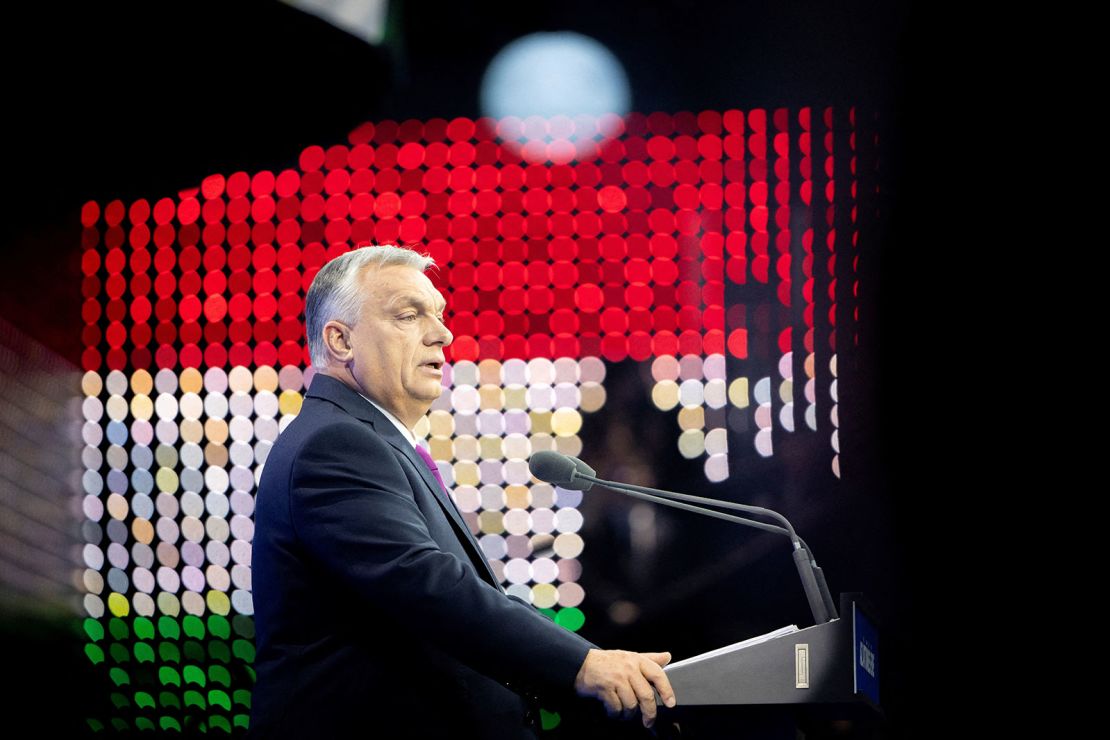
Viktor Orbán concession speech
The scoreboard and timing
The vote took place under Hungary's single-round parliamentary system. Preliminary tallies gave the opposition a clear majority of seats, removing Fidesz's long-running parliamentary dominance and likely ending the constitutional iron grip the ruling party had exercised since 2010. For voters and political observers, the result represented a rapid culmination of a campaign that had been intensely personalized around Orban and framed by questions about Hungary's direction: inward-looking nationalism or renewed European engagement.
Why This Election Unfolded the Way It Did
This outcome was not the product of a single issue but of a concatenation of domestic grievances, strategic opposition unity, and international pressure that together reshaped voter calculations. The campaign exposed fractures inside Fidesz's coalition, energized urban and younger voters, and capitalized on a string of economic and governance grievances that had widened over recent years.
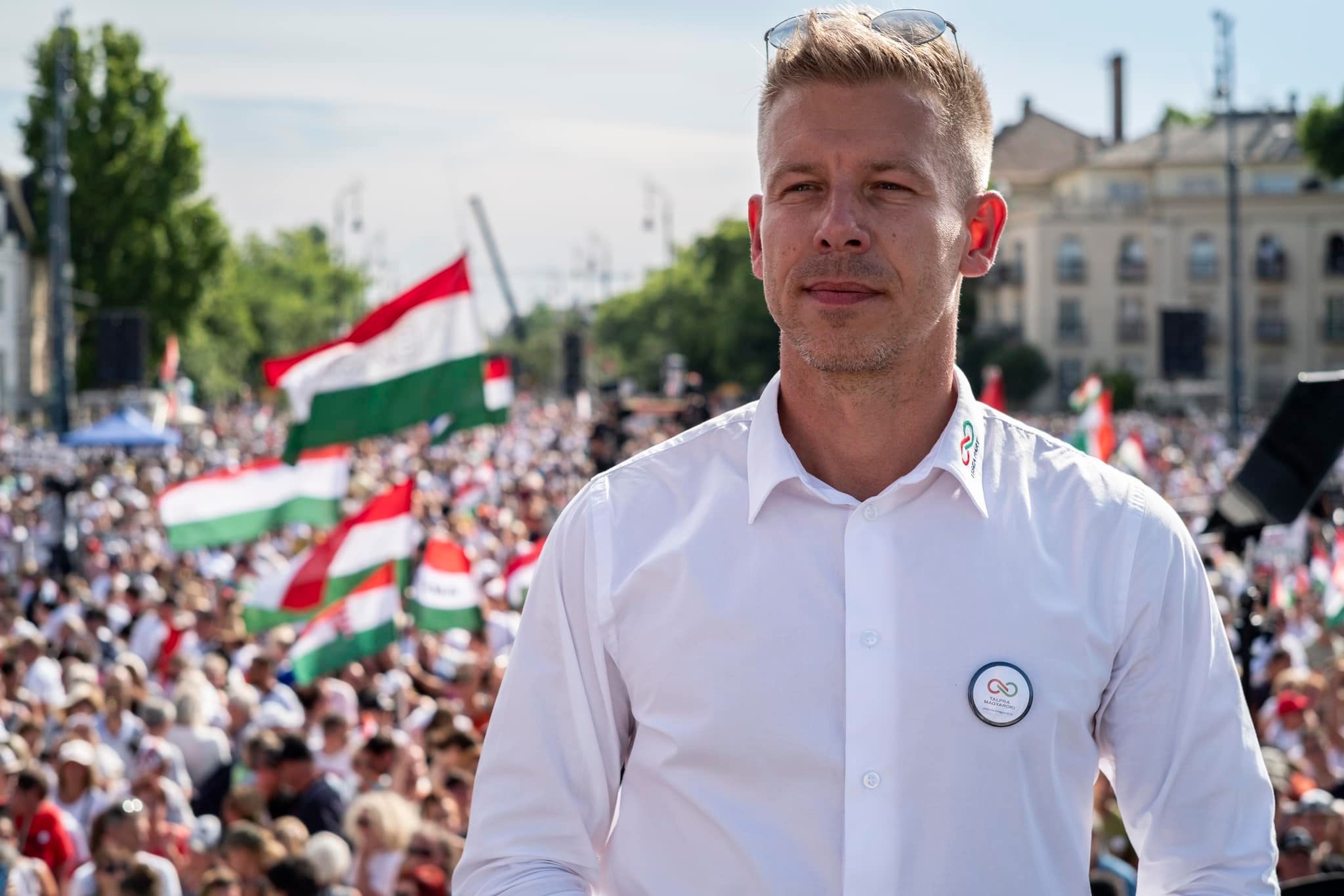
Péter Magyar Tisza Party
Economic strains and everyday concerns
Rising prices, concerns about wages, and anxieties over the direction of public investments had left many citizens questioning whether long-term stability had been achieved under the incumbent administration. While Hungary's macroeconomic picture had periods of resilience, many Hungarians experienced a squeeze on living standards and perceived corruption around public contracts — narratives the opposition used to build momentum.
Campaign dynamics and messaging
The Tisza Party's campaign combined pragmatic policy promises with a disciplined message discipline: reclaim institutions, restore media plurality, secure EU funds, and re-anchor Hungary in European institutions. Péter Magyar presented himself as a conservative reformer capable of repairing broken democratic channels rather than an ideological break with conservative values — a positioning that helped peel away moderate Fidesz voters and attract undecideds in the final stretch. Mass mobilization events, high-profile cultural moments, and sustained ground organizing increased turnout in key constituencies.
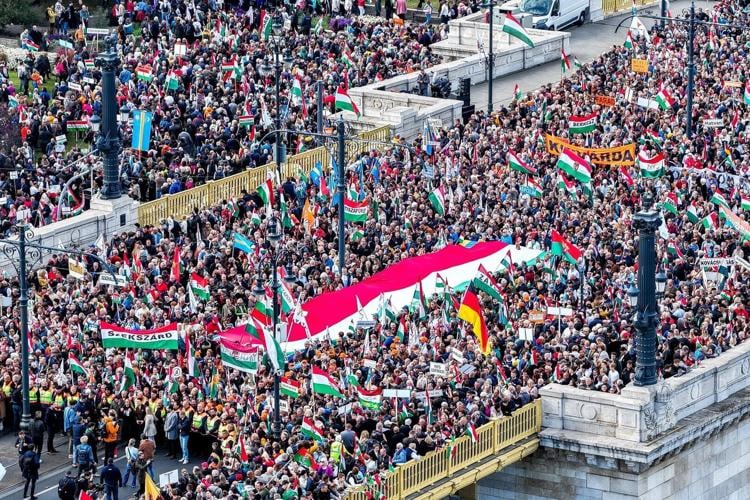
Budapest election day crowds
Turnout and voter mobilization
Turnout surged relative to previous elections, driven by a competitive narrative that framed the vote as existential for Hungary's future. Young voters, urban professionals, and a coalition of civil society organizations coordinated registration and turnout efforts. In electoral geography terms, losses for Fidesz were most acute in suburban districts surrounding Budapest and in cities where media plurality and civil society networks remained strongest.
Who Is Péter Magyar and What Is the Tisza Party?
Péter Magyar — the face of the opposition's victory — emerged as the leader who could unify a broad array of parties and independents around a short but sharply focused reform agenda. His Tisza Party, while relatively new as a governing vehicle, represents a coalition of center-right moderates, liberals, and conservative dissidents who prioritized institutional repair and EU reintegration.

Fidesz party headquarters Budapest
A profile in cautious conservatism
Magyar's public persona is technocratic and disciplined: a leader who speaks to fiscal responsibility while promising a decisive break from the most controversial aspects of the previous regime — particularly the use of state resources to reward loyalists and a long-simmering problem of media capture. For centrists and pro-European voters, the promise of restored checks and balances proved persuasive.
Domestic Policy Implications
The new government inherits a complex agenda: immediate stabilization, rebuilding judicial independence, re-opening lines to EU funding, and repairing relationships with independent media and civil society. Early priorities will likely include legislative steps to rework appointment rules, a review of high-profile public contracts, and measures intended to reassure both domestic critics and international partners.
Justice and rule-of-law reforms
Rebuilding public confidence in institutions will almost certainly mean reversing or modifying laws and practices that critics argued concentrated power in the executive. Parliamentary committees, changes to the constitutional court appointment process, and reasserting the independence of prosecutors are among the likely early reforms. These steps will be politically charged: Fidesz lawmakers and allies will not yield influence without contestation, and any major institutional rewrites will face legal and parliamentary hurdles.
Economy and markets
Market watchers anticipated a rapid reaction: the forint and bond markets could respond to signs of policy continuity mixed with improved relations with the European Union. Restoring access to certain EU funds suspended or restricted in prior years would likely be prioritized both for political symbolism and fiscal practicality. Short-term fiscal discipline paired with transparent procurement reforms would be intended to restore investor confidence.

European Union Hungary relations
European and Global Ripple Effects
Beyond Hungary's borders, the change of government signals a potential realignment in how a major EU member state engages with Brussels, NATO allies, and neighboring democracies. For years Orbán had been a lightning rod within the EU — vetoing measures, aligning at times with illiberal leaders, and cultivating a narrative of national sovereignty that often clashed with Brussels. His removal diminishes a powerful voice that had frequently blocked EU cohesion on key files.
Brussels, Moscow, and the transatlantic axis
Expect an early flurry of diplomatic testing. The European Commission will be watching for concrete signals — legal reforms, the independence of oversight institutions, and transparent use of EU monies. Russia's posture toward Budapest will also be measured: a new government could be less receptive to overtures that had previously been anchored in mutual advantage. NATO partners will be keen to see whether Hungary resumes a more aligned posture on security issues, especially regarding support for Ukraine.
What Comes Next: Transition, Coalition, and the First 100 Days
The immediate weeks after the result will be dominated by practical politics: cabinet formation, legislative maneuvering, and the negotiation of priorities within the winning coalition. If the Tisza Party secured a comfortable majority, Magyar will have room to implement a core agenda; if the win left only a slim majority, bargains with smaller partners will shape which reforms are feasible. Either way, the political calendar will move quickly — expectation management will be vital to maintain public trust as the new government confronts inherited problems.
Stumbling blocks and watch points
There are several realistic constraints: institutional continuity (bureaucrats and civil servants remain in post), judicial resistance to rapid statutory changes, and the economic reality of budgetary strings attached to EU funding. Additionally, how the outgoing Fidesz leadership chooses to behave — whether it becomes a constructive opposition or adopts obstructionist tactics — will determine how smoothly policy changes can be enacted.
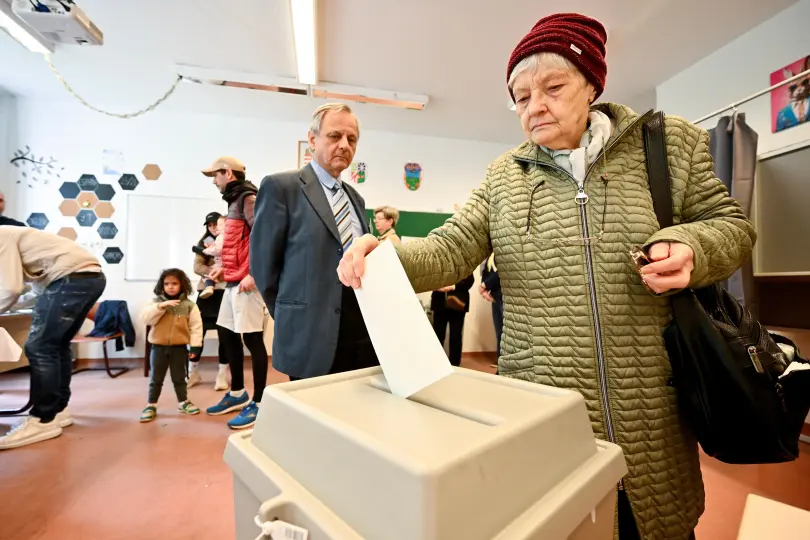
Hungary election results map
What the Result Means for the Future of European Populism
Orbán became an emblem for a broader European movement: nationalist, skeptical of supranational governance, and often hostile to liberal norms. His defeat does not end those currents, but it punctures the aura of invincibility that some populist leaders claimed. For centrists and pro-democracy advocates across the Continent, the Hungarian vote will be studied as a model of tactical unity, turnout mobilization, and the electoral limits of personalized strongmen under certain conditions.
Lessons for opposition movements
One takeaway is the strategic value of coalition-building without sacrificing coherent governance promises. Magyar's approach of offering conservative stewardship while promising institutional repair succeeded where scattershot opposition efforts earlier in the decade had failed. It suggests that convincing swing voters on competence and respect for institutions can be decisive, even against an entrenched populist machine.
Conclusion: A Turning Point, Not a Finish Line
Hungary's April 12, 2026 election represents a clear turning point — an end to a distinctive political chapter and the start of an uncertain but potentially stabilizing transition. The new government inherits deep institutional challenges, polarized politics, and international expectations. How Péter Magyar and his partners navigate the first months will determine whether this is a lasting democratic renewal or a brief interlude before new tensions reassert themselves.
Elections change leaders; meaningful reform changes institutions — the hard work is just beginning.
- Historic change: Viktor Orbán conceded on April 12, 2026, ending 16 years in power.
- Opposition victory: Péter Magyar's Tisza Party captured a decisive mandate to govern and promised institutional repair.
- Immediate priorities: Judicial independence, EU ties, transparent procurement, and economic stabilization will dominate early policymaking.
- European implications: The result eases a major source of intra-EU friction and could recalibrate Hungary's foreign policy.
The next chapters in Hungary's story will be written in parliaments, courts, ministries, and the small acts of daily governance that either rebuild trust or erode it again. For those who watched the vote as a referendum on democracy itself, the outcome offers a reminder that political systems retain the capacity for change when citizens, institutions, and leaders align toward a common purpose.