
Accidental Pavlov: My High-Five Gym Contract with a Powerlifter
There are stories you tell to your friends and stories that quietly rearrange the logistics of your life. This is the latter: an embarrassing, oddly instructive tale about how a single, reflexive high-five turned into a socialized, Pavlovian contract with a gym powerlifter — and why, eight months later, I still show up to the gym on his schedule because I cannot, for the life of me, break the handshake of habit. If you like workplace awkwardness, social psychology, and the slow creep of accountability, buckle up. There is a deadlift involved.
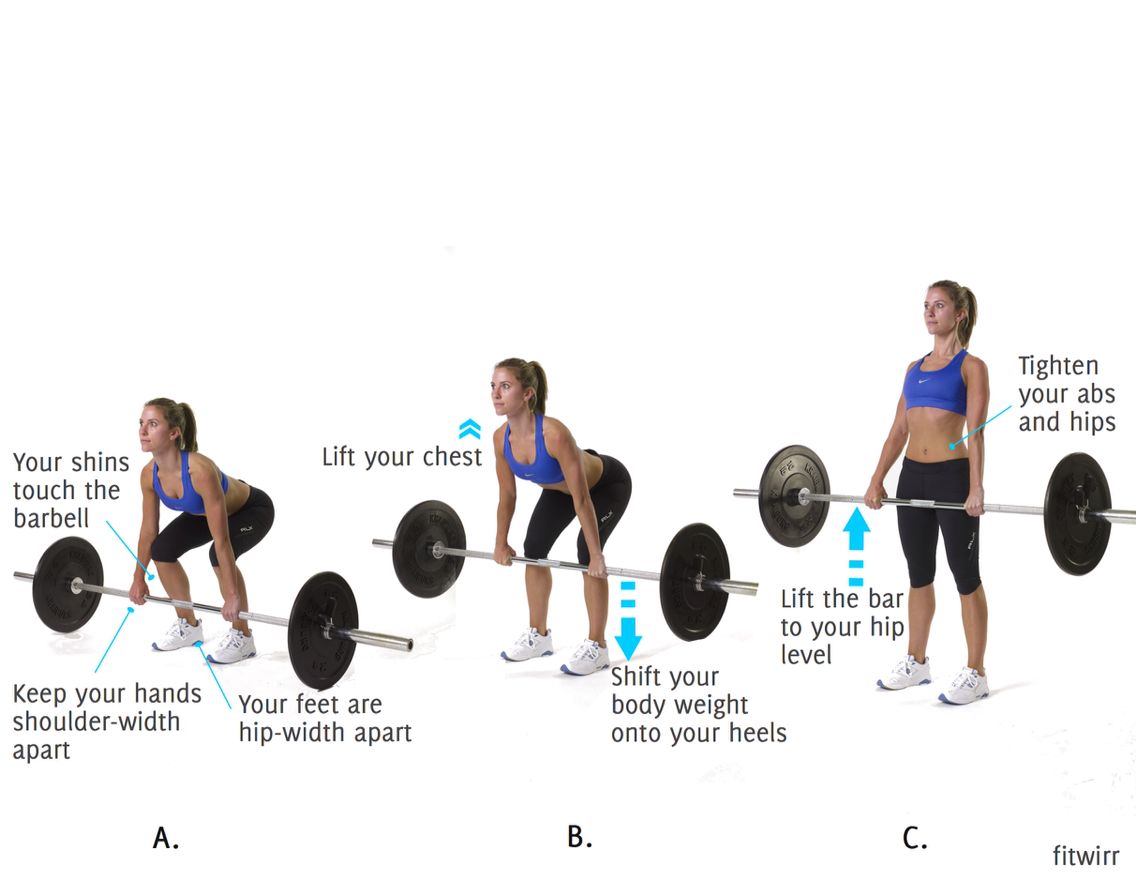
deadlift exercise form
THE SETUP
My gym is the kind of place that smells faintly of chalk and ambition. It has a roster of characters: midday yoga moms, retired marathoners, and a corner where people who will never do lunges conspicuously bench more than any reasonable human should. Among them is Jonah (not his real name), a mountain of a man with the kind of forearms that could open jars by gaze alone. He is a friendly presence: gruff laugh, generous spotting, and the kind of mutual-respect vibe that keeps the free-weight section functioning like a small, self-regulating republic.

free-weight gym section
How We Met
We had the polite gym pleasantries — nods, brief tips about form, the occasional loading-up-of-the-plate act of kindness. One winter morning I was running late. I like early workouts; they tidy my day. Jonah was in the middle of a warmup when I popped in for a quick 45-minute session. We exchanged the kind of banter you get from repeated incidental proximity: "You still doing the same split?" "Yeah, stubbornly." That banter, perfunctory and light, set the stage for everything that followed.
THE PAVLOVIAN HIGH-FIVE MOMENT
Here’s where it gets ridiculous in retrospect. Jonah finished a set, I finished a superset, and in a synchronous burst of endorphin-fueled camaraderie we both raised our hands and slapped palms. It was an instinctive acknowledgment — the gym equivalent of "good job" or "solid lift". Except the following week, on a different day, my body anticipated the slap. Coffee, commute, the exact playlist on my headphones — some neural circuit in my brain had associated Jonah's presence and that sweaty little ritual with positive reinforcement. That is to say: Pavlov would have been proud.
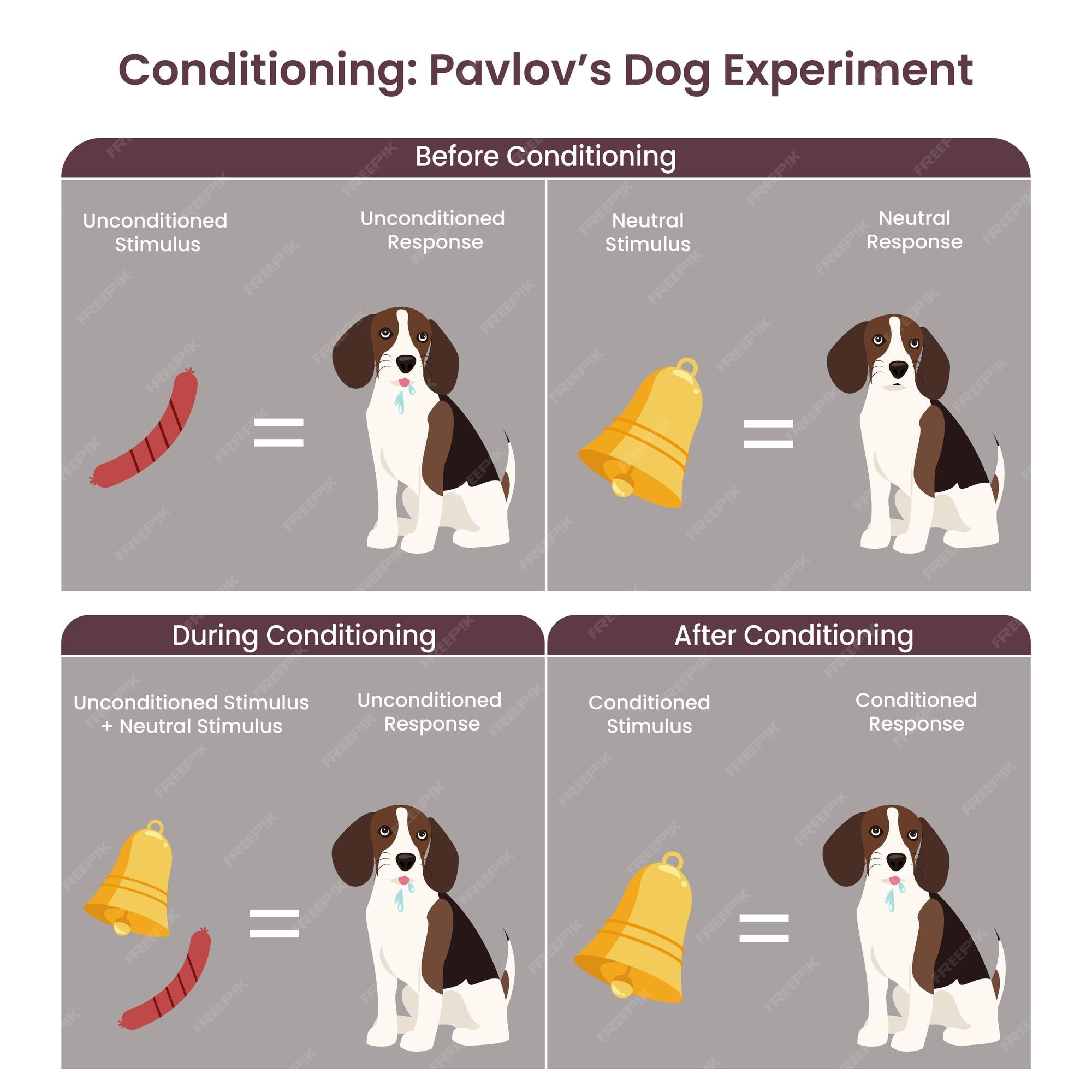
Pavlovian conditioning diagram
I hadn't signed anything on paper, but the high-five functioned like a contract: it came with expectations, consequences, and a strange emotional bill that I now owed in punctuality.
What Pavlovian Conditioning Looks Like in Everyday Life
Pavlovian conditioning is not just about bells and dogs. It's about the brain attaching meaning to cues: a gym buddy's arrival, a gesture, a ringtone. Over time, those cues trigger automatic responses. In my case, the cue (Jonah's presence and the slap) became linked to reward (social acknowledgement, a mood lift) and, crucially, to accountability — the kind that nudges you out of bed even when your inner voice wants five more minutes. The sloppy truth is I liked that nudging. I am not proud of how quickly I ceded calendar control, but the psychology behind it is fascinating.
THE CONTRACT — UNOFFICIAL BUT BINDING
The problem was not the high-five. The problem was the escalation. After two weeks of synchronous slaps, Jonah started greeting me like a partner in a ritual. "Three mornings a week, right?" he'd ask. I would agree, because social contracts are frictionless and because a little accountability sounded useful. No written terms, no witnesses, just a handshake and the mutual reinforcement of two humans trying to be better.

social contract handshake metaphor
Why I Couldn't Change My Gym Days
Once you publicly commit to something — even casually — you invite social reinforcement. People correct you gently for deviations, you feel the discomfort of letting them down, and your brain treats the praise as a reward. I learned that when I tried to switch a Wednesday session to Thursday. Jonah raised an eyebrow. I felt a small pang of awkwardness that had nothing to do with the deadlift bar and everything to do with reciprocity and reputation. Over time, that pang grew into a behavioral barrier. On a practical level, the Friday morning slot I wanted clashed with another person's schedule, but more importantly, I had a new identity: the reliable high-five guy.
THE COSTS AND BENEFITS
This arrangement came with perks. I was consistent, my lifts improved, and having someone notice felt affirming. On the other hand, I sacrificed flexibility: travel plans, work meetings, and even a family dinner I rearranged because I didn't want to disappoint a man who could probably bench-press my laptop. There is a balance between accountability that supports your goals and social obligation that limits your autonomy. I had drifted from the former into the latter.

gym workout consistency routine
- Consistency: Showing up regularly improved progress.
- Community: Social reinforcement made workouts less lonely.
- Loss of Flexibility: I started planning life around a handshake.
- Discomfort: Saying no felt like breaching trust.
The Moment I Tried to Break It
There was a moment, three months in, when a friend invited me to an early show that conflicted with a usual session. I considered asking Jonah to forgive me that once. Instead I lied: "Work thing." I felt ridiculous. In the audience, my phone buzzed with a gym text: "You in tomorrow?" That sting — the feeling of being policed by a ritual I had invented — was the turning point. I decided to fix this not by sneaking around but by reclaiming my autonomy honestly.

calendar scheduling conflict
HOW TO UNDO A PAVLOVIAN AGREEMENT
If you find yourself bound by a ritual you didn't mean to join, there are practical, polite ways out. Here is the method I used, explained step-by-step:
- Acknowledge the pact out loud. Say, "Hey, I think our high-fives turned into something bigger than intended." Naming it reduces its mystique.
- Offer a new structure. Propose explicit check-ins rather than fixed days. "I'll text you when I can make it and I'll try for three times a week."
- Use substitution cues. Replace the ritual cue with a more flexible one: a shared calendar invite or a weekly message instead of a spontaneous slap.
- Set boundaries kindly. Be clear about exceptions and non-negotiables: travel, family, work emergencies.
- Reinforce positive change. When you miss a session, follow up. Show that your commitment is to the goal, not to the ritual.
What I Said and What Happened
I told Jonah the truth: the high-fives started as a nice boost but they'd grown into an expectation I couldn't always meet. He laughed, then shrugged, then said something disarmingly simple: "Cool. Text me." The world did not end. The gym did not fracture. He still offered spot checks and occasionally slapped my hand, but the incidence of my knees getting wobbly when I tried to reschedule dropped. The social weight of the ritual had shifted into something negotiable.

gym powerlifter high five
BROADER LESSONS ON HABIT, IDENTITY, AND COMMUNITY
This small debacle revealed larger truths about how habits and identities form. We adopt rhythms not only because they are efficient but because they feel like proof of who we are. Saying "I go to the gym three mornings a week" is shorthand for "I am disciplined." But identity is a double-edged sword: it keeps you honest, and it can become a trap. The antidote is intentionality — deciding which rituals serve you and which serve the story you tell yourself.
Practical Tips for Avoiding Accidental Contracts
Based on my messy experience, here are pragmatic steps to keep rituals from turning into rigidity:
- Be explicit early. If a ritual forms, name the terms: days, expectations, exceptions.
- Use technology. Shared calendars or habit apps make agreements trackable and flexible.
- Set periodic reviews. Check in monthly to see if the arrangement still serves everyone.
- Practice saying no. Gentle refusal preserves relationships and autonomy.
CONCLUSION
My accidental Pavlovian high-five was, in the end, an excellent lesson in how small social rituals can quietly govern behavior. It taught me about the power of positive reinforcement, the comfort of belonging, and the subtle tyranny of unspoken obligations. More importantly, it taught me how to say, without drama, "I appreciate you, but I also need to plan my life." That line restored my calendar and my dignity in the same breath.
A handshake can feel like a signature, but signatures are negotiable if you approach them with honesty.
Key Takeaways
- Small rituals create real expectations; name them to keep them manageable.
- Pavlovian cues are everywhere—use them intentionally to support goals rather than constrain them.
- Polite, direct communication preserves relationships and autonomy.
- Use tools (calendars, messages) to convert informal pacts into flexible agreements.
Sometimes the smallest gestures become our loudest commitments. Learn to read and rewrite them.