
Why Teen Boys Choose AI Girlfriends Over Real Relationships
It used to be that teenage romance was coded in bike rides, whispered notes, and awkward first kisses. Now, an increasing number of adolescent boys are spending those same hours talking to scripted voices, curated avatars, and algorithmically responsive chatbots. For some the appeal is simple: control. For others it is safety, anonymity, or access to desire without negotiation. Whatever the motive, the trend raises urgent questions about development, intimacy, and the role of technology in shaping a generation's emotional life.
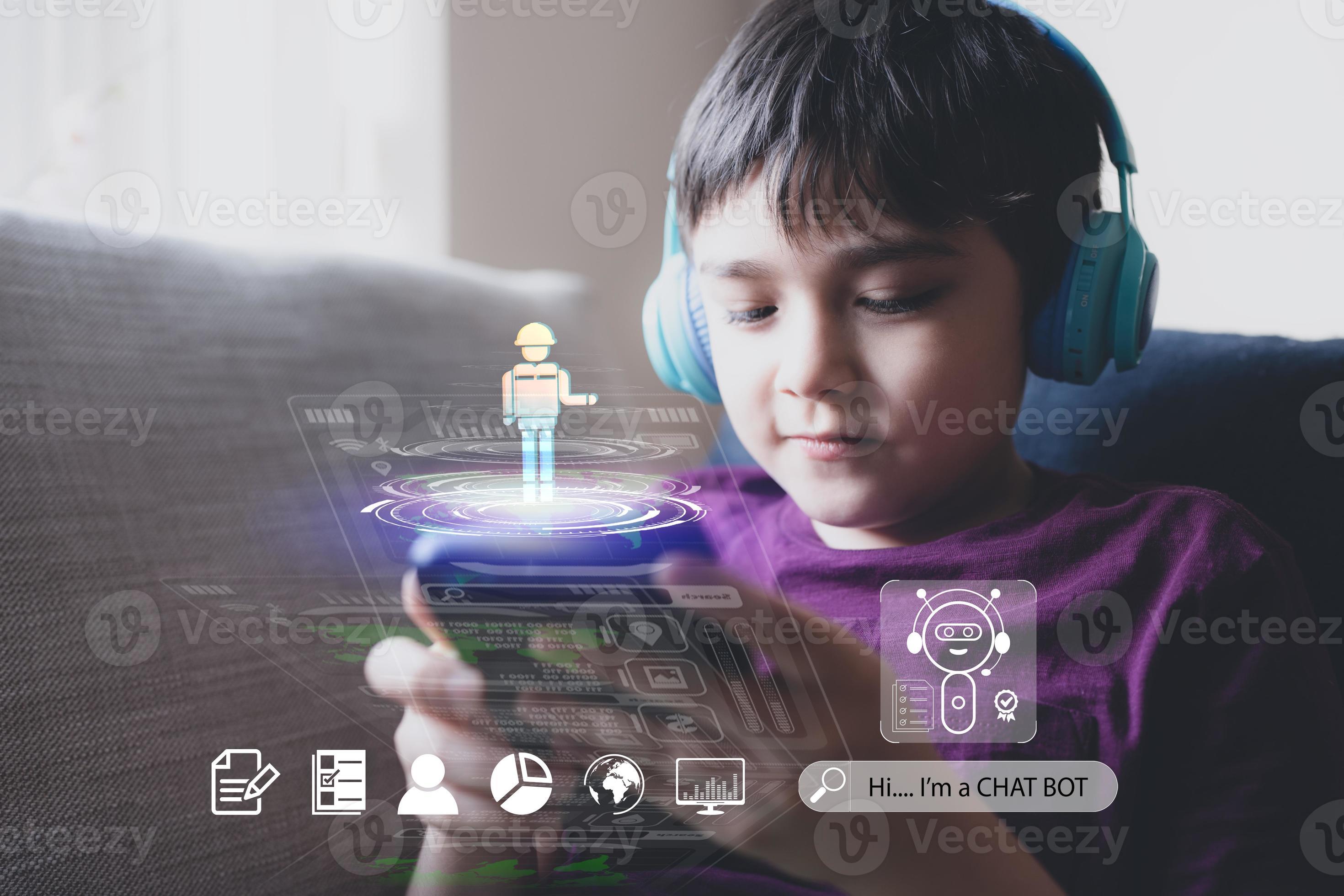
teen boy using chatbot
What We Mean by "AI Girlfriends"
The shorthand "AI girlfriend" covers a spectrum of products and practices. At one end are conversational chatbots designed to mimic romantic or flirtatious exchange; at the other are immersive avatar apps that pair natural language, voice synthesis, and customizable visual personas. Some services offer free basic interactions; many monetize with subscription tiers, microtransactions, or paid explicit content. Importantly, these systems are not human. They are code, trained on language models, guided by rules and heuristics, and engineered to respond in ways that sustain engagement.
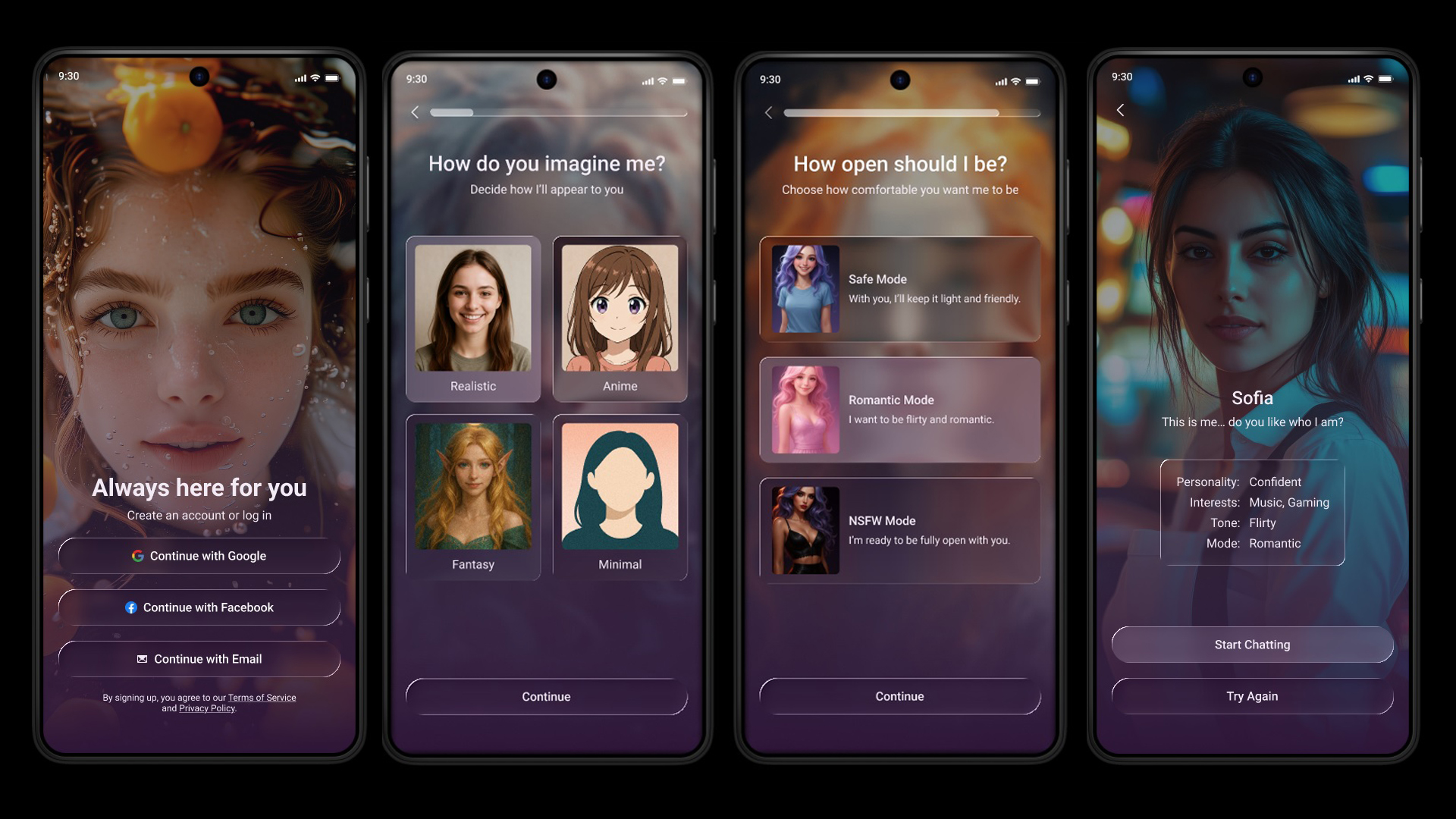
AI girlfriend app interface
A Simple Thesis: Control Trumps Connection
The central argument of this piece is straightforward: when teenage boys choose AI companions over real partners, they are often prioritizing control—over how interactions unfold, how affection is expressed, and how rejection is managed—more than they are seeking the messy, reciprocal work of human connection. Control is attractive when social skills are fragile, when vulnerability is risky, and when platforms make simulated affection feel easier and safer than real intimacy.
"The power to pause, edit, and replay a conversation with a synthetic companion rewires expectations about what relationships can be."
Why Control Is So Powerful
Control manifests in many small conveniences that add up for a teen in flux.
- Predictability: Bots respond on-script, reducing social uncertainty and the anxiety that comes with misread cues.
- No rejection trauma: An AI can be programmed to be kind, affectionate, or responsive—hard edges of real-world rejection are minimized or absent.
- Customization: Teens can choose voice, looks, interests and even the emotional tone—shaping an idealized partner without negotiation.
- Scalable intimacy: A bot can be available any hour, never tired, and always attentive—unlike real people who have boundaries and lives.
For an adolescent still learning social norms and emotional regulation, those features can feel deeply appealing. They offer a low-cost rehearsal space where the risk of humiliation is dialed down and the reward of being listened to is nearly guaranteed.

teen social anxiety isolation
Root Causes: What's Driving the Trend?
This shift doesn’t occur in a vacuum. Several cultural and structural forces converge to make AI companions an attractive substitute for human relationships.
1) Rising Social Anxiety and Declining Face-to-Face Practice
Many teens report higher anxiety around in-person interactions than previous generations. The decline in unstructured social time—fewer after-school hangouts, more supervised activities, and highly curated social media lives—means fewer opportunities to practice the messy skills of flirting, reading cues, and navigating disagreement. An AI provides a frictionless arena where mistakes feel reversible and consequences are minimal.
2) Ubiquity of Sexualized Content and Early Exposure
Widespread access to explicit material normalizes one-way, consumption-oriented sexual fantasies. AI companions often mirror those expectations by foregrounding sexual availability or scripted flirtation. The result is a feedback loop: early sexual curiosity is reinforced by technologies engineered to satisfy without the mutuality and consent education that healthy development requires.
3) Changing Masculinity Scripts
Traditional pressures on boys—to be stoic, in control, and sexually competent—clash with the emotional vulnerability required for real relationship-building. AI offers a version of companionship that doesn't demand the kind of self-exposure society often stigmatizes in boys. The technology can thus feel like a refuge from norms that punish emotional risk-taking.
4) Platform Design and Monetization
Design choices—reward loops, gamified affection meters, and in-app purchases—encourage repeated use and dependency. Where human relationships require time and reciprocal investment, platforms reward engagement with instant responses and virtual rewards, aligning commercial incentives with prolonged single-user interaction rather than fostering real-world connection.
5) Solitude and Loneliness
Not all teens who choose chatbots are socially inept or avoidant. Some are simply lonely. The modern adolescent landscape can be isolating: moves, family stress, and fragmented peer groups create gaps that algorithmic companions can temporarily fill.
What Teens Gain—and What They Risk
Understanding trade-offs is essential. From the teen’s perspective the gains can be immediate and concrete; the risks more diffuse but significant.
parent teen conversation technology
Perceived Gains
- Emotional rehearsal: A low-stakes environment to practice conversation and expression.
- Safety: Protection from peer judgment and public relationship drama.
- Sexual exploration: A route to explore desire without negotiating two bodies.
- Companionship: A sense of being heard, particularly for isolated teens.
Real Risks
- Skill atrophy: Less practice with conflict resolution, consent negotiation, and real-time emotional repair.
- Distorted expectations: Difficulty accepting that humans are fallible, slow, and boundary-driven.
- Emotional dependence: Forming attachment patterns with a nonreciprocal entity can complicate future relationships.
- Ethical and safety gaps: Platforms may collect data, normalize sexual scripts, or expose users to exploitative monetization.
A Note on Consent and Agency
One paradox of AI companionship is how it collapses consent into design. When a chatbot always says yes, a user's sense of consent can become unmoored from reality. Practicing with a partner who never refuses does not build the negotiation muscles required for real consent. This is not merely theoretical: healthy adult relationships require repeated, sometimes difficult conversations about boundaries—skills that are less often exercised in solitary interactions with obedient software.
How Parents and Educators Can Respond
Blanket bans rarely work. Technologies that feel secretive become more attractive. Instead, a combination of empathy, education, and structural support tends to yield better outcomes.

adolescent therapy session
Practical Steps
- Open conversation: Ask nonjudgmental questions about what teens are using and why. Curiosity builds trust.
- Teach consent in concrete terms: Use role-play and real examples to show how negotiation works and why refusal matters.
- Encourage balanced digital diets: Suggest limits that protect sleep, schoolwork, and in-person social time without shaming technology use outright.
- Model vulnerability: Adults showing how to repair a disagreement or ask for help teaches social resilience.
- Provide alternatives: Promote team activities, hobby groups, and mentorship that create low-pressure social practice.
Design and Policy Considerations
Engineers, product designers, and policymakers play a role too. If platforms are shaping adolescent intimacy, they carry responsibility for safety and downstream social effects.
Design Ethics
- Transparent boundaries: Clarify when interactions are simulated and limit sexualized design targeted at minors.
- Consent conditioning: Build interactions that normalize refusal and negotiation rather than always consenting.
- Data minimization: Avoid harvesting sensitive intimate data from adolescents that could be used for profiling or exploitation.
Policy Options
- Age-appropriate gating: Stronger verification and differentiated product features for minors.
- Content standards: Rules that limit exploitative sexual content in AI products accessible to teens.
- Education funding: Invest in school-based programs that teach digital intimacy alongside digital literacy.
Voices from the Ground
Conversations with teens reflect a range of motives and feelings. Some describe AI companions as practice partners—an arena to try being more expressive. Others confess a creeping dependency and surprise at how much emotional energy they invest in something they know is simulated. Parents report mixed feelings: relief when their child seems less isolated, alarm when the relationship seems to displace friendships or schoolwork.
Clinical Perspectives
Therapists who work with adolescents caution against pathologizing every interaction with digital companionship. For some, a chatbot may be a tool in coping with grief, a temporary scaffold while social skills develop, or a discreet outlet for exploring identity. For others, persistent reliance correlates with avoidance and stagnation. The clinical approach emphasizes assessment, curiosity, and targeted skills work rather than moral panic.
Real-World Examples of Responsible Practice
Some educators have folded conversations about algorithmic companionship into sex education and social-emotional curricula, creating modules that address consent, data privacy, and the differences between simulated and reciprocal intimacy. Community centers that offer low-cost social programs and mentorship find that providing real-world, low-stakes social opportunities significantly reduces the allure of purely digital intimacy for many teens.

digital intimacy education class
Practical Advice for Teens
If you are a teen wondering how to balance curiosity with long-term emotional growth, try these steps:
- Reflect: Ask yourself what you get from your AI companion that you don’t get from people.
- Experiment: Use AI as rehearsal—then test conversations in real life, starting small.
- Limit: Set specific time rules so simulated intimacy doesn’t crowd out friendships, school, or sleep.
- Talk: Share your experience with a trusted adult or peer; candidness reduces secrecy.
Where This Could Lead
There are several possible trajectories. One optimistic path is hybridization: AI that genuinely teaches negotiation, models healthy refusal, and nudges users toward real-world social engagement. A darker path is commodified intimacy: platforms steeped in monetization that deepen dependence and normalize one-sided sexual scripts. The future will be shaped by design, regulation, and cultural conversation.
- Accessible practice space
- Low-risk emotional expression
- Immediate companionship for isolated teens
- Reduced social skill development
- Potential normalization of one-way sexual scripts
- Privacy and exploitation risks
Conclusion
The rise of AI girlfriends among teenage boys reveals a choice that is as much cultural as technological: a preference for controllable, polished interaction over the unpredictability of human connection. That preference is understandable in a world that penalizes vulnerability and rewards curated performance. But it is also consequential. Without intervention—through education, design ethics, and public policy—this pattern can hollow out opportunities for practicing reciprocity, consent, and resilience.
Addressing the issue is not about demonizing technology but about redirecting its power toward scaffolding real growth. That means platforms that teach rather than seduce, schools that include digital intimacy in curriculums, and parents who create spaces for honest conversation. Done well, these steps can help ensure that algorithmic companions become tools for development rather than substitutes for it.
- Many teen boys choose AI companions because they offer control, predictability, and reduced risk of rejection.
- Widespread use of simulated companionship can atrophy social and consent skills if not balanced with real-world practice.
- Parents, educators, and designers should focus on education, ethical product design, and providing alternative social opportunities.