AI Compute Costs Now Outpace Human Salaries, Nvidia Says
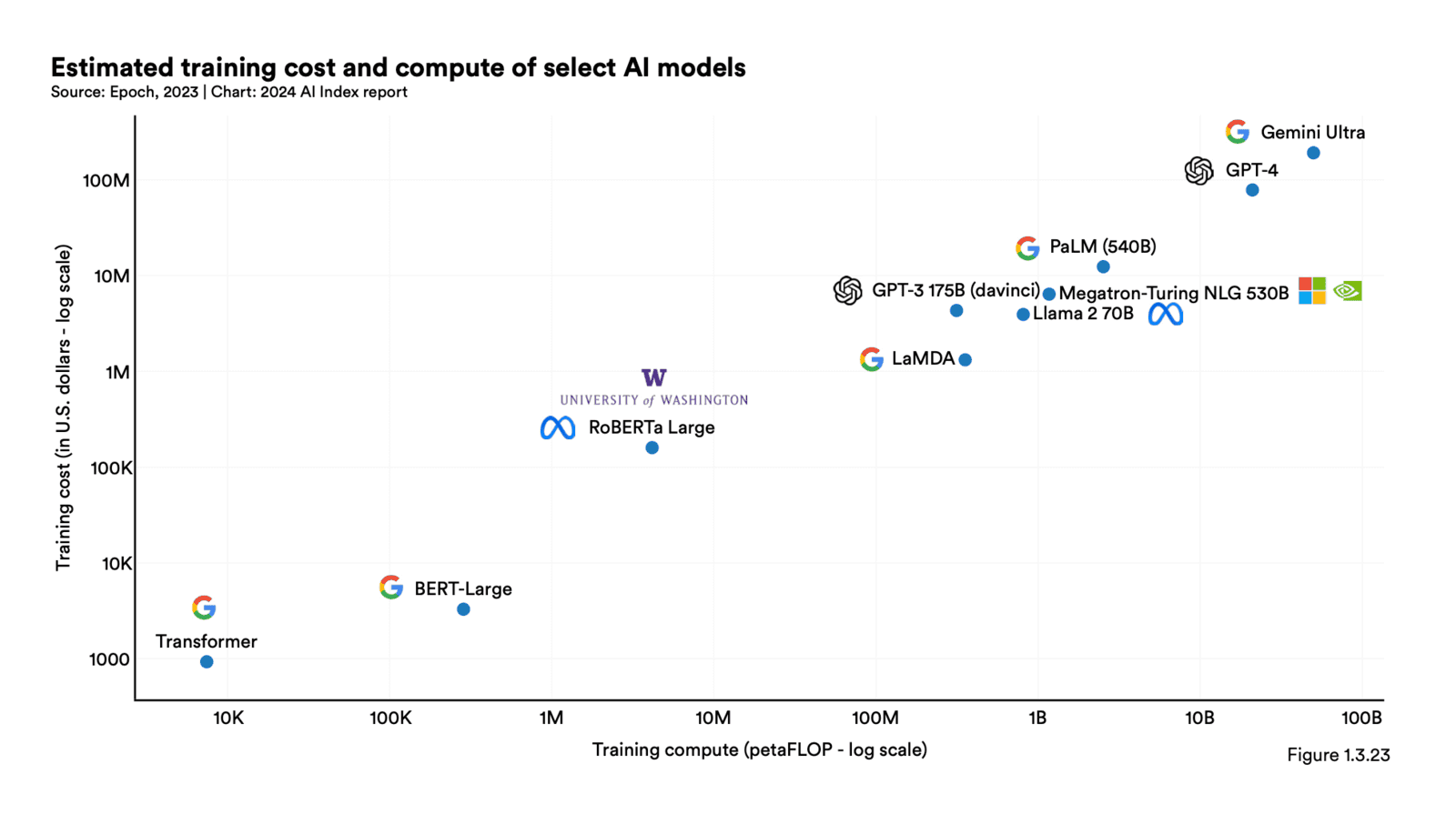
The claim—that the cost of compute for AI can now exceed the salaries of human workers—sounds like an alarm bell and a provocation at once. When a senior executive at one of the world’s largest GPU makers says "the cost of compute far exceeds employee salary," companies take notice. The remark crystallizes a deeper shift: for many tasks, compute is no longer trivially cheap, and the economics of automation are more complex than the binary choice of "replace worker" or "keep worker." This article unpacks the claim, explains where those costs come from, illustrates the trade-offs, and offers practical approaches businesses can use to get value from AI without blowing their budgets.
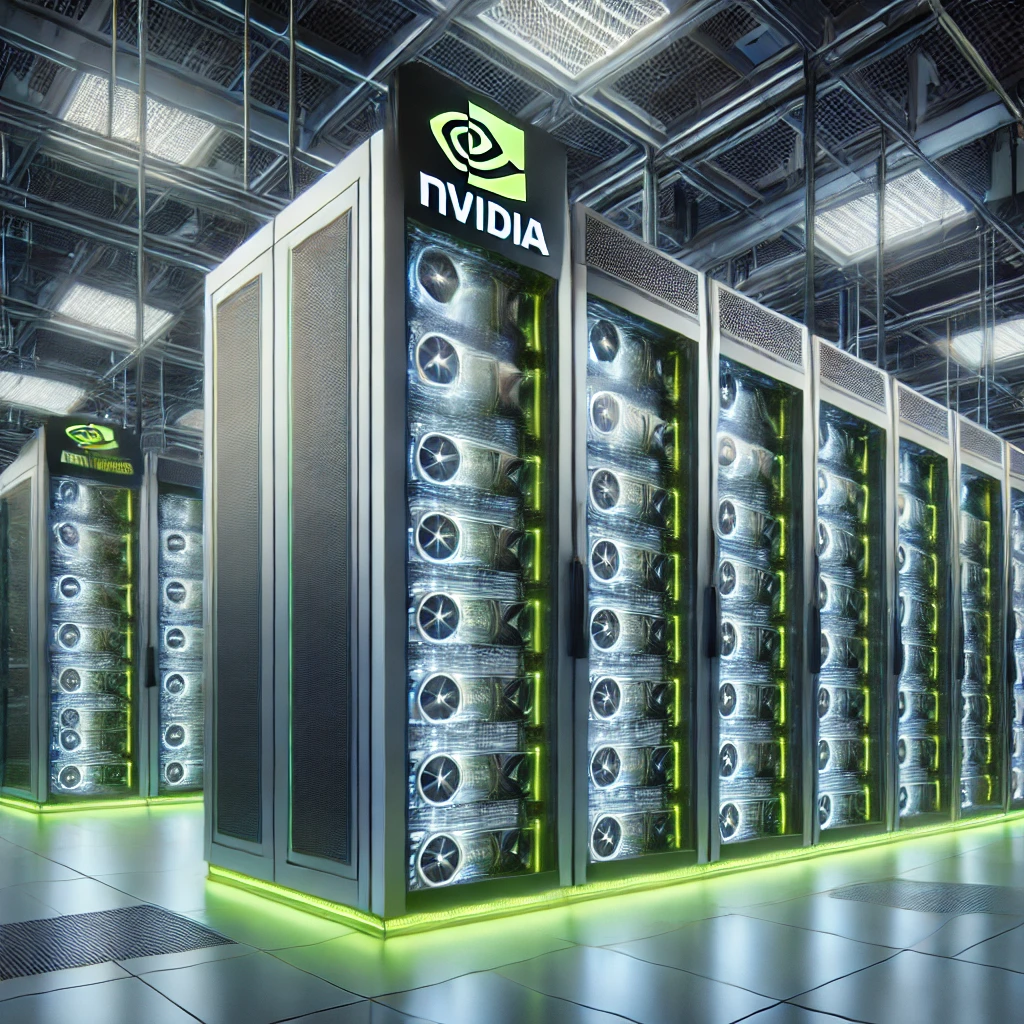
Nvidia GPU data center
Why the Statement Matters
At first glance the observation is simple: running sophisticated AI models costs money. But the implication is much larger. Organizations that assumed software and compute would continually become cheaper now face a new reality where the marginal cost of running high‑performing models—especially large language and multimodal models—can be significant. That affects procurement decisions, product roadmaps, hiring plans, and even public policy. It raises a question every CFO will ask: at what point does paying for GPUs, power and cloud services stop being cheaper than paying salaries for people to do the same work?
Where AI Costs Really Come From
Training vs. Inference: Two Very Different Bills
AI spend breaks into two main buckets. Training is the heavy lift: building or fine‑tuning a model requires many GPU hours, large datasets, networking, and often specialized tooling. Training a state‑of‑the‑art model can consume thousands or millions of GPU-hours and substantial electricity. Inference—the step where the model actually responds to user input—can be much cheaper on a per‑query basis, but at scale even tiny per‑request costs accumulate rapidly.
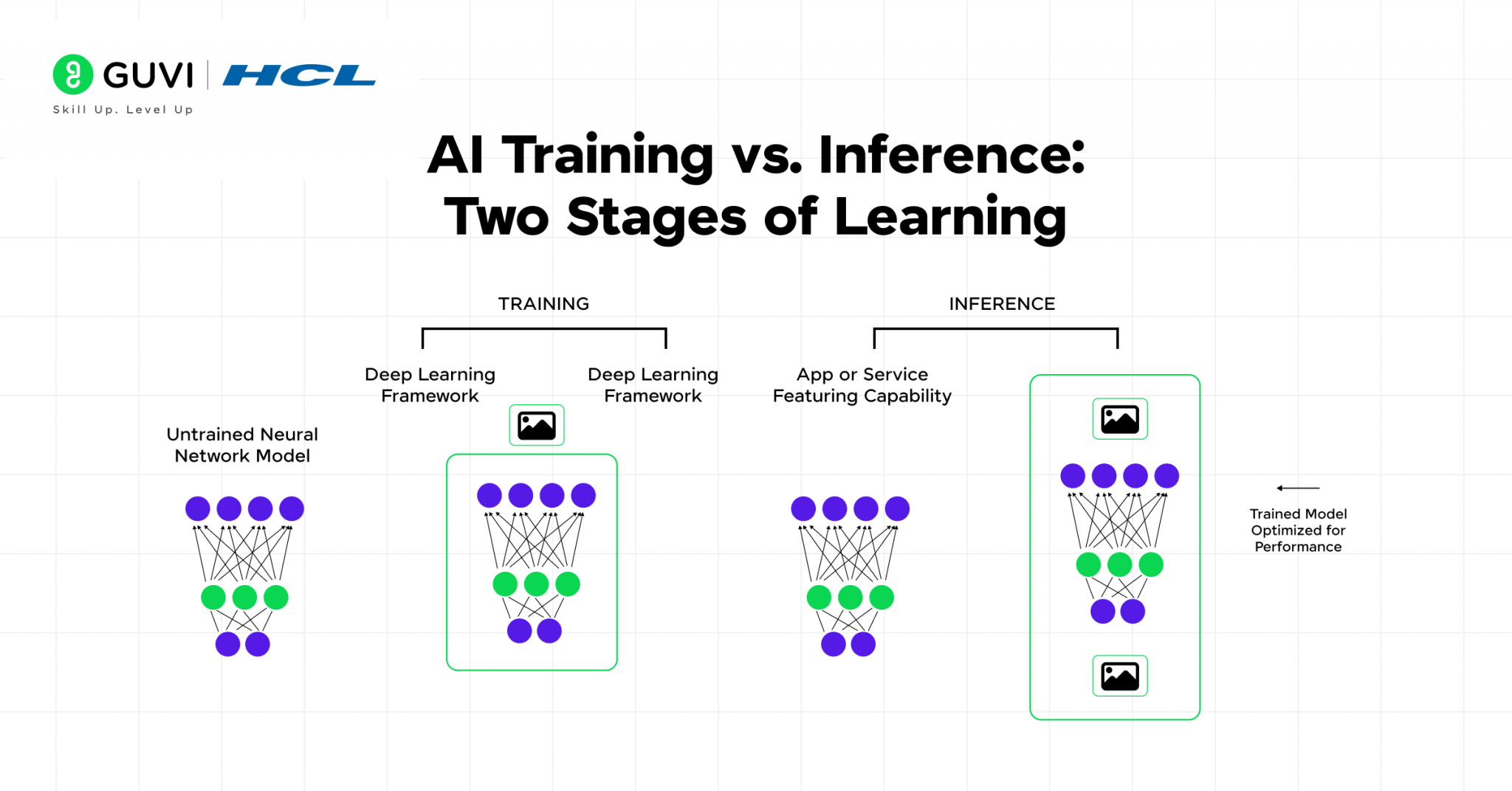
AI training vs inference
Hardware and Infrastructure
High‑end GPUs and accelerators are expensive, and their price is only part of the equation. Enterprises must also budget for:
- Data center space: racks, power delivery and real estate.
- Cooling and power: GPUs draw a lot of electricity and generate heat that must be removed efficiently.
- Networking: fast interconnects and bandwidth to move large datasets.
- Storage: persistent, high‑performance storage for training datasets and model checkpoints.
- Operational tooling: MLOps platforms, monitoring, model versioning and staff to run them.
These elements can add 30 to 100 percent or more on top of raw hardware costs when tallied into total cost of ownership (TCO).
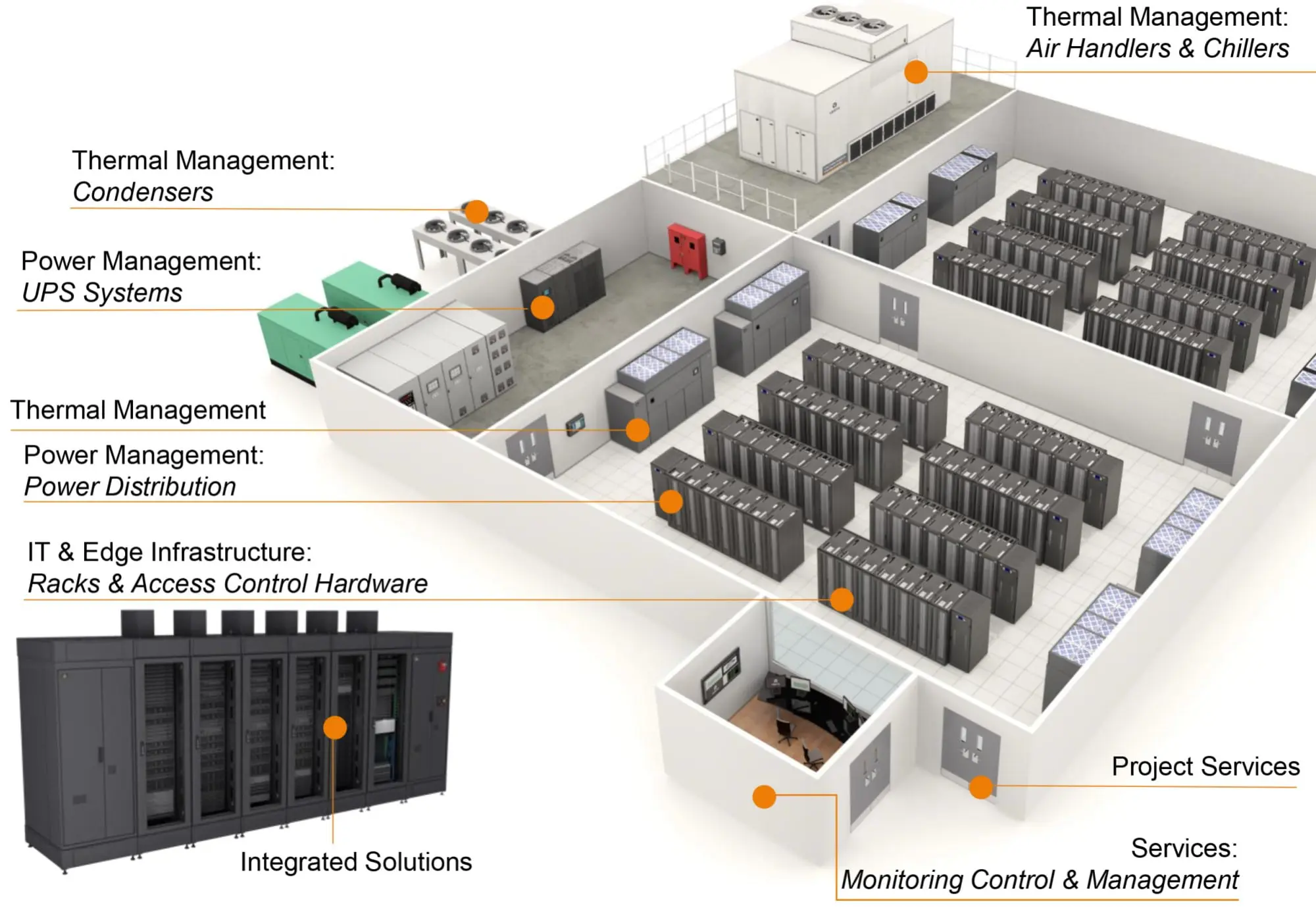
Data center cooling systems

GPU server hardware infrastructure
Comparing AI Compute to Human Salaries
An Illustrative Example
Because precise numbers vary by region and provider, it’s useful to think in examples. Suppose a business is considering automating a customer support function currently handled by a team of agents earning $60,000 a year. If a large model requires many GPU-hours to train and substantial inference costs per query, the business must calculate not only the cost to build the capability but also the ongoing operational cost for every support ticket answered.
For clarity, consider two simplified annual cost streams side by side:
- Human costs: Ten agents at $60,000 total $600,000 in wages, plus benefits and overhead that may bring the employer cost to $800,000.
- AI costs: One‑time fine‑tuning and integration might cost the equivalent of $200,000 in engineering, data labeling and cloud compute, but operational inference costs—cloud GPU or CPU time, supporting microservices, monitoring—could run $50,000 to $500,000 annually depending on volume, latency and model efficiency.
When inference volume is high and latency requirements force expensive GPU inference, the AI path can quickly exceed the total cost of human labor. Conversely, for repetitive high‑volume tasks where per‑query cost is tiny, AI can be far cheaper. The economics depend on scale, latency, and the specific model architecture.
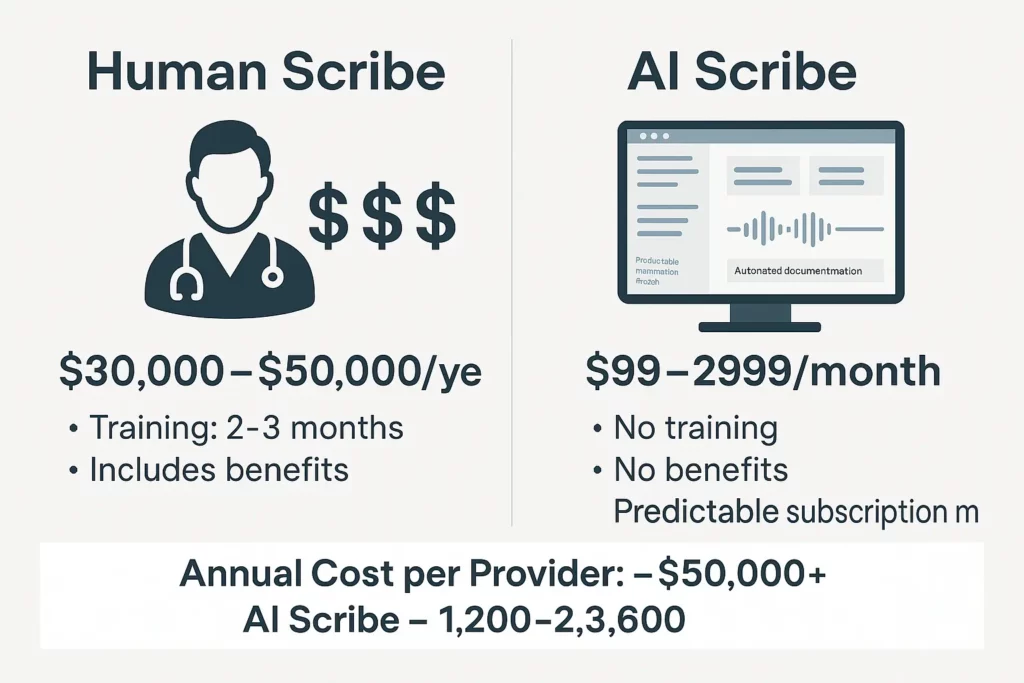
Human vs AI cost comparison
Hidden and Long‑Tail Costs
There are additional costs that are often overlooked:
- Model drift and retraining cycles.
- Security, compliance and privacy measures for sensitive data.
- Human oversight, moderation and escalation pathways.
- Opportunity cost of failed experiments and product delays.
Accounting for these makes the comparison with human employees even more nuanced. Labor costs are predictable and steadily rising; compute costs may be lumpy but can spike with usage or new product features.
Why Compute Became So Expensive
Model Size and Demand
The surge in compute costs flows from two trends: models have grown dramatically larger and demand has outstripped supply for high‑performance accelerators. Bigger models often deliver better performance, but they require more memory and compute. Companies building competitive products push toward larger models, inflating both training and inference bills.
Supply Constraints and Premium Services
Leading‑edge accelerators are produced by a handful of manufacturers and available in limited supply. Cloud providers offer premium access and pricing tiers for guaranteed low‑latency instances, and those add significant overhead. The market dynamic—where demand can spike faster than production—keeps prices elevated.
"The math of automation is no longer just about headcount; it's compute, energy, infrastructure and the cost of running models reliably at scale."
Optimization Strategies to Reduce AI Costs
Model-Level Techniques
Teams can dramatically reduce operating costs through engineering: pruning, quantization, knowledge distillation and architecture design can shrink model size and compute requirements while preserving much of the performance. Distilled or quantized models enable cheaper inference on cheaper hardware.
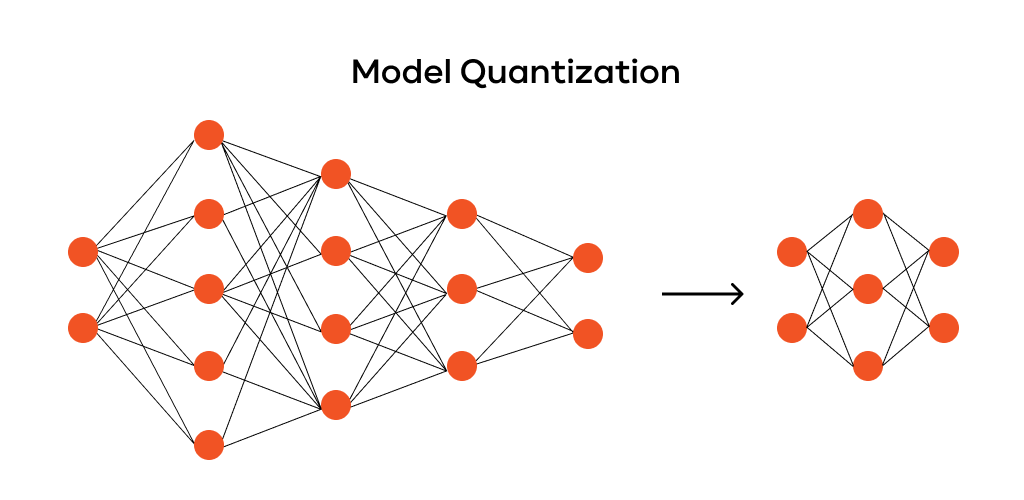
Model quantization optimization
System-Level Approaches
Batching queries, caching responses, asynchronous processing, and tiered architectures (routing simple requests to lightweight models and complex ones to larger models) cut per‑request costs. Edge inference, where models run on local devices, can also lower cloud bills for some workloads.
Procurement and Contracting
Long‑term cloud commitments, spot instances for non‑critical training jobs, and hybrid on‑prem/cloud deployments can reduce unit costs. Buying hardware and amortizing it across projects may make sense for firms with sustained usage, while others will find cloud flexibility more economical.
When Humans Still Make Sense
Complex Judgment and Trust
For tasks requiring judgment, trust, empathy or complex negotiation, human workers remain superior. The cost comparison must include qualitative dimensions: brand risk from mistakes, legal risk from incorrect advice, and customer satisfaction. In many cases a human‑plus‑AI workflow—augmenting employees rather than replacing them—delivers the best ROI.
Regulatory and Ethical Considerations
Industries such as healthcare, law and finance have regulatory constraints that limit automation. Even when compute cost becomes competitive, compliance and auditability make human oversight necessary.
Economic and Social Impacts
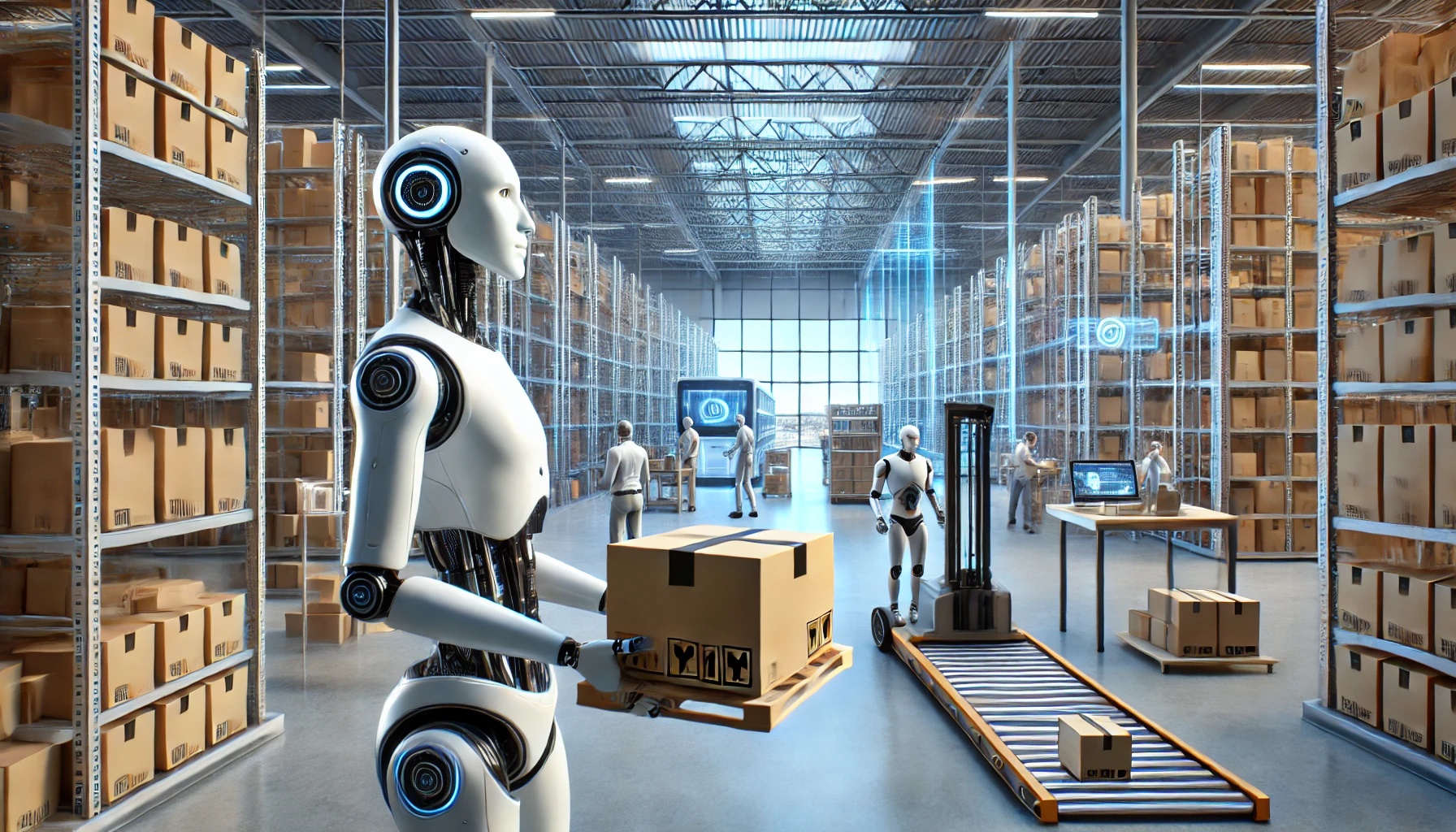
AI labor automation analysis
If compute costs continue to be substantial, the pattern of automation will change. Instead of a wholesale replacement of jobs, firms may pursue selective augmentation where AI handles scaleable, repetitive tasks and humans handle edge cases. That leads to different policy and reskilling priorities: investments may shift toward training workers to manage and collaborate with AI systems rather than competing on the same tasks.
Practical Checklist for Leaders
Before committing to an AI‑first path, leaders should run a disciplined assessment:
- Compute Cost Modeling: Project training and inference costs under several traffic scenarios.
- Hybrid Cost Comparison: Compare TCO of AI plus infra against employee total compensation including benefits and overhead.
- Quality and Risk Assessment: Map where human judgment is required and cost of errors.
- Optimization Roadmap: Plan for model compression and efficient inference architectures from day one.
- Governance: Ensure auditability, explainability and compliance before deployment.
Key Takeaways
- AI compute costs are multifaceted: hardware, power, cooling, networking and operations can push total costs above raw salaries.
- Training is expensive; inference can also be costly at scale and with low‑latency requirements.
- Model and system optimizations—quantization, distillation, batching and routing—are essential to control spend.
- Human workers remain necessary where judgment, trust and regulation matter; hybrid models often give the best return.
- Strategic procurement and governance reduce risk and improve the business case for automation.
Conclusion
The observation from an industry executive serves as a valuable corrective: the story of AI is no longer just a march toward cheaper automation. The real story now is complexity. Organizations must weigh the full cost of compute—upfront and ongoing—against the stability, nuance and contextual judgment that human workers bring. The smartest path is rarely an all‑or‑nothing choice. Instead, businesses that combine careful engineering, smart procurement and human oversight will capture the benefits of AI while keeping costs in check and reducing risk.
Automation isn't just about replacing heads on a spreadsheet; it's about investing in the right balance of compute, people and processes.
This article provides a framework for leaders grappling with the economics of AI and the choices that follow.