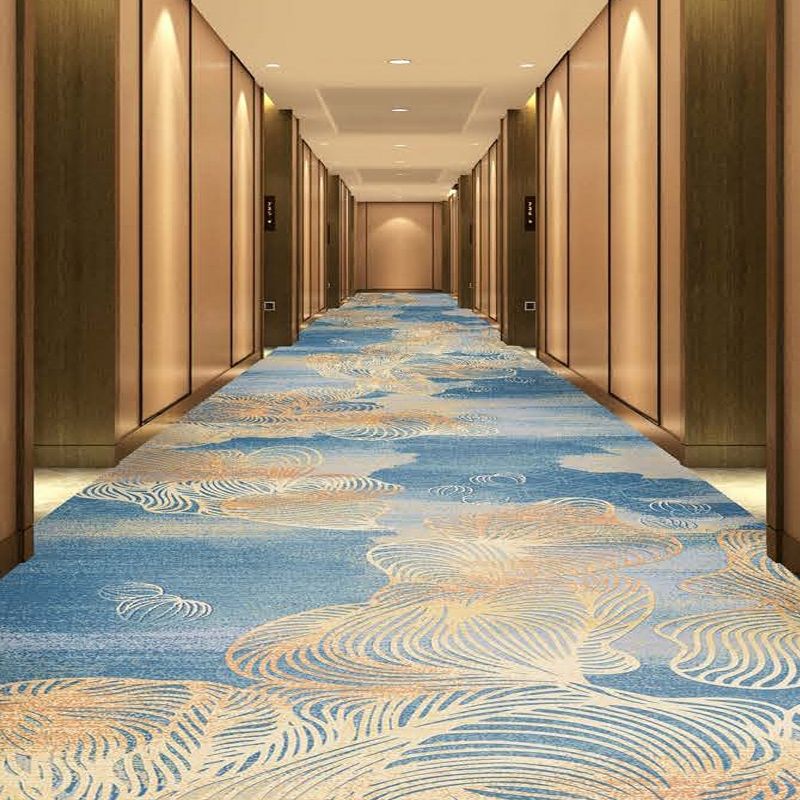
Why Hotel Carpets Look Like That: The Psychology and Design Explained
Walk into a hotel corridor at 2 a.m., bleary from travel, and your eyes meet a carpet that seems to have been woven from asteroid belts and spilled jellybeans. It’s not an accident, nor is it a conspiracy to assault your senses. The riotous carpets of hotels are the product of decades of functional compromises, industrial constraints, human perception, and an often-overlooked design logic: make something that can take a beating, hide the evidence, and still feel like a brand statement. This piece untangles why hotel carpets look the way they do and what that says about hospitality, cost, safety, and the guest experience.
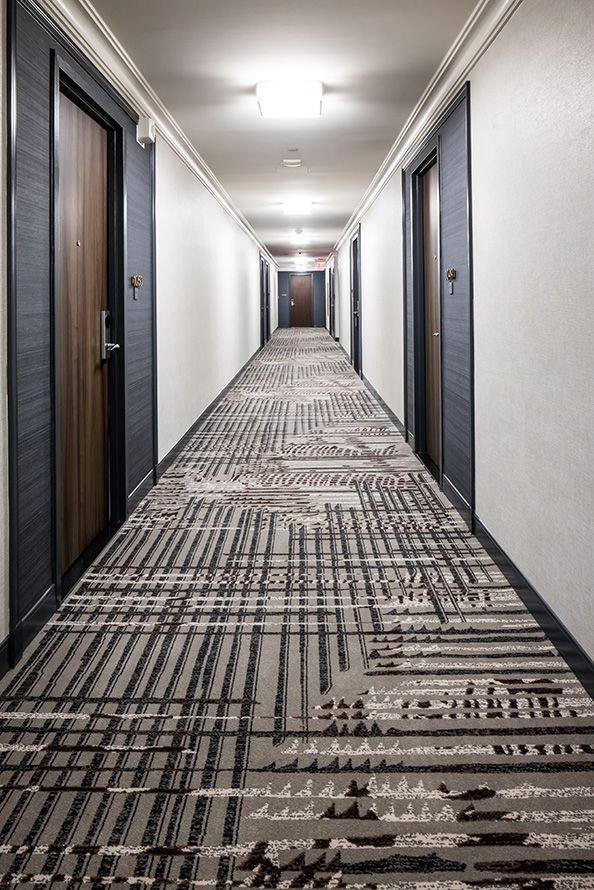
busy hotel corridor carpet
A Short History of Commercial Carpeting
The story begins when carpets moved out of private parlors and into public, high-traffic spaces. Early commercial carpeting prioritized durability above all, often using coarse wool or heavy weaves that could withstand shoed feet. After World War II the rise of synthetic fibers — nylon, polyester, olefin — transformed possibilities. Suddenly designers could choose from bright pigments and cheap production methods, and hotels discovered that patterned carpets hid stains better than solid colors. Over time the patterns became louder and more abstract as the hospitality industry pursued a visual language distinct from domestic interiors.
From Function to Ornament
Commercial carpet evolved into a hybrid object: functional floor covering and decorative branding device. Hotels needed carpets that resisted stains and wear, but they also wanted something that conveyed energy, luxury, or local flavor. Abstract motifs and saturated colors let designers encode mood without inviting visible dirt. The result: carpets that feel like they were sketched in a fever dream but actually follow a pragmatic rulebook.
The Practical Constraints Behind the Patterns
Understanding why those patterns are so busy requires looking at several intersecting constraints.
1. Stain Concealment and Visual Noise
Hotel corridors are subject to coffee spills, tracked-in mud, make-up, and countless tiny accidents. Solid colors show stains immediately. Busy patterns confuse the eye; they create visual "noise" that breaks up large stains into something less noticeable. Designers often combine high-contrast speckles, directional lines, and mottled textures to make both fresh and old stains less legible at a glance.
2. Wear Patterns and Traffic Flow
Foot traffic creates predictable wear paths. A carpet’s pile crushes and alters color where guests tread most. Patterned, high-variation carpets make those worn zones less apparent than plain carpets, extending the interval between replacements or restorative cleaning.
3. Fiber Choice and Cost
Hotels use fibers chosen for resilience and price. Nylon is popular for its abrasion resistance and dyeability; olefin (polypropylene) resists moisture and is cheaper but less resilient long-term. Those fibers accept bright, permanent dyes, which encourages bold palettes. Cost considerations push many hotel operators toward modular carpet tiles rather than broadloom, because tiles are cheaper to replace spotwise.
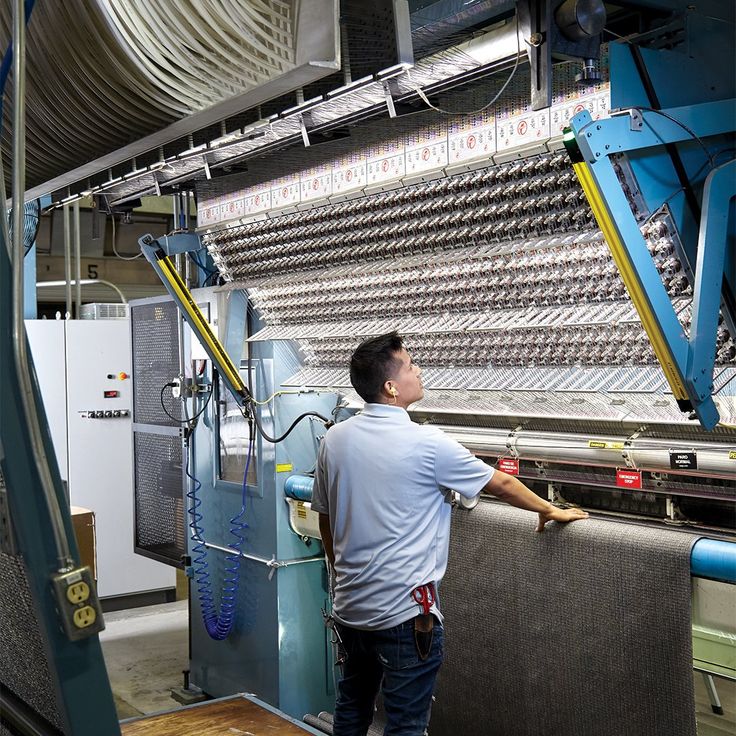
commercial carpet manufacturing tufting
Hotel carpets are less about taste and more about a cost-benefit calculation: hide stains, survive traffic, signal brand.
Design Choices That Double as Problem Solvers
Many common elements of hotel carpet design have explicit practical purposes.
Color and Contrast
Deep reds, navy blues, and murky greens are common because darker hues mask soil, while mid-tones reduce contrast between dirt and clean areas. Contrasting accents — lines, geometric fields, or brighter flecks — distract the eye from uniform discolorations and help maintain an appearance of intentionality rather than neglect.
Pattern Scale and Direction
Small, repeated motifs conceal granular dirt; sweeping, directional patterns can guide movement and even influence walking speed. Designers use scale strategically: a corridor might get an elongated linear pattern that visually narrows or lengthens the space, while public lounges use larger organic motifs to suggest leisure and comfort.
Texture and Pile Height
Low pile resists crushing and is easier to vacuum. Loop pile and cut-and-loop combinations hide traffic-induced matting. Textural variation also creates micro-shadows that evaporate the look of stains — another way pattern and material work together.
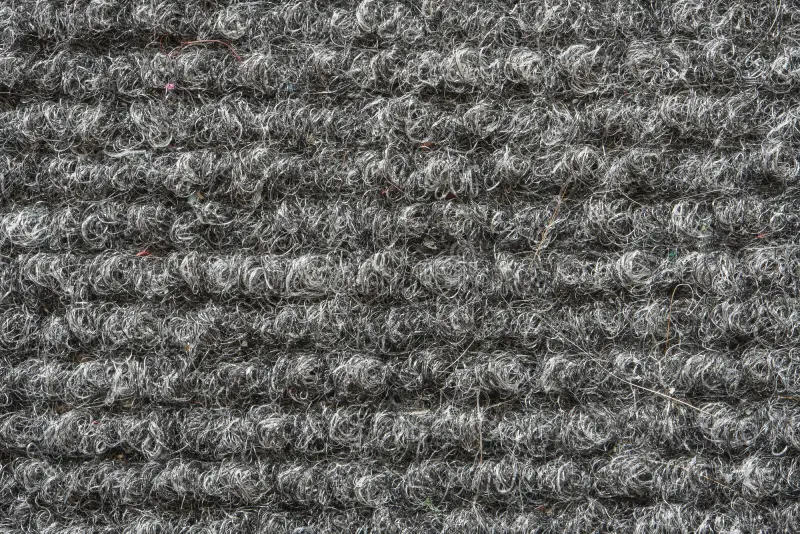
nylon carpet fiber texture
Branding, Local Flavor, and Why Things Get Wild
There is a performative side to hotel carpets. A property wants a memorable aesthetic that supports its brand voice: playful, luxurious, modern, or local. For casinos and some urban hotels, vibrancy equals energy; loud carpeting becomes part of the atmosphere. For boutique hotels, motifs might reference local landscapes or cultural patterns, abstracted so they don’t look like literal souvenirs. Designers often err on the side of boldness because it registers with guests — you remember the carpet, and that memory anchors other impressions about the property.
Why Some Choices Feel Ugly
There’s a tension between home-friendly design and hospitality pragmatism. What is tasteful in a living room often fails in a corridor because domestic aesthetics prioritize subtlety and cohesion; hospitality prioritizes resilience and flexibility. That clash yields designs that look gaudy in isolation but function well in context. To a design purist a hotel carpet can feel like an assault. To an operations manager it’s a tool.
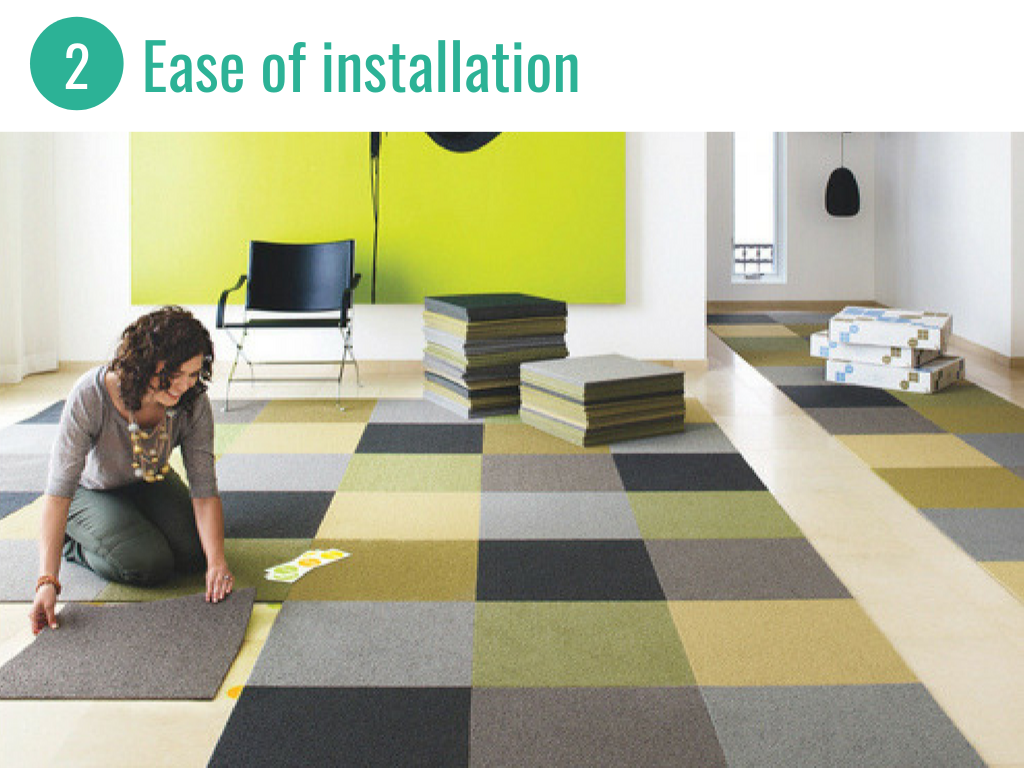
modular carpet tile installation
- Conceals stains and extends appearance cycles.
- Durable against heavy foot traffic.
- Branding and mood-setting.
- Aesthetic fatigue for design-savvy guests.
- Potential sensory overload in long runs.
- Environmental concerns with synthetic fibers.
Manufacturing, Installation, and Maintenance Realities
Beyond pattern decisions lies the supply chain. Carpets are tufted, dyed, and sometimes printed with designs. Custom patterns increase cost, so many hotels choose standardized motifs available as stock or semi-custom options. Modular carpet tiles reduce downtime because you can swap damaged squares rather than replace an entire run.
Cleaning Protocols and Longevity
Operational teams develop cleaning regimens: daily vacuuming, frequent spot treatment, and periodic deep cleaning. The right pattern reduces the need for deep cleaning purely based on appearance. However, actual hygiene requires consistent maintenance. The visual camouflage effect is a double-edged sword: it improves perceived cleanliness but can hide underlying neglect if cleaning standards slip.
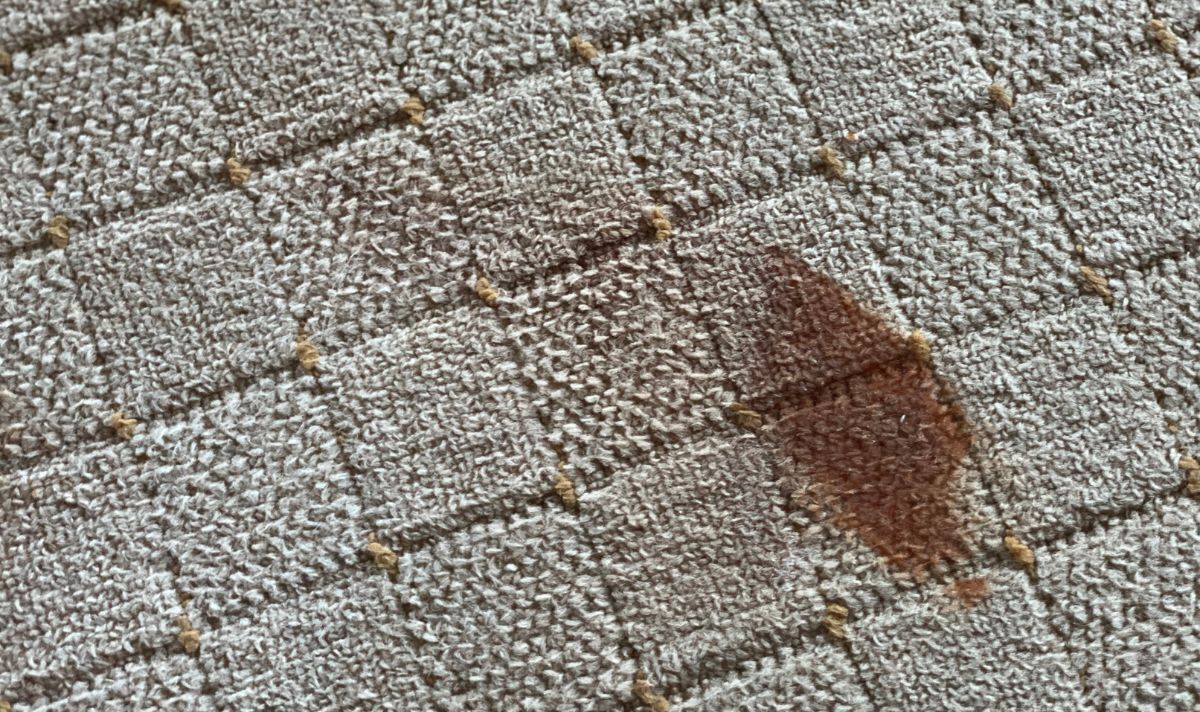
patterned carpet stain concealment
Sustainability and Changing Trends
As sustainability becomes central to design, the industry is rethinking carpet materials. Recycled nylon, bio-based backing, and lower-VOC adhesives are growing in popularity. Some designers are choosing simpler palettes and higher-quality fibers that age gracefully rather than mask wear. There’s also a move toward modularity and repairability: carpets that can be patched with exact tile matches reduce waste.
The Rise of Cleaner Minimalism
Certain luxury and design-conscious hotels have pushed back against the busy carpet aesthetic, opting for minimalism and frequent maintenance. This approach works where budgets permit daily grooming and where a restrained look is part of the brand promise. For many mainstream hotels, however, pattern-driven carpeting remains the most realistic choice.
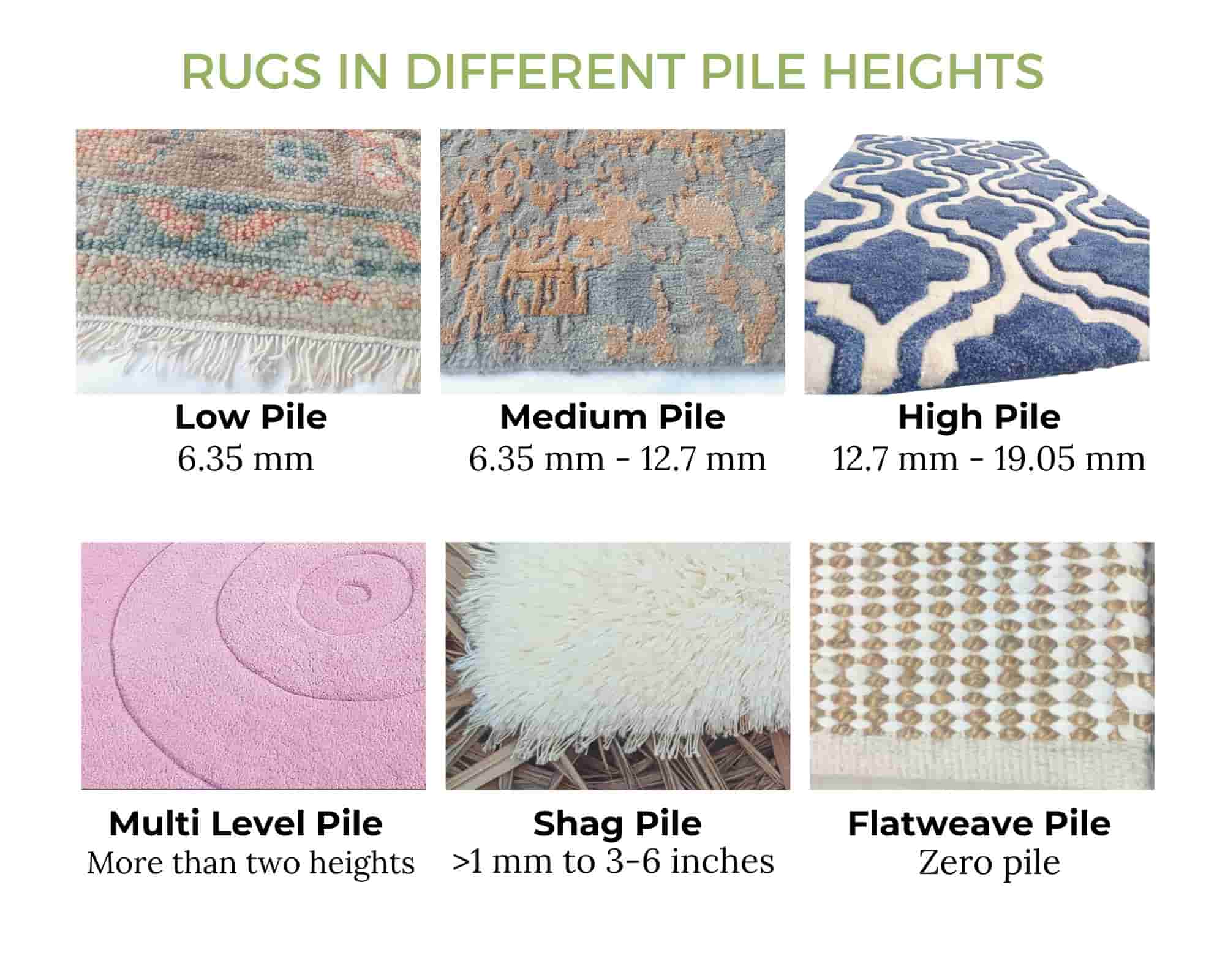
carpet pile height variation
What Guests Notice—and How It Shapes Perception
Guests do notice carpets. They read them as cues about cleanliness, care, and even safety. A well-maintained but boldly patterned carpet can feel intentional and exciting. A faded patterned carpet, however, reads as dated and neglected. That delicate threshold makes carpet choice a subtle instrument of hospitality psychology.
- First impressions: The carpet is often the first tactile element guests encounter after the door — it sets expectations.
- Comfort and acoustics: Carpet softens noise and adds warmth, affecting perceived comfort.
- Wayfinding: Patterns can guide movement or demarcate zones.
Practical Advice for Travelers and Homeowners
If you’re traveling and want to judge a hotel by its carpet, look for maintenance cues: crisp edges, consistent pile, and no lingering odors. For homeowners curious about the aesthetic, consider mid-tone patterns that read as intentional while using high-quality fibers that will wear gracefully.
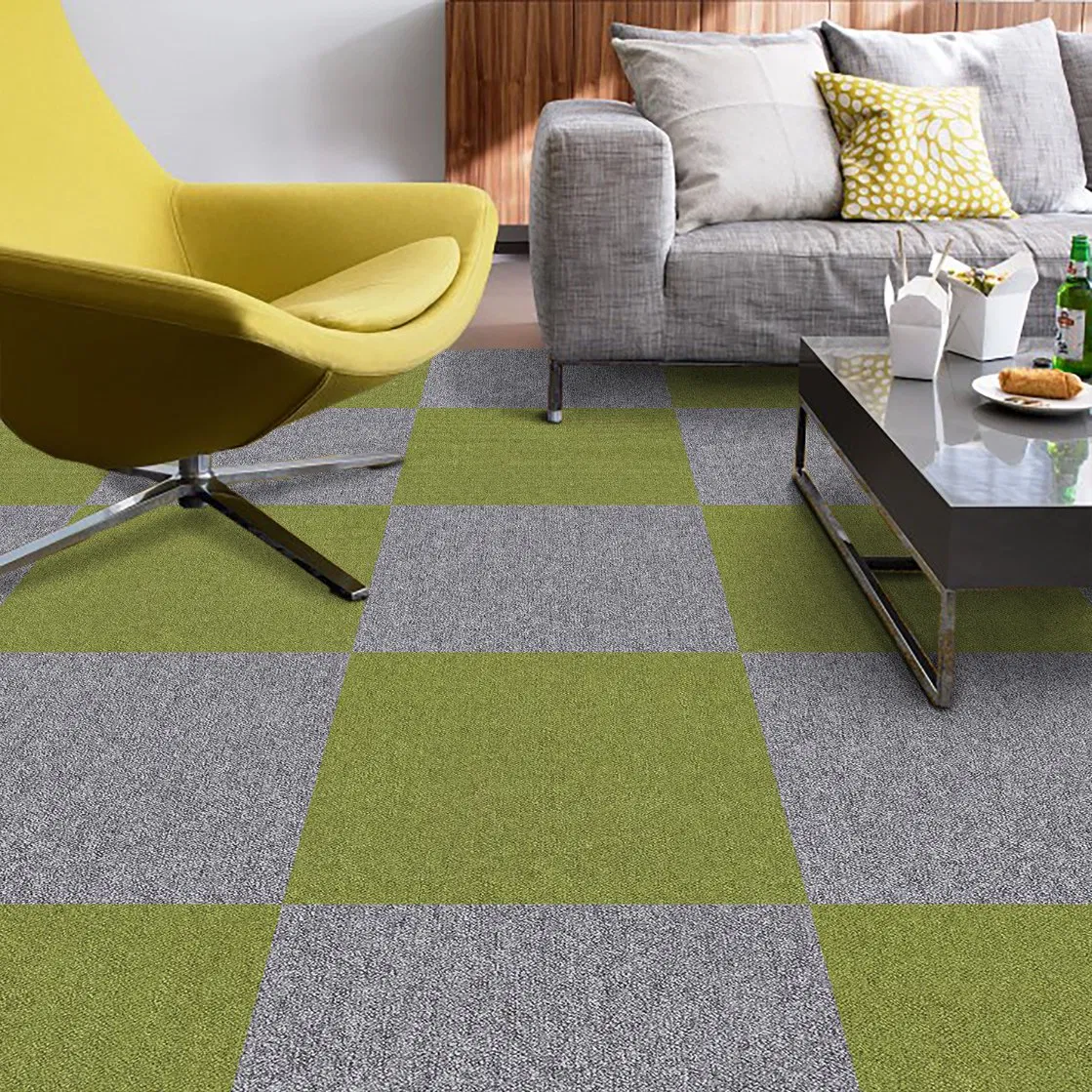
sustainable recycled nylon carpet
Conclusion: Design That Serves Multiple Masters
Hotel carpets look like fever dreams because they are trying to satisfy competing demands: hide dirt, endure high traffic, reflect brand identity, and keep costs manageable. The visual chaos is deliberate, the result of operational pragmatism meeting design language. As the industry evolves toward sustainability and refined minimalism, some carpets will quiet down. But until maintenance budgets rise across the board, you can expect bold patterns and surreal motifs to stay underfoot — a practical art form stitched together by necessity.
The next time a corridor carpet makes you smile, wince, or scratch your head, remember: it is doing a job you don’t see—quietly, efficiently, and very intentionally.
- Hotel carpets prioritize stain concealment, durability, and maintenance efficiency over domestic aesthetics.
- Pattern, fiber choice, and pile all work together to mask wear and reduce cleaning frequency.
- Design choices also communicate brand and atmosphere—sometimes at the expense of subtle taste.
- Sustainability and minimalism are reshaping options, but cost and operations still drive many decisions.