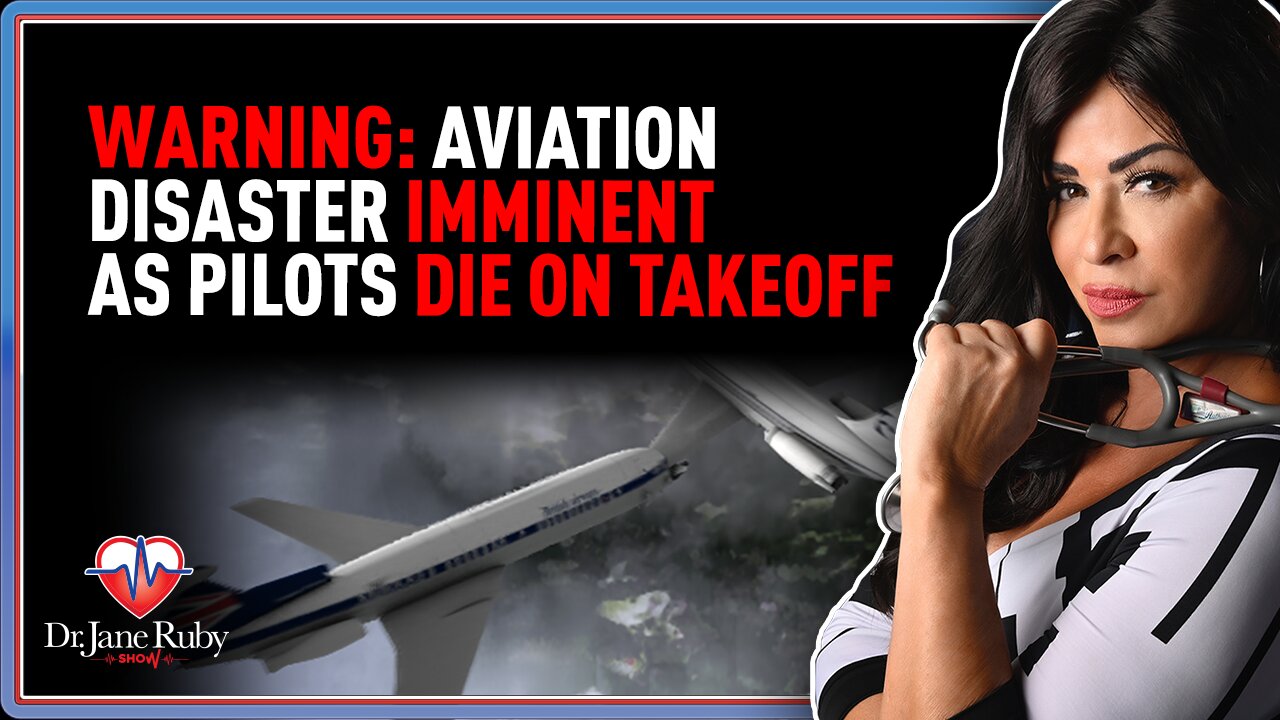
Viral Aviation Expert Warning: Fact-Check, Risks, and Reality
The internet moves fast; fear moves faster. In recent days a Reddit thread by someone claiming to be an "aviation expert" has been shared, screenshot, and reshared, prompting tens of thousands of comments, outraged headlines, and private conversations among frequent flyers wondering whether they should cancel their next trip. Viral moments like this are useful tests: they force us to examine not just the specific technical claims being made, but how we assess authority, how aviation safety actually works, and how to respond rationally when an expert's warning goes worldwide overnight.
Reddit aviation expert thread
What Happened on Reddit?
The thread began with a short, dramatic claim: an account identifying as an aviation professional wrote that a common but little-known maintenance practice—or a specific design flaw, depending on the version—was putting large numbers of flights at risk. The post used technical-sounding language, referenced industry terms, and included a few dramatic anecdotes about near-misses. Within hours screenshots of the thread were circulating beyond Reddit, on microblogging platforms and messaging apps. The narrative morphed: additional details were added in comments, counterclaims circulated, and by the time the story reached mainstream attention, the original nuance was lost.
What the "Aviation Expert" Claimed
The core of the viral claim usually falls into one of a few patterns: a specific component is failing systemically, standard maintenance is being skipped, or aircraft manufacturers and regulators are hiding data. The original post mixed technical terms—some correctly used, some misapplied—with emotive language and personal anecdotes. That combination makes a post feel authoritative even when it lacks supporting evidence.
Two reactions are common. First, readers accept the authority signaled by technical phrasing without verifying credentials. Second, critics look for quick counters—"this is false" or "this is panicked"—but often without addressing the technical points. Neither reaction helps the public understand risk.
When technical language meets viral reach, plausibility often masquerades as proof.
How to Evaluate an Aviation Expert Claim
Not every person who uses aviation terminology is an expert, and not every expert is speaking about the whole truth. Here are practical filters you can apply when you see similar claims online:
- Credential check: Does the person list verifiable qualifications, current employer, or affiliation? Pilots, engineers, and former regulators have different scopes of knowledge.
- Specificity: Is the claim tied to a specific model, serial numbers, or fleet-wide data, or is it vague and sweeping?
- Evidence: Are maintenance logs, regulatory filings, or formal incident reports cited? Anecdotes are not data.
- Consistency with known practice: Does the claim contradict basic aerospace principles like redundancy and certification? Extraordinary claims need extraordinary evidence.
- Independent corroboration: Are other credible sources—academic papers, regulator statements, or industry bodies—reporting similar findings?
When a post fails several of these filters, treat it as an unverified claim, not a reason to panic. When it passes some filters, it may justify deeper inquiry.
Aviation 101: Redundancy, Certification, and Why Single Points of Failure Are Rare
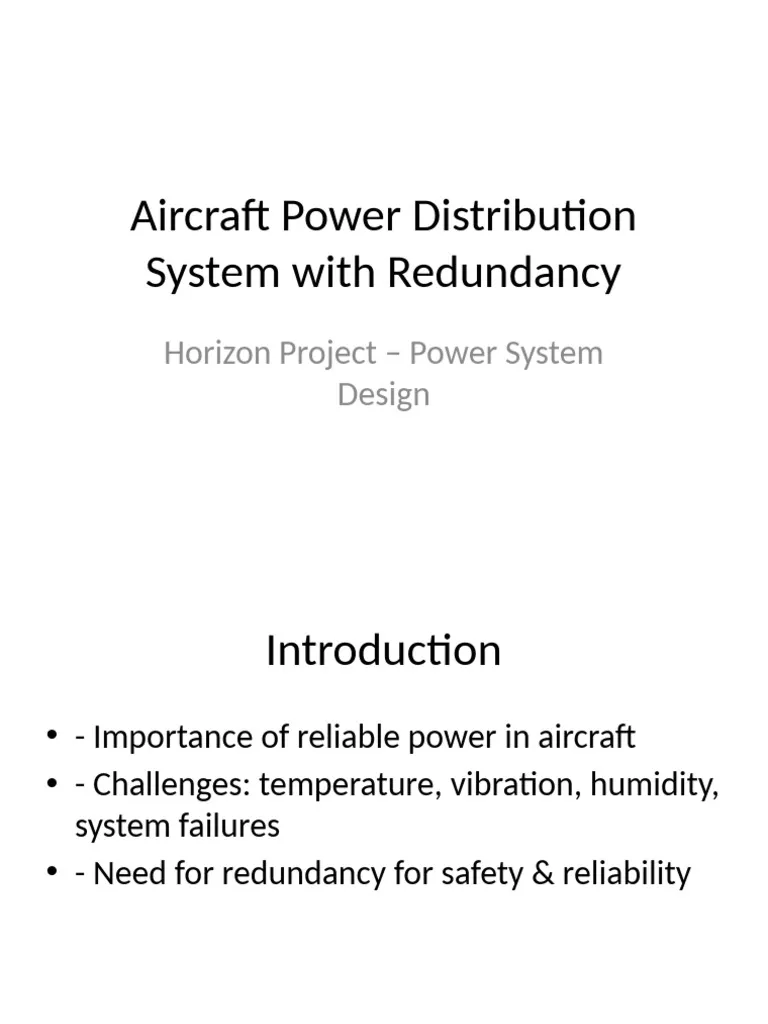
One reason viral warnings about systemic risk in commercial aviation often overstate reality is the industry's engineering philosophy: redundancy. Commercial aircraft are designed so that critical systems—engines, hydraulic circuits, flight control computers, navigation systems—have backups. Certification by civil aviation authorities requires showing that an airplane can safely continue flight in the event of many different component failures.
aviation safety systems
Maintenance regimes are likewise governed by strict national and international regulations. Scheduled inspections, component lifetimes, mandatory reporting of certain defects, and oversight audits by regulators mean that long-term, undetected systemic failures are uncommon. That's not to say incidents never happen—human error, manufacturing defects, or rare failure modes do occur—but a single engineer or pilot alleging a widespread hidden fault typically faces a high burden of proof.
aircraft redundancy design
Parsing the Technical Claims: Plausible vs. Implausible
It helps to separate claims into categories:
- Plausible but rare: Some component failures are known but infrequent and are usually managed by redundancy and pilot training.
- Plausible and localized: Issues that affect a single operator or a small batch of aircraft because of a maintenance practice or supplier defect. These are often addressed quickly once detected.
- Implausible at scale: Systemic design flaws that would expose entire fleets and survive certification and decades of operations are unlikely without being detected publicly or in industry databases.
Many viral posts slide from plausible local problems into implausible global conclusions. That's a logical leap rather than a technical one.
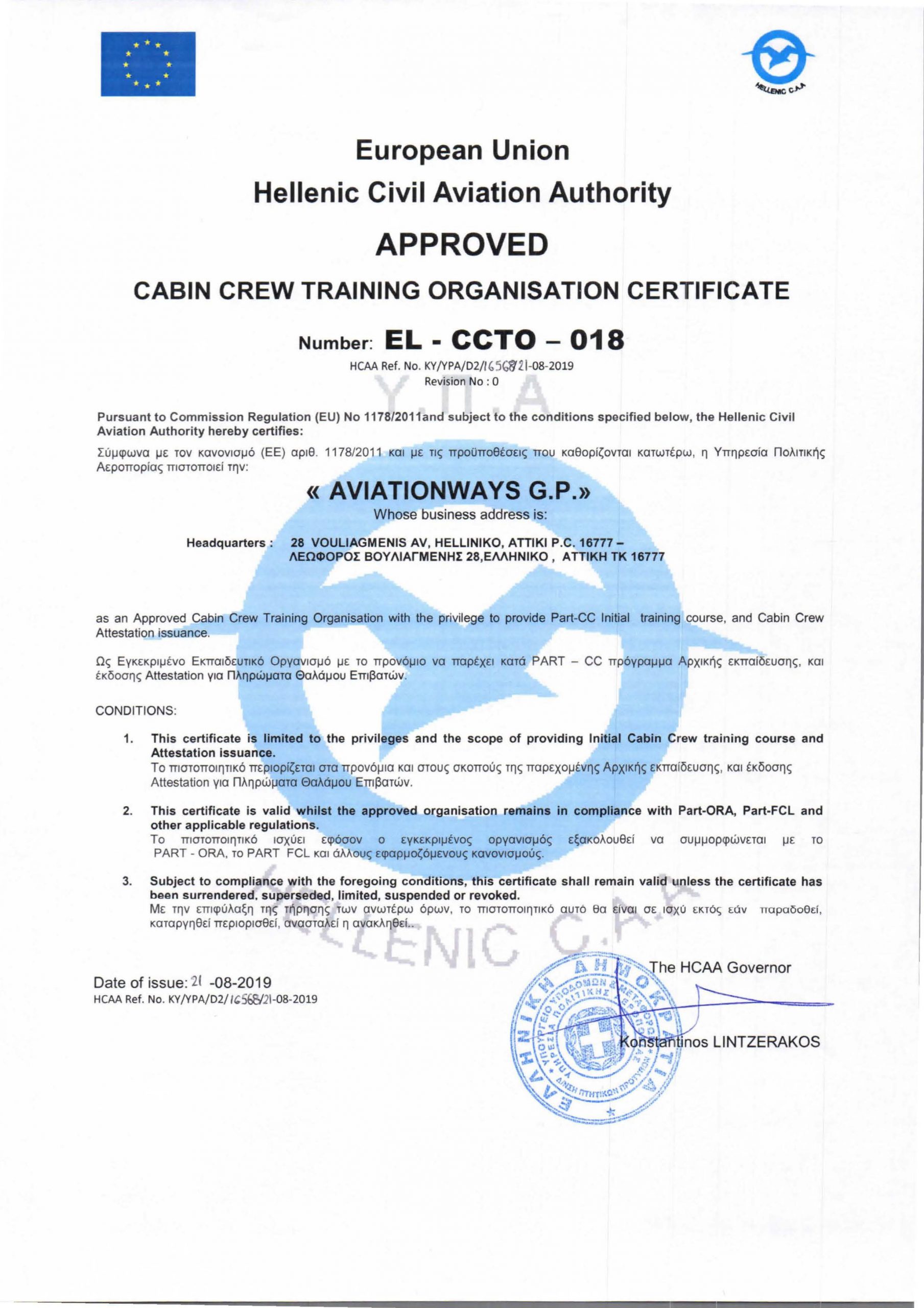
aviation regulation certification
Why Technical Language Persuades—and Misleads
There are several cognitive and social dynamics at play. Jargon signals expertise, and when readers lack specialized knowledge they often use heuristics—familiar words, confident tone, numerical precision—to judge credibility. Social media amplifies posts that trigger emotion; fear, outrage, and sensational claims get shared more than careful, qualified explanations.
Worse, viral threads typically attract a chorus of voices: some genuinely technical, some opportunistic, and some ideologically motivated. The net effect is noise. Even accurate corrections can be drowned out if they lack the immediacy or drama of the original claim.
Context: Aviation Safety by the Numbers (How to Read Statistics)
One effective antidote to panic is context. Broadly speaking, commercial air travel remains one of the safest forms of transportation in most parts of the world. Accident rates are measured in fractional incidents per million flights. Training, technology, and regulation have systematically reduced fatality rates over decades.
When examining a viral claim about increased risk, ask for the relevant denominator and timescale. Is the claim about a specific airline, a model type, a maintenance facility, or the entire global fleet? A single incident, even when tragic, does not necessarily indicate increased systemic risk unless the rate of such incidents rises appreciably over time.
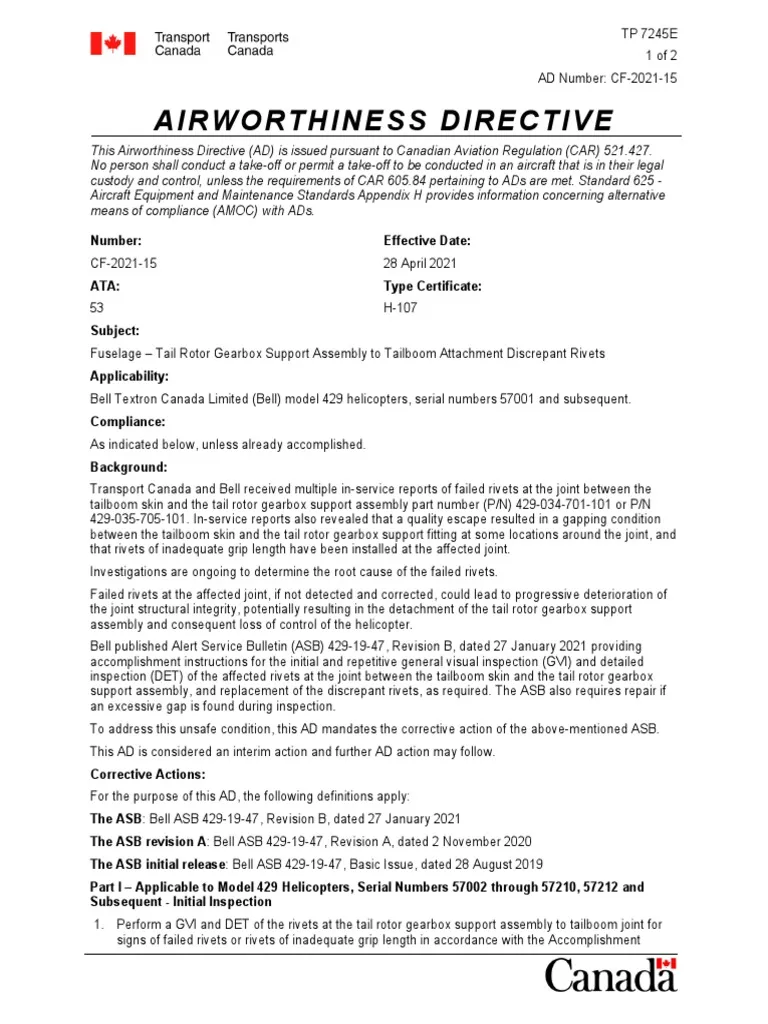
airworthiness directive notice
Common Sources of Misunderstanding
Several common factors generate the gap between perception and reality:
- Anecdotal availability: Dramatic stories stick in the mind and feel representative.
- Misapplied technical terms: Words like "sheared," "catastrophic," or "uncontained" have precise meanings in engineering contexts but are often sensationalized in casual usage.
- Hidden complexity: Aviation safety is multi-layered. Focusing on one component without understanding its role in an integrated system distorts the picture.
- Confirmation bias: People share information that fits existing fears about airlines or manufacturing malfeasance.
Understanding these mechanisms reduces the persuasive power of a viral claim that lacks evidence.

pilot training cockpit
How Industry and Regulators Actually Respond
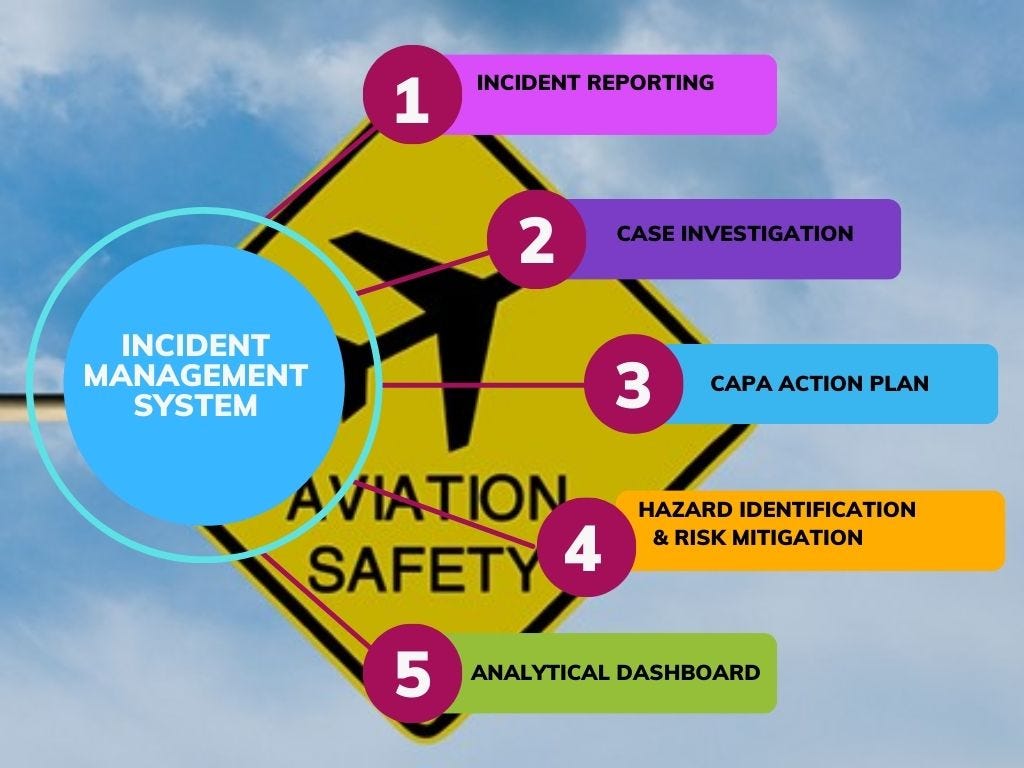
When credible safety issues surface, the response pathway is relatively standardized: incident reporting, preliminary analysis, targeted inspections, airworthiness directives if needed, and public communication. Manufacturers, airlines, and regulators rarely benefit from hiding serial problems; transparency and remediation are often in their material interest because lives and brand reputations are at stake.
That doesn't mean the process is instantaneous. Investigations require data—flight recorders, maintenance logs, component histories—which can take weeks or months to analyze. During that time, misinformation can fill the vacuum if journalists and the public don't exercise patience and critical thinking.
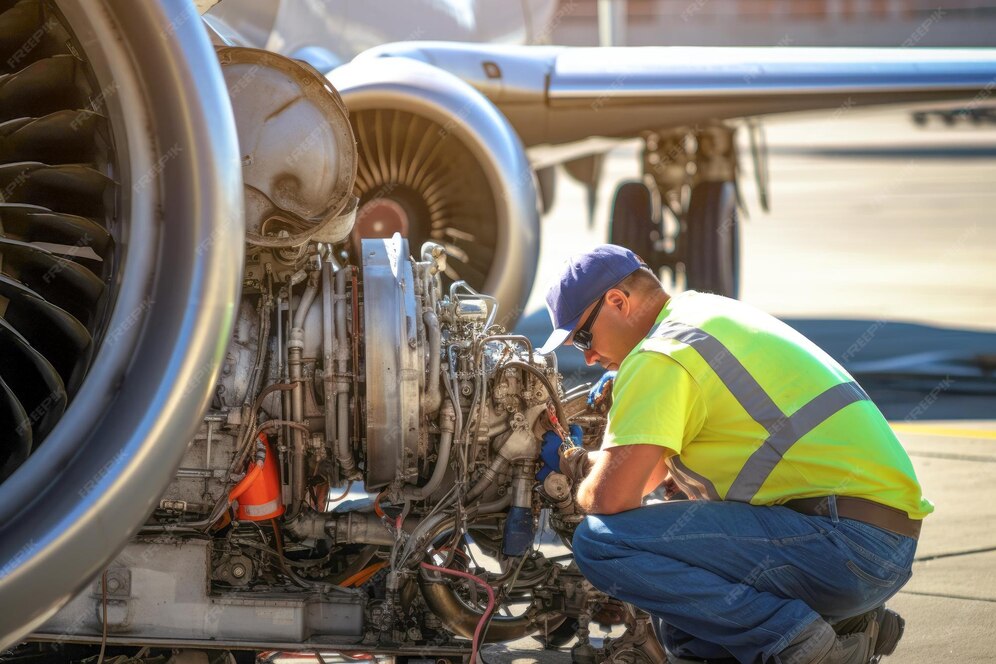
aircraft maintenance inspection
Practical Advice for Passengers and Readers
If you encounter a viral aviation warning, here's a simple checklist to keep you grounded:
- Pause before you panic: Don't cancel travel plans based on an unverified post.
- Look for corroboration: Are multiple independent, reputable outlets or official bodies reporting the same finding?
- Ask for specifics: Which aircraft model, operator, or maintenance process is implicated?
- Follow official guidance: If regulators issue safety notices, they will typically include clear instructions.
- Keep perspective: Understand the relative risk. Most flights remain routine and safe.
These steps protect individual decision-making and reduce the viral spread of unfounded alarms.
Communication and the Ethics of Publishing Technical Claims
There is a responsibility that comes with technical authority. Experts who speak publicly have ethical obligations: make clear what is known versus what is suspected, avoid unnecessary alarmism, and provide evidence or a clear path to verification. Social platforms reward confidently stated claims, which can create perverse incentives for oversimplified warnings.
For journalists and platforms, the duty is different but complementary: verify before amplifying, give context, and distinguish between firsthand professional testimony and anonymous rumor. Readers also share responsibility to demand evidence and to value the slow work of verification over viral certainty.
When an Expert Is Right — and How the System Fixes Problems
Occasionally, lone experts are the first to spot real problems. Whistleblowers and careful analysts have revealed genuine safety issues historically. The difference between a responsible disclosure and a panicked post is method: credible disclosures include documentation, clear technical explanation, and a channel for regulators to follow up. Responsible experts often work privately with oversight bodies before going public to ensure investigations proceed on solid footing.
So if someone posts a credible technical finding online, look for the pattern: documentation, corroboration, regulator engagement, and follow-up action, rather than simply viral sharing and alarmist commentary.
Pulling Back: Why This Matters Beyond One Thread
The Reddit episode is a microcosm of a larger democratic challenge in the digital age: how do we preserve public safety and democratic scrutiny without letting noise drown out expertise? The answer requires better digital literacy, clearer channels for experts to report concerns, and a media ecosystem that rewards careful verification.
Conclusion
Is this particular aviation expert warning cause for immediate, large-scale concern? In the majority of viral cases the answer is no: the claim will fall apart under scrutiny, lack corroborating evidence, or describe a localized issue blown out of proportion. But sometimes credible, localized problems do exist, and those demand attention. The right response balances skepticism with curiosity: ask for evidence, seek independent confirmation, and pay attention when regulators or credible institutions step in.
- Viral technical claims often mix accurate terms with unverified anecdotes; treat them as signals for investigation, not proof of systemic failure.
- Commercial aviation relies heavily on redundancy and regulation, making undetected fleet-wide faults unlikely.
- Evaluate expert warnings by checking credentials, specificity, evidence, and independent corroboration.
- Responsible disclosure and regulatory processes are slow but are designed to protect safety while ensuring accurate public communication.
When the next dramatic post appears on your feed, remember: a thoughtful question is more valuable than a frantic share. That conserves attention for real risks and helps keep both the public and the aviation system safer in the long run.
Illustrative analysis and practical guidance for readers; not a substitute for official regulatory advisories.