Latest Articles
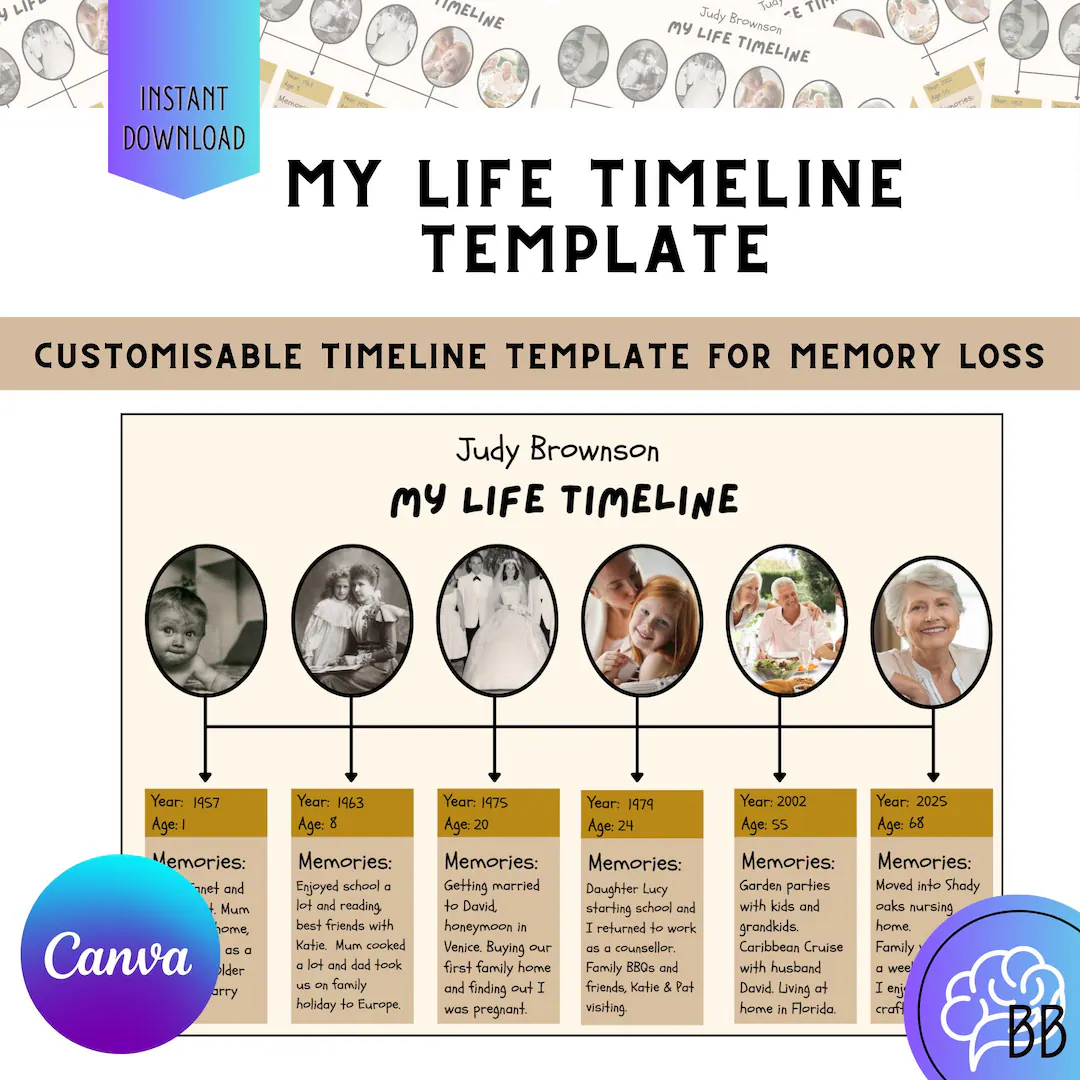
Watching My Father's Dementia Through His Art: A Timeline
A personal, chronological exploration of how my father's paintings changed as dementia took hold—what the visual shifts revealed, how I documented them, and practical lessons for caregivers and families.
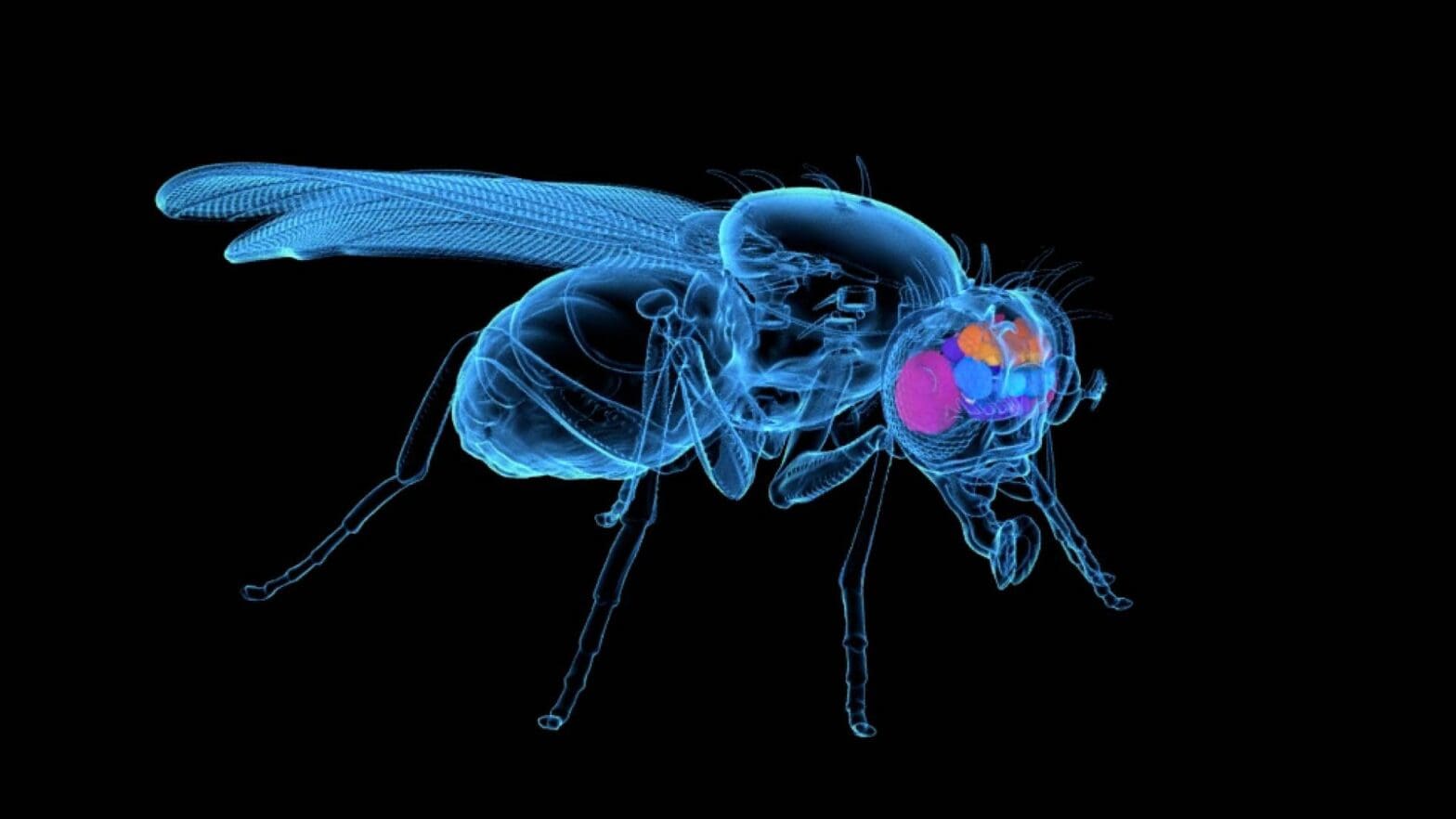
Eon Systems Emulates a Fruit Fly Brain — Neuron by Neuron
Scientists at Eon Systems recreated a fruit fly's brain neuron by neuron inside a computer, producing spontaneous behaviors such as walking, grooming, and feeding—offering a new experimental platform for neuroscience and prompting urgent questions about simulation, scale, and ethics.
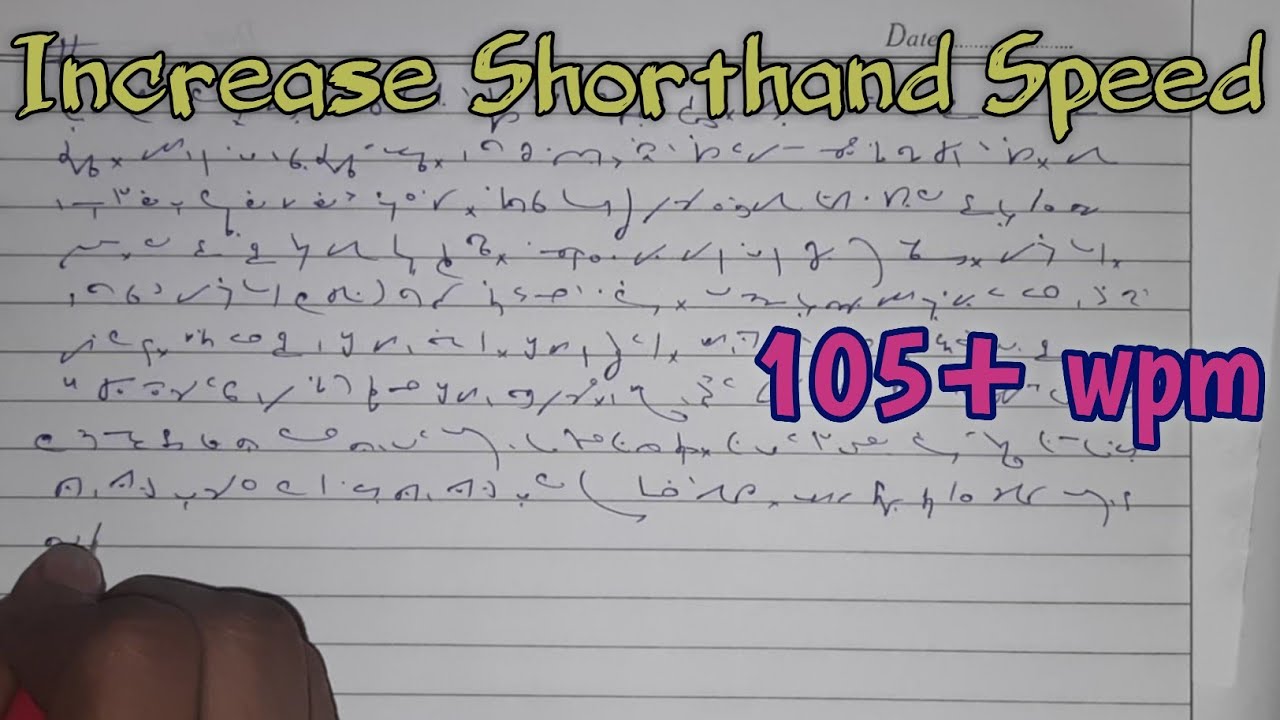
How Shorthand Beat Typing: Masters Reached 280 WPM
An in-depth look at shorthand — the fast, phonetic handwriting systems like Gregg and Pitman that historically outpaced typing, how they worked, who mastered them, and whether they still matter today.

Oil Prices Slide After Trump Says War Is 'Very Complete'
A sudden comment from former President Donald Trump that a conflict is "very complete, pretty much" sent oil futures tumbling as traders reassessed geopolitical risk, supply expectations, and market sentiment. This article explains the mechanics behind the move and what investors should watch next.
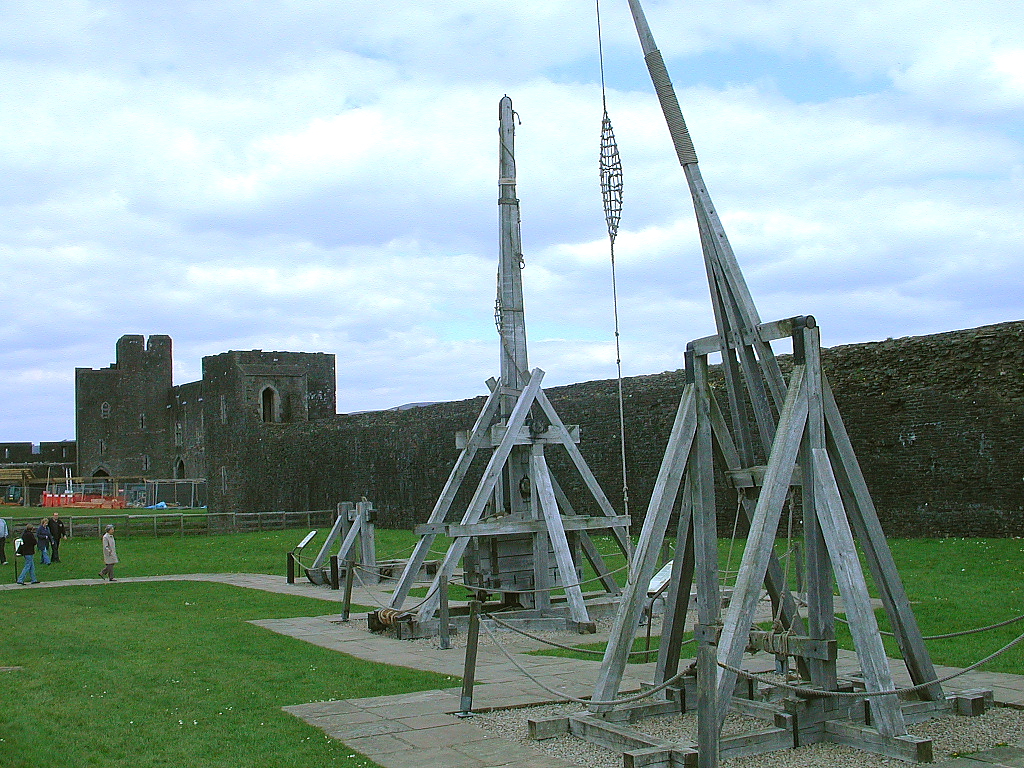
Why Medieval Castles Prioritized Defense Over Comfort
Medieval castles were engineered first as instruments of war and control, not comfortable homes. This article explores the architecture, daily life, and evolving role of castles to show how defense shaped every decision from layout to material.
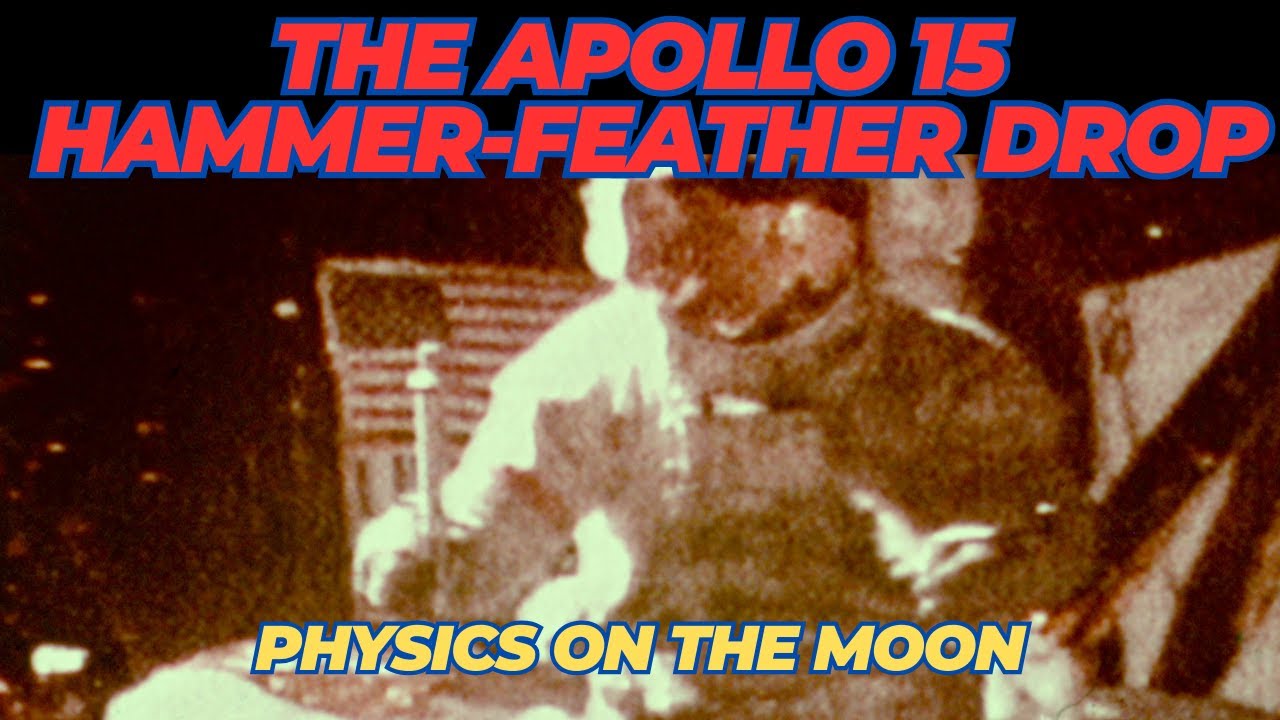
Scott's Moonfall: Apollo 15 Hammer and Feather Demonstration
During Apollo 15 in 1971, Commander David Scott recreated Galileo's legendary experiment by dropping a hammer and feather on the Moon to show that, in the absence of air resistance, objects fall at the same rate. The act was both a simple physics demonstration and a poetic homage that linked centuries of scientific insight to humanity's first voyages beyond Earth.