AITJ: Refusing to Help My 50-Year-Old Dad Raise His Baby
It started with a group text. My dad, at 50, announced he was having a baby and asked—no, told—his adult children that he expected us to help raise it. If you imagined confusion, anger, or a punchline, you are not alone. What followed were nights of whispered arguments, long walks to cool off, and that familiar scroll through forums where strangers ask whether they are in the wrong for refusing family demands. The story is messy because family tensions always are, and because this one sits at the intersection of love, obligation, practicality, and limits.

50 year old father baby
The Post That Sparked It All
Imagine being in your 20s or 30s, maybe building your own life, when you receive an earnest message from the person who signed your permission slips: "I'm having a baby. I need help. None of you will have to be the primary caregiver, but I expect daily support and nights when you watch the baby." You can hear the voice that wrote it, half-excited, half-entitled. You can also hear the unspoken ledger: years of childcare your father did for you, an expectation that love should translate into labor.
The immediate reactions are predictable. Some siblings feel flattered to be asked; others are furious. One sibling might be pregnant and already feel overwhelmed, another may be single and struggling financially, while yet another may be dealing with chronic illness. The father's partner's age, health, and involvement also matter. This is not merely a philosophical debate about duty—it's a scramble to reconcile individual limits with familial history.

adult children refusing help
Why Age Changes the Equation
Parenting is demanding at any age, but age changes the calculus dramatically. A parent in their 50s faces different physical, financial, and social realities than one in their 20s or 30s. Energy levels, recovery time from sleep deprivation, and the risks associated with pregnancy increase. Retirement timing and long-term financial planning can be disrupted by a new dependent. Adult children who have mentally filed their parent as elder, not caregiver, may feel blindsided.

parenting at 50
Physical and Health Considerations
Difficulty walking toddlers, lifting car seats, late-night feedings—these are taxing for thirtysomething adults. For someone in their 50s, these same tasks can contribute to chronic pain or exacerbate existing conditions. Sleep deprivation has cumulative effects on cognition and mood that are more pronounced with age. When deciding whether to help, family members should honestly assess whether their parent can manage physically and whether the child's welfare will be affected by a caregiver's limitations.
Financial and Retirement Impact
A new baby can alter retirement projections. Unexpected childcare costs, medical bills, and decade-long financial support create ripple effects. Adult children may rightly worry: is my parent jeopardizing their retirement security? Am I being asked to subsidize a decision that diminishes their later-life stability? These are practical questions with emotional weight.
Family Dynamics and Boundaries
At the heart of this conflict is a boundary question. Parents and children operate with a lifetime of implicit expectations. Parents raised us, comforted us, and invested time and money. Many adult children feel that debt is emotional, not transactional—a gratitude that does not equate to lifetime servitude. Setting boundaries does not mean you don't love your parent; it means you understand the difference between reasonable support and being co-parented into providing unpaid labor that interferes with your life.

family boundaries discussion
"Boundaries are about protecting relationships, not punishing people."
Emotional Labor Versus Practical Help
Emotional labor—listening to your parent's worries, arranging appointments, offering advice—differs from practical, daily caregiving. Many families can renegotiate the former without agreeing to the latter. For example, offering to set up pediatric appointments or researching babysitters is a reasonable compromise. The line is personal, and it's fair to draw it where your life would be unduly disrupted.

emotional labor caregiving
The Legal and Ethical Landscape
Legally, adult children are not typically obligated to raise a parent's child. Laws about parental responsibility concern the biological and legal parents of the child, not the adult children of a parent. Ethically, the picture is more nuanced. Cultural norms vary widely; in some societies multi-generational households are normal and expected. In others, independence is prized. Your stance is shaped by moral beliefs, cultural background, and personal circumstances.
Custody, Guardianship, and Responsibility
Practical legal responsibilities fall primarily on the child's legal parents. If your dad is the biological parent and also plans to be the primary caregiver, the law sees him as responsible. If he is not in a position to provide safe care—due to health, substance use, or incapacity—then questions about guardianship or involvement of child welfare services arise, and those are serious. For most family conflicts, however, the legal system is not the first actor; family negotiation usually is.
Ethical Questions: Obligation, Reciprocity, and Autonomy
When someone asks for help, they appeal to shared history: you changed my diapers; now I need you. That appeal carries moral weight, but it is not absolute. Reciprocity is a key ethic in families—care given should ideally be repaid—but reciprocity can be emotional or symbolic rather than labor-for-labor. Autonomy is the right of adult children to make decisions about how they spend their time and labor. A fair ethical stance balances gratitude with autonomy.
How to Say No—Scripts That Work
People fear confrontation, but clarity and compassion can reduce blowback. Here are practical scripts that set boundaries while preserving relationship integrity.
- Clear refusal with empathy: "Dad, I love you and I want the best for your baby, but I can't provide daily or overnight care. I'm happy to help in other ways."
- Offer specific alternatives: "I can babysit once a month or help find reliable childcare, but I can't take on weekday responsibilities."
- Time-limited help: "I can cover Thursdays for the next two months while you get settled, but I can't commit beyond that."
- Boundary with consequence: "If you continue to insist we take primary caregiving roles, I will step back from other family duties until we have a fair plan."

setting family boundaries
Practical Alternatives: Support That Doesn't Mean Personal Burnout
Helping doesn't always mean personal sacrifice. There are many ways adult children can support a parent without becoming primary caregivers.
- Research and vetting: Offer to screen daycare centers, nanny agencies, or part-time caregivers.
- Financial planning help: Assist in creating a budget that accommodates a new child and preserves retirement.
- Time-limited assistance: Provide short-term help for recovery after birth, rather than indefinite hands-on care.
- Connect to community resources: Look into parent support groups, local childcare subsidies, and family counseling.
When Saying No Is Necessary: Red Flags
There are times when refusal is not only reasonable but the responsible choice. These red flags include:
- Coercion: Your parent uses guilt or threats to force help.
- Unsafe environment: Concerns about substance abuse, untreated mental health issues, or unsafe living conditions.
- Long-term derailment: Helping would jeopardize your job, mental health, or your own children's wellbeing.
- Financial exploitation: You are expected to pay more than you can afford indefinitely.
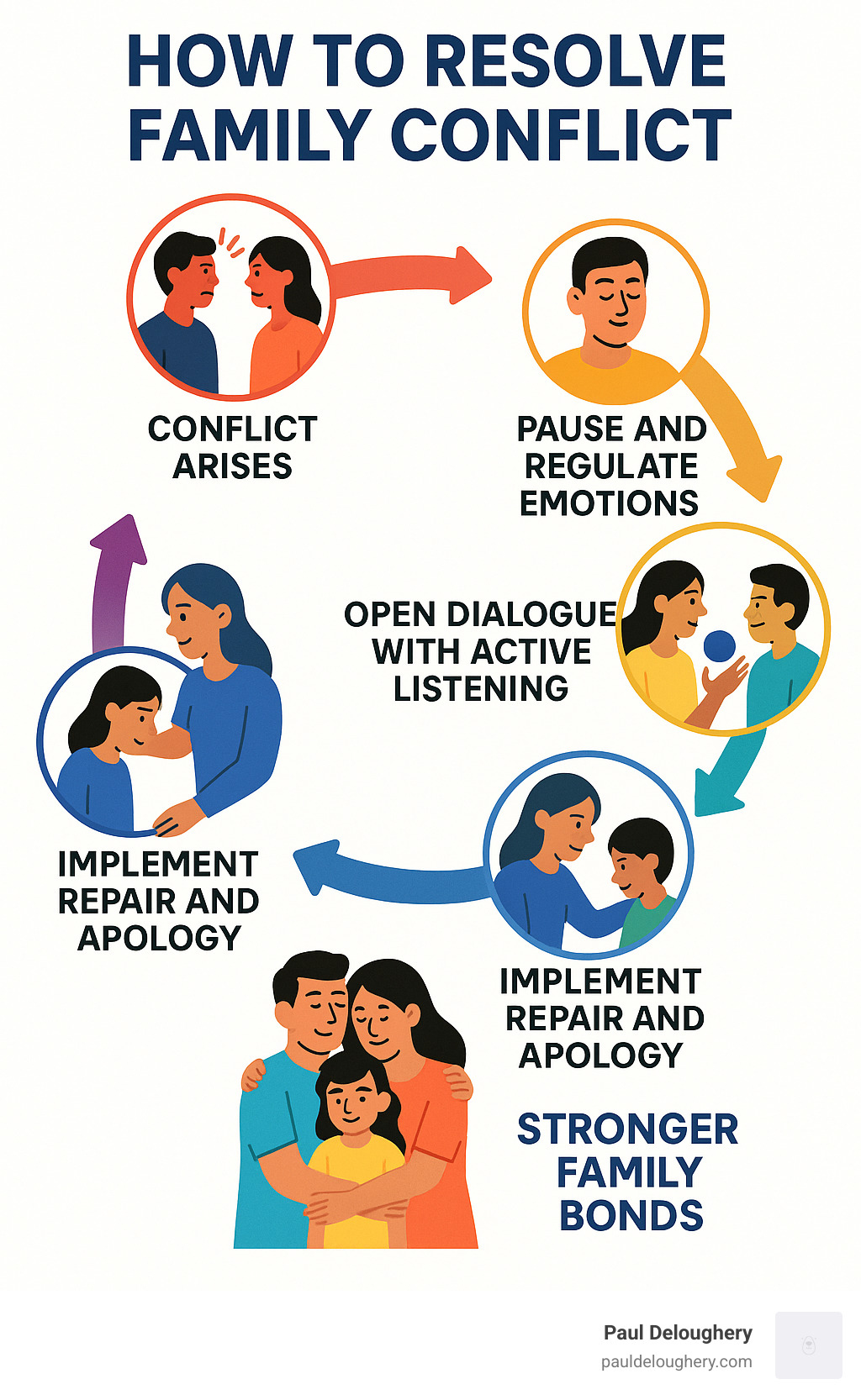
Navigating the Conversation: Step-by-Step
These practical steps can guide a conversation away from accusations and toward problem-solving.
- Prepare: Clarify your limits, what you can contribute, and for how long.
- Choose the right moment: Talk in-person if possible, and avoid starting during crises or when emotions are raw.
- Use I-statements: Reduce blame with phrases like, "I can't do X right now because..."
- Propose solutions: Offer concrete alternatives and follow-up dates to reassess.
- Document agreements: For recurring help, outline the expectations in writing so everyone is clear.
Mental Health and Counseling Options
Family therapists and counselors exist precisely because families are complicated. If a request triggers longstanding resentments—over divorce, unequal caregiving in childhood, or financial disputes—a neutral professional can facilitate a healthier conversation. Therapy isn't about judging who is right; it is about reestablishing patterns of communication that preserve relationships without enabling harm.
Pros and Cons of Helping—A Quick Comparison
- Strengthened family bonds: Shared caregiving can create new memories and mutual support.
- Immediate support for the child: More adults involved often means the child has more resources and attention.
- Cultural alignment: In some cultures, multi-generational care is a value not a burden.
- Burnout risk: Unplanned long-term caregiving can erode physical and mental health.
- Resentment and boundary erosion: Saying yes once can set a precedent for more asks.
- Financial strain: Hidden costs of time and money can accumulate quickly.
What If the Child's Wellbeing Is at Risk?
Every adult child who refuses help should ask: is the refusal putting the child at harm? If there are legitimate safety concerns—neglect, substance misuse, or inability to meet basic needs—legal and child welfare resources may need to be contacted. This is not about punishing a parent for a life choice; it is about ensuring a child has a safe environment. If the risk is moderate, proposing supervised or phased support can be a compromise while safety is monitored.
An anecdotal Lessons From Families
Across many families, a few patterns reappear. First, clarity early prevents resentment. Families that negotiated limited, well-defined help were less likely to experience long-term conflict. Second, offering alternative support—financial planning, hiring a vetted caregiver—often maintained relationships better than outright refusal without alternatives. Third, external support—counseling, mediation, community services—was a game-changer where power dynamics or guilt dominated conversations.
"You can love someone and still say no to what they ask of you."
Practical Next Steps for Someone in This Situation
If you received that message from your parent, here are concrete next moves.
- Take time: Don't respond immediately; sleep on it and discuss with your siblings.
- Assess honestly: Write down what you can reasonably provide and for how long.
- Meet as a family: Avoid one-on-one ultimatums; convene a group conversation with clear agenda.
- Offer alternatives: Propose financial, logistical, or short-term help instead of assuming indefinite hands-on care.
- Seek mediation: If the conversation stalls, a neutral third party can reframe the issues productively.
Conclusion: Balancing Love and Limits
Family obligations are not a zero-sum game where refusing one demand erases past kindness. They are ongoing negotiations that require honesty, nuance, and occasionally, hard boundaries. Telling your 50-year-old dad that you cannot help raise his baby is not inherently cruel—if it is communicated with empathy, accompanied by practical alternatives, and grounded in a clear assessment of your capacity. Protecting your health, finances, and emotional wellbeing is not a betrayal; it is part of staying available to the people you love in sustainable ways.
- Boundaries protect relationships; saying no can prevent long-term resentment.
- Differentiate emotional support from ongoing, hands-on caregiving.
- Offer concrete alternatives rather than an absolute refusal when possible.
- Use mediation or counseling for conversations laden with guilt or history.
- Prioritize the child's safety; escalate to professional help if red flags appear.
Families can survive and even grow through this kind of conflict. The goal is not to win an argument but to find an arrangement that respects autonomy, preserves safety, and keeps love intact—sometimes redefined, sometimes renewed.