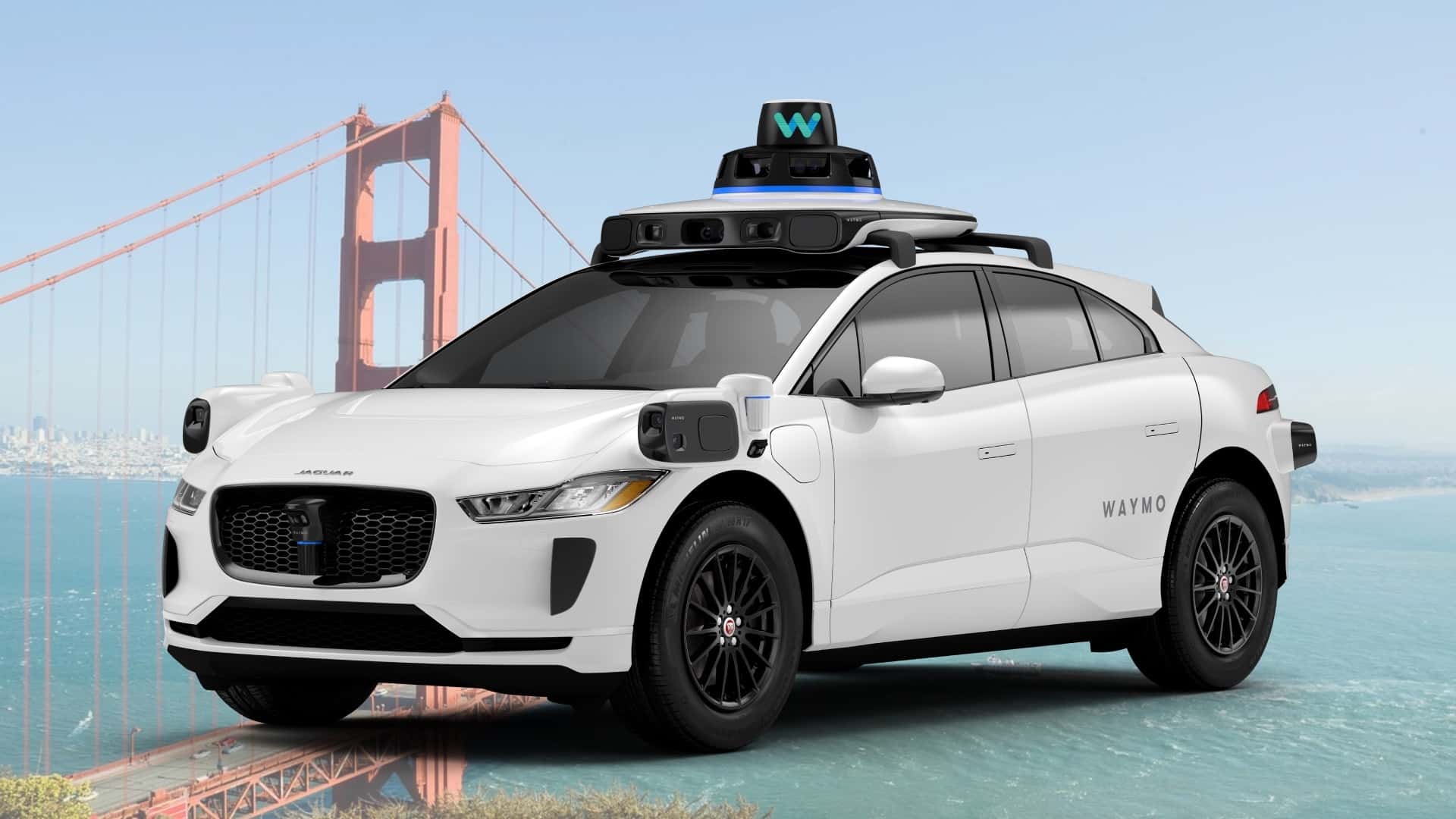
Waymo and the Phone-a-Friend: Human Operators Behind Robotaxis
The headline is arresting: one of the industry's marquee autonomous vehicle companies has told lawmakers that its so-called driverless cars sometimes pick up the phone. During testimony before the U.S. Senate, Waymo's chief safety officer described a system in which a Waymo vehicle encountering an unusual or ambiguous situation can ask a human "fleet response agent" for guidance. Those agents, the company confirmed, are based both in the United States and overseas, including in the Philippines. The exchange has reignited public debate about what "fully autonomous" really means, who is doing that work, and what regulators and riders should expect when a vehicle says it is driving itself.
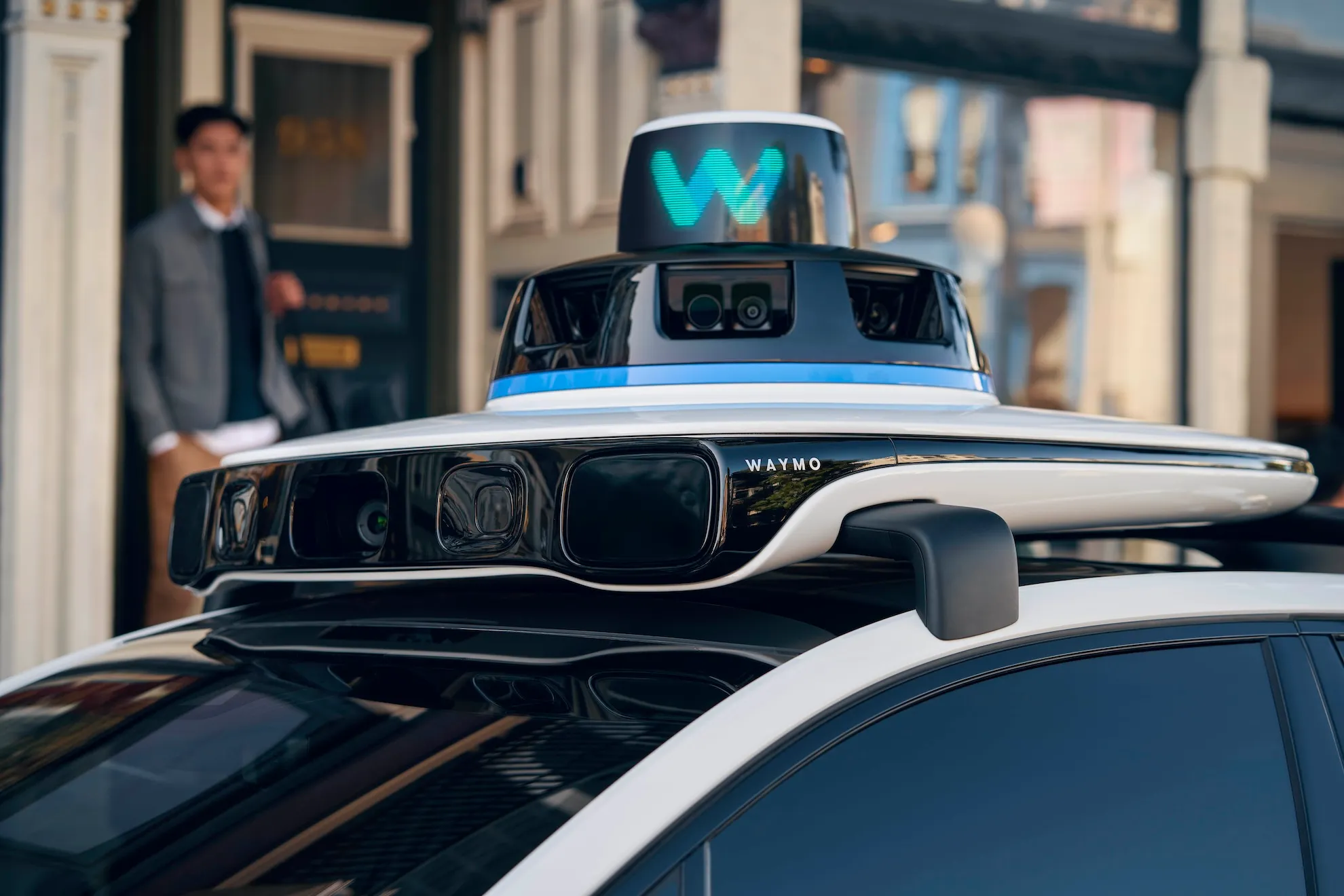
Waymo robotaxi teleoperation
WHAT HAPPENED
In early February 2026, testimony before the Senate Committee on Commerce, Science and Transportation made plain a fact the industry has long acknowledged in technical circles but rarely spotlighted for a broad audience: autonomy is a layered endeavor, and human judgment still sits in that stack. Waymo's executive framed the human role as advisory. Vehicles ask for extra context when sensors or software face edge cases; human agents reply with situational intelligence but do not directly apply steering, braking or acceleration commands. Even so, the public reaction was immediate and intense. Critics saw a gap between marketing language and operational reality. Lawmakers raised questions about safety, national security and the ethics of outsourcing critical support roles abroad. Riders asked whether the cars that promise to replace human drivers are really driverless at all.
Waymo Senate hearing 2026
How the "phone-a-friend" layer works
The technical role of fleet response agents
Autonomous driving systems are designed to handle a wide range of scenarios, but there are hard corner cases: construction sites with ad-hoc signage, atypical pedestrian behavior around schools, unexpected weather-related visibility problems, or ambiguous interactions at four-way stops. When a vehicle's algorithms lack confidence, it can call on a human to provide context — for example, confirming whether workers have temporarily changed traffic patterns, explaining a poorly marked intersection, or interpreting a person's gesture that a camera sees but the software cannot reliably classify.
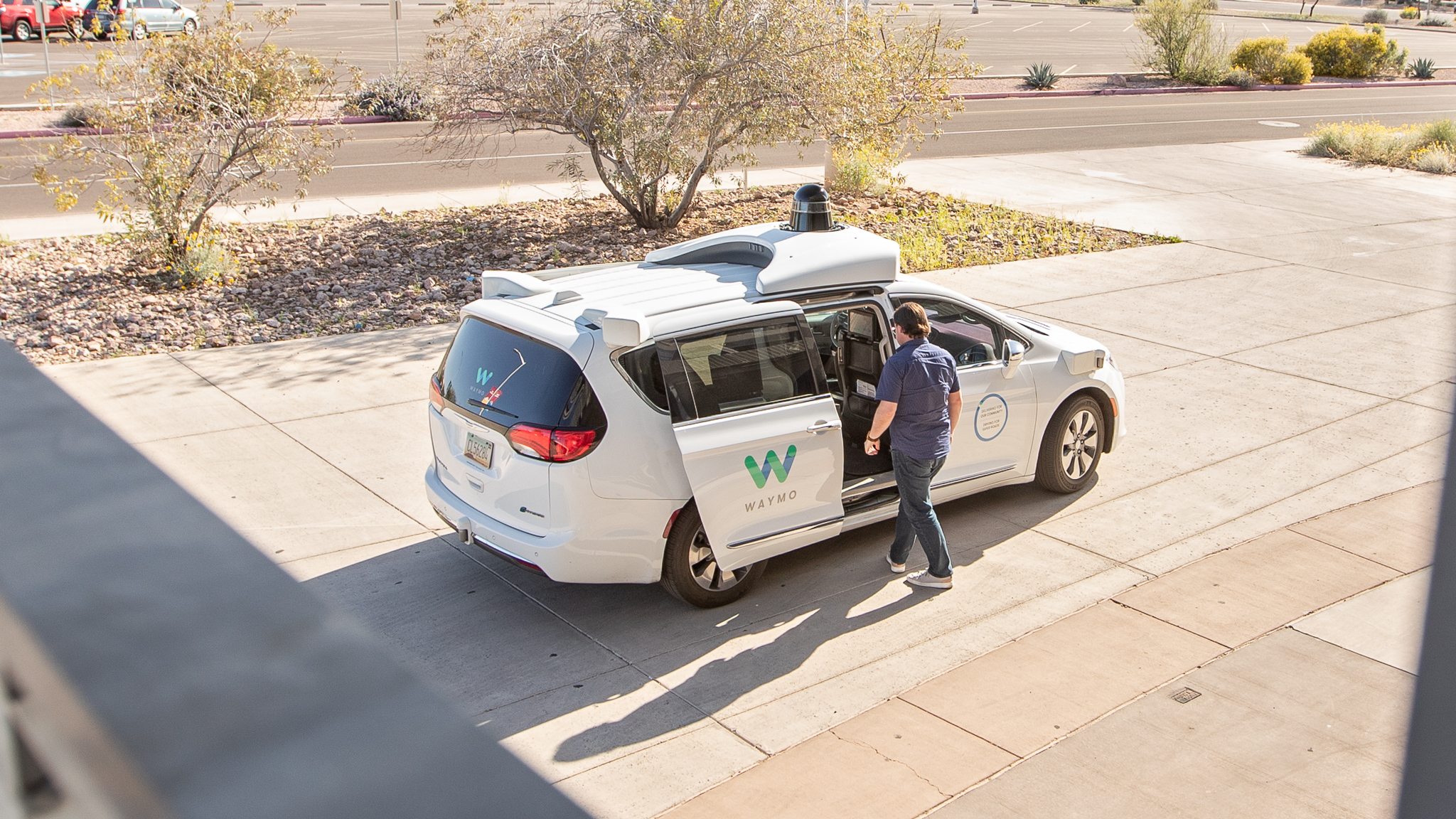
Waymo has described its staff who answer those calls as "fleet response agents." They are trained drivers who review vehicle data streams and provide contextual input. The company emphasizes that the Waymo Driver remains ultimately responsible for control decisions, and that the remote guidance is one of many inputs the vehicle uses when deciding its next move.
remote human operator Waymo
Why teleoperation and guidance exist
Two realities drive the existence of teleoperation or remote assistance layers. First, perfecting AI for every conceivable public-road scenario is extraordinarily difficult, and rare events will occur far more often once fleets scale to thousands of cars. Second, scaling a service commercially requires a fallback mechanism for those rare but consequential moments — a way to prevent a vehicle from getting stuck, creating a hazard, or making an unnecessarily conservative decision that disrupts traffic.
Remote guidance can be quicker and safer than resorting to roadside tow trucks, or escalating to emergency responders. It also lets companies collect labeled examples of edge cases to improve their models. But the practice trades one set of problems for another: latency, human error, communication ambiguities, and the social and regulatory implications of outsourced labor.
Who sits behind the screens — and where
Labor under the hood
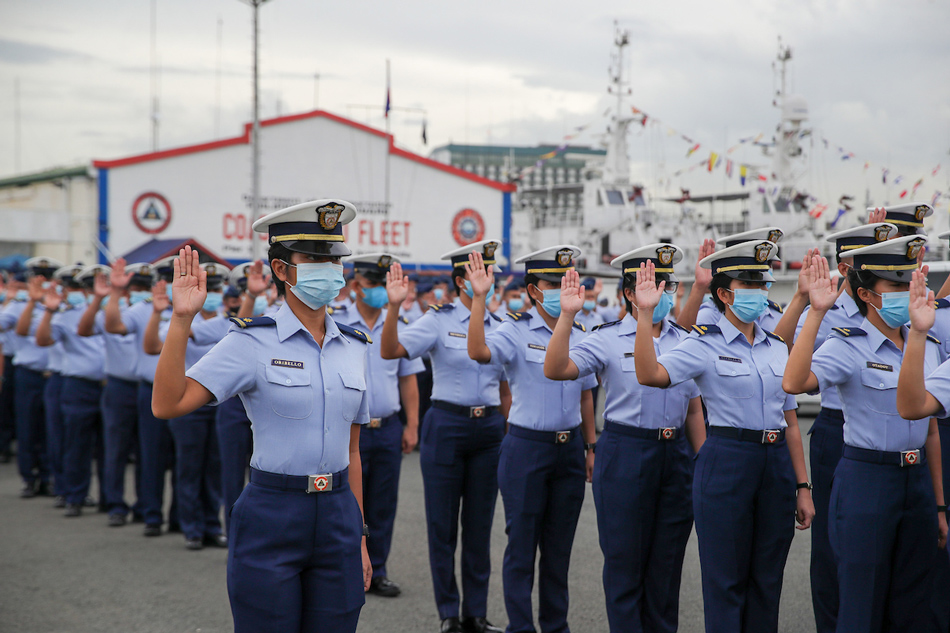
Tech companies frequently rely on distributed workforces for tasks that AI struggles with — content moderation, data labeling, and now, in some cases, fleet assistance. The Philippines has become a global hub for outsourced services because of its English-language workforce, large customer-service industry, and lower labor costs compared with the United States. Companies operating on a global scale can deliver 24/7 coverage and scale capacity quickly by mixing domestic and overseas teams.
That raises three uncomfortable questions: are these workers being paid fairly for tasks that touch public safety? Do they receive sufficient training in local driving law and context? And does outsourcing introduce unacceptable latency, cultural misunderstanding or cybersecurity risk into a system intended to operate in U.S. streets?
fleet response agent Philippines
Safety, latency and the limits of remote guidance
When advice meets milliseconds
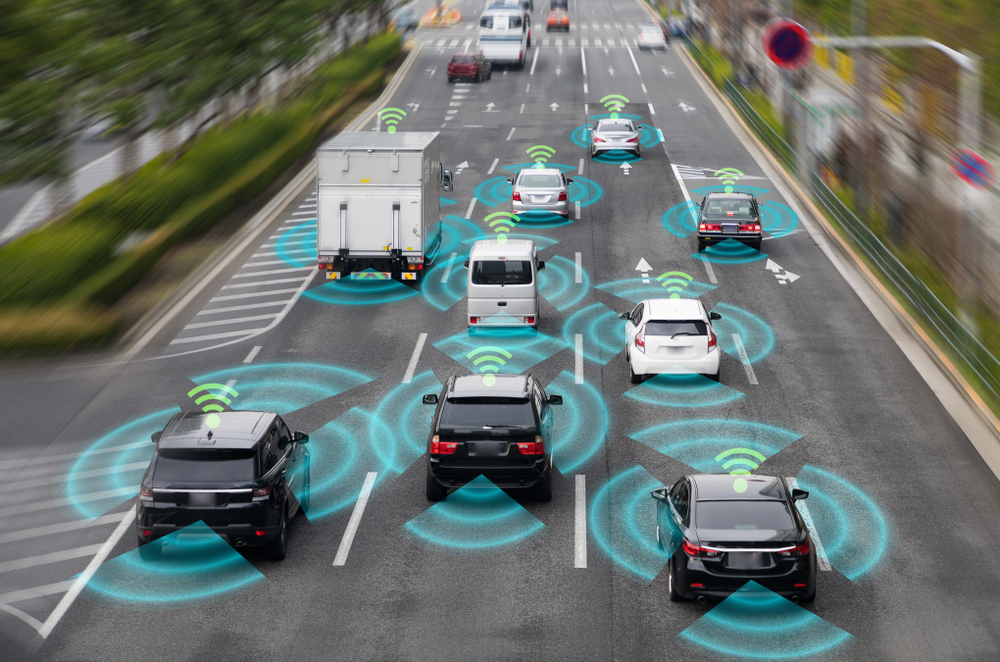
A human looking at camera feeds and a map can provide valuable context, but every added human-in-the-loop introduces additional delay and the potential for misinterpretation. Networks add milliseconds; the human needs time to review, understand, and respond. In many cases that delay is inconsequential. In others — abrupt pedestrian movements, sudden falls of debris, or rapid interactions at a busy intersection — the margin for error is thin.
Companies insist that vehicles maintain control and can reject or ignore human input. But the architecture matters: if the vehicle waits for human confirmation before taking an action, or if the human suggestion significantly influences automated decision-making, then the human's location and training can meaningfully affect outcomes. That is at the heart of what worried senators: the more influence a remote agent has, the more the question of who they are and where they sit becomes a safety and security issue.
autonomous vehicle safety oversight
Cybersecurity and cross-border concerns
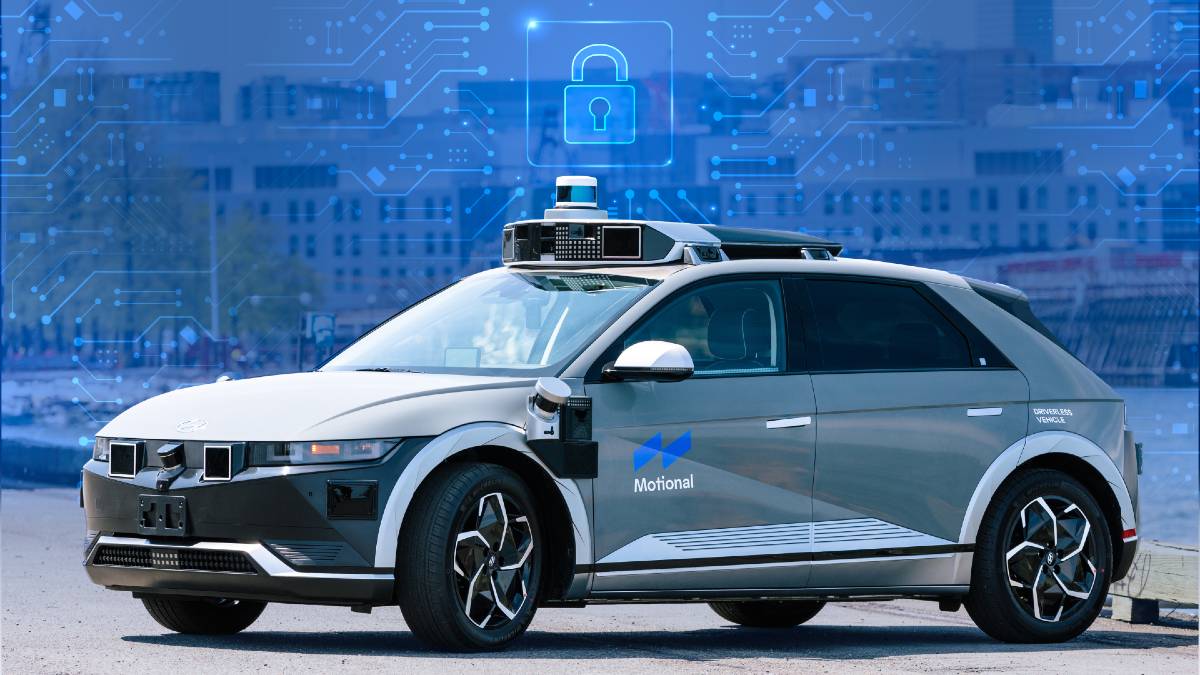
Placing human operators offshore invites questions about data handling, access controls, and national-security risk. Sensors stream detailed visual, audio and telemetry data that, if intercepted or mishandled, could expose sensitive information. Regulators may demand rigorous proof that remote access points are secured, that agents' credentials are tightly controlled, and that audit trails exist for every remote interaction. The public expects that a company's practices are auditable and that oversight prevents misuse.
robotaxi cybersecurity remote access
Labor and ethics: outsourcing safety work
Pay, job quality and the optics of replacing drivers
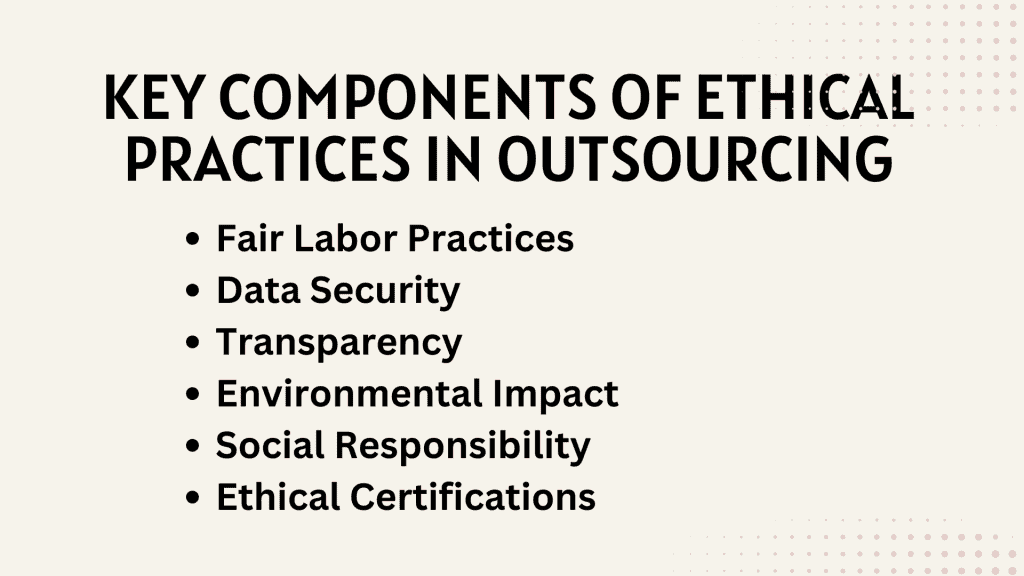
One of the sharpest critiques is not technical but moral. Autonomous vehicle companies repeatedly sell a future in which human drivers are unnecessary. That promise is tightly bound to promises of efficiency and cost savings. Yet when oversight or safety support is provided by lower-paid workers overseas, critics argue the industry is simply shifting labor rather than eliminating it — often to jurisdictions with weaker labor protections and less visibility into working conditions.
Public-policy debates will need to weigh whether such a model is acceptable for a public-safety function. Are companies transparent about compensation, shift burdens, and the conditions under which those workers operate? If not, the optics — and the reality — will feed distrust.
AV labor outsourcing ethics
Regulation and accountability
What lawmakers are asking
Following the revelation, legislators asked pointed questions: how many agents are overseas versus domestic, what exactly they are authorized to do, how companies verify their training, and whether the public has a right to know when a vehicle is seeking human assistance. Beyond immediate oversight, senators suggested broader measures ranging from mandatory disclosure of teleoperation practices to stricter cybersecurity standards for remote access systems.
Agencies such as the National Highway Traffic Safety Administration and the National Transportation Safety Board already investigate incidents involving autonomous vehicles; what is likely to change is pressure for clearer federal rules that cover teleoperation, cross-border data access, and the threshold at which human intervention is permitted and logged.
A comparative view: how other companies handle human oversight
Industry patterns and differences
Waymo is not unique in having human-in-the-loop systems. Across the sector, companies use a spectrum of oversight methods: on-board safety drivers, remote human supervisors, and teleoperators who can take direct control in emergencies. Practices differ by company culture, business model, and risk tolerance. Some firms emphasize domestic staffing and in-vehicle human backup. Others are more willing to rely on remote, distributed teams for cost and scalability reasons.
For policymakers and consumers, the critical distinction is transparency and the degree of influence human operators have over vehicle behavior. Disclosing that human guidance exists is one step; explaining how it is used, logged, and audited is another.
What riders and cities should expect
Practical guidance for the public
If you ride in a robotaxi, here are pragmatic things to watch for and ask:
- Disclosure: Does the company tell you that a vehicle may request human assistance? Is that language included in the app or rider agreement?
- Response time: In the rare event a vehicle requests help, how long does it typically take to get human input, and what happens if no human is available?
- Liability: Who is responsible if a human suggestion contributes to a crash — the company, the remote agent, or both?
- Data privacy: What sensor data is transmitted when a request is made and how long is it retained?
Fixing the transparency gap
Steps companies and regulators can take
Several practical steps could reduce the friction between innovation and public trust:
- Mandatory disclosure: require companies to state clearly when remote human assistance is possible and general rules governing it.
- Operational audits: require independent audits of teleoperation systems, training records and cybersecurity posture.
- Clear logs and accountability: every remote interaction should be timestamped, recorded and auditable to support investigations.
- Labor standards: ensure contracted remote workers receive transparent descriptions of their role, adequate pay and protections commensurate with public-safety responsibilities.
- Localized training: require remote agents who advise on U.S. driving to have verified knowledge of relevant local traffic laws and norms.
The bigger picture
The revelation that Waymo's robotaxis sometimes call a human "phone-a-friend" should not be used as a rhetorical cudgel against autonomy as a concept. Human judgment has long been folded into complex technical systems as a prudent safety backstop. But the episode is a useful inflection point: it forces the industry, regulators and the public to reconcile marketing with practice, to demand transparency, and to align labor, safety and privacy standards with the social responsibility that comes with moving people through public spaces.
The most honest path forward is one that admits complexity: driverless in headline, human-supported in practice, and accountable in law.
CONCLUSION AND KEY TAKEAWAYS
Waymo's disclosure is less a revelation that human beings still matter and more a question about how that human layer is governed. For technology companies seeking scale, remote assistance offers a practical tool. For regulators and the public, it is a call to require clarity, oversight and protections. The future of autonomy will be measured not only by how often a car can act without human help, but by how transparently and responsibly companies manage the moments when it cannot.
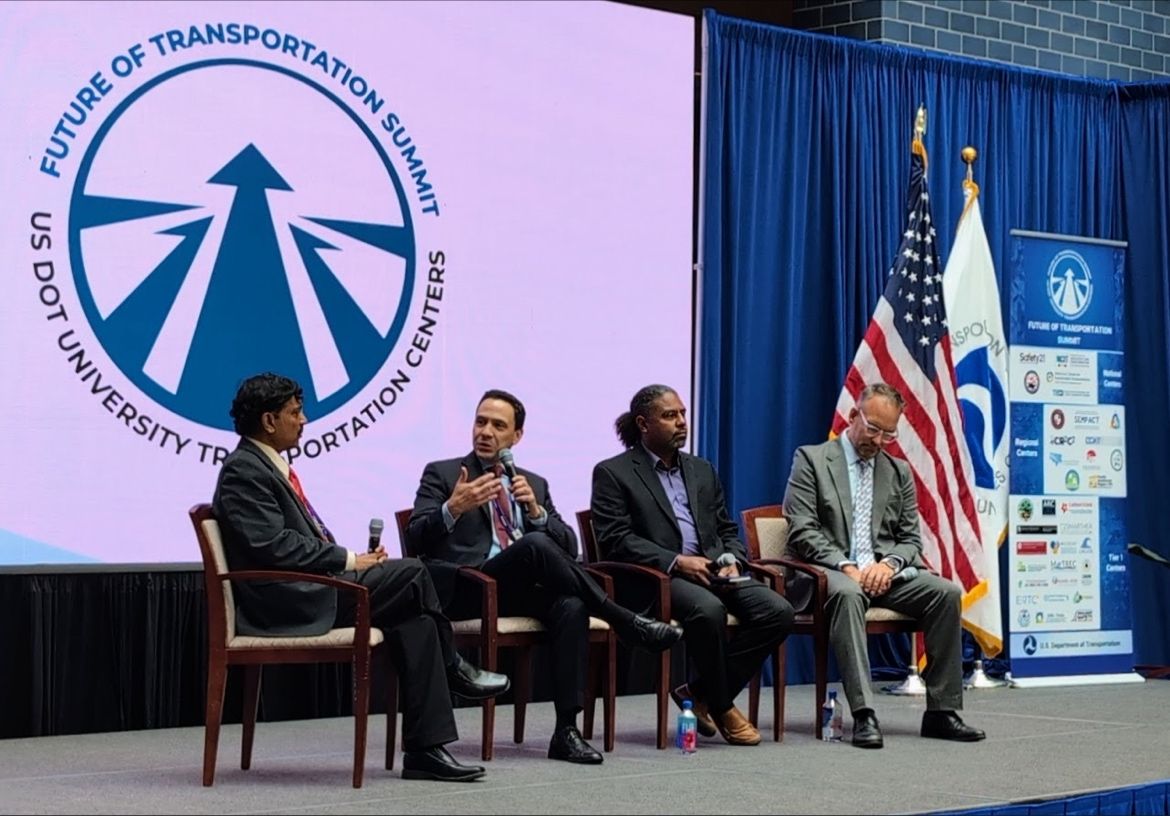
Mauricio Peña Waymo testimony
- Human "fleet response agents" provide contextual guidance in rare, ambiguous driving situations, but companies assert vehicles retain control.
- Outsourcing these roles to countries like the Philippines raises questions about training, pay, latency and cybersecurity.
- Transparency, auditable logs and regulatory standards are necessary to maintain public trust as AV fleets scale.