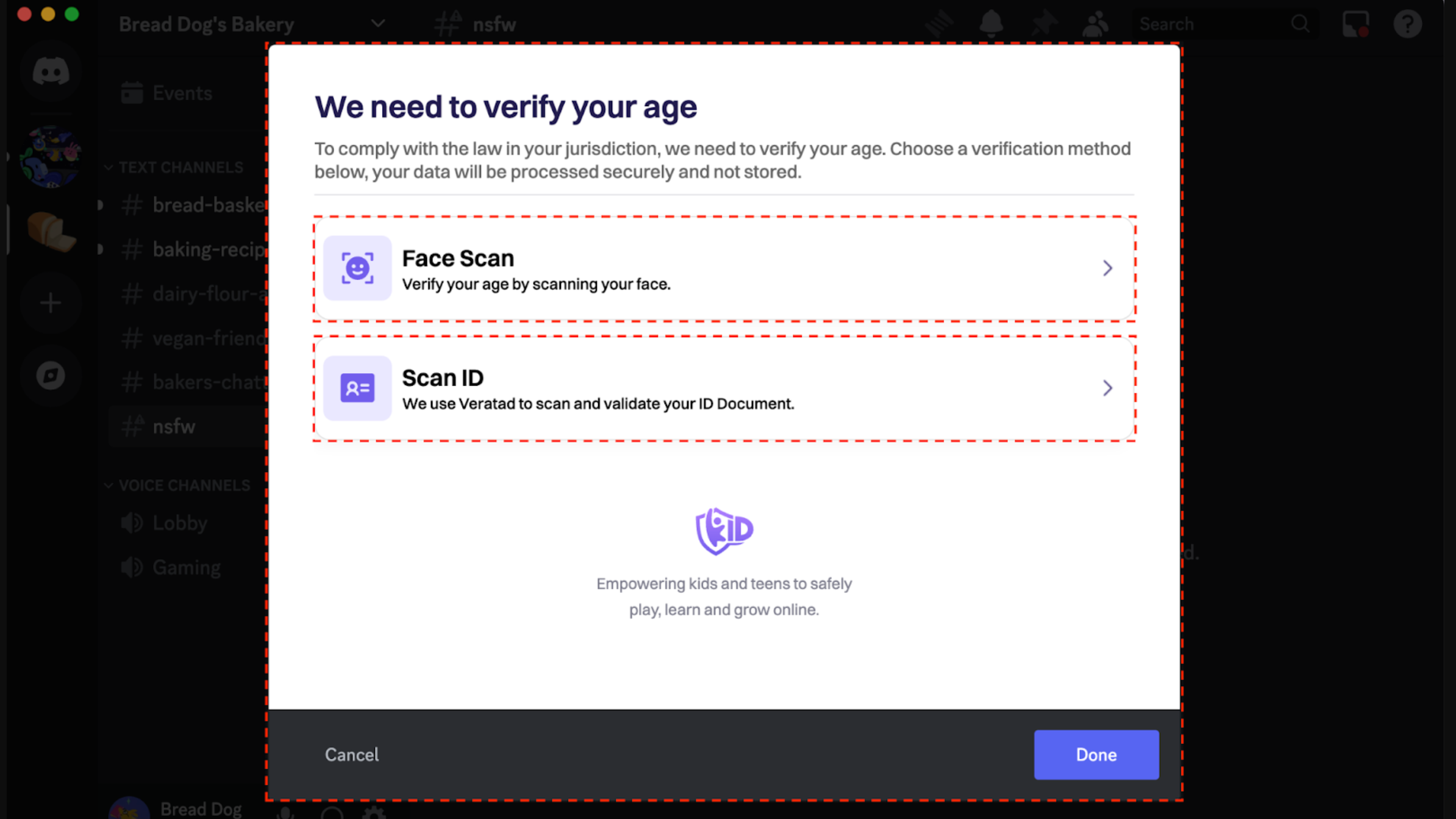
Discord Will Require Face Scans or ID for Full Access — What to Know
The claim that Discord will require users to submit a face scan or government-issued ID for full access has sent a ripple through gaming communities, study groups, niche interest servers, and privacy-focused users. Whether this is an announced policy or a rapidly spreading rumor, the idea raises immediate questions: what exactly would Discord collect, why would it do this, how will it affect anonymity and free expression, and what alternatives exist for users who don’t want to share biometric or identity documents? This article walks through the technical mechanisms, legal and ethical implications, practical impacts for different user groups, and steps you can take now to protect your account and your privacy.
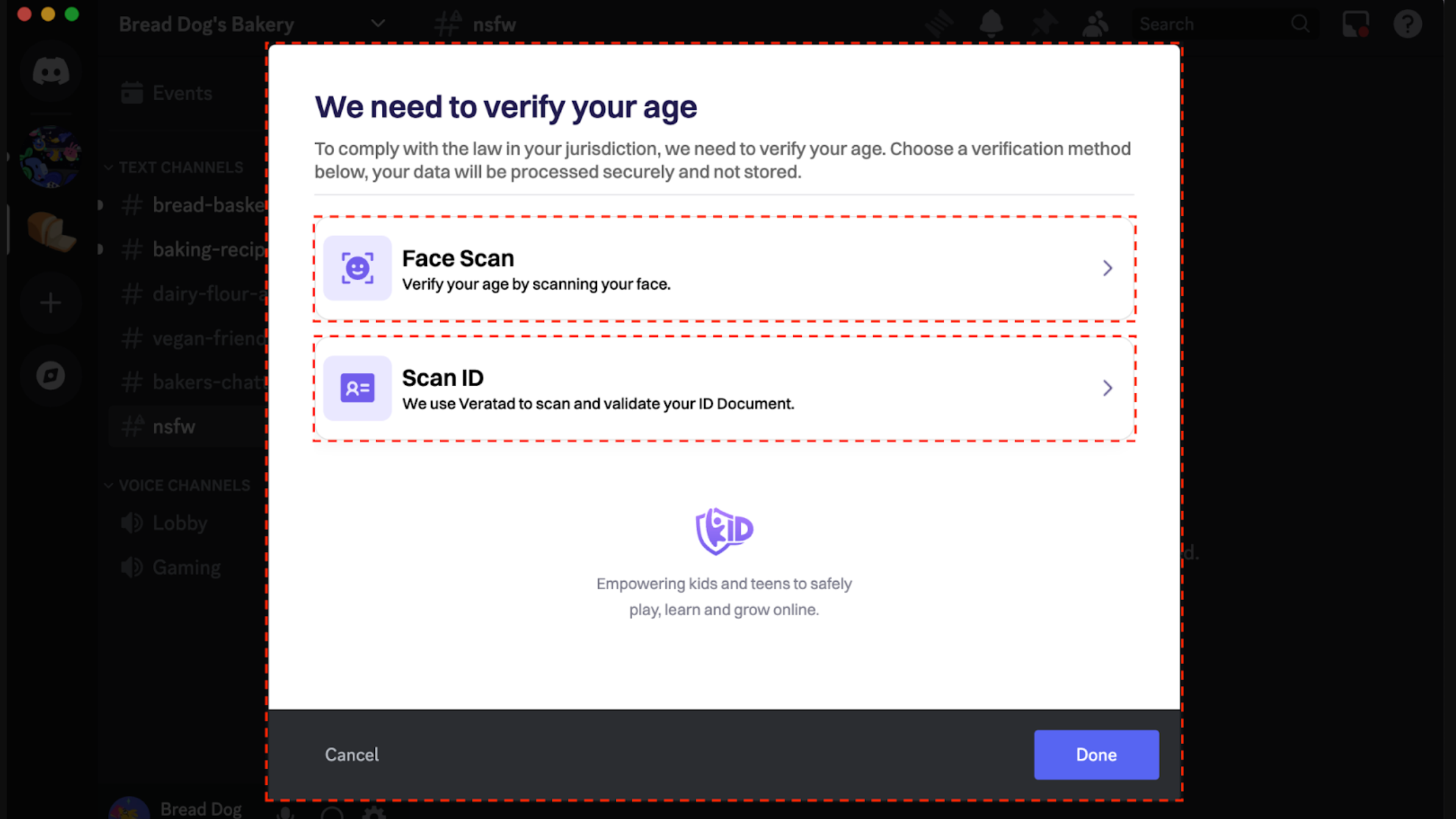
Discord face scan policy
Why a Platform Would Move to Face Scans or ID
At a high level, platforms pursue stronger identity verification for a handful of reasons: to reduce harassment and abuse by making it harder to operate anonymously at scale; to comply with regulations such as age verification and content moderation mandates; to prevent fraud, sockpuppetry, and coordinated manipulation; and to restore trust among advertisers, creators, and community leaders who want safer spaces.
For Discord specifically, the platform hosts millions of communities that range from tightly moderated developer servers to public, loosely moderated spaces. The argument for identity verification rests on two claims: first, that tying an account to a real person raises the cost of bad behavior; second, that verified signals improve moderation outcomes by providing clearer evidence during appeals and investigations. But these theoretical benefits come with real trade-offs.
Discord user verification
What 'Face Scan' and 'ID' Usually Mean Technically
Face scan versus photo ID: the difference
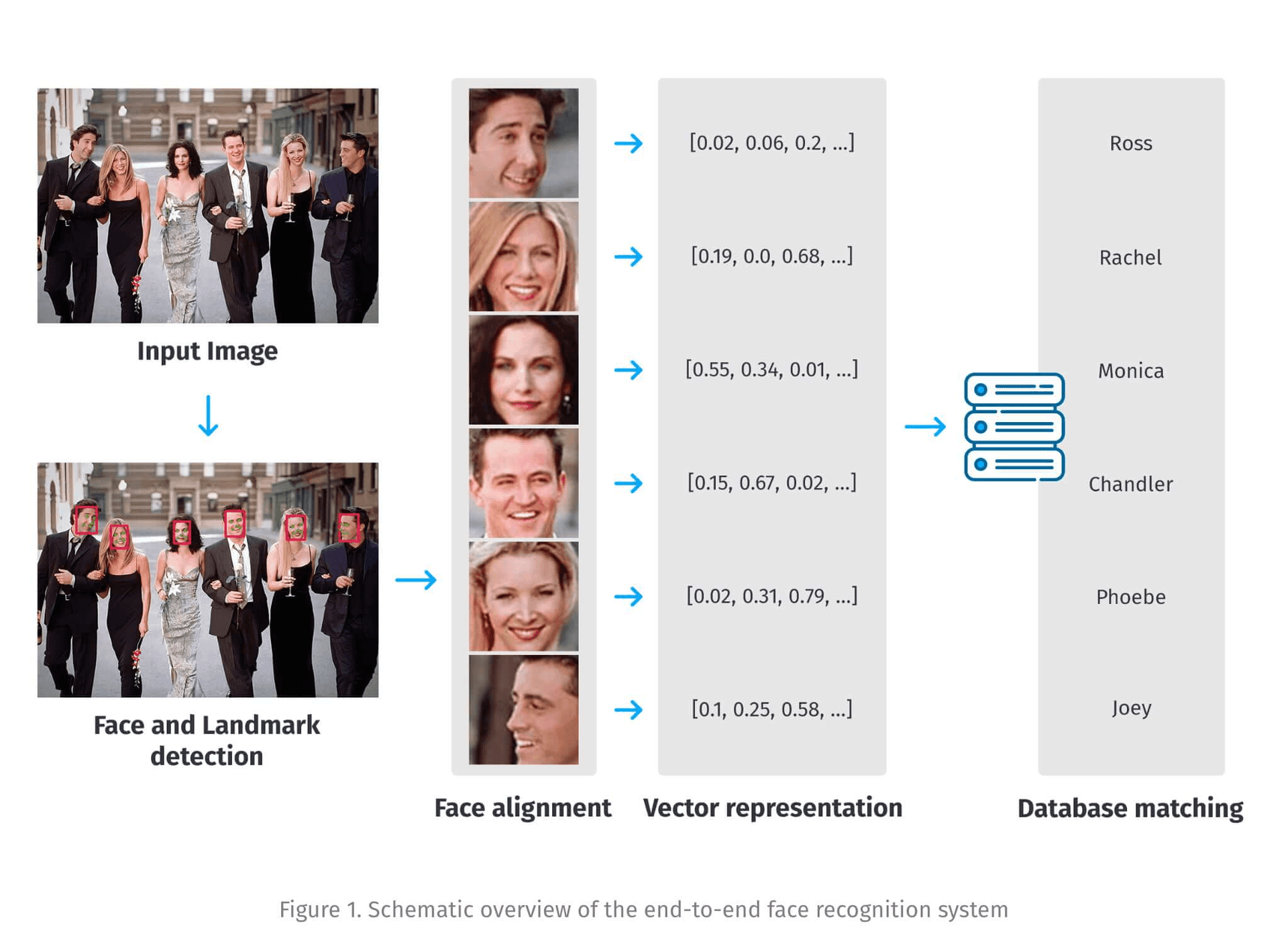
The phrase "face scan" typically refers to biometric facial recognition: a software system that analyzes facial features and converts them into a numeric template stored for matching. A government ID submission is usually a scanned or photographed document — driver's license, passport, or national ID card — accompanied by a selfie to confirm liveness and document ownership.
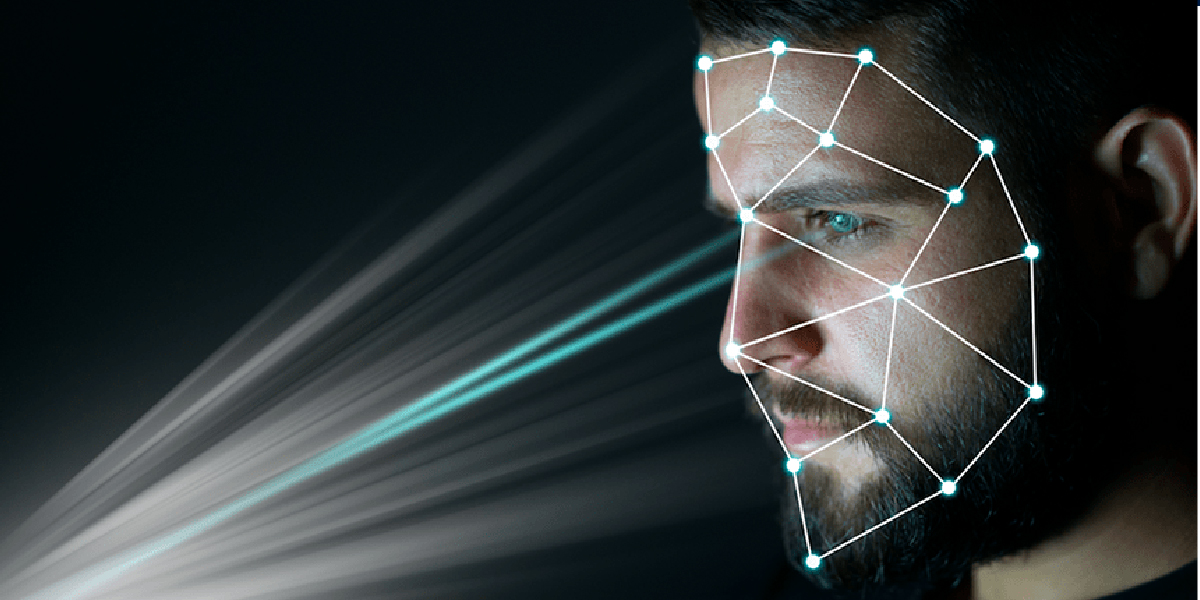
biometric facial recognition
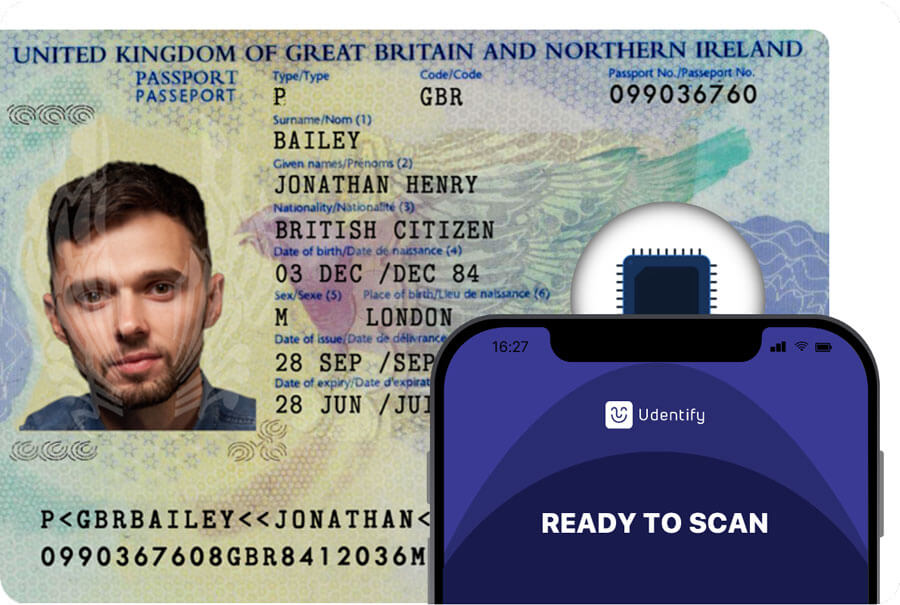
government ID verification
How verification workflows normally work
Most large platforms that run identity verification follow a common pattern:
- Capture: User submits a selfie and/or document photo through an in-app flow.
- Liveness check: The system asks the user to blink, turn their head, or speak a random phrase to prove the photo is live, not a picture of a picture.
- Match and extract: Algorithms compare the selfie to the ID photo and may extract name, date of birth, and ID number from machine-readable areas of the document.
- Decision and retention: The platform grants a verification badge or unlocks features. The platform either retains raw images, stores only derived templates, or uses third-party vendors who retain materials under contract.
Each step introduces privacy and security choices: does the platform store raw images or only hashed templates; is matching done in-house or by vendor; what retention policy applies; what logging and access controls are in place.
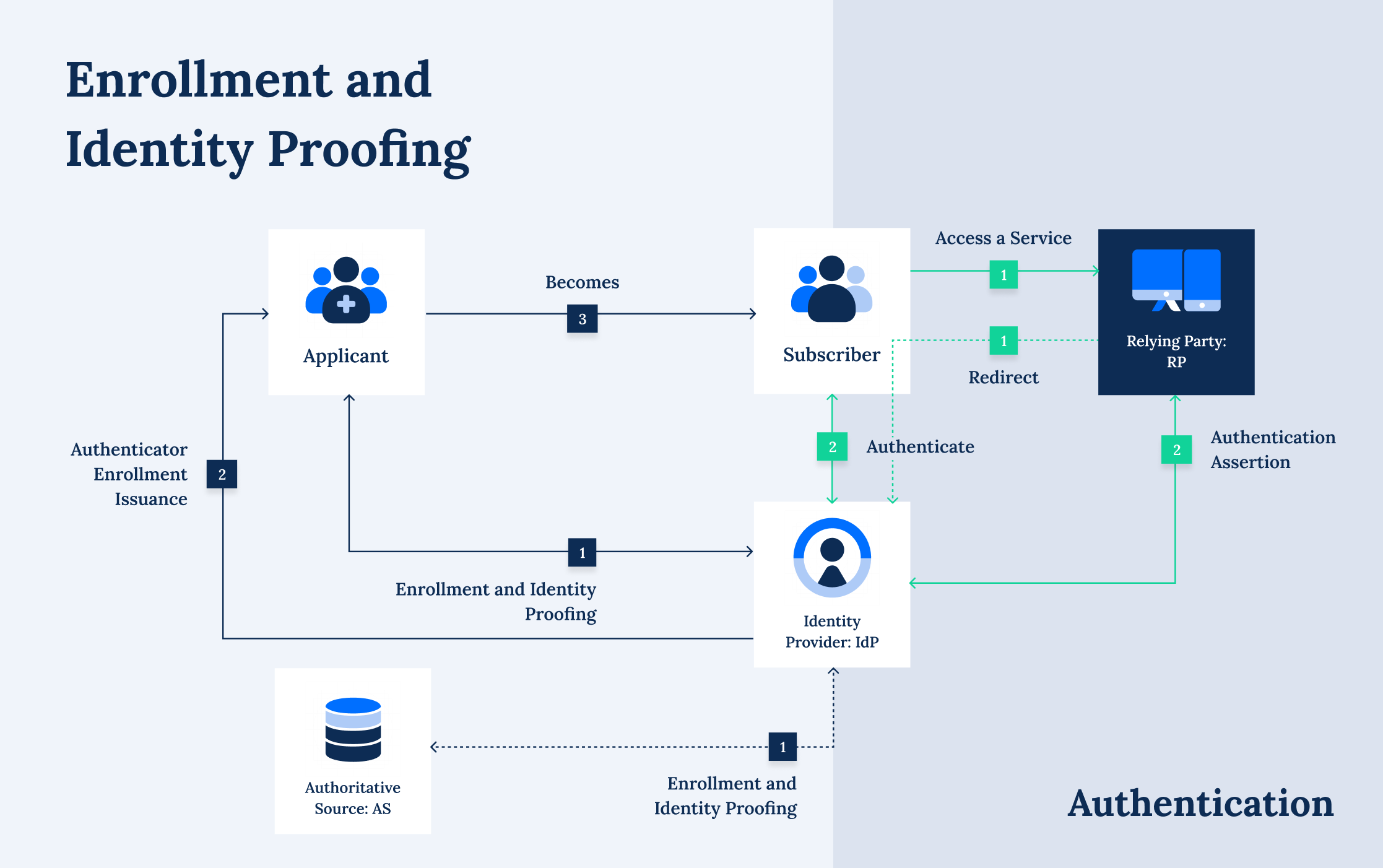
identity verification workflow
Privacy, Security, and Ethical Concerns
Mandating biometric or document submission changes the relationship between a user and a platform. The concerns fall into several buckets.
Data security and breach risk
Biometric data is highly sensitive because, unlike a password, you cannot change your face. If a database of facial templates or ID images is leaked, affected users face persistent risk. Even if platforms store non-reversible templates, sophisticated attackers can sometimes reconstruct or spoof biometric data. The security architecture — encryption in transit and at rest, hardware security modules, access controls, and minimal retention — matters enormously.
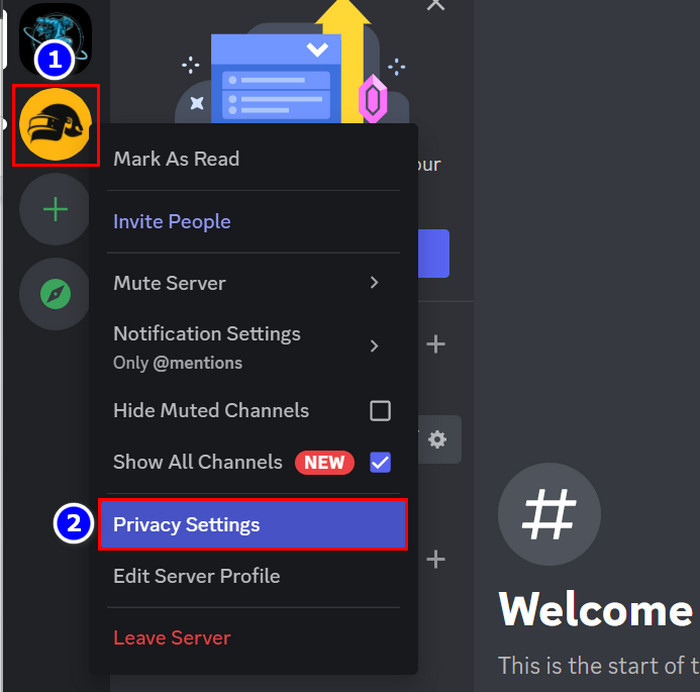
Discord privacy concerns
biometric data breach
Surveillance and scope creep
Once a dataset of faces or IDs exists, there's both practical temptation and legal pressure that can expand its use: law enforcement requests, internal safety investigations, cross-platform sharing, or future product features that enable search or matchmaking by identity. Users worry about being tracked across services or targeted by third parties.
Discrimination and accuracy
Facial recognition systems have well-documented performance differences across demographics. False positives or negatives are not evenly distributed; historically, some groups have experienced higher error rates. Misidentification can lead to wrongful account suspensions or denial of service to marginalized users.
Consent and informed choice
Mandating a biometric or ID check as a precondition for the platform's core features risks coercing users into sharing highly sensitive data merely to participate. True informed consent requires clear explanations of what is collected, how long it's kept, who can see it, and how to appeal decisions. Many users will want an opt-out path or alternative verification methods.
If your face or ID becomes the price of admission, you should ask what the platform will do to protect that data and whether alternatives exist.
Legal and Regulatory Landscape
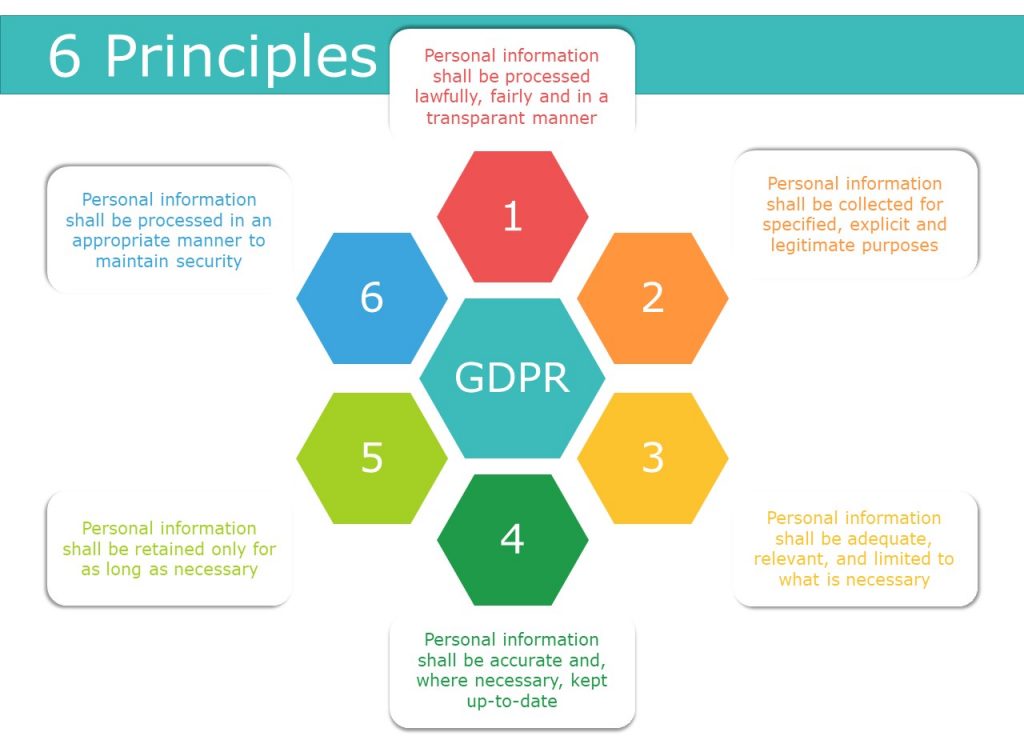
Legal frameworks vary widely. In the United States, there is no single federal law that comprehensively governs biometric data, though some states (notably Illinois with BIPA, Texas, and Washington) have strong protections and private causes of action. The European Union's GDPR treats biometric data as a special category, requiring explicit lawful bases and safeguards. Platforms must also account for age verification laws in certain jurisdictions and for demands from law enforcement under local process.
For Discord or any global platform, implementing a universal verification policy would require tailoring to regional legal constraints, offering different flows for different countries, and maintaining rigorous records to show lawful processing. Expect complex compliance design if such a program is real and imminent.
GDPR biometric data
Who Is Affected — Different User Perspectives
Casual users and gamers
Casual users who use Discord to join a gaming server or chat with friends may see this as an intrusive escalation. For many the platform is a low-friction social layer; adding identity checks raises barrier-to-entry and could fragment small communities.
Activists, journalists, and privacy-conscious communities
Groups that rely on anonymity for safety — such as political dissidents, abuse survivors, or whistleblowers — could be disproportionately harmed if identity verification becomes mandatory for public or semi-public spaces. Even with promises of confidentiality, the mere collection of IDs raises chilling effects on speech.
Server owners and moderators
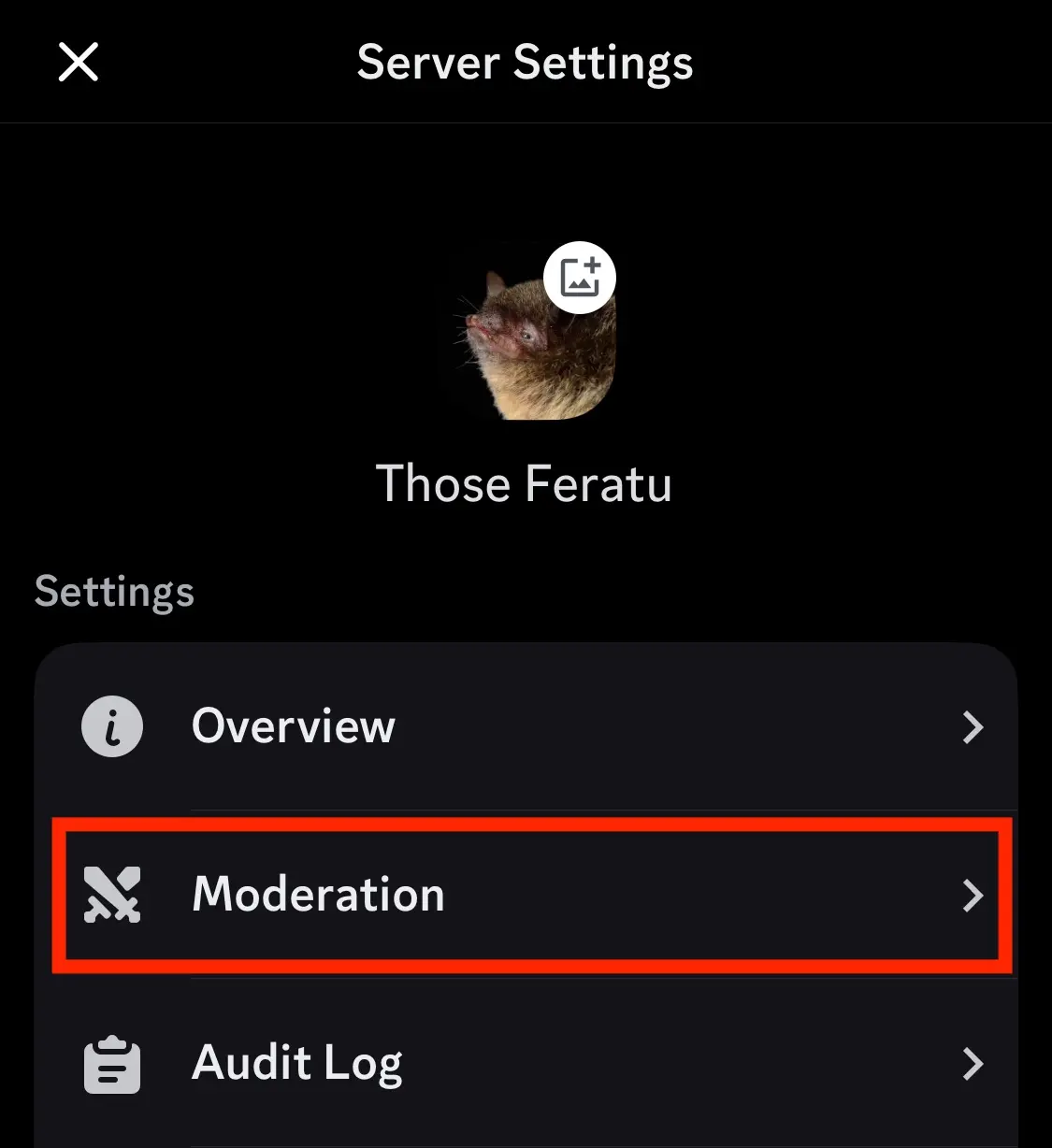
Moderators could gain powerful tools: clearer signals about age, real identity, and enforcement evidence. That can simplify moderation and reduce brigading. But moderators will also inherit tough decisions about enforcement thresholds and appeals when verification mismatches occur.
Discord moderation tools

Discord community moderation
Practical Steps: What You Can Do Now
Whether or not this policy is official, it is prudent to prepare. Here's a checklist to protect yourself and your communities.
- Pause nonessential linking: Avoid connecting your Discord account to other sensitive services until the policy is clear.
- Audit your servers: Server owners should document moderation policies, opt-in verification plans, and backup community channels in case members refuse verification.
- Secure your account: Enable two-factor authentication, use a password manager, review authorized apps, and remove unused device sessions.
- Learn the verification flow: If offered, read Discord's privacy notice for the verification flow: what is stored, retention, vendors used, and how to appeal denials.
- Consider alternatives: If you or your community won't comply, look at self-hosted chat options or smaller platforms that prioritize anonymity, while weighing trade-offs.
Design Choices That Mitigate Harm
Some design patterns can reduce the risks of identity verification while preserving benefits.
- Minimal retention: Store only what is necessary, delete raw images promptly, and retain non-reversible templates where possible.
- Local matching: Where feasible, perform biometric matching on-device so raw biometric data never leaves the user's phone.
- Third-party audits: Independent audits and transparency reports build trust; publish the number of verifications, retention periods, and government request metrics.
- Alternative verification: Offer non-biometric routes (verified bank transfer, trusted third-party attestations, or in-person verification centers for sensitive cases).
- Granular opt-in: Make verification optional for extra powers (e.g., hosting large public servers) rather than a prerequisite for basic account use.
facial recognition accuracy

online safety platform
- Potential reduction in harassment and sockpuppetry.
- Clear evidence chain for moderation appeals.
- Higher advertiser and partner confidence in platform safety.
- Serious privacy and security risks if breached.
- Chilling effects on vulnerable users and free expression.
- Disparate accuracy across demographic groups.
Frequently Asked Questions
Will I lose access to my servers?
That depends on the policy's scope: if verification is required only for certain features (large public servers, partner programs), most private server members may be unaffected. If verification is required for all accounts, then non-compliant accounts could face feature limitations or suspensions.
Can I delete my verification data?
Data deletion rights vary by jurisdiction and platform policy. Under GDPR and some privacy laws, users may request deletion. Under other laws or platform policies, retention for safety or legal obligations may be required. Verify the platform's stated retention and appeal routes.
Is biometric matching accurate?
Accuracy has improved, but errors persist, especially across underrepresented groups. Any real-world program should include human review and robust appeals to avoid unfair outcomes.
What to Watch For Next
If this policy is imminent, watch for official posts from Discord that specify:
- Precise start date and which accounts/features are affected.
- Technical details about what is collected, stored, and for how long.
- Vendor names or indications that matching is done in-house.
- Appeal processes and transparency commitments.
Community reaction will be another leading indicator: server owners, creators, and partnered communities will decide whether to support or resist a mandatory scheme.
Conclusion
Requiring face scans or government ID for full access would be a consequential shift for any social platform. The idea promises improvements in safety and accountability, but it elevates serious concerns about privacy, security, surveillance, and unequal impacts. Users, moderators, and privacy advocates should press platforms for clear, narrow scopes, strong technical safeguards, and meaningful alternatives so that safety does not come at the cost of civil liberties. Whether you decide to comply or to opt out, now is the time to secure your account, review your settings, and demand transparency on how your most sensitive data will be handled.
- Face scans and ID verification can reduce abuse but pose lasting privacy risks.
- Security practices, retention policies, and legal compliance determine real-world risk.
- Users should secure accounts, audit servers, and watch for official policy details and appeals processes.