Chipotle CEO Recorded: 'We'll Keep Raising Prices'
The moment a voice recording surfaced in which Chipotle’s CEO says the company will keep raising prices “because they can” landed like a flashpoint: part corporate confession, part public relations time bomb. For customers queuing for bowls and burritos it crystallizes a familiar frustration — everyday meals getting more expensive — and for investors it raises a complicated calculus about margins, growth and brand resilience. For the rest of us who study food systems, pricing strategies and consumer behavior, the episode is a textbook moment that exposes how modern restaurants translate macroeconomic pressures, competitive dynamics and corporate priorities into the number on the receipt.
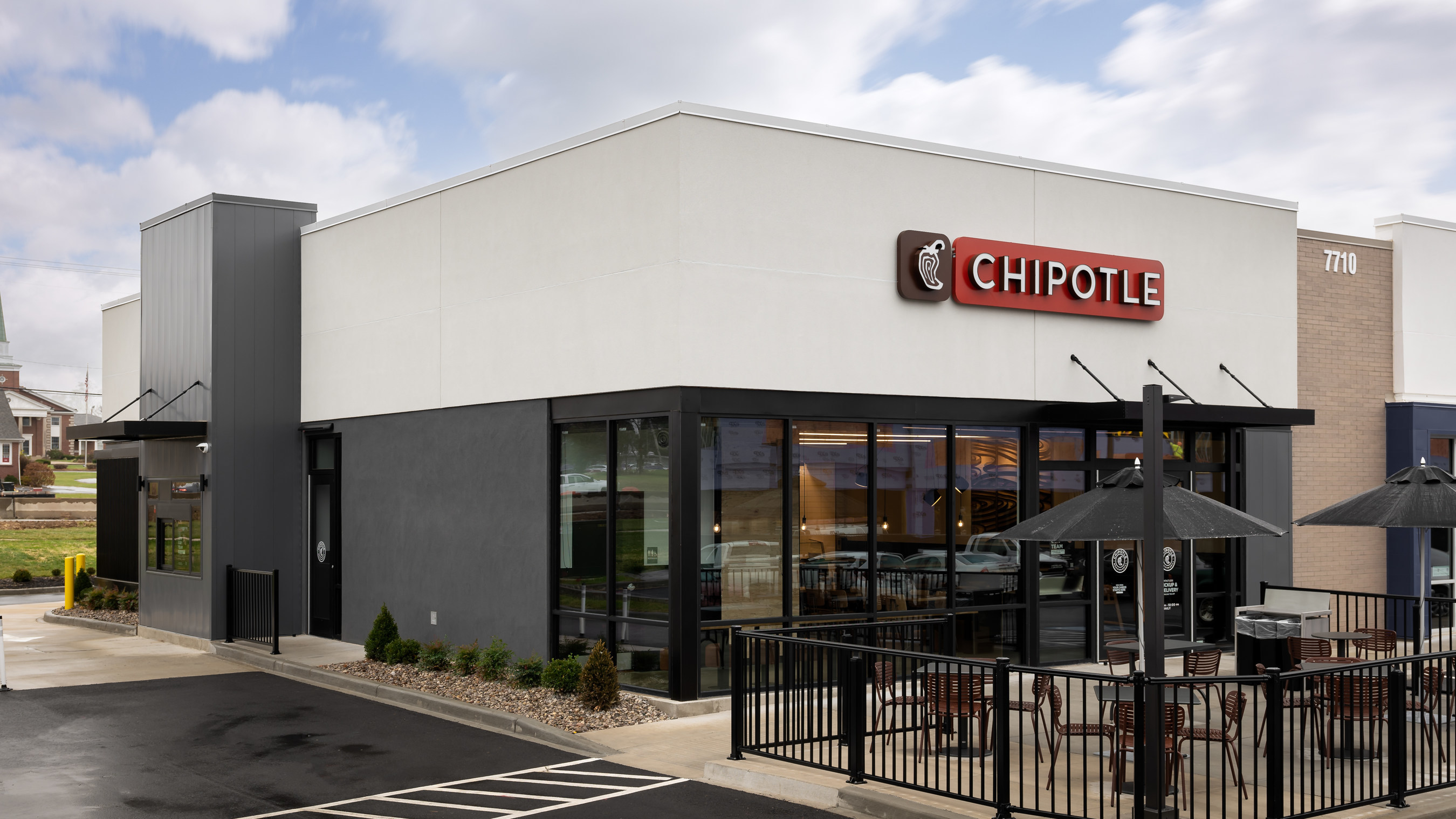
Chipotle restaurant exterior
Why This Recording Matters
The importance of the recording isn’t merely that an executive was candid — executives occasionally speak off script — but that the words appear to reflect a deliberate pricing posture at a major, highly visible fast-casual chain. Chipotle is one of the most influential players in the quick-service and fast-casual universe: it helped define the premium-fast-casual model, demonstrated how customization can command higher average checks, and has long been a bellwether for how customers respond to price versus perceived quality.
'When pricing becomes public theater, brands risk losing the faith that underpins loyalty.'
Corporate Pricing Power Explained
Pricing power is the ability of a company to raise prices without losing customers. It’s rooted in brand strength, product differentiation, perceived value, and, sometimes, limited competition. For Chipotle, pricing power rests on several pillars: a reputation for fresh ingredients, a streamlined menu that drives throughput, the ability to charge for customization, and a brand narrative that ties food to ethical sourcing and quality.
But pricing power is not limitless. Consumers track value closely — not just in absolute dollars but in the emotional and experiential currency associated with a purchase. A casual diner deciding whether to pay an extra dollar for guacamole evaluates that increment through a personal lens: is the added cost justified by my taste, my budget, or my perception of the brand? When executives publicly frame increases as a unilateral choice, it forces that lens into a transactional, almost moral calculation.

corporate executive speaking
Context: Why Prices Have Risen
To understand the CEO’s calculation you have to unpack the inputs restaurants face. In recent years a mix of rising food commodity prices, higher wages, supply chain disruptions, and increased rent and real estate costs have pushed operating expenses upward across the industry. Restaurants that survived the pandemic rebuilt labor models and invested in digital order flows — which improved efficiency but also required capital. Many chains used price increases as a way to restore and protect margins while demand recovered.
Cost Drivers
Key cost drivers that justify price increases often include:
- Food commodity inflation: Proteins, produce and dairy can fluctuate widely, and when those inputs spike the pressure passes along the value chain.
- Labor: Wage growth, minimum-wage pressures, and competitive labor markets force restaurants to pay more to recruit and retain staff.
- Operational investments: Digital ordering, delivery partnerships, and kitchen technology require upfront and ongoing spend.
- Real estate and utilities: Higher rents and energy costs affect profitability, particularly in urban markets.
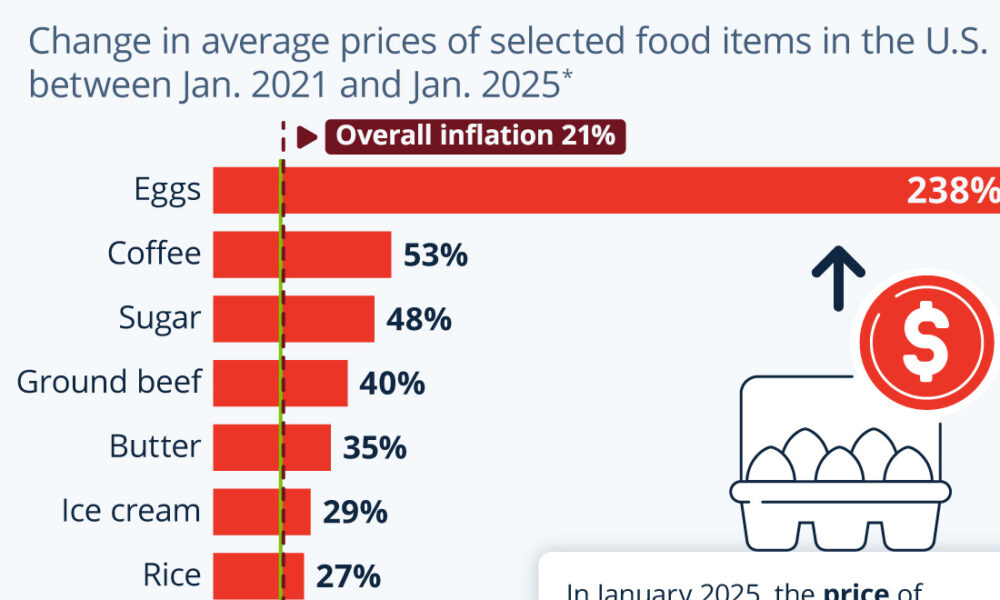
price tag food inflation
All of these rationales are familiar and valid. But the way management communicates them — especially in off-the-record or candid moments — shapes public response much more than the raw economics.
Customer Reaction: Trust, Value, and the Tipping Point
Customers are not a monolith. Some will accept price increases as a cost of enjoying a trusted meal, while others will switch to cheaper alternatives or reduce frequency. The tipping point — when a customer goes from accepting to abandoning — hinges on perceived fairness. If a company explains increases as necessary responses to costs, many consumers will begrudgingly comply. If increases are framed as opportunistic, especially in a high-profile admission, customers may feel betrayed.
'A one-dollar increase isn't just math — it's a vote of confidence or discontent.'
Who Suffers Most?
Lower-income households feel the pinch sooner. Eating out is a discretionary expense; households tighten those categories when budgets are stretched. What compounds the issue is the psychological sensation of price creeping: incremental increases across multiple categories add up faster than consumers notice, and then suddenly the weekly splurge feels like a luxury.
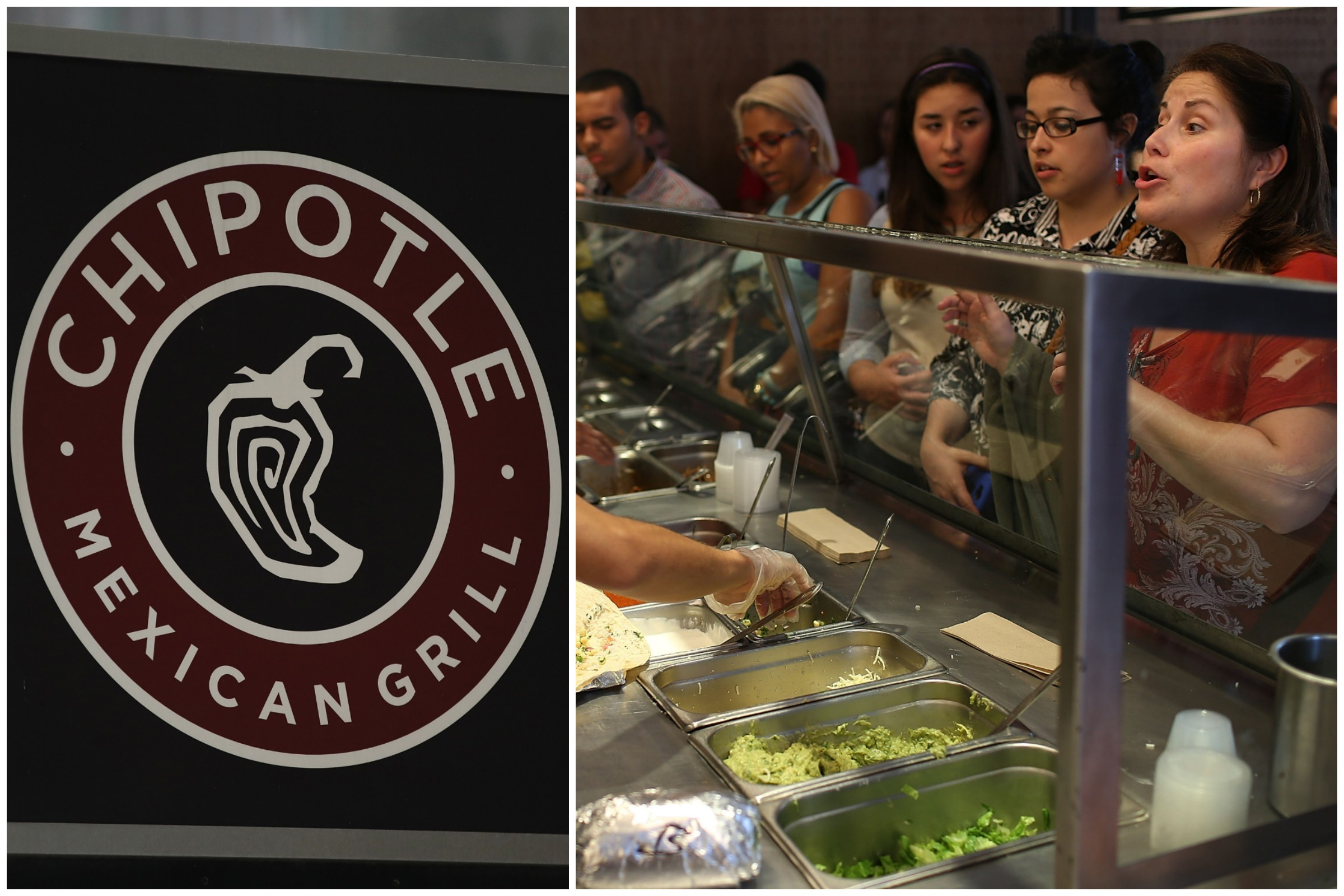
customer queue burrito bowl
Investor and Market Perspective
From an investor angle, price increases can be positive: they preserve or expand margins, help meet earnings targets, and contribute to cash flow that funds expansion and buybacks. For a brand like Chipotle, which has historically used premium pricing to reinforce quality perception, maintaining pricing discipline can be a rational strategy to deliver shareholder returns.
But investors also watch the elasticity of demand. If price hikes erode same-store sales and traffic, the calculus flips. Strong brands balance price increases with product innovation, loyalty incentives, and value perception to avoid traffic declines that outstrip margin gains.
investor reaction earnings
Ethics, Messaging, and the PR Fallout
There’s a moral dimension here. When executives discuss price increases in a way that sounds indifferent to customers’ day-to-day struggles, public outrage often follows. Companies have weathered missteps before; some recover by offering concessions, others face sustained reputational damage. The difference often depends on sincerity, remedial action, and speed.
What Good Messaging Looks Like
Effective messaging connects costs to tangible benefits consumers care about: higher ingredient quality, better labor practices, or improved service. It avoids language that makes customers feel like an inconvenience or a simple revenue line. Ideally, companies accompany increases with visible improvements — smaller portion for more price is a bad look; better ingredients or loyalty perks can soften resistance.
Competitive Landscape: Alternatives and Brand Loyalty
Chipotle sits in a crowded space. Competitors from fast-casual bowls to traditional quick-service brands are sensitive to price positioning. If Chipotle pushes prices aggressively without matching perceived value, competitors can capture price-conscious diners. However, Chipotle's tight brand identity and menu simplicity make immediate substitution slightly harder for some loyal customers, which is part of where the CEO’s confidence — and pricing power — stems from.
Risks to Market Share
Risks include:
- Local alternatives: Independent taquerias and regional chains can be nimbler on price and promotions.
- Delivery and convenience fees: When total cost (menu price plus fees) climbs, some customers pivot to cheaper meal kits or grocery options.
- Loyalty fatigue: If the loyalty program doesn’t offset price increases, repeat visitation can drop.
Policy and Regulatory Considerations
While raising prices is legal and common, certain jurisdictions scrutinize price-gouging during emergencies or crises. Beyond that, public criticism can attract lawmakers' attention, particularly if statements imply opportunistic behavior tied to market dominance. Antitrust regulators might not act on price increases alone, but vocal public anger can spur hearings and reputationally harmful oversight.
When Pricing Becomes Political
In democratic societies, food affordability and corporate responsibility are political flashpoints. Executives' offhand comments can become fodder in debates about corporate power and inequality, especially during periods when household budgets are strained.
What Chipotle—and Any Brand—Can Do Now
Assuming the recording represents a genuine, unfiltered sentiment, corporate response strategy matters. Steps that can calm customers and preserve long-term value include transparent explanation, targeted relief, and visible investments in quality and community.
A Practical Response Plan
1. Acknowledge and clarify: A prompt, honest response that distinguishes a candid remark from company policy can reduce speculation.
2. Communicate the why: Explain the specific cost pressures and what the company is doing to mitigate them without blaming customers.
3. Offer targeted relief: Introduce value-focused limited-time offers, emphasize loyalty rewards, or create lower-priced bundle options to preserve frequency among price-sensitive customers.
4. Invest in perceived value: Highlight improvements in sourcing, portioning, or preparation. If customers feel the product is worth the price, they’ll tolerate higher checks longer.
5. Monitor and adapt: Use data to track traffic, ticket size, and customer sentiment in real time and be prepared to reverse course if traffic declines materially.
Pro Tip Price increases tied to visible product improvements or customer benefits fare better with loyal customers.
Longer-Term Implications for the Industry
This episode is emblematic of a larger shift: mid- and upper-tier quick-service restaurants are increasingly balancing premium positioning with the realities of a broad customer base. The winners will be those that maintain product integrity while offering accessible entry points for cost-sensitive diners.
We should also expect continued experimentation in pricing architecture: value menus, dynamic pricing, location-specific pricing, subscription models, and bundling. Brands that can personalize offers without eroding overall check averages will have a competitive edge.
- Protects margins during cost spikes
- Funds investments in quality and technology
- Signals confidence to investors
- Risks traffic loss and reputational damage
- Alienates price-sensitive customers
- Creates political and regulatory scrutiny
Conclusion
The recorded remark attributed to Chipotle’s CEO crystallizes a tension that every modern food company must manage: how to reconcile shareholder expectations with customer loyalty during periods of cost pressure. Pricing decisions are not just arithmetic; they are narrative choices that shape brand identity and trust. When those choices are revealed in blunt terms, the company must repair both the economics and the relationship.
For consumers, the episode is a reminder to be mindful of where they spend and why. For executives, it’s a case study in how offhand statements can cascade into strategic problems. And for investors, it’s a prompt to scrutinize not just the profit-and-loss statement but the cultural and reputational strands that underpin long-term franchise value.
- Price increases are often driven by legitimate cost pressures, but communication matters.
- Brand trust and perceived value determine how customers respond to higher prices.
- Companies should pair price moves with visible benefits, targeted relief, and careful testing.
- Short-term margin gains can be offset by long-term traffic loss if messaging and execution fail.
A candid recording thrusts pricing strategy into the public square — and tests the fragile contract between convenience and cost.