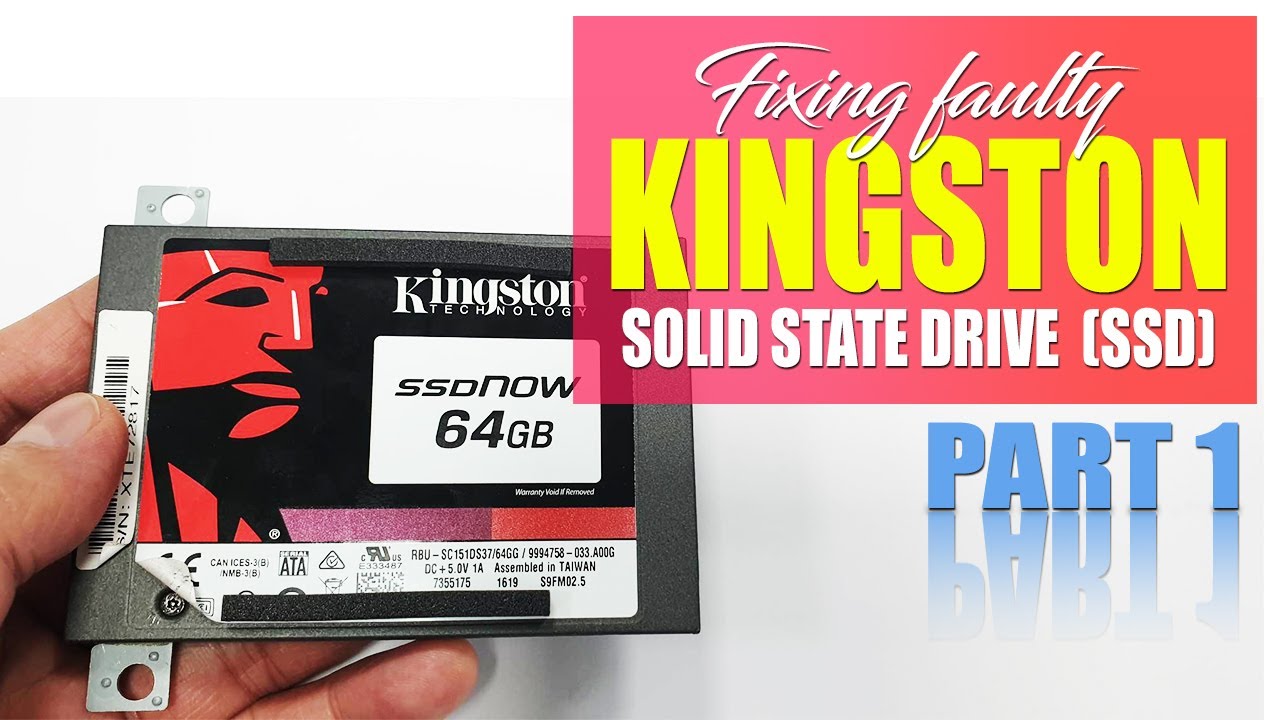
When Warranty Fails: Kingston Denies My SSD RMA After Owner's Death
I never expected a piece of consumer electronics to become the center of a small human tragedy, but that is exactly what happened when I tried to submit an RMA for a Kingston solid‑state drive after the registered owner—my partner—passed away. The drive was authentic, within warranty, and concrete proof of purchase existed, yet Kingston declined the replacement. This is the story of what unfolded, why companies behave this way, what the law and common practice allow, and practical steps anyone can take to avoid being stranded between bureaucracy and grief.

Kingston SSD RMA denial
The Incident: How It Happened
My partner bought the SSD two years earlier for photography work. It had been reliable, until one morning it became unrecognizable to every machine we tried. The drive's light no longer blinked, and system BIOS failed to enumerate the device. We reached for the receipts—digital and paper—and planned the straightforward process: contact Kingston support, open an RMA, ship the defective drive, receive a replacement under warranty.
What complicated this normal tech chore was that, in the weeks between the failure and our attempt to file the RMA, my partner died unexpectedly. Amid grief and funeral logistics, I handled practical matters: notifying institutions, securing passwords, and sorting physical belongings. When I called Kingston's support and explained who I was and why I needed an RMA, I encountered polite but immovable refusal. They required the original purchaser to authorize warranty service, and because that person was deceased, Kingston's support said they could not proceed without what they called “legal documentation.”
The drive was authentic, under warranty, and documented—yet a corporate policy built for tidy transactions collapsed when confronted with a messy human life.
First Contact: RMA Steps and the Wall I Hit
My first interaction with support followed the usual channels: chat, ticket, and follow‑up phone calls. I had serial numbers, purchase invoices showing the transaction on a credit card, and the original packaging with the barcode intact. The technician confirmed the drive's model and warranty status but repeatedly returned to the same point: Kingston's warranty policy requires either the original purchaser's authorization or legal evidence (letters of administration, probate, small estate affidavit, or court order) that the caller has authority to act on behalf of the deceased owner.

tech support call center
On the face of it, the requirement seemed reasonable. Companies are legally cautious about sending goods to unverified individuals. But the threshold they demanded—formal probate papers—was surprisingly high for a consumer warranty claim involving an item that cost a few hundred dollars. For families grieving and often lacking immediate access to estate documents, this meant a delay measured in weeks or months, or a denial outright.
SSD warranty claim denied
Why This Happens: Corporate Risk Management and Red‑Tape Logic
Manufacturers and vendors design policies to manage fraud, theft, and legal liability. A warranty replacement is, effectively, the company transferring value. Without verification, there is a risk that someone could claim another person's device and request a replacement. Legal departments advise strict proof requirements because reversing a shipped replacement—or suing for fraud—is costly and time consuming.
That logic is sound in a spreadsheet, but it fails to account for reality: estates are messy, documents are slow, and grief is disorienting. Policies optimized for preventing fraud are not optimized for compassion. A product replacement that would take a few clicks under ordinary circumstances becomes a procedural minefield if the original owner has died.
The Forms Kingston Asked For—and Why They Matter
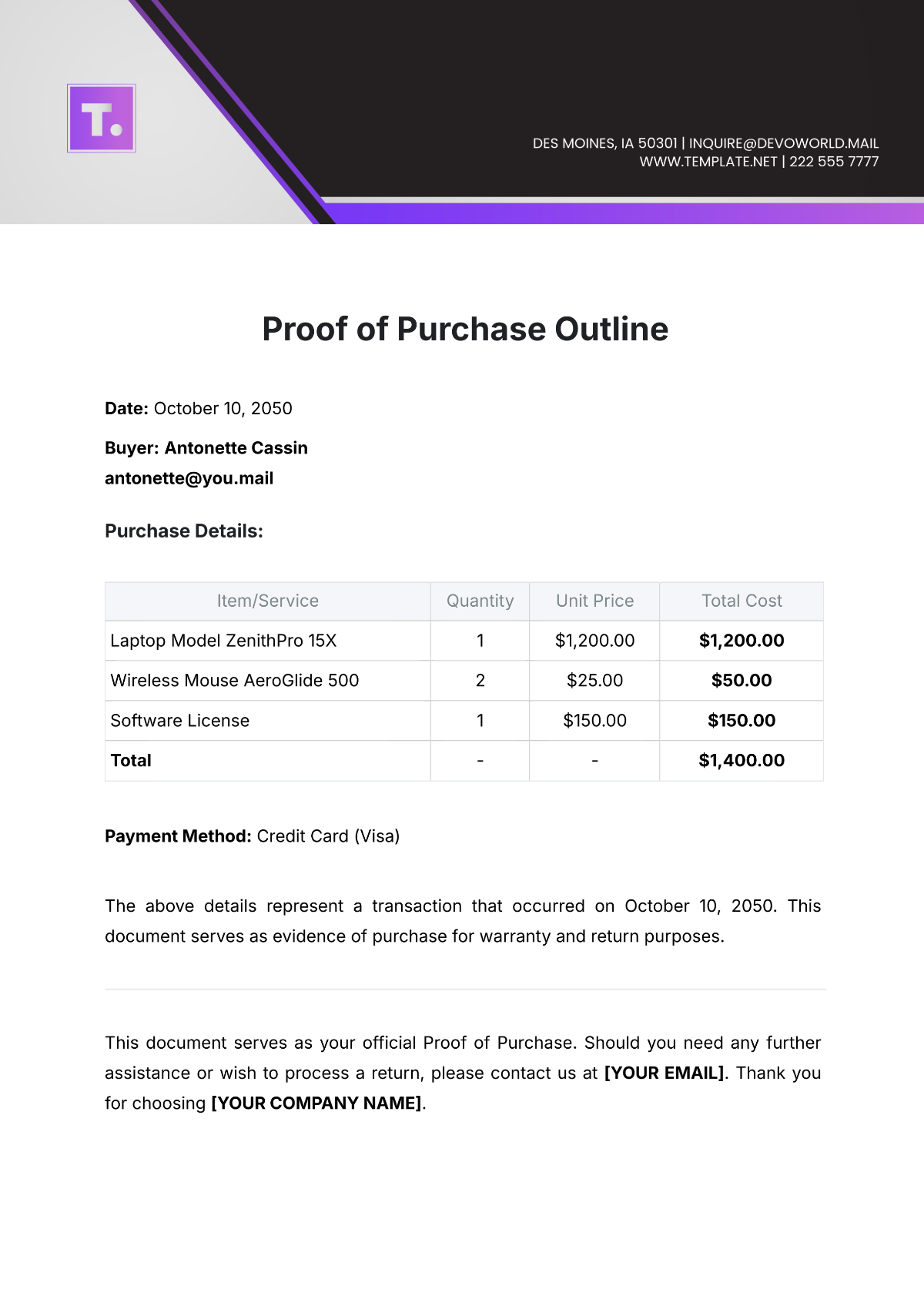
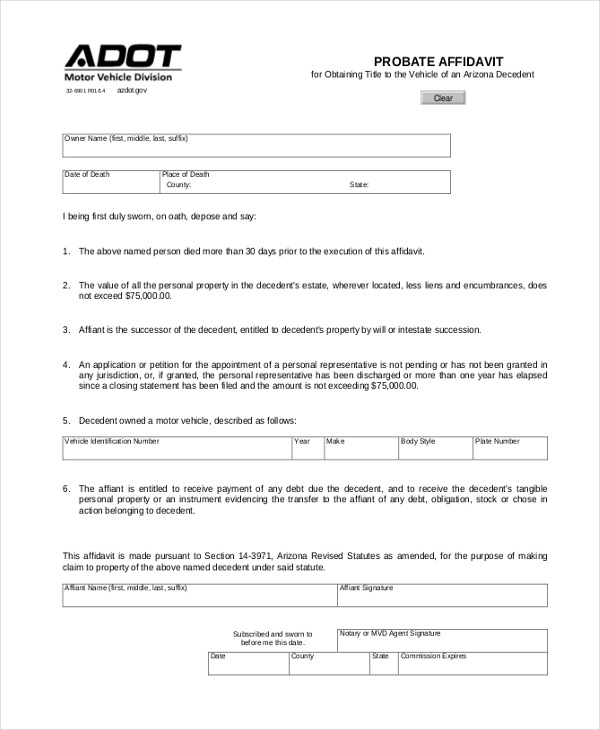
The list of documents Kingston's team requested was short in description but stern in practice: a certified copy of the death certificate, proof of purchase, a legal document showing authority to act on behalf of the deceased (probate grant, letters of administration, or an affidavit from an executor), and identification matching the requester. Each item is defensible from a compliance standpoint. A death certificate proves the owner's passing. Proof of purchase confirms ownership. Probate documents verify legal authority to dispose of or request replacement of estate property.
proof of purchase invoice
But obtaining those documents is rarely simple. Death certificates often require waiting for local registrars; probate may take weeks; and in many U.S. cases small estates qualify for simplified processes but still require local filings. For consumers in shock, these obstacles are not trivial. The result: a policy that is legally coherent but practically cruel.

deceased owner estate probate
Legal Context: Probate, Estate Executors, and Consumer Goods
From a legal standpoint, once a person dies, their property becomes part of the estate. The person legally empowered to handle estate matters—an executor or administrator—has the right to manage property, settle debts, and distribute assets. Manufacturers that demand probate documents are protecting themselves by requiring the same formalities a bank or title company would need to release assets.
However, the relationship between consumer warranties and estates is uneven. Warranties are contractual promises from manufacturers to the purchaser. Some warranties are transferable; others are not. The contract language often stipulates that warranties are valid for the original purchaser only, and may require registration. Where language allows transfer to a legal heir or executor, the path is simpler. Where it doesn't, the company can legally deny the claim. That reality means many bereaved family members face not only grief but the technical reality that the warranty was a personal contract that died with the owner.
legal documents probate affidavit
What I Did: Practical Steps to Break Through the Brick Wall
I'm sharing what worked and what didn't because for anyone else who faces this, time and clarity matter. Here is the chronology of actions I took:
- Gathered proof: I assembled the purchase invoice, credit card statement, the box with serial numbers, and every digital receipt I could find.
- Requested the death certificate: I ordered an official copy from the county registrar and sent it to Kingston as they requested.
- Contacted the estate attorney: The attorney advised how to obtain a simple affidavit to show authority without full probate (varies by state).
- Escalated politely: I asked to speak to a supervisor, documented every interaction, and referenced the relevant warranty clause and consumer protection guidance where appropriate.
- Prepared alternatives: I got a quote for out‑of‑warranty replacement and data recovery costs so I had a clear picture of tradeoffs.
Even with those steps, Kingston's final position remained firm: without formal probate or equivalently strong legal paperwork, they would not ship a replacement under warranty. The support team offered to handle a paid replacement through normal retail channels, and they gave technical guidance for data recovery, but would not make an exception.

data recovery professional service
Options When the Manufacturer Says No
When a warranty route is blocked, several other pathways exist. Each carries cost, delay, and risk, so weigh them against the emotional and financial importance of the device and its data.
- Probate or small‑estate affidavit: Proceed with whatever local legal route gets you authority to act. This is the cleanest legal solution but takes time.
- Paid replacement: Purchase a new device from a retailer (sometimes cheaper in the long run than waiting) and use the broken drive for data recovery attempts if needed.
- Third‑party warranty transfer services: Some sellers or marketplaces offer extended warranties that are transferable—check before purchase for future-proofing.
- Data recovery specialists: If the data matters more than the device, professional recovery might retrieve files without replacing the drive under warranty.
- Small claims or complaints: If you believe the company acted in bad faith, file a complaint with consumer protection agencies or consider small claims court. This is rarely worth the time for low‑value goods but may be appropriate in egregious cases.
Ethics and Public Policy: Where Compassion Falls Short
There is an ethical question at the core of these encounters: how should corporations balance anti‑fraud safeguards with compassion for bereaved customers? A purely legalistic approach protects the company's balance sheet but can damage reputation and customer trust. Some manufacturers publish policies that include clauses for executors and heirs; others leave it vague. There is an opportunity for companies to design human‑centered processes—temporary holds, escrowed replacements, or provisional service pending legal paperwork—that reduce the immediate burden on grieving families while mitigating fraud risk.
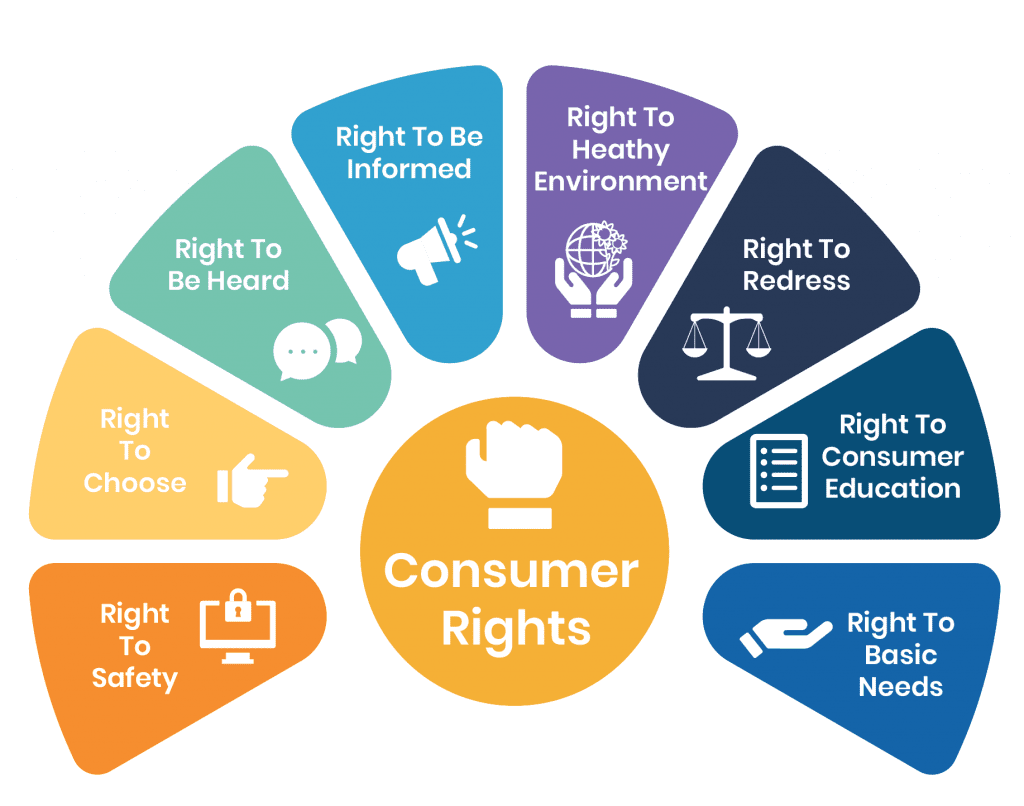
consumer rights warranty policy
How to Protect Yourself and Loved Ones: Practical Prevention
Prevention is always easier than remediation. These steps can make it far simpler for next‑of‑kin to manage electronics and warranties after a death:
- Document purchases: Keep digital copies of receipts, serial numbers, and registration emails in a centralized, accessible place.
- Share access responsibly: Make sure a trusted person knows where to find purchase records and basic device information—this can be part of a digital will or a note to an executor.
- Register devices: When a manufacturer offers product registration, do it. Registrations often make warranty support faster.
- Consider transferable warranties: When buying expensive electronics, check whether warranties are transferable or whether extended third‑party warranties can be assigned to heirs.
- Include electronics in estate planning: Estate plans rarely list every gadget, but mention high‑value items and where supporting documents live.
A Short Primer: What Warranties Typically Cover (and Don't)
Understanding the nature of warranties clarifies what you can expect. In general, consumer electronics warranties cover manufacturing defects and hardware failure under normal use. They do not usually cover accidental damage, data loss, or failure due to misuse. Warranties are contractual promises and may include clauses about original purchaser limitations, transferability, and required proof of purchase. None of this is universally standard, which is why reading the specific terms is necessary when an issue arises.
Emotional Labor: Why This Feels Worse Than a Policy Fight
Technical disputes usually feel transactional. This situation was different. The company's refusal did not merely delay a replacement; it highlighted how systems assume a world without interruption—without death. That realization introduced an emotional layer: the administrative refusal became a reminder of the loss, a paper‑based retelling of a human absence. Companies that treat bereaved customers as low‑risk fraud cases and nothing more risk eroding trust in ways poorly reflected in return‑customer metrics.
Realistic Expectations: What You Can and Cannot Change
It's important to be pragmatic. A support representative on a scripted workflow is seldom empowered to rewrite legal contracts. A manager can sometimes escalate a case or authorize goodwill gestures, but they cannot override binding warranty language without corporate legal sign‑off. The leverage points you have are documentation, persistence, and legal authority (executor status or court documents). For some families, the quickest path to a replacement is not argument but paperwork: obtain legal authority and reapply.
A Broader Lesson for Tech Companies
From a policy perspective, manufacturers should anticipate edge cases like this. Reasonable design choices include:
- Allowing provisional RMA issuance that requires return of the replacement if later documentation is not produced.
- Providing clear estate support pages explaining what executors need to do for warranty claims.
- Training frontline support to offer alternatives such as paid replacement discounts or documented escalation pathways for bereavement cases.
These measures align with common sense and brand stewardship. Showing flexibility in extraordinary circumstances costs little relative to the goodwill it preserves.
Conclusion: What Happened to My Claim—and What I Learned
After weeks of paperwork, legal consultation, and patience, I obtained a small‑estate affidavit, filed it, and resubmitted the RMA. Kingston then processed the replacement. The experience was emotionally exhausting and administratively expensive. More importantly, it revealed how fragile the consumer warranty system can be when it encounters real human complexity.
- Manufacturers often require legal documentation when the registered owner is deceased; this is legal risk management, not necessarily cruelty.
- Collect and centralize receipts, serial numbers, and registration details as part of estate planning.
- If you face a denied RMA after a death, small‑estate affidavits, probate letters, or executor documents are typically the decisive paperwork.
- Push for written policy clarity from manufacturers and ask support about "estate" procedures explicitly.
- Companies can and should build compassionate, provisional processes for bereavement cases that balance fraud prevention with human reality.
Final Reflection
Consumer tech is woven into our lives to such an extent that a failed warranty can become a magnifying glass for vulnerabilities in legal and corporate systems. When an electronics manufacturer denies an RMA because the owner has died, the result is not only a financial inconvenience but also an emotional burden. The solution lies in better personal practices—documenting and sharing essential information—and in better corporate practices—designing warranty systems that respect both legal constraints and human fragility. In the end, technology companies are answerable to people, and policies should be judged by how they treat those people when life does not conform to tidy rules.