What the FBI Did — and Didn't — Find in the Epstein Case

Jeffrey Epstein FBI
The claim that "the FBI concluded Jeffrey Epstein wasn't running a sex trafficking ring for powerful men" is one of those short, blunt statements that can do a lot of narrative work — and a lot of damage — depending on how it is understood. It reads as an absolution, a clearing of complicity not only for Epstein but for the many public figures whose names have circulated in the case. But the reality of criminal investigation, public record and legal proof is messier: agencies pursue evidence, prosecutors make charging decisions, victims seek redress, and sometimes outcomes are shaped as much by procedures, timing and tragedy as by incontrovertible facts. This article unpacks the claim, walks through the investigations and court actions that exist in the public record, and explains why a single declarative sentence cannot capture a complex legal and moral story.
How the Claim Functions
What people mean when they say "the FBI concluded"
When someone says an agency "concluded" something, they usually mean one of three different things: a formal public statement or report, a prosecutorial decision not to charge, or an internal assessment that never became public. The first is a clear, attributable document; the second is inferred from charging records; the third is ephemeral and often inaccessible. For the Epstein case, the phrase can therefore be misleading if used without context.
No single agency verdict cleanly resolves a sprawling criminal network allegation; law enforcement outcomes often depend on available evidence, victims' cooperation, and legal thresholds for prosecution.
Why the distinction matters
Public understanding tends to assume agencies simply find the truth and declare it. In practice, investigators build cases to a prosecutable standard. A decision not to charge does not equate to a public exoneration. That distinction is central to why the statement in the draft title is worth scrutinizing: if the FBI did not bring charges against certain individuals, that does not necessarily mean it found they were innocent of wrongdoing or that no credible allegations existed.
Miami Epstein investigation
A concise timeline of key developments
Early investigations and the 2008 plea deal
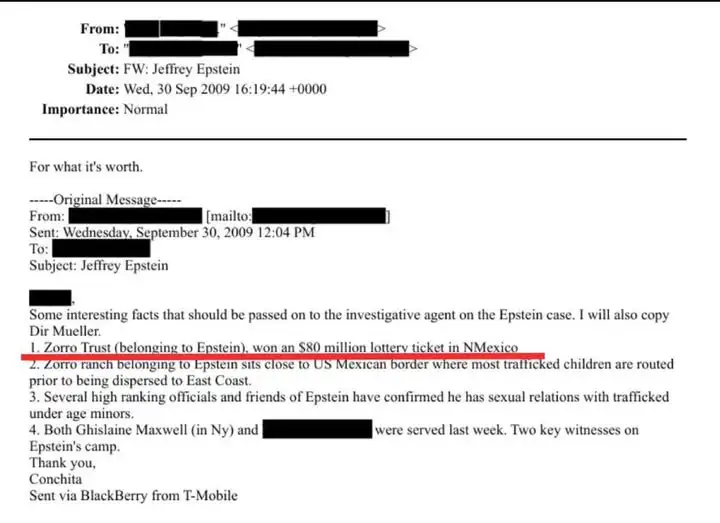
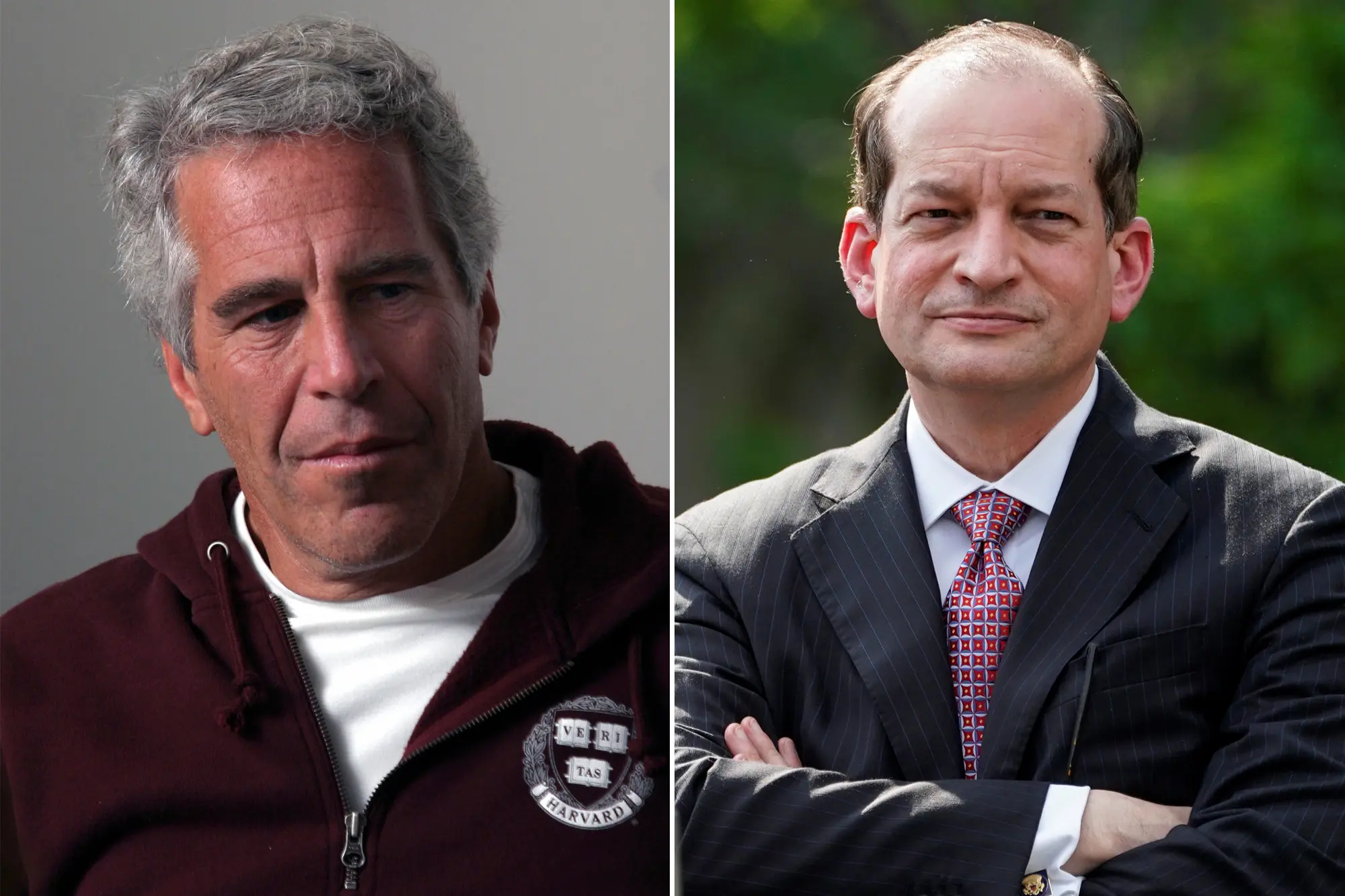
Jeffrey Epstein first attracted broad legal scrutiny in the mid-2000s. In 2008, a controversial federal-state deal in Florida resulted in Epstein pleading guilty to state charges for soliciting prostitution with a minor; he served 13 months in a county jail under a work-release arrangement. That plea agreement, negotiated by prosecutors in Florida, later drew scrutiny for being unusually lenient and for the extent to which it shielded potential co-conspirators from federal prosecution.

Palm Beach Epstein case
Epstein 2008 plea deal
Alexander Acosta Epstein
Arrest, indictment, and death
On July 6, 2019, Epstein was arrested on a new federal indictment charging sex trafficking of minors in New York and Florida. Those charges promised a fuller investigation of his activities and associates. Epstein died in federal custody on August 10, 2019, while awaiting trial — a development that abruptly truncated the criminal process and left many questions unresolved in a court of law.
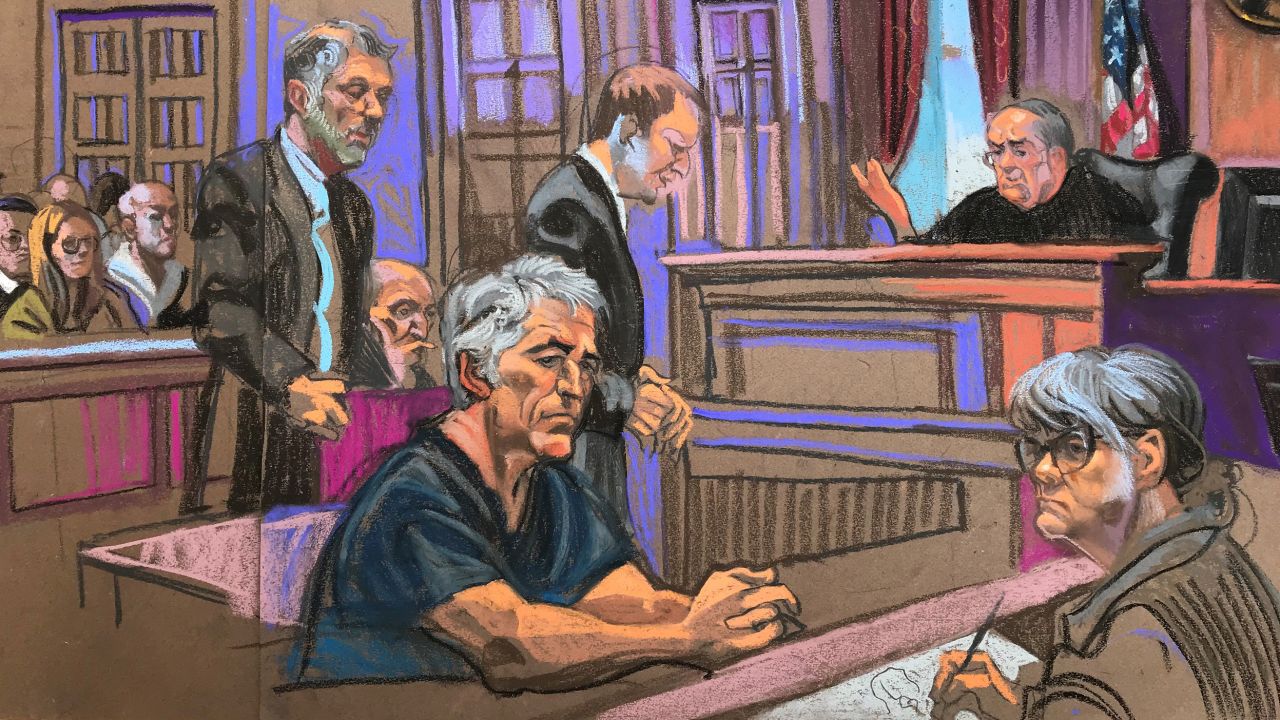
Epstein arrest July 2019
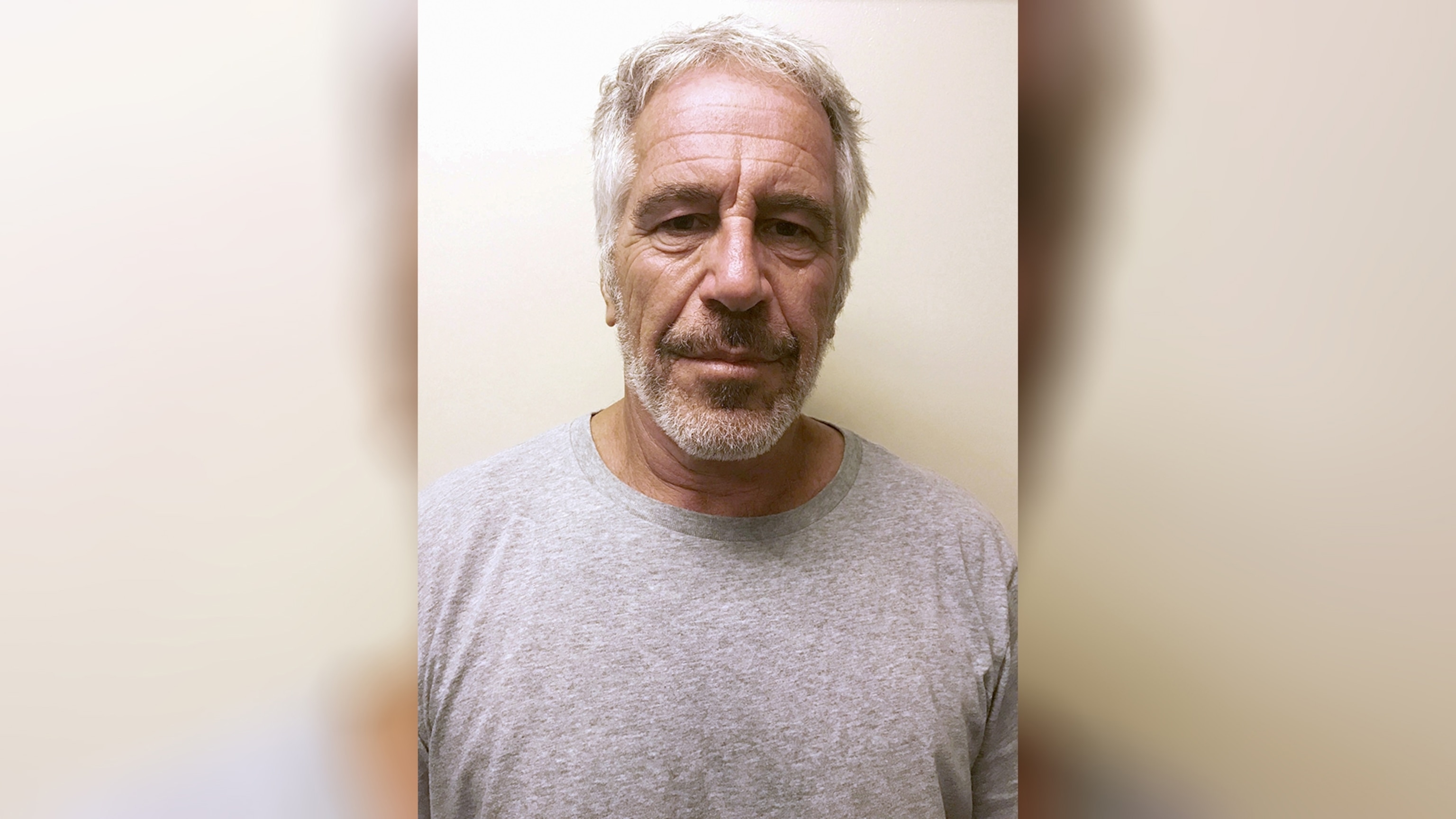
Epstein death August 2019
Subsequent prosecutions
After Epstein's death, other legal actions continued. Ghislaine Maxwell, a close associate, was tried and convicted on charges related to sex trafficking in December 2021. Civil litigation from survivors continued to unspool records, depositions and allegations that referenced a wide circle of acquaintances. But criminal charges against other high-profile names historically linked to Epstein have been sparse or absent, which fuels debate about the thoroughness or focus of investigations.

Ghislaine Maxwell conviction
What investigations actually established — and what they did not
The evidence that produced charges
What is indisputable in the record: federal prosecutors in 2019 possessed alleged victim testimony and other evidence sufficient to charge Epstein with sex trafficking and to pursue his prosecution. Those documents, indictments and the later conviction of Ghislaine Maxwell indicate a pattern of criminal behavior involving recruitment and abuse of underage individuals. The legal findings that followed these prosecutions provide concrete confirmation of criminal conduct by Epstein and by at least one close associate.
The limits of public records
But public records are partial. Much investigative work is done behind sealed filings, grand jury proceedings and closed interviews. Flight logs, visitor records and civil depositions have been released piecemeal through litigation, but they do not equate to criminal proof. Naming-in-logs or in lawsuits is not the same as a prosecutable pattern of involvement in illegal activity for every person named. That nuance is where assertions about "the FBI concluding" become fraught: an agency may collect information about individuals without concluding they were part of a criminal enterprise.
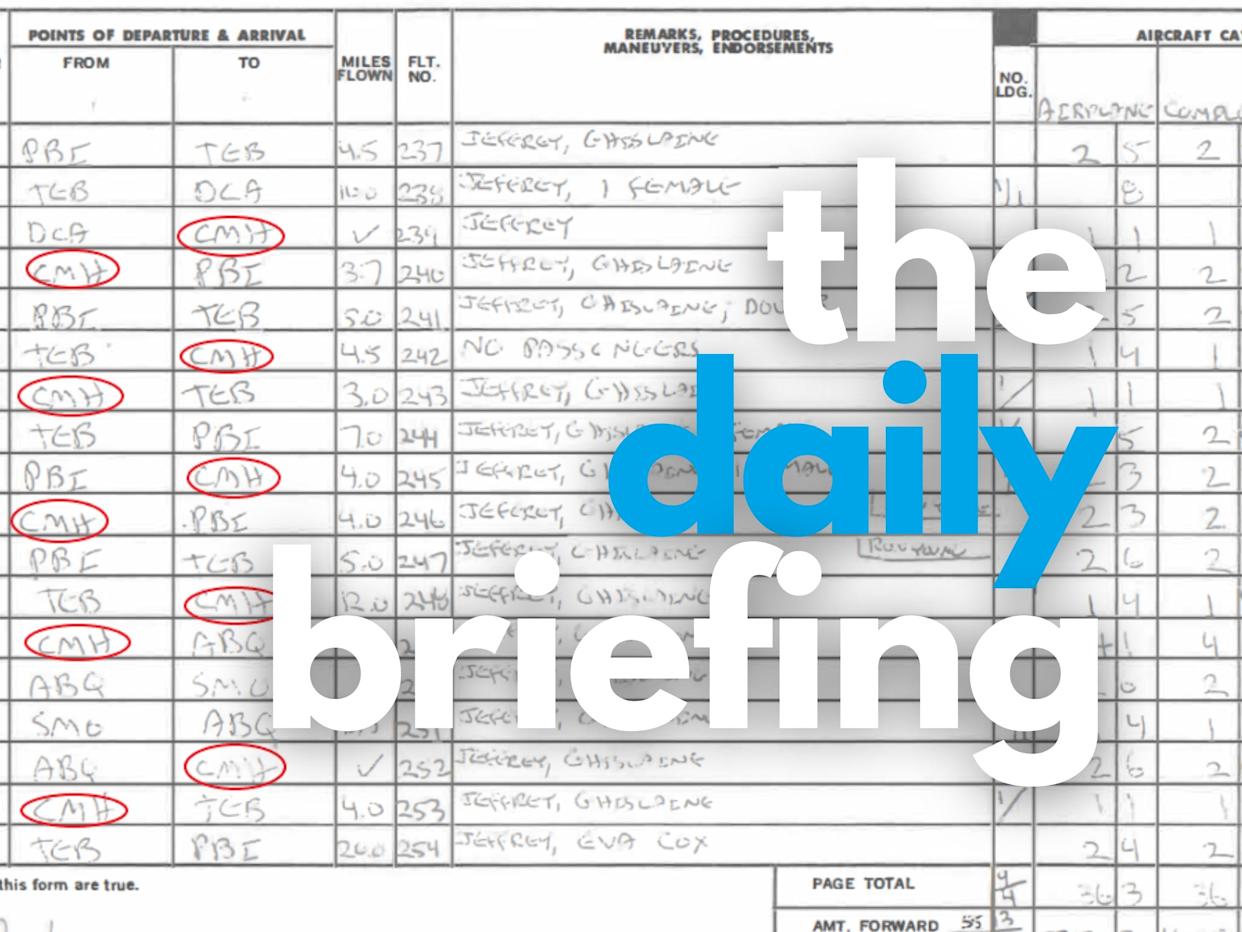
Epstein flight logs
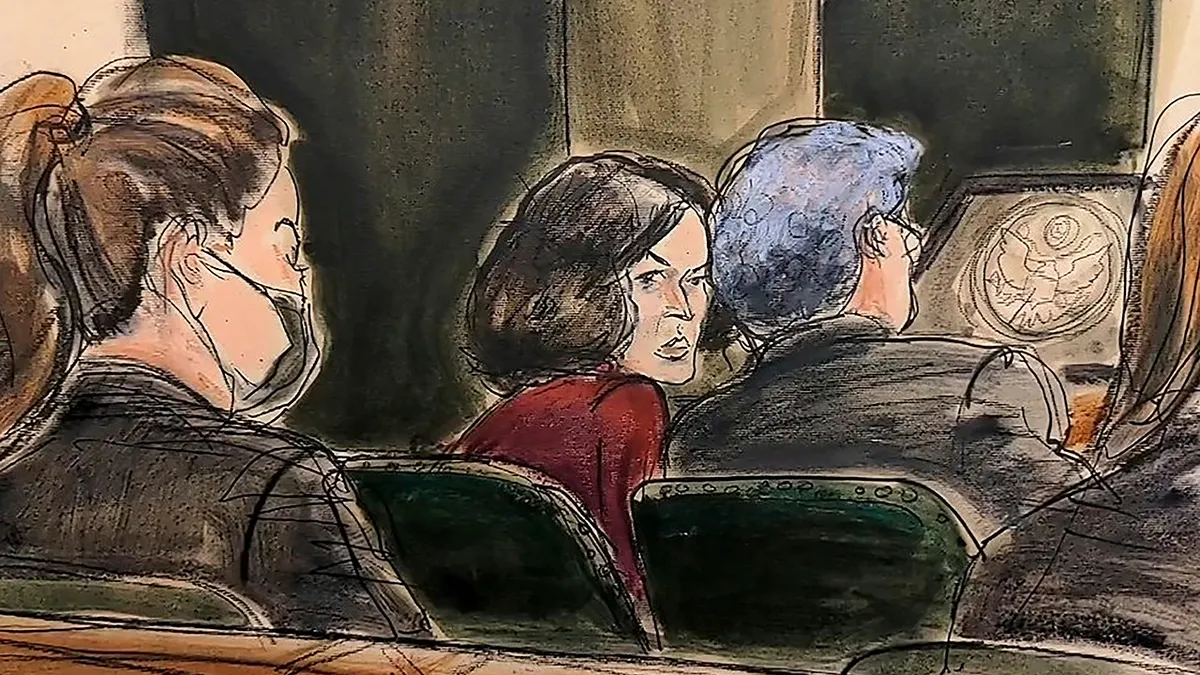
New York Epstein trial
Why prosecutions against other powerful figures were limited
Legal standards and prosecutorial discretion
To bring an indictment, prosecutors must believe they can meet the legal standard of proof beyond a reasonable doubt. That requires reliable witness testimony, corroborating evidence, and often a willingness of victims to testify. Some alleged witnesses were reluctant, some evidence was decades old, and the death of Epstein ended the possibility of leveraging his testimony — all factors that can make prosecution of others difficult or risky.
Time, resources and competing priorities
Investigations into sprawling allegations against multiple prominent people are resource-intensive and legally complicated. Agencies prioritize based on what they assess is most likely to result in justice. The absence of charges against certain individuals can reflect resource, evidentiary, or strategic decisions rather than a definitive judgment about their innocence.
How to read public commentary and conspiracy claims
Conspiracy narratives thrive where official accounts are partial. The lack of wide criminal indictments against prominent people named in civil suits or flight logs has produced two responses in public discourse: one reads the absence of charges as proof of institutional capture and protection of the powerful; the other treats it as evidence that allegations were exaggerated or false.
A caution about inference
Neither reaction captures the procedural complexity of the American legal system. It is both possible that some powerful people escaped accountability for reasons that ought to be criticized, and also possible that some names that circulated had minimal or purely social association with Epstein. Inferential leaps in either direction risk doing injustice to survivors and to people accused without due process.
The death of Epstein: why it mattered
Epstein's death on August 10, 2019 functionally ended the central criminal case that could have led to discovery, cross-examination and testimony in open court. Prosecutors often use testimony from co-conspirators to build cases against others; with Epstein gone, the government's leverage diminished. For many victims, that death felt like a denial of the chance to see the full facts aired at trial. For investigators, it complicated the path toward accountability for any alleged accomplices.
Collateral effects on records and evidence
Some investigative threads were tied to Epstein's person and property. After his death, ownership and access disputes over documents and devices slowed the public release of materials. Civil suits and journalistic investigations continued to expose portions of the picture, but the formal criminal process that could compel testimony through subpoena was curtailed.
Evaluating the claim responsibly
What the evidence supports
Based on what has been publicly established, the evidence supports the following: Epstein engaged in criminal sexual conduct and was charged federally in 2019; Ghislaine Maxwell was convicted for her role in trafficking; civil litigation has alleged a broader network of interactions between Epstein and numerous prominent individuals. These are demonstrable facts grounded in legal actions and court records.
What the evidence does not support
The evidence does not support a single, unambiguous public finding by an authoritative agency that definitively clears or accuses every person whose name has surfaced in related records. There is no simple, comprehensive public document that states "X powerful people were members of a trafficking ring" in a way that substitutes for individualized proof and due process.
Important: Saying "the FBI concluded Epstein wasn't running a sex-trafficking ring for powerful men" without qualification mistakes prosecutorial absence for institutional exoneration and flattens a complex, ongoing series of findings and allegations into a categorical claim the record does not comfortably bear.
How journalists, advocates and readers should proceed
Best practices for reporting and reading
Responsible reporting distinguishes between allegation, indictment, conviction and institutional report. Readers should ask: is this claim based on an FBI memo, an absence of charges, or on an interpretation of released documents? Does it conflate lack of prosecution with official findings of innocence? Precision in language matters because it shapes public understanding of both victim harm and institutional accountability.
What survivors and reformers seek
Survivors and advocates have sought both individual accountability and systemic reform: better witness protection, more aggressive pursuit of co-conspirators, changes to how plea deals are supervised, and transparency around sealed agreements. Public debate about whether the FBI "concluded" something should not eclipse calls for concrete policy changes that would prevent future harms and improve investigative outcomes.
Conclusion: a contested record, not a tidy verdict
The simple headline that an agency "concluded Epstein wasn't running a sex trafficking ring for powerful men" collapses a complicated legal and investigative reality into a definitive statement the public record does not clearly support. The evidence confirms Epstein's criminal conduct and supports convictions and civil claims that reveal patterns of abuse. It also shows the limits of criminal justice when cases span decades, cross jurisdictions and involve reluctant witnesses. Epstein's death removed a central figure from the judicial process and left many questions unresolved.
What the public conversation needs is not a rush to absolution or to conspiratorial certainty, but a patient parsing of records, an insistence on transparency, and policies that make it easier for victims to secure justice. Until sealed files are opened, until investigations are carried to their logical conclusions where possible, and until institutions embrace reform, the story will remain a mosaic of proven crimes, persistent allegations and procedural gaps — not a single, definitive exoneration or condemnation of everyone associated with Epstein.
- Prosecutorial decisions differ from public exonerations; a choice not to charge is not the same as a finding of innocence.
- Public records confirm criminal conduct by Epstein and convictions connected to his network, but they are not comprehensive.
- Epstein's death on August 10, 2019 curtailed the central criminal process and complicated further accountability.
- Transparency and reform remain essential to prevent similar investigative failures and to support victims.