Latest Articles
AITA? Husband Cut My Son’s Hair — I Bought Him a Designer Jacket
A domestic dispute over an unauthorised haircut escalated into a controversial retaliatory purchase using a partner's card. This feature unpacks the moral, legal, and relational layers, and offers practical steps to repair trust and parent collaboratively.
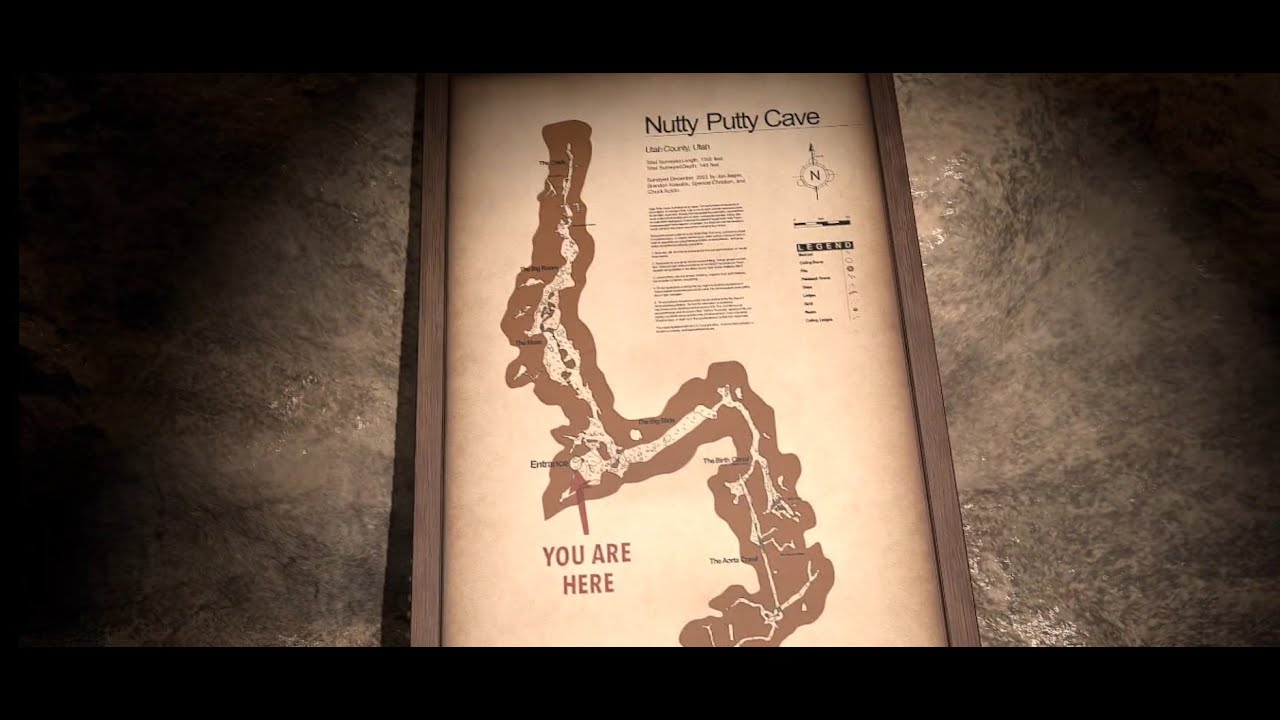
Nutty Putty Cave VR Reconstruction Reveals Final Spot
A virtual reality reconstruction of Utah's Nutty Putty Cave mapped the confined space where John Edward Jones became fatally trapped, transforming a decades-old rescue tragedy into a case study for technology, ethics, and safer caving practices.
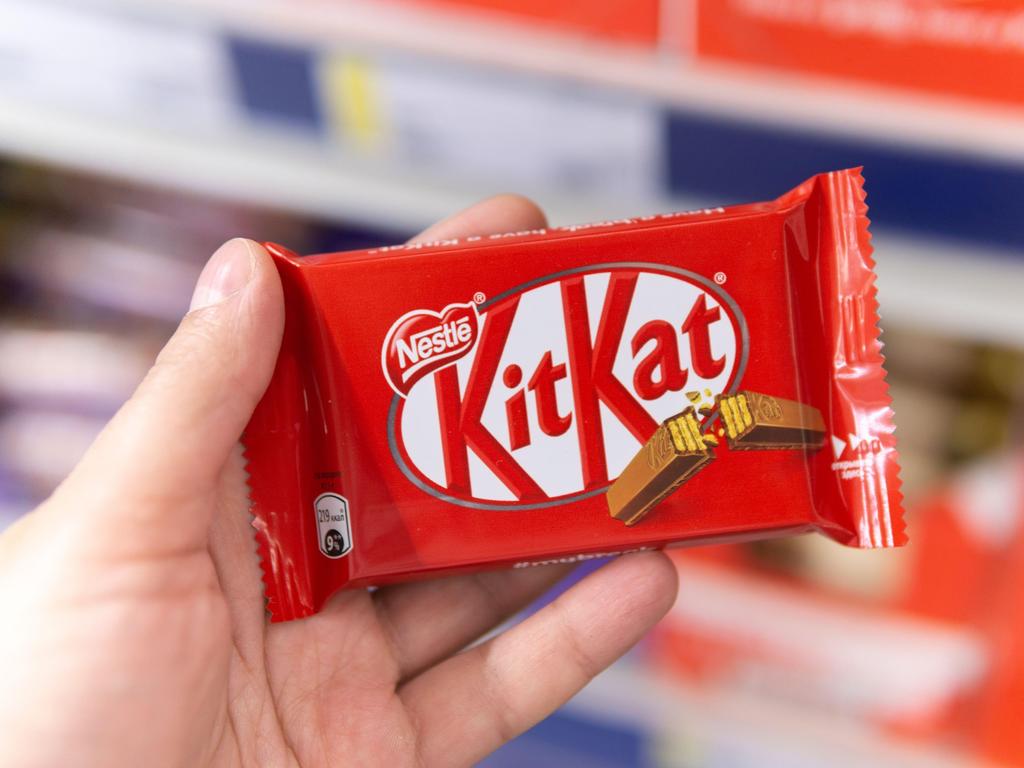
Europe Hit by 12-Ton KitKat Heist — Nestle Warns of Easter Shortages
A large-scale theft of 12 metric tons of KitKat chocolate destined for European retailers has prompted Nestle to warn of potential shortages ahead of Easter, exposing vulnerabilities in the confectionery supply chain and raising questions about cargo security and holiday stock planning.

12 Tons of KitKat Stolen in Major European Chocolate Heist
A large-scale theft of 12 metric tons of KitKat bars from a European supply chain highlights vulnerabilities in logistics, the economics of branded food crime, and what manufacturers and retailers can do to prevent future heists.
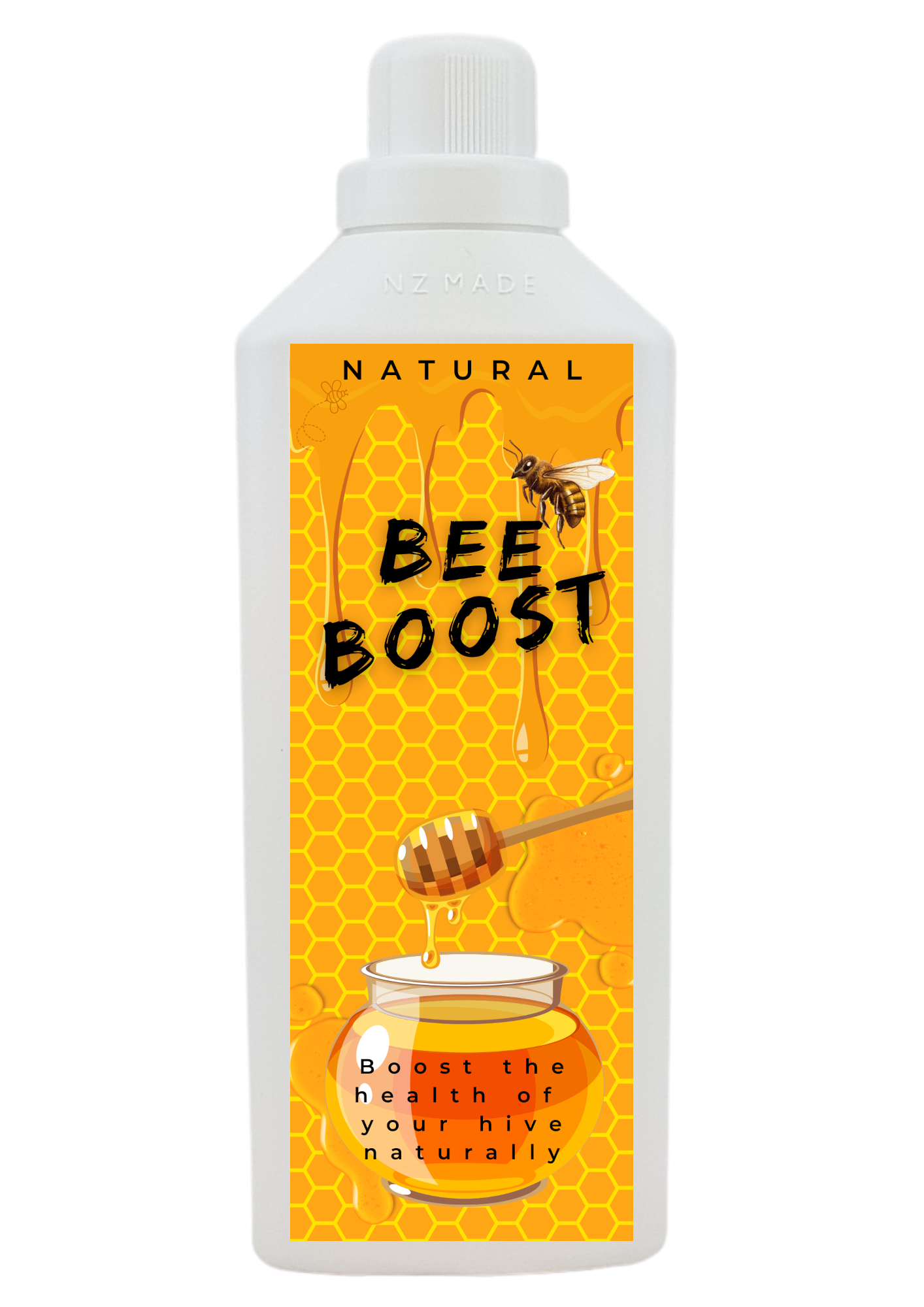
Missing Nutrients Boost Bee Colonies 15-Fold: What Scientists Found
Researchers identified previously overlooked nutrients in bee diets and, by supplementing them in controlled trials, observed dramatic increases in colony growth — a finding that reshapes how we think about pollinator nutrition, habitat planning, and beekeeping practice.

Was I Wrong to Book a Hotel and Leave My Friend’s 'Family' Trip?
A personal account and practical guide for anyone who’s been asked to take on unpaid childcare or emotional labor while traveling with friends. It explores boundaries, communication scripts, and how to decide whether walking away was justified.