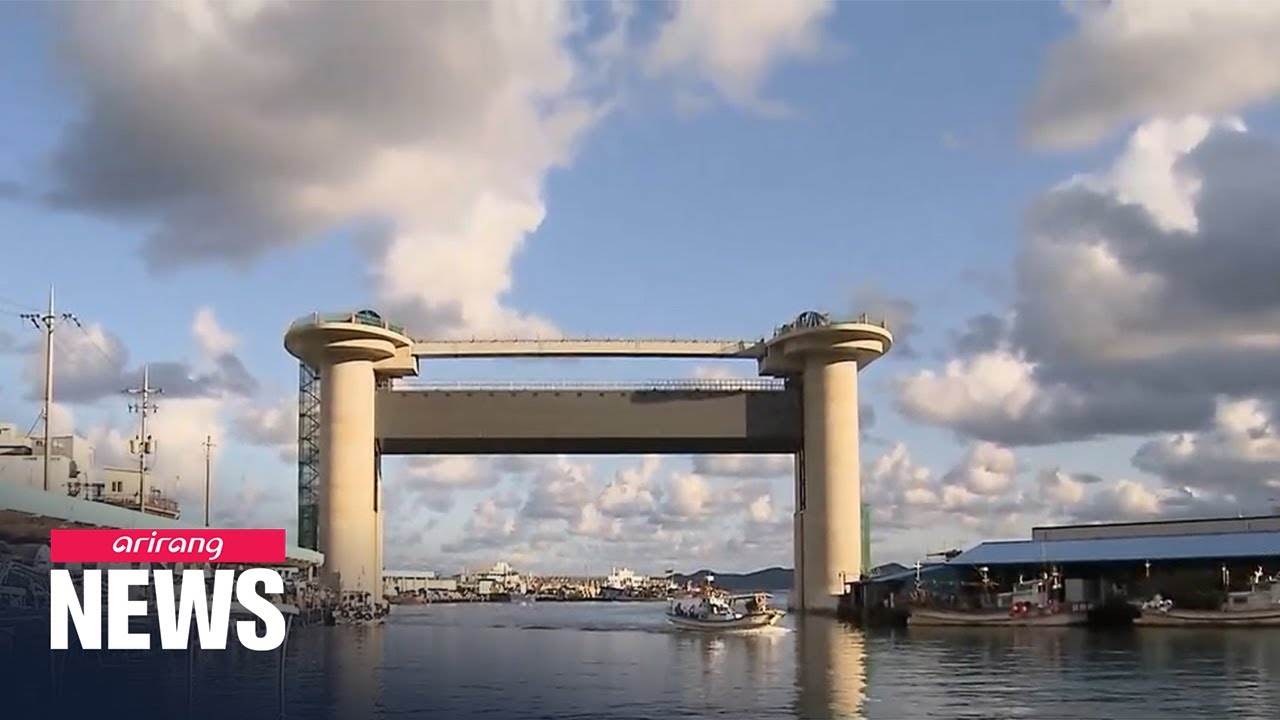
How a $30M Japanese Floodgate Stopped a Deadly Tsunami
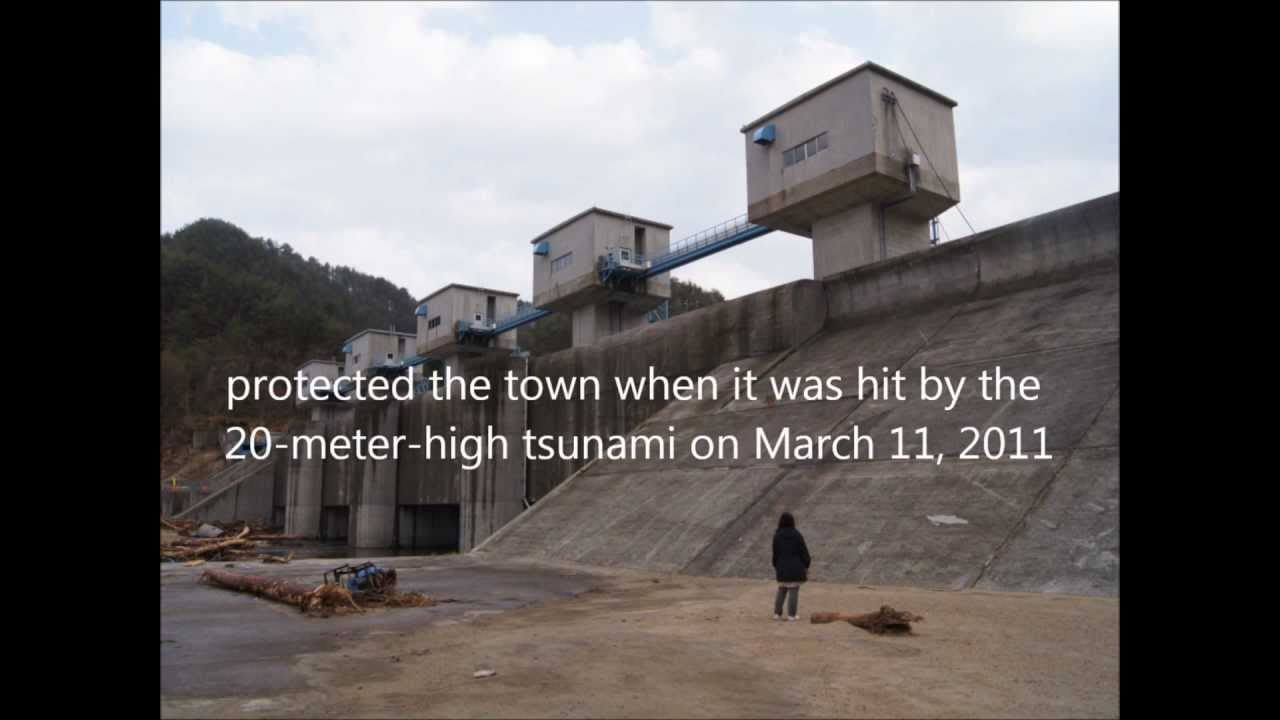
Japanese floodgate tsunami protection
The morning after the wave came, the argument that had simmered for years in town halls, on editorial pages and across kitchen tables simply evaporated. Where critics had once called the structure an extravagant vanity project—an unnecessary $30 million gate that robbed the town of funds for schools and senior care—residents now lined up to lay flowers and leave notes: thank you, we were saved. That reversal—from scorn to gratitude—captures a tension that plays out around the world as communities decide whether to pay now to prevent catastrophe later.
The story of this floodgate is more than a local parable. It is a case study in technical design, political will, human cost, and the unpredictable way disasters make the abstract concrete. In the paragraphs that follow I trace the debates that built and nearly buried the gate, explain how the machine works in plain terms, follow the night it was tested by the sea, and explore what its survival means for coastal planning in an era of rising seas and more volatile storms.
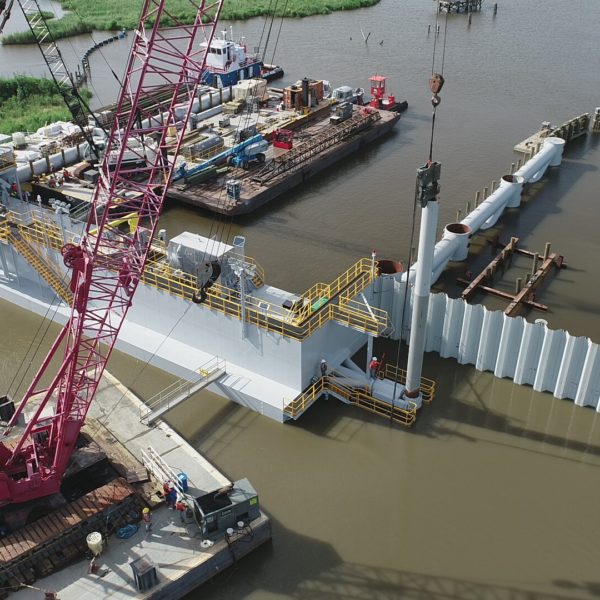
coastal floodgate engineering design
THE BUILD: Why a Gate Was Chosen
Decades of experience have taught coastal engineers that there is no single solution to the ocean's threats. Beaches, dunes, elevated buildings, evacuation routes, and early-warning systems all play roles. The gate in question was proposed as a targeted defense for a narrow inlet that funneled waves into a low-lying harbor and the adjacent residential neighborhoods. The geography made the point of construction unusually effective: blocking the inlet would prevent larger surge from racing inland while leaving most of the open coast untouched.
Budget, Politics and the Public Debate
When the price tag landed—roughly $30 million in construction, dredging and shore-strengthening work—critics mobilized quickly. Opponents framed the gate as misdirected spending: expensive, unsightly and a poor substitute for social needs. Supporters argued it was insurance, invisible until needed, its value impossible to quantify until a catastrophe happened.
The political debate turned on a few predictable fault lines: who benefits, who pays, and how to discount a future avoided catastrophe against pressing present-day needs. Engineers and some local officials produced flood models. Economists attempted cost-benefit analyses. But such models rely on assumptions: how often a wave of given height will strike, how population and property values will evolve, and how much the gate will reduce damage. Skepticism thrives where uncertainty is greatest.
The Decision to Proceed
Ultimately the project moved forward. The final approvals were narrower than originally proposed—less ornamental promenade, fewer ancillary structures—and the gate's proponents framed it as a pragmatic hedge. Contracts emphasized robustness: redundancy in motors, extra-thick seals, and room for maintenance access. Those later details, which readers rarely see in headlines, are the difference between a fancy object and a lifeline.
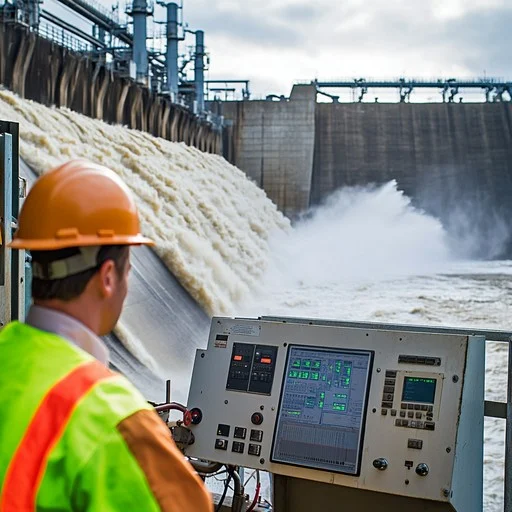
floodgate maintenance and operation
HOW IT WORKS: Simple Physics, Complex Execution
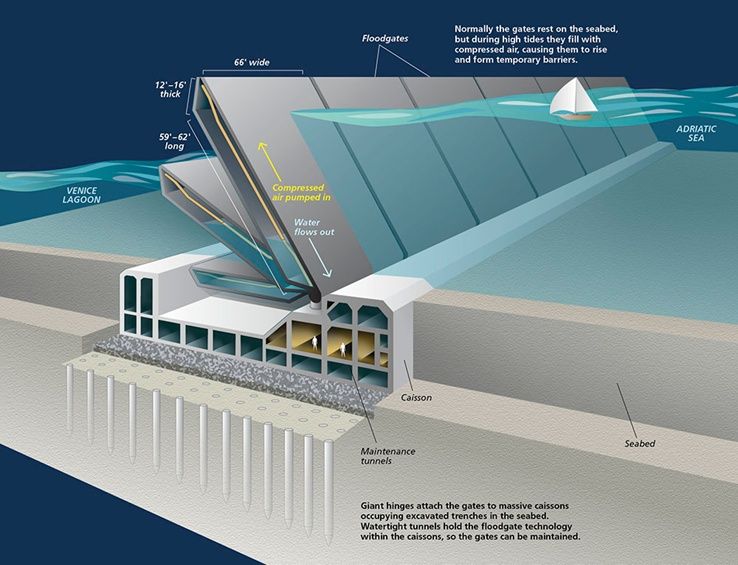
At first glance a floodgate looks like a heavy door in a shipyard—bulky, solid and immovable. The principle is straightforward: when the sea is normal, the gate stays open to allow boats and tidal flow. When danger approaches, it closes, forming a barrier that resists the hydrostatic and dynamic forces of surging water. But achieving that simplicity requires precision.
floodgate gate structure details
Key Engineering Elements
The structure had three critical components that determined its performance: the sealing system, the drive mechanism, and the foundation. The seal had to withstand pounding waves and floating debris. The drive system needed enough power and redundancy to move massive components under emergency conditions. The foundation required deep anchoring into bedrock or compacted layers to resist uplift and sliding.
Engineers also designed for failure modes. What if pumps failed or power was lost? The gate's designers incorporated manual overrides and stored energy systems to close the barrier even if the grid went down. They anticipated floating debris by including deflectors and sacrificial shear pins that would break under extreme loads to protect key mechanical elements. These details—boring in normal times—are what convert a symbol into a system that can survive an extreme event.
"Prevention is a boring success until it isn't—then it becomes everything."
tsunami early warning system
THE TEST: When the Sea Came Calling
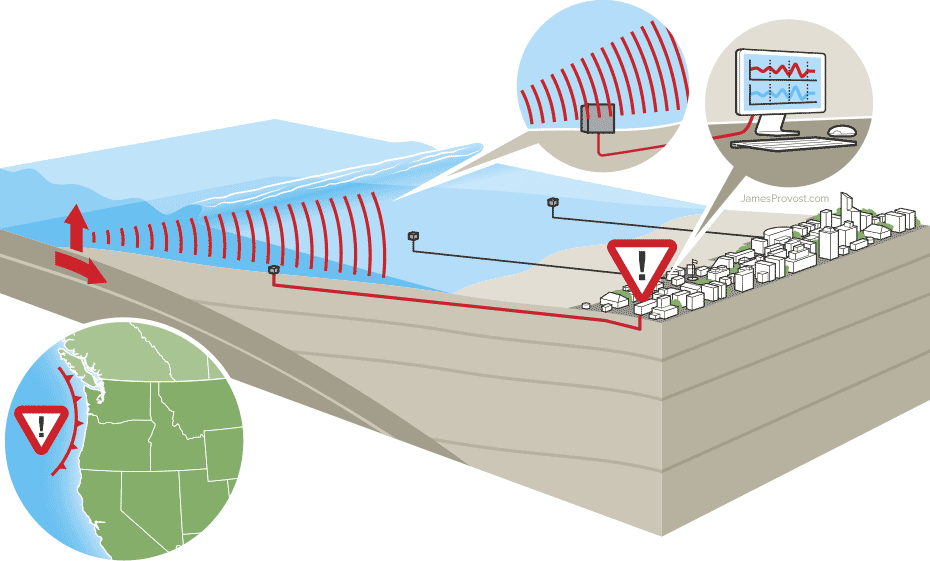
The event that put the gate to the test arrived with little warning in the early hours of a stormy night. A submarine earthquake far offshore produced a rapidly rising surge that funneled into the town's inlet. The early warning system provided minutes—not hours—of lead time. Officials activated emergency protocols: sirens, road closures and the gate-run crews who had trained for months.
Moments of Tension
Crews executed the shutdown in poor visibility and high wind. The drive motors hummed, seals met seawater, and the structure took its first blows. For a time the situation was uncertain—waves exceeded prior model assumptions, and a portion of floating timber from a distant pier struck the barrier. The sacrificial components gave way as designed, preventing a cascade of mechanical failures. Water reached the outer face of the gate but did not cross. Inside the harbor, water levels rose but the neighborhoods beyond remained largely dry.
HUMAN STORIES: What the Gate Meant to People
Engineering success is measured in tons of metal moved and in watts generated, but its human value is measured differently: in the lives preserved, the homes spared and the choices families didn't have to make in the aftermath. That morning residents emerged from shelter to survey the saved streets. One couple found their ground floor dry though their neighbors three blocks away had water damage from a separate low-lying channel. A small fishing business discovered its boats battered but afloat, and their dock, protected by the calmer harbor, was repairable within weeks rather than months.
There was also psychological relief. For years the floodgate had been a source of embarrassment for some—proof, in their view, of misplaced priorities. Yet after the event the same structure became a focal point of civic pride and a marker of survival. That swing from ridicule to reverence is both emotionally powerful and politically consequential: a visible, physical symbol of prevention can remake a community's memory of how it values infrastructure.

Japanese coastal defense system
Voices from the Night
Local emergency workers recount that their training drills made the difference. One veteran rescuer said the gate bought them the minutes needed to close roads and clear critical routes for ambulances. Another volunteer noted that without the gate, several low-elevation clinics would have been at risk, potentially cutting off care when it was needed most.
AFTERMATH: Reframing Value and Accountability
In the weeks that followed, opinion pieces reversed. The gate's critics conceded that damage was limited; some advocates went further, arguing that the return on investment would be measurable across decades in avoided repairs, business losses and human trauma. Yet the conversation also matured. Rather than triumphalism, engineers and planners began asking hard questions about maintenance, governance and equity. Had the gate simply moved risk elsewhere? Were nearby communities now more vulnerable because surge was focused at that inlet? How sustainable was regular maintenance funding?
Cost-Benefit in a New Light
Accounting for the gate's value involves more than raw construction costs. Economists consider avoided damages, insurance adjustments, continuity of commerce and less tangible effects such as mental health benefits and social stability. When those factors are included, a $30 million upfront payment begins to look different. Over decades, the avoided cost of rebuilding, lost wages and emergency relief can dwarf the sticker price—provided, crucially, the structure performs and is maintained.
WIDER IMPLICATIONS: Planning for an Uncertain Future
The gate's story is an instructive microcosm for global coastal planning. Sea-level rise and more intense storm systems increase the frequency and severity of events that once seemed rare. Communities are left to choose between retreat, accommodation, or protection. Each strategy has trade-offs: retreat is politically and socially fraught; accommodation can be costly and uneven; protection requires capital and long-term stewardship.
A Portfolio Approach
Most experts now recommend a portfolio approach: combine natural solutions such as restored wetlands and dunes with engineered defenses and strong emergency systems. The gate illustrates how a targeted, well-engineered intervention can be cost-effective when it is one layer in a broader strategy. It also warns against hubris—no single structure alone will secure a coast for every eventuality.
MAINTENANCE, GOVERNANCE AND LONG-TERM RESILIENCE
Building a gate is only the start. Governing bodies must commit to inspections, mechanical overhauls and funding reserves. The night the sea came, the stored energy systems and redundancies worked because crews practiced and because municipal budgets had set aside funds for scheduled maintenance. This continuity is often politically difficult: it's easier to cut maintenance in lean years than to justify a budget line for an invisible benefit.
Who Pays and Who Decides?
These decisions are political. Funding models vary—some places use national grants, others levy local taxes or create special assessment districts for protected properties. The gate's success led to a debate about who should bear ongoing costs: the entire municipality, the harbor users who benefit most, or higher levels of government recognizing a public good? That debate is unresolved in many places, but the event did move the needle toward shared responsibility.
CONCLUSION: Prevention, Perception, and Policy
The $30 million gate was dismissed as waste until it was not. That arc—from contempt to gratitude—reveals how stubborn our tendency is to undervalue prevention. It also shows the power of engineering married to prudent governance: a well-designed intervention, kept operational and integrated into emergency planning, can save money, protect livelihoods and preserve lives.
But the broader lesson is humility. No single project is a panacea. The best outcomes come from pairing structural defenses with social investments—education, preparedness, evacuation planning—and with nature-based solutions that provide co-benefits for ecosystems and recreation.
Prevention costs are often invisible until disaster exposes the cost of inaction.
Key Takeaways
- Targeted protection can be cost-effective when geography concentrates risk.
- Design resilience requires redundancy and planning for failure modes.
- Maintenance matters: a built structure only protects if it is funded and operated over time.
- Portfolio strategies—mixing nature-based and engineered defenses—are more durable than single-solution approaches.
- Politics and perception can shift dramatically after a disaster; transparent governance before a crisis makes response and recovery smoother.
An engineered gate can change the course of a storm—and the course of a community's future.
The gate stands now as both steel and story: a physical line in the sand and a reminder that investments in prevention, however unpopular at the moment of approval, can yield outsized protections in the years to come. For towns weighing similar choices, the lesson is practical and moral: prepare deliberately, invest in the mundane nuts-and-bolts of resilience, and remember that the cheapest option in the short run can be the most costly in the long run.