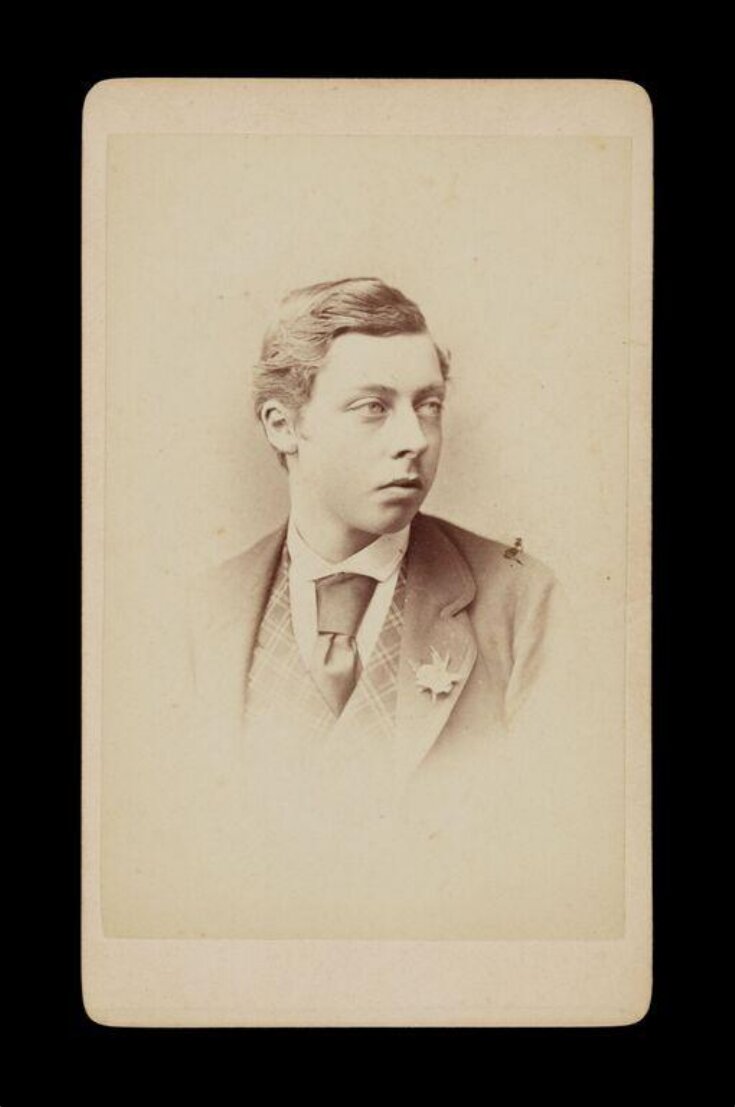
Prince Leopold: Queen Victoria's Son, Hemophilia, and Legacy
On the surface, the life of Prince Leopold, Duke of Albany, reads like a familiar Victorian vignette: born into privilege, framed by formal portraiture, and played out against the rigid rituals of court life. Beneath that gilded veneer, however, his story is a probe into how a powerful family confronted illness, how public taste shaped private identity, and how Victorian attitudes toward appearance and disability could twist a young royal's memory into rumor. This is not an exercise in sensationalism. It is an attempt to separate gossip and caricature from the facts about a man who has sometimes been remembered — unfairly — by the language of "ugliness" instead of the far more relevant realities of health and legacy.
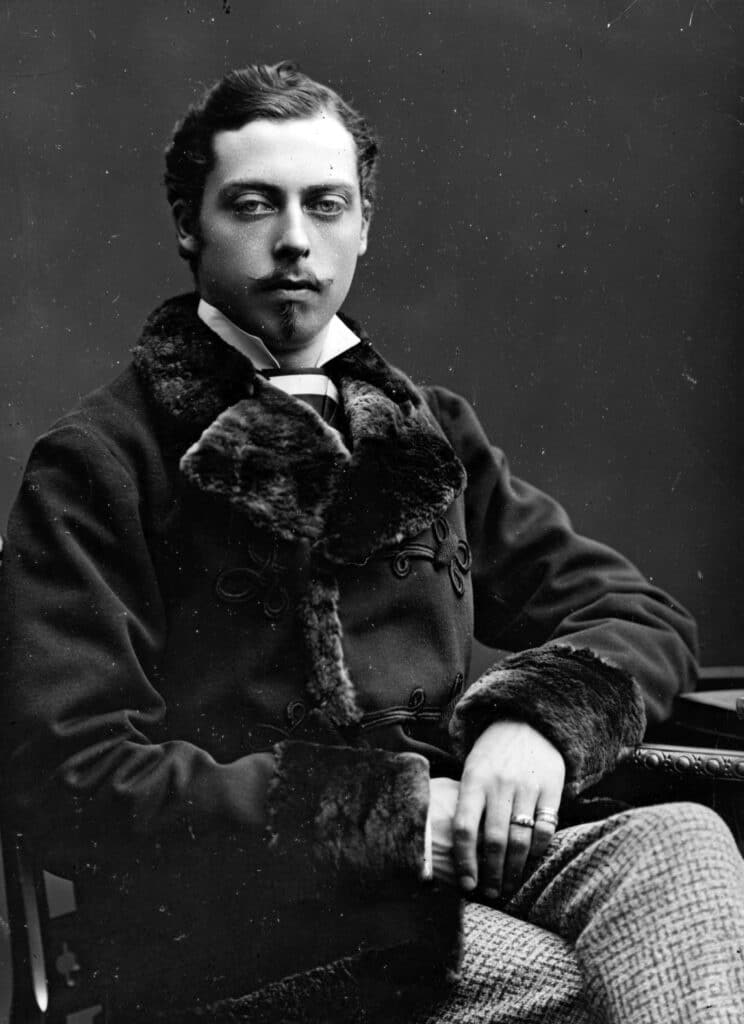
Prince Leopold hemophilia historical photo
SETTING THE SCENE: VICTORIA, ALBERT, AND THE SHADOW OF EXPECTATION
Queen Victoria and Prince Albert raised nine children in a household that was simultaneously intensely private and unavoidably public. The royal nursery was a laboratory for Victorian ideals—character, duty, and a controlled presentation of self. Every child was a political figure as well as a family member, and appearance played a role in that public performance. Portraits, photographs, and official descriptions were tools of dynastic storytelling.
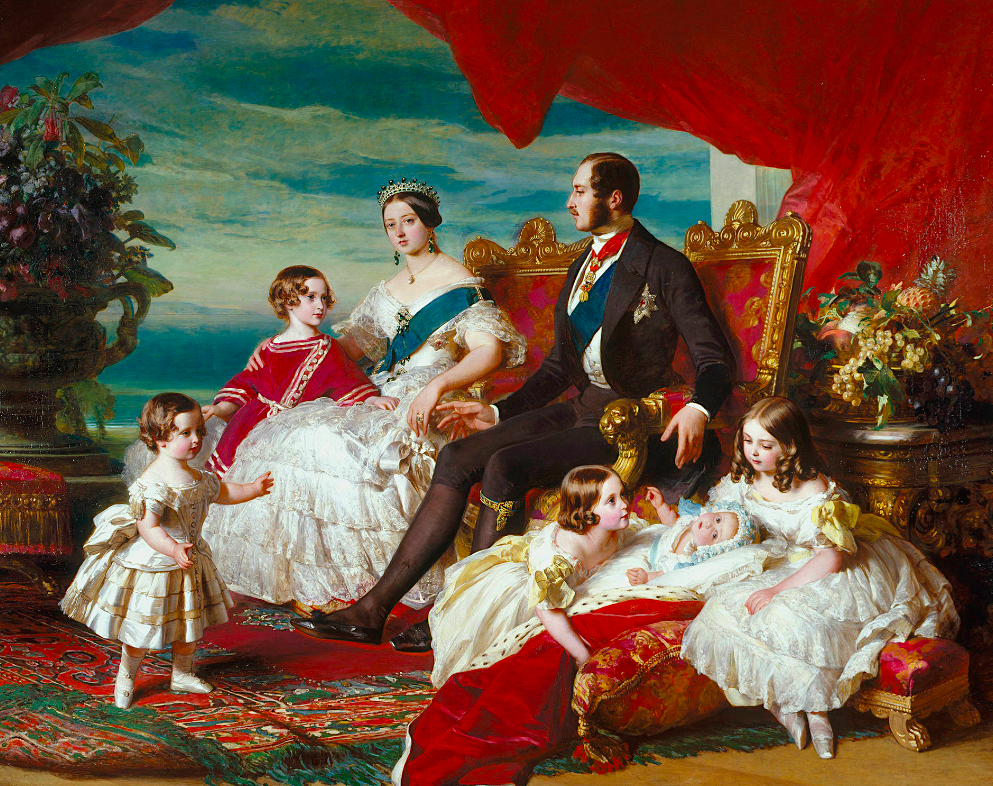
Queen Victoria and Prince Albert family portrait
The childhood environment
Prince Leopold, the eighth child and youngest son of Queen Victoria and Prince Albert, grew up in this world of expectations. He was loved by his parents and doted on, but he also inhabited a monarchy increasingly scrutinized by the press and the public. Family letters, diaries, and contemporary commentary show a household that prized decorum and polished public faces—yet those same records also reveal tenderness and private openness toward children who differed from the ideal in temperament, size, or physical vulnerability.
History rarely treats physical difference and chronic illness kindly; for Prince Leopold, the two were entwined in ways that shaped both his life and posthumous reputation.
APPEARANCE, RUMOR, AND VICTORIAN AESTHETICS
If you search for the origins of labels like "ugly" attached to royal children, you find a tangle of period caricature, half-remembered diary entries, and the sharp edges of Victorian taste. In an age when photographic technology was new and portrait painting still idealized sitters, public judgments about beauty were often as much about posture, fashion, and expression as about objective facial features.
Why appearance mattered
For a prince, image was a political asset. A handsome heir suggested vitality and continuity; a perceived flaw could provoke public speculation about vigor and fitness for dynastic duties. Printers and caricaturists of the day could magnify differences, turning a small protruding feature, a limp, or a pallor into a visual shorthand for weakness. That cultural context helps explain why some contemporaries described certain members of the royal family in unflattering terms.
Separating myth from fact
Descriptions of Prince Leopold’s looks are inconsistent and often contradictory. Some portraits show him as delicate, with the small frame and pensive expression that Victorian painters favored in younger sons. More sensational claims about his being the "ugliest" child in the family are best read as the work of gossip and a period tendency to equate physical difference with moral or genetic deficit. When historians parse private letters and verified descriptions, a different picture emerges: a man of mild, scholarly temperament, marked physically more by frailty than by conspicuously aberrant features.
THE MEDICAL TRUTH: HEMOPHILIA AND ITS EFFECTS
It is impossible to discuss Leopold without addressing hemophilia, the bleeding disorder that afflicted him and formed the central medical fact of his life. Hemophilia had profound consequences in the 19th century: there were no modern transfusions, no clotting factor concentrates, and limited strategies to manage trauma. For a royal who expected the freedom to travel and ride, the condition was constraining and, ultimately, fatal.
What hemophilia meant in practice
Hemophilia's hallmark is an inability to clot blood normally. For Leopold, that meant that even seemingly minor injuries could lead to prolonged bleeding, bruising, and internal hemorrhage. Because the disorder affected his energy and left him more susceptible to catastrophic injury from falls or accidents, it shaped nearly every decision about his life—from how he spent his days to the risks his family would allow him to take publicly.
Hemophilia was the defining fact of Leopold’s health; it is the humane explanation for much of what contemporaries judged as physical fragility.
PRIVATE LIFE: EDUCATION, INTERESTS, AND RELATIONSHIPS
Leopold was intellectually engaged and fond of music and literature. He cultivated friendships with scholars and artists and showed the understated wit often reported by those who knew him. He was not a public scandal or a political firebrand; rather, his life was characterized by quiet pursuits and close family bonds.
Marriage and social role
He married into a small German princely house, and the marriage reflected the era's dynastic patterns—alliances that knit Europe's ruling families together. His role as a husband and father (where applicable) was both sheltered and sincere, and his private correspondence demonstrates a capacity for loyalty and tenderness not visible in tabloid caricature.
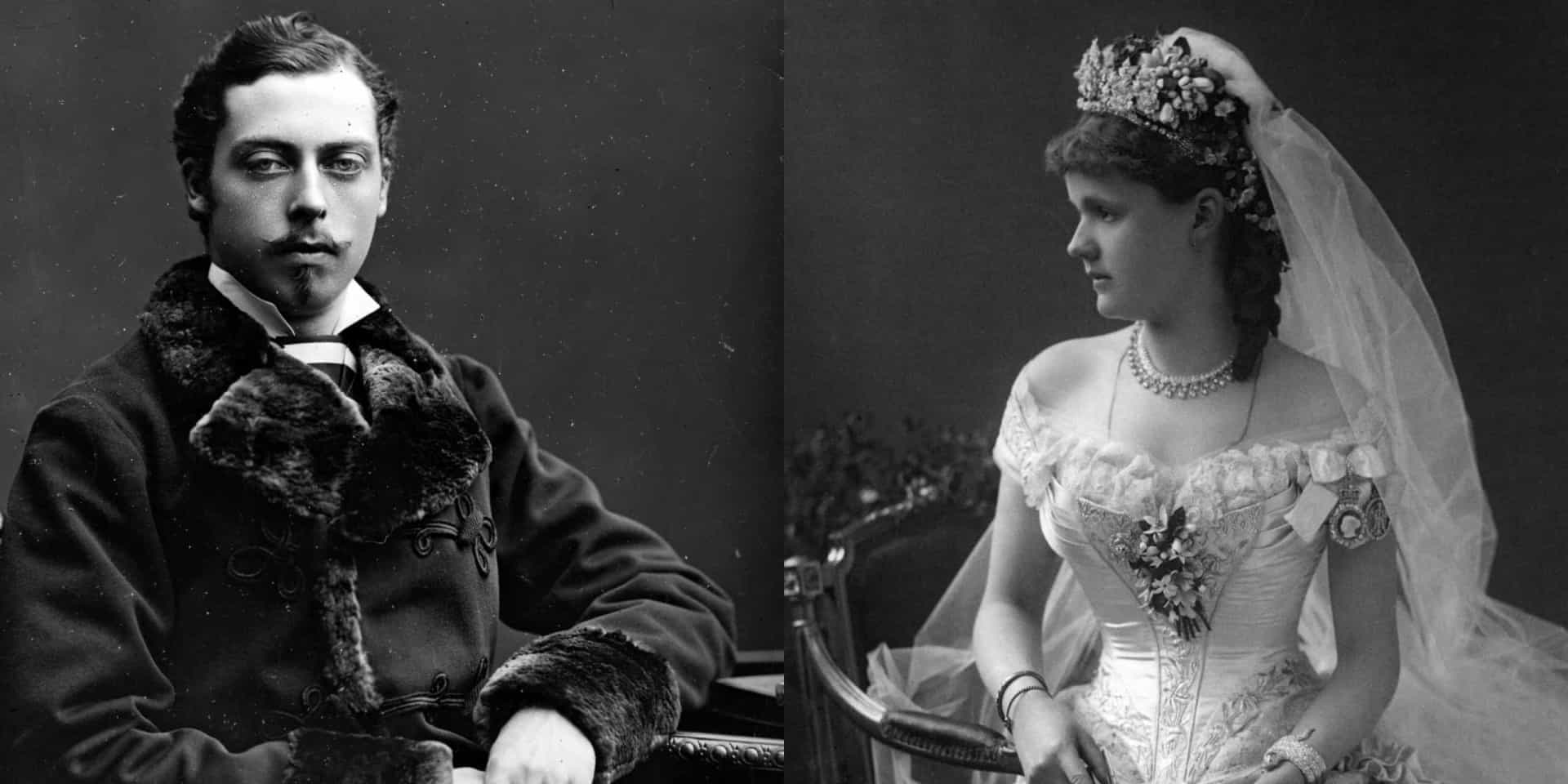
Prince Leopold marriage Princess Helena of Waldeck
THE DEATH THAT CHANGED THE NARRATIVE
Leopold's death was sudden and traumatic. A fall that would have been survivable for a healthy man led instead to fatal complications because of his bleeding disorder. Tragedy recast his life in the public imagination: tenderness toward a young life cut short mingled with posthumous attempts to make sense of his physical vulnerabilities.
The story that matters is not whether Leopold matched an arbitrary standard of beauty, but that a genetic condition made otherwise common accidents lethal.
PUBLIC PERCEPTION VS FAMILY REALITY
To his family, Leopold was a beloved son and brother. Queen Victoria's diaries and letters reveal grief and a fierce protectiveness toward children who suffered. The royal household's private response stood in sharp contrast to certain public narratives that focused on surface traits rather than the underlying human costs of chronic illness.
The role of the press
Late 19th-century newspapers and caricature artists shaped public memory in ways that are still difficult to undo. They loved neat stories and striking images; they rarely had patience for nuance. When posterity reads a brief, unkind mention in an old magazine, it is tempting to turn that aside remark into accepted truth. Responsible history resists that temptation by examining context, motive, and evidence.
LEGACY: BEYOND APPEARANCE
Leopold's lasting legacy is medical and familial, not aesthetic. As one of the Victorian carriers of hemophilia, his life and early death contributed to broader awareness—however incomplete—of the disease among Europe's ruling families. The genetic story that threads through Victorian and Edwardian dynasties had real diplomatic and dynastic consequences in the generations that followed.
How history remembers him
Careful biographies emphasize his intellect, his gentle character, and the constraints that hemophilia imposed on a life otherwise rich in affection and accomplishment. If the public memory sometimes reduces him to a jibe about looks, historians push back, reminding readers that illness, temperament, and family dynamics are more illuminating than aesthetic verdicts.
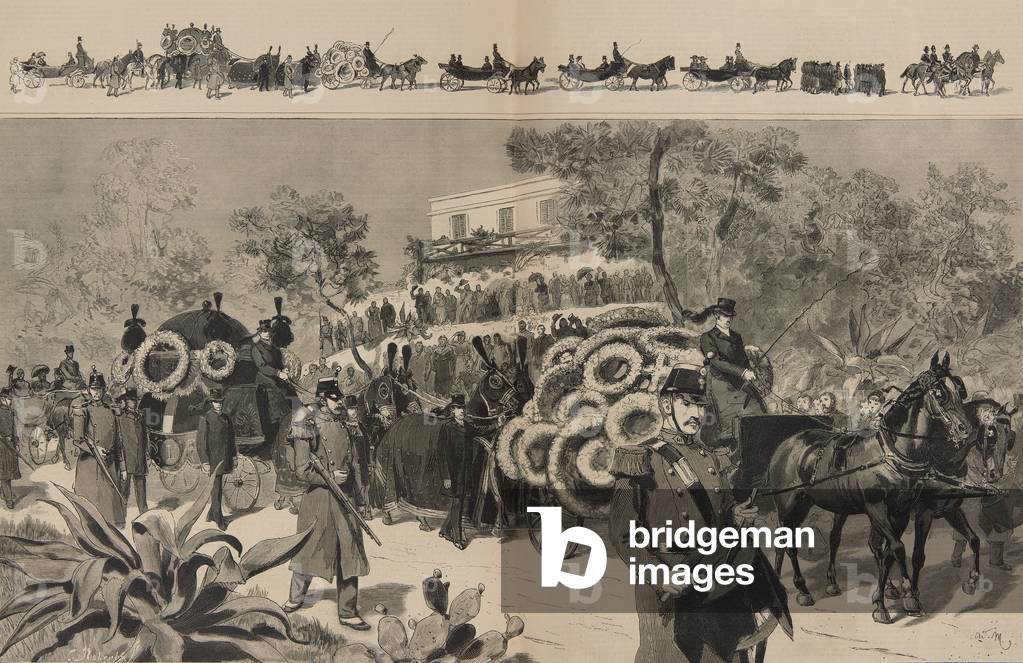
Prince Leopold death Cannes 1884
WHAT WE CAN LEARN: APPRECIATING COMPLEXITY
This story reframes a sensational prompt—"Who was the 'ugliest' child?"—into questions that have greater ethical and historical value: How did society treat difference? How did medical ignorance shape public judgments? How do private grief and public image intersect when the family involved is the monarchy?
Questions for modern readers
Consider three simple reframing moves when confronting sensational historical claims:
- Swap appearance for context: Ask what underlying conditions or pressures explain a rumor.
- Prioritize firsthand sources: Diaries and family letters often reveal more than caricature and gossip.
- Recognize cultural bias: Standards of beauty and health shift; what was once dismissed as "ugly" may have been an expression of difference complicated by illness.
Reading history well requires refusing the easy headline in favor of the hard, often sympathetic, truth.
CONCLUSION: FROM SENSATION TO UNDERSTANDING
Prince Leopold’s life resists reduction to a single line about looks. He was a son, a husband, a patron of quiet pursuits, and a person whose health shaped the arc of his days. Hemophilia dictated much of his fate; Victorian culture dictated much of how his image was circulated. Both truths matter, and together they teach a broader lesson about how historical reputations are formed—and how they should be revised.
- Prince Leopold was defined more by hemophilia and familial affection than by any simple judgment about appearance.
- Victorian aesthetics and the press's appetite for caricature contributed to unfair public perceptions.
- Understanding historical figures requires attention to medical, social, and family contexts, not recycled insults.
Further reflection
When we encounter provocative claims about historical figures, especially defenseless ones from long ago, we owe it to them—and to ourselves—to replace snappy labels with careful inquiry. In Prince Leopold’s case, inquiry reveals a life shaped by love and loss and a legacy that reaches beyond the petty language of appearance to matters of genetics, compassion, and historical responsibility.
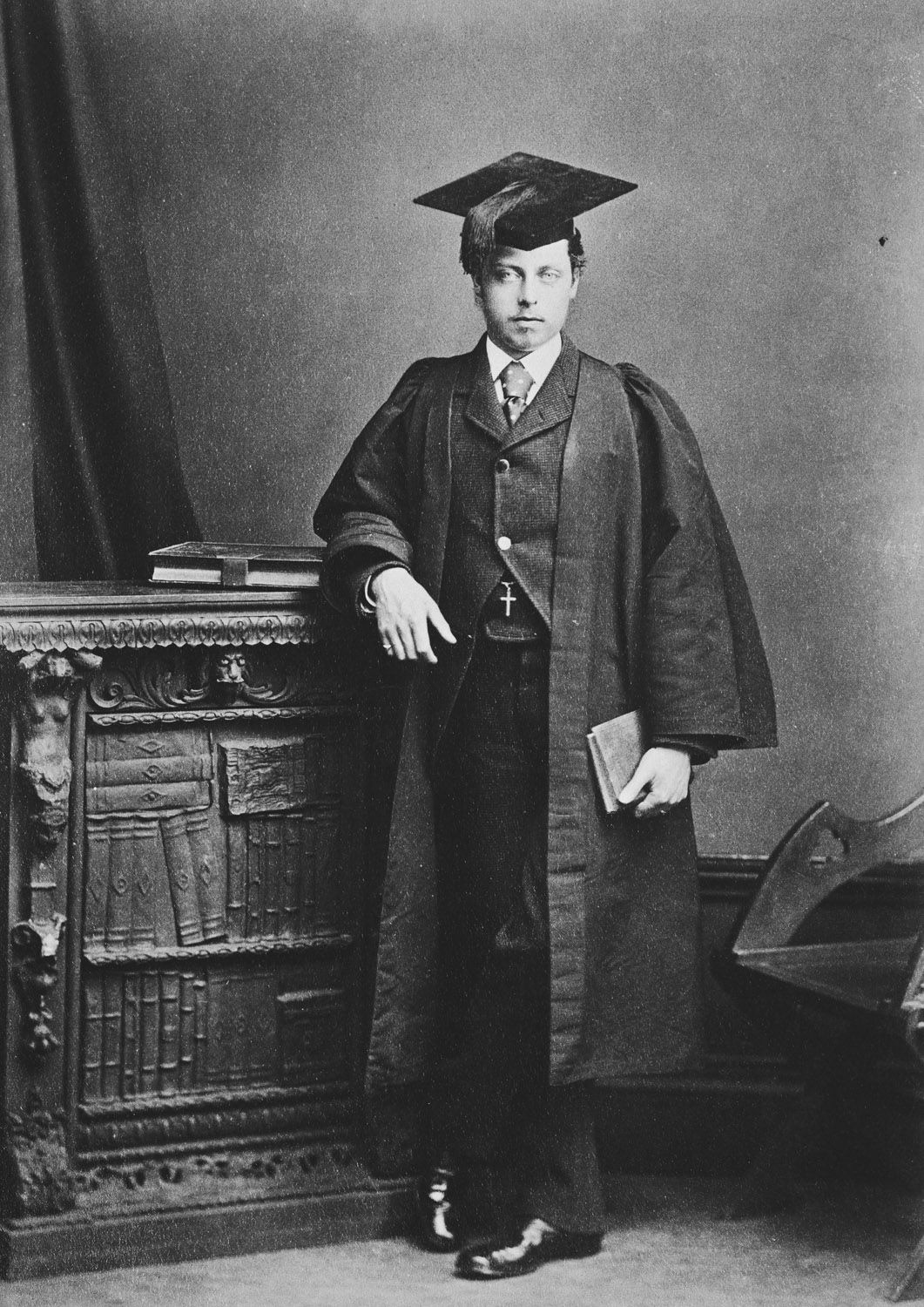
Prince Leopold Cambridge education photograph