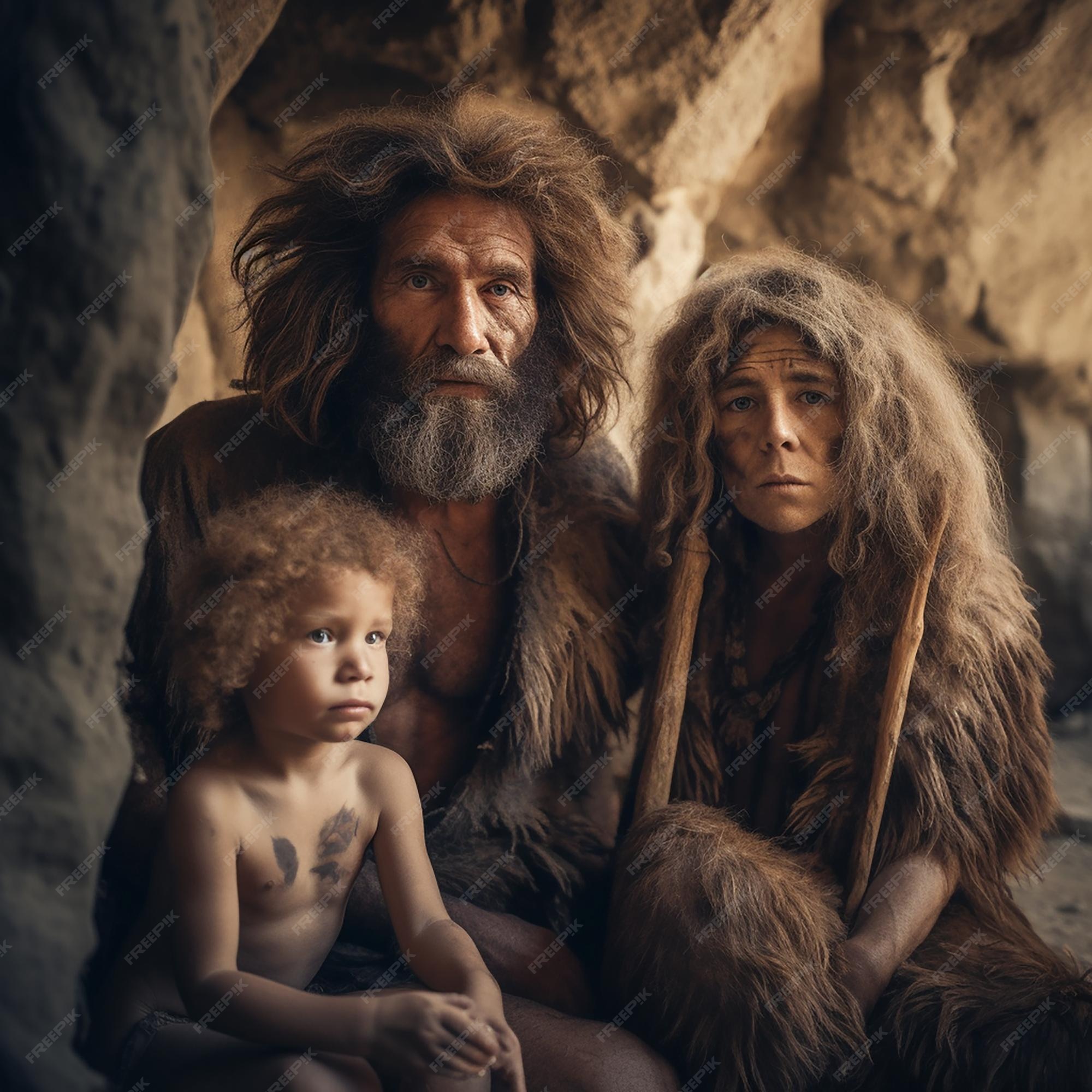
Neanderthal Men and Human Women: New Evidence of Early Interbreeding
The idea that our species once met and mated with other human groups has moved from provocative speculation into a central truth of human prehistory. Over the last two decades, breakthroughs in ancient DNA have shown that people alive today carry fragments of Neanderthal and Denisovan genomes. Newer analyses, however, are revealing that those encounters were not symmetrical. A growing body of genetic and archaeological evidence suggests that the most common pairing that produced gene flow into modern human populations was Neanderthal men and anatomically modern human women. Why does this matter? Because the direction of mating tells us about behavior, biology, and the social worlds of those encounters — and it raises questions about how two human groups negotiated sex, power, and reproduction tens of thousands of years ago.
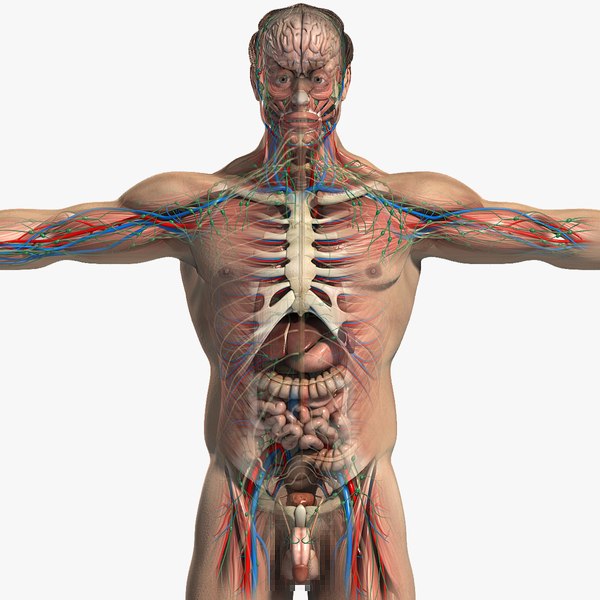
Neanderthal male anatomy
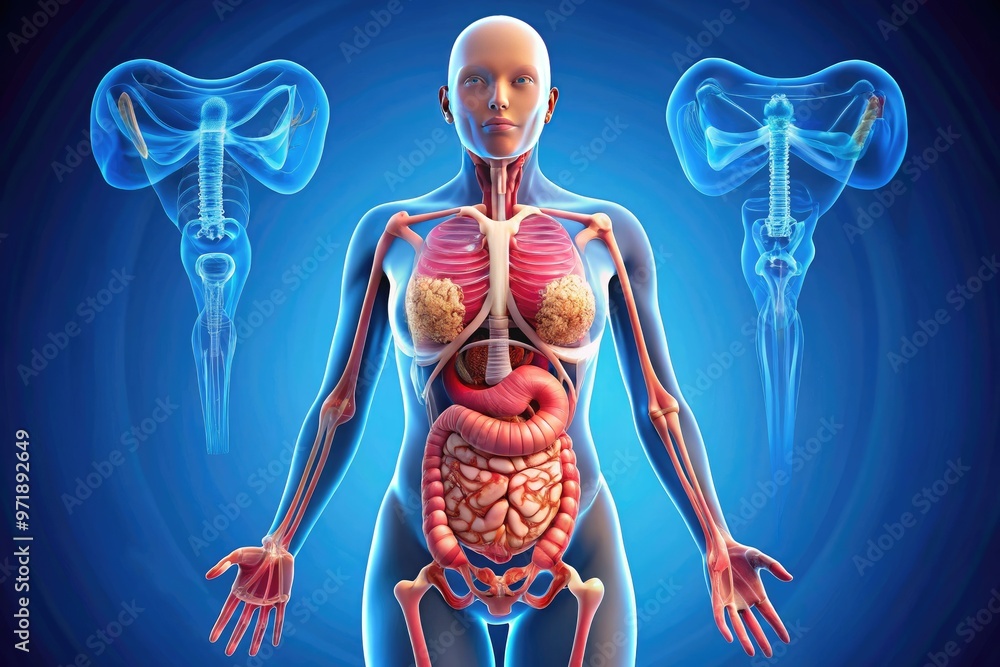
Anatomically modern human female
How Scientists Read the Past from DNA
When researchers sequence ancient genomes and compare them with present-day humans, they look for patterns of shared ancestry, segments of DNA that are unusually similar, and statistical signatures that indicate admixture. Several lines of genetic evidence point to a sex bias in the ancient mixing between Neanderthals and modern humans.
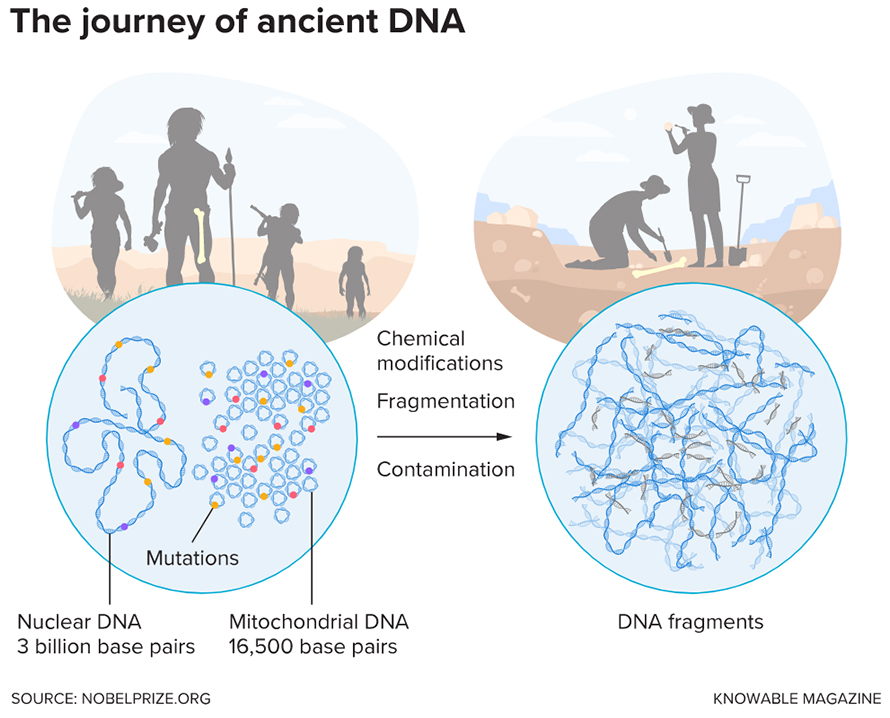
Ancient DNA extraction
Mitochondrial DNA and What It Reveals
Mitochondrial DNA (mtDNA) is passed down the maternal line. If Neanderthal women had frequently given birth to children who survived in modern human lineages, we would expect to find Neanderthal-like mtDNA in present-day humans. Yet, despite clear traces of Neanderthal nuclear DNA in non-African people, researchers have failed to identify authentic Neanderthal mtDNA in large modern datasets. That absence suggests that offspring descended from Neanderthal mothers either did not contribute substantially to the gene pool of later human populations or that those maternal lineages were lost over time.
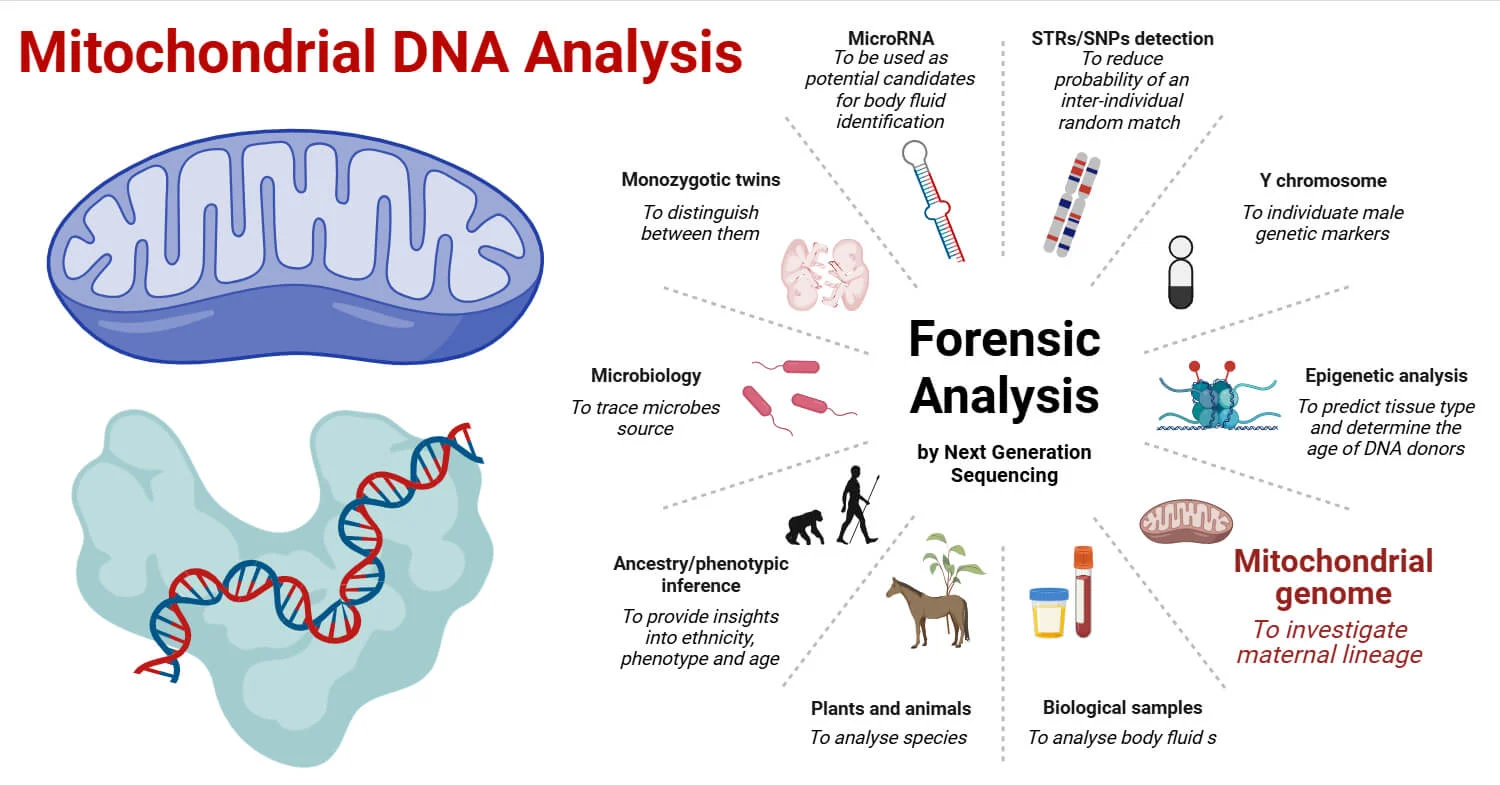
Mitochondrial DNA analysis
Y Chromosome and Male Lineage Signals
The Y chromosome, inherited paternally, offers a mirror-image perspective. Several studies have reported a near-absence of Neanderthal Y-chromosome segments in modern human males. Although ancient DNA sampling is still sparse and the Y chromosome is technically challenging to study, the relative scarcity of Neanderthal-derived Y sequences among living humans suggests that Neanderthal men who fathered children did not typically pass a persistent Y-line into the broad modern population — a pattern that needs careful interpretation but is consistent with a complex, sex-biased interaction.
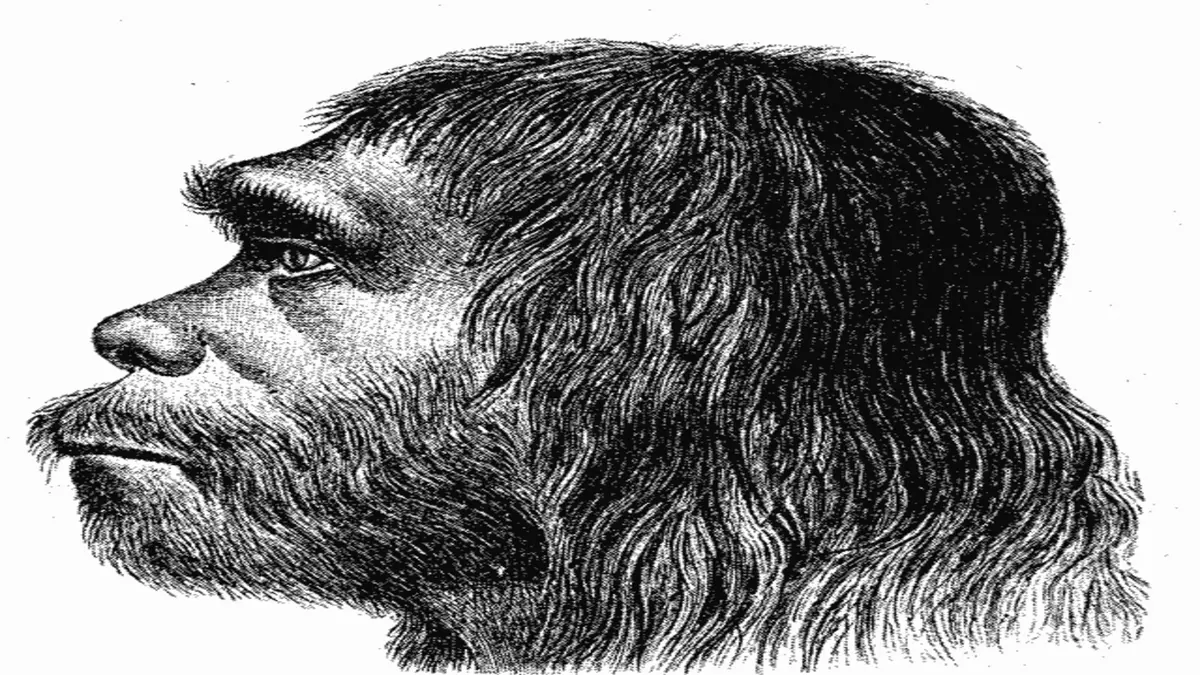
Y chromosome Neanderthal
X Chromosome Depletion and Hybrid Viability
Another clue comes from patterns across chromosomes. Several genome-wide analyses have found that segments of Neanderthal ancestry are disproportionately depleted on the X chromosome in modern humans. Because the X chromosome plays an outsized role in male fertility and hybrid compatibility in many species, excess loss of archaic sequences on the X is often interpreted as evidence of reduced fitness in certain hybrids. One plausible interpretation is that male hybrids — particularly those with Neanderthal mothers and modern human fathers — experienced fertility problems or other viability issues, biasing the surviving gene pool toward lineages where Neanderthal genes were transmitted through male Neanderthals to female modern humans.
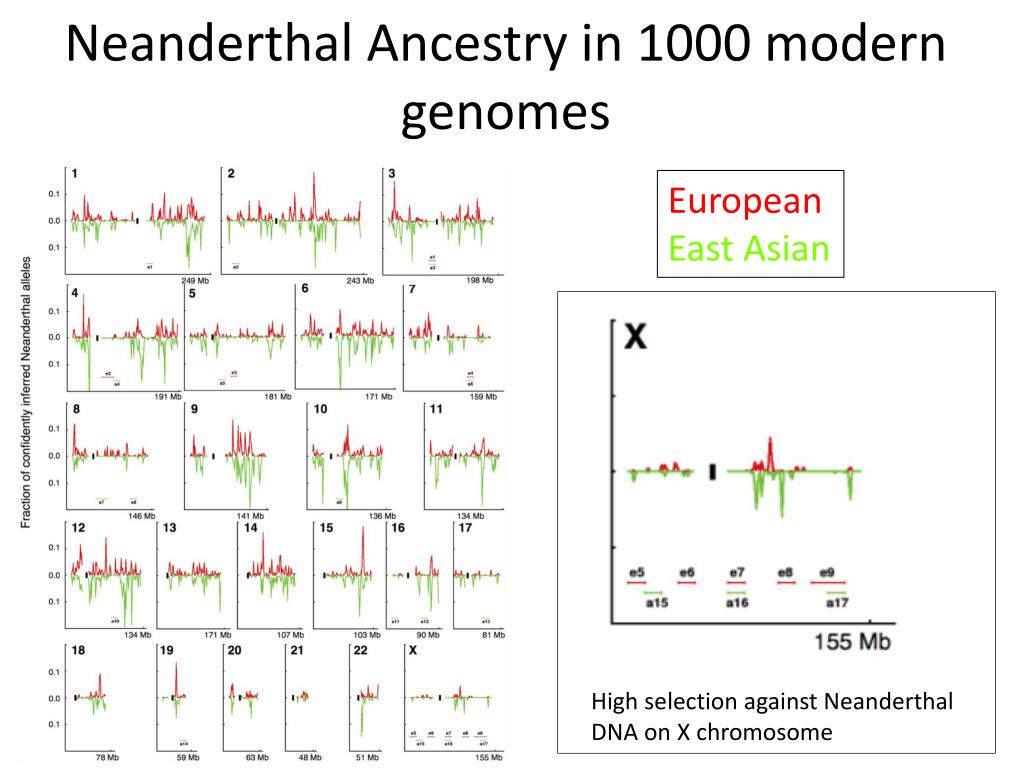
X chromosome Neanderthal
The footprints of ancient encounters are uneven: DNA retains the echoes of biology, culture, and chance.
Why Neanderthal Men Pairing with Human Women Is the Leading Hypothesis
The combined patterns of missing Neanderthal mtDNA, scarce Neanderthal Y chromosomes, and X chromosome depletion line up with a simple, testable hypothesis: most lasting gene flow occurred when Neanderthal men mated with modern human women. This scenario would leave Neanderthal-derived DNA distributed through autosomal chromosomes (which both sexes inherit) but would minimize the trace of Neanderthal mitochondrial genomes in modern populations and could help explain X chromosome patterns if hybrid males had lower fertility under certain maternal/paternal configurations.
Behavioral and Demographic Explanations
Genetics alone cannot tell the whole story of human behavior. Archaeologists and anthropologists add important context. Several demographic and social mechanisms could produce the observed genetic asymmetry without implying nefarious or singular causes. For example:
- Population sizes and migration: Modern human groups entering Neanderthal territories might have been smaller, and Neanderthal males could have been more numerous locally, increasing the likelihood that a Neanderthal man rather than a Neanderthal woman mated with newcomers.
- Patrilocality and residential patterns: If Neanderthal groups practiced patrilocality (women moving to their mate's group after mating), encounters might more often result in Neanderthal males staying put and mating with incoming human females.
- Social alliances and exchanges: Intergroup unions are commonly embedded in broader social ties — trade, shared resources, and alliance-building. Men might have been more mobile or more likely to negotiate such ties, producing sex-biased pairings.
Each of these mechanisms can work in concert. The archaeological record provides occasional snapshots — tools, hearths, and sites where Neanderthals and modern humans lived not far apart in time and space — but it rarely records the social interactions that produced offspring.
Biological Mechanisms: Fertility and Selection
Beyond demography and behavior, biology offers explanations for why certain hybrid configurations would persist while others faded. Natural selection acts on the viability and fertility of offspring. If hybrids from one parental configuration were less fertile, their genes would not be passed forward as readily.
Hybrid Male Sterility and Haldane's Rule
Evolutionary biologists often invoke Haldane's Rule, a principle observed across many animal species: when hybridization causes sterility or inviability, it tends to affect the heterogametic sex more — for humans and Neanderthals, that is males (XY). If male hybrids with Neanderthal mothers were more likely to be sterile or less viable, the long-term genetic contribution from those pairings would be reduced. That could create an apparent bias favoring the genetic signatures left by Neanderthal fathers paired with human mothers.
Adaptive Introgression: When Archaic Genes Help
Not all Neanderthal genes were purged. Some segments that persisted in modern humans appear to have been beneficial — genes involved in immune system function, skin traits, and metabolism are notable examples. If Neanderthal alleles offered advantages in certain environments, natural selection could favor their retention independently of sex-bias mechanisms. Importantly, the retention of those useful alleles does not contradict the idea that the initial mating patterns were sex-biased; selection can operate on whichever variants entered the modern human gene pool regardless of parental direction.
Archaeology Meets Genetics: Putting People Back Into the Data
Genetic data are powerful, but they become richer when paired with artifacts and dates. Sites across Europe and western Asia show periods of overlap between Neanderthals and incoming modern humans during the late Pleistocene. Toolkits sometimes show mixtures of technologies, and bones from some layers indicate possible cultural contact. These archaeological traces suggest repeated opportunities for social interaction — and hence mating — but they cannot, on their own, reveal which specific social roles or power dynamics produced the genetic patterns we observe today.
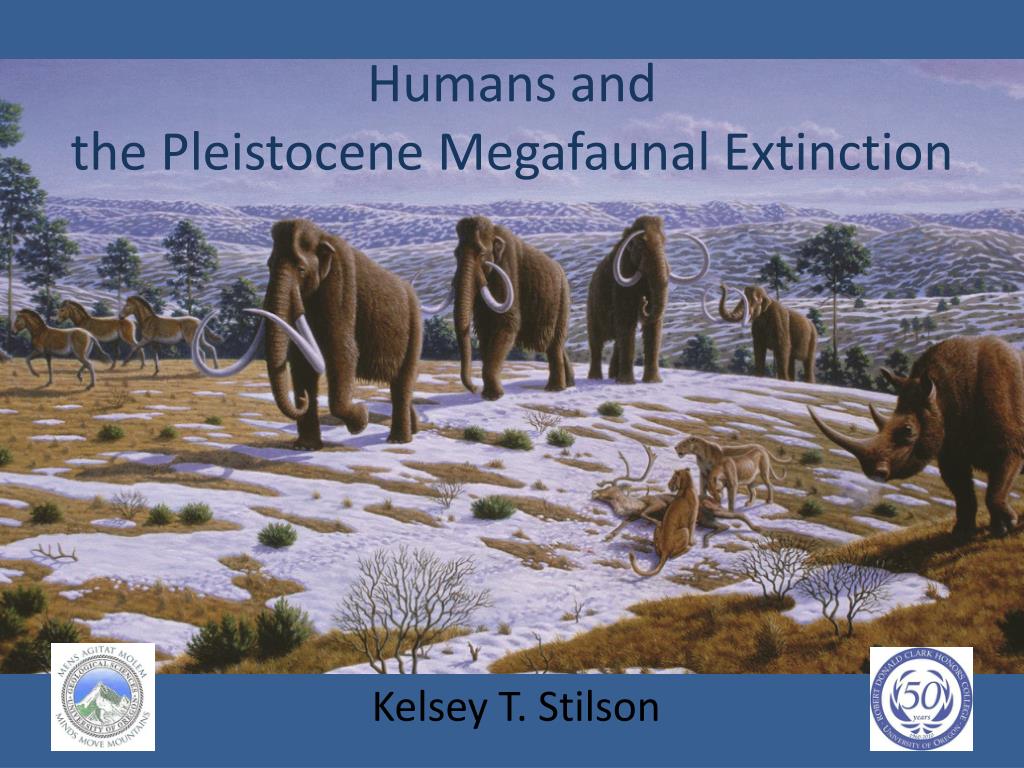
Pleistocene human encounters
A Human Story, Not a Cartoon
It's tempting to fill gaps with dramatic stories: raids, conquests, or sustained violence. While conflict surely occurred episodically, many researchers emphasize that human encounters were likely varied — from conflict to cooperation to intermarriage. The sex-biased genetic signal should not be read as evidence of universal male dominance or violence, but rather as one trace of many variables: population structure, chance, ecological pressures, and sociocultural practices.
Interbreeding was messy, localized, and consequential — but it was also ordinary, a part of life in a world with multiple human groups.
What This Means for People Today
Most people outside Africa carry about 1–2 percent Neanderthal-derived DNA in their genomes, with some variation by region. Those fragments influence traits ranging from immune responses to hair and skin characteristics. Understanding the directionality of ancient gene flow refines how researchers model the history of populations and the dynamics of selection. It also reframes narratives about human uniqueness: the story of our species includes contacts, genetic exchanges, and the inheritance of traits that once crossed boundaries we now imagine as sharp.
Open Questions and the Next Steps
Despite progress, numerous puzzles remain. Ancient DNA samples are still geographically and temporally uneven; many regions and time periods are under-sampled. The Y chromosome is difficult to reconstruct from degraded remains, and mitochondrial lineages can be lost by drift even if they once existed. Future advances — more genomes from diverse times and places, improved statistical models, and integrated archaeological context — will refine our picture.
What Researchers Want to Know Next
- Fine-grained timelines: When and how many times did admixture events occur in different regions?
- Local dynamics: Were sex-biased encounters universal or were they limited to particular places and periods?
- Functional effects: Which Neanderthal alleles had the biggest adaptive impact, and were their benefits distributed unevenly between sexes?
Answering these questions will require careful collaboration across genetics, archaeology, paleontology, and computational modeling.
Conclusion: A Nuanced Legacy
When we say that Neanderthal men and human women were most likely to produce offspring that contributed to modern genomes, we are describing an emergent pattern revealed by multiple genetic signals. The interpretation rests on several interacting facts: the paucity of Neanderthal mtDNA in modern humans, the limited Neanderthal Y-chromosome signal, and the unusual distribution of Neanderthal ancestry across chromosomes. These pieces of evidence together make a convincing case for sex-biased gene flow, but they do not close the case.
Instead, they open a richer story: of small, mobile human groups meeting other human groups in a world of shifting climates and landscapes; of social choices embedded in survival strategies; and of biological constraints shaping who became an ancestor. The legacy of those meetings survives in our genomes and in our capacity to use molecular clues to imagine the lives of people who walked the same landscapes we do today.
- Genetic patterns suggest a sex bias in Neanderthal-modern human interbreeding, often interpreted as more Neanderthal fathers and modern human mothers.
- The lack of Neanderthal mitochondrial DNA and depleted Neanderthal ancestry on the X chromosome are central lines of evidence.
- Demography, social behavior, and biology (including hybrid fertility) likely combined to produce the observed genetic signatures.
- Useful Neanderthal genes persist in modern humans, demonstrating that admixture had both costs and benefits.
Further Reflection
Our genetic mosaic is a testament to encounters long ago: some were fleeting, others consequential. As techniques improve and new finds emerge, the outline will sharpen, and with it our understanding of what it meant to be human in a world shared with other human species. For now, the evidence points toward a pattern in which Neanderthal men left a particularly strong imprint on the genomes of later non-African populations — a reminder that human history is written in DNA, but read through many lenses: biological, cultural, and historical.