Nvidia Warns GPU Shortages Through 2028 Due to Memory Bottleneck
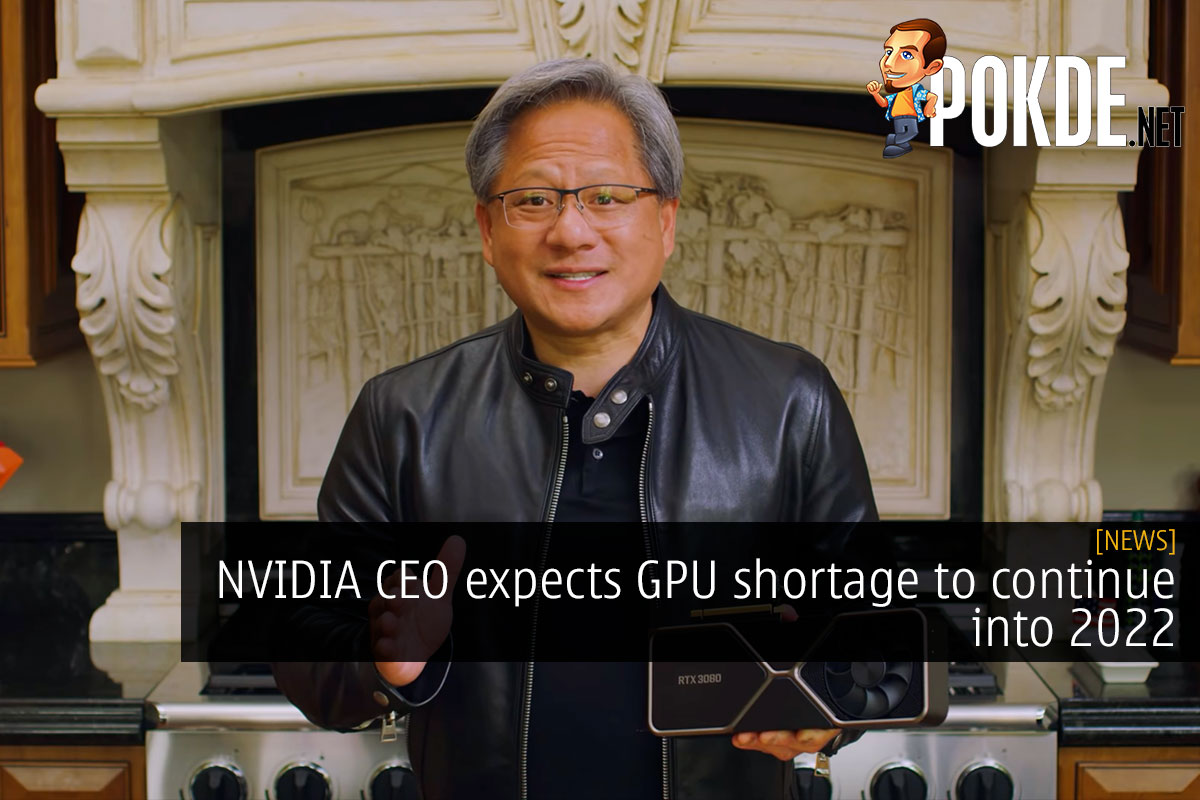
The headline is blunt: high-performance graphics cards will be harder to find for longer than many hoped. Nvidia has publicly acknowledged that a shortage rooted not in GPUs themselves but in the memory components that sit beside them will continue to limit the supply of gaming GPUs through 2028. For gamers, builders, and the companies that depend on discrete graphics, that admission reframes expectations: availability and pricing are likely to remain constrained until the memory ecosystem catches up.
A bottleneck in memory is not just a parts shortage; it's a chokepoint that forces redesigns, repricing, and strategic shifts across the entire GPU industry.
Why This Matters
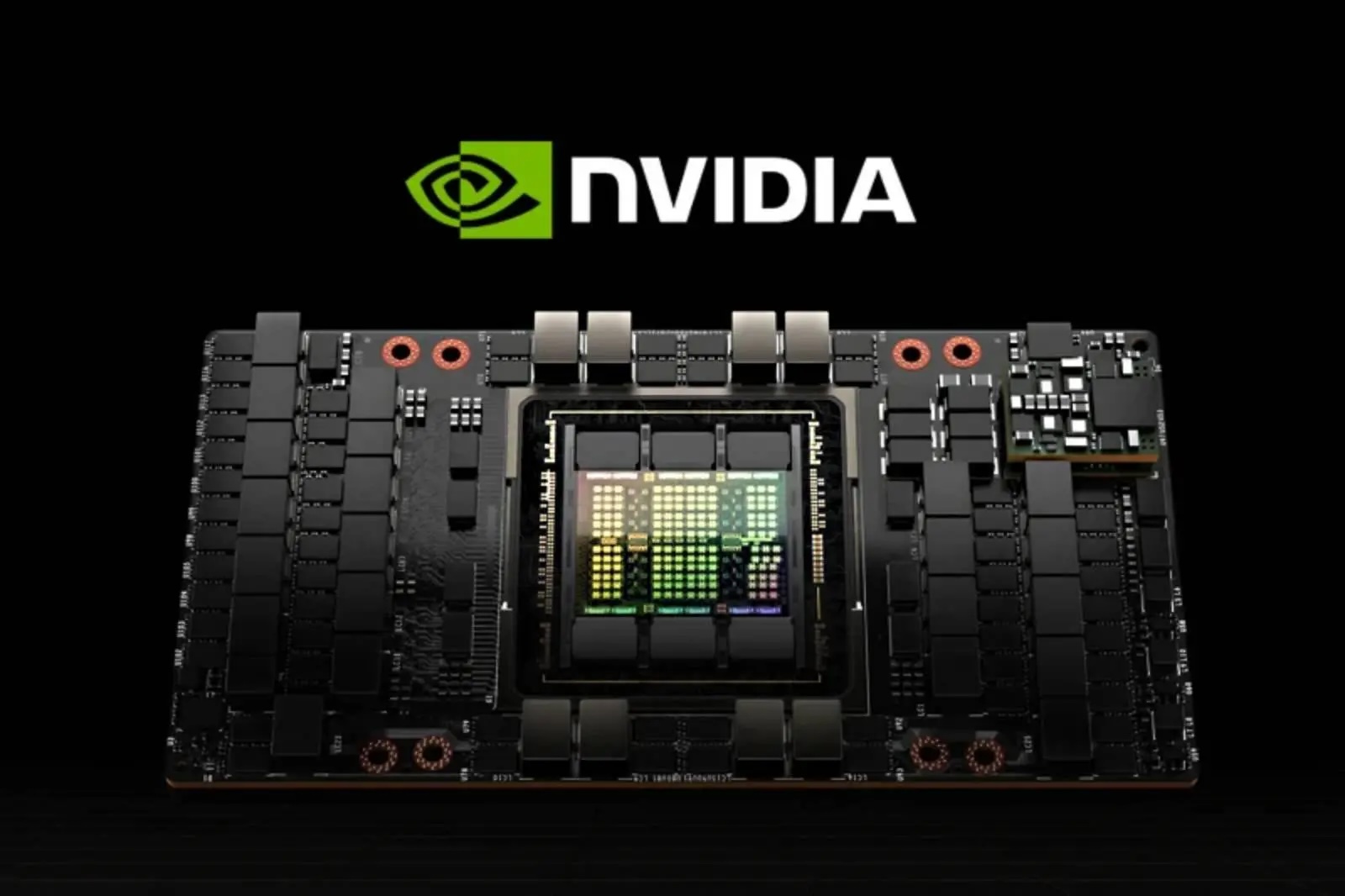
The modern GPU is more than a processor die. For high-end gaming and AI workloads, memory — both its bandwidth and capacity — is as crucial as raw compute cores. When memory production, packaging, or integration can’t scale with demand, the consequence is fewer finished cards even when GPU dies are available. That leads to price volatility, forced prioritization of customers (enterprise and AI vs consumer), delayed launches, and a market where supply-side constraints shape product roadmaps.
Nvidia GPU data center memory
What Nvidia Said — And What It Really Means
The admission in context
Nvidia’s statement that memory constraints will limit gaming GPU availability through 2028 carries three implicitly linked messages: first, demand for high-bandwidth memory is surging thanks to AI and datacenter growth; second, memory manufacturers and packaging partners face multi-year lead times to add capacity; and third, Nvidia will be prioritizing segments where margins or strategic value are highest. Put plainly, when memory is scarce, OEMs allocate where it pays most.
Why Nvidia’s voice matters
Nvidia shapes the market in two ways: by setting demand through product architecture and by signaling customers and partners about priorities. When the company flags a persistent bottleneck, it isn’t just forecasting; it is influencing buyer behavior, partner allocations, and competitor strategies. Retailers and enthusiasts will interpret the message as a cue to expect continued tight supply and elevated pricing for premium GPUs.
The Technical Heart of the Bottleneck
HBM vs GDDR — not all memory is equal
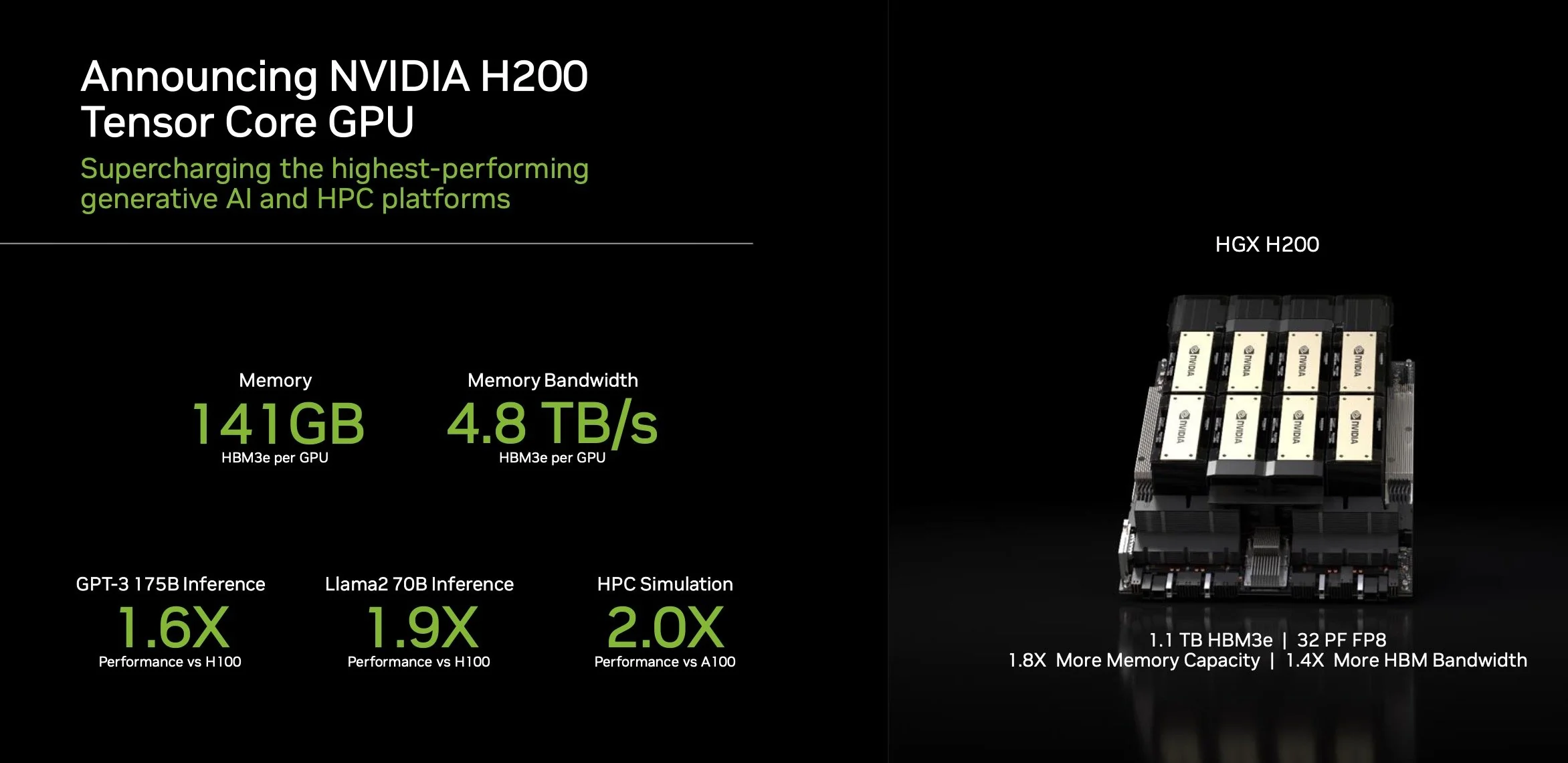
Two memory families dominate high-performance GPUs: GDDR (commonly GDDR6 or GDDR6X for gaming cards) and High-Bandwidth Memory (HBM) used primarily in data center and some ultra-high-end GPUs. HBM stacks memory dies vertically and connects them with through-silicon vias, delivering huge bandwidth in a compact footprint but demanding advanced packaging and tight integration. GDDR is matured and widely produced, but the highest-end GPUs increasingly require HBM or very high-grade GDDR, which introduces supply friction.
Nvidia GPU HBM memory

Nvidia GPU GDDR memory
Packaging and integration: the invisible constraint
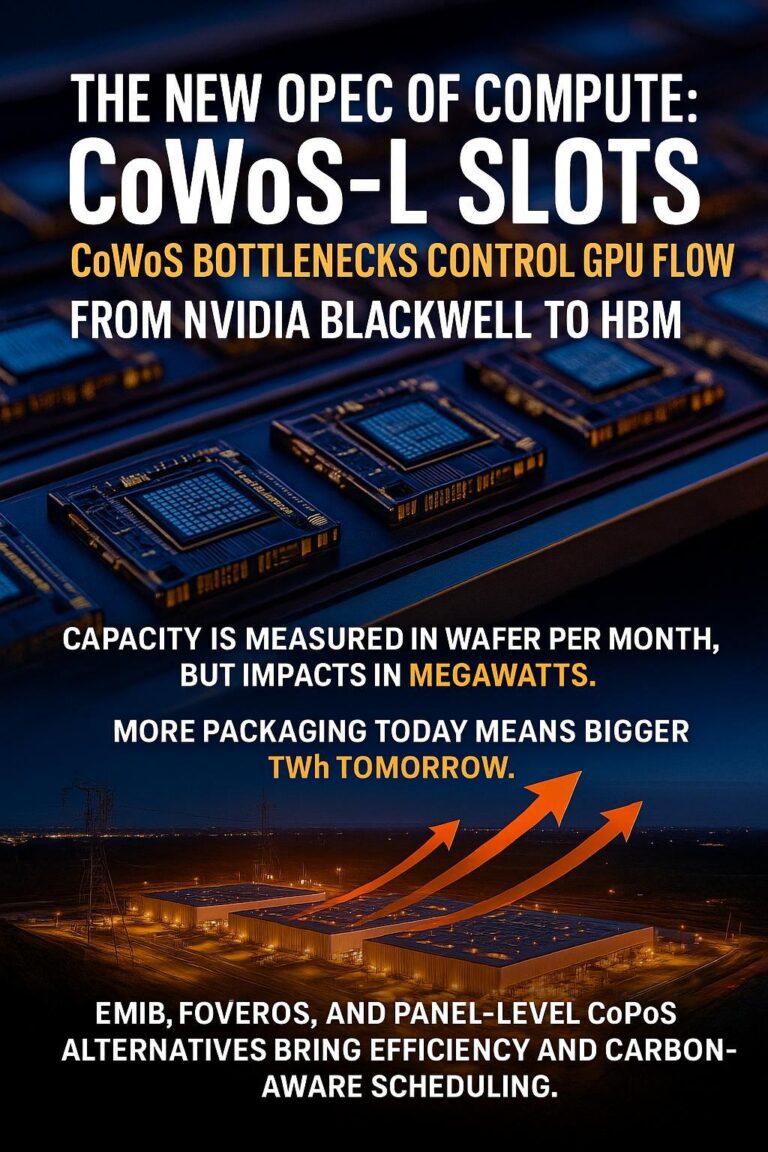
Memory fabrication is only part of the story. Advanced packaging — the assembly, testing, and stacking of memory — involves specialized factories and equipment. Packaging capacity cannot be ramped overnight: tooling, cleanroom expansion, and qualified personnel take years. Even if memory die production scales, inadequate packaging throughput becomes a bottleneck for finished modules.
Nvidia GPU packaging bottleneck
Why 2028 Is a Plausible Timeline
Why would this problem stretch out for multiple years? Several structural realities make a 2028 horizon believable.
1. Multi-year CAPEX and capacity cycles
Building or retooling fabs and packaging lines requires committed capital expenditure, long lead times, and coordination among equipment suppliers, wafer foundries, and memory producers. Memory manufacturers typically plan expansions around multi-year demand forecasts; sudden surges cannot be remedied instantly without risking overcapacity if demand softens.
2. Surging demand from AI and data centers
AI servers and hyperscale data centers are voracious consumers of high-bandwidth memory. Each generation of accelerators consumes more memory bandwidth and capacity, and hyperscalers are willing to outbid consumer channels. That sustained, high-margin demand encourages memory suppliers to prioritize data-center-grade modules, squeezing consumer supply.
3. Supply chain fragility and geopolitical complexity
Key memory suppliers and specialized packaging facilities are concentrated geographically. Geopolitical uncertainty, export controls, natural disasters, or logistic disruptions can delay expansions or reroute allocations. When a significant fraction of memory capacity sits in a few plants, systemic shocks can ripple for years.
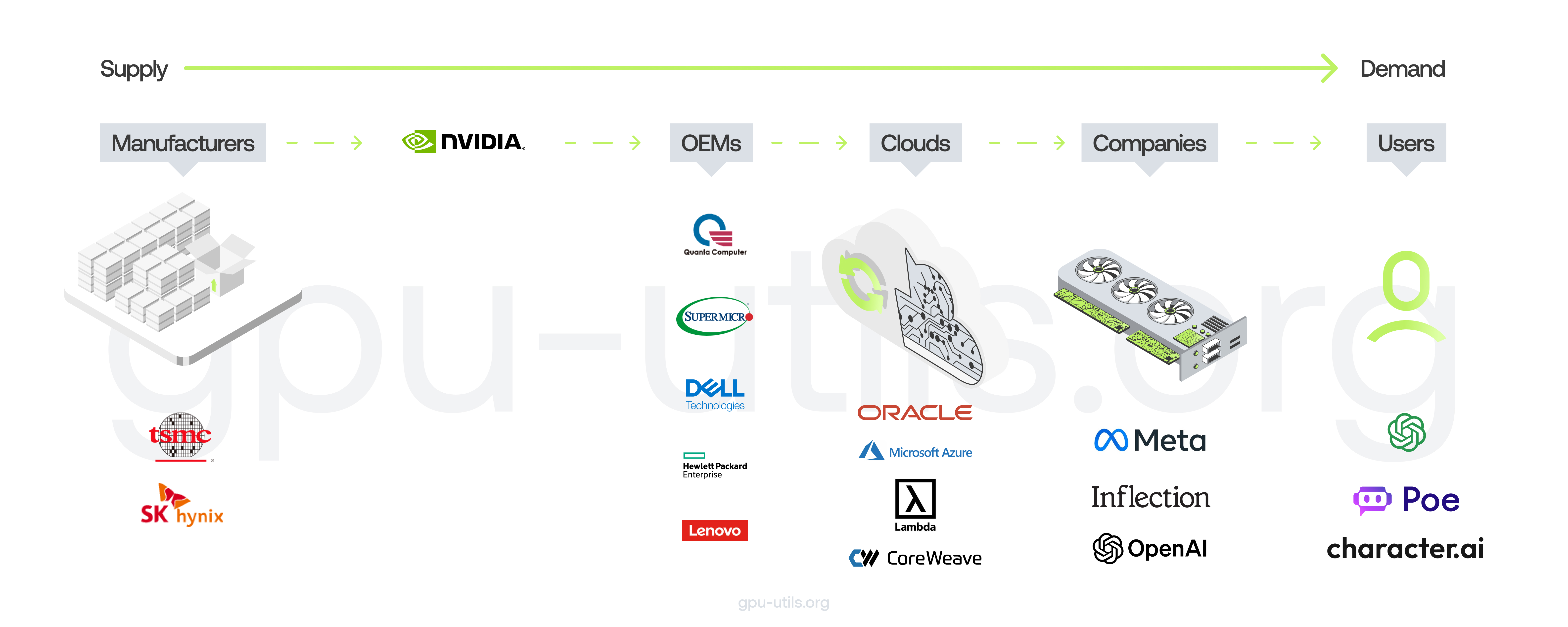
Nvidia GPU supply chain
How This Will Play Out for Different Stakeholders
Gamers and PC builders
Expect persistent scarcity and price premiums for the highest-tier gaming cards. Mid-range and budget segments may see more variability depending on whether manufacturers substitute different memory types or adjust memory configurations to stretch supply. For consumers, that means being strategic about buying windows, considering close alternatives, and tracking refresh cycles rather than chasing flagship launches.
Retailers and e-tailers
Retailers will continue to face inventory planning headaches. Limited SKU availability will force prioritization of bundles, allocations to premium customers, or focus on prebuilt systems where margins can offset scarcity. Secondary markets may stay active, and price scraping will be a constant reality.
System builders and OEMs
OEMs with scale and long-term purchase agreements may secure more favorable allocations, but they will also have to redesign product lineups around available memory. That can mean offering variants with lower VRAM, shifting refresh cadence, or promoting systems where memory footprint is less critical.
Data centers and AI customers
Ironically, the very customers who are intensifying the memory shortage will receive preferential access because they buy at scale and accept higher prices. This prioritization can be commercially rational but painful for the consumer market.
- Innovation push: Shortages often accelerate architectural innovation (chiplets, memory compression).
- Supplier investment: Strong demand can justify long-term expansion in memory capacity.
- Higher prices: Consumers face sustained premiums.
- Delayed launches: Product roadmaps may slip.
Short-Term Workarounds and Industry Responses
Product-level strategies
Manufacturers can tweak memory configurations (lower VRAM, narrower buses) or introduce SKU tiers that sacrifice peak performance for better supply economics. They can also lean on firmware and driver improvements to reduce memory pressure through compression, smarter paging, and memory-efficient rendering techniques.
Supply-side tactics
Memory producers may accelerate CAPEX, allocate more wafer starts to GPU-grade parts, or prioritize partnerships with GPU vendors to guarantee volume. Packaging houses could add shifts and work with automation vendors to raise throughput, but these moves still take quarters to manifest as finished products.
Architectural pivots
One longer-term response is a move toward chiplet designs that separate logic and memory more flexibly, enabling parallel sourcing and assembly. Memory compression and on-die caches can reduce external memory dependency. Some vendors may also explore hybrid memory systems that combine GDDR and smaller HBM stacks to balance cost and performance.
What Consumers Can Do Now
- Prioritize needs: Evaluate which games and workloads require flagship GPUs versus which will run fine on midrange hardware.
- Consider total system value: Sometimes a bundled prebuilt system offers better long-term value than buying a scarce standalone GPU.
- Watch for alternative launches: AMD and other vendors may release competitive models that shift market balance.
- Delay upgrades strategically: If current hardware meets needs, waiting can avoid paying a premium during a market peak.
The Broader Economic and Strategic Implications
This shortage is a reminder that modern semiconductors are an ecosystem: transistor scaling and GPU design improvements mean little without commensurate memory and packaging capacity. Governments and companies are likely to reassess strategic dependencies on a handful of suppliers. Expect continued public and private investment in memory fabs and packaging facilities to reduce reliance on concentrated capacity pools.
For competition, persistent shortages can reshape market share. Vendors that secure stable supply chains will win share and customer trust, while those that fail to adapt may be forced into lower-margin segments. The shortage also creates opportunities for specialized startups that offer memory-efficient software, compression techniques, or alternative architectures.
Outlook — What Could Change the Trajectory
Accelerated capacity additions
If memory manufacturers accelerate capital projects and succeed in bringing high-yield production online sooner than expected, constrained supply could ease. However, the timing depends on equipment lead times, qualification cycles, and geopolitical stability.
Demand modulation
If data-center demand cools or hyperscalers diversify architectures, memory pressure could ease. Demand-side changes are harder to predict, but they are a major lever: a modest reduction in hyperscaler purchases could free capacity for consumer GPUs.
Technological disruption
Breakthroughs in memory technology, packaging, or GPU architectures (for example, very efficient compression or on-package innovations) could materially change supply dynamics. Such innovations would likely be gradual, but they remain the ultimate way to decouple GPU performance from constrained external memory supply.
Conclusion
The admission that gaming GPU shortages will extend through 2028 is a sobering signal of how intertwined modern computing is with a complex, capacity-limited memory supply chain. For gamers and builders, it means navigating higher prices and selective availability. For the industry, it is a call to invest in packaging, diversify supply, and accelerate architectural innovation. In the medium term, markets will adjust — through price, product design, and investment — but those adjustments will take time. Until we see materially higher packaging throughput and memory die production, the bottleneck that Nvidia identified will remain the defining constraint on premium GPU availability.
Until the memory ecosystem scales, GPU makers will be forced to design around scarcity — and consumers will feel the effects at the checkout.
- Memory is the bottleneck: High-bandwidth memory and packaging capacity — not GPU die production — are the immediate constraints.
- Multi-year problem: Capacity expansion, qualification, and yield improvements explain the 2028 timeline.
- Market impacts: Higher prices, delayed launches, and prioritized allocations for data centers and hyperscalers.
- Mitigations: Product redesigns, memory-efficient software, chiplets, and expanded packaging investment.
This article explains the technical and market forces behind Nvidia's memory-driven GPU shortage forecast and offers practical guidance for stakeholders.