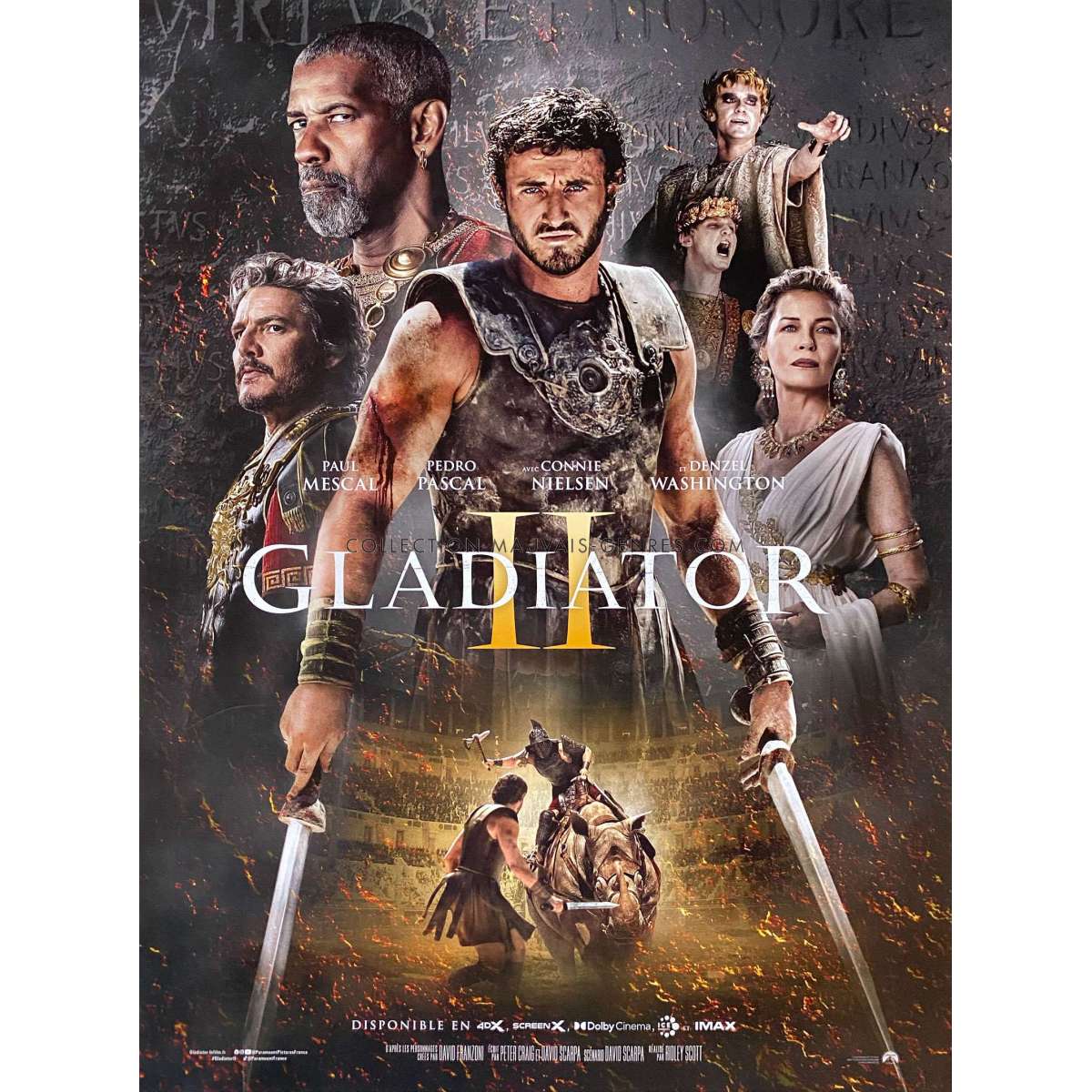
Ridley Scott, Gladiator II, and the Oscar Revenge Myth
The narrative is irresistibly simple: a legendary director is denied the top prize at the Academy Awards while his star walks away with gold, and decades later he returns to the same terrain with a sequel that, rumor has it, is meant as payback. It makes for a juicy anecdote, and the shorthand—"he made it out of revenge"—is the kind of line that travels fast on social feeds. But film history rarely bends to neat stories. This article unpacks the claim that Ridley Scott directed Gladiator II (2024) as revenge after Russell Crowe won Best Actor for Gladiator (2000) while Scott lost Best Director, and asks a more useful question: even if anger played a role, how did artistic impulse, commercial pressure, and legacy ambitions really shape the sequel?
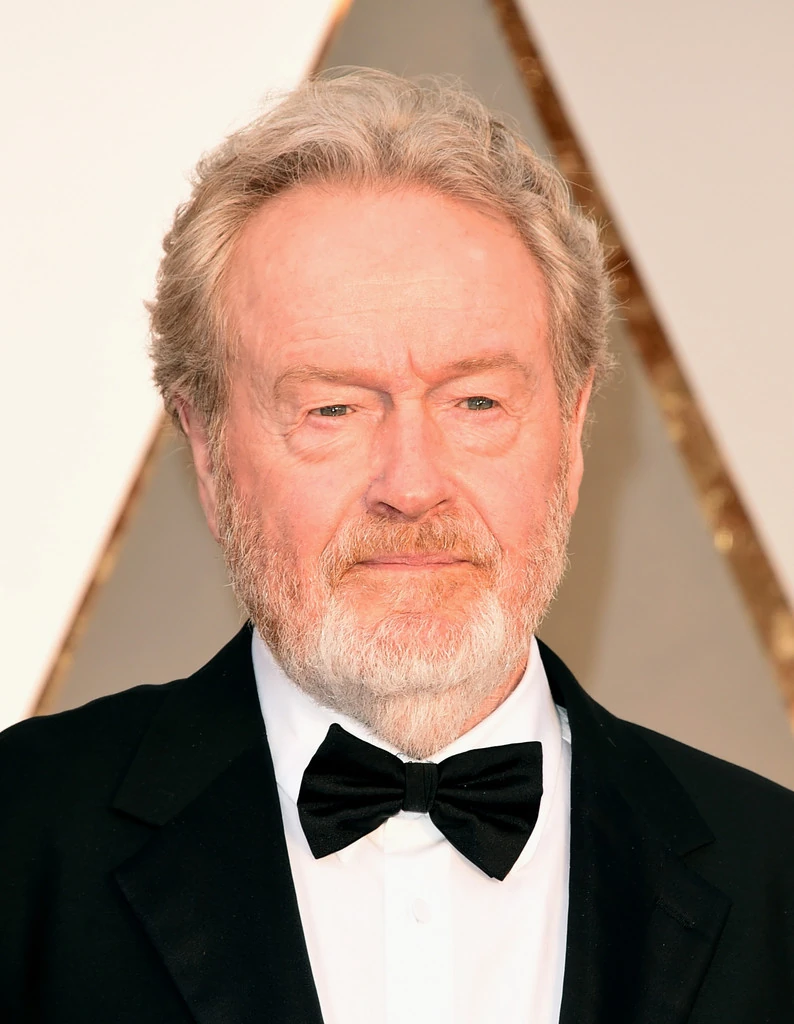
Ridley Scott 2001 Oscars Best Director loss
THE OSCAR STING: WHAT HAPPENED IN 2001
The awards night everyone remembers
Gladiator premiered in 2000 and arrived as a cultural event: an old-fashioned, big-scale epic that felt both classical and modern. When Academy Award nominations were announced, the film led many conversations about acting, production design, and direction. At the 73rd Academy Awards, Russell Crowe took home Best Actor for his portrayal of Maximus, a role that became his signature. Ridley Scott, nominated for Best Director, ultimately did not win that year. Awards are rarely objective; they are negotiations among taste, politics, and timing. To call the moment a "snub" or an outright theft is to simplify a room full of competing tastes and voters.
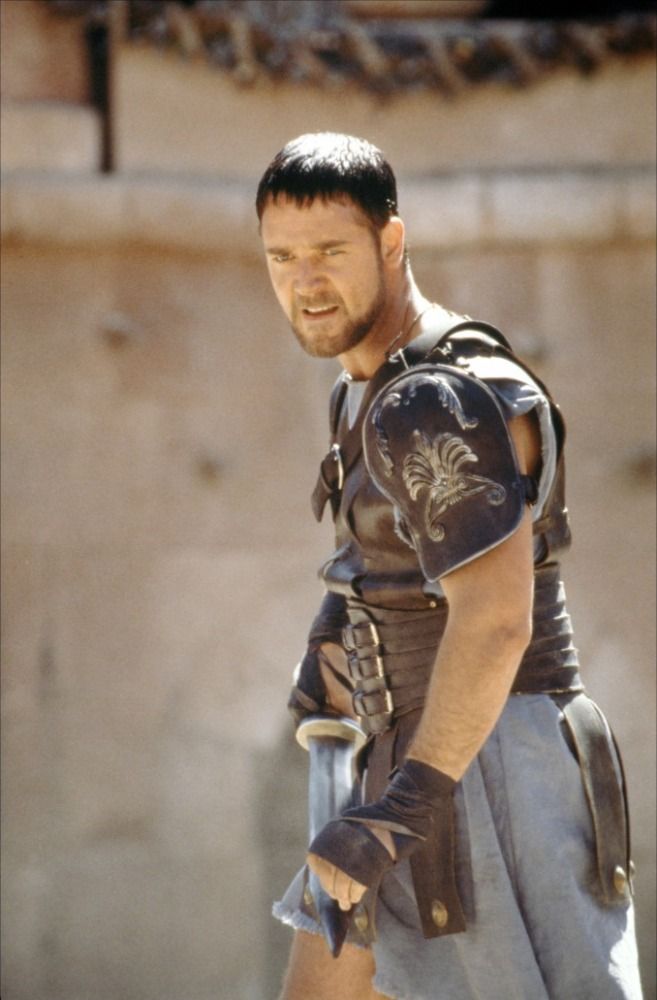
Russell Crowe Gladiator Best Actor 2000
What awards sting actually means for a director
For a director of Scott's stature, losing an Oscar can be an emotional hit—but it rarely changes the fundamentals of a career. In many cases directors respond by doubling down on their aesthetic, pivoting to new genres, or quietly moving on to the next project. The idea that a single awards outcome would motivate a filmmaker to return to a property 20 years later as an act of vengeance is dramatic, but it underestimates other incentives directors encounter: unfinished creative business, studio interest, audience demand, and the economics of franchise filmmaking.
THE LONG ROAD TO A SEQUEL
From standalone epic to franchise possibility
When Gladiator arrived, it presented itself as a self-contained epic with a classical arc. In the years that followed, studios and filmmakers noticed that successful, emotionally resonant period pieces could be revisited profitably, especially when they carried a built-in audience. The decades after the original release saw numerous high-profile franchises, and Hollywood's appetite for recognizable intellectual property grew. That shifting environment matters when evaluating why a sequel was made at all.
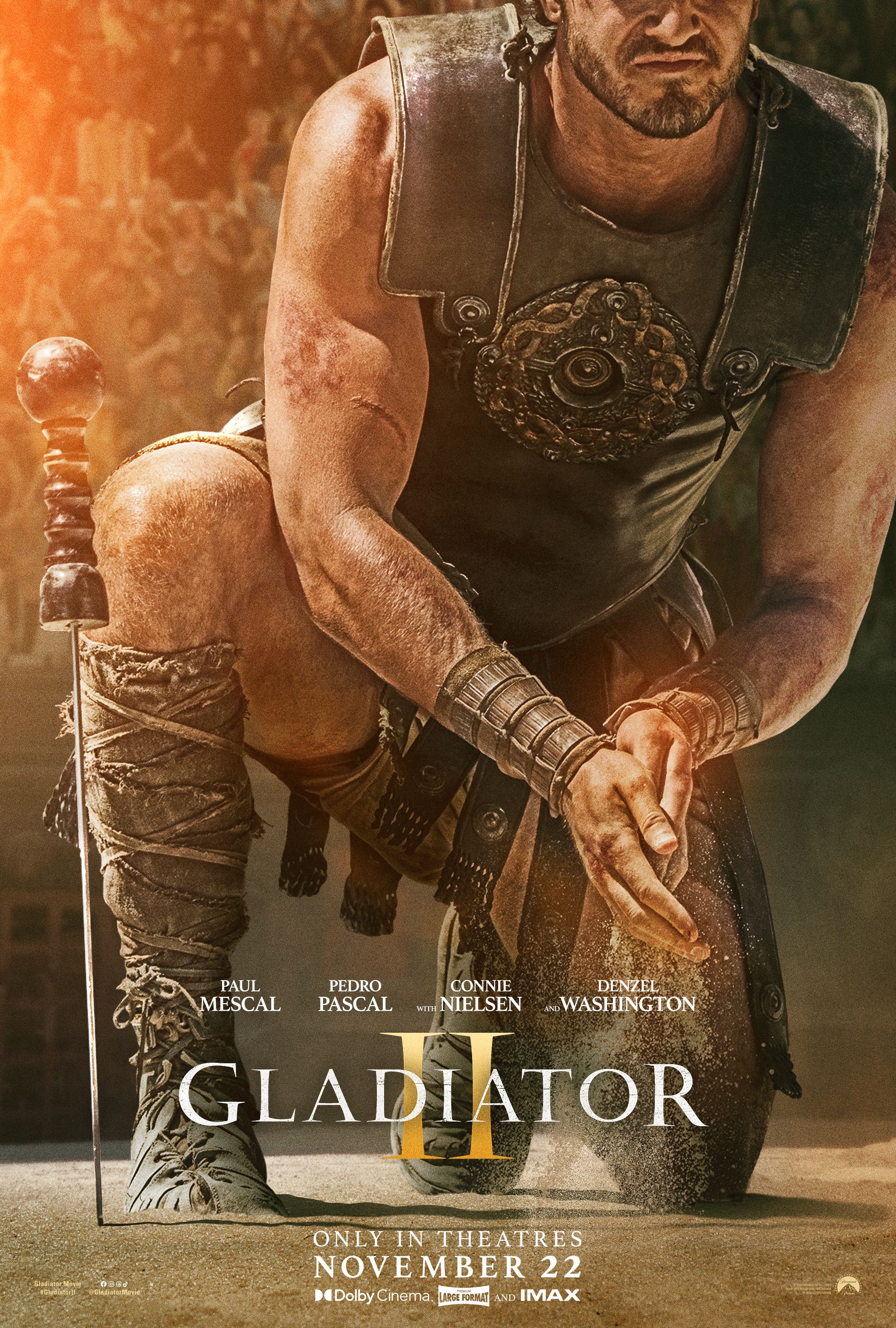
Gladiator II sequel development history
Timeline and practicalities
Sequel development is rarely a straight line. There are rights issues, scripting challenges, casting logistics, and often a long period of negotiation between the director, writers, studios, and financiers. Time can be a deliberate ingredient: returning to a franchise after a gap allows filmmakers to craft a story shaped by historical distance and changed industry conditions. That space between films can also amplify mythology—every year without a sequel adds another chapter to the rumor mill.
If revenge was a motivator, it was likely one among many: legacy, audience expectation, and the practicalities of modern franchise economics.
MOTIVE CHECK: REVENGE, ART, OR BUSINESS?
The revenge hypothesis
The revenge-reading of Gladiator II's origins is compelling. It maps easily onto a dramatic story arc and satisfies our craving for poetic symmetry: a director denied recognition returns to reclaim honor. But motives in creative work are often mixed. Anger or wounded pride can seed a creative project, but they rarely explain the full architecture of a film's development, from hiring a screenwriter to securing financing to negotiating distribution windows.
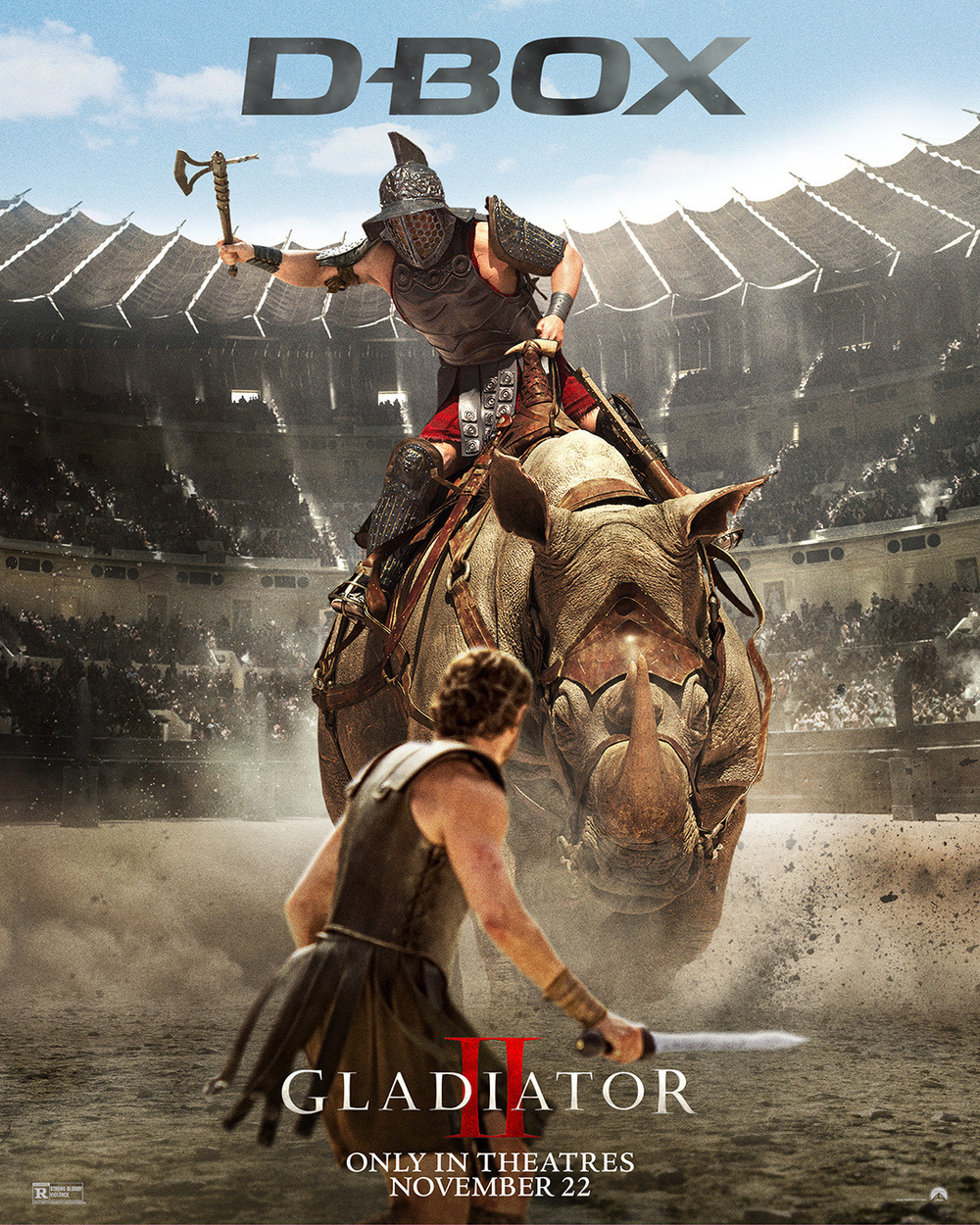
Gladiator II film production details
Artistic and thematic drivers
Directors commonly return to familiar worlds because those worlds still interest them. Gladiator offers fertile ground for questions about power, legacy, trauma, and memory—concerns many filmmakers revisit throughout their careers. A sequel gives an opportunity to expand themes, complicate characters, and test how the moral and political questions of a story age over time. In that sense, Gladiator II could be read as an artistic continuation rather than a tit-for-tat.
Commercial considerations
There's no denying the commercial logic. Studios weigh potential box office returns carefully, and proven properties lower marketing risk. A sequel to a well-known epic is a safer bet than an untested period drama. For a director, the capacity to mount a big-budget sequel also provides resources and visibility for ancillary projects. So financial incentive and artistic ambition frequently align.
HOW A REVENGE MOTIF COULD HAVE SHAPED THE SEQUEL
Narrative choices and tonal shifts
If one accepts the premise that bruised pride played any role, the next question is whether that emotional fuel affected the film's tone or goals. A revenge-motivated sequel might lean into darker themes, sharpen its critique of institutional power, or construct scenes meant to underscore the original film's moral lessons. More subtly, a director with something to prove may push for formal bravado: longer set pieces, more ambitious production design, or visual motifs that invite comparison with the original.
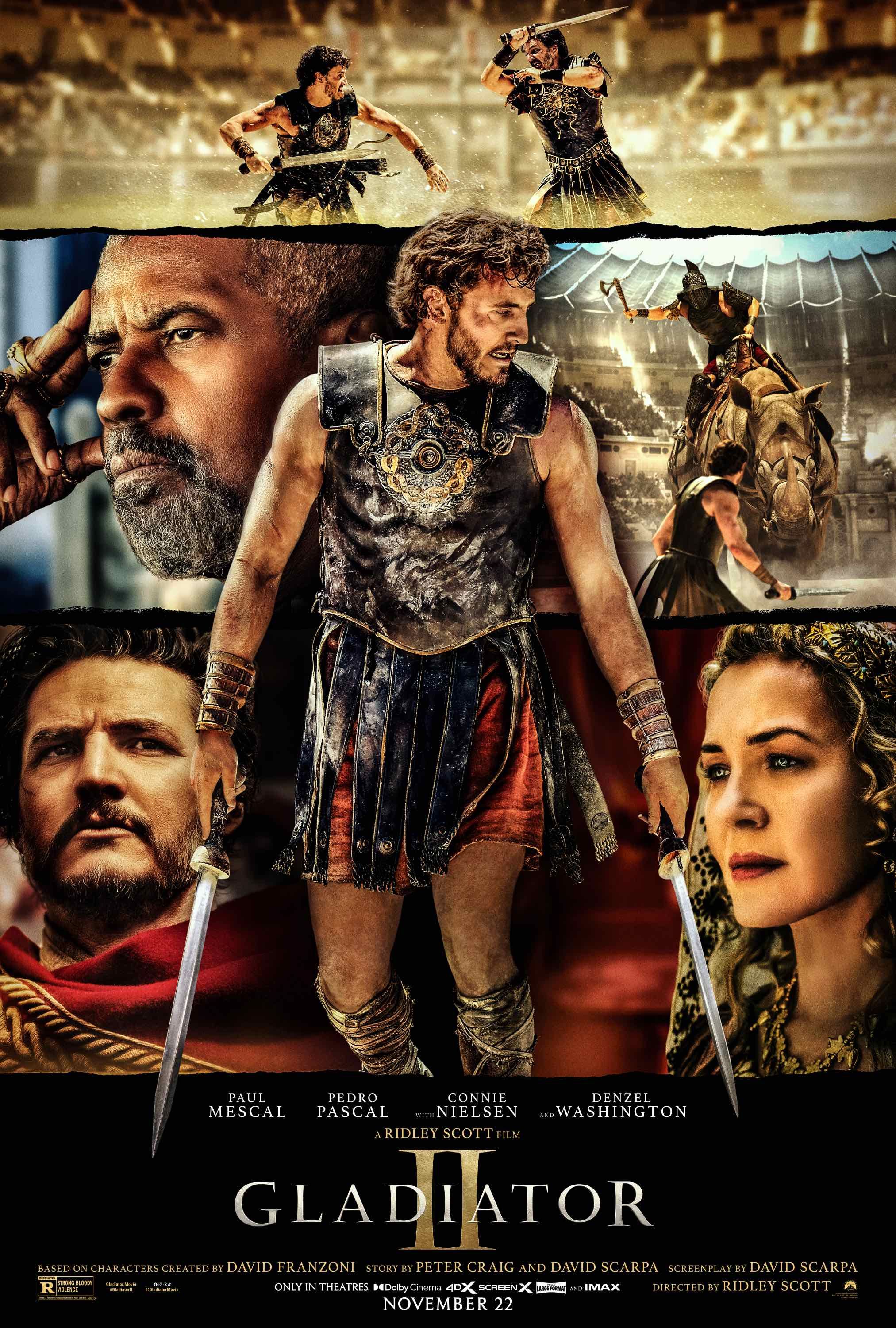
Ridley Scott Gladiator II director motivations
Casting and character decisions
Casting choices can also reflect motive. Bringing back familiar faces—or deliberately recentering the narrative around new protagonists—signals what the filmmakers prioritize. Revenge as a driving emotion might favor confrontations and moral reckonings; a focus on legacy might prioritize generational narratives and the consequences of past actions.
HOW AUDIENCE AND CRITICS READ REVENGE
Reception shapes meaning
Once a film is released, interpretation migrates to audiences and critics. The revenge myth—easy to digest and emotionally satisfying—can become the dominant reading even if it wasn't central to the production. Reviews, think pieces, and social chatter often prefer tidy narratives that assign blame and heroism. That interpretive community can retroactively reframe the production story to fit the myth.
Examples from other films
Hollywood history is full of films retrospectively cast as acts of revenge: directors making provocative choices after public slights, actors choosing prestige projects to answer critics, or studios greenlighting expensive productions to prove a point. Some of these stories are true in part; others are exaggerations built on a kernel of conflict. The pattern is familiar enough that it's tempting to apply it to any high-profile sequel with an emotional backstory.
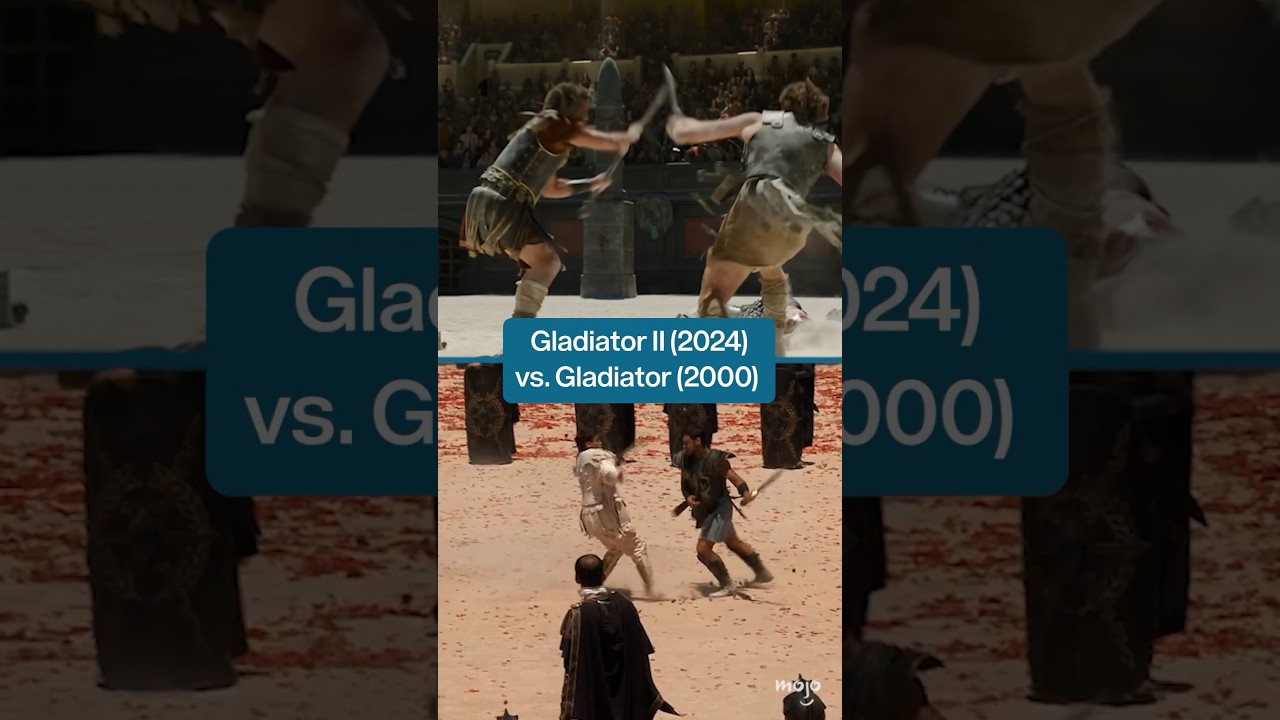
Gladiator 2000 vs Gladiator II comparison
- Compelling narrative: Revenge myths make articles shareable.
- Clear antagonist: A single grievance explains complex decisions.
- Oversimplification: Ignores commercial and collaborative factors.
- Myth persistence: Can distort historical understanding.
READING THE FILM ITSELF
Does Gladiator II look like revenge?
The clearest test of motive is the finished film. Are there aesthetic choices that read as a director's attempt to "outdo" the original or to answer critics? Does the sequel obsess over vindication, or does it broaden the world and complicate sentiment? If the sequel's structure is concerned with justice, reckoning, and institutional correction, one might argue for a revenge reading. If instead it emphasizes consequence, ambiguity, or continuity, then the revenge thesis weakens.
Audience reaction and box office
Audience reaction often separates the myth from reality. If a sequel overtly reads as a vanity project, audiences tend to notice. Conversely, when a sequel earns praise for thematic depth or craft, that suggests a broader set of motivations. Box office numbers and critical consensus are imperfect but useful barometers of whether the film succeeded artistically or commercially, irrespective of the director's grievances.
CONCLUSION: MORE THAN A VENGEANCE STORY
Labeling Gladiator II (2024) purely as an act of revenge turns a multi-threaded creative process into a single-act drama. Filmmaking is a collage of personal impulse, collaborative negotiation, and market realities. Ridley Scott is a director who responds to challenge in complex ways: sometimes with public statements, often with the quiet accumulation of new projects. If the sting of an awards night ever lingered, it likely joined with other, more practical reasons to bring the story back to the screen.
Revenge is a neat headline; legacy is the more durable explanation.
Key takeaways
- Film production motives are rarely singular; personal feelings can coexist with commercial and artistic reasons.
- Myths about revenge endure because they provide clear narratives, not because they capture complex realities.
- The best test of motive is the film itself: its themes, choices, and the conversations it prompts.
Final thought
Rumors make history more human, but they can also flatten it. Understanding why a director returns to a story requires looking at contracts, conversations, and creative choices as much as at headlines. Whatever the truth behind the rumor, Gladiator's cultural life—its capacity to inspire reappraisal, sequels, and debate—says less about a single night's awards and more about the enduring power of storytelling on the largest possible canvas.