Latest Articles
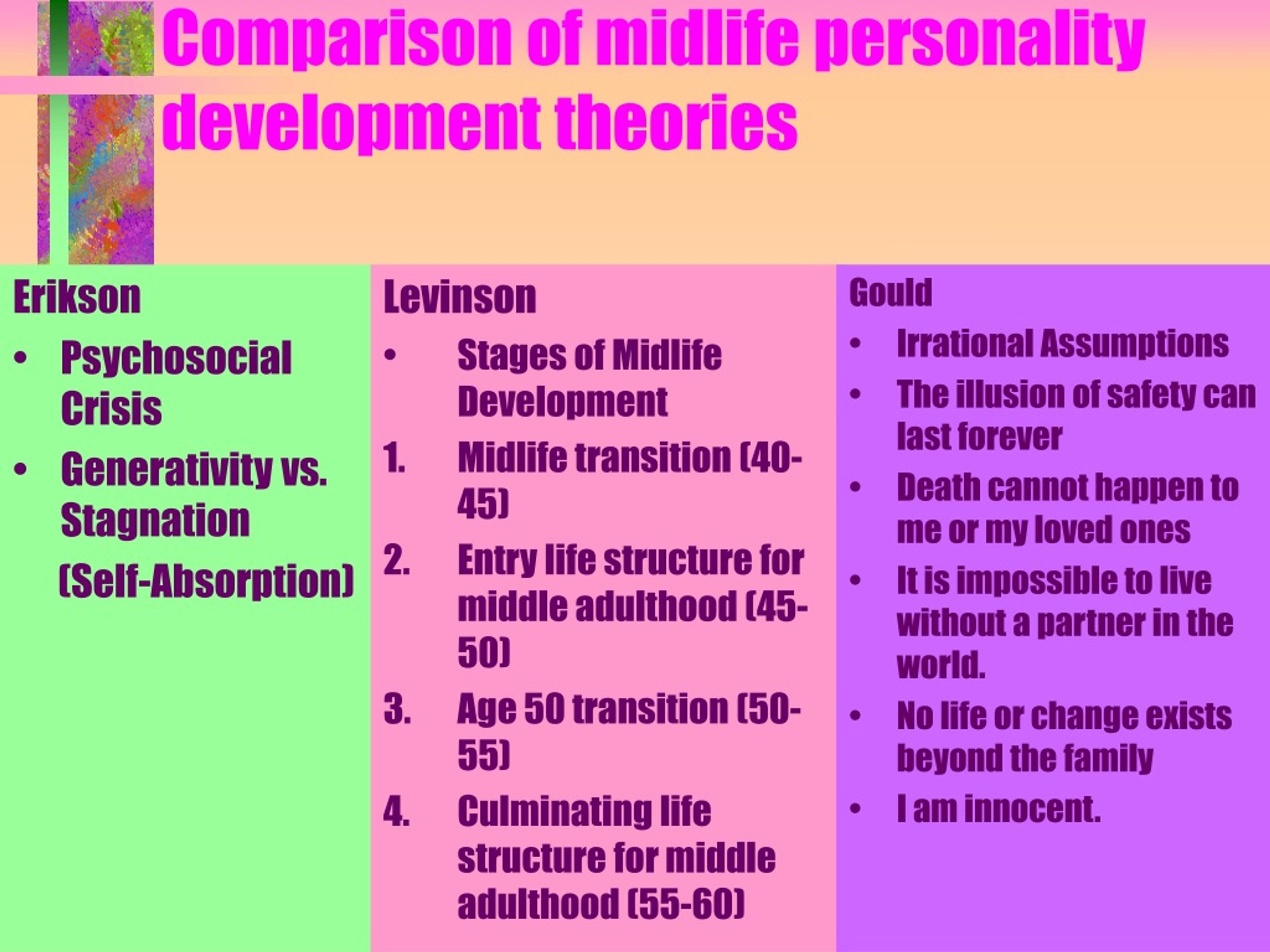
50 in 1985 vs 50 in 2025: How Midlife Changed
A deep, human-focused comparison of what it meant to be 50 in 1985 compared with 2025—covering work, health, technology, family, money and cultural expectations, and explaining how social, medical, and technological shifts reshaped midlife.
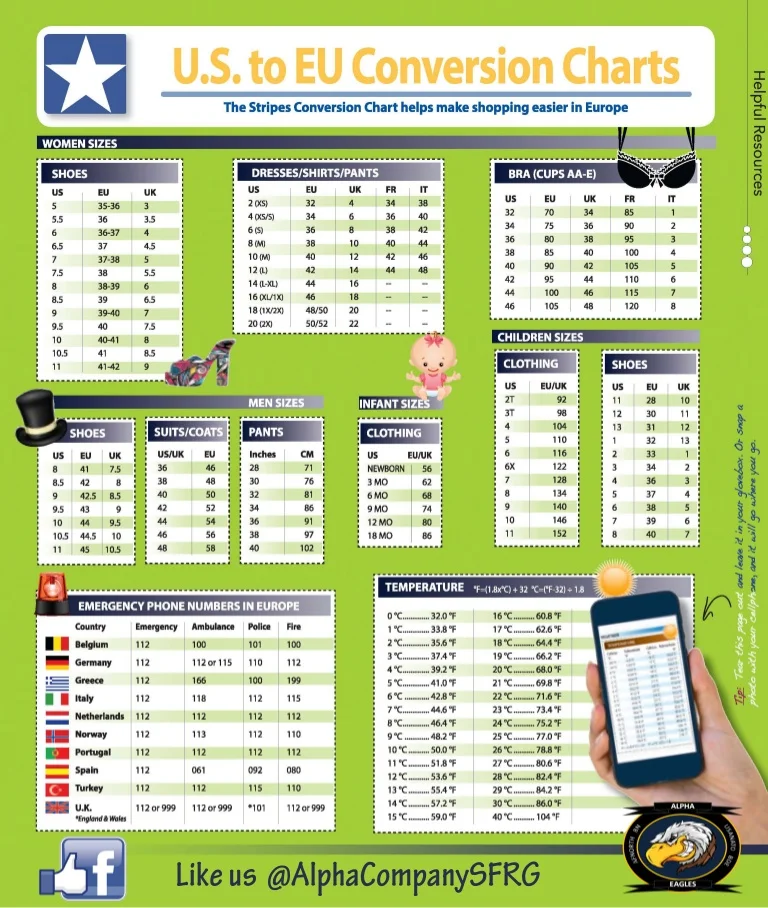
EU to US Clothing Size Guide: Why EU M Often Equals US S
A comprehensive guide explaining why European size M frequently maps to a U.S. size S, with clear measurement methods, conversion charts for men and women, shopping strategies, and tailoring tips to ensure better fit across brands and regions.
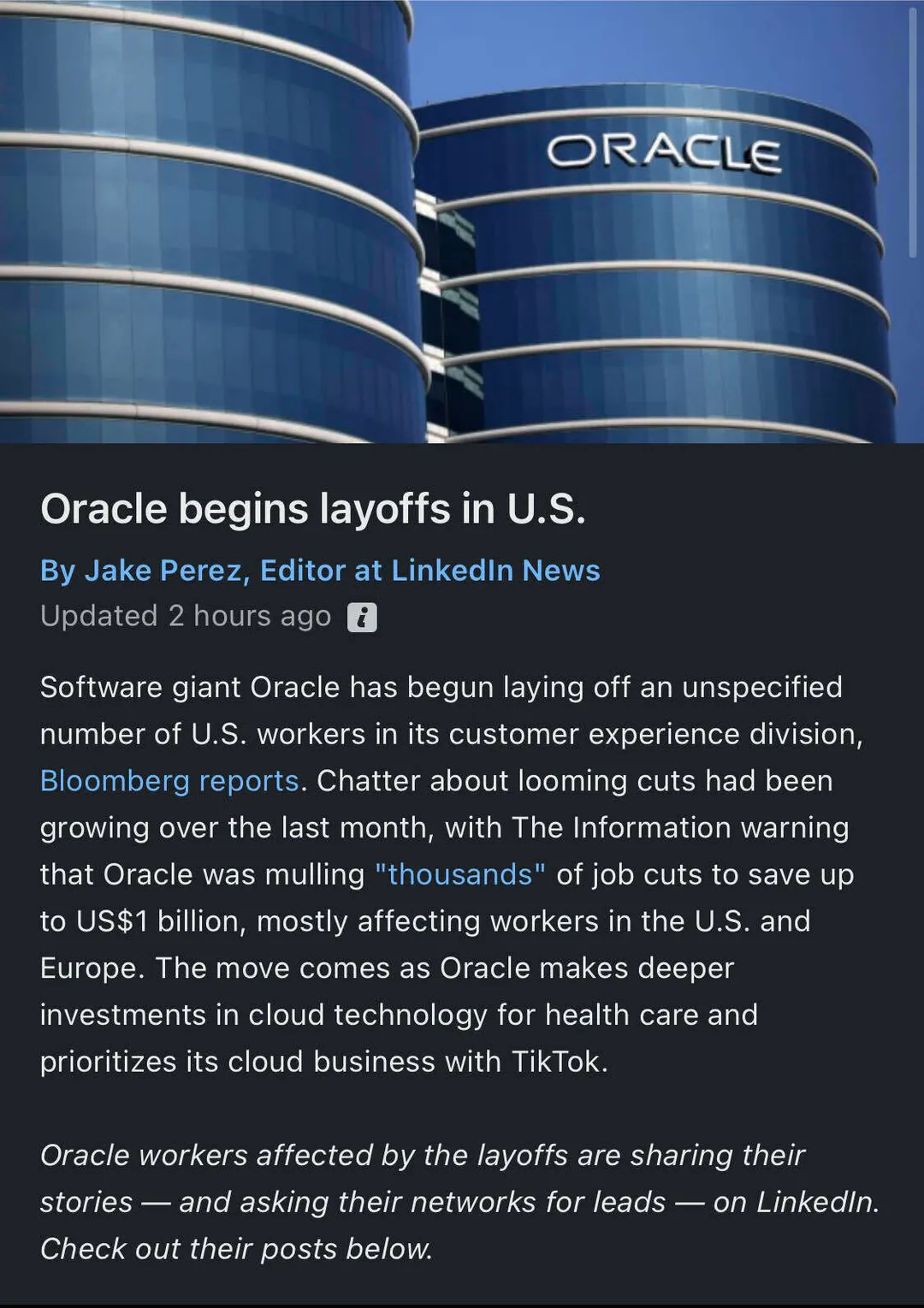
Why Oracle’s Mass Email Layoffs Reveal a Tech Reset
Oracle reportedly notified tens of thousands of workers by email even after posting large profits, a dramatic example of how tech firms are prioritizing efficiency and AI bets. This article unpacks the headlines, the math behind daily industry cuts, the human and market consequences, and practical next steps for companies and employees.
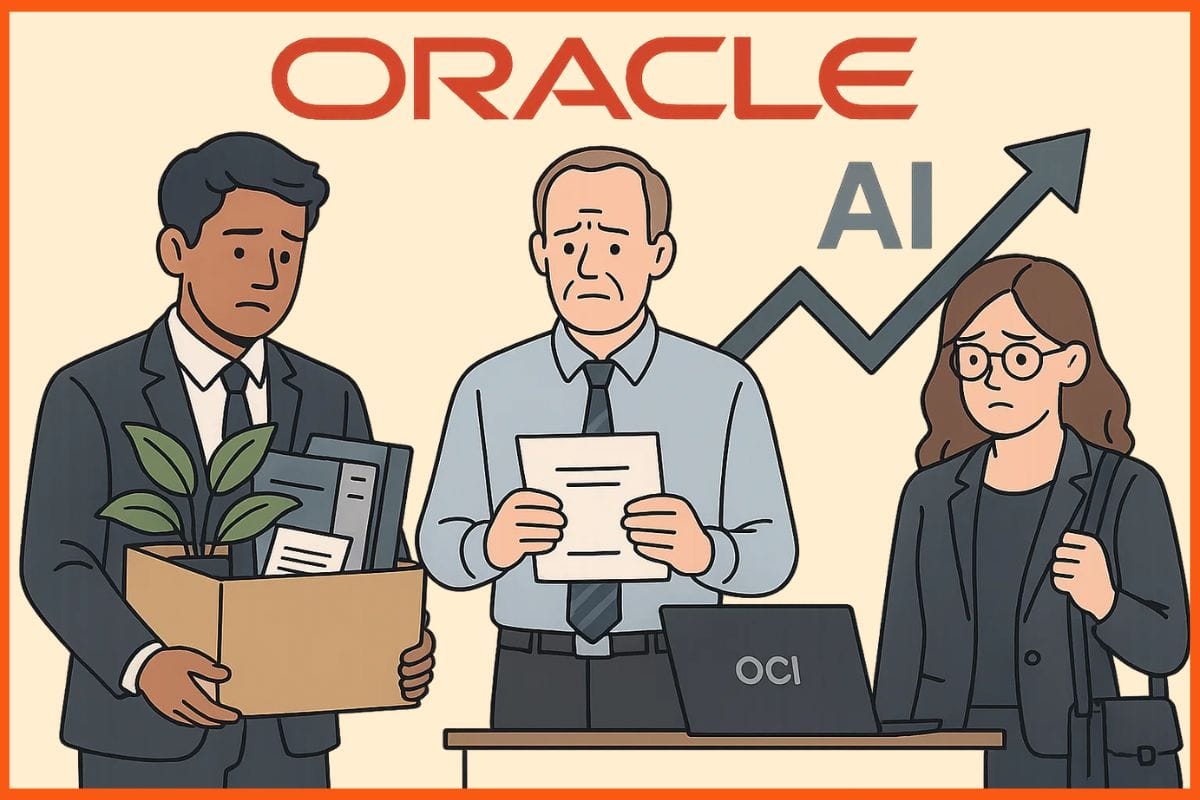
Oracle Fires 30,000 via Email After Profit Surge — Why It Matters
Oracle’s reported mass layoffs by email, coming on the heels of a large profit increase, highlight tensions between shareholder returns and workforce stability. This article examines the business rationale, legal and human consequences, industry patterns, and what employees and investors should watch next.

Oracle Fired 30,000 After Profit Surge — Why Tech Cuts Thousands
Oracle reportedly dismissed up to 30,000 employees via email shortly after a dramatic profit jump, a move emblematic of a wider tech-era paradox: record profits and mass layoffs driven by AI investment, cost discipline, and shareholder pressure.

NASA Photos 50 Years Apart: Apollo 17 (1972) vs Artemis II (2026)
A comparative feature examining how two landmark NASA missions—Apollo 17 (1972) and Artemis II (2026)—captured Earth from lunar-distance perspectives, showing how advances in technology, mission design, and public access reshaped the way we see our planet.