Why Bottle Episodes Matter: How TV Does More With Less
The phrase "bottle episode" can feel like behind-the-scenes shorthand for penny-pinching decisions, but the reality is far richer. These are the installments television creators deploy when they lock characters into a single space, strip away spectacle, and trust script and performance to carry the show. Because they remove the usual armor of multiple locations, guest stars, and flashy effects, bottle episodes become stress tests for character, voice, and structure. They are also economical tools in a production schedule — deliberately modest in cost yet often generous in dramatic or comedic payoff.
What Is a Bottle Episode?
A working definition
At its core, a bottle episode is an episode produced with the express intent of using the fewest resources possible. That usually means a single primary set, a limited cast (often only series regulars), minimal special effects, and a story driven by dialogue and immediate conflict rather than plot mechanics that require new locations. The result can look like a stage play captured on camera — intense, focused, and intimate.
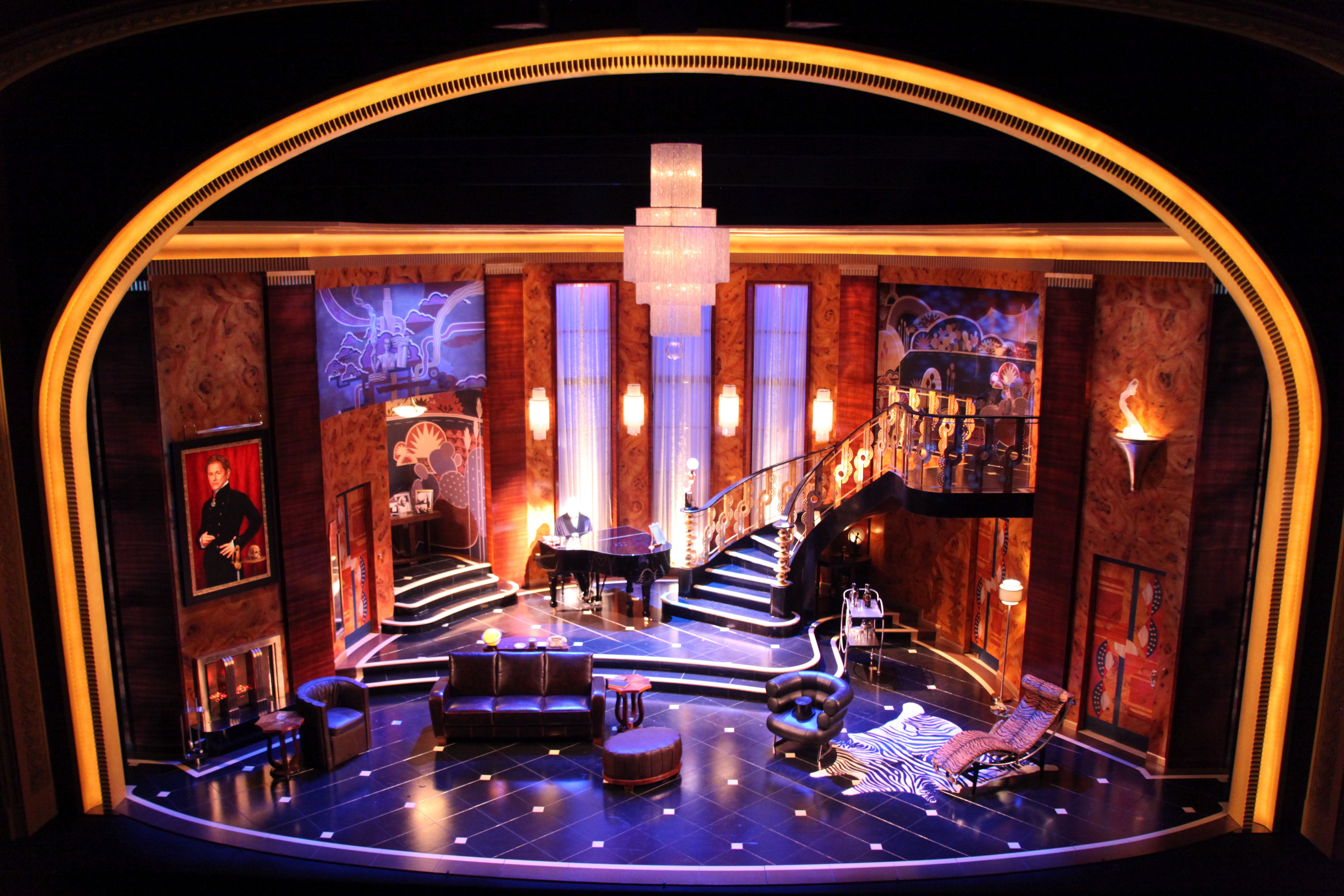
TV single set stage play
Why the name?
The metaphor evokes a ship in a bottle: compact, self-contained, and carefully constructed. A bottle episode holds its world tightly, making everything inside visible and examinable. Producers like the form because it offers savings; writers like it because constraints spark invention; audiences often love it because it provides concentrated time with characters they care about.
A Short History and Evolution
From stage to studio
Bottle-like storytelling existed as long as constrained drama itself. Early television, often studio-bound and live, naturally produced many single-set stories. As production values rose and location shooting became standard, bottle episodes evolved into a deliberate choice rather than a logistical necessity. By the 1980s and 1990s, shows began to use them as creative palate cleansers — budget reprieves that also deepened character arcs.
Notable uses across genres
Comedy and drama have both found value in the bottle. Sitcoms exploit the comedic friction of forced proximity; dramas use the form to magnify moral dilemmas or psychological pressure. The constraints translate differently but productively depending on the genre, which is why the form appears everywhere from multi-camera network comedies to prestige single-camera dramas.
Why Creators Choose Constraint
Budget, schedule, and creative opportunity
On the surface, the incentive is practical: episodes that keep cast and crew on the home set reduce travel, guest-star fees, and production complexity. But beyond the ledger, bottle episodes are creative gold. Constraints force writers to focus on what the series does best: character, tone, and the relationships viewers return for. With fewer moving parts, a single moment can be stretched or dissected; a single conversation can carry the weight of an entire arc.
A laboratory for experimentation
Many writers use a bottle episode to experiment with form. Because the stake is lower on budget and scheduling, showrunners will test unusual structures, long single takes, theatrical blocking, or tonal shifts that would be riskier elsewhere in a season. In this sense, the bottle becomes a controlled environment where an idea can be proven before it's used on a larger scale.
Anatomy of a Successful Bottle Episode
1) A compelling inciting situation
A bottle episode succeeds or fails based on its premise. The setup must be narrow enough to justify confinement and compelling enough to sustain the runtime. Whether it's an argument that can't be escaped, a stuck elevator, a locked-down workplace, or a dinner gone wrong, the inciting situation creates the pressure that drives the narrative.
2) Escalation within limits
Without a parade of locations or guest arcs to change the pace, a bottle episode must escalate tension internally — through revelations, shifting alliances, or rising stakes. Writers can use time compression, countdowns, or gradually revealed secrets to keep momentum. The challenge is to make escalation feel organic rather than manufactured.
3) Performance and dialogue take center stage
Because plot mechanics take a backseat, script and acting carry the episode. Strong dialogue, layered subtext, and nuanced performances reward the viewer with an intimacy rarely possible during sprawling, effects-heavy episodes.
4) Precision in visual and sound design
Even when everything happens in one room, showrunners use camera movement, framing, lighting, and sound to shape the audience's experience. A single camera tracking shot can create cinematic breadth in a constrained space; lighting can reflect emotional shifts. Thoughtful design ensures the episode feels vibrant, not claustrophobic.
Memorable Examples and How They Work
Community: Cooperative Calligraphy
An episode that hinges on a missing pen becomes an arena for resentment, jealousy, and honesty. The show uses sitcom timing and rising frustrations to reveal cracks in the study group's dynamic, turning a simple premise into a piece of character archaeology.
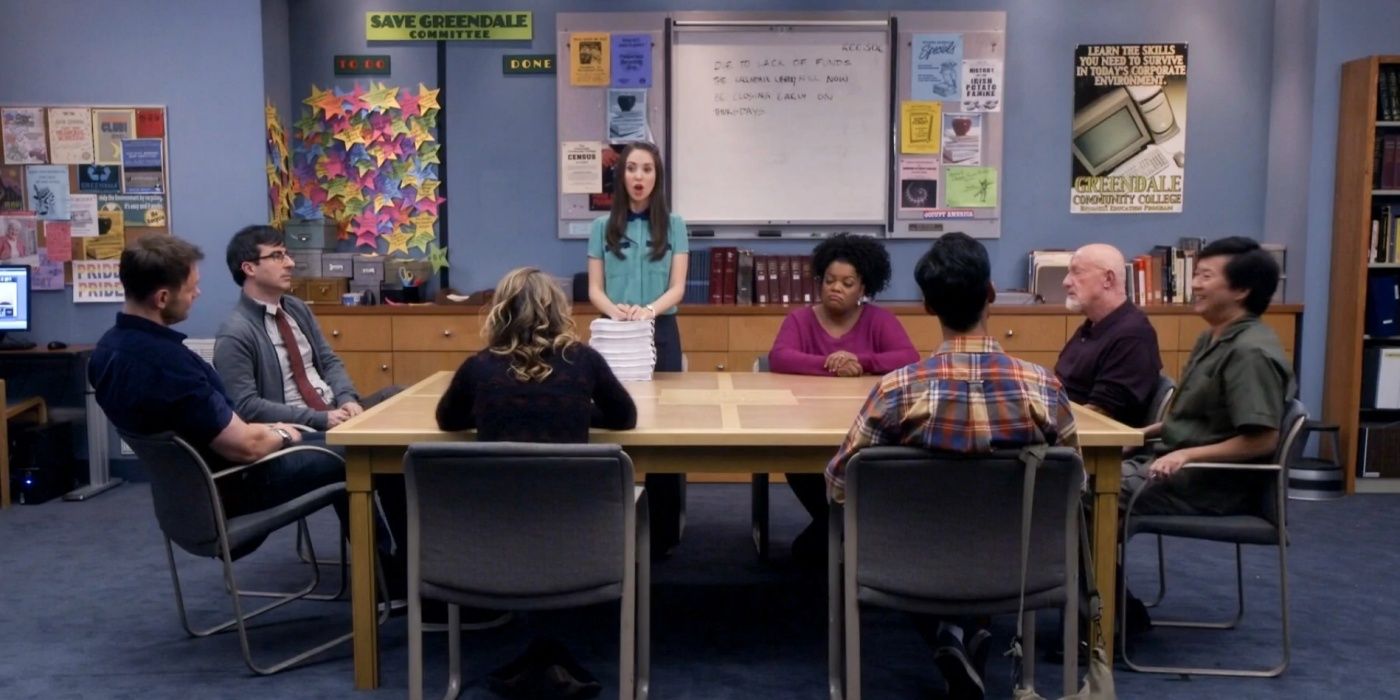
Community study room bottle episode
Breaking Bad: Fly
Here, the confined space becomes psychological. Two characters stuck in a meth lab chase a fly, and the insect becomes a catalyst for confession and obsession. The episode leans into mood and performance over plot, and because of that, it offers a rare glimpse into its characters' inner turmoil.
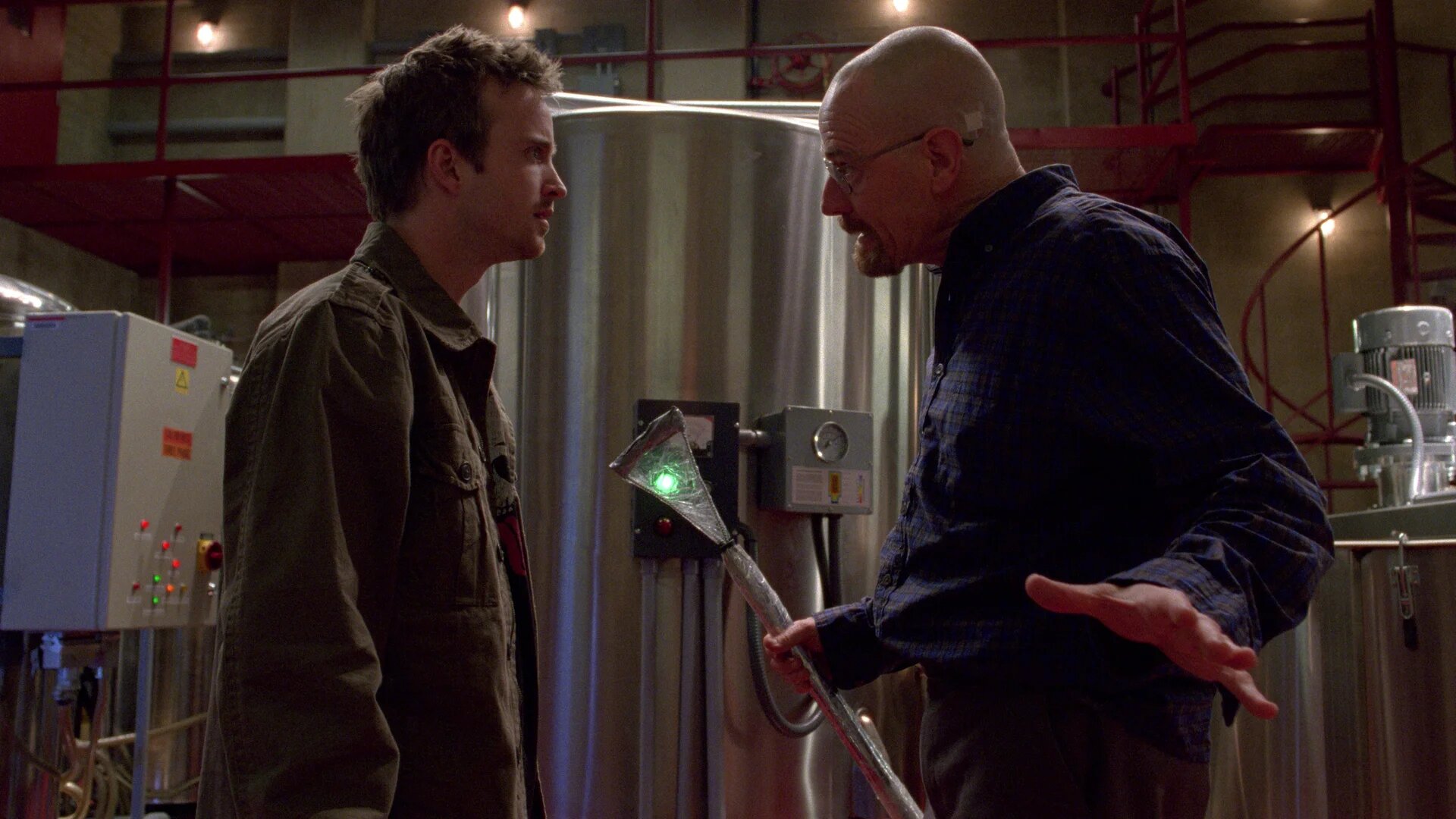
Breaking Bad Fly episode lab
Friends: The One Where No One's Ready
In a half-hour sitcom, a simple problem — getting dressed for an event — spirals into comedy of manners, ego, and competitive absurdity. The episode demonstrates how real-time urgency and interpersonal rivalries can sustain laughs without leaving the apartment set.
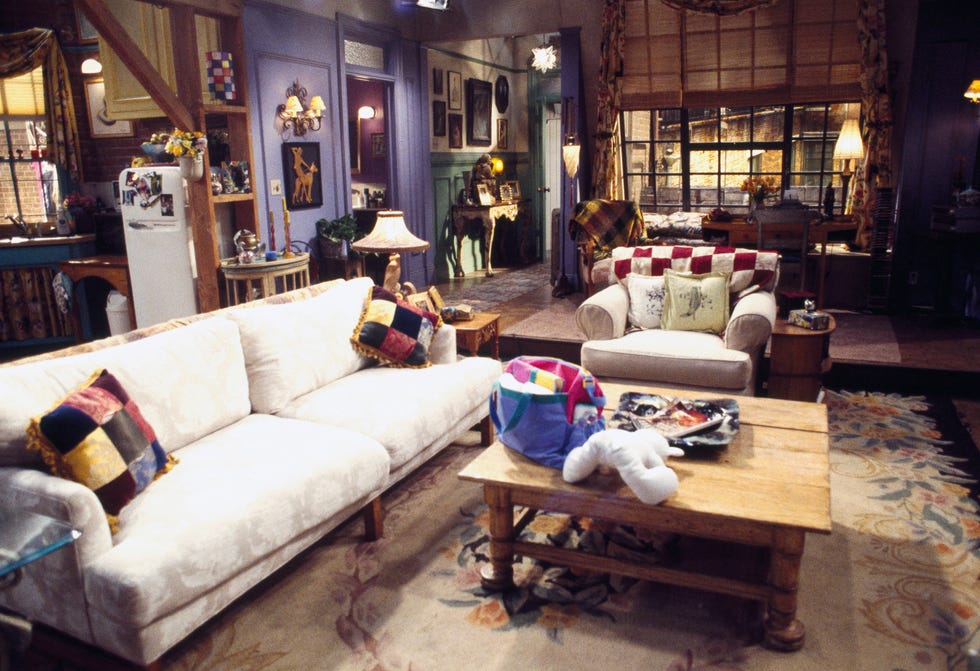
Friends apartment set bottle episode
Seinfeld: The Chinese Restaurant
A landmark in sit-down, observational comedy, this episode turns the mundane into suspense as the characters wait for a table. The escalating frustration and deadpan observation create humor from angle and timing rather than plot advancement.
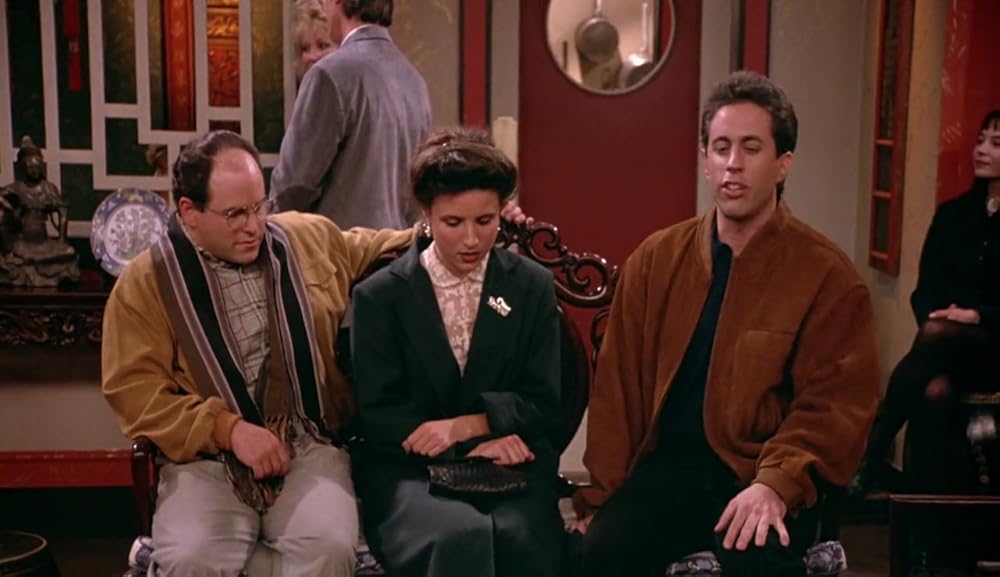
Seinfeld Chinese restaurant episode
What Bottle Episodes Reveal About a Series
Character stakes and relationships
Because the backdrop is stripped away, bottle episodes often expose the core of a show: who these people are to each other. Viewers see unvarnished responses, private grievances, and moments of tenderness that might get lost in a more traditional episode.
Tone and authorship
These episodes can also reveal a showrunner's confidence. A risky bottle episode signals trust in the series' voice. If it lands, it can become emblematic of the show — the episode fans point to when describing why a series feels unique.
- Character focus: Deepens relationships and arcs.
- Cost-effective: Saves production resources.
- Creative testing ground: Safe space for experimentation.
- Risk of stagnation: Without strong writing, scenes can feel repetitive.
- Audience expectations: Viewers seeking plot movement may feel stalled.
Practical Tips for Writers and Directors
1. Clarify the emotional objective
Before writing a bottle episode, identify what you want the audience to learn or feel about these characters. The confined premise should serve that objective, not the other way around.
2. Vary rhythm and beats
In a single space, rhythm is everything. Alternate long beats with quick exchanges, and allow silence to function as a character beat. Staging and blocking can create visual variety without changing location.
3. Use the environment
The set should be more than a backdrop. Props, exits, and sightlines become tools. Even small physical actions can become revealing character choices.
4. Consider camera as participant
Purposeful camera movement can turn a static scene into a kinetic experience. Single-take experiments or long tracking shots can build immersion when done with intention.
Common Misconceptions
It's not just cheap filler
While bottle episodes are economical, the best are far from lazy. They require precision and confidence. A cheap production can still waste opportunity; a well-crafted bottle episode leverages its limits to create meaning.
They don't always have to be serious
Comedy and drama use the format differently, but both can yield indelible television. Humor can flourish in the tension of proximity just as drama can in escalating small stakes.
A bottle episode is a magnifying glass: everything inside grows clearer.
Conclusion: The Lasting Value of Bottled Stories
Bottle episodes are reminders that television's core is human connection. In an era of blockbuster effects and serialized complexity, they are compact proofs that a handful of characters in a single room can be as compelling as an army of extras and CGI vistas. For creators, they are practical and artistic tools; for audiences, they offer rare closeness to characters and craft. When done thoughtfully, a bottle episode becomes more than a budgetary decision — it is an act of faith in the script, the performers, and the power of constraint.
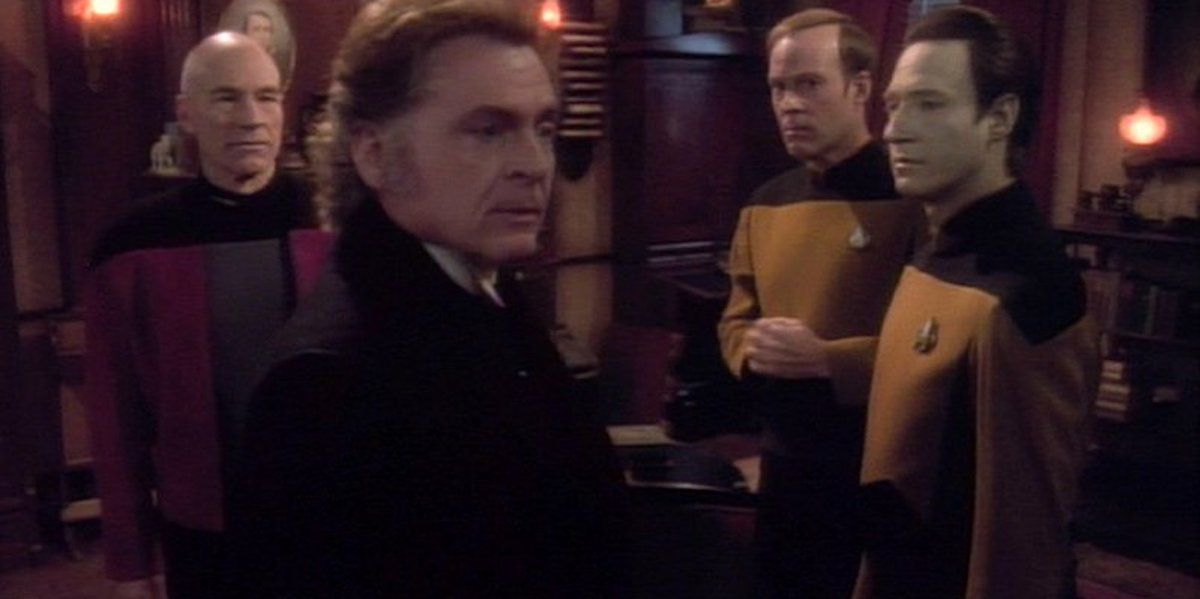
Star Trek The Next Generation bottle episode
- Bottle episodes use limits to highlight character and performance.
- They are both economical and creatively liberating.
- A successful bottle episode relies on strong premise, escalation, and design.
This article examines the form, craft, and cultural place of bottle episodes in television storytelling.