
What's Happening When My Cat Vocalizes, Twitches or Rolls?
The sudden wailing, the strange pulsing of a whiskered face, the awkward rolling on the floor — when these things happen, even calm cat owners feel alarmed. These behaviors can range from harmless (a theatrical attention-seeking episode) to life-threatening (seizures, toxin exposure, or severe pain). The good news is that by watching closely, recording the episode, and knowing which clues matter, you can often narrow the possibilities and get your cat the right help quickly.

cat facial twitching close up
How to Observe: What Details Matter Most
When you witness an episode, the single most valuable thing you can do is observe and record — ideally on your phone. Your veterinarian will get far more useful information from a 30-second video than from a frantic description afterward. Focus on these details:
- Duration: Seconds, a minute, or many minutes?
- Level of consciousness: Is your cat responsive to you or oblivious to your voice/touch?
- Body position: Rigid, paddling legs, rolling, or simply leaning and meowing?
- Facial movements: Twitching, lip-smacking, drooling, or eye deviation?
- Breathing: Is it labored, normal, or paused?
- Post-episode behavior: Confusion and disorientation (post-ictal), or immediate return to normal?
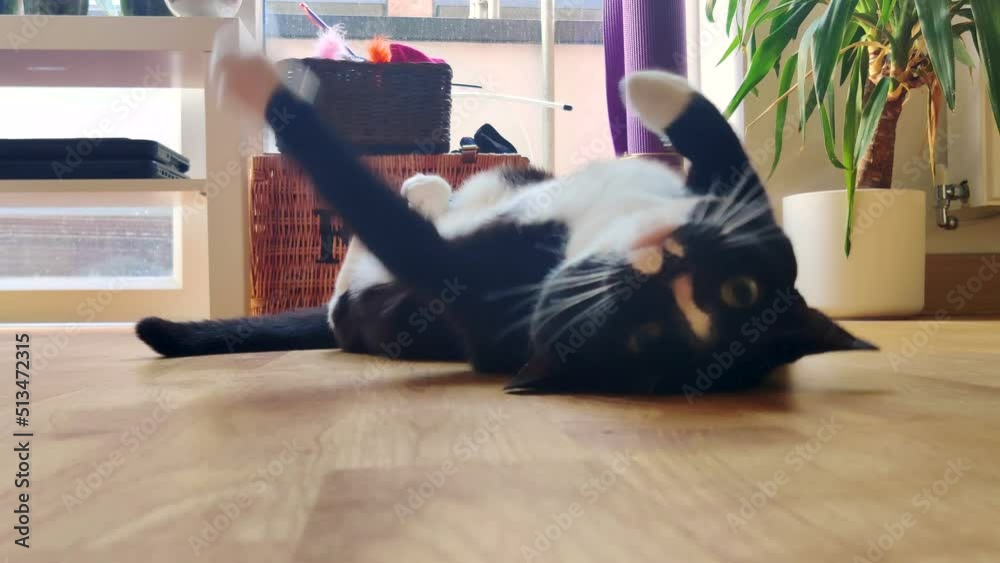
cat rolling on floor
Major Causes — What These Signs Might Mean
1. Seizures (Focal or Generalized)
Seizures in cats can be generalized (affecting the whole body) or focal (limited to one part, like the face). Facial twitching and rolling can be focal seizures; distressed vocalization sometimes accompanies them. Classic seizure features include sudden onset, abnormal motor activity (twitching, paddling), loss or alteration of consciousness, and a post-ictal phase marked by confusion, disorientation, or temporary blindness.

cat distressed vocalization
Common causes of seizures include idiopathic epilepsy, metabolic disease (low blood sugar, liver problems), toxins (e.g., insecticides or certain human medications), structural brain disease (tumor, stroke), and inflammatory disease (meningoencephalitis).
2. Pain — Especially Dental or Neuropathic
Acute, severe pain can produce distressed vocalization, head shaking, and facial twitching. Dental disease is a common and underappreciated cause: an infected tooth, oral ulceration, or abscess causes intermittent facial muscle responses and persistent calling out. Neuropathic pain (nerve irritation) or otitis (ear disease) may also produce twitching localized to the face.
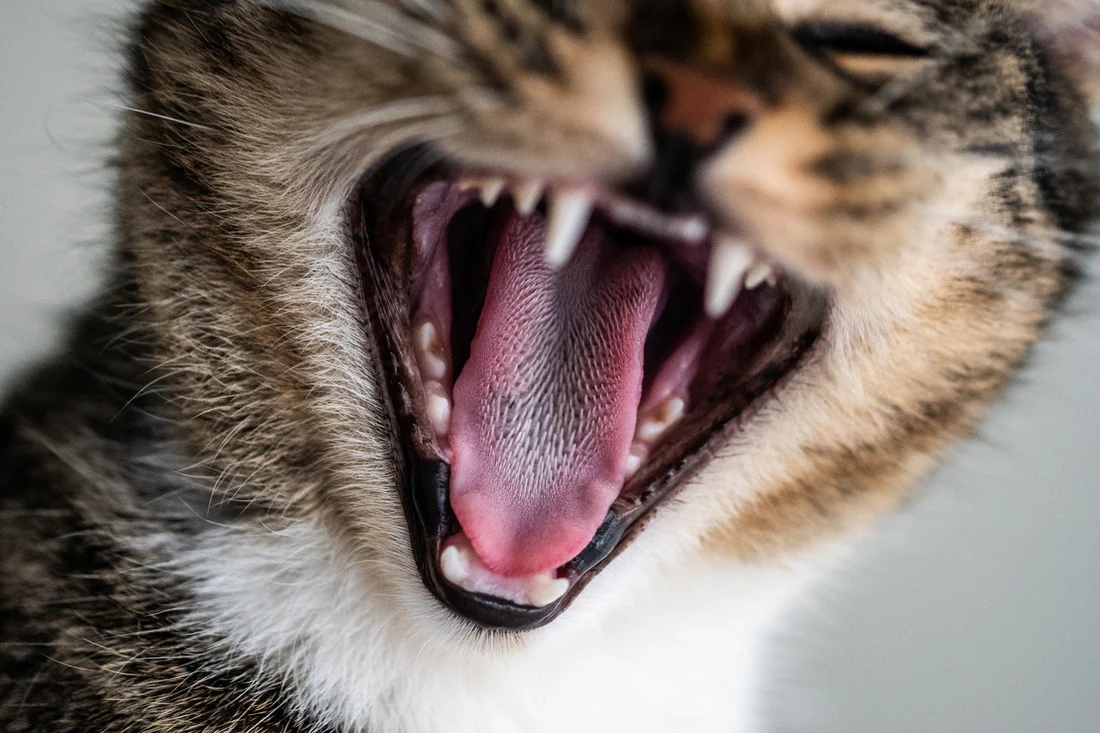
cat with dental pain
3. Vestibular Disease
Vestibular disease affects balance and orientation. Affected cats may roll, tilt their head, circle, have rapid involuntary eye movements (nystagmus), and sometimes vocalize out of confusion or distress. Vestibular episodes can be peripheral (inner ear) or central (brainstem) in origin, the latter being more serious.

cat vestibular disease rolling
4. Anxiety, Fear or Attention-Seeking
Not all vocalization is medical. Anxiety, panic, or urgent attention-seeking in social contexts can produce loud, repetitive vocalization and even frantic body movements including rolling if the cat is overstimulated. Cognitive dysfunction in older cats can also lead to night-time vocalizing and wandering.
5. Toxic Exposure
Many household toxins — certain plants, human medications, rodenticide, insecticides, or household chemicals — can cause tremors, twitching, vocalization, and collapse. These situations are emergencies and require immediate veterinary or poison-control guidance.
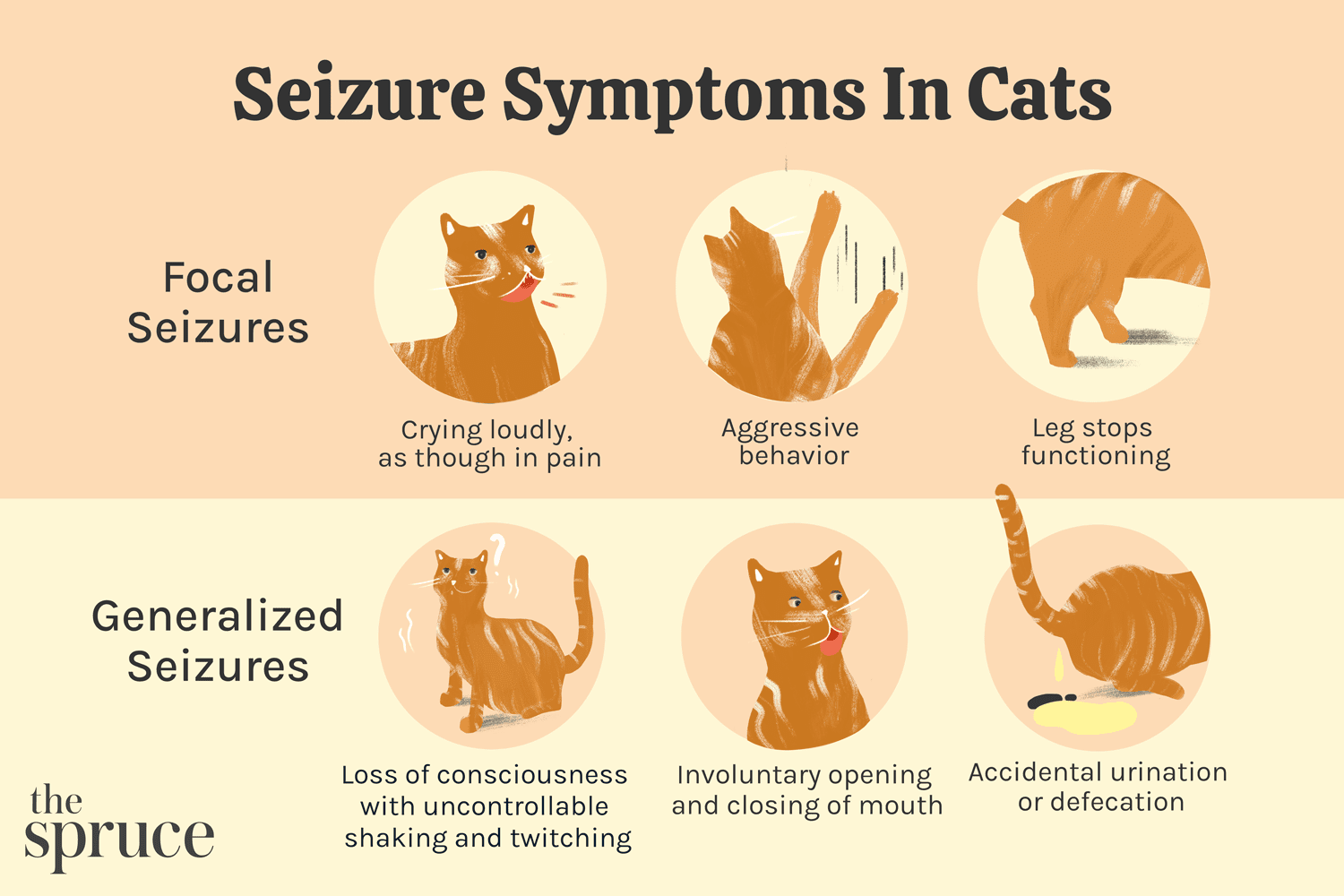
cat seizure symptoms
Differentiating Seizure from Other Episodes
It can be hard to tell a seizure from a non-seizure episode. Use this quick guide:
| Clue | Seizure | Pain/Agitation/Vestibular |
|---|---|---|
| Consciousness | Often decreased or absent during event | Usually preserved or variable |
| Motor signs | Rhythmic paddling, symmetric twitching | Asymmetric head tilt, targeted face twitching |
| Duration | Seconds to a few minutes; clusters possible | Can be prolonged; may wax and wane |
| Post-event | Post-ictal disorientation common | Often returns to baseline quickly |
What to Do Immediately — Practical First Aid
Stay calm. Your behavior influences your cat. Take these steps:
- Keep your distance but supervise: Allow space if the cat is thrashing; avoid being bitten or scratched.
- Record video: Prioritize a clip showing the full event and a few seconds before and after.
- Time it: Start and stop a timer; note how long breathing, movement, and vocalizing last.
- Clear hazards: Move sharp objects away; cushion the cat's head if possible.
- Do not restrain tightly: This can worsen stress and injury.
- Check airway/breathing after the event: If breathing is compromised, seek emergency care immediately.
What Your Veterinarian Will Ask and Test
Be ready with observations and video. Expect a thorough approach:
- History: Onset, frequency, triggers, medications, access to toxins.
- Physical and neurological exam: Looking for focal deficits, ear disease, dental pain, or masses.
- Basic diagnostics: CBC, serum chemistry, blood glucose, thyroid level in older cats, urinalysis, and blood pressure.
- Advanced tests: Imaging (skull X‑rays, MRI/CT) if a structural brain lesion is suspected; abdominal ultrasound if systemic disease is suspected; and in rare cases cerebrospinal fluid analysis.
- Specialized tests: EEG is rarely available but can help characterize seizure type.
Treatment Options Depending on Cause
Treatment targets the underlying cause where possible:
- Seizure control: Acute treatment with benzodiazepines in emergencies; long-term therapy may include phenobarbital or levetiracetam under close monitoring.
- Pain management: Dental treatment, antibiotics for infection, nerve pain medications like gabapentin, and multimodal analgesia.
- Vestibular care: Supportive therapy, anti-nausea medication, and treating inner ear infection if present.
- Toxin management: Decontamination, activated charcoal when appropriate, and intensive supportive care.
- Anxiety/cognitive interventions: Environmental enrichment, routine stabilization, pheromone diffusers, and behavior-modifying medications when needed.
When to Head to the Emergency Clinic
Go to emergency care if you observe any of the following:
- Seizure activity lasting more than 5 minutes.
- Two or more seizures without full recovery in between.
- Difficulty breathing, pale gums, collapse, or continuous vocalization that does not resolve.
- Known or suspected toxin ingestion.
- Severe head trauma preceding the episode.
Long-Term Monitoring and Prevention
After the acute phase, follow-up is crucial. Keep a diary with dates, times, duration, and triggers. Consider these preventive practices:
- Secure the home against access to toxins and dangerous plants.
- Maintain regular dental check-ups and cleanings.
- Keep chronic illnesses (thyroid, kidney, hypertension) under regular veterinary management.
- Use environmental enrichment to reduce stress-induced episodes: predictable routines, hiding spots, interactive play, and vertical space.
Video can be the difference between a correct diagnosis and repeated, unnecessary suffering for your cat.
Prognosis — What to Expect
Prognosis depends entirely on the cause. Cats with treatable causes (dental abscess, controlled metabolic disease) often recover fully after correct therapy. Idiopathic epilepsy can often be managed with medication, though some cats require lifelong treatment. Central nervous system diseases like tumors or severe inflammatory disease may carry a guarded to poor prognosis, depending on severity and response to treatment.
Final Steps: How to Prepare for the Vet Visit
Before your appointment:
- Save videos and bring any prior medical records.
- List all medications, supplements, and recent changes at home.
- Note weight changes, appetite, litter box habits, and any other odd behaviors.
During the visit, be honest and calm; your vet will guide diagnostics efficiently if they have good history and clear video.
- Distressed vocalization, facial twitching and rolling have many causes; observation + video is critical.
- Seizures are time-sensitive; >5 minutes or clustered seizures require emergency care.
- Many causes are treatable — dental disease, toxin exposure, vestibular and metabolic disorders — so prompt veterinary evaluation matters.
- Long-term management may include medication, behavior modification, and environmental changes.
Closing Thought
Seeing a beloved cat upset, twitching or rolling is frightening, but your careful observations, timely video, and swift action make a profound difference. With the right tests and treatment, many cats return to comfortable, affectionate lives — and you gain peace of mind knowing you did everything possible.