Oracle Cuts 30,000 Jobs as Banks Retreat from AI Data Center Financing
Oracle’s decision to cut 30,000 jobs — a dramatic pruning by any standard — arrives at the intersection of two tectonic shifts: the scramble to build generative AI capacity and a sudden reappraisal among lenders about the risk and returns of funding the build-out of hyperscale data centers. What reads as a headline about workforce reductions is also a window into capital markets, corporate strategy, and the economics of modern computing. This feature digs beneath the announcement to explain why banks are stepping back, what that means for Oracle and its peers, and how companies, customers, and workers will likely navigate the months ahead.

Oracle headquarters building
A Corporate Reset: Context for the Layoffs
For decades Oracle’s brand has been synonymous with enterprise databases, integrated hardware, and high-margin corporate software. Over the last decade the company has aggressively repositioned itself: investing in cloud infrastructure, buying specialist firms, and pitching its stack to enterprises migrating from on-premise systems. The pivot to cloud and AI is capital intensive, and with customers demanding access to GPUs and specialized AI silicon, infrastructure providers have raced to expand capacity.
When a company of Oracle’s scale announces a workforce reduction of this magnitude, it reflects multiple vectors — the need to cut operating costs, the desire to redirect investment, and the reality that some planned growth projects may have become untenable without external financing. For employees, the change is immediate and personal; for investors and customers, it raises questions about product roadmaps, support continuity, and strategic priorities.
Oracle layoffs announcement
Why Banks Are Pulling Back from Financing AI Data Centers
1) Capital intensity and concentration of risk
AI data centers require vast upfront capital for land, power, cooling, racks, and especially compute hardware such as racks of GPUs and storage systems optimized for large model training. Those costs are large and lumpy: an expansion that looks sensible on a demand curve can quickly become risky if demand growth slows, GPU prices fall, or a single large customer cancels or delays contracts. Banks — particularly traditional commercial lenders and even some investment banks — have limited tolerance for concentrated, asset-heavy exposures, especially when the recovery corridor is uncertain.
Oracle AI data center
2) Interest rates, liquidity and risk appetites
Higher interest rates and market volatility reduce banks’ willingness to extend long-term project financing. Where once lenders might have been comfortable providing multi-year loans tied to predictable enterprise IT contracts, the perceived volatility of AI infrastructure returns makes those loans less attractive. Financing deals that assume fast adoption or premium pricing for compute hours become vulnerable if the market shifts toward commoditization.
3) Technology risk and rapid obsolescence
Hardware for AI moves quickly. A fleet of GPUs can be technologically outmatched within a year or two by new silicon from chipmakers. Lenders are wary of asset obsolescence: their collateral may not hold near-term value if architectures change or if a vendor-specific stack loses market share. This rapid pace of change complicates underwriting and damages banks’ comfort with long-dated, heavy-capital facilities concentrated in a single industry.
4) Regulatory and environmental scrutiny
Large data centers attract attention for energy consumption and carbon footprint. As policymakers and corporate customers push sustainability agendas, financing for facilities without clear green power contracts or emissions mitigation strategies can be harder to justify. Banks tracking environmental, social, and governance (ESG) mandates face reputational and regulatory risks when lending to high-energy projects without credible transition plans.
How This Financing Retreat Pressure Translates to Job Cuts
When capital dries up or becomes more expensive, companies recalibrate. Growth plans get paused, new construction projects are shelved, and operating budgets tighten. For a company like Oracle, which straddles software, hardware, and cloud services, the dominoes can fall across multiple teams: data center construction crews, hardware operations, sales teams tasked with building new enterprise deals, and supporting engineering functions.
Cutting 30,000 roles may be framed as efficiency, but it is also a reallocation of finite resources. The company must prioritize where it spends — whether to protect margins in existing product lines, accelerate R&D for proprietary AI tooling, or maintain capital reserves in the face of uncertain debt markets.
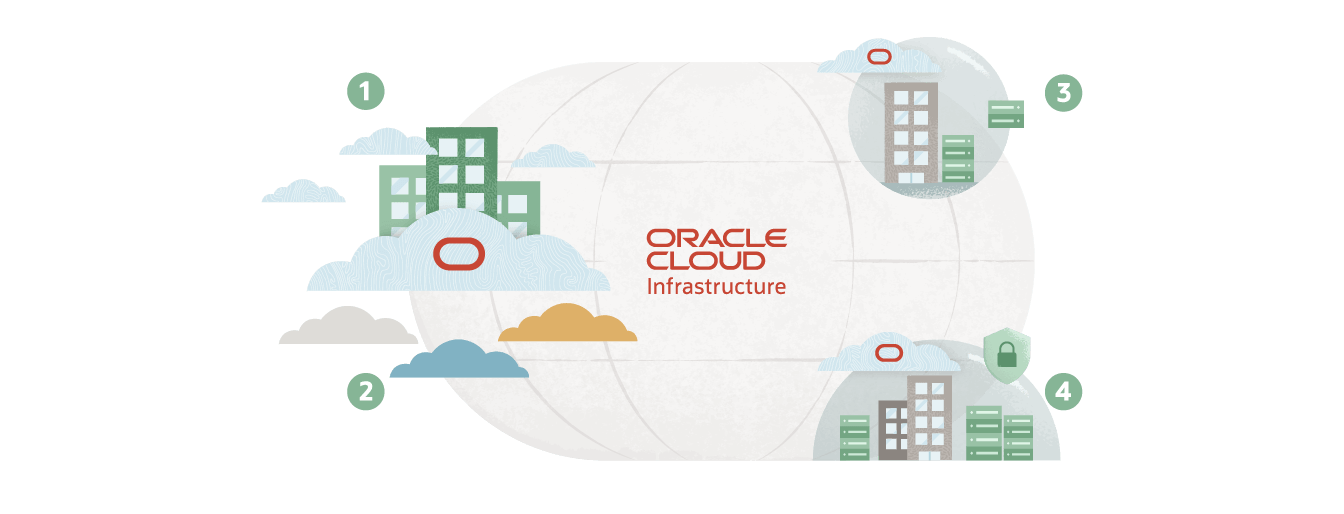
Oracle Cloud Infrastructure
These layoffs are not just a cost exercise; they're a strategic pivot in a capital-intensive candidacy for the future of AI infrastructure.
Wider Market Implications
Consolidation and slower growth in new capacity
With banks stepping back, expect a slowdown in the rapid expansion of new data center capacity by traditional cloud and infrastructure players. Smaller, regional operators may find it particularly hard to raise the capital needed to scale. The near-term outcome could be slower supply growth, which might bolster pricing for existing providers — but only if demand continues to outpace the now-slower supply expansion.
Shift to alternate finance sources
Not all financing will disappear. Sovereign wealth funds, private equity, large tech vendors, and specialized infrastructure funds have the scale and return expectations to step in. Corporates may turn to vendor financing (where hardware suppliers provide loans), sale-leaseback arrangements for real estate, or longer-term offtake agreements with anchor customers to secure capital. These options are typically more expensive or come with stricter covenants than traditional bank debt.
Potential acceleration of on-prem or hybrid solutions
If cloud providers slow new builds, some large enterprises that prefer proximity or control may accelerate on-prem deployments or hybrid architectures. This could open opportunities for hardware vendors and systems integrators — though scaling and managing these deployments remain nontrivial for many firms.
What This Means for Customers and Competitors
Customers will have questions: Will capacity be available when needed? Will pricing stabilize or rise? How secure are long-term roadmaps for products tied to Oracle’s cloud and hardware strategy? Competitors will watch closely for openings: narrower supply may increase demand for alternative providers, while instability at one large vendor can invite poaching of clients and talent.
For enterprise customers, diversification becomes more than a buzzword — it becomes a risk management strategy. Multi-cloud contracts, careful capex planning, and reevaluated SLAs for AI compute are likely to become standard operating procedures for large corporate AI adopters.
Human Cost and Organizational Consequences
Layoffs of this scale inflict immediate hardship. Beyond job loss, there are ripple effects: reduced morale among remaining staff, slower product development cycles, and potential knowledge drain as experienced engineers and managers depart. For affected workers, outcomes depend on severance offers, re-employment support, and the health of local labor markets — particularly in regions where the company has concentrated operations.

Oracle layoffs employees
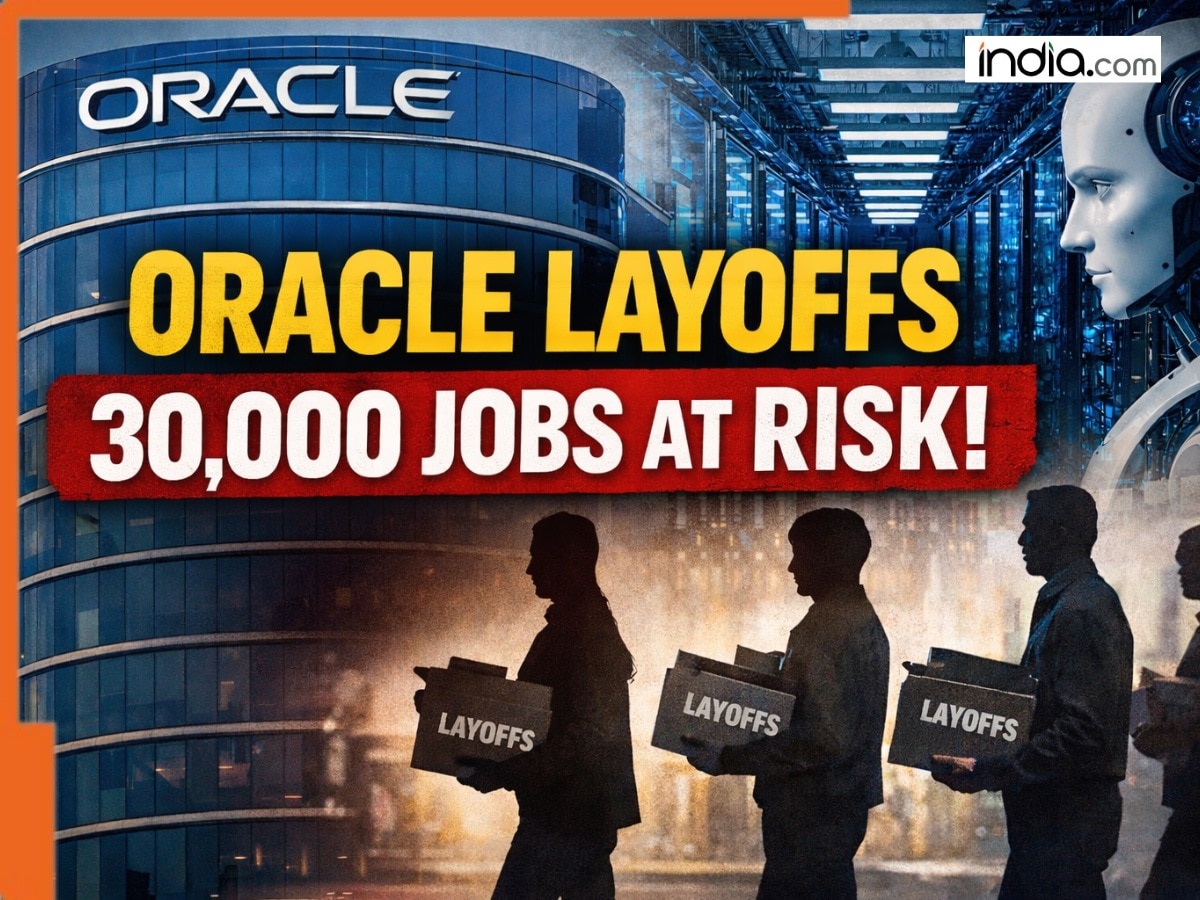
Oracle job cuts 30000

Oracle layoffs severance
Alternatives and Strategic Options for Oracle
Lean into differentiated software and services
Oracle can emphasize higher-margin software offerings, proprietary databases, and managed services that don’t require the same upfront capital intensity as building new data centers. Strengthening recurring revenue streams reduces exposure to cyclical capex and can make the business more resilient to financing swings.
Partner and hybrid strategies
Building partnerships with hyperscalers, equipment vendors, and financing partners can spread risk. Hybrid offers — letting customers run workloads on existing cloud or on-prem hardware while Oracle manages the software layer — could preserve customer relationships without requiring Oracle to be the sole builder of new physical capacity.
Targeted investment and modular infrastructure
Instead of greenfield megaprojects, Oracle could invest in modular, containerized infrastructure that scales incrementally. Modular builds reduce single-project capital exposure and allow demand-led expansion that’s easier to finance and adjust.
Geopolitics, Supply Chains, and the Future of AI Infrastructure
Global tensions and trade restrictions affect where companies build data centers and source components. Shifts in semiconductor policy, export controls, and logistics costs can alter the economics of large AI installations. Lenders consider these factors when underwriting long-term projects; uncertainty here compounds the reluctance of banks to provide financing.
The intersection of capital markets and geopolitics will increasingly shape where and how AI infrastructure is built.
Short-Term Outlook and What to Watch
In the short term, expect three observable trends: (1) slower announcements of new hyperscale AI campuses, (2) growth in alternative financing vehicles and strategic partnerships, and (3) heightened focus on cost controls and efficiency within major vendors. Watch for signals in corporate earnings calls: how companies describe capital plans, partnerships, and pricing for AI compute will reveal how the sector adapts.
Conclusion: A Market Rebalancing, Not an End
The simultaneous narrative of major layoffs and a pullback by banks from financing AI data centers is less a terminal crisis and more a clearing of market excesses. Capital markets are recalibrating the price of risk for an industry that has moved from speculative fever to a more sober assessment of costs, returns, and externalities. For Oracle, the choice is to use this moment to become leaner and more focused, or to risk ceding ground to rivals who can secure alternative financing and scale on different terms.
- Capital squeeze: Banks’ retreat increases the cost and complexity of financing new AI data centers.
- Strategic pivot: Large tech firms may shift investment to higher-margin software and modular infrastructure.
- Market impact: Slower supply growth could stabilize pricing but also slow capacity expansion.
- Human toll: Mass layoffs create immediate personal and organizational challenges that can harm long-term innovation.
- Alternatives: Expect private funds, sovereign capital, and vendor financing to play larger roles.
Final Thought
If this episode teaches anything, it is that the maturity of the AI infrastructure market will be decided not only by chips and software but by the capital structures that undergird them. When financiers rethink the rules, companies must adapt their strategies, employees must prepare for change, and customers must reassess how they procure compute — all in service of an industry still finding stable footing after an era of unchecked expansion.