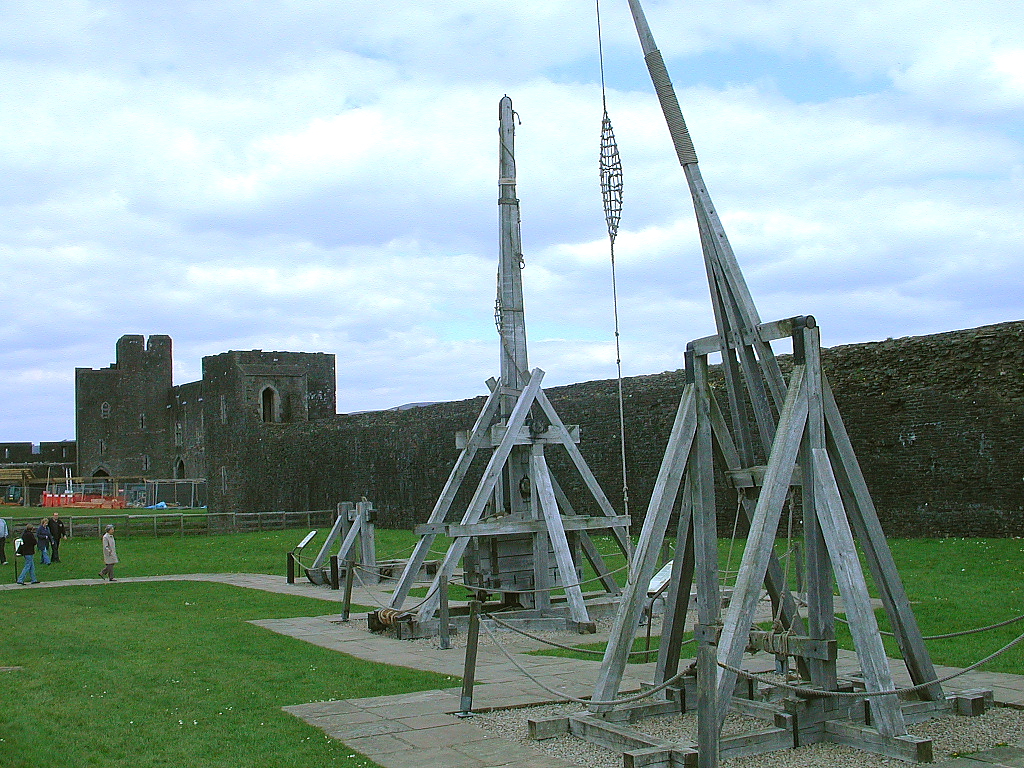
Why Medieval Castles Prioritized Defense Over Comfort
The image most of us carry of a castle—soaring turrets, a cozy great hall, tapestries and servants—belongs as much to romance as to reality. Medieval castles were first and foremost tools of power designed to stop armies, control territory and deter rebellion. Comfort, when it appeared at all, was an afterthought. This article traces how military necessity dictated castle form, how people adapted to harsh conditions, and how castles gradually softened into palaces as political and technological pressures changed.
A castle’s architecture answers a single question: how do you make a place impossible to take?
THE PRAGMATICS OF DEFENSE: WHY FORTRESS FIRST
Castles emerged in a period when local lords needed to hold land, collect taxes and defend it against rivals. The early medieval answer—wooden palisades on earthworks, known as motte-and-bailey forts—prioritized speed of construction and tactical advantage. Stone replaced wood where resources and threat levels demanded permanence. Every measured decision in location, plan and material answered military logic: sightlines for surveillance, height for archery range, thick walls to resist battering and projectiles.
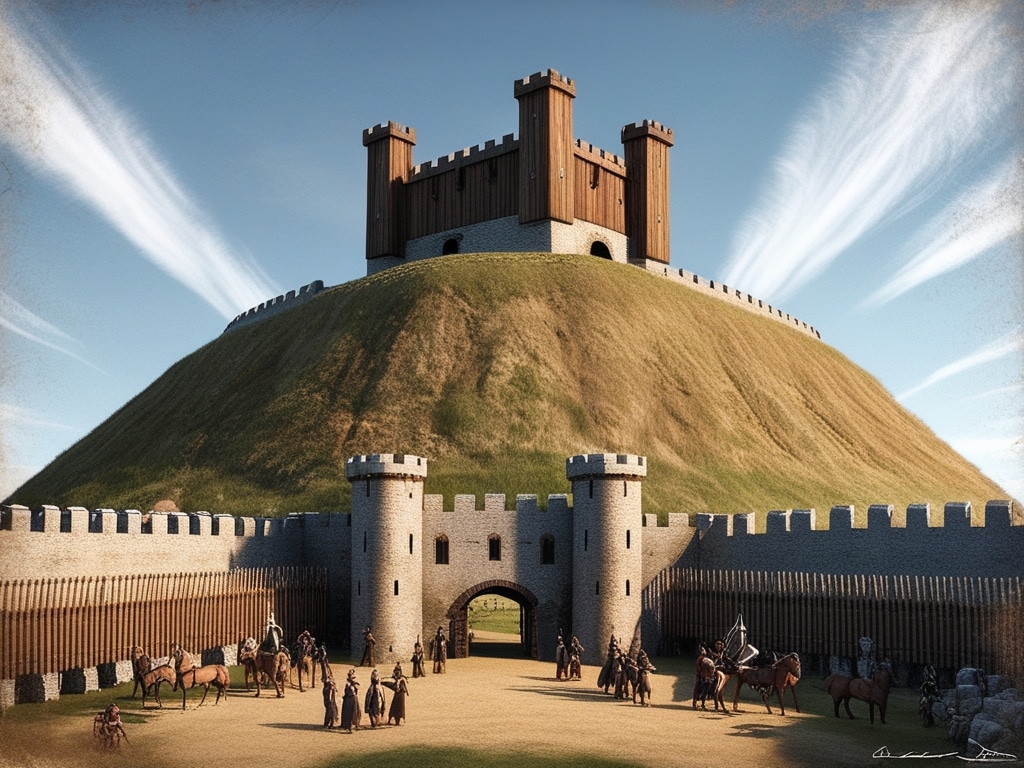
motte-and-bailey castle
Location and Lines of Sight
Strategic siting often trumped human convenience. Castles were placed on promontories, river bends, or ridgelines where natural terrain multiplied their defensive value. A steep hillside or river below could substitute for dozens of laborers building artificial defenses. The walk from a castle to fertile fields or a market could be long; the view from the battlements mattered more than immediate access to comforts.
Form Follows Function: Thick Walls, Few Windows
Every architectural element sent a message about intent. Narrow arrow slits prioritized fields of fire over daylight. High, narrow windows reduced weak points that enemies could exploit. Thick walls with staggered masonry prevented undermining and absorbed impact. Comfort—the abundance of windows, ease of heating, or aesthetic flourishes—lost out to features that lengthened the time it took an attacker to breach the fortification.
DEFENSIVE FEATURES: HOW CASTLES HELD OFF ARMIES
To understand why castles were uncomfortable, look at the devices built into them. Many of these are staples of military architecture and reveal how designers engineered for delay, attrition and protection.
Curtain Walls and Towers
Curtain walls created the perimeter and were often punctuated by towers placed to cover adjacent stretches of wall with overlapping fields of fire. Towers jutted out to eliminate dead ground at the base of walls, enabling defenders to see and attack anyone trying to scale or undermine the wall. Inside, narrow passages and staircases sacrificed circulation for defensibility—stairs were often steep and difficult to ascend in armor.
Gatehouses, Portcullises and Murder Holes
The gatehouse was the most reinforced and least hospitable part of a castle. Multiple portcullises, murder holes in passageways, and flanking arrow loops turned the act of entering into a trap. Those who built these features were not designing for gracious arrival; they were designing a kill zone to funnel attackers into the samples of concentrated defense.
Moats, Drawbridges, and External Defenses
A water-filled moat or dry ditch added an additional barrier. Drawbridges were hoisted by the garrison, not the convenience of guests. Approaches were designed to be exposed and slow—long causeways, abutments and baffles that invited missiles and kept siege equipment at a distance.
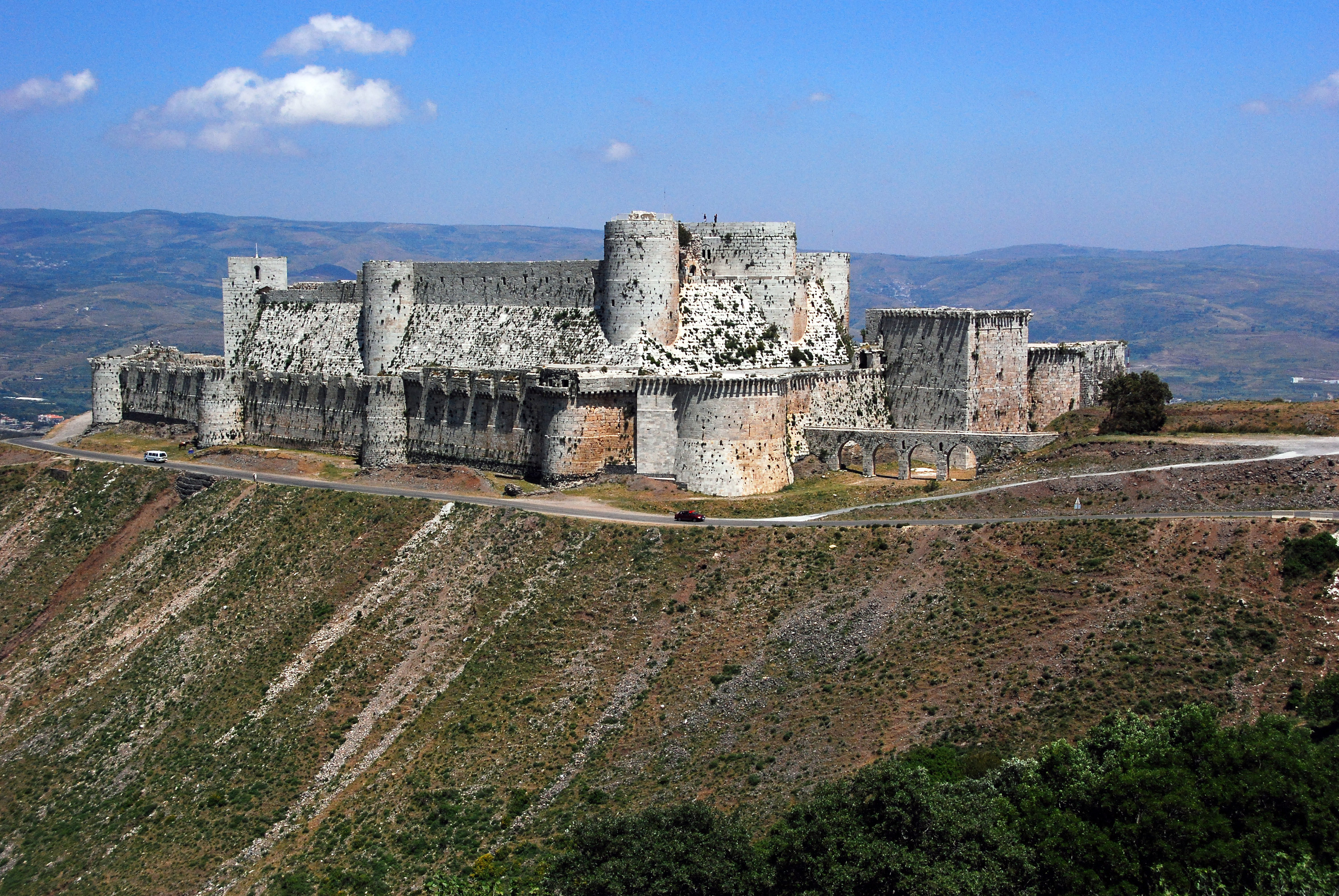
Krak des Chevaliers
LIVING WITH DEFENSE: THE DAILY REALITIES
Life inside a castle reflected its primary purpose. The garrison, the lord and a handful of household servants lived in close quarters with stores, stables and military stores. Heating, sanitation and privacy were all compromised to keep the place defensible.
Cold, Damp and the Limits of Heat
Stone holds and radiates cold. Large rooms with high ceilings were difficult to heat; hearths concentrated warmth around a single area—the great hall—while many private rooms remained chilly. Chimneys were late medieval innovations; earlier castles relied on central hearths and smoke venting through the roof. Stone floors and minimal window area also made interiors darker and damper than later wooden or plastered rooms.
Sanitation and the Scent of Defense
Privacy and modern sanitation did not exist. Privies were often projected over the exterior wall—simple holes or garderobes that emptied into moats or pits. That arrangement improved defense (waste not pooling in interior courtyards) but made living conditions odorous and unsanitary. Clean water was prized and stored carefully; wells were a vital reason some castles survived sieges, and constructing one could be the least comfortable but most strategic act of all.
Overcrowding and the Garrison Routine
When under threat, inhabitants crammed into the most defensible spaces. Barracks or chambers for soldiers were austere; the garrison’s needs—storage for weapons, ready access to parapets—dominated the domestic program. Luxury was concentrated in a few representational spaces where the lord could receive guests and display power, but these were the exceptions rather than the rule.
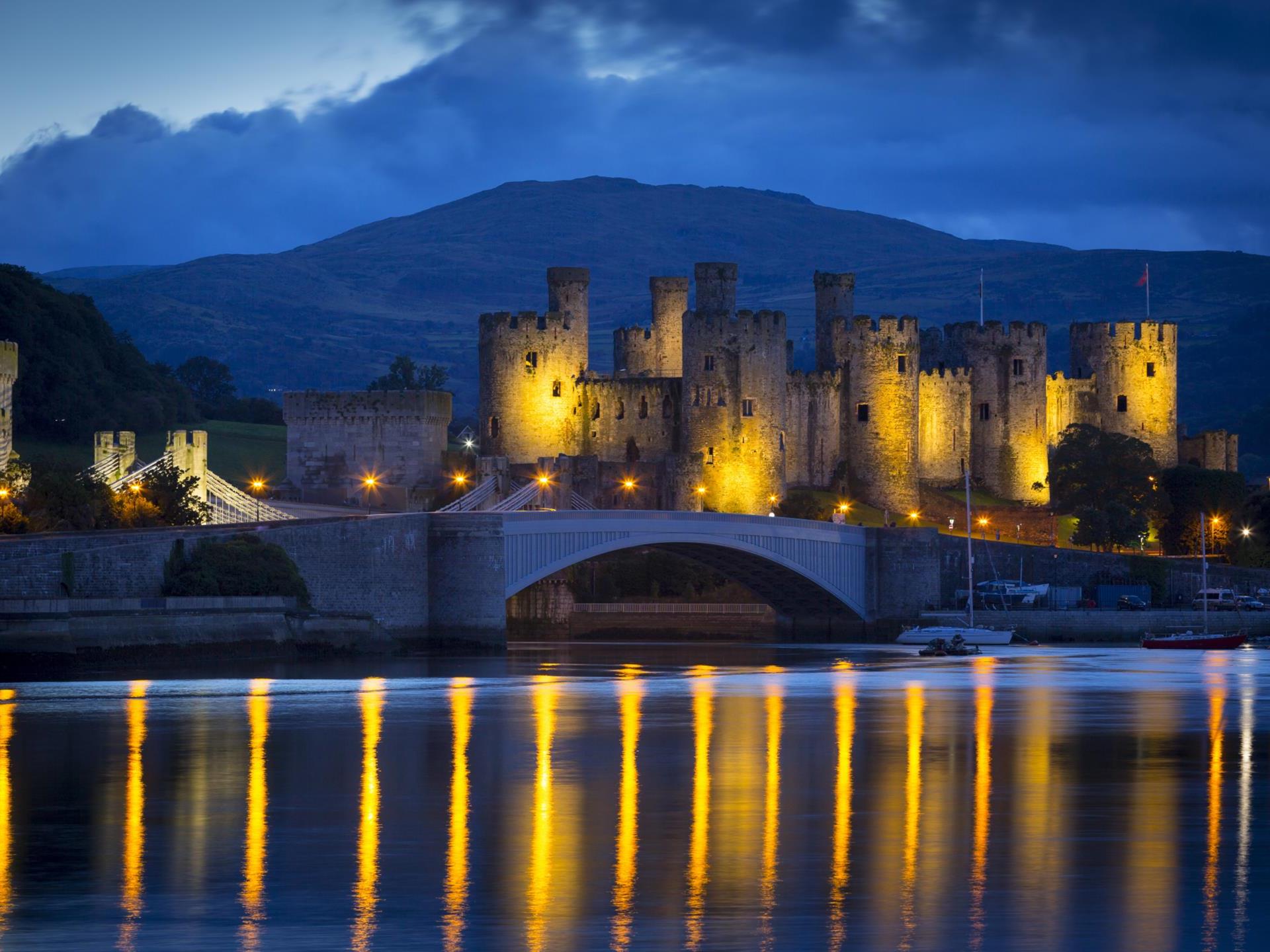
Conwy Castle
SIEGE LOGISTICS: WHY CASTLES NEEDED TO BE BRUTAL
A castle’s whole purpose became apparent during a siege. Attackers sought to starve out the defenders, undermine foundations, or find a weak point. Builders responded by making supplies sequestered, walls thick, and internal movement efficient for defense rather than comfort.
Stores, Granaries, and Wells
Successful defense required stocks of food, water and fodder. Granaries and storage rooms were located to remain serviceable during bombardment; stables were often inside the curtain for similar reasons. The placement of a well could determine whether a castle could withstand a long investment.
Psychological Warfare and the Visual Message
Beyond physical resistance, the imposing silhouette of a castle communicated authority. Tall keeps, menacing gatehouses and visible garrisons were deterrents. A castle that looked impregnable reduced the chance of attack altogether, so imposing aesthetic choices were often intentionally severe: blank masonry facades, narrow slit windows and elevated parapets sent a message that comfort was subordinate to security.
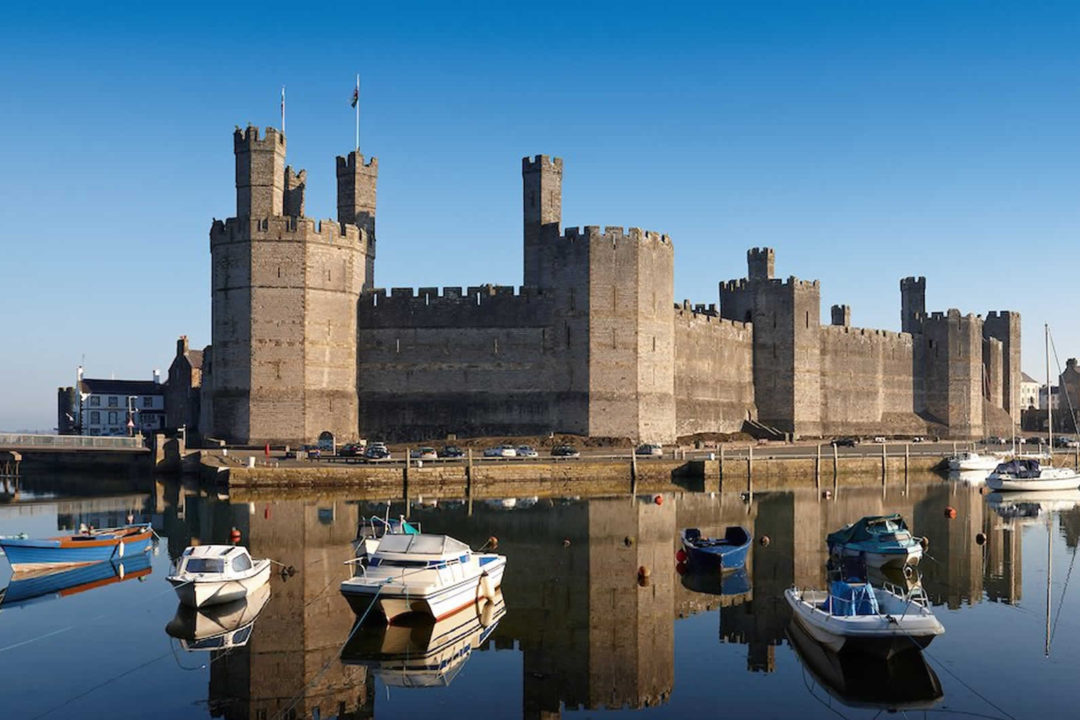
Caernarfon Castle
EVOLUTION: FROM FORTRESS TO PALACE
Castles did not remain static. Over centuries, political consolidation, changing military technology and cultural priorities shifted the balance between defense and comfort.
The Impact of Gunpowder
The arrival of gunpowder artillery in the later medieval and early modern period changed calculations. Thick vertical walls became vulnerable to cannon; newer fortification styles—lower, angled bastions—favorably altered layouts and began to look less like the medieval towered castle. As the purely military value of traditional castles declined, owners invested more in domestic comforts and lavish ornamentation.
Nobility, Court Culture and Domesticity
As centralized monarchies stabilized territory, the need for every lord to maintain a heavily armed local fortress diminished. Wealthy nobles began turning existing castles into palaces or building manor houses focused on display and comfort. This is when you start to see larger windows, improved chimneys, decorative plasterwork and gardens that would be inconceivable in a strictly military installation.
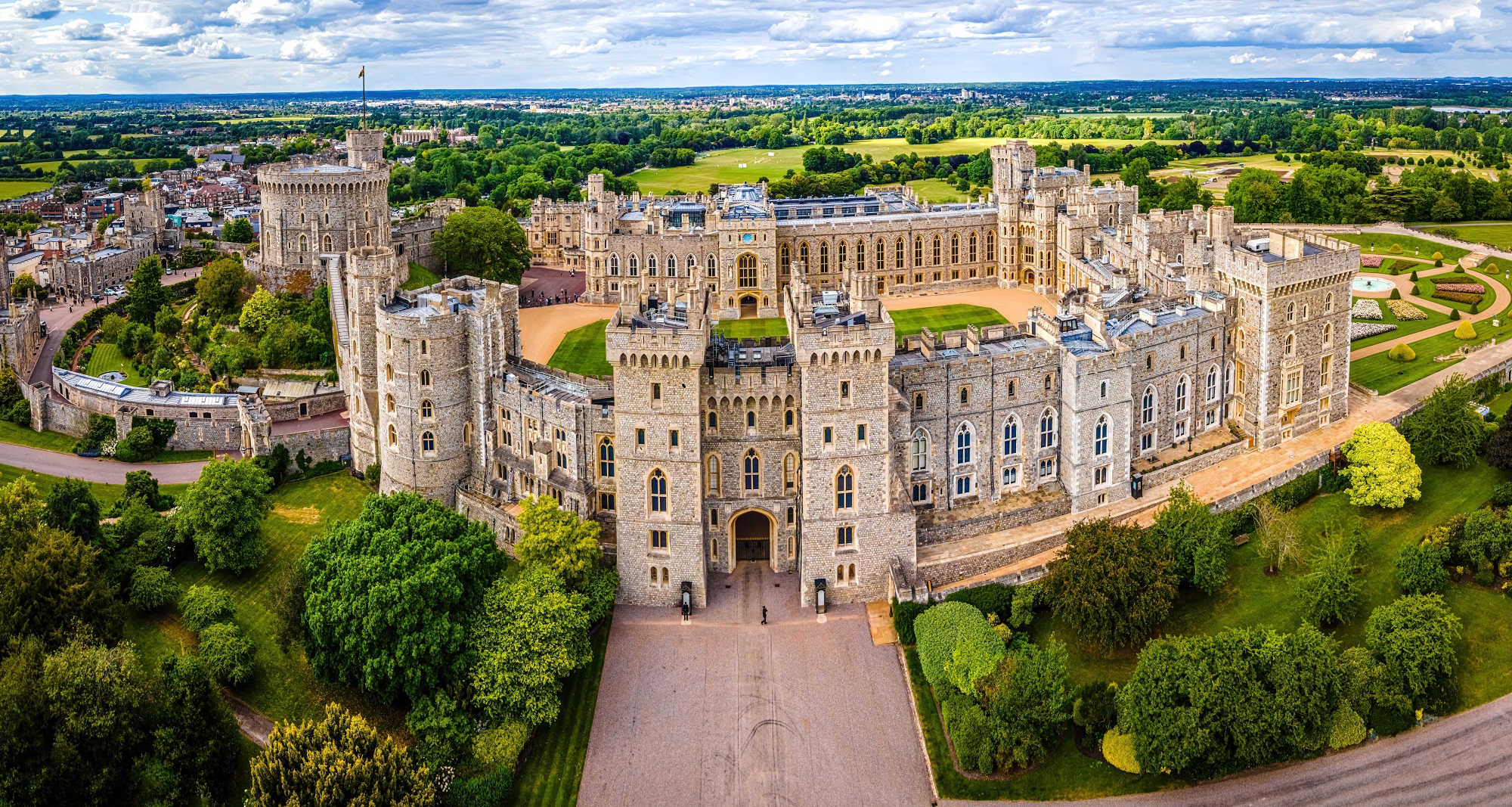
Windsor Castle
CASE STUDIES: CASTLES THAT EXEMPLIFY DEFENSIVE PRIORITIES
Examples can make the contrast clear: some castles remained defensive for centuries; others became sumptuous residences. Each tells a story about priorities and pressures.
Krak des Chevaliers
The Crusader fortress in Syria is among the most complete examples of a military-first castle: concentric walls, overlapping fields of fire and massive stores. Domestic comforts are minimal compared with the emphasis on defense and supply, a reminder that its principal function was to deter and hold territory in a hostile environment.
Conwy and Caernarfon (Wales)
Built by Edward I in the late 13th century, these Welsh castles project royal authority as much as provide military resistance. Their curtain walls, coordinated towers and gatehouses speak of deliberate intimidation. Where there is domestic space, it is narrow and calculated for control rather than ease.
Later Transformations: Windsor and Chambord
On the other hand, Windsor Castle and Château de Chambord illustrate how fortification features could be adapted into grand residences. Windsor preserves elements of defense but is a courtly residence; Chambord, begun in the Renaissance, reads as a hunting château where style and comfort dominate over military logic.
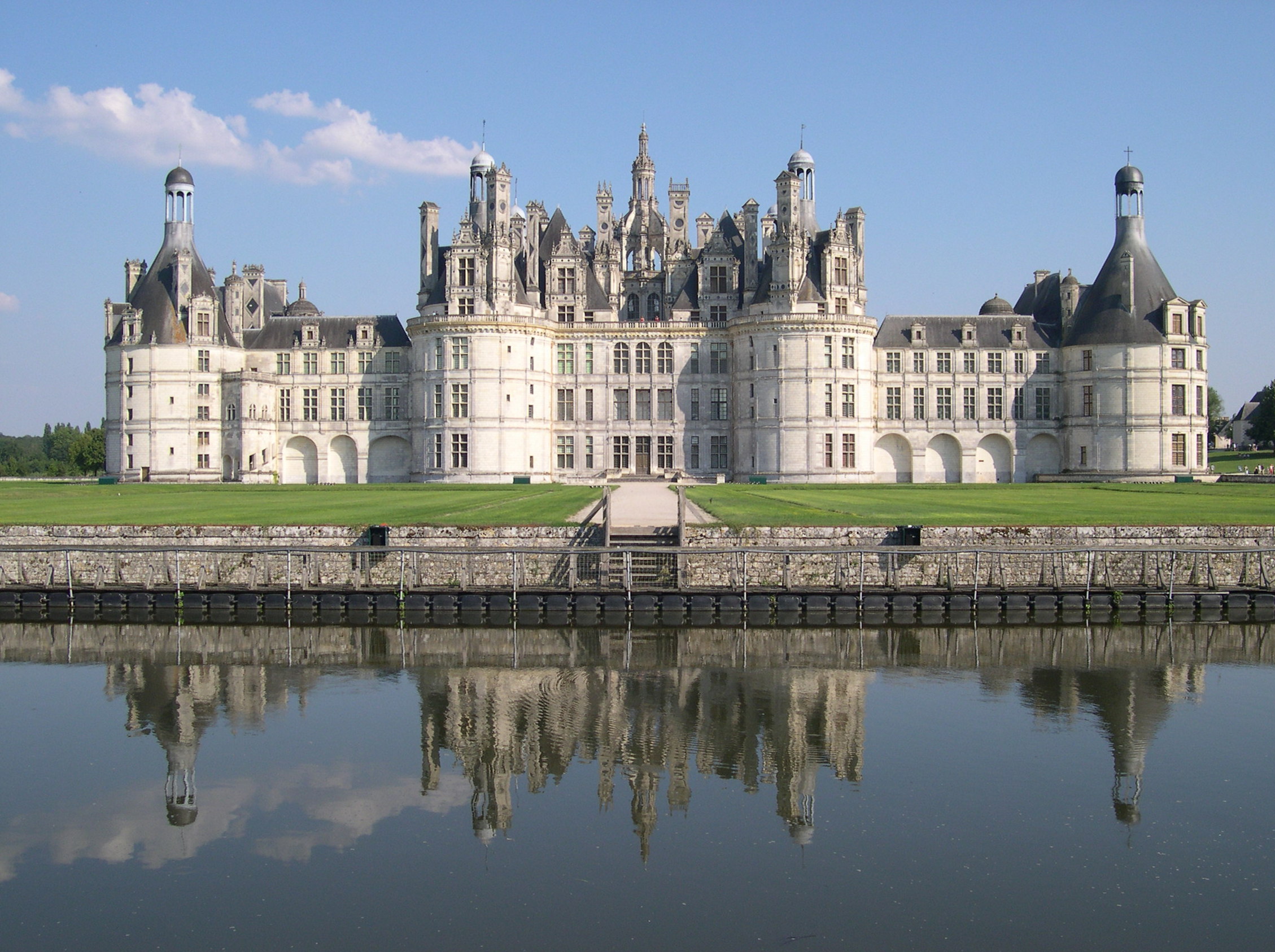
Château de Chambord
COMMON MISCONCEPTIONS
Several myths persist about castles that obscure their defensive intent.
Myth: Castles Were Comfortable Homes
Reality: Comfortable features were rare and usually added later. The common experience for most inhabitants was austerity, especially for soldiers and servants. Even lords often endured cold, smoky chambers because defense required it.
Myth: All Castles Were Built the Same
Reality: Designs varied by region, resources and threat. A Northern European castle looked different from a Crusader fortress because the enemies, materials and climates were different. But across these differences, the same priority—resisting attack—guided design.
CASTLES TODAY: PRESERVATION, TOURISM, AND THE LEGACY OF DEFENSE
Modern visitors often seek romance or comfortable historic spectacles, but the preserved ruins and restored keeps still teach the architecture of defense. Tourism repurposes battlements and dungeons into interpretive spaces, yet thoughtful conservation tries to balance visitor experience with honesty about how uncomfortable medieval life could be.
Interpreting Uncomfortable Spaces for Visitors
Museums and site managers use staging, reenactment and exhibit design to convey the sensory realities—smell, sound, light—of castle life. Sometimes that means intentionally showing damp cellars and cramped sleeping quarters to make the strategic trade-offs comprehensible to modern audiences.
Why the Defensive Aesthetic Endures
The symbolism of the fortress—power, authority, endurance—remains compelling. Even when castles were softened into palaces, the language of defense carried cultural weight: thick walls as prestige, towers as status. Today’s castles are therefore layered objects: military machines, homes, and political statements across time.
- Medieval castles were engineered primarily for defense; comfort was secondary.
- Architectural features like curtain walls, gatehouses and arrow slits favored military advantage over domestic ease.
- Living conditions were often cold, damp and crowded, with sanitation and heating compromised for the sake of security.
- Technological and political changes eventually shifted some castles toward comfort and display.
CONCLUSION: READING CASTLES AS STRATEGIES, NOT HOMES
When we walk through a castle today—along the parapet, through a narrow gatehouse, into a shadowed keep—we are looking at a strategy in stone. Every cramped corridor, every slit window and every projecting tower is an argument against easy access. The medieval builders were not trying to please bedrooms or create fashionable salons; they were answering a question of survival and control. To appreciate castles fully is to understand that discomfort and deterrence were part of the design, and that the evolution from fortress to palace tells us as much about changing power structures and technologies as it does about tastes.
Look at a castle and read its defenses first; comfort, if present, is the historical footnote.
- Deterrence — Visible strength reduced risk of attack.
- Control — Fortifications centralized authority and oversight.
- Living Conditions — Cold, damp, and often unsanitary interiors.
- Accessibility — Steep stairs and cramped spaces disadvantaged non-combatants.
Understanding castles as militarized landscapes reshapes our expectations. Instead of imagining passive, cozy dwellings, picture functional complexes: granaries, stables, armories, pumps, and strongpoints woven together in service of delay and deterrence. The aesthetics of power in stone read differently once you know the priorities: defense first, comfort later.
Further Reading
For curious travelers and history lovers, look for guided tours that emphasize architecture, siege craft and the daily life of garrisons. Visiting with attention to the practical reasons for design choices will reward you with a clearer sense of why these monuments were built the way they were.